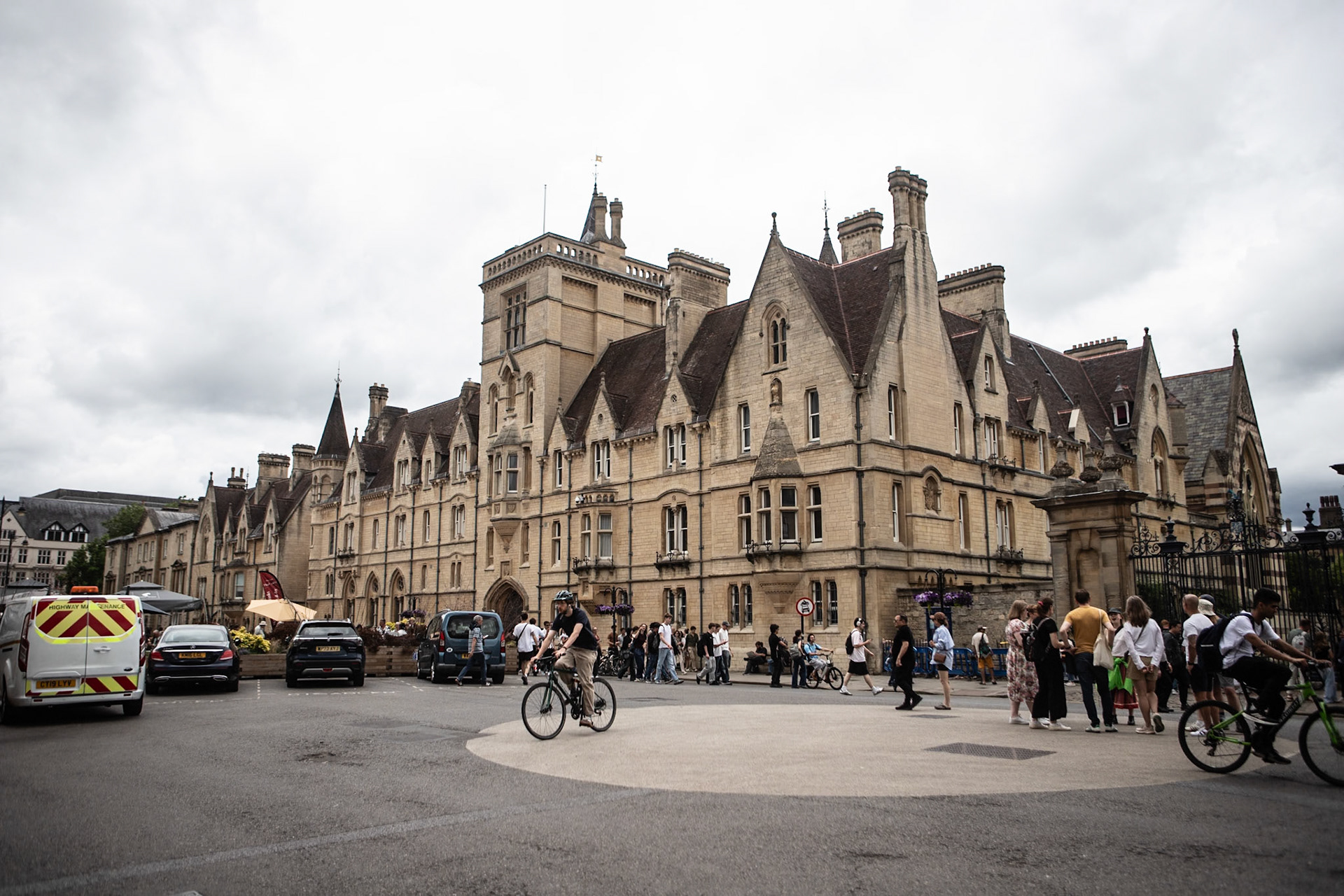
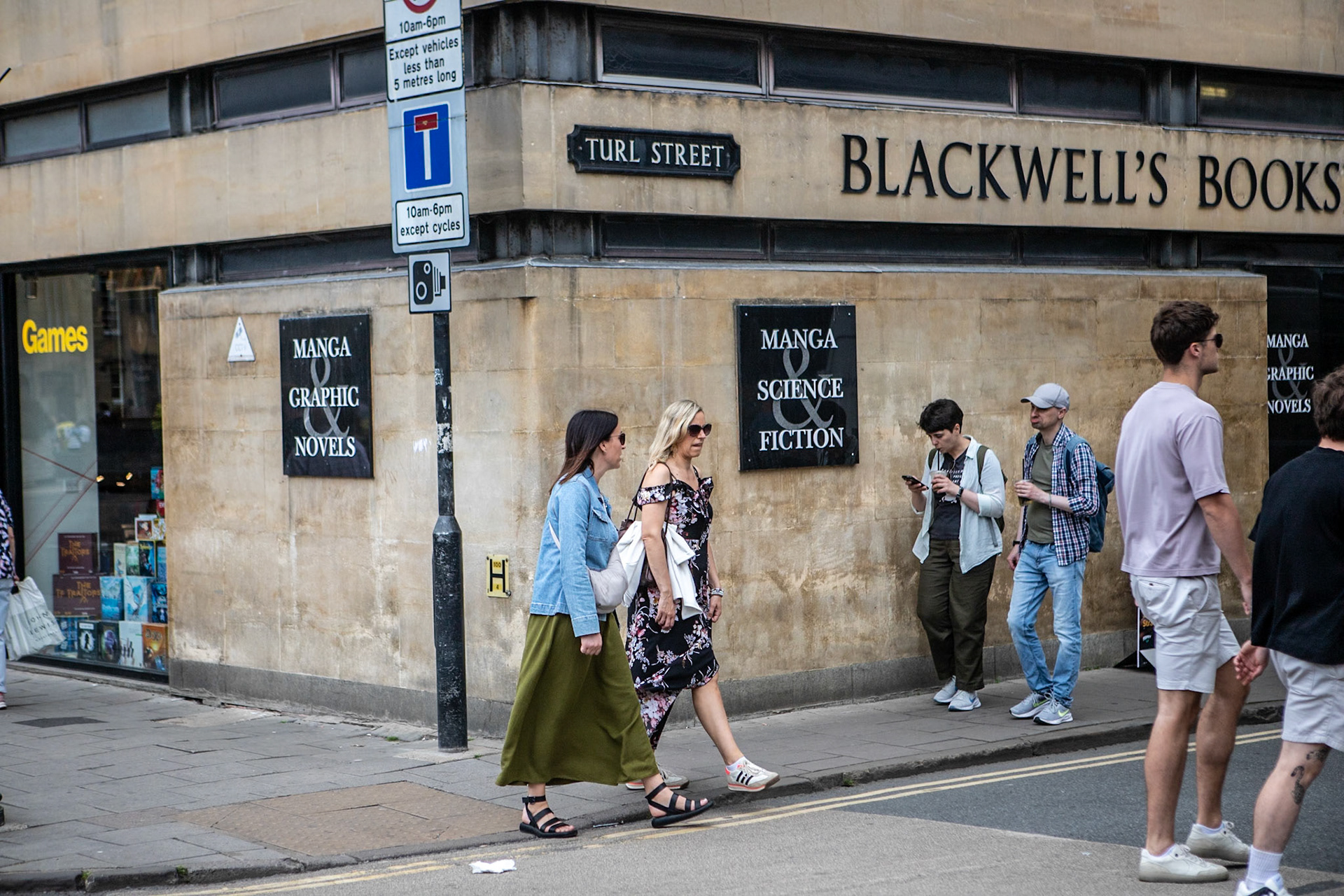
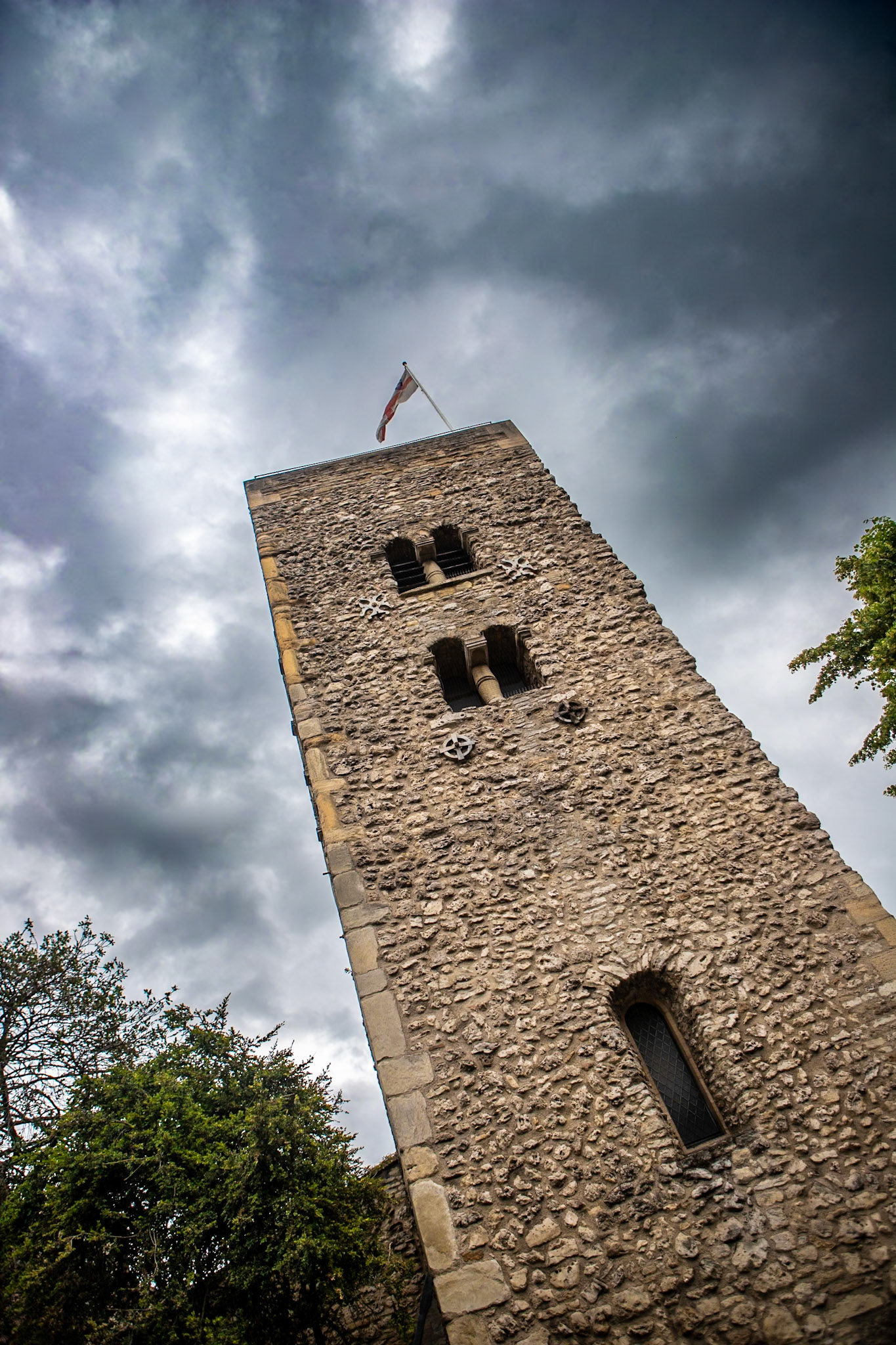
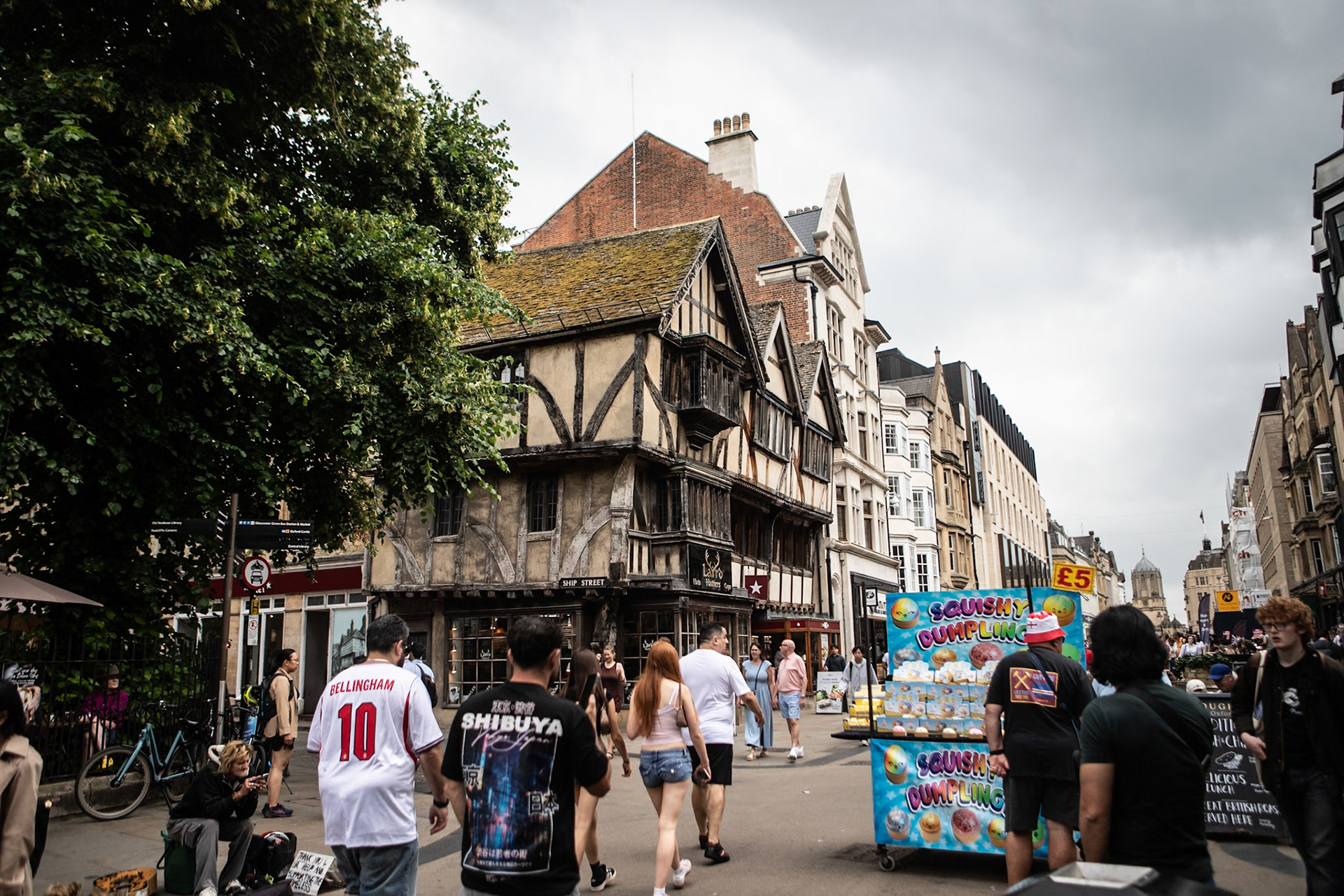
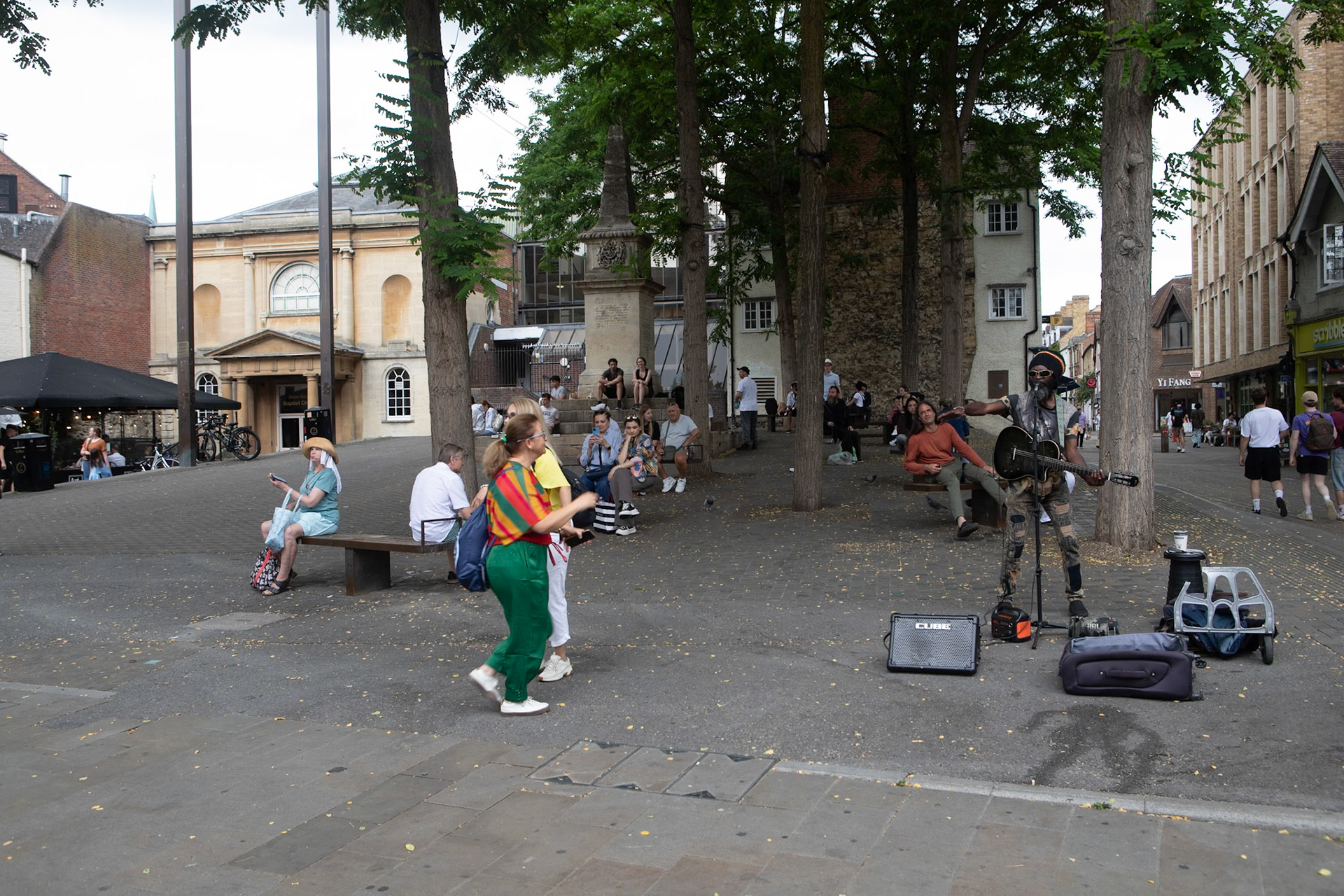
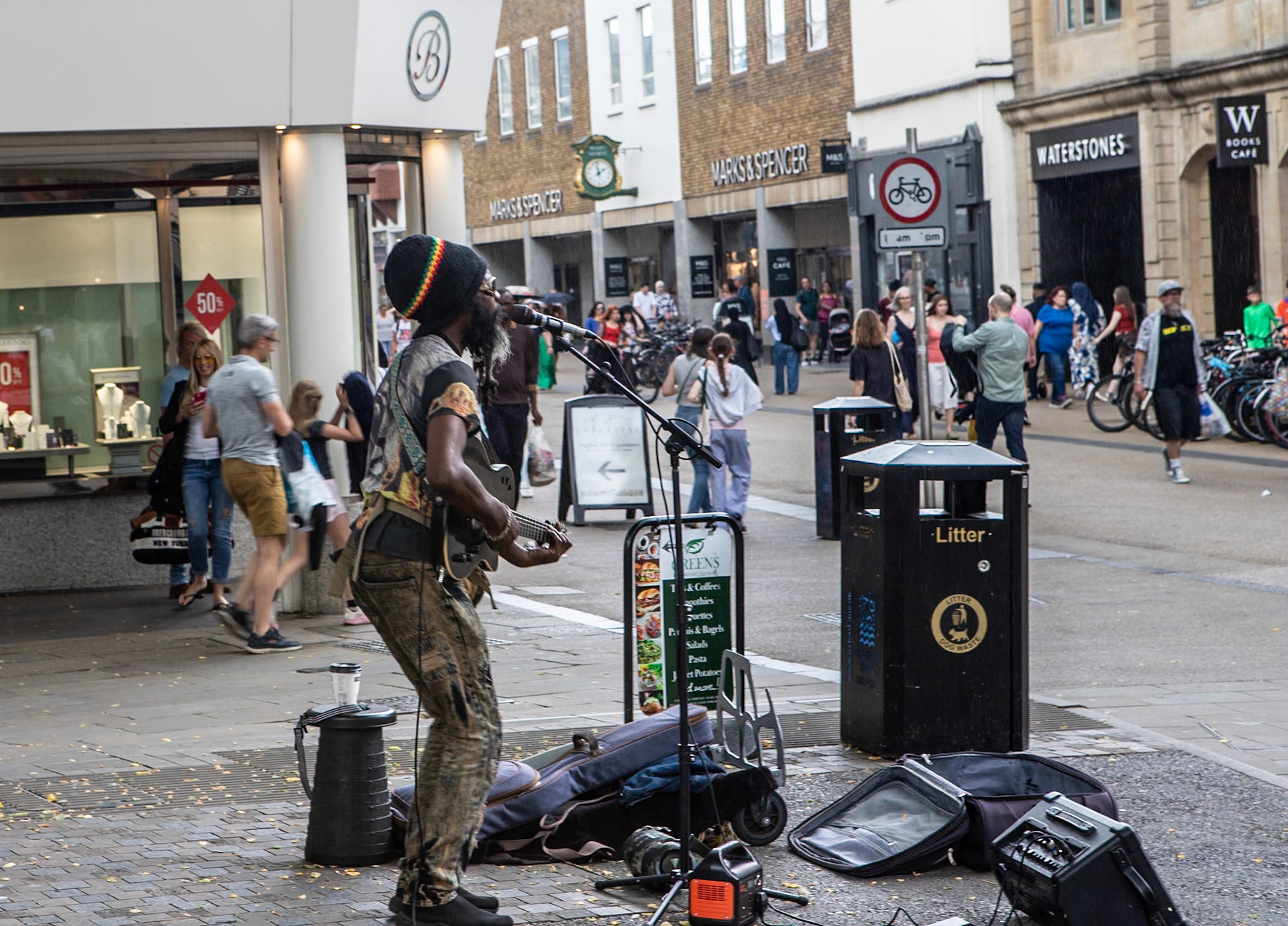
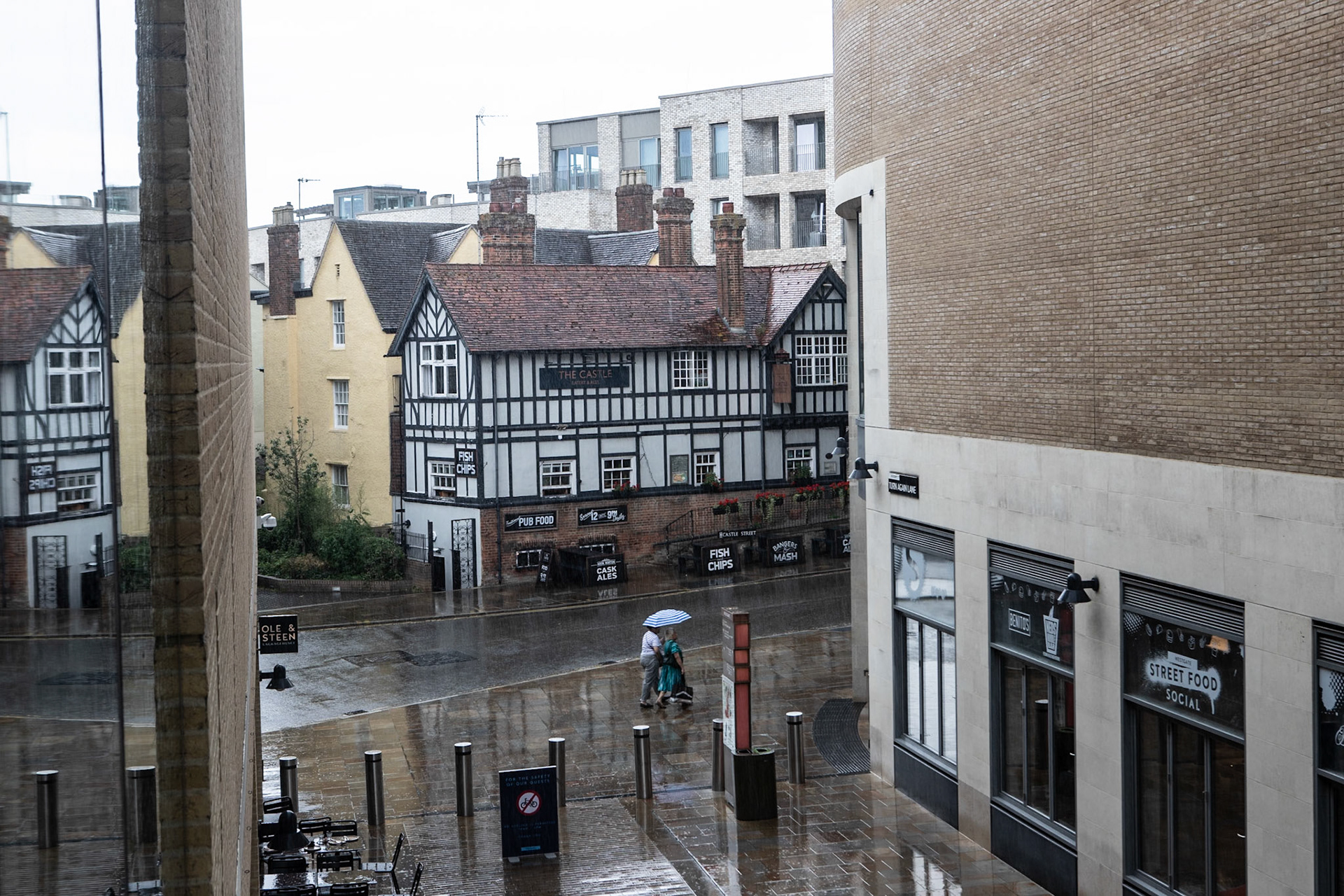
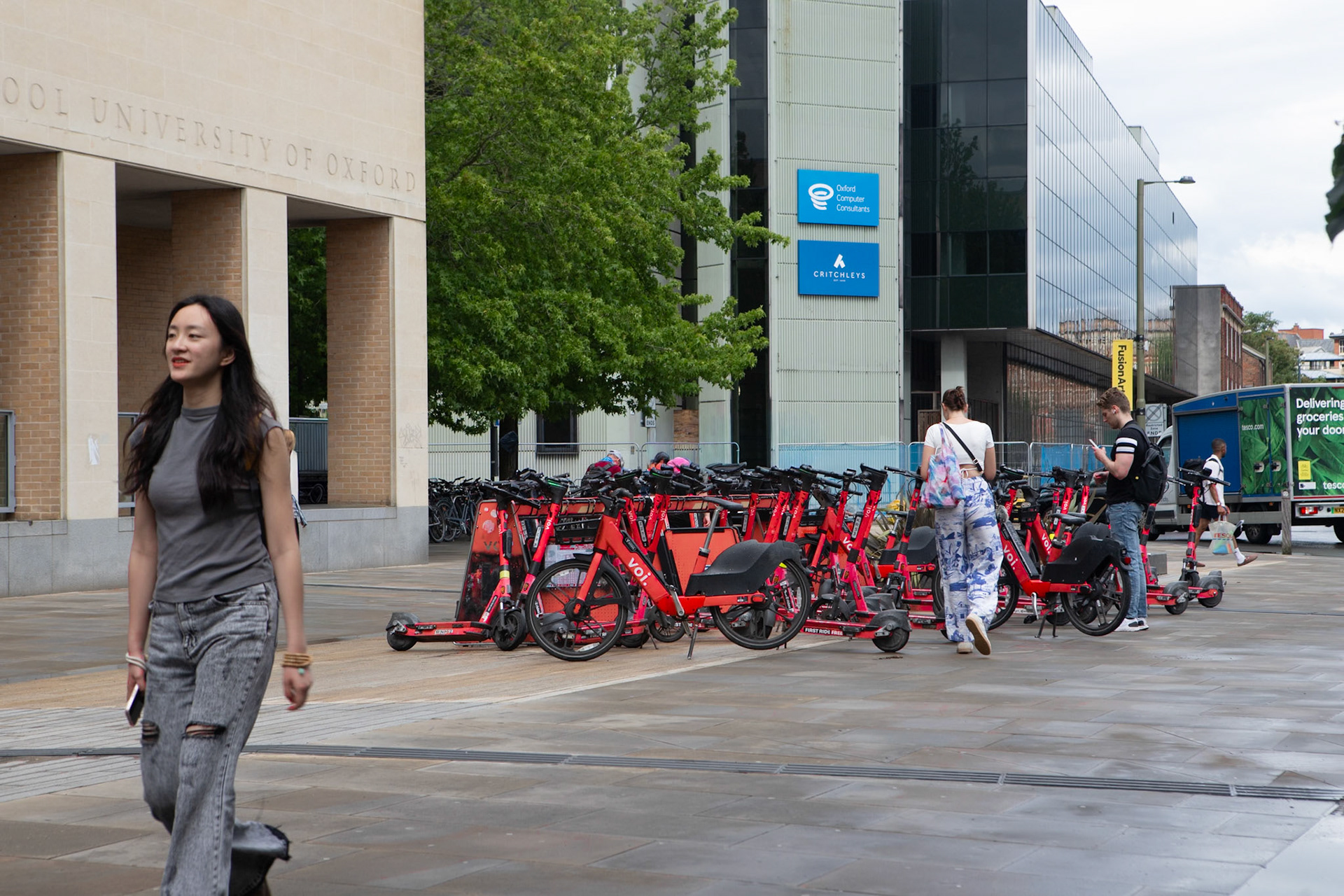
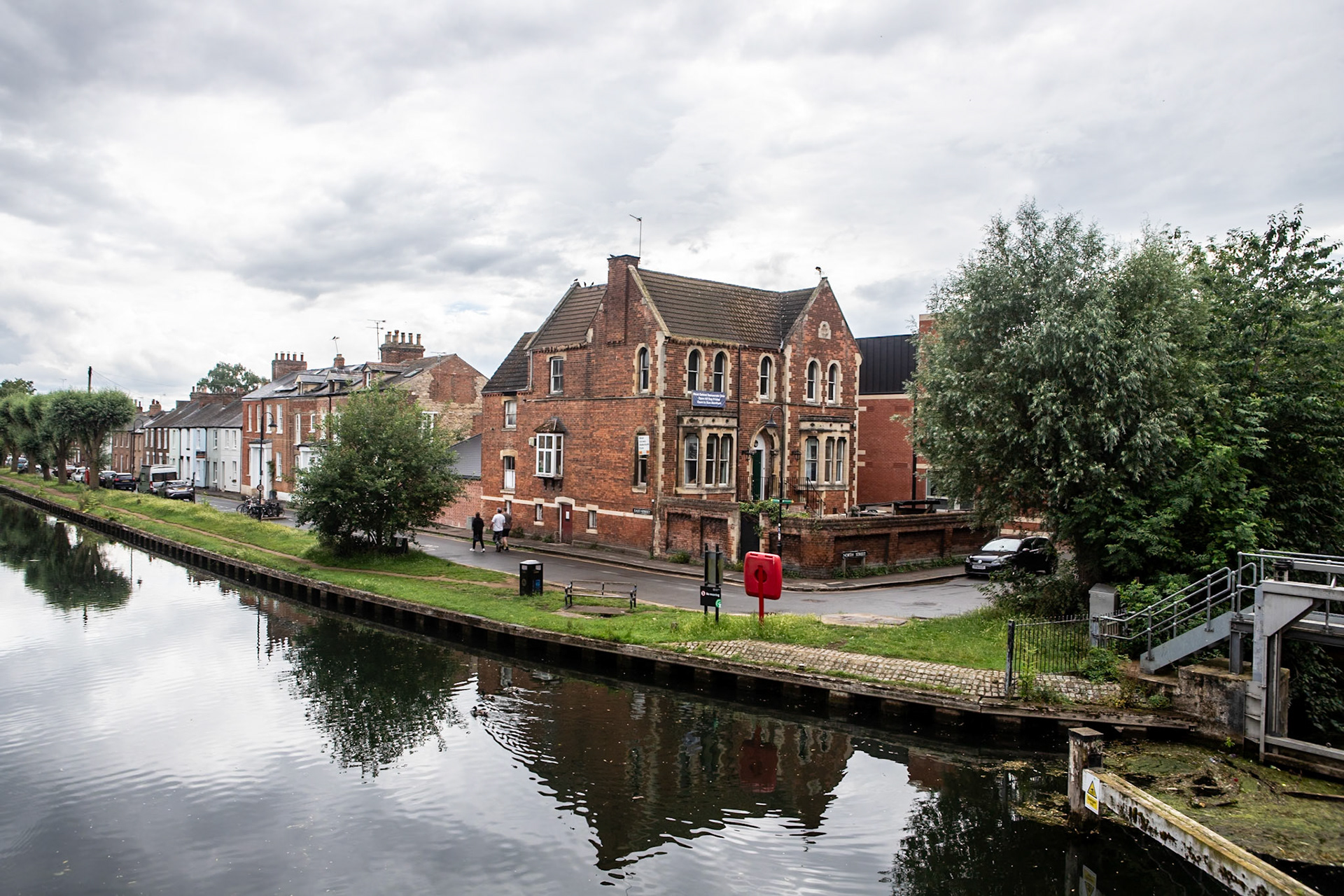
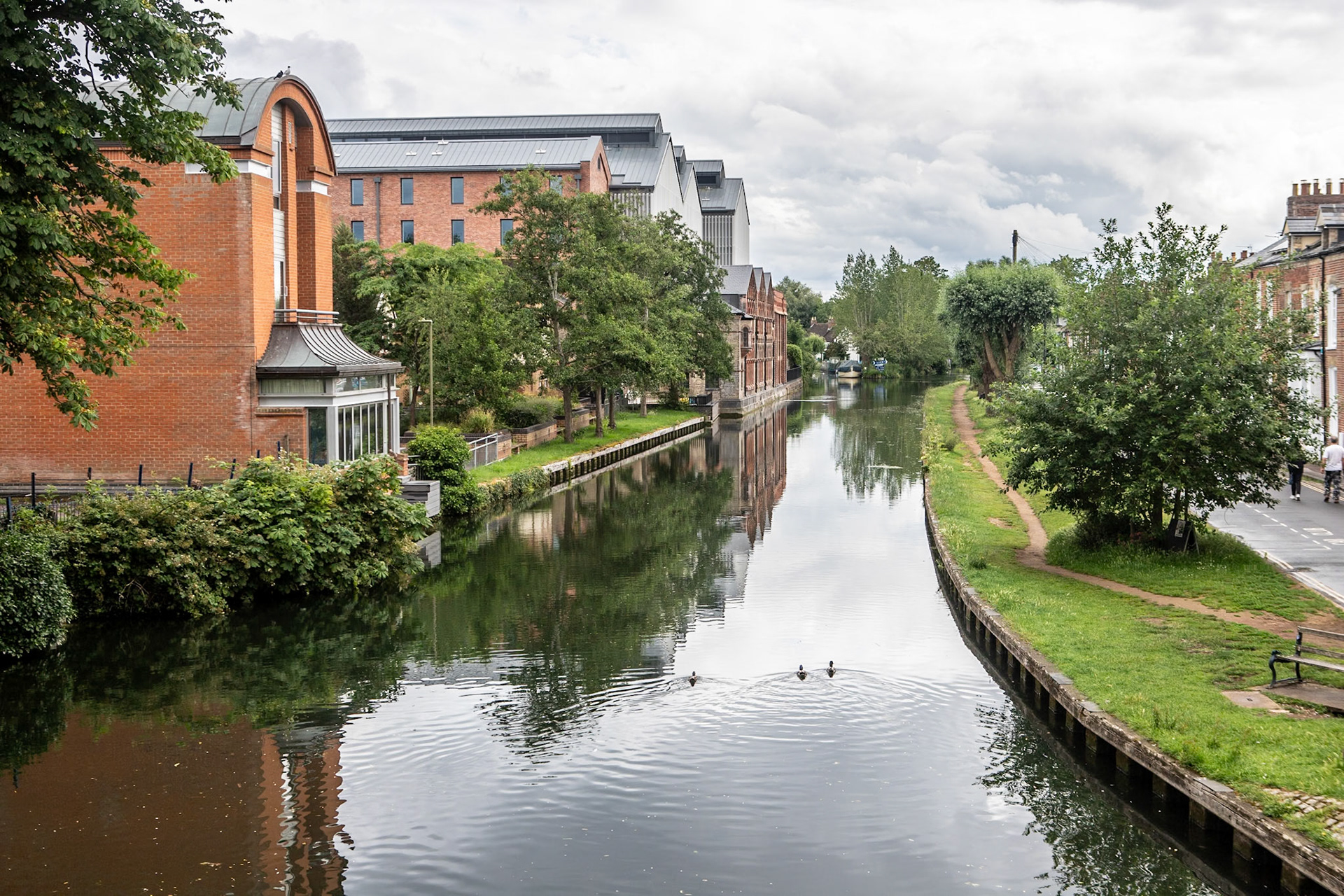
Oxford, England
Oxford, England
Oxford, England
Oxford, England
Oxford, England
Oxford, England
Oxford, England
Oxford, England
Oxford, England
Oxford, England
Oxford, England
Oxford, England
Oxford, England
Oxford, England
Oxford, England
Oxford, England
IWM Duxford
The Boeing B-17 Flying Fortress is an iconic four-engine heavy bomber used extensively during World War II. Renowned for its heavy defensive armament and ability to endure brutal combat damage, the "Flying Fortress" became the backbone of the Allied daylight strategic bombing campaigns against Germany
The Boeing B-17 Flying Fortress is an iconic four-engine heavy bomber used extensively during World War II. Renowned for its heavy defensive armament and ability to endure brutal combat damage, the "Flying Fortress" became the backbone of the Allied daylight strategic bombing campaigns against Germany
The Boeing B-17 Flying Fortress is an iconic four-engine heavy bomber used extensively during World War II. Renowned for its heavy defensive armament and ability to endure brutal combat damage, the "Flying Fortress" became the backbone of the Allied daylight strategic bombing campaigns against Germany
IWM Duxford
The Avro 691 Lancastrian was a British and Canadian passenger and mail transport aircraft of the 1940s and 1950s developed from the Avro Lancaster heavy bomber.
IWM Duxford
Vickers Viscount Type 701, Production aircraft for British European Airways (BEA), the same as the prototype 700 but as in all production aircraft the engines were moved 18 inches outboard to reduce cabin noise level. Originally fitted with Dart 505 engines but later changed to Dart 506s. Originally had a either 40 or 47 seats but this was changed in the 1960s to seat either 60 or 63 passengers, 27 built, first delivered in January 1953.
Roll Royce Dart 506
The Bristol Type 175 Britannia is a retired British medium-to-long-range airliner built by the Bristol Aeroplane Company in 1952 to meet British civilian aviation needs.
IWM Duxford
G-ALWF is the second production Vickers Viscount 701 turboprop aircraft, historically named RMA Sir John Franklin. It is the oldest surviving Viscount and the oldest turboprop airliner still in existence
The de Havilland DH.106 Comet is a four-engine narrow body aircraft developed and manufactured by de Havilland in the United Kingdom. The world's first commercial jet airliner, the Comet 1 prototype first flew in 1949. It features an aerodynamically clean design with four de Havilland Ghost turbojet engines located in the wing roots, a pressurised cabin, and large windows. For the era, it offered a relatively quiet, comfortable passenger cabin and was commercially promising at its debut in 1952.
G-EDII is a historic 1942 Boeing-Stearman Model 75 (E75/PT-13D) aircraft. Originally used as a military primary trainer during World War II, it has since been lovingly restored and is operated privately in the United Kingdom, frequently flying out of the IWM Duxford
The McDonnell Douglas F-15 Eagle is an American twin-engine, all-weather tactical fighter aircraft renowned for its exceptional maneuverability, speed, and undefeated combat record. Originally developed by McDonnell Douglas (now part of Boeing), it has served as a frontline air superiority fighter for the U.S. Air Force and allied nations for decades.
The Fairchild Republic A-10 Thunderbolt II, widely known as the "Warthog," is a legendary United States Air Force twin-turbofan attack aircraft. Designed specifically for close air support (CAS) of ground troops, it is famous for its extreme durability, the ability to loiter over battlefields, and its massive 30 mm GAU-8 Avenger Gatling gun.
The McDonnell Douglas F-4 Phantom II is an American tandem two-seat, twin-engine, all-weather, long-range supersonic jet interceptor and fighter-bomber that was developed by McDonnell Aircraft for the United States Navy
The McDonnell Douglas F-15 Eagle is an American twin-engine, all-weather tactical fighter aircraft renowned for its exceptional maneuverability, speed, and undefeated combat record. Originally developed by McDonnell Douglas (now part of Boeing), it has served as a frontline air superiority fighter for the U.S. Air Force and allied nations for decades.
The McDonnell Douglas F-4 Phantom II is an American tandem two-seat, twin-engine, all-weather, long-range supersonic jet interceptor and fighter-bomber that was developed by McDonnell Aircraft for the United States Navy
IWM Duxford
IWM Duxford
B52 undercarriage
UH1D rotorhead
The Lockheed SR-71 "Blackbird" is a retired long-range, high-altitude, Mach 3+ strategic reconnaissance aircraft that was developed and manufactured by the American aerospace company Lockheed Corporation. Its nicknames include "Blackbird" and "Habu". The SR-71 Blackbird at IWM Duxford has flown higher than any other. It set the world record for sustained altitude flight in 1976, flying at 85,000 feet.
The Lockheed SR-71 "Blackbird" is a retired long-range, high-altitude, Mach 3+ strategic reconnaissance aircraft that was developed and manufactured by the American aerospace company Lockheed Corporation. Its nicknames include "Blackbird" and "Habu". The SR-71 Blackbird at IWM Duxford has flown higher than any other. It set the world record for sustained altitude flight in 1976, flying at 85,000 feet.
The Lockheed SR-71 "Blackbird" is a retired long-range, high-altitude, Mach 3+ strategic reconnaissance aircraft that was developed and manufactured by the American aerospace company Lockheed Corporation. Its nicknames include "Blackbird" and "Habu". The SR-71 Blackbird at IWM Duxford has flown higher than any other. It set the world record for sustained altitude flight in 1976, flying at 85,000 feet.
The Lockheed SR-71 "Blackbird" is a retired long-range, high-altitude, Mach 3+ strategic reconnaissance aircraft that was developed and manufactured by the American aerospace company Lockheed Corporation. Its nicknames include "Blackbird" and "Habu". The SR-71 Blackbird at IWM Duxford has flown higher than any other. It set the world record for sustained altitude flight in 1976, flying at 85,000 feet.
The General Atomics MQ-1 Predator (often referred to as the Predator drone) is an American remotely piloted aircraft (RPA) built by General Atomics that was used primarily by the United States Air Force (USAF) and Central Intelligence Agency (CIA). Conceived in the early 1990s for aerial reconnaissance and forward observation roles, the Predator carries cameras and other sensors. It was modified and upgraded to carry and fire two AGM-114 Hellfire missiles or other munitions.
The Lockheed SR-71 "Blackbird" is a retired long-range, high-altitude, Mach 3+ strategic reconnaissance aircraft that was developed and manufactured by the American aerospace company Lockheed Corporation. Its nicknames include "Blackbird" and "Habu". The SR-71 Blackbird at IWM Duxford has flown higher than any other. It set the world record for sustained altitude flight in 1976, flying at 85,000 feet.
The Lockheed U-2, nicknamed the "Dragon Lady", is an American single-engine, high–altitude reconnaissance aircraft operated by the United States Air Force (USAF) and the Central Intelligence Agency (CIA) since the 1950s. Designed for all-weather, day-and-night intelligence gathering at altitudes above 70,000 feet (21,300 meters), the U-2 has played a pivotal role in aerial surveillance for decades
The General Dynamics F-111 Aardvark is a retired, supersonic, medium-range fighter-bomber. Production models of the F-111 had roles that included attack (e.g., interdiction), strategic bombing (including nuclear weapons capabilities), reconnaissance, and electronic warfare. Its name "Aardvark" comes from a long-nosed, insect-eating African animal.
The General Dynamics F-111 Aardvark is a retired, supersonic, medium-range fighter-bomber. Production models of the F-111 had roles that included attack (e.g., interdiction), strategic bombing (including nuclear weapons capabilities), reconnaissance, and electronic warfare. Its name "Aardvark" comes from a long-nosed, insect-eating African animal.
IWM Duxford
IWM Duxford
The Heinkel He 162 Volksjäger (German, "People's Fighter") is a German single-engine, jet-powered fighter aircraft fielded by the Luftwaffe late in World War II.
The Supermarine Spitfire is a British single-seat fighter aircraft that was used by the Royal Air Force and other Allied countries before, during, and after World War II. It was the only British fighter produced continuously throughout the war. The Spitfire was a short-range, high-performance interceptor aircraft designed by R. J. Mitchell, chief designer at Supermarine Aviation Works, which operated as a subsidiary of Vickers-Armstrong from 1928. Mitchell modified the Spitfire's distinctive elliptical wing (designed by Beverley Shenstone) with innovative sunken rivets to have the thinnest possible cross-section, achieving a potential top speed greater than that of several contemporary fighter aircraft, including the Hawker Hurricane. Mitchell continued to refine the design until his death from cancer in 1937, whereupon his colleague Joseph Smith took over as chief designer.
The Gloster Meteor was the first British jet fighter and the Allies' only jet aircraft to engage in combat operations during the Second World War. It was designed and primarily produced by the Gloster Aircraft Company, although its development was heavily reliant on its ground-breaking turbojet engines, pioneered by Frank Whittle and his company, Power Jets Ltd.
The Gloster Meteor was the first British jet fighter and the Allies' only jet aircraft to engage in combat operations during the Second World War. It was designed and primarily produced by the Gloster Aircraft Company, although its development was heavily reliant on its ground-breaking turbojet engines, pioneered by Frank Whittle and his company, Power Jets Ltd.
The Messerschmitt Bf 109 is a monoplane fighter aircraft that was designed and initially produced by the German aircraft manufacturer Bayerische Flugzeugwerke (BFW).
Cierva C.30A autogyro (registration G-ACUU). Widely considered the missing link between airplanes and helicopters.
Cierva C.30A autogyro (registration G-ACUU). Widely considered the missing link between airplanes and helicopters.
The Avro Anson is a British twin-engine, multi-role aircraft built by the aircraft manufacturer Avro. Large numbers of the type served in a variety of roles for the Royal Air Force (RAF), Fleet Air Arm (FAA), Royal Canadian Air Force (RCAF), Royal Australian Air Force (RAAF), and numerous other air forces before, during, and after the Second World War.
The Westland Lysander is a British army co-operation and liaison aircraft produced by Westland Aircraft that was used immediately before and during the Second World War.
IWM Duxford
The de Havilland DH.104 Dove is a British short-haul airliner developed and manufactured by de Havilland. The design, which was a monoplane successor to the pre-war Dragon Rapide biplane, came about from the Brabazon Committee report which, amongst other aircraft types, called for a British-designed short-haul feeder for airlines
The Airspeed AS.57 Ambassador is a British twin piston-engined airliner that was designed and produced by the British aircraft manufacturer Airspeed Ltd. It was one of the first postwar airliners to be produced.
The Consolidated Model 28, more commonly known as the PBY Catalina (U.S. Navy designation), is an American flying boat and amphibious aircraft designed by Consolidated Aircraft in the 1930s and 1940s. In U.S. Army service, it was designated as the OA-10
The Avro 691 Lancastrian was a British and Canadian passenger and mail transport aircraft of the 1940s and 1950s developed from the Avro Lancaster heavy bomber. The Lancastrian was basically a modified Lancaster bomber without armour or armament and with the gun turrets replaced by streamlined metal fairings, including a new nose section. The initial batch was converted directly from Lancasters; later batches were new builds.
The Grumman F4F Wildcat is an American carrier-based fighter aircraft that entered service in 1940 with the United States Navy and the British Royal Navy
Royal Aircraft Factory R.E.8 (often simply called the “Harry Tate”).
Wildcat undercarriage
Wildcat folding wing setup
The Fairey Gannet is a carrier-borne aircraft that was designed and produced by the British aircraft manufacturer the Fairey Aviation Company. It was developed for the Royal Navy, being the first fixed-wing aircraft to combine both the search and strike portions of anti-submarine warfare (ASW) operations to be operated by the Fleet Air Arm (FAA)
The Fairey Gannet is a carrier-borne aircraft that was designed and produced by the British aircraft manufacturer the Fairey Aviation Company. It was developed for the Royal Navy, being the first fixed-wing aircraft to combine both the search and strike portions of anti-submarine warfare (ASW) operations to be operated by the Fleet Air Arm (FAA)
The Fairey Gannet is a carrier-borne aircraft that was designed and produced by the British aircraft manufacturer the Fairey Aviation Company. It was developed for the Royal Navy, being the first fixed-wing aircraft to combine both the search and strike portions of anti-submarine warfare (ASW) operations to be operated by the Fleet Air Arm (FAA)
The Fairey Gannet is a carrier-borne aircraft that was designed and produced by the British aircraft manufacturer the Fairey Aviation Company. It was developed for the Royal Navy, being the first fixed-wing aircraft to combine both the search and strike portions of anti-submarine warfare (ASW) operations to be operated by the Fleet Air Arm (FAA)
The de Havilland DH.110 Sea Vixen is a British twin-engine, twin boom-tailed, two-seat, carrier-based fleet air-defence fighter flown by the Fleet Air Arm of the Royal Navy from the 1950s to the early 1970s.
The Hawker Sea Hawk is a British single-seat jet day fighter formerly of the Fleet Air Arm (FAA), the air branch of the Royal Navy (RN), built by Hawker Aircraft and its sister company, Armstrong Whitworth Aircraft. Although its design originated from earlier Hawker piston-engined fighters, the Sea Hawk was the company's first jet aircraft.
The Avro 691 Lancastrian was a British and Canadian passenger and mail transport aircraft of the 1940s and 1950s developed from the Avro Lancaster heavy bomber.
The Avro 691 Lancastrian was a British and Canadian passenger and mail transport aircraft of the 1940s and 1950s developed from the Avro Lancaster heavy bomber.
The Consolidated Model 28, more commonly known as the PBY Catalina (U.S. Navy designation), is an American flying boat and amphibious aircraft designed by Consolidated Aircraft in the 1930s and 1940s. In U.S. Army service, it was designated as the OA-10
The Consolidated Model 28, more commonly known as the PBY Catalina (U.S. Navy designation), is an American flying boat and amphibious aircraft designed by Consolidated Aircraft in the 1930s and 1940s. In U.S. Army service, it was designated as the OA-10
The Consolidated Model 28, more commonly known as the PBY Catalina (U.S. Navy designation), is an American flying boat and amphibious aircraft designed by Consolidated Aircraft in the 1930s and 1940s. In U.S. Army service, it was designated as the OA-10
The Consolidated Model 28, more commonly known as the PBY Catalina (U.S. Navy designation), is an American flying boat and amphibious aircraft designed by Consolidated Aircraft in the 1930s and 1940s. In U.S. Army service, it was designated as the OA-10
The Consolidated Model 28, more commonly known as the PBY Catalina (U.S. Navy designation), is an American flying boat and amphibious aircraft designed by Consolidated Aircraft in the 1930s and 1940s. In U.S. Army service, it was designated as the OA-10
The Consolidated Model 28, more commonly known as the PBY Catalina (U.S. Navy designation), is an American flying boat and amphibious aircraft designed by Consolidated Aircraft in the 1930s and 1940s. In U.S. Army service, it was designated as the OA-10
The Consolidated Model 28, more commonly known as the PBY Catalina (U.S. Navy designation), is an American flying boat and amphibious aircraft designed by Consolidated Aircraft in the 1930s and 1940s. In U.S. Army service, it was designated as the OA-10
Boeing B17
IWM Duxford
IWM Duxford
The Curtiss P-40 Warhawk is an American single-engined, single-seat, all-metal fighter-bomber that first flew in 1938. The P-40 design was a modification of the previous Curtiss P-36 Hawk which reduced development time and enabled a rapid entry into production and operational service.
IWM Duxford
The Handley Page Victor is a British jet-powered strategic bomber developed and produced by Handley Page during the Cold War. It was the third and final 'V bomber' to be operated by the Royal Air Force (RAF), the other two being the Vickers Valiant and the Avro Vulcan.
The Gloster Javelin is a twin-engined all-weather interceptor aircraft designed and produced by the Gloster Aircraft Company. It was operated by the Royal Air Force from the mid-1950s until the late 1960s and was the final aircraft design to bear the Gloster name.
The Gloster Javelin is a twin-engined all-weather interceptor aircraft designed and produced by the Gloster Aircraft Company. It was operated by the Royal Air Force from the mid-1950s until the late 1960s and was the final aircraft design to bear the Gloster name.
The Panavia Tornado is a family of twin-engine, variable-sweep wing multi-role combat aircraft, jointly developed and manufactured by Italy, the United Kingdom and Germany.
The Avro Lancaster, commonly known as the Lancaster Bomber, is a British Second World War heavy bomber. It was designed and manufactured by Avro as a contemporary of the Handley Page Halifax, both bombers having been developed to the same specification, as well as the Short Stirling, all three aircraft being four-engine heavy bombers adopted by the Royal Air Force (RAF) during the same era.
The Avro Lancaster, commonly known as the Lancaster Bomber, is a British Second World War heavy bomber. It was designed and manufactured by Avro as a contemporary of the Handley Page Halifax, both bombers having been developed to the same specification, as well as the Short Stirling, all three aircraft being four-engine heavy bombers adopted by the Royal Air Force (RAF) during the same era.
The Avro Lancaster, commonly known as the Lancaster Bomber, is a British Second World War heavy bomber. It was designed and manufactured by Avro as a contemporary of the Handley Page Halifax, both bombers having been developed to the same specification, as well as the Short Stirling, all three aircraft being four-engine heavy bombers adopted by the Royal Air Force (RAF) during the same era.
The Gloster Javelin is a twin-engined all-weather interceptor aircraft designed and produced by the Gloster Aircraft Company. It was operated by the Royal Air Force from the mid-1950s until the late 1960s and was the final aircraft design to bear the Gloster name.
The Avro Lancaster, commonly known as the Lancaster Bomber, is a British Second World War heavy bomber. It was designed and manufactured by Avro as a contemporary of the Handley Page Halifax, both bombers having been developed to the same specification, as well as the Short Stirling, all three aircraft being four-engine heavy bombers adopted by the Royal Air Force (RAF) during the same era.
The Avro Lancaster, commonly known as the Lancaster Bomber, is a British Second World War heavy bomber. It was designed and manufactured by Avro as a contemporary of the Handley Page Halifax, both bombers having been developed to the same specification, as well as the Short Stirling, all three aircraft being four-engine heavy bombers adopted by the Royal Air Force (RAF) during the same era.
The Panavia Tornado is a family of twin-engine, variable-sweep wing multi-role combat aircraft, jointly developed and manufactured by Italy, the United Kingdom and Germany.
The Panavia Tornado is a family of twin-engine, variable-sweep wing multi-role combat aircraft, jointly developed and manufactured by Italy, the United Kingdom and Germany.
The Gloster Javelin is a twin-engined all-weather interceptor aircraft designed and produced by the Gloster Aircraft Company. It was operated by the Royal Air Force from the mid-1950s until the late 1960s and was the final aircraft design to bear the Gloster name.
The Gloster Javelin is a twin-engined all-weather interceptor aircraft designed and produced by the Gloster Aircraft Company. It was operated by the Royal Air Force from the mid-1950s until the late 1960s and was the final aircraft design to bear the Gloster name.
IWM Duxford
The Mikoyan-Gurevich MiG-21 (Russian: Микоян и Гуревич МиГ-21; NATO reporting name: Fishbed) is a supersonic jet fighter and interceptor aircraft, designed by the Mikoyan-Gurevich Design Bureau in the Soviet Union.
The British Aircraft Corporation TSR-2 was a cancelled supersonic strike and reconnaissance aircraft designed by the British Aircraft Corporation (BAC). It was under development throughout the late 1950s and early 1960s for the Royal Air Force (RAF); the TSR-2 designation came from "Tactical Strike and Reconnaissance, Mach 2"
The British Aircraft Corporation TSR-2 was a cancelled supersonic strike and reconnaissance aircraft designed by the British Aircraft Corporation (BAC). It was under development throughout the late 1950s and early 1960s for the Royal Air Force (RAF); the TSR-2 designation came from "Tactical Strike and Reconnaissance, Mach 2"
The British Aircraft Corporation TSR-2 was a cancelled supersonic strike and reconnaissance aircraft designed by the British Aircraft Corporation (BAC). It was under development throughout the late 1950s and early 1960s for the Royal Air Force (RAF); the TSR-2 designation came from "Tactical Strike and Reconnaissance, Mach 2"
IWM Duxford
Concorde is a retired Anglo-French supersonic airliner jointly developed and manufactured by Sud Aviation and the British Aircraft Corporation (BAC).
Concorde is a retired Anglo-French supersonic airliner jointly developed and manufactured by Sud Aviation and the British Aircraft Corporation (BAC).
The British Aerospace Sea Harrier is a naval short take-off and vertical landing/vertical take-off and landing jet fighter, reconnaissance and attack aircraft. It is the second member of the Harrier family developed.
The English Electric Lightning is a British fighter aircraft that served as an interceptor from 1960 to 1988. It is capable of a top speed above Mach 2. The Lightning was designed, developed, and manufactured by English Electric. After EE merged with other aircraft manufacturers to form the British Aircraft Corporation it was marketed as the BAC Lightning.
The Avro Vulcan (later Hawker Siddeley Vulcan[1] from July 1963)[2] is a jet-powered, tailless, delta-wing, high-altitude strategic bomber, which was operated by the Royal Air Force (RAF) from 1956 until 1984.
The English Electric Lightning is a British fighter aircraft that served as an interceptor from 1960 to 1988. It is capable of a top speed above Mach 2. The Lightning was designed, developed, and manufactured by English Electric. After EE merged with other aircraft manufacturers to form the British Aircraft Corporation it was marketed as the BAC Lightning.
IWM Duxford
The Avro Vulcan (later Hawker Siddeley Vulcan[1] from July 1963)[2] is a jet-powered, tailless, delta-wing, high-altitude strategic bomber, which was operated by the Royal Air Force (RAF) from 1956 until 1984.
The Avro Vulcan (later Hawker Siddeley Vulcan[1] from July 1963)[2] is a jet-powered, tailless, delta-wing, high-altitude strategic bomber, which was operated by the Royal Air Force (RAF) from 1956 until 1984.
The Short S.25 Sunderland is a British flying boat patrol bomber, developed and constructed by Short Brothers for the Royal Air Force (RAF). The aircraft took its service name from the town (latterly, city) and port of Sunderland in North East England.
IWM Duxford
The Gloster Javelin is a twin-engined all-weather interceptor aircraft designed and produced by the Gloster Aircraft Company. It was operated by the Royal Air Force from the mid-1950s until the late 1960s and was the final aircraft design to bear the Gloster name.
The Grumman F8F Bearcat is an American single-engined, carrier-based, fighter aircraft introduced in late World War II. It served during the mid-20th century in the United States Navy, the United States Marine Corps, and the air forces of other nations. It was Grumman Aircraft's last piston-engined fighter aircraft.
The Grumman F8F Bearcat is an American single-engined, carrier-based, fighter aircraft introduced in late World War II. It served during the mid-20th century in the United States Navy, the United States Marine Corps, and the air forces of other nations. It was Grumman Aircraft's last piston-engined fighter aircraft.
IWM Duxford
The Bücker Bü 131 Jungmann is a basic biplane trainer aircraft designed and produced by the German aircraft manufacturer Bücker Flugzeugbau. It was the company's first aircraft, as well as being the final biplane to be produced in Germany
Headington Quarry
Headington Quarry
The Shuttleworth Collection is a working aviation, automotive and agricultural collection located at Old Warden Aerodrome in Bedfordshire, England
The Shuttleworth Collection is a working aviation, automotive and agricultural collection located at Old Warden Aerodrome in Bedfordshire, England
The Shuttleworth Collection is a working aviation, automotive and agricultural collection located at Old Warden Aerodrome in Bedfordshire, England
The Shuttleworth Collection is a working aviation, automotive and agricultural collection located at Old Warden Aerodrome in Bedfordshire, England
The Shuttleworth Collection is a working aviation, automotive and agricultural collection located at Old Warden Aerodrome in Bedfordshire, England
The Shuttleworth Collection is a working aviation, automotive and agricultural collection located at Old Warden Aerodrome in Bedfordshire, England
The Shuttleworth Collection is a working aviation, automotive and agricultural collection located at Old Warden Aerodrome in Bedfordshire, England
The Shuttleworth Collection is a working aviation, automotive and agricultural collection located at Old Warden Aerodrome in Bedfordshire, England
The Shuttleworth Collection is a working aviation, automotive and agricultural collection located at Old Warden Aerodrome in Bedfordshire, England
The Shuttleworth Collection is a working aviation, automotive and agricultural collection located at Old Warden Aerodrome in Bedfordshire, England
The Shuttleworth Collection is a working aviation, automotive and agricultural collection located at Old Warden Aerodrome in Bedfordshire, England
The Shuttleworth Collection is a working aviation, automotive and agricultural collection located at Old Warden Aerodrome in Bedfordshire, England
The Shuttleworth Collection is a working aviation, automotive and agricultural collection located at Old Warden Aerodrome in Bedfordshire, England
The Shuttleworth Collection is a working aviation, automotive and agricultural collection located at Old Warden Aerodrome in Bedfordshire, England
The Shuttleworth Collection is a working aviation, automotive and agricultural collection located at Old Warden Aerodrome in Bedfordshire, England
The first really successful Blériot, the Type XI has a wooden fuselage frame braced with supporting struts and tension wires and is only partially fabric covered. The wings, also of wooden construction and fabric covered, include control wires to enable them to be warped for lateral control. They are mounted at shoulder level to the fuselage and braced below by wires from the undercarriage and above to a tubular frame located in front of the cockpit.
The Shuttleworth Collection is a working aviation, automotive and agricultural collection located at Old Warden Aerodrome in Bedfordshire, England
The first really successful Blériot, the Type XI has a wooden fuselage frame braced with supporting struts and tension wires and is only partially fabric covered. The wings, also of wooden construction and fabric covered, include control wires to enable them to be warped for lateral control. They are mounted at shoulder level to the fuselage and braced below by wires from the undercarriage and above to a tubular frame located in front of the cockpit.
The first really successful Blériot, the Type XI has a wooden fuselage frame braced with supporting struts and tension wires and is only partially fabric covered. The wings, also of wooden construction and fabric covered, include control wires to enable them to be warped for lateral control. They are mounted at shoulder level to the fuselage and braced below by wires from the undercarriage and above to a tubular frame located in front of the cockpit.
The Shuttleworth Collection is a working aviation, automotive and agricultural collection located at Old Warden Aerodrome in Bedfordshire, England
The Shuttleworth Collection is a working aviation, automotive and agricultural collection located at Old Warden Aerodrome in Bedfordshire, England
The Comper Aircraft Company was established in 1929, by former Flight Lieutenant Nicholas Comper, to produce aircraft of his own design.The Swift has a wooden airframe with a combination of plywood and fabric covering. The strut braced wings are mounted on top of the fuselage and the cockpit is positioned behind the wing trailing edge to provide an excellent downward view for the pilot.
The Comper Aircraft Company was established in 1929, by former Flight Lieutenant Nicholas Comper, to produce aircraft of his own design.The Swift has a wooden airframe with a combination of plywood and fabric covering. The strut braced wings are mounted on top of the fuselage and the cockpit is positioned behind the wing trailing edge to provide an excellent downward view for the pilot.
The Shuttleworth Collection is a working aviation, automotive and agricultural collection located at Old Warden Aerodrome in Bedfordshire, England
The Shuttleworth Collection is a working aviation, automotive and agricultural collection located at Old Warden Aerodrome in Bedfordshire, England
The Shuttleworth Collection is a working aviation, automotive and agricultural collection located at Old Warden Aerodrome in Bedfordshire, England
The Shuttleworth Collection is a working aviation, automotive and agricultural collection located at Old Warden Aerodrome in Bedfordshire, England
The Shuttleworth Collection is a working aviation, automotive and agricultural collection located at Old Warden Aerodrome in Bedfordshire, England
The Shuttleworth Collection is a working aviation, automotive and agricultural collection located at Old Warden Aerodrome in Bedfordshire, England
The Shuttleworth Collection is a working aviation, automotive and agricultural collection located at Old Warden Aerodrome in Bedfordshire, England
The Shuttleworth Collection is a working aviation, automotive and agricultural collection located at Old Warden Aerodrome in Bedfordshire, England
The Shuttleworth Collection is a working aviation, automotive and agricultural collection located at Old Warden Aerodrome in Bedfordshire, England
The Shuttleworth Collection is a working aviation, automotive and agricultural collection located at Old Warden Aerodrome in Bedfordshire, England
The Shuttleworth Collection is a working aviation, automotive and agricultural collection located at Old Warden Aerodrome in Bedfordshire, England
The Shuttleworth Collection is a working aviation, automotive and agricultural collection located at Old Warden Aerodrome in Bedfordshire, England
The Shuttleworth Collection is a working aviation, automotive and agricultural collection located at Old Warden Aerodrome in Bedfordshire, England
The Shuttleworth Collection is a working aviation, automotive and agricultural collection located at Old Warden Aerodrome in Bedfordshire, England
The Shuttleworth Collection is a working aviation, automotive and agricultural collection located at Old Warden Aerodrome in Bedfordshire, England
The Shuttleworth Collection is a working aviation, automotive and agricultural collection located at Old Warden Aerodrome in Bedfordshire, England
The Shuttleworth Collection is a working aviation, automotive and agricultural collection located at Old Warden Aerodrome in Bedfordshire, England
The Shuttleworth Collection is a working aviation, automotive and agricultural collection located at Old Warden Aerodrome in Bedfordshire, England
The Shuttleworth Collection is a working aviation, automotive and agricultural collection located at Old Warden Aerodrome in Bedfordshire, England
The Shuttleworth Collection is a working aviation, automotive and agricultural collection located at Old Warden Aerodrome in Bedfordshire, England
The Shuttleworth Collection is a working aviation, automotive and agricultural collection located at Old Warden Aerodrome in Bedfordshire, England
The Shuttleworth Collection is a working aviation, automotive and agricultural collection located at Old Warden Aerodrome in Bedfordshire, England
The Shuttleworth Collection is a working aviation, automotive and agricultural collection located at Old Warden Aerodrome in Bedfordshire, England
The Shuttleworth Collection is a working aviation, automotive and agricultural collection located at Old Warden Aerodrome in Bedfordshire, England
The Shuttleworth Collection is a working aviation, automotive and agricultural collection located at Old Warden Aerodrome in Bedfordshire, England
The Shuttleworth Collection is a working aviation, automotive and agricultural collection located at Old Warden Aerodrome in Bedfordshire, England
The Westland Lysander is a British army co-operation and liaison aircraft produced by Westland Aircraft that was used immediately before and during the Second World War.
The Shuttleworth Collection is a working aviation, automotive and agricultural collection located at Old Warden Aerodrome in Bedfordshire, England
The de Havilland DH.88 Comet is a British two-seat, twin-engined aircraft built by the de Havilland Aircraft Company. It was developed specifically to participate in the 1934 England-Australia MacRobertson Air Race from the United Kingdom to Australia.Development of the Comet was seen as both a prestige project and an entry into the use of modern techniques. It was designed to meet the specific requirements of the race. It was the first British aircraft to incorporate in one airframe all the elements of the modern high speed aircraft - stressed-skin construction, cantilever monoplane flying surfaces, retractable undercarriage, landing flaps, variable-pitch propellers and an enclosed cockpit.Three Comets were produced for the race, all for private owners, at the discounted price of £5,000 per aircraft. The aircraft had a rapid development process, performing its maiden flight only six weeks before the race. Comet G-ACSS Grosvenor House eventually won the race. Another two Comets were built after the race. Comets established many aviation records, both during the race and afterwards, and also took part in further races. Three were bought and evaluated by national governments, typically as mail planes. Two Comets, G-ACSS and G-ACSP, survived while a number of full-scale replicas have also been constructed.
The de Havilland DH.88 Comet is a British two-seat, twin-engined aircraft built by the de Havilland Aircraft Company. It was developed specifically to participate in the 1934 England-Australia MacRobertson Air Race from the United Kingdom to Australia.Development of the Comet was seen as both a prestige project and an entry into the use of modern techniques. It was designed to meet the specific requirements of the race. It was the first British aircraft to incorporate in one airframe all the elements of the modern high speed aircraft - stressed-skin construction, cantilever monoplane flying surfaces, retractable undercarriage, landing flaps, variable-pitch propellers and an enclosed cockpit.Three Comets were produced for the race, all for private owners, at the discounted price of £5,000 per aircraft. The aircraft had a rapid development process, performing its maiden flight only six weeks before the race. Comet G-ACSS Grosvenor House eventually won the race. Another two Comets were built after the race. Comets established many aviation records, both during the race and afterwards, and also took part in further races. Three were bought and evaluated by national governments, typically as mail planes. Two Comets, G-ACSS and G-ACSP, survived while a number of full-scale replicas have also been constructed.
The de Havilland DH.88 Comet is a British two-seat, twin-engined aircraft built by the de Havilland Aircraft Company. It was developed specifically to participate in the 1934 England-Australia MacRobertson Air Race from the United Kingdom to Australia.Development of the Comet was seen as both a prestige project and an entry into the use of modern techniques. It was designed to meet the specific requirements of the race. It was the first British aircraft to incorporate in one airframe all the elements of the modern high speed aircraft - stressed-skin construction, cantilever monoplane flying surfaces, retractable undercarriage, landing flaps, variable-pitch propellers and an enclosed cockpit.Three Comets were produced for the race, all for private owners, at the discounted price of £5,000 per aircraft. The aircraft had a rapid development process, performing its maiden flight only six weeks before the race. Comet G-ACSS Grosvenor House eventually won the race. Another two Comets were built after the race. Comets established many aviation records, both during the race and afterwards, and also took part in further races. Three were bought and evaluated by national governments, typically as mail planes. Two Comets, G-ACSS and G-ACSP, survived while a number of full-scale replicas have also been constructed.
The de Havilland DH.88 Comet is a British two-seat, twin-engined aircraft built by the de Havilland Aircraft Company. It was developed specifically to participate in the 1934 England-Australia MacRobertson Air Race from the United Kingdom to Australia.Development of the Comet was seen as both a prestige project and an entry into the use of modern techniques. It was designed to meet the specific requirements of the race. It was the first British aircraft to incorporate in one airframe all the elements of the modern high speed aircraft - stressed-skin construction, cantilever monoplane flying surfaces, retractable undercarriage, landing flaps, variable-pitch propellers and an enclosed cockpit.Three Comets were produced for the race, all for private owners, at the discounted price of £5,000 per aircraft. The aircraft had a rapid development process, performing its maiden flight only six weeks before the race. Comet G-ACSS Grosvenor House eventually won the race. Another two Comets were built after the race. Comets established many aviation records, both during the race and afterwards, and also took part in further races. Three were bought and evaluated by national governments, typically as mail planes. Two Comets, G-ACSS and G-ACSP, survived while a number of full-scale replicas have also been constructed.
The Shuttleworth Collection is a working aviation, automotive and agricultural collection located at Old Warden Aerodrome in Bedfordshire, England
The Shuttleworth Collection is a working aviation, automotive and agricultural collection located at Old Warden Aerodrome in Bedfordshire, England
The Shuttleworth Collection is a working aviation, automotive and agricultural collection located at Old Warden Aerodrome in Bedfordshire, England
The de Havilland DH.89 Dragon Rapide is a 1930s short-haul biplane airliner developed and produced by British aircraft company de Havilland. Capable of accommodating 6–8 passengers, it proved an economical and durable craft with its strong lightweight plywood construction.Developed during the early 1930s, the Dragon Rapide was essentially a smaller, twin-engined version of the four-engined DH.86 Express, and shared a number of common features, such as its tapered wings, streamlined fairings and Gipsy Six engines. First named the "Dragon Six", the type was marketed as "Dragon Rapide" and later simply known as the "Rapide". Upon its introduction in summer 1934, it proved to be a popular aircraft with airlines and private civil operators alike, attaining considerable foreign sales in addition to its domestic use.
The de Havilland DH.89 Dragon Rapide is a 1930s short-haul biplane airliner developed and produced by British aircraft company de Havilland. Capable of accommodating 6–8 passengers, it proved an economical and durable craft with its strong lightweight plywood construction.Developed during the early 1930s, the Dragon Rapide was essentially a smaller, twin-engined version of the four-engined DH.86 Express, and shared a number of common features, such as its tapered wings, streamlined fairings and Gipsy Six engines. First named the "Dragon Six", the type was marketed as "Dragon Rapide" and later simply known as the "Rapide". Upon its introduction in summer 1934, it proved to be a popular aircraft with airlines and private civil operators alike, attaining considerable foreign sales in addition to its domestic use.
The de Havilland DH.89 Dragon Rapide is a 1930s short-haul biplane airliner developed and produced by British aircraft company de Havilland. Capable of accommodating 6–8 passengers, it proved an economical and durable craft with its strong lightweight plywood construction.Developed during the early 1930s, the Dragon Rapide was essentially a smaller, twin-engined version of the four-engined DH.86 Express, and shared a number of common features, such as its tapered wings, streamlined fairings and Gipsy Six engines. First named the "Dragon Six", the type was marketed as "Dragon Rapide" and later simply known as the "Rapide". Upon its introduction in summer 1934, it proved to be a popular aircraft with airlines and private civil operators alike, attaining considerable foreign sales in addition to its domestic use.
The de Havilland DH.89 Dragon Rapide is a 1930s short-haul biplane airliner developed and produced by British aircraft company de Havilland. Capable of accommodating 6–8 passengers, it proved an economical and durable craft with its strong lightweight plywood construction.Developed during the early 1930s, the Dragon Rapide was essentially a smaller, twin-engined version of the four-engined DH.86 Express, and shared a number of common features, such as its tapered wings, streamlined fairings and Gipsy Six engines. First named the "Dragon Six", the type was marketed as "Dragon Rapide" and later simply known as the "Rapide". Upon its introduction in summer 1934, it proved to be a popular aircraft with airlines and private civil operators alike, attaining considerable foreign sales in addition to its domestic use.
The Shuttleworth Collection is a working aviation, automotive and agricultural collection located at Old Warden Aerodrome in Bedfordshire, England
The Shuttleworth Collection is a working aviation, automotive and agricultural collection located at Old Warden Aerodrome in Bedfordshire, England
The Shuttleworth Collection is a working aviation, automotive and agricultural collection located at Old Warden Aerodrome in Bedfordshire, England
The Shuttleworth Collection is a working aviation, automotive and agricultural collection located at Old Warden Aerodrome in Bedfordshire, England
The Shuttleworth Collection is a working aviation, automotive and agricultural collection located at Old Warden Aerodrome in Bedfordshire, England
The Shuttleworth Collection is a working aviation, automotive and agricultural collection located at Old Warden Aerodrome in Bedfordshire, England
The Shuttleworth Collection is a working aviation, automotive and agricultural collection located at Old Warden Aerodrome in Bedfordshire, England
The Shuttleworth Collection is a working aviation, automotive and agricultural collection located at Old Warden Aerodrome in Bedfordshire, England
The Shuttleworth Collection is a working aviation, automotive and agricultural collection located at Old Warden Aerodrome in Bedfordshire, England
The Shuttleworth Collection is a working aviation, automotive and agricultural collection located at Old Warden Aerodrome in Bedfordshire, England
The Shuttleworth Collection is a working aviation, automotive and agricultural collection located at Old Warden Aerodrome in Bedfordshire, England
The Shuttleworth Collection is a working aviation, automotive and agricultural collection located at Old Warden Aerodrome in Bedfordshire, England
The Shuttleworth Collection is a working aviation, automotive and agricultural collection located at Old Warden Aerodrome in Bedfordshire, England
The Shuttleworth Collection is a working aviation, automotive and agricultural collection located at Old Warden Aerodrome in Bedfordshire, England
The Shuttleworth Collection is a working aviation, automotive and agricultural collection located at Old Warden Aerodrome in Bedfordshire, England
Bletchley Park is an English country house and estate in Bletchley, Milton Keynes (Buckinghamshire), that became the principal centre of Allied code-breaking during the Second World War. During World War II, the estate housed the Government Code and Cypher School (GC&CS), which regularly penetrated the secret communications of the Axis powers – most importantly the German Enigma and Lorenz ciphers. The GC&CS team of codebreakers included John Tiltman, Dilwyn Knox, Alan Turing, Margaret Rock, Mavis Lever, Harry Golombek, Gordon Welchman, Hugh Alexander, Donald Michie, Bill Tutte and Stuart Milner-Barry.The team at Bletchley Park, 75% women, devised automatic machinery to help with decryption, culminating in the development of Colossus, the world's first programmable digital electronic computer.[a] Codebreaking operations at Bletchley Park ended in 1946 and all information about the wartime operations was classified until the mid-1970s. After the war it had various uses and now houses the Bletchley Park museum.
Alan Mathison Turing 23 June 1912 – 7 June 1954) was an English mathematician, computer scientist, logician, cryptanalyst, philosopher and theoretical biologist. He was highly influential in the development of theoretical computer science, providing a formalisation of the concepts of algorithm and computation with the Turing machine, which can be considered a model of a general-purpose computer. Turing is widely considered to be the father of theoretical computer science.
Bletchley Park is an English country house and estate in Bletchley, Milton Keynes (Buckinghamshire), that became the principal centre of Allied code-breaking during the Second World War. During World War II, the estate housed the Government Code and Cypher School (GC&CS), which regularly penetrated the secret communications of the Axis powers – most importantly the German Enigma and Lorenz ciphers. The GC&CS team of codebreakers included John Tiltman, Dilwyn Knox, Alan Turing, Margaret Rock, Mavis Lever, Harry Golombek, Gordon Welchman, Hugh Alexander, Donald Michie, Bill Tutte and Stuart Milner-Barry.The team at Bletchley Park, 75% women, devised automatic machinery to help with decryption, culminating in the development of Colossus, the world's first programmable digital electronic computer.[a] Codebreaking operations at Bletchley Park ended in 1946 and all information about the wartime operations was classified until the mid-1970s. After the war it had various uses and now houses the Bletchley Park museum.
Bletchley Park is an English country house and estate in Bletchley, Milton Keynes (Buckinghamshire), that became the principal centre of Allied code-breaking during the Second World War. During World War II, the estate housed the Government Code and Cypher School (GC&CS), which regularly penetrated the secret communications of the Axis powers – most importantly the German Enigma and Lorenz ciphers. The GC&CS team of codebreakers included John Tiltman, Dilwyn Knox, Alan Turing, Margaret Rock, Mavis Lever, Harry Golombek, Gordon Welchman, Hugh Alexander, Donald Michie, Bill Tutte and Stuart Milner-Barry.The team at Bletchley Park, 75% women, devised automatic machinery to help with decryption, culminating in the development of Colossus, the world's first programmable digital electronic computer.[a] Codebreaking operations at Bletchley Park ended in 1946 and all information about the wartime operations was classified until the mid-1970s. After the war it had various uses and now houses the Bletchley Park museum.
Bletchley Park is an English country house and estate in Bletchley, Milton Keynes (Buckinghamshire), that became the principal centre of Allied code-breaking during the Second World War. During World War II, the estate housed the Government Code and Cypher School (GC&CS), which regularly penetrated the secret communications of the Axis powers – most importantly the German Enigma and Lorenz ciphers. The GC&CS team of codebreakers included John Tiltman, Dilwyn Knox, Alan Turing, Margaret Rock, Mavis Lever, Harry Golombek, Gordon Welchman, Hugh Alexander, Donald Michie, Bill Tutte and Stuart Milner-Barry.The team at Bletchley Park, 75% women, devised automatic machinery to help with decryption, culminating in the development of Colossus, the world's first programmable digital electronic computer.[a] Codebreaking operations at Bletchley Park ended in 1946 and all information about the wartime operations was classified until the mid-1970s. After the war it had various uses and now houses the Bletchley Park museum.
Bletchley Park is an English country house and estate in Bletchley, Milton Keynes (Buckinghamshire), that became the principal centre of Allied code-breaking during the Second World War. During World War II, the estate housed the Government Code and Cypher School (GC&CS), which regularly penetrated the secret communications of the Axis powers – most importantly the German Enigma and Lorenz ciphers. The GC&CS team of codebreakers included John Tiltman, Dilwyn Knox, Alan Turing, Margaret Rock, Mavis Lever, Harry Golombek, Gordon Welchman, Hugh Alexander, Donald Michie, Bill Tutte and Stuart Milner-Barry.The team at Bletchley Park, 75% women, devised automatic machinery to help with decryption, culminating in the development of Colossus, the world's first programmable digital electronic computer.[a] Codebreaking operations at Bletchley Park ended in 1946 and all information about the wartime operations was classified until the mid-1970s. After the war it had various uses and now houses the Bletchley Park museum.
Bletchley Park is an English country house and estate in Bletchley, Milton Keynes (Buckinghamshire), that became the principal centre of Allied code-breaking during the Second World War. During World War II, the estate housed the Government Code and Cypher School (GC&CS), which regularly penetrated the secret communications of the Axis powers – most importantly the German Enigma and Lorenz ciphers. The GC&CS team of codebreakers included John Tiltman, Dilwyn Knox, Alan Turing, Margaret Rock, Mavis Lever, Harry Golombek, Gordon Welchman, Hugh Alexander, Donald Michie, Bill Tutte and Stuart Milner-Barry.The team at Bletchley Park, 75% women, devised automatic machinery to help with decryption, culminating in the development of Colossus, the world's first programmable digital electronic computer.[a] Codebreaking operations at Bletchley Park ended in 1946 and all information about the wartime operations was classified until the mid-1970s. After the war it had various uses and now houses the Bletchley Park museum.
Bletchley Park
Bletchley Park
Bletchley Park
Bletchley Park
Bletchley Park
Bletchley Park
Bletchley Park
Bletchley Park
Bletchley Park
Natural History Museum, Oxford
Natural History Museum, Oxford
Natural History Museum, Oxford
Natural History Museum, Oxford
Natural History Museum, Oxford
Pitt Rivers Museum is a museum displaying the archaeological and anthropological collections of the University of Oxford in England.[2] The museum is located to the east of the Oxford University Museum of Natural History, and can only be accessed through that building.
Pitt Rivers Museum is a museum displaying the archaeological and anthropological collections of the University of Oxford in England.[2] The museum is located to the east of the Oxford University Museum of Natural History, and can only be accessed through that building.
Pitt Rivers Museum is a museum displaying the archaeological and anthropological collections of the University of Oxford in England.[2] The museum is located to the east of the Oxford University Museum of Natural History, and can only be accessed through that building.
Oxford, England
Oxford, England
Oxford, England
Oxford, England
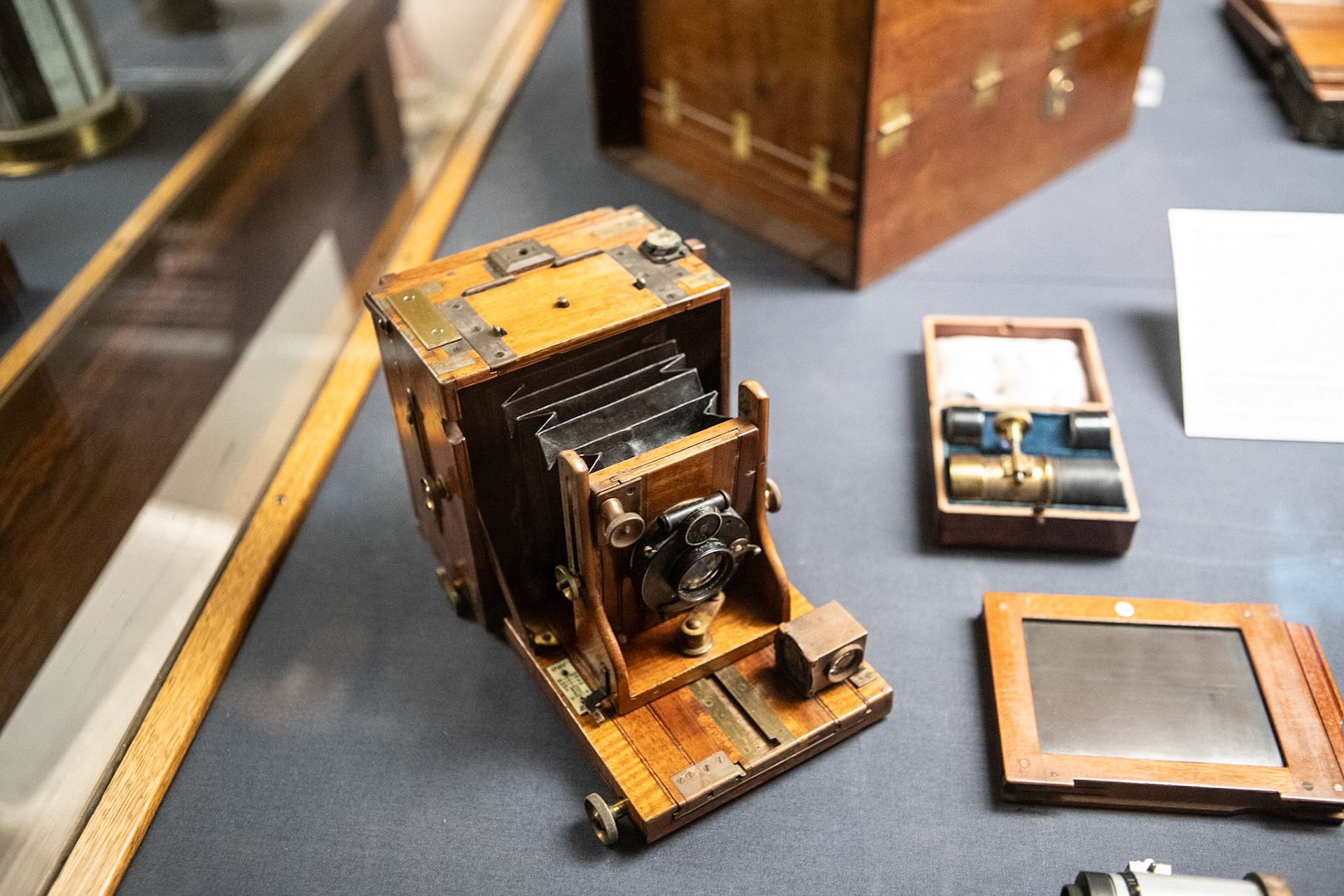
Camera of T.E. Lawrence
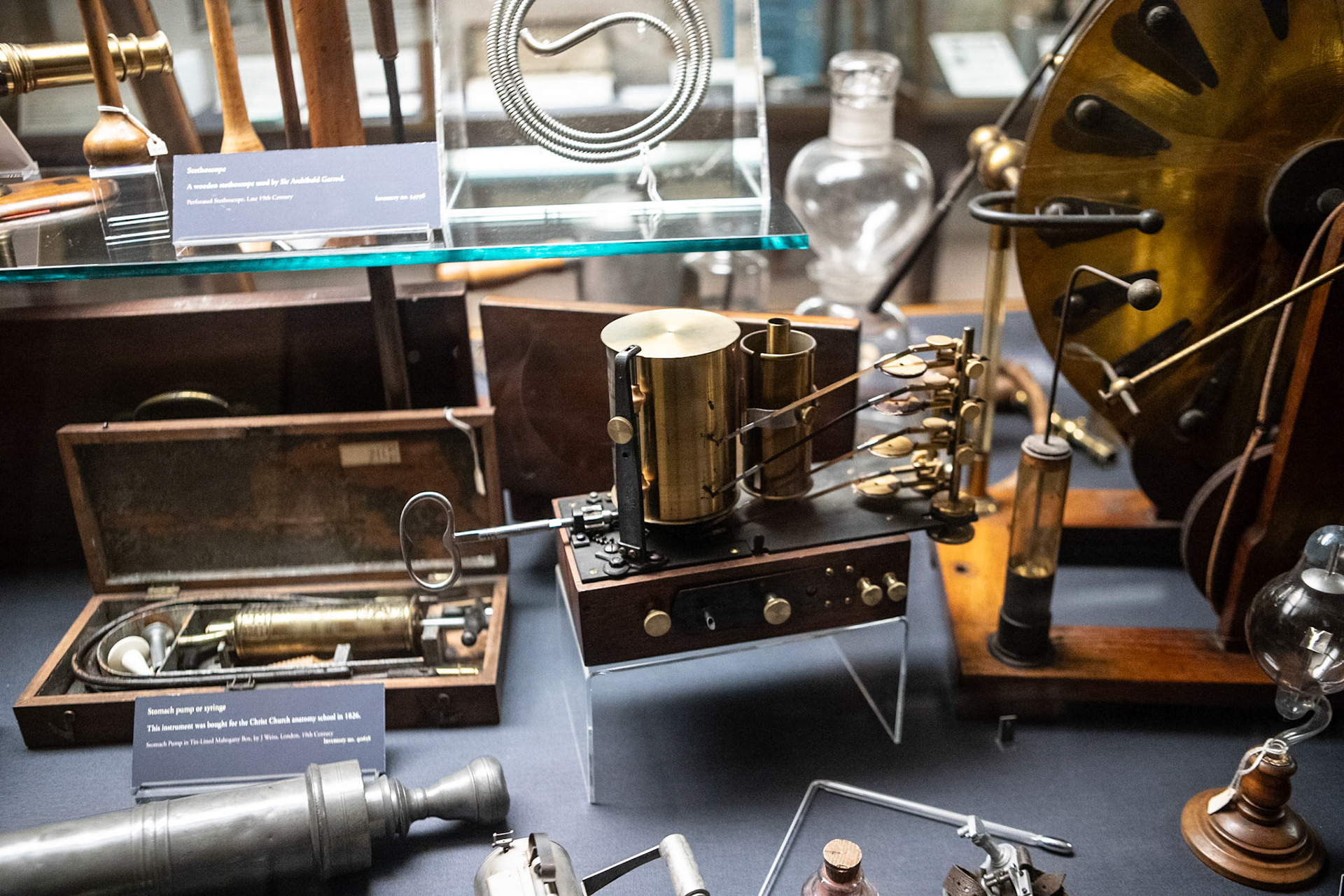
Science History Museum
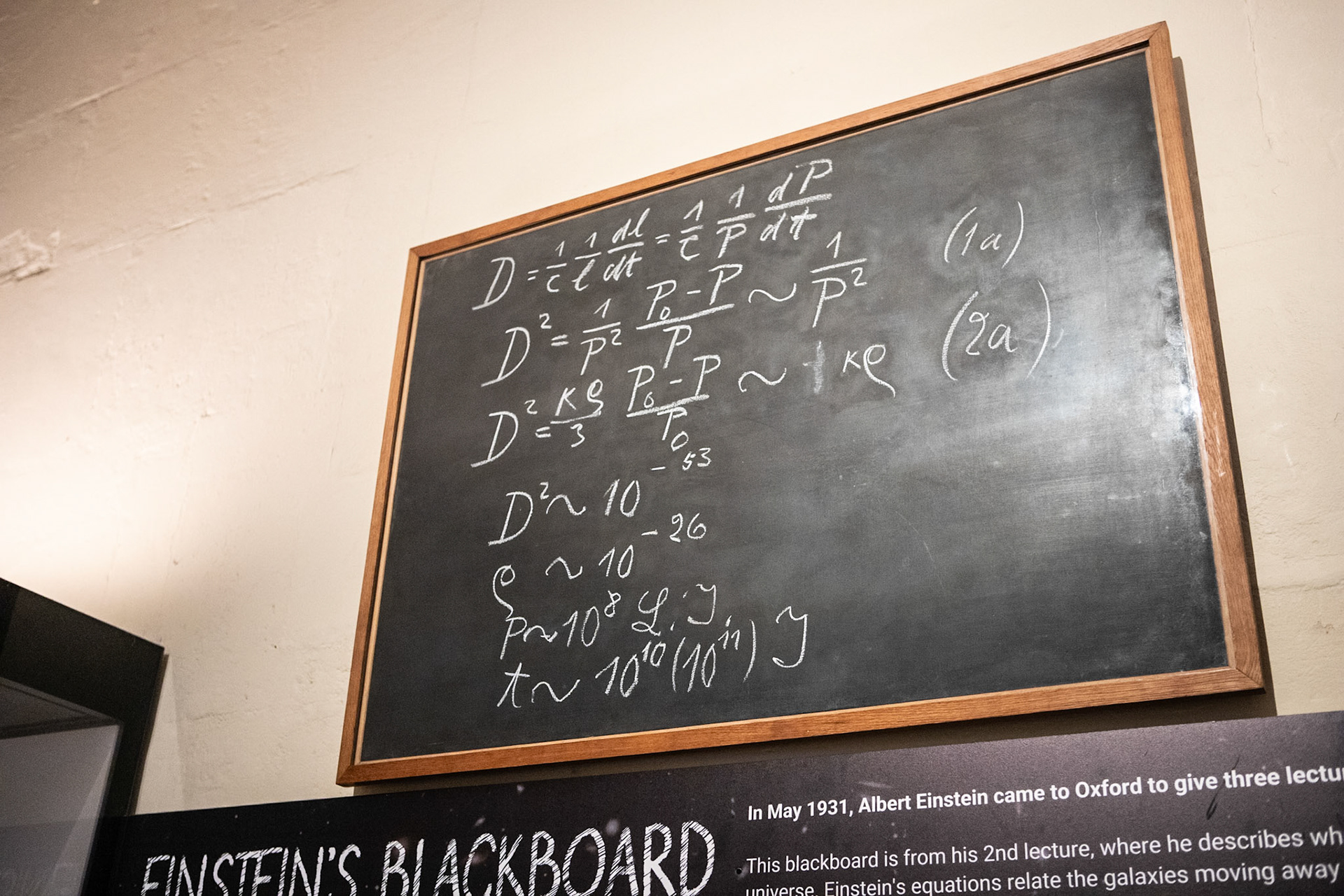
EInstein's Blackboard
Oxford, England
Oxford, England
Oxford, England
Oxford, England
Oxford, England
Oxford, England
Oxford, England
Oxford, England
Oxford, England
Oxford, England
Oxford, England
Oxford, England
Oxford, England
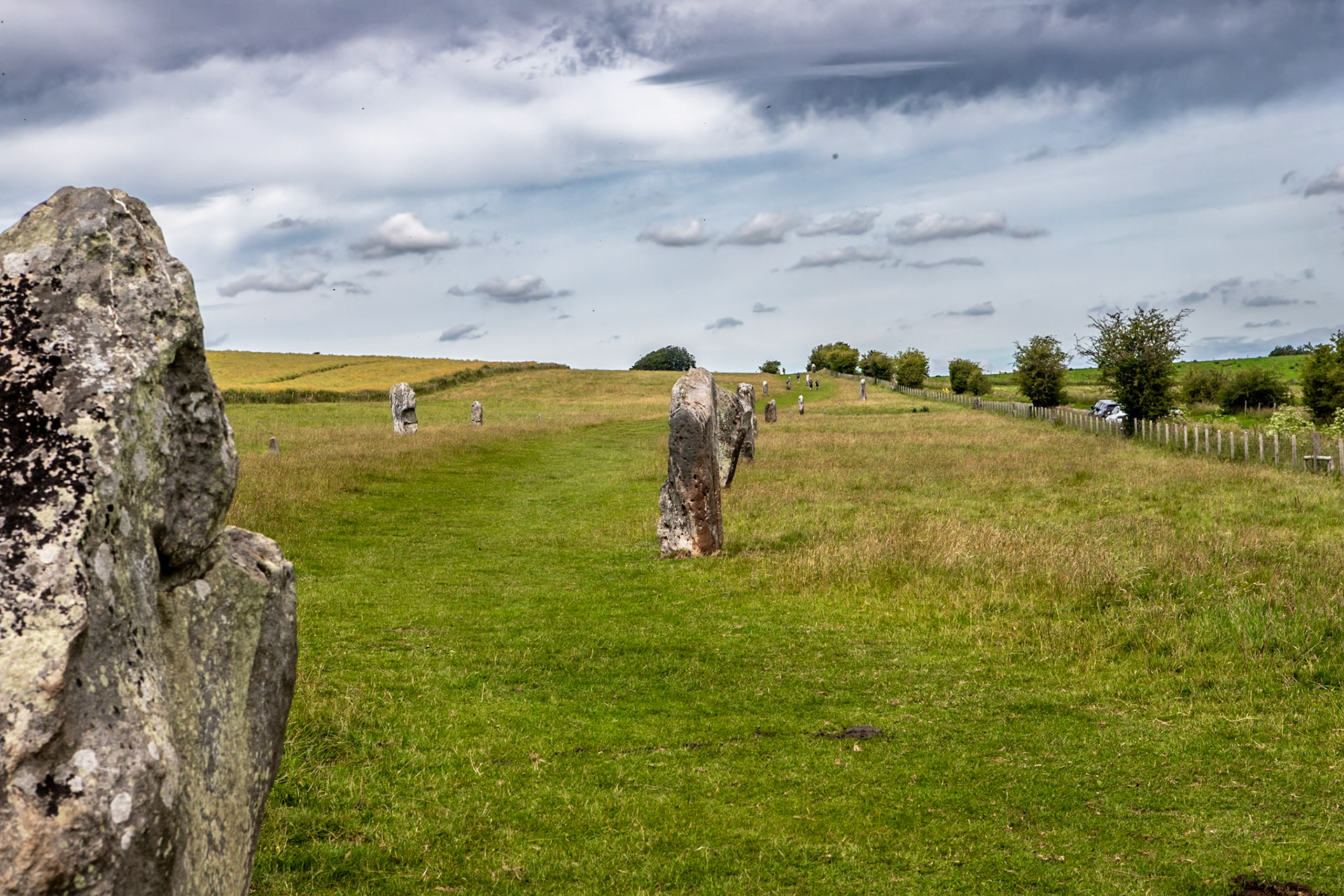
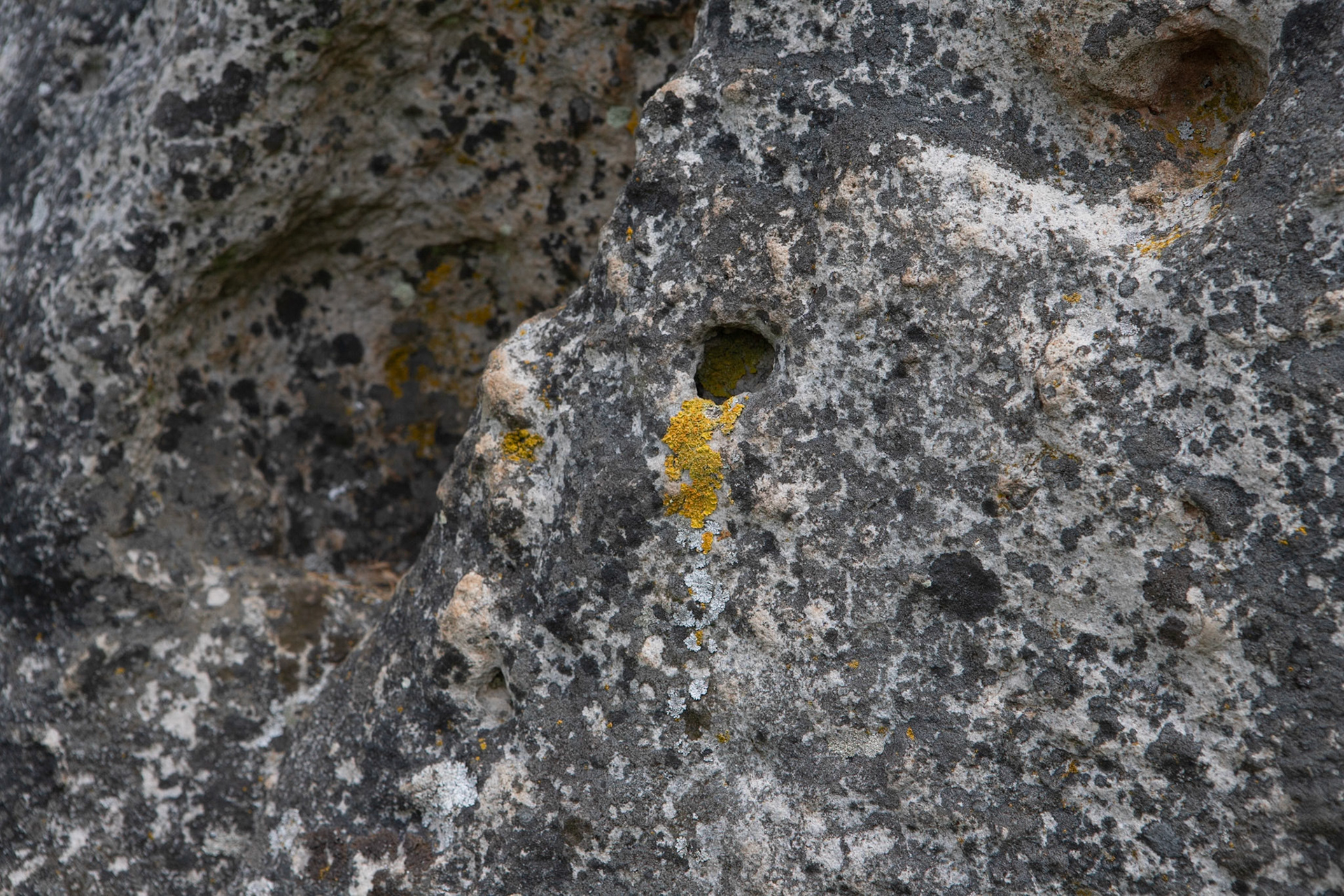
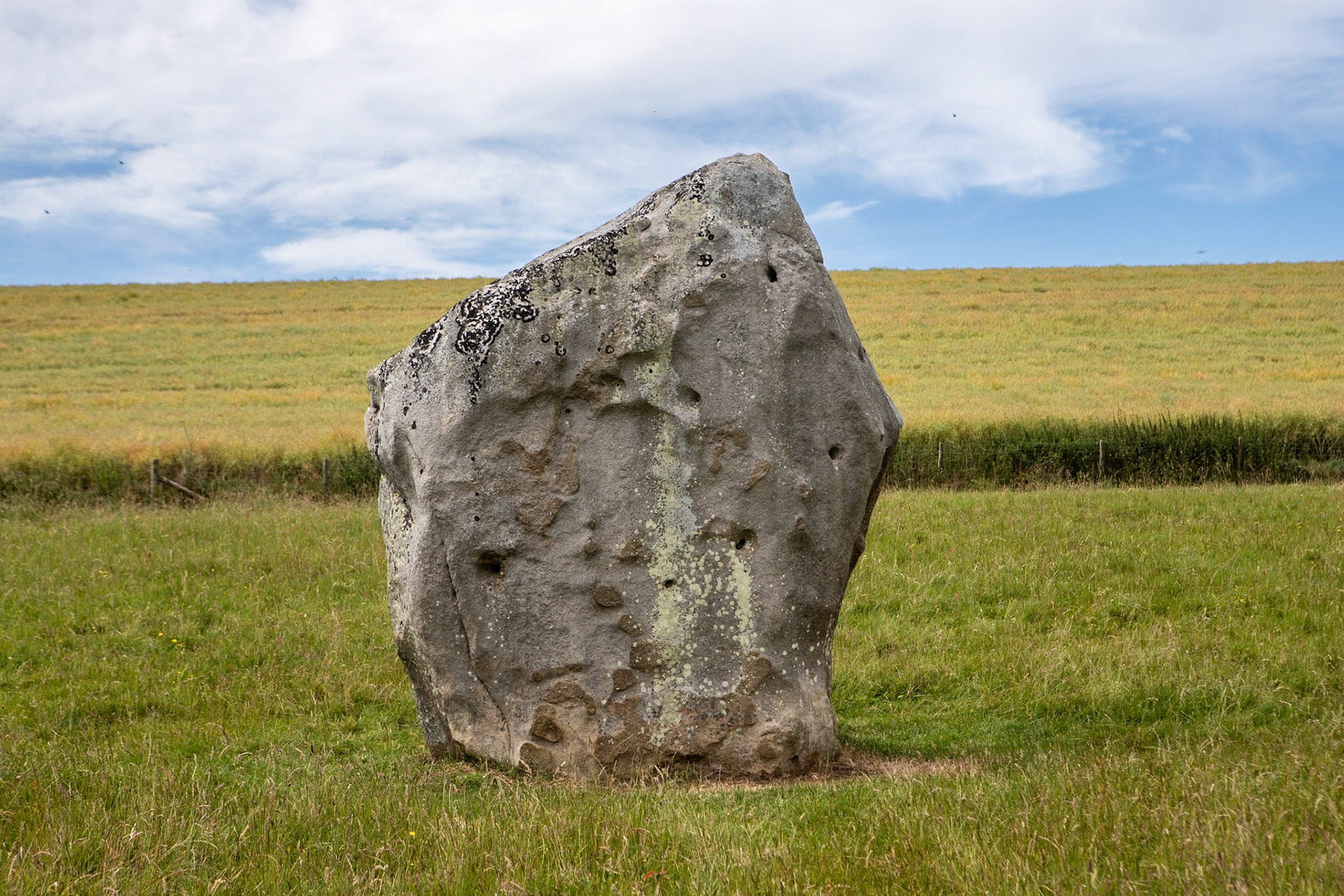
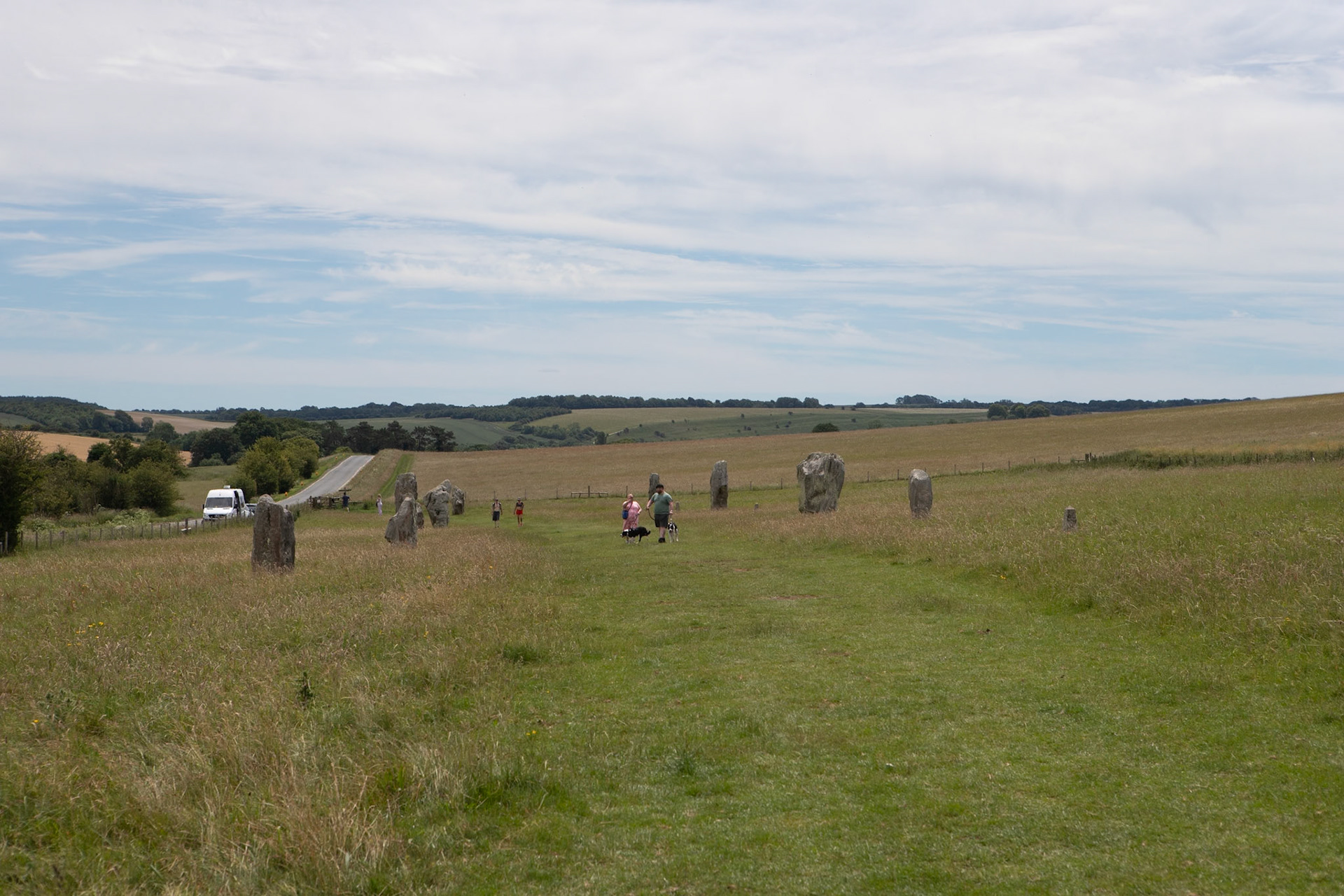
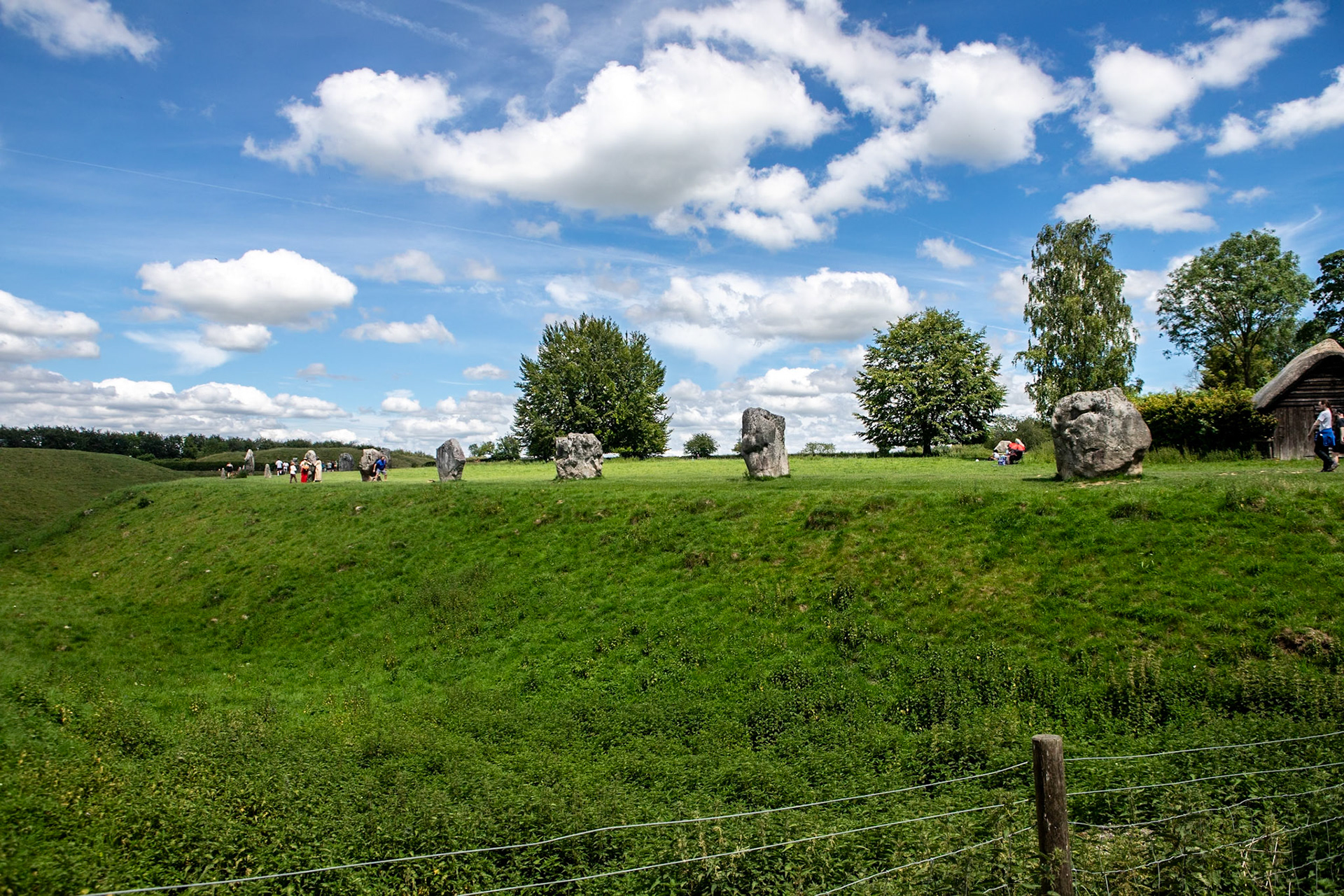
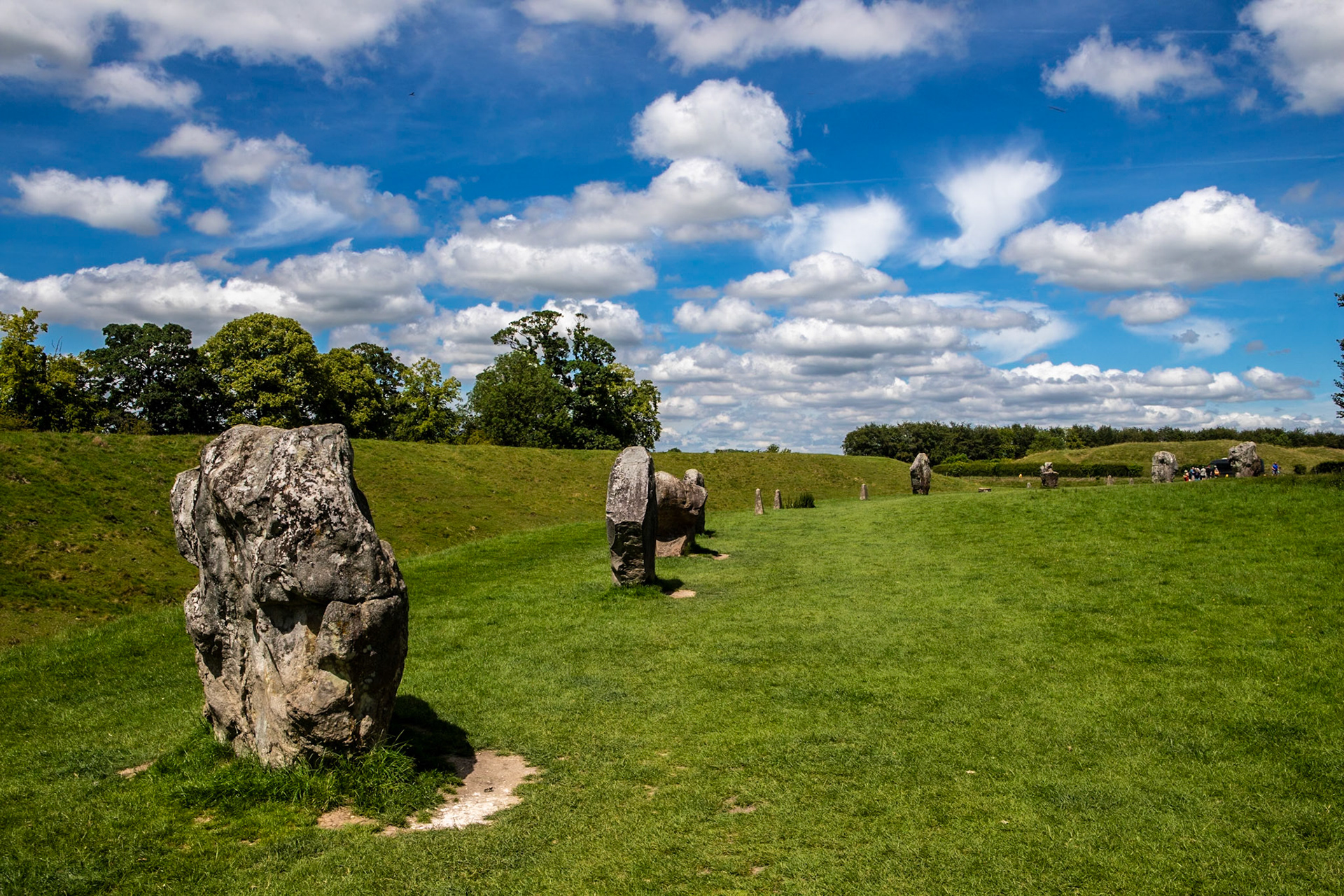
Avebury is a Neolithic henge monument containing three stone circles, around the village of Avebury in Wiltshire, in south-west England. One of the best-known prehistoric sites in Britain, it contains the largest megalithic stone circle in the world.
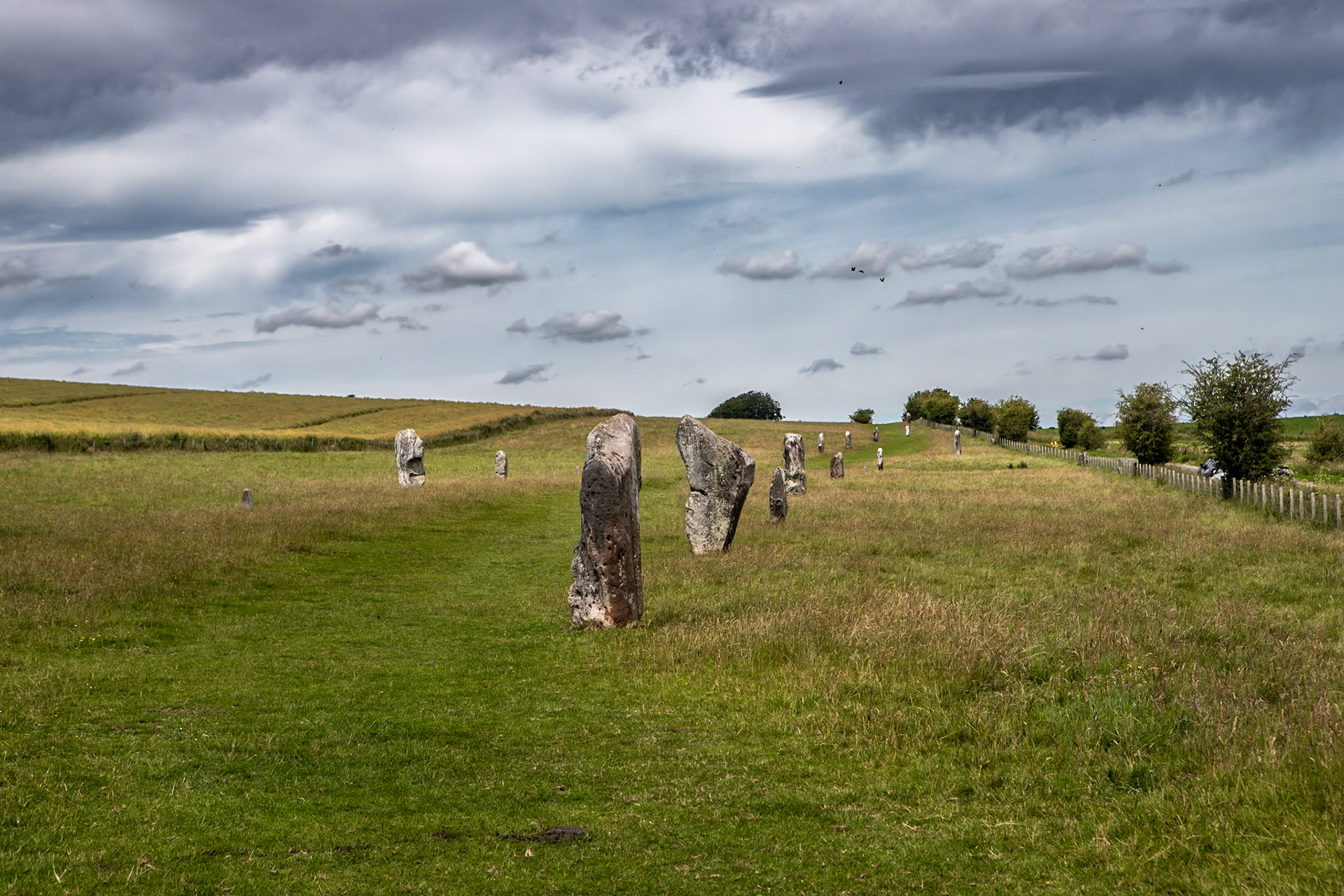
Avebury is a Neolithic henge monument containing three stone circles, around the village of Avebury in Wiltshire, in south-west England. One of the best-known prehistoric sites in Britain, it contains the largest megalithic stone circle in the world.
Avebury is a Neolithic henge monument containing three stone circles, around the village of Avebury in Wiltshire, in south-west England. One of the best-known prehistoric sites in Britain, it contains the largest megalithic stone circle in the world.
Avebury is a Neolithic henge monument containing three stone circles, around the village of Avebury in Wiltshire, in south-west England. One of the best-known prehistoric sites in Britain, it contains the largest megalithic stone circle in the world.
Avebury is a Neolithic henge monument containing three stone circles, around the village of Avebury in Wiltshire, in south-west England. One of the best-known prehistoric sites in Britain, it contains the largest megalithic stone circle in the world.
Avebury is a Neolithic henge monument containing three stone circles, around the village of Avebury in Wiltshire, in south-west England. One of the best-known prehistoric sites in Britain, it contains the largest megalithic stone circle in the world.
Avebury is a Neolithic henge monument containing three stone circles, around the village of Avebury in Wiltshire, in south-west England. One of the best-known prehistoric sites in Britain, it contains the largest megalithic stone circle in the world.
Avebury is a Neolithic henge monument containing three stone circles, around the village of Avebury in Wiltshire, in south-west England. One of the best-known prehistoric sites in Britain, it contains the largest megalithic stone circle in the world.
Avebury is a Neolithic henge monument containing three stone circles, around the village of Avebury in Wiltshire, in south-west England. One of the best-known prehistoric sites in Britain, it contains the largest megalithic stone circle in the world.
Avebury is a Neolithic henge monument containing three stone circles, around the village of Avebury in Wiltshire, in south-west England. One of the best-known prehistoric sites in Britain, it contains the largest megalithic stone circle in the world.
Avebury is a Neolithic henge monument containing three stone circles, around the village of Avebury in Wiltshire, in south-west England. One of the best-known prehistoric sites in Britain, it contains the largest megalithic stone circle in the world.
Avebury is a Neolithic henge monument containing three stone circles, around the village of Avebury in Wiltshire, in south-west England. One of the best-known prehistoric sites in Britain, it contains the largest megalithic stone circle in the world.
Avebury is a Neolithic henge monument containing three stone circles, around the village of Avebury in Wiltshire, in south-west England. One of the best-known prehistoric sites in Britain, it contains the largest megalithic stone circle in the world.
Avebury is a Neolithic henge monument containing three stone circles, around the village of Avebury in Wiltshire, in south-west England. One of the best-known prehistoric sites in Britain, it contains the largest megalithic stone circle in the world.
Avebury is a Neolithic henge monument containing three stone circles, around the village of Avebury in Wiltshire, in south-west England. One of the best-known prehistoric sites in Britain, it contains the largest megalithic stone circle in the world.
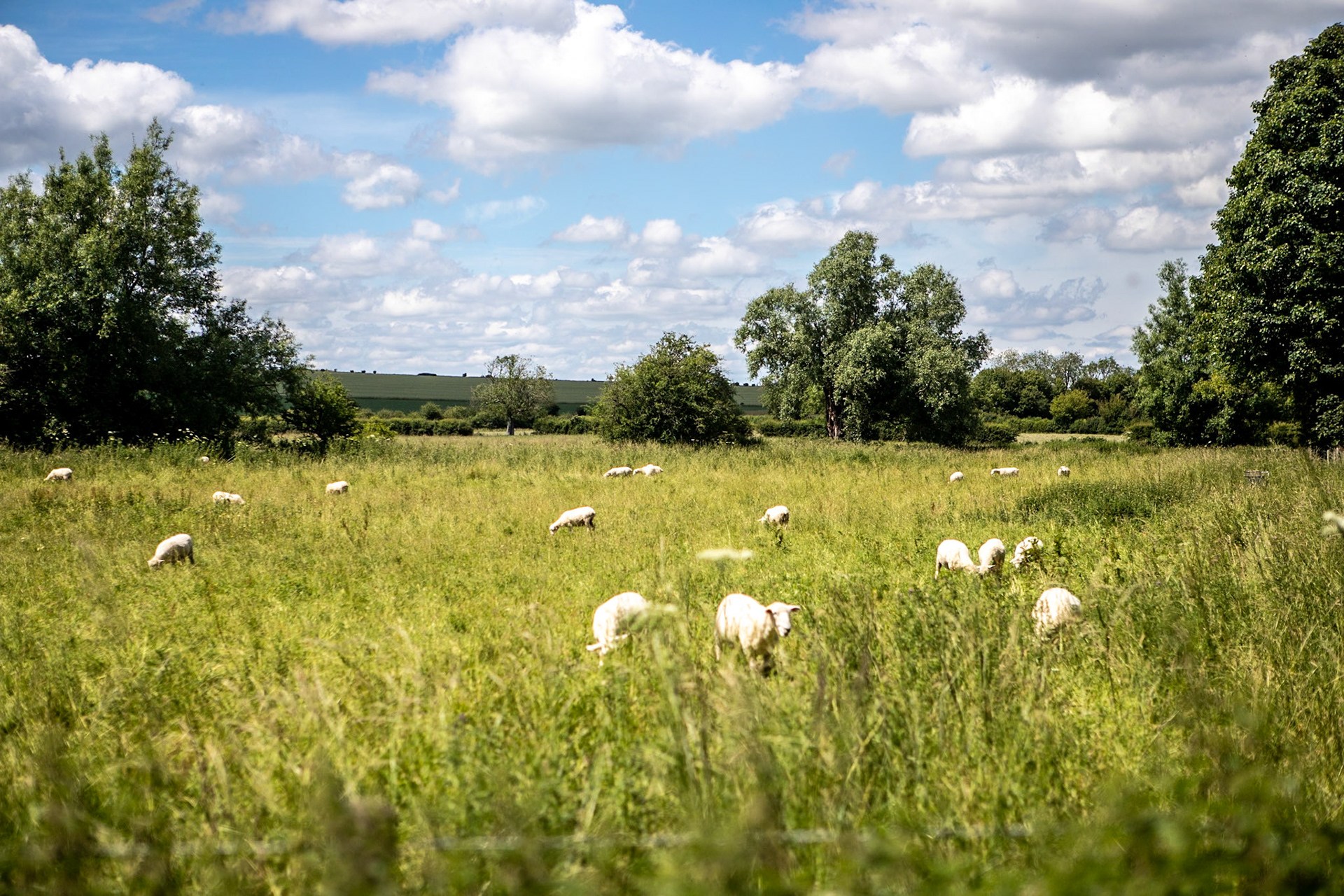
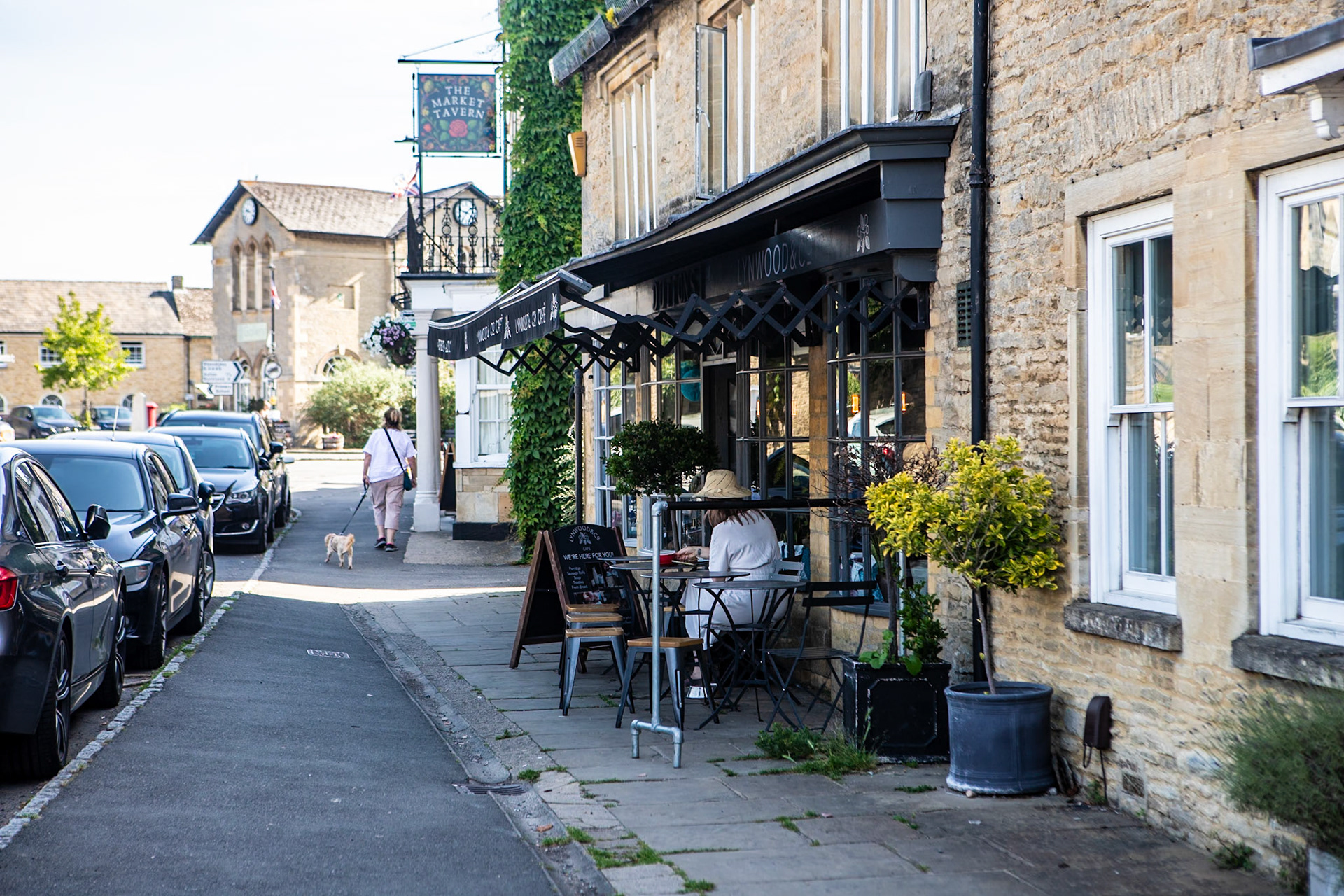
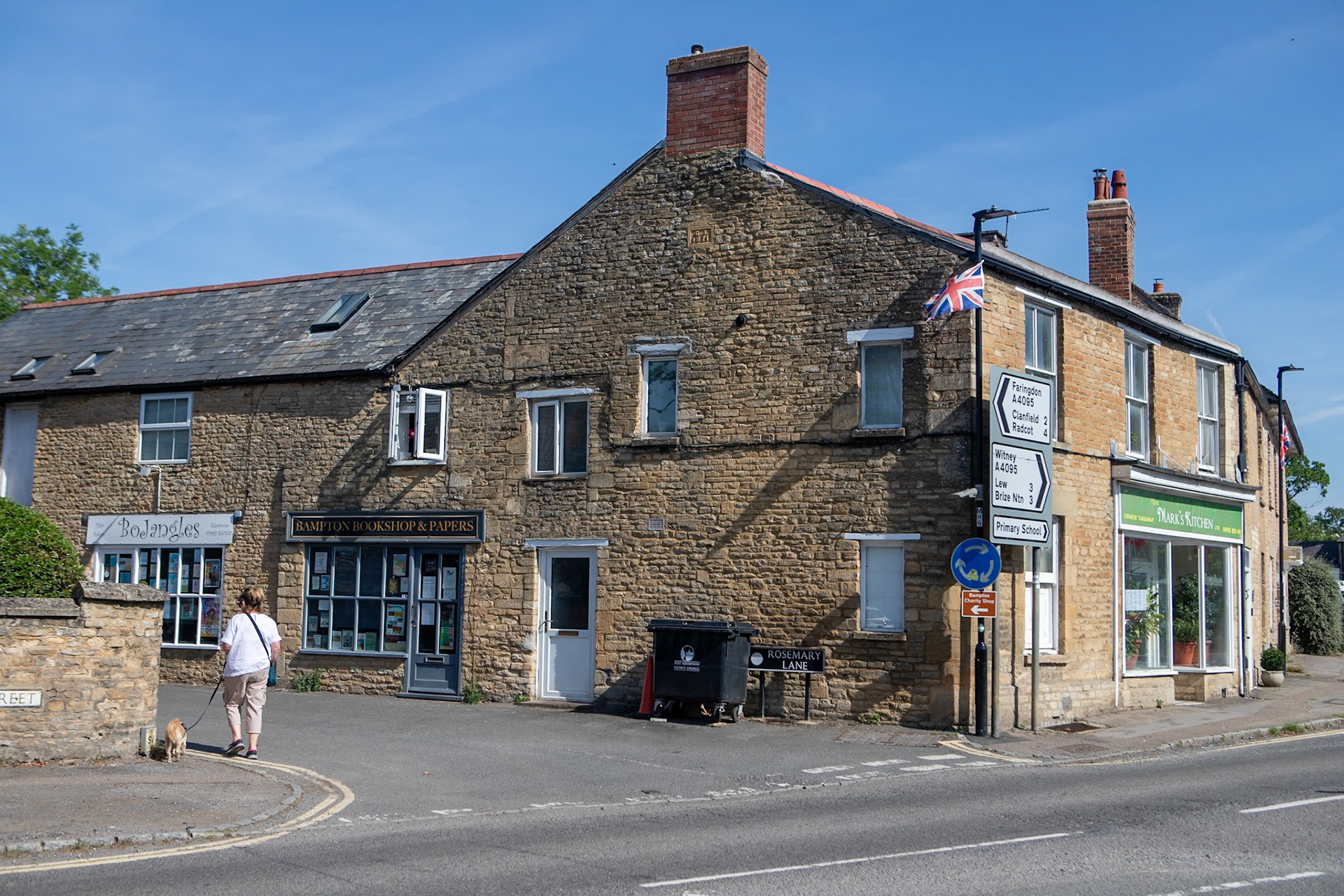
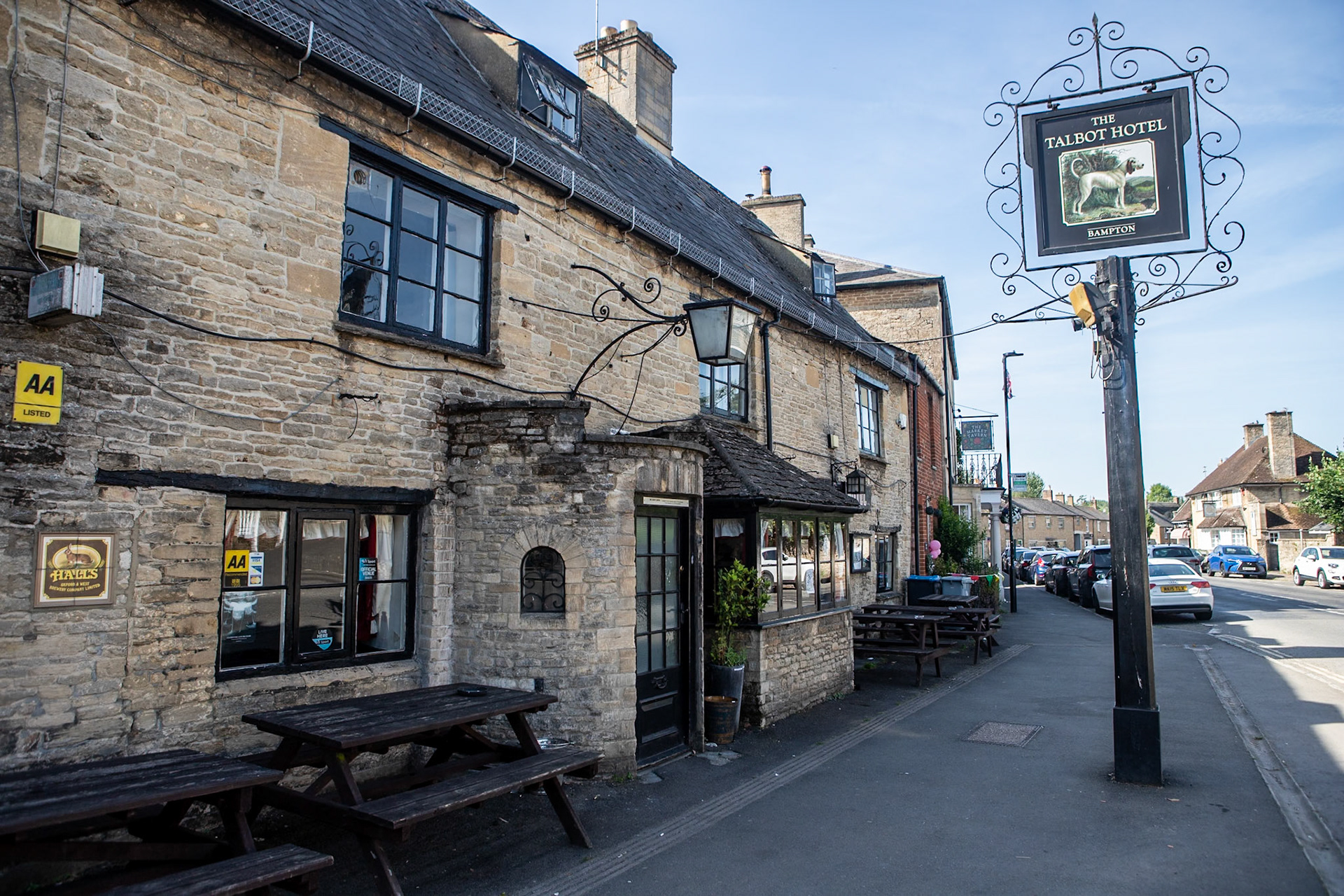
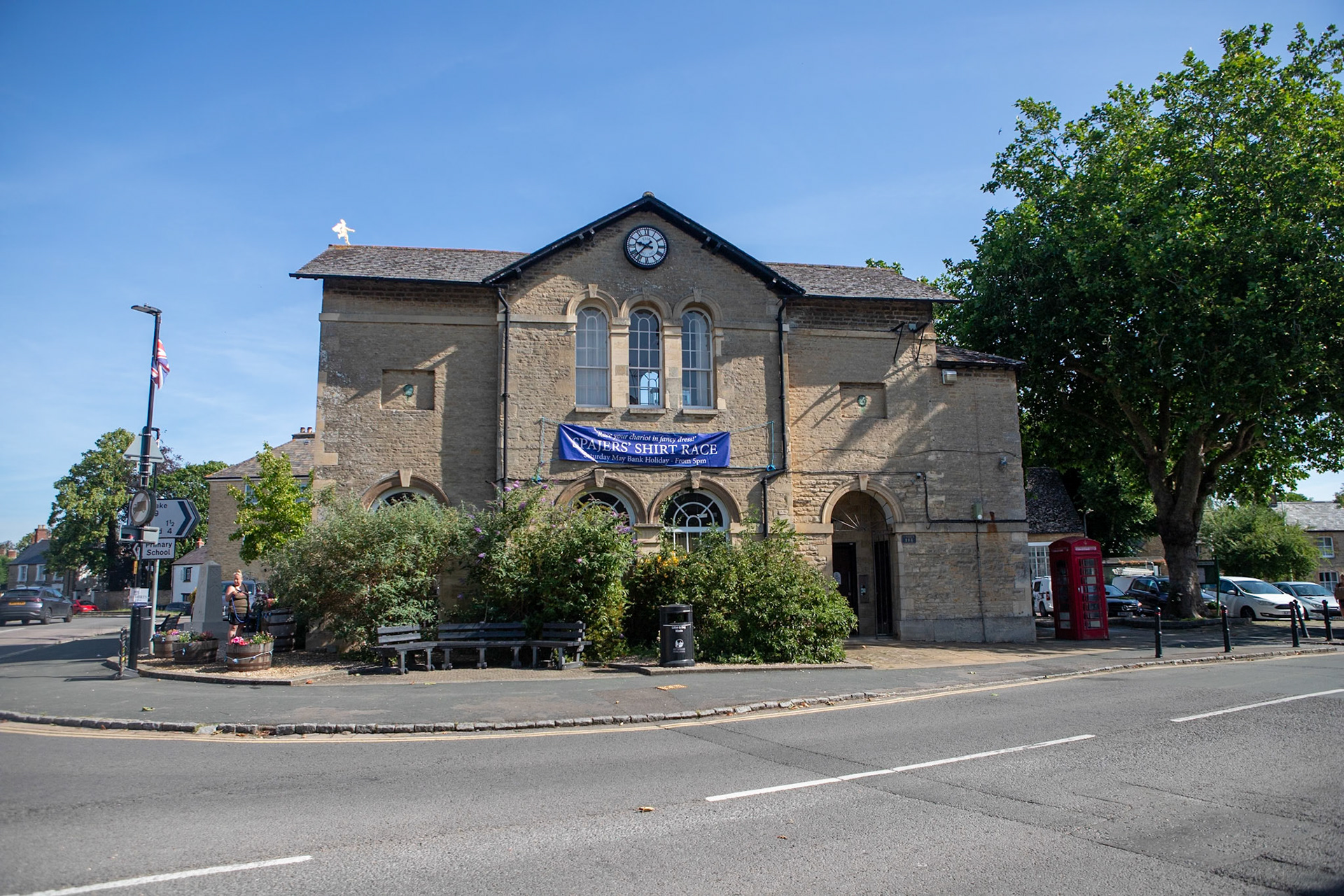
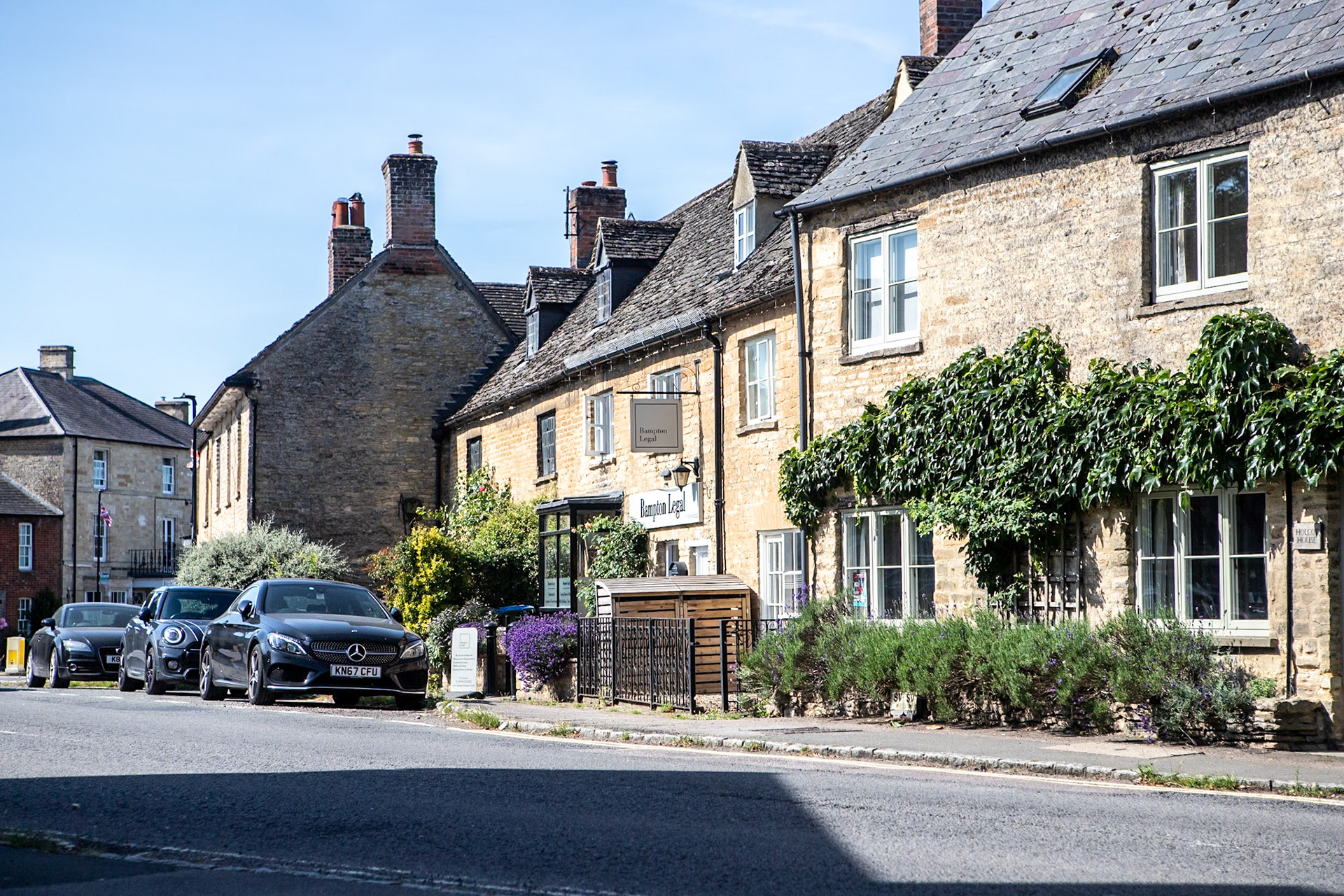
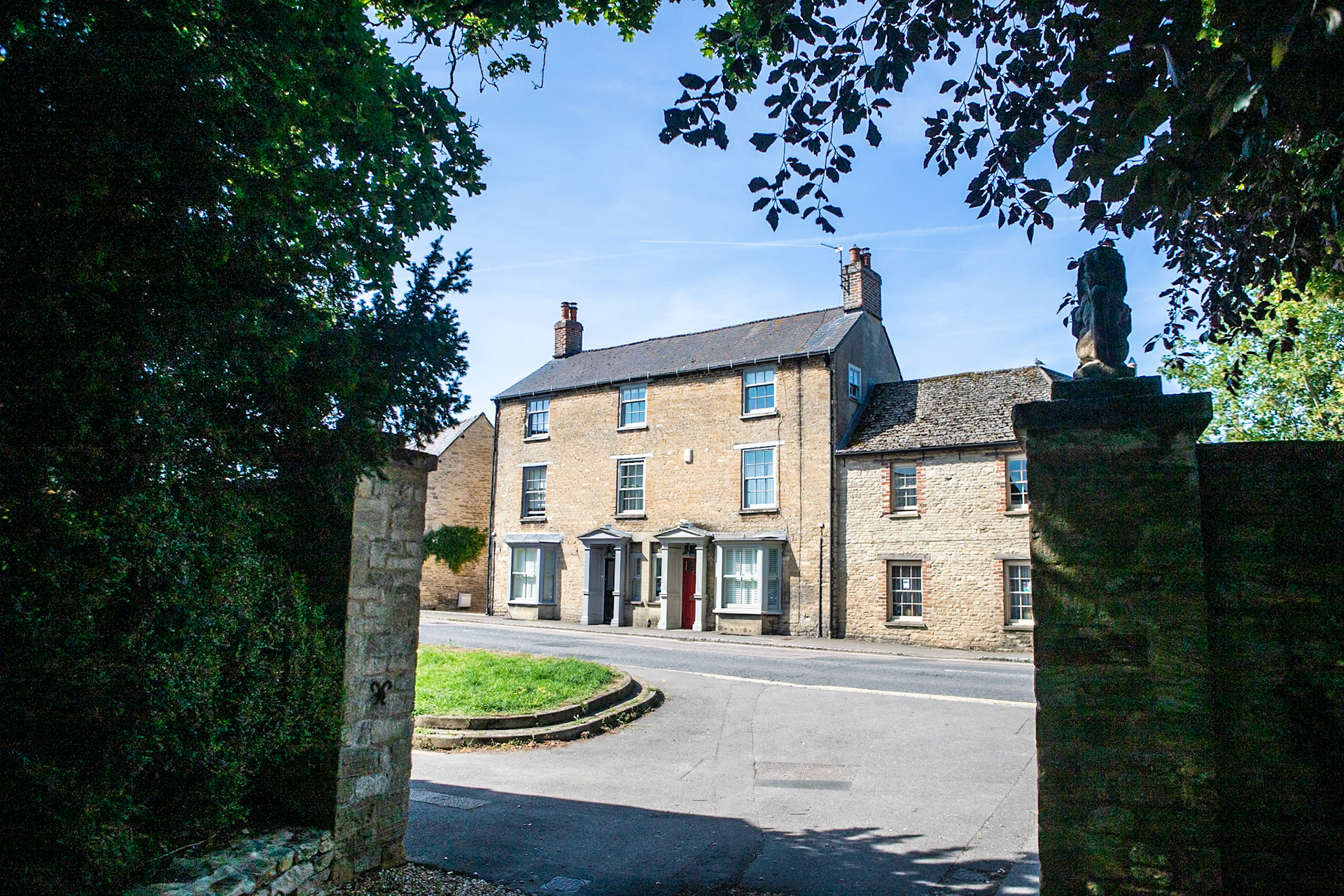
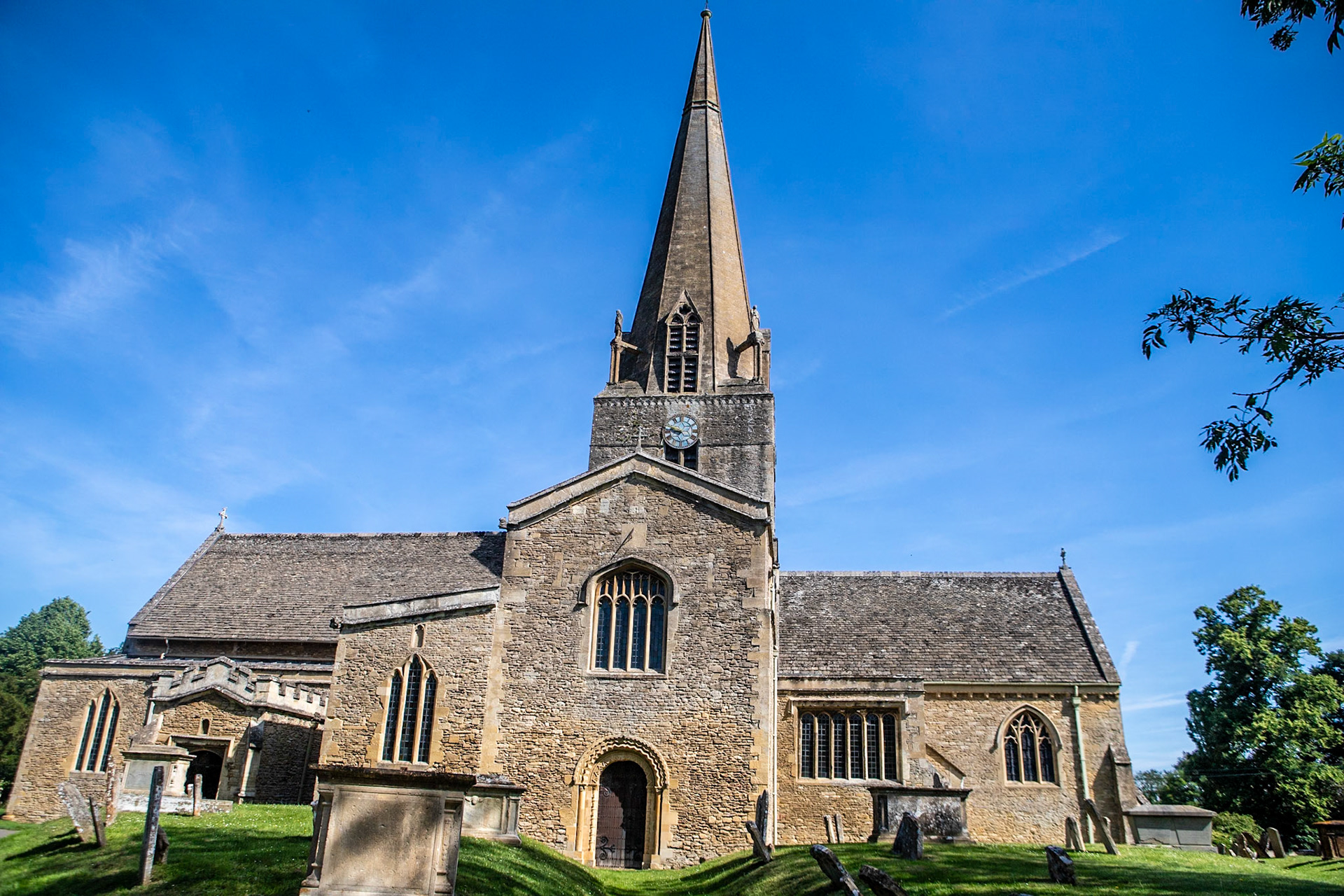
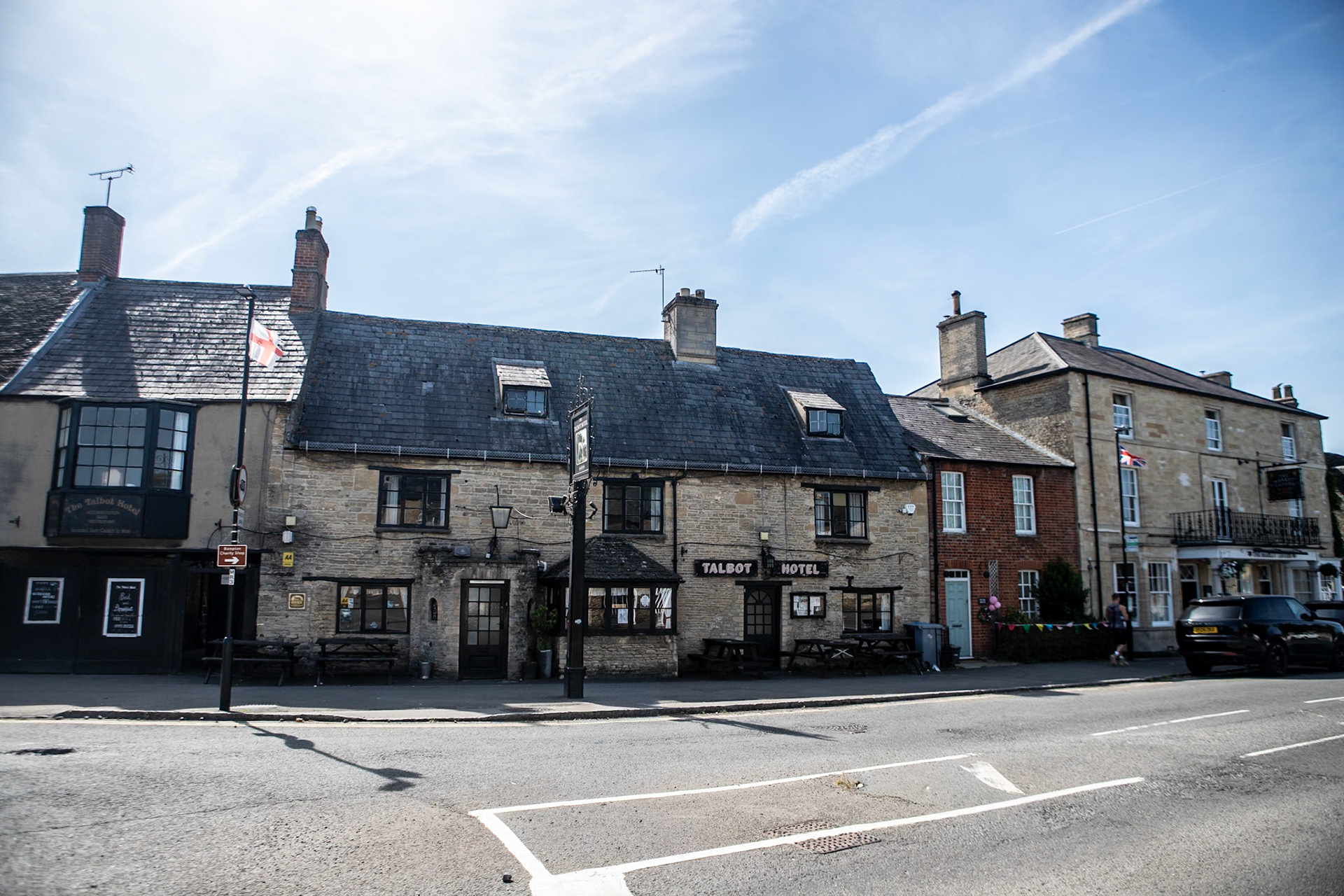
Bampton is a historic market town (also known as Bampton-in-the-Bush) best known as the real-world filming location for the village in Downton Abbey. It dates back to the Domesday Book of 1086
Bampton is a historic market town (also known as Bampton-in-the-Bush) best known as the real-world filming location for the village in Downton Abbey. It dates back to the Domesday Book of 1086
Bampton is a historic market town (also known as Bampton-in-the-Bush) best known as the real-world filming location for the village in Downton Abbey. It dates back to the Domesday Book of 1086
Bampton is a historic market town (also known as Bampton-in-the-Bush) best known as the real-world filming location for the village in Downton Abbey. It dates back to the Domesday Book of 1086
Bampton is a historic market town (also known as Bampton-in-the-Bush) best known as the real-world filming location for the village in Downton Abbey. It dates back to the Domesday Book of 1086
Bampton is a historic market town (also known as Bampton-in-the-Bush) best known as the real-world filming location for the village in Downton Abbey. It dates back to the Domesday Book of 1086
Bampton is a historic market town (also known as Bampton-in-the-Bush) best known as the real-world filming location for the village in Downton Abbey. It dates back to the Domesday Book of 1086
Bampton is a historic market town (also known as Bampton-in-the-Bush) best known as the real-world filming location for the village in Downton Abbey. It dates back to the Domesday Book of 1086
Bampton is a historic market town (also known as Bampton-in-the-Bush) best known as the real-world filming location for the village in Downton Abbey. It dates back to the Domesday Book of 1086
Bampton is a historic market town (also known as Bampton-in-the-Bush) best known as the real-world filming location for the village in Downton Abbey. It dates back to the Domesday Book of 1086
Bampton is a historic market town (also known as Bampton-in-the-Bush) best known as the real-world filming location for the village in Downton Abbey. It dates back to the Domesday Book of 1086
Bampton is a historic market town (also known as Bampton-in-the-Bush) best known as the real-world filming location for the village in Downton Abbey. It dates back to the Domesday Book of 1086
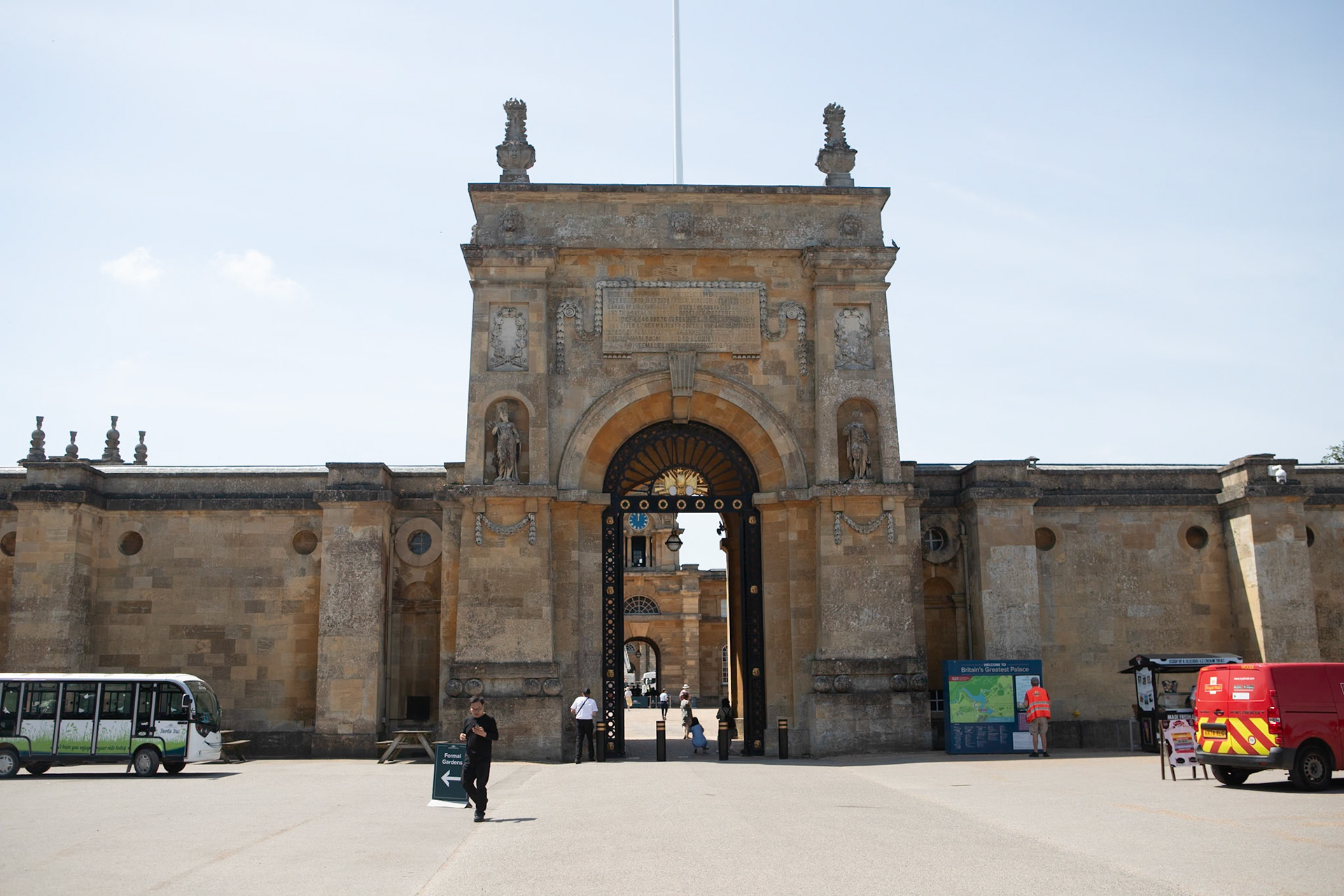
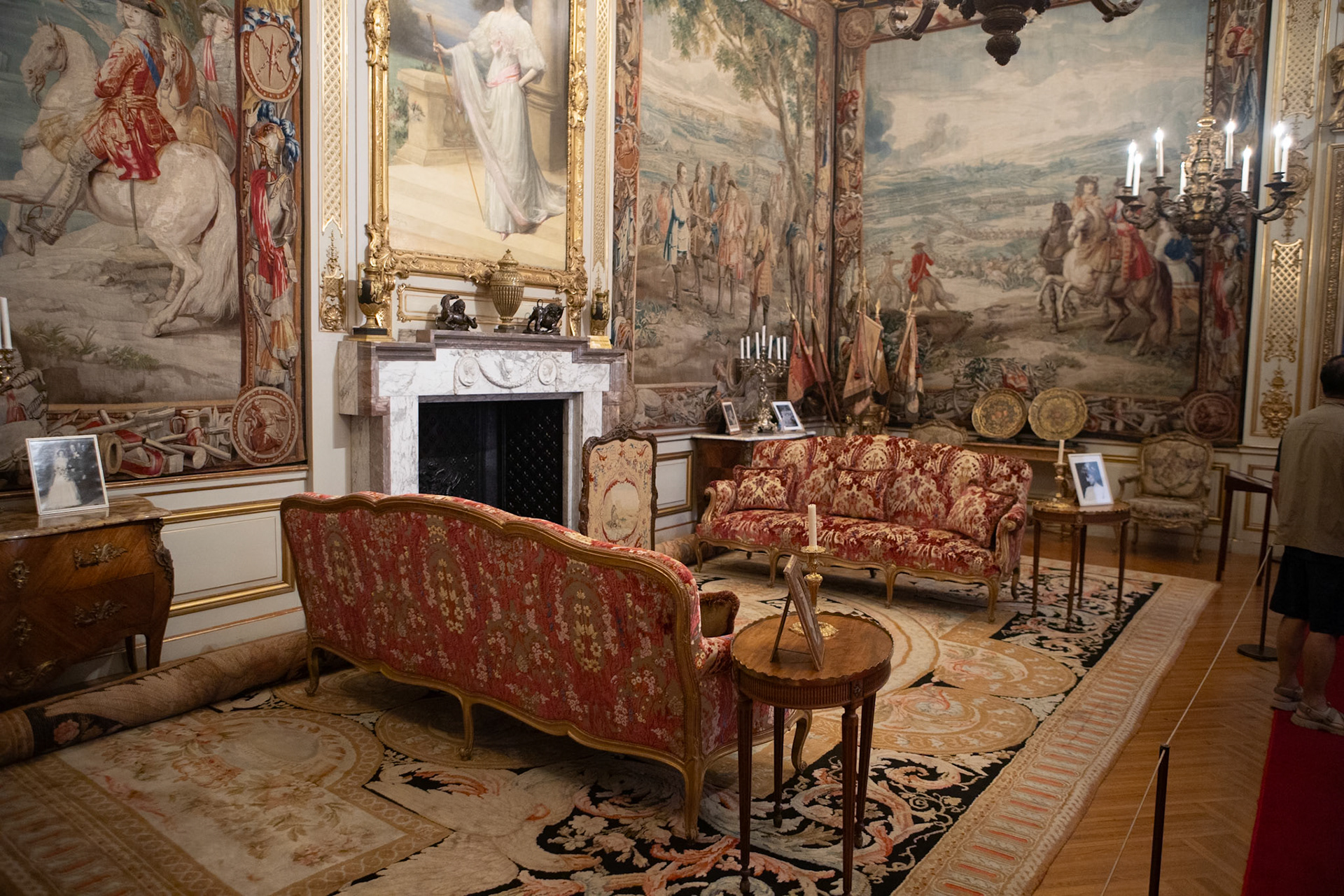
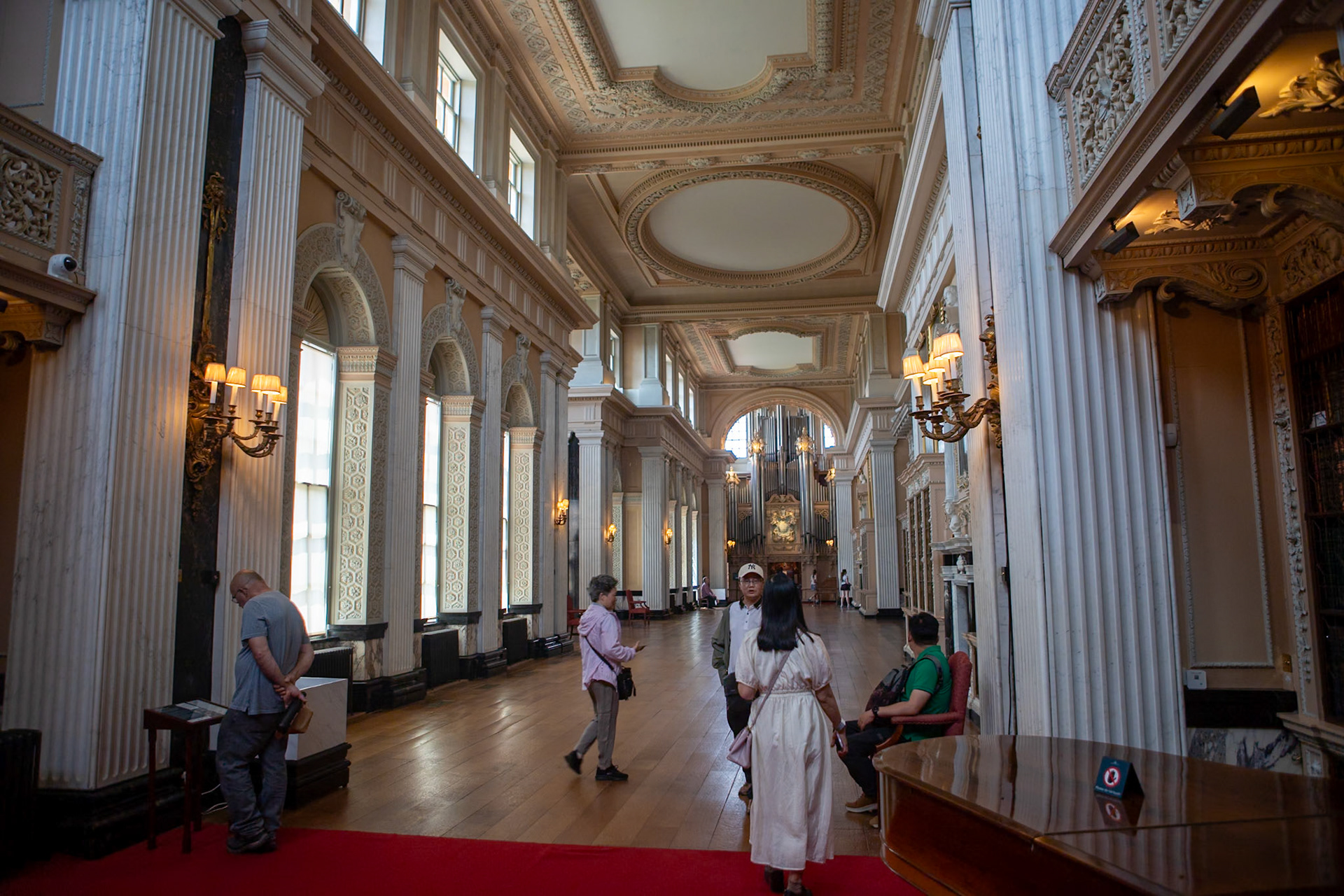
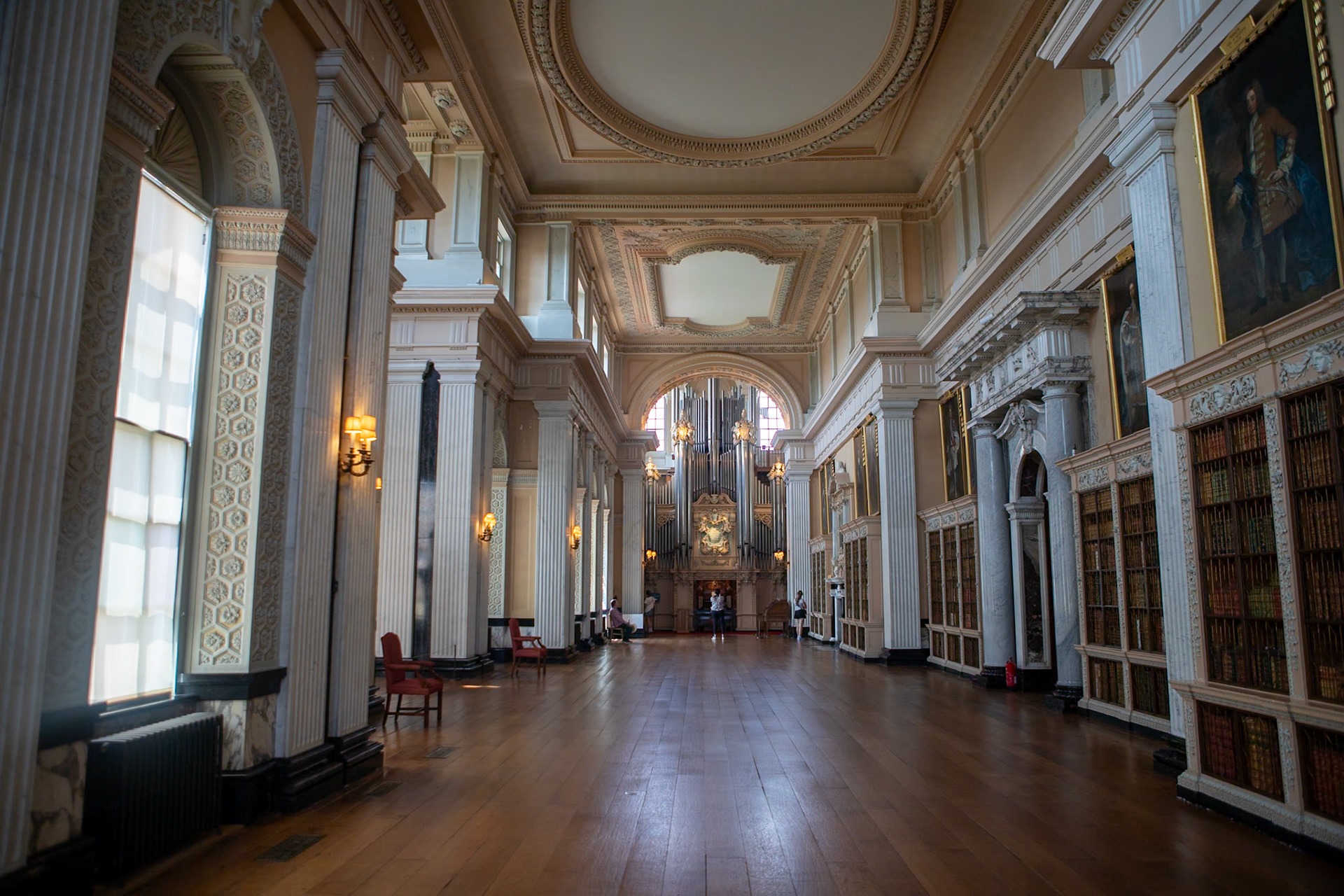
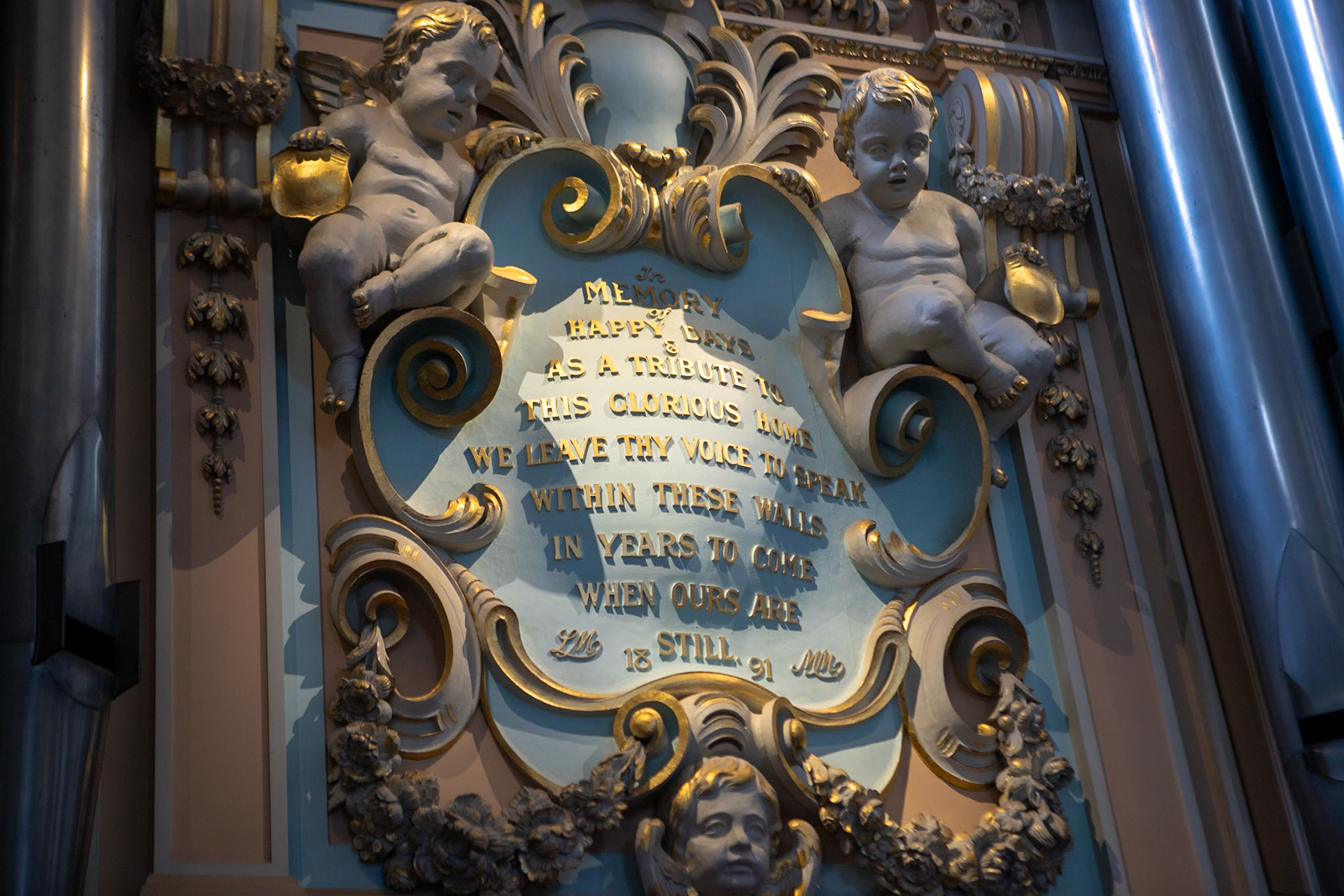
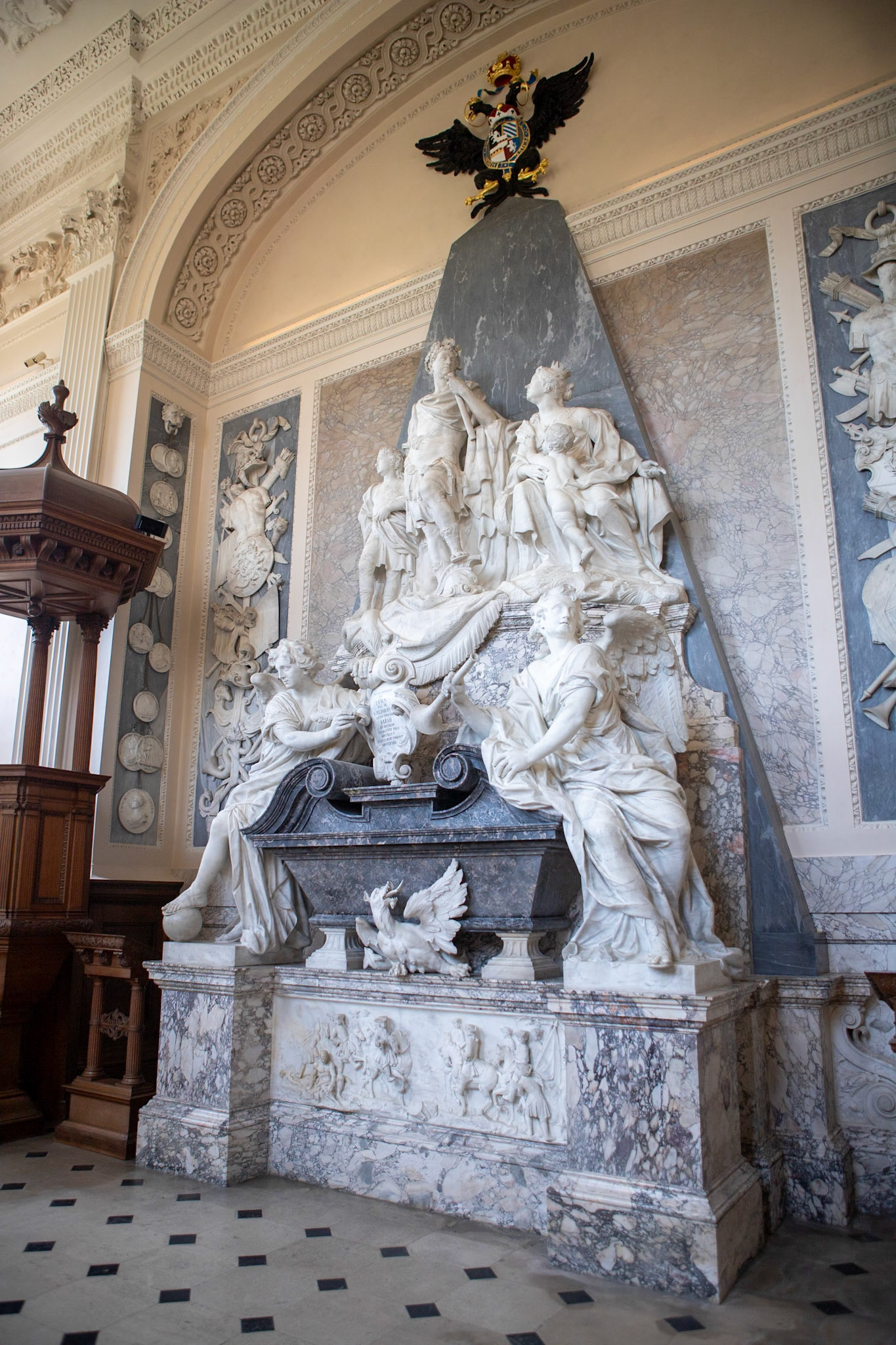
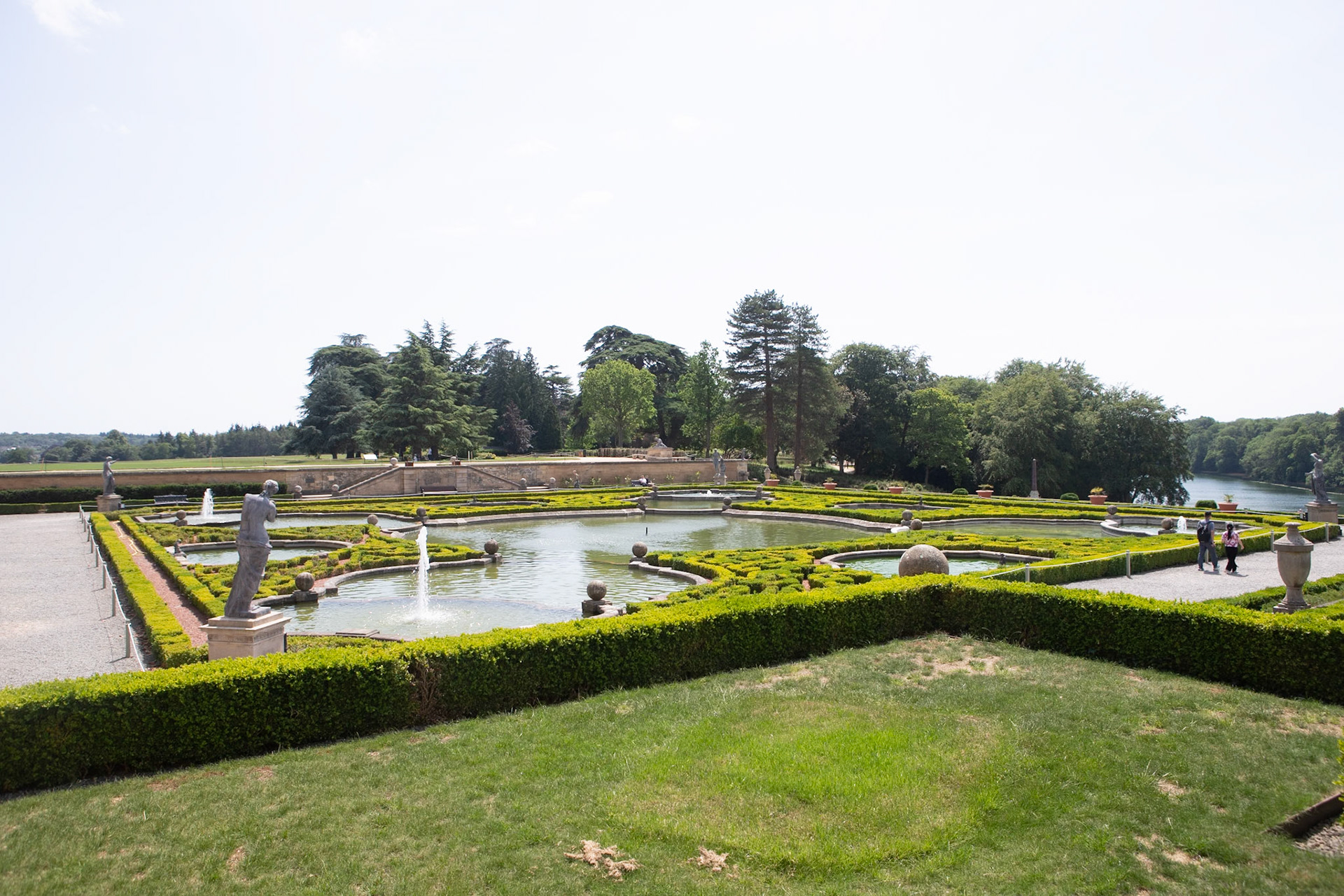
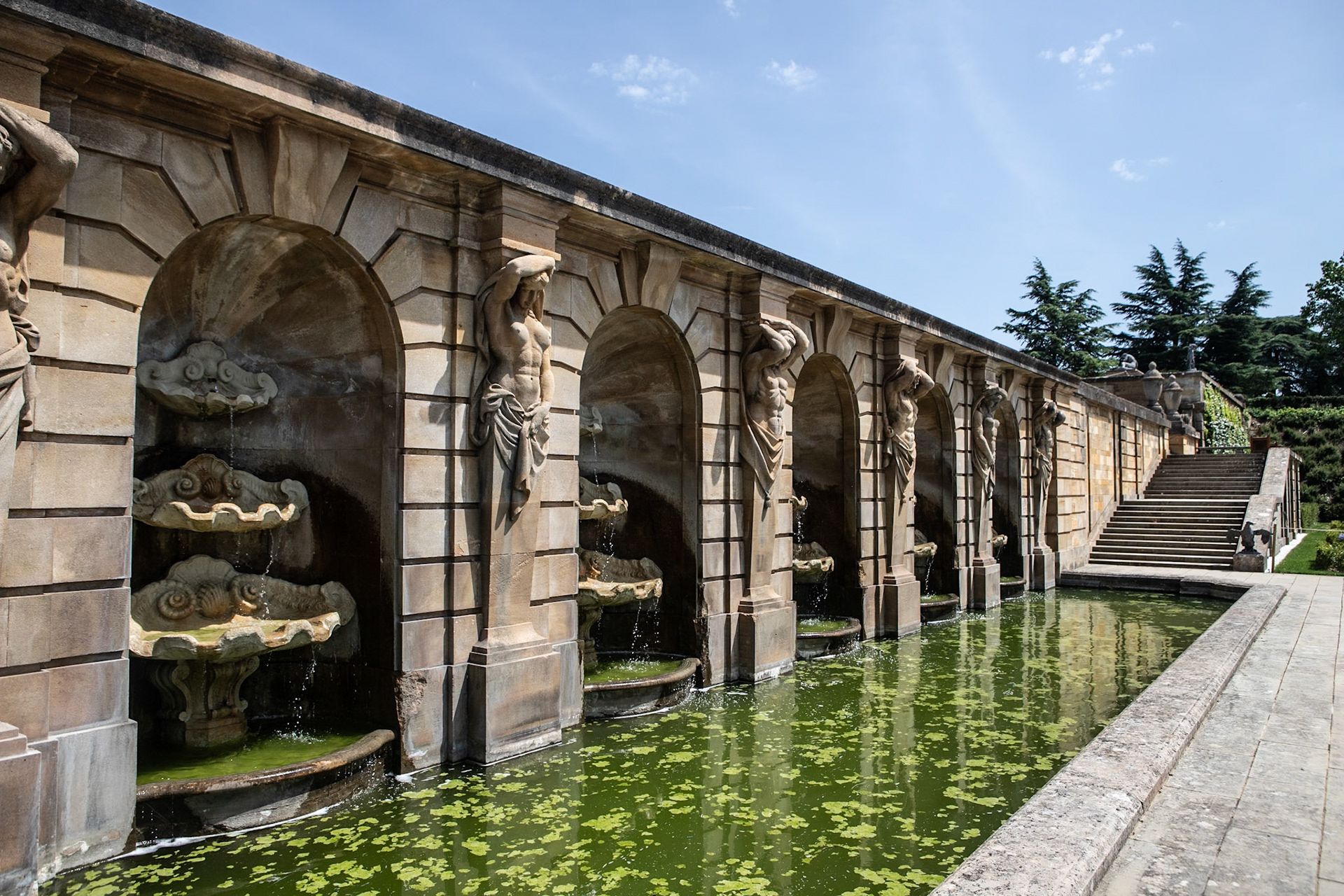
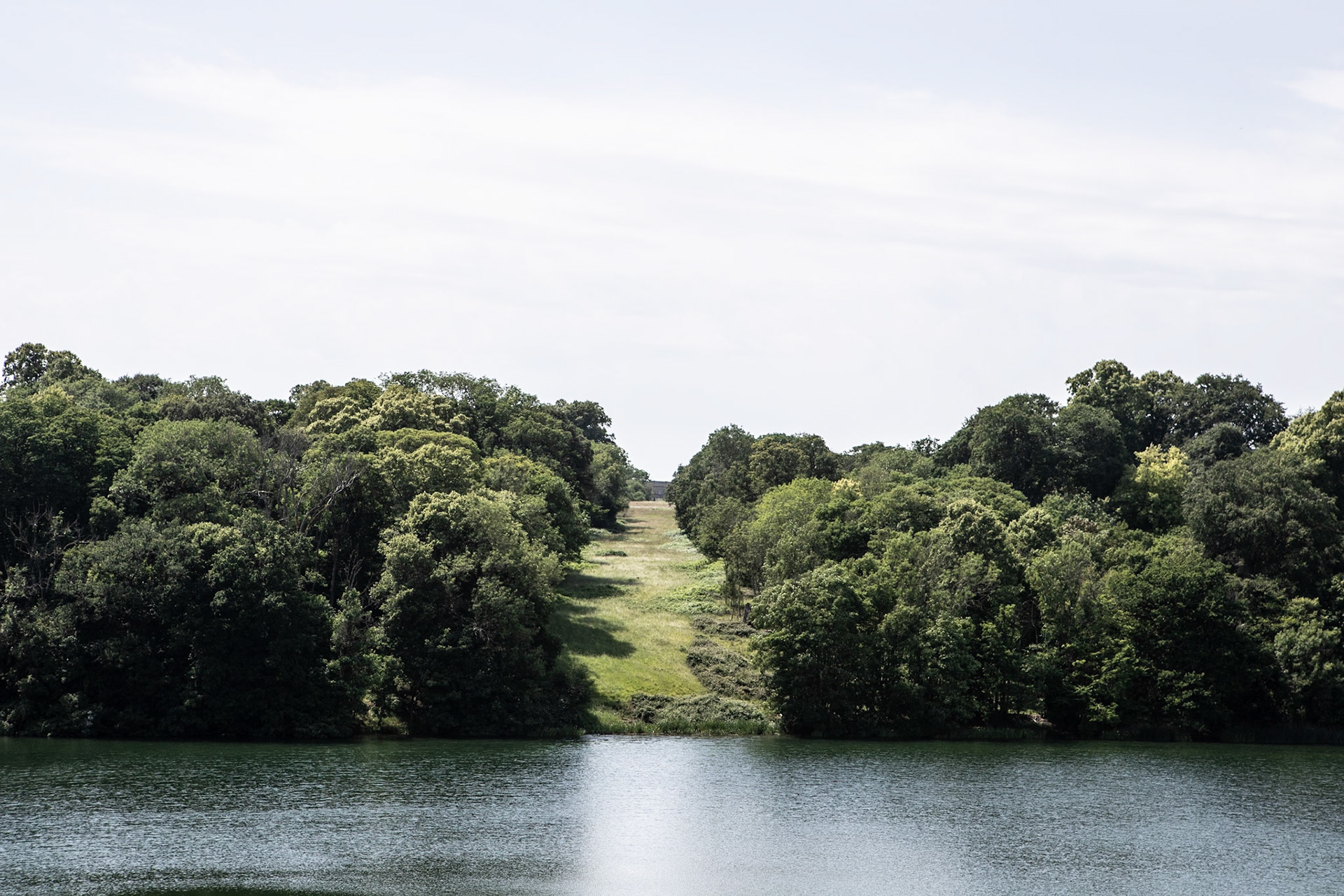
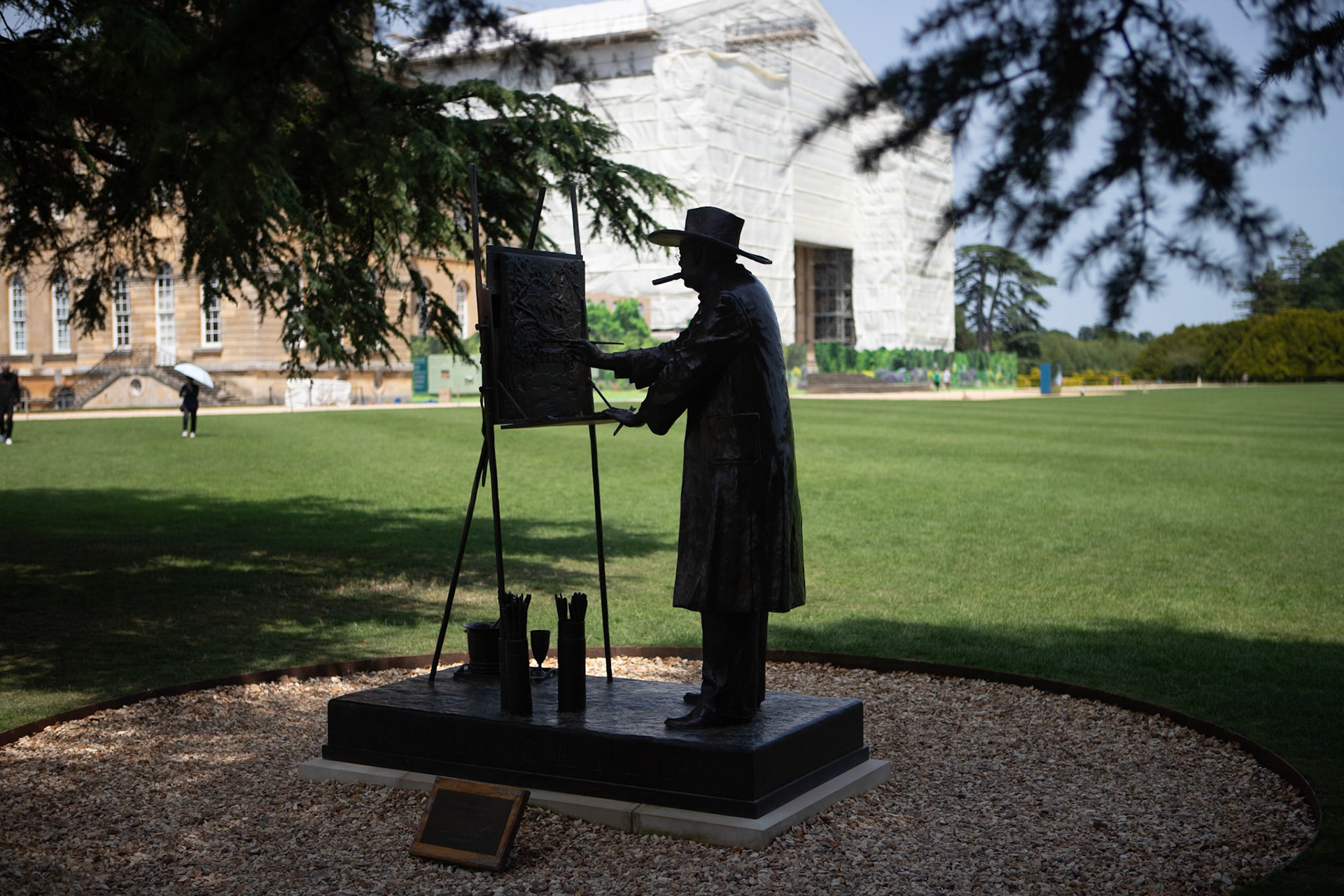
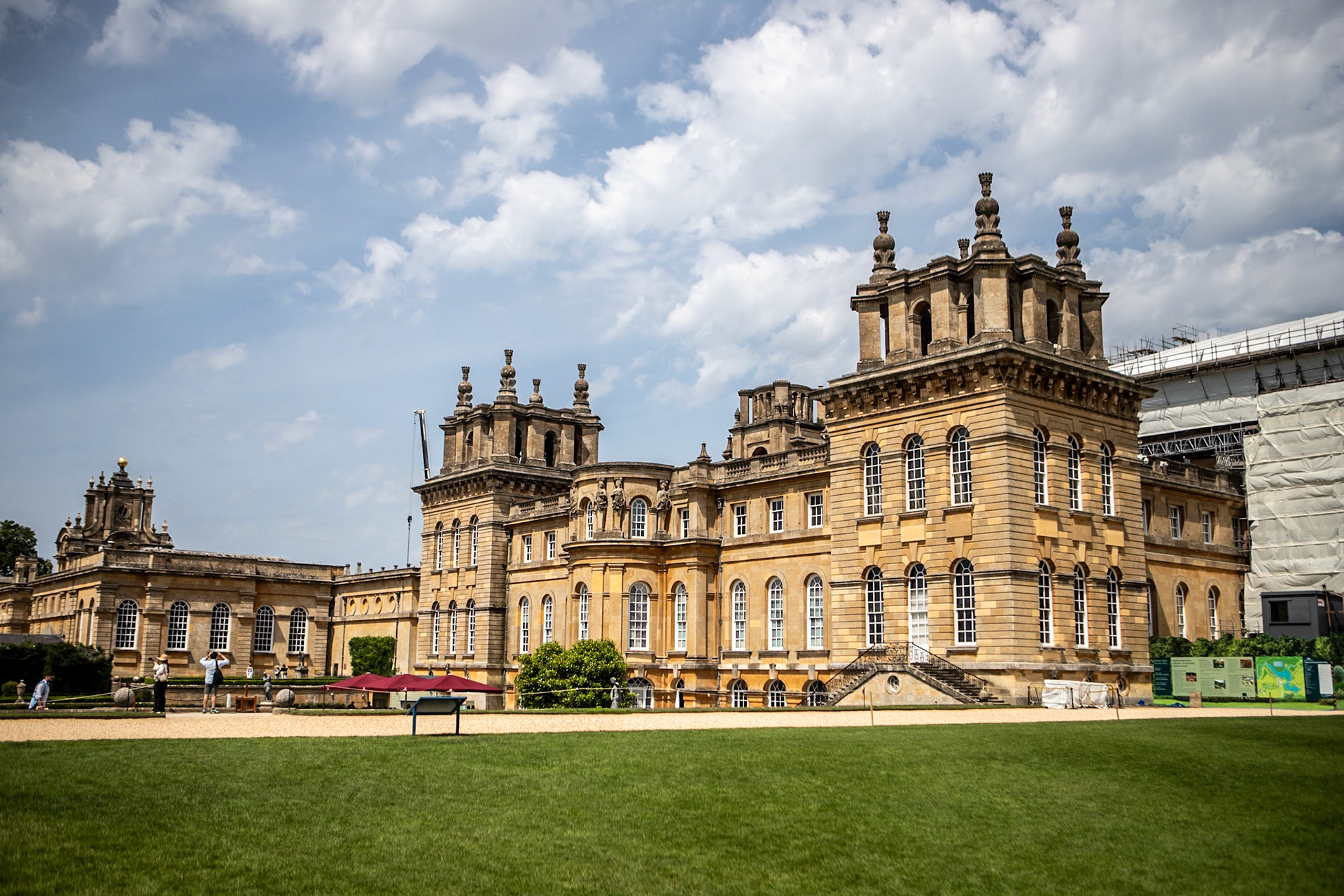
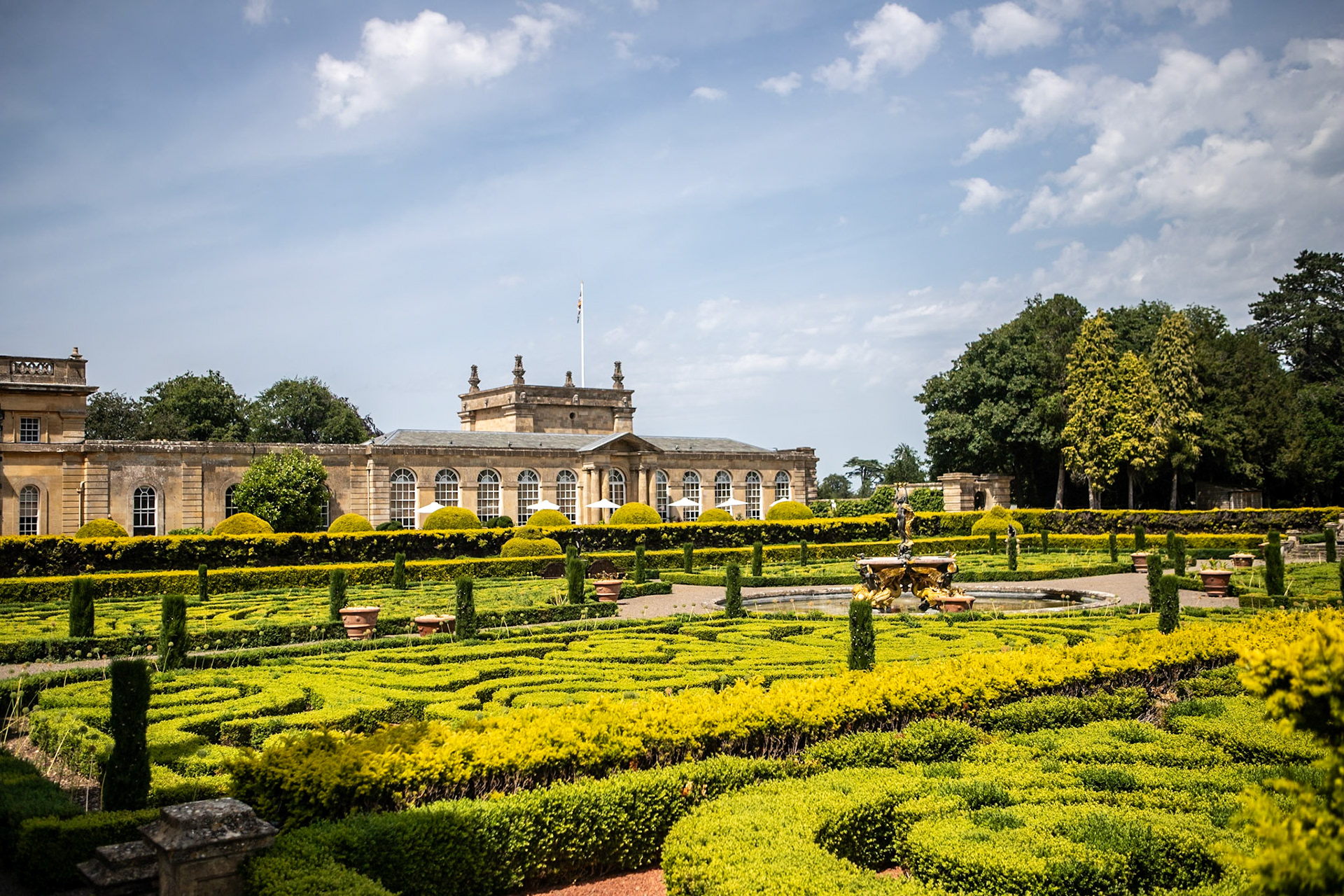
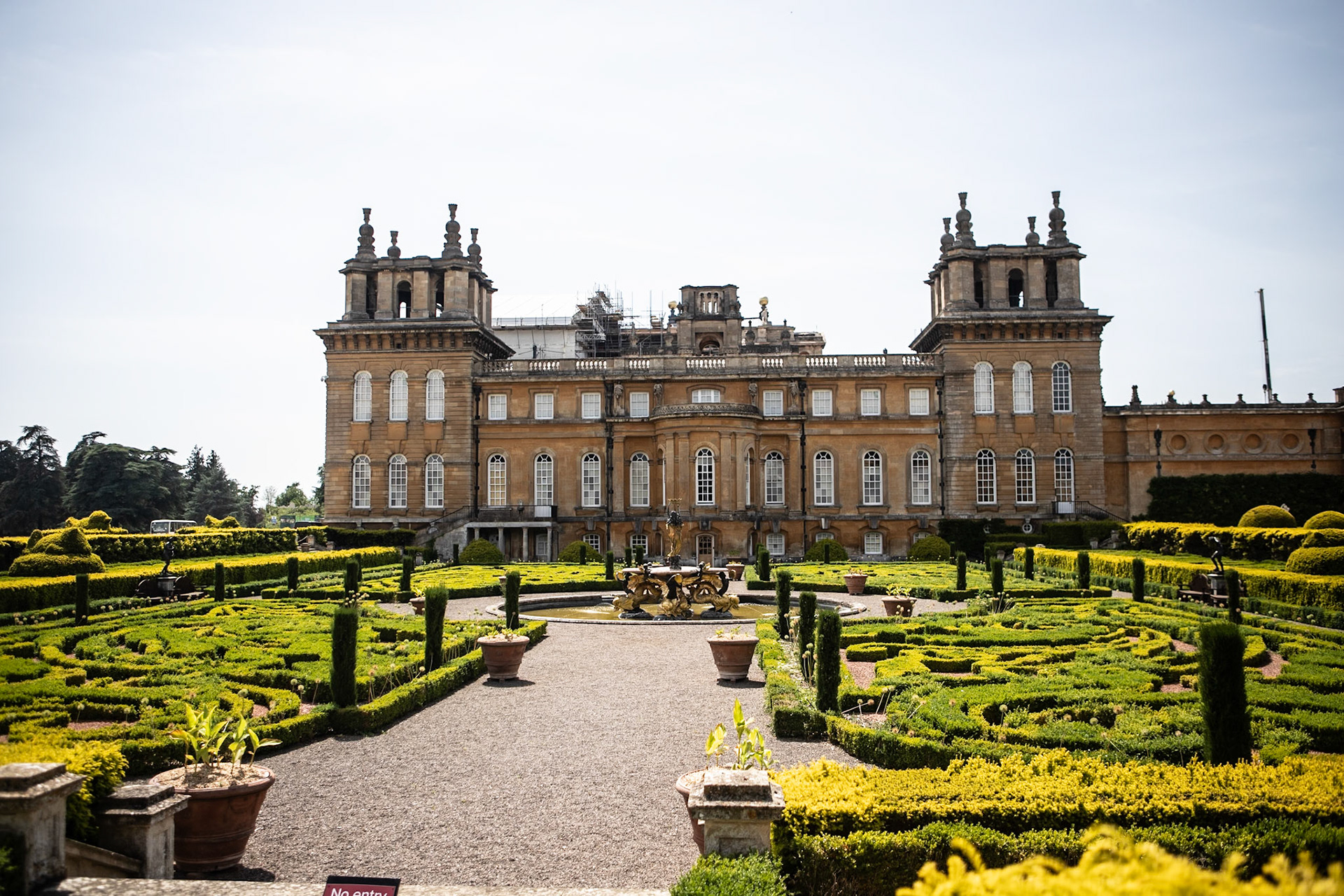
Blenheim Palace is a country house in Woodstock, Oxfordshire, England. It is the seat of the Dukes of Marlborough, and the birthplace of Sir Winston Churchill. Originally called Blenheim Castle, it has been known as Blenheim Palace since the 19th century. One of England's largest houses, it was built between 1705 and 1722, and was designated a UNESCO World Heritage Site in 1987
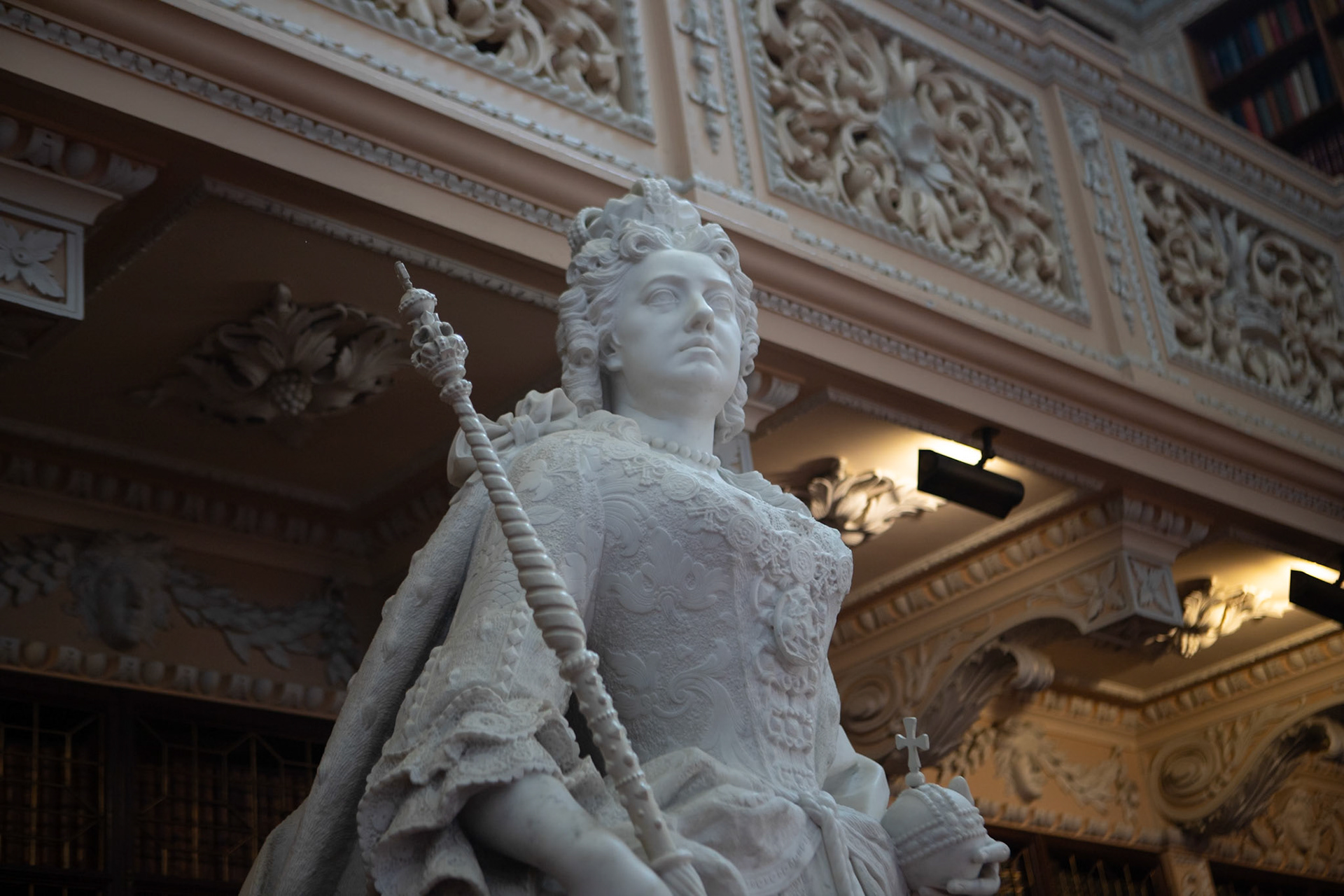
Blenheim Palace is a country house in Woodstock, Oxfordshire, England. It is the seat of the Dukes of Marlborough, and the birthplace of Sir Winston Churchill. Originally called Blenheim Castle, it has been known as Blenheim Palace since the 19th century. One of England's largest houses, it was built between 1705 and 1722, and was designated a UNESCO World Heritage Site in 1987
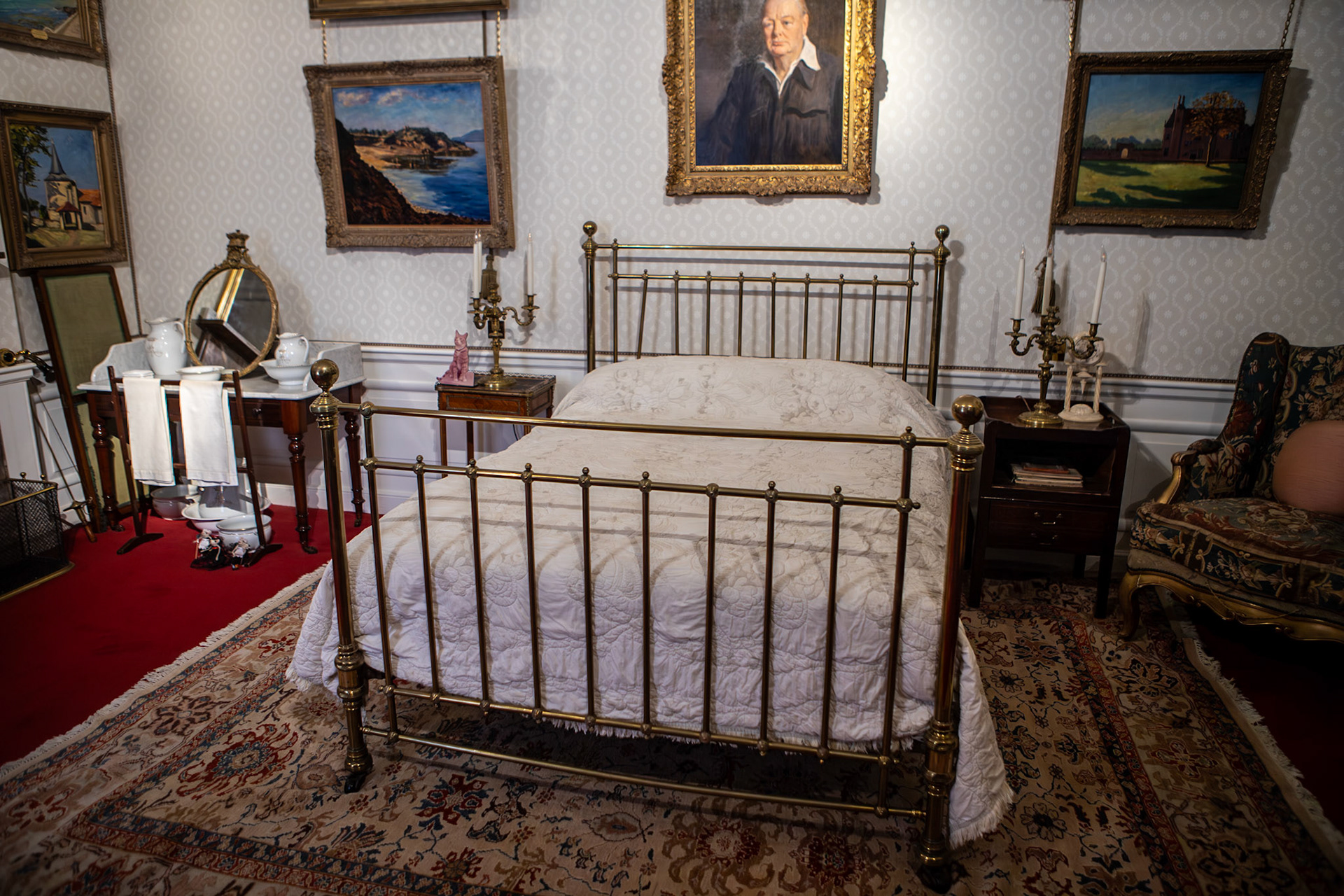
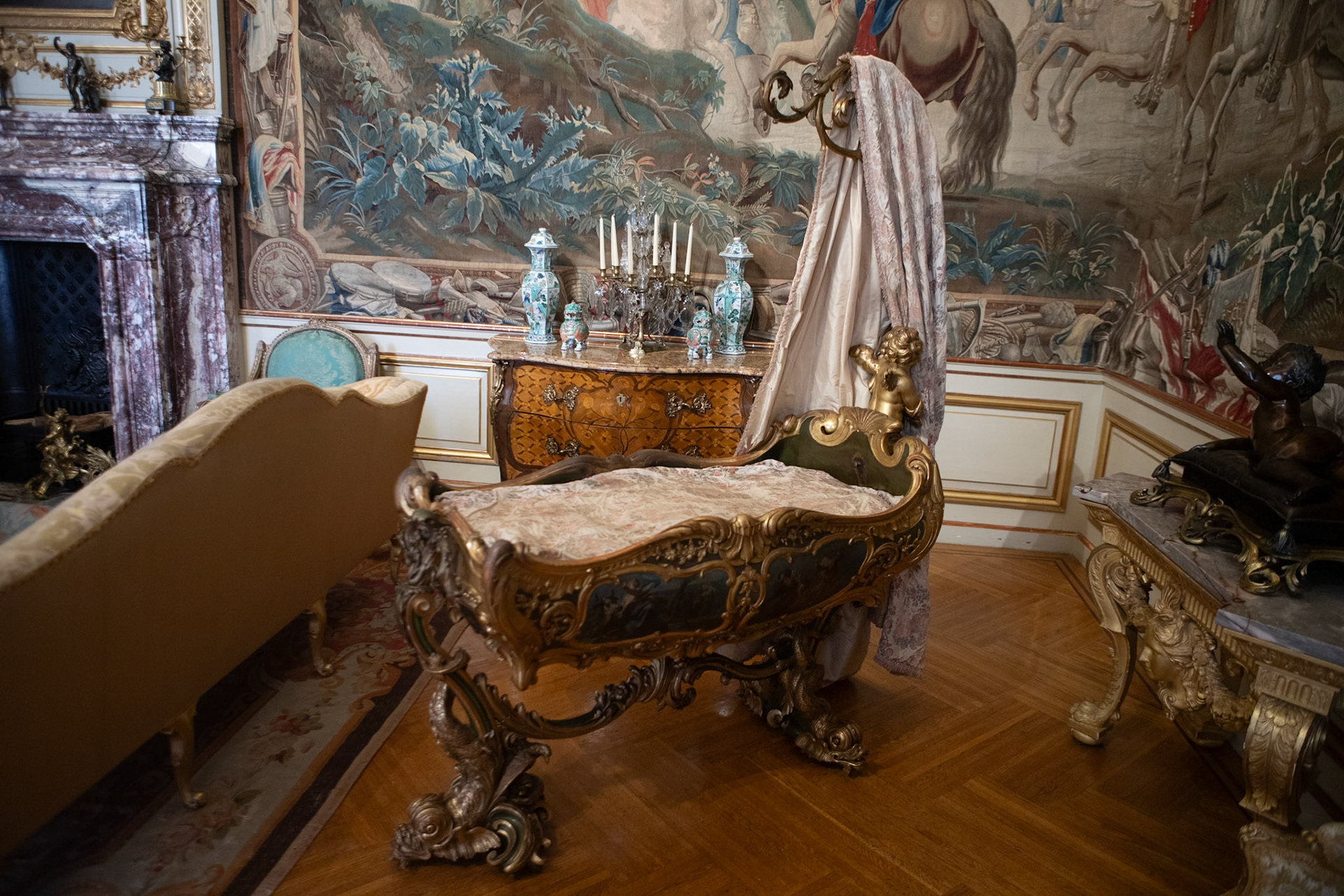
Birth-bed of Winston Churchill - Blenheim Palace is a country house in Woodstock, Oxfordshire, England. It is the seat of the Dukes of Marlborough, and the birthplace of Sir Winston Churchill. Originally called Blenheim Castle, it has been known as Blenheim Palace since the 19th century. One of England's largest houses, it was built between 1705 and 1722, and was designated a UNESCO World Heritage Site in 1987
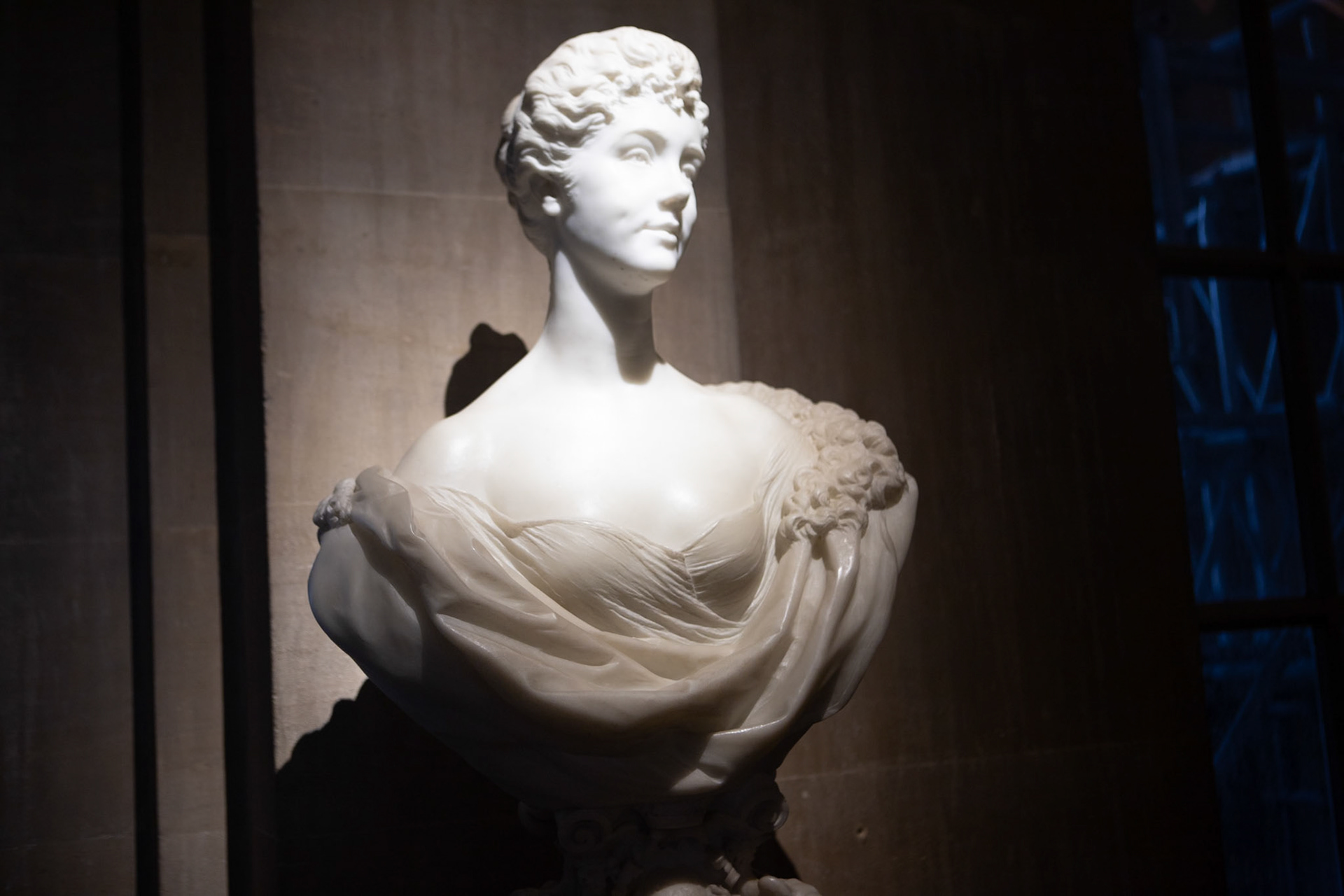
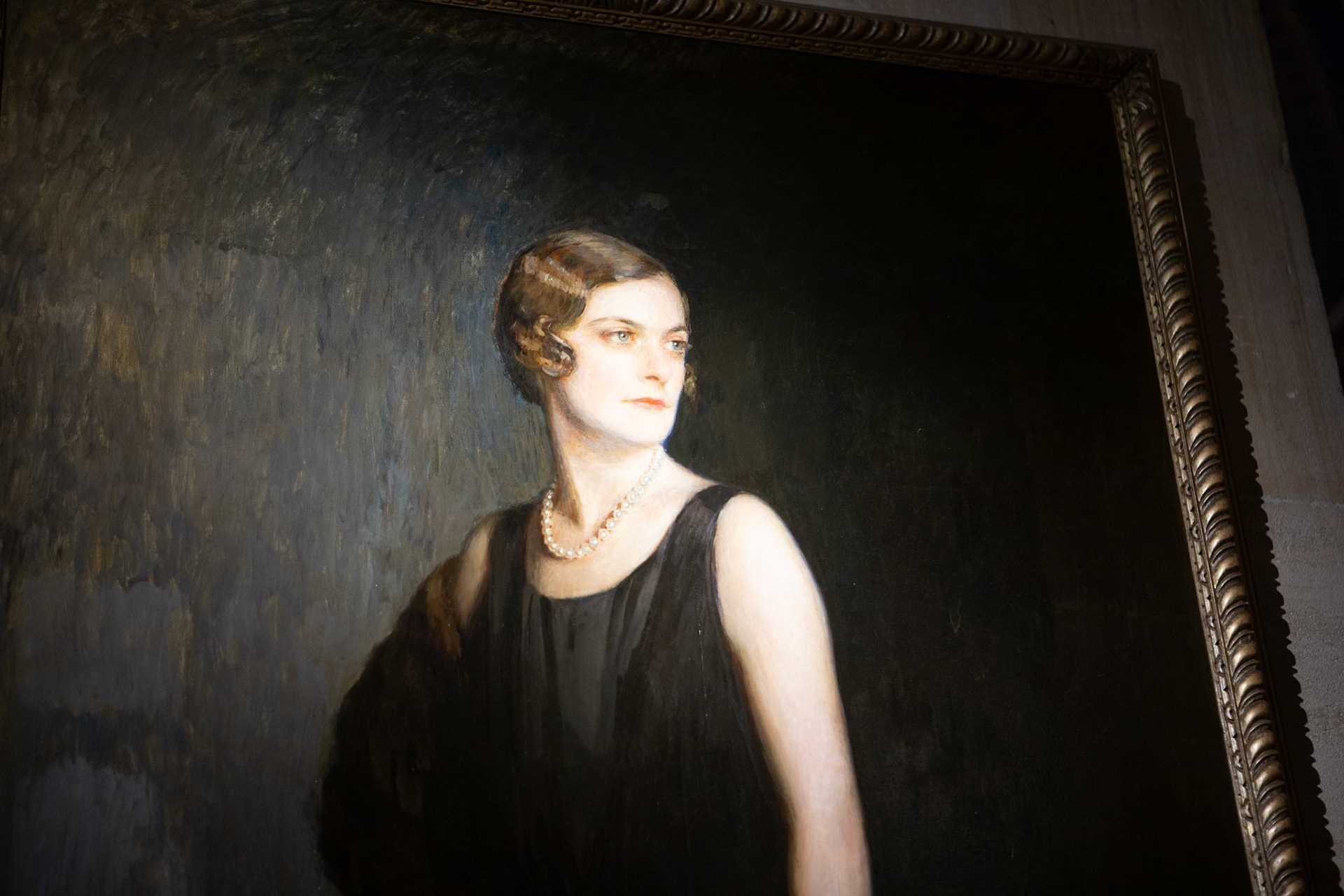
Clementine Churchill (?) Blenheim Palace is a country house in Woodstock, Oxfordshire, England. It is the seat of the Dukes of Marlborough, and the birthplace of Sir Winston Churchill. Originally called Blenheim Castle, it has been known as Blenheim Palace since the 19th century. One of England's largest houses, it was built between 1705 and 1722, and was designated a UNESCO World Heritage Site in 1987
Blenheim Palace is a country house in Woodstock, Oxfordshire, England. It is the seat of the Dukes of Marlborough, and the birthplace of Sir Winston Churchill. Originally called Blenheim Castle, it has been known as Blenheim Palace since the 19th century. One of England's largest houses, it was built between 1705 and 1722, and was designated a UNESCO World Heritage Site in 1987
Blenheim Palace is a country house in Woodstock, Oxfordshire, England. It is the seat of the Dukes of Marlborough, and the birthplace of Sir Winston Churchill. Originally called Blenheim Castle, it has been known as Blenheim Palace since the 19th century. One of England's largest houses, it was built between 1705 and 1722, and was designated a UNESCO World Heritage Site in 1987
Blenheim Palace is a country house in Woodstock, Oxfordshire, England. It is the seat of the Dukes of Marlborough, and the birthplace of Sir Winston Churchill. Originally called Blenheim Castle, it has been known as Blenheim Palace since the 19th century. One of England's largest houses, it was built between 1705 and 1722, and was designated a UNESCO World Heritage Site in 1987
Blenheim Palace is a country house in Woodstock, Oxfordshire, England. It is the seat of the Dukes of Marlborough, and the birthplace of Sir Winston Churchill. Originally called Blenheim Castle, it has been known as Blenheim Palace since the 19th century. One of England's largest houses, it was built between 1705 and 1722, and was designated a UNESCO World Heritage Site in 1987
Blenheim Palace is a country house in Woodstock, Oxfordshire, England. It is the seat of the Dukes of Marlborough, and the birthplace of Sir Winston Churchill. Originally called Blenheim Castle, it has been known as Blenheim Palace since the 19th century. One of England's largest houses, it was built between 1705 and 1722, and was designated a UNESCO World Heritage Site in 1987
Blenheim Palace is a country house in Woodstock, Oxfordshire, England. It is the seat of the Dukes of Marlborough, and the birthplace of Sir Winston Churchill. Originally called Blenheim Castle, it has been known as Blenheim Palace since the 19th century. One of England's largest houses, it was built between 1705 and 1722, and was designated a UNESCO World Heritage Site in 1987
Blenheim Palace is a country house in Woodstock, Oxfordshire, England. It is the seat of the Dukes of Marlborough, and the birthplace of Sir Winston Churchill. Originally called Blenheim Castle, it has been known as Blenheim Palace since the 19th century. One of England's largest houses, it was built between 1705 and 1722, and was designated a UNESCO World Heritage Site in 1987
Blenheim Palace is a country house in Woodstock, Oxfordshire, England. It is the seat of the Dukes of Marlborough, and the birthplace of Sir Winston Churchill. Originally called Blenheim Castle, it has been known as Blenheim Palace since the 19th century. One of England's largest houses, it was built between 1705 and 1722, and was designated a UNESCO World Heritage Site in 1987
Blenheim Palace is a country house in Woodstock, Oxfordshire, England. It is the seat of the Dukes of Marlborough, and the birthplace of Sir Winston Churchill. Originally called Blenheim Castle, it has been known as Blenheim Palace since the 19th century. One of England's largest houses, it was built between 1705 and 1722, and was designated a UNESCO World Heritage Site in 1987
Blenheim Palace is a country house in Woodstock, Oxfordshire, England. It is the seat of the Dukes of Marlborough, and the birthplace of Sir Winston Churchill. Originally called Blenheim Castle, it has been known as Blenheim Palace since the 19th century. One of England's largest houses, it was built between 1705 and 1722, and was designated a UNESCO World Heritage Site in 1987
Blenheim Palace is a country house in Woodstock, Oxfordshire, England. It is the seat of the Dukes of Marlborough, and the birthplace of Sir Winston Churchill. Originally called Blenheim Castle, it has been known as Blenheim Palace since the 19th century. One of England's largest houses, it was built between 1705 and 1722, and was designated a UNESCO World Heritage Site in 1987
Blenheim Palace is a country house in Woodstock, Oxfordshire, England. It is the seat of the Dukes of Marlborough, and the birthplace of Sir Winston Churchill. Originally called Blenheim Castle, it has been known as Blenheim Palace since the 19th century. One of England's largest houses, it was built between 1705 and 1722, and was designated a UNESCO World Heritage Site in 1987
Blenheim Palace is a country house in Woodstock, Oxfordshire, England. It is the seat of the Dukes of Marlborough, and the birthplace of Sir Winston Churchill. Originally called Blenheim Castle, it has been known as Blenheim Palace since the 19th century. One of England's largest houses, it was built between 1705 and 1722, and was designated a UNESCO World Heritage Site in 1987
Blenheim Palace is a country house in Woodstock, Oxfordshire, England. It is the seat of the Dukes of Marlborough, and the birthplace of Sir Winston Churchill. Originally called Blenheim Castle, it has been known as Blenheim Palace since the 19th century. One of England's largest houses, it was built between 1705 and 1722, and was designated a UNESCO World Heritage Site in 1987
Blenheim Palace is a country house in Woodstock, Oxfordshire, England. It is the seat of the Dukes of Marlborough, and the birthplace of Sir Winston Churchill. Originally called Blenheim Castle, it has been known as Blenheim Palace since the 19th century. One of England's largest houses, it was built between 1705 and 1722, and was designated a UNESCO World Heritage Site in 1987
Blenheim Palace is a country house in Woodstock, Oxfordshire, England. It is the seat of the Dukes of Marlborough, and the birthplace of Sir Winston Churchill. Originally called Blenheim Castle, it has been known as Blenheim Palace since the 19th century. One of England's largest houses, it was built between 1705 and 1722, and was designated a UNESCO World Heritage Site in 1987
Blenheim Palace is a country house in Woodstock, Oxfordshire, England. It is the seat of the Dukes of Marlborough, and the birthplace of Sir Winston Churchill. Originally called Blenheim Castle, it has been known as Blenheim Palace since the 19th century. One of England's largest houses, it was built between 1705 and 1722, and was designated a UNESCO World Heritage Site in 1987
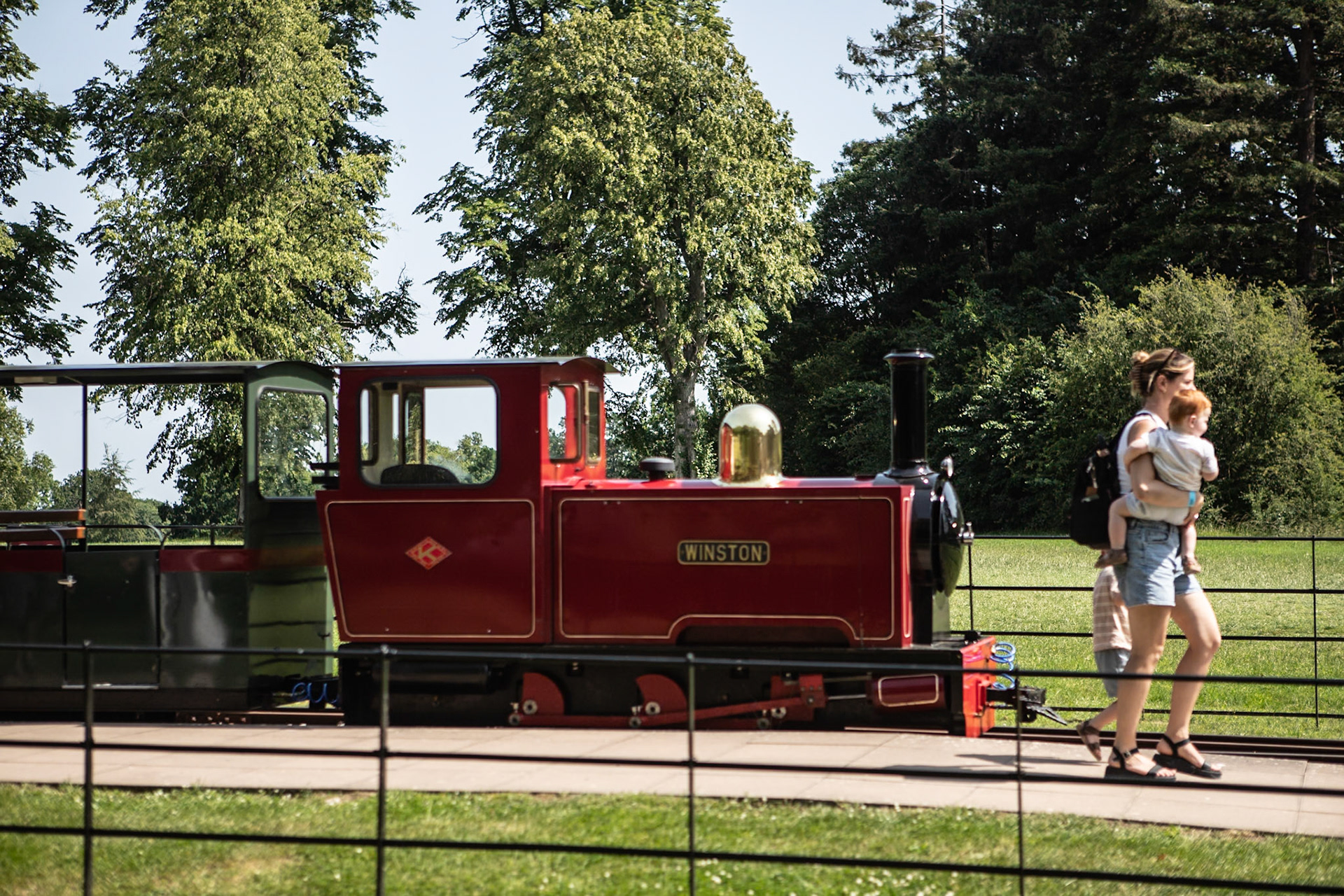
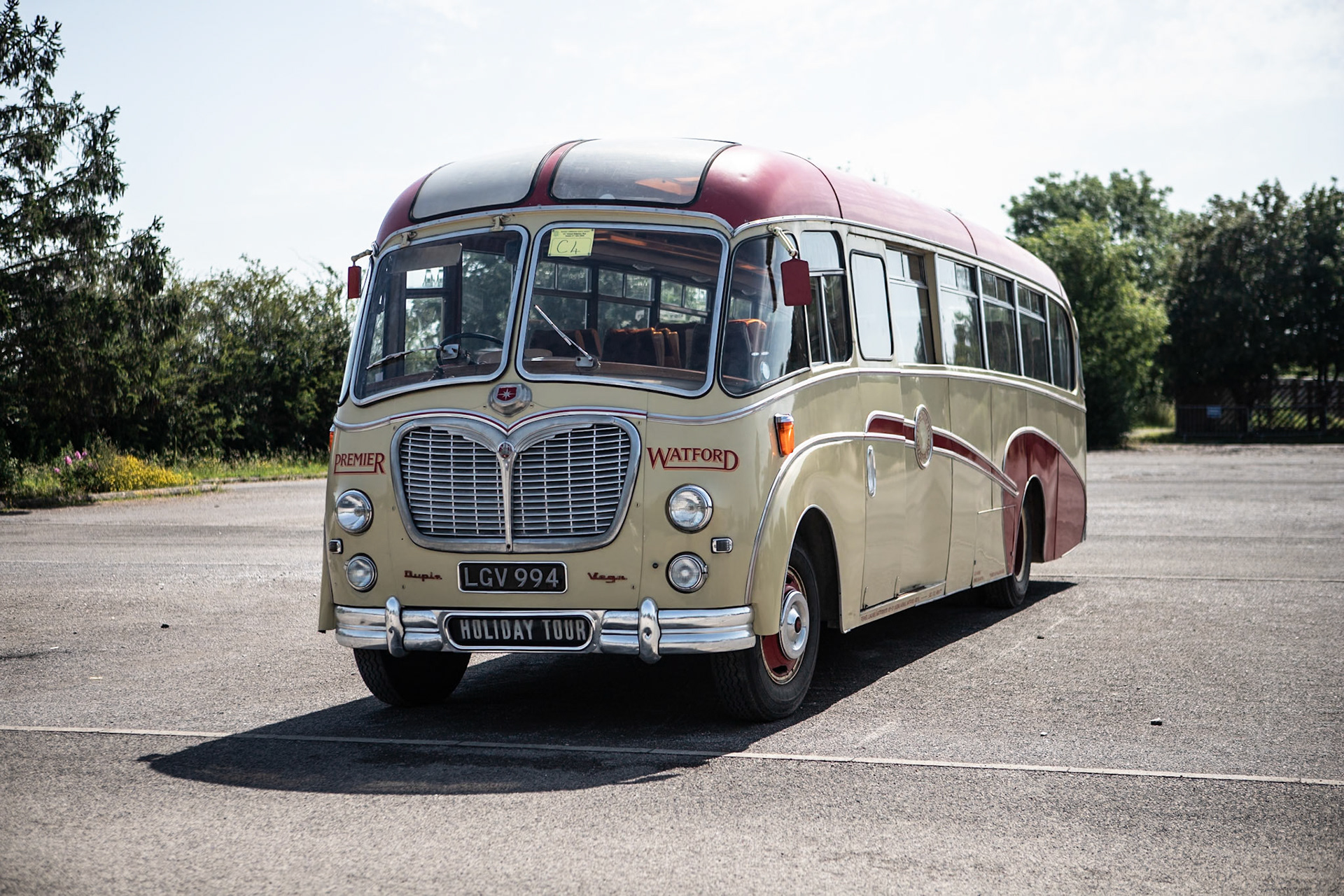
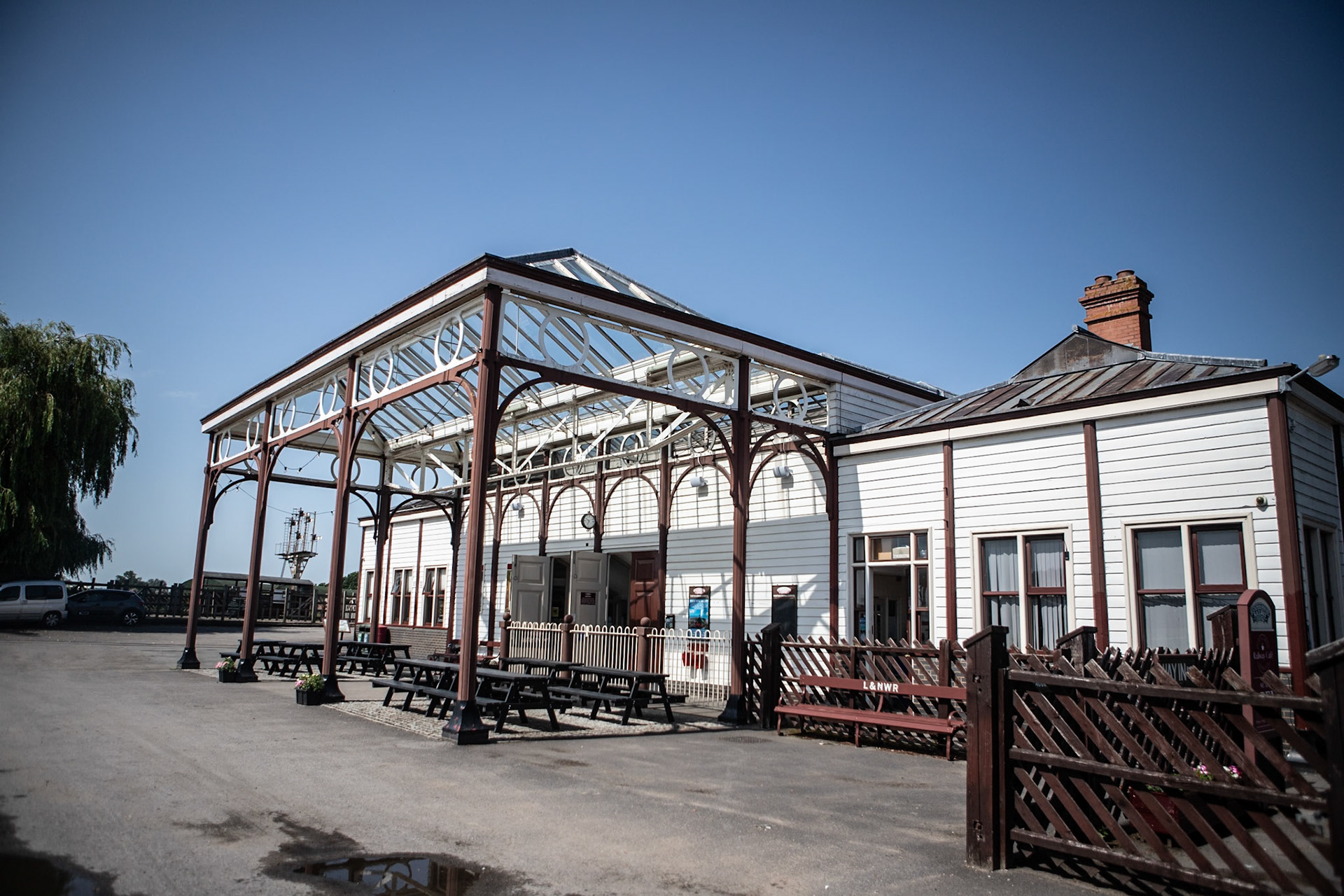
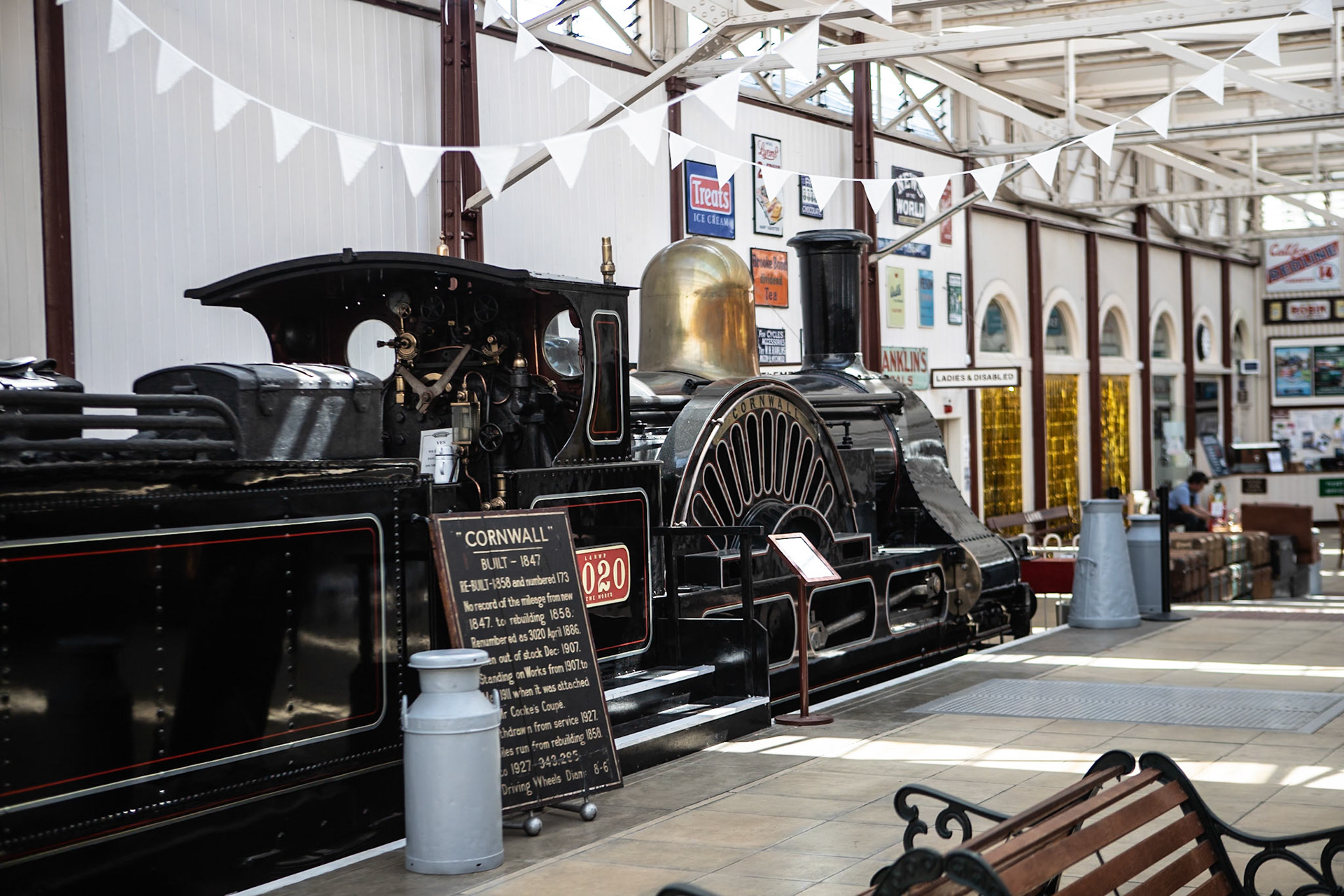
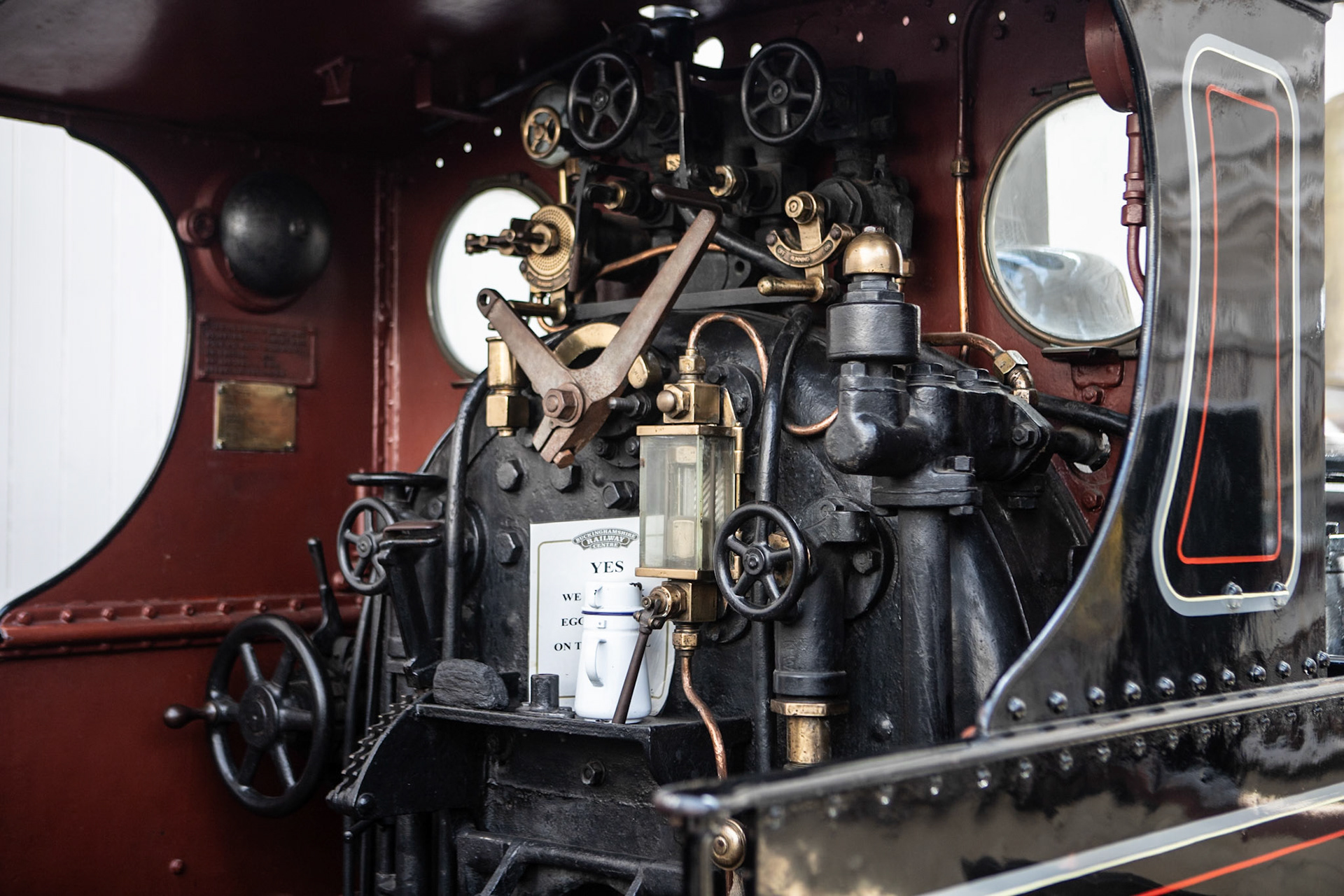
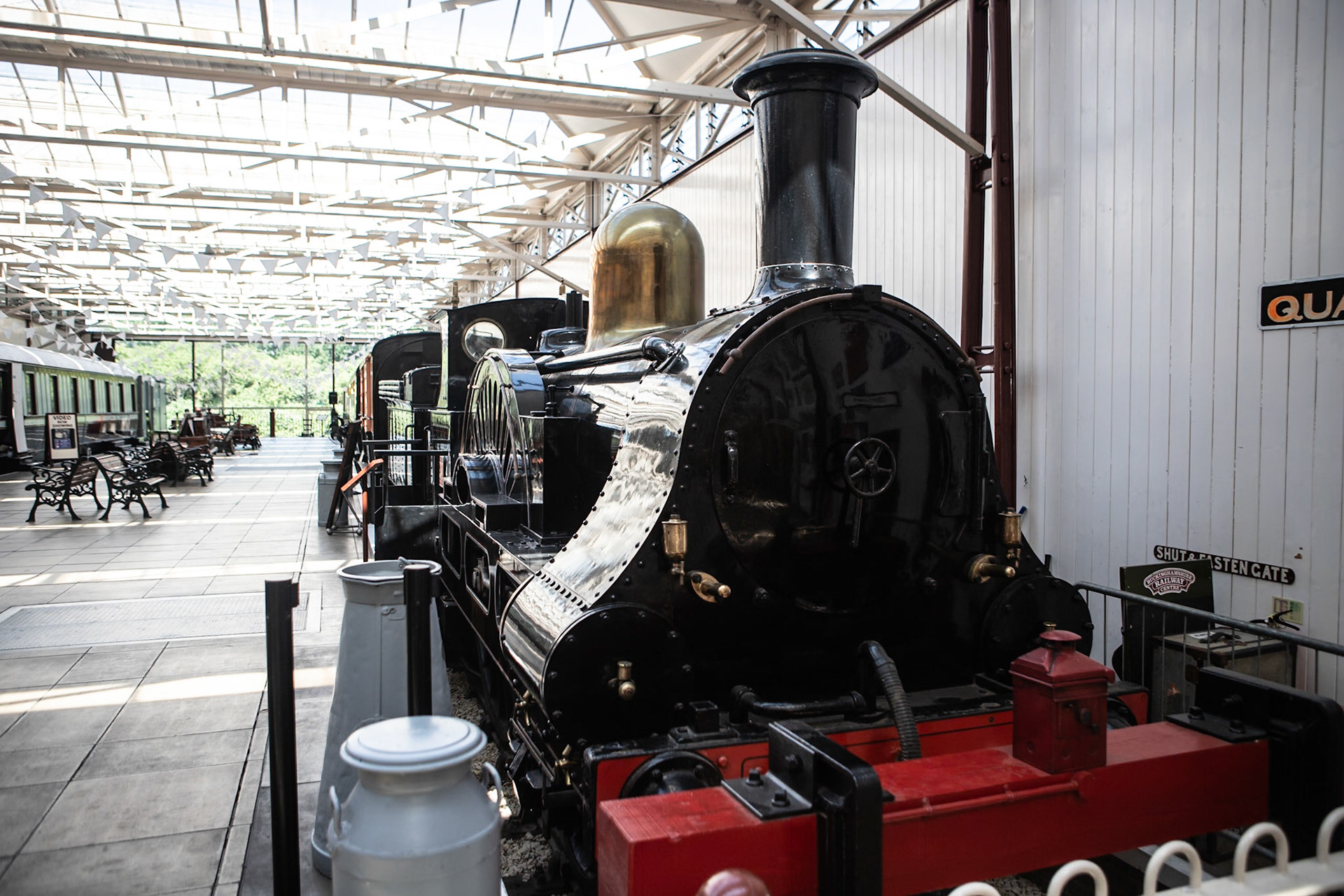
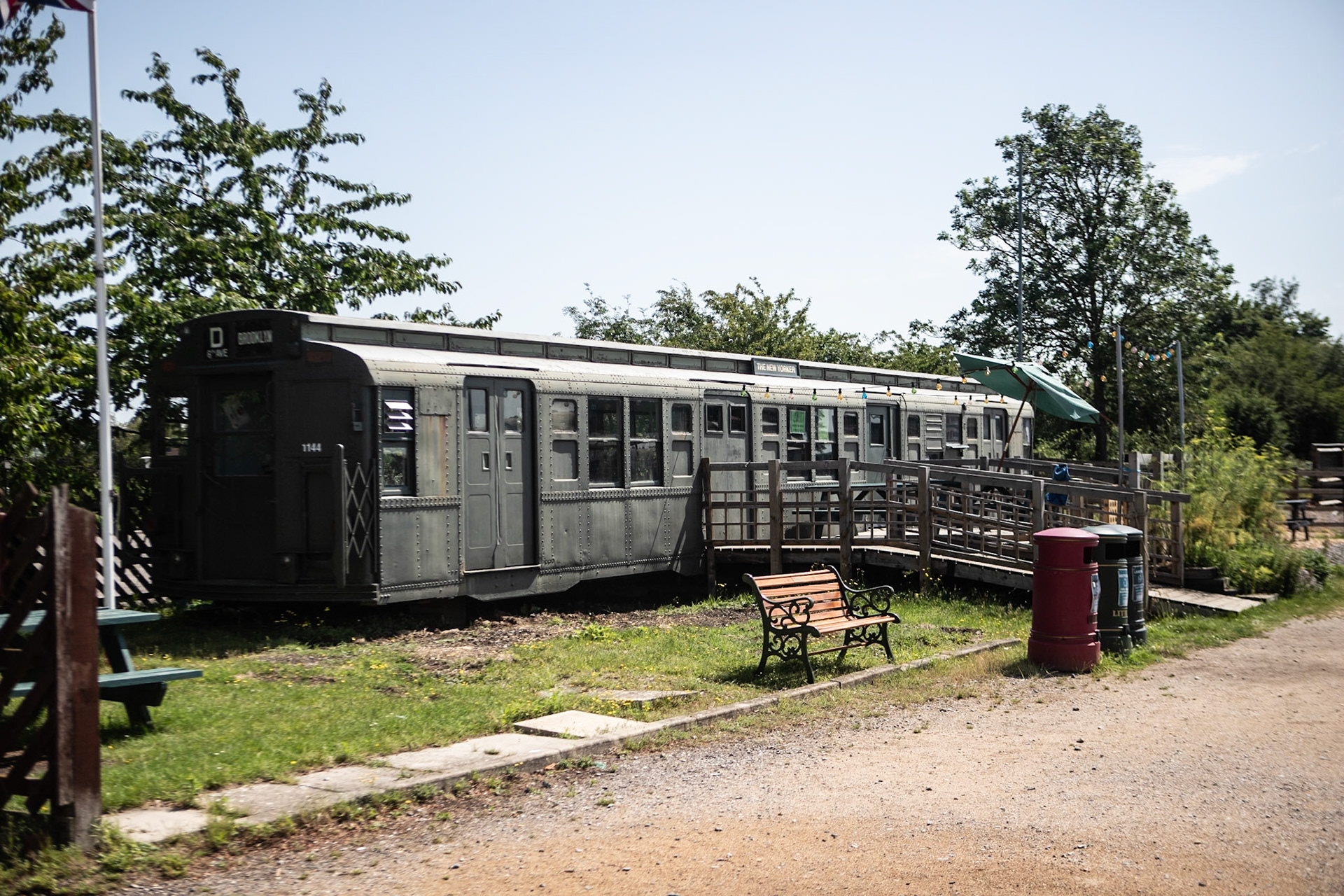
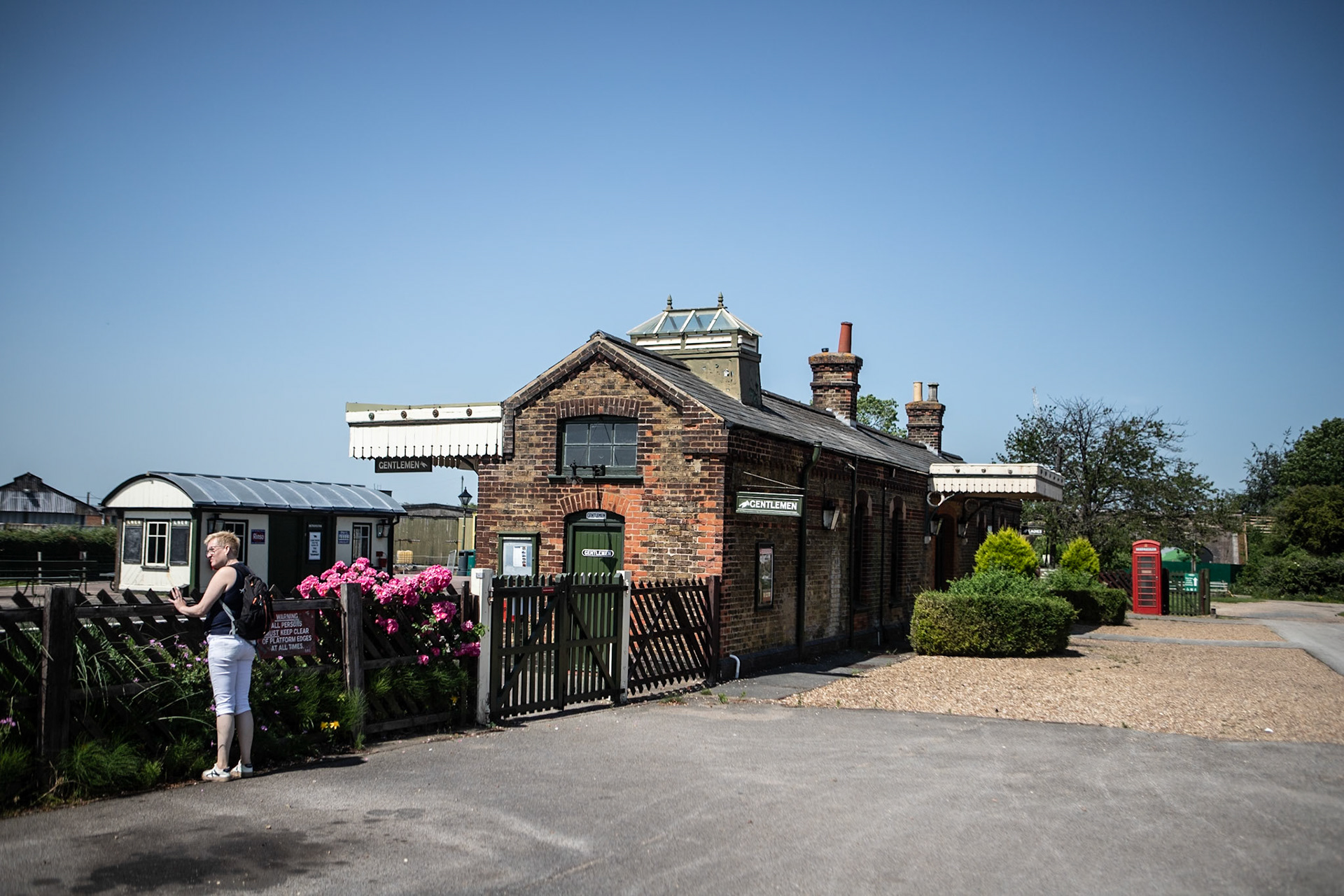
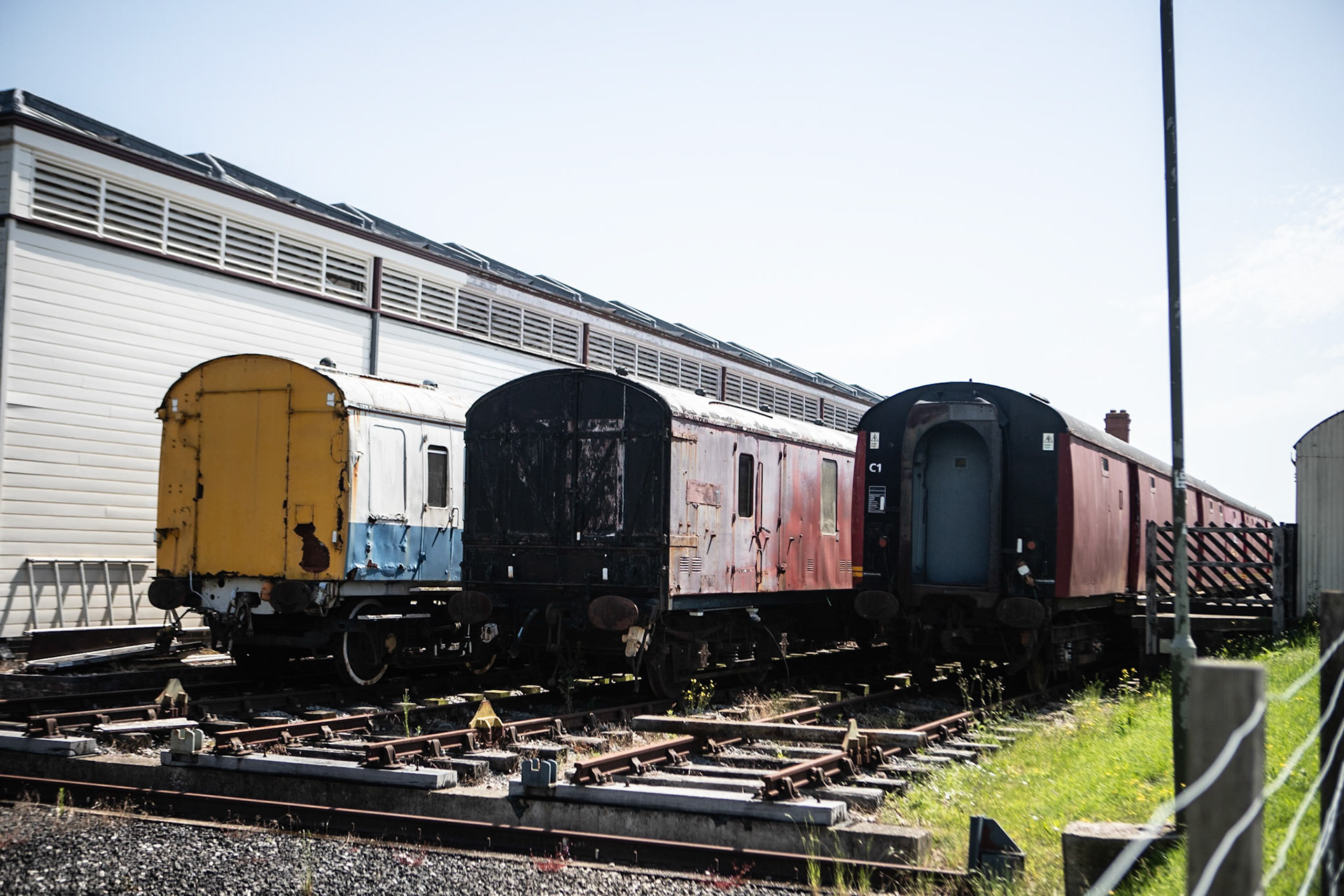
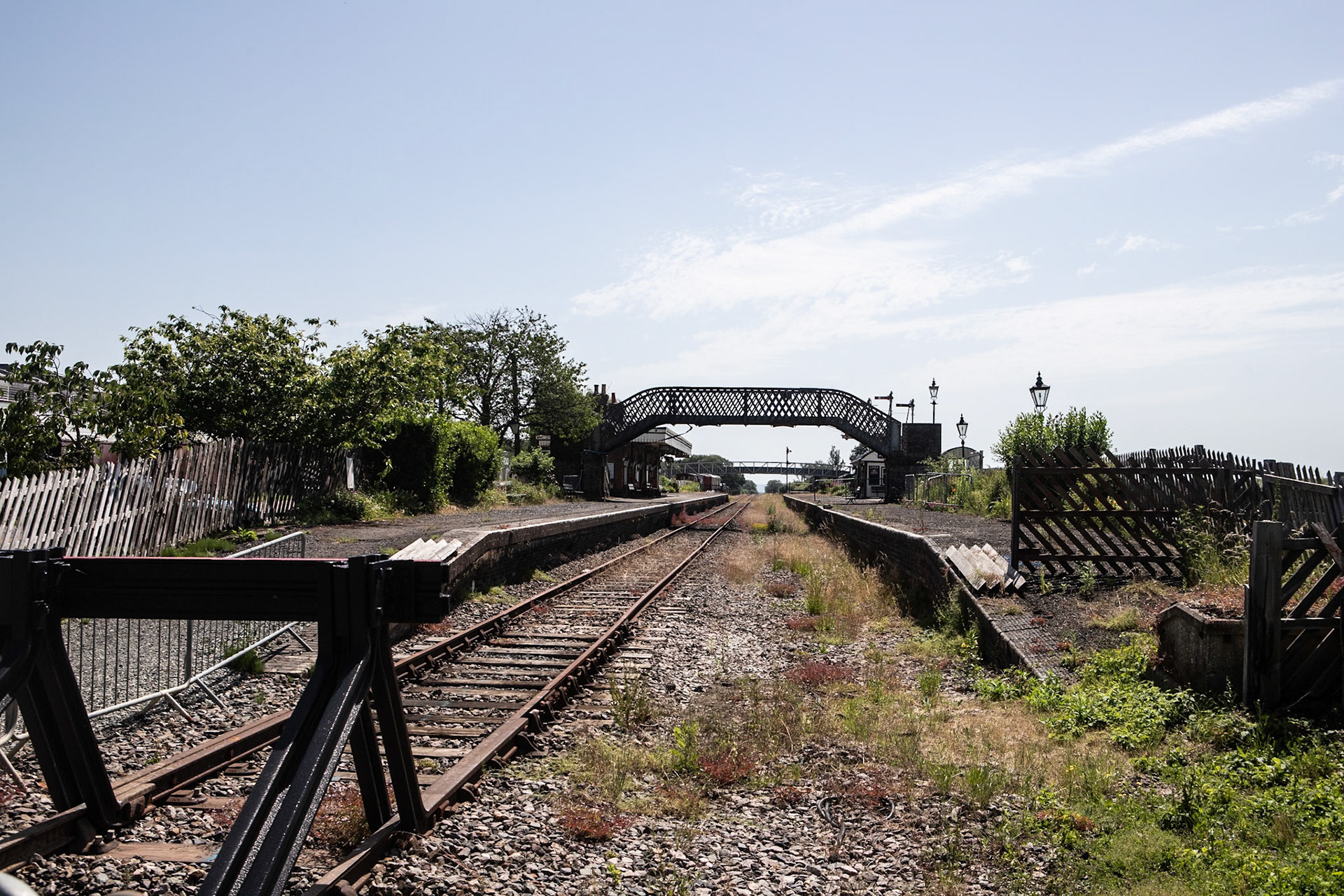
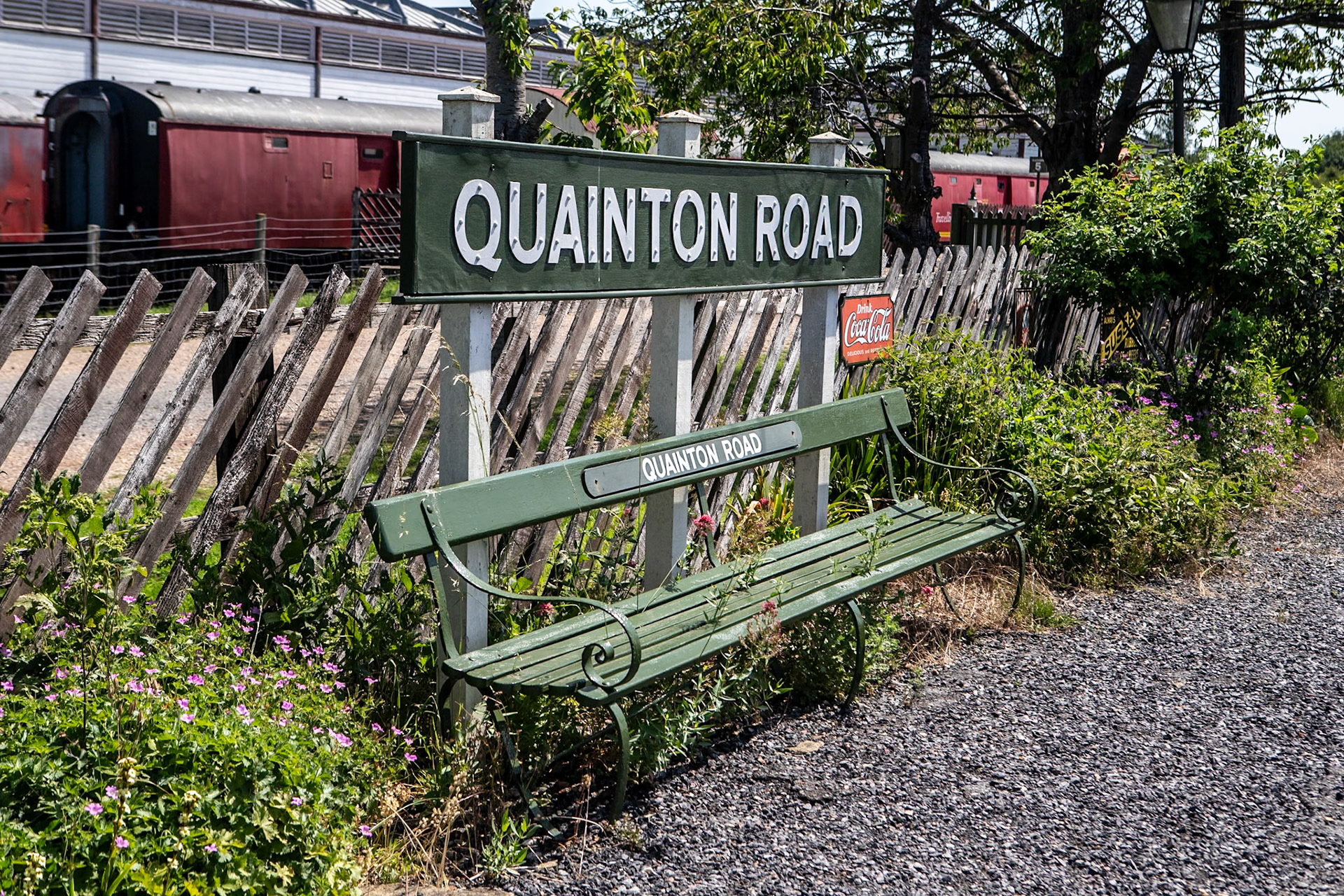
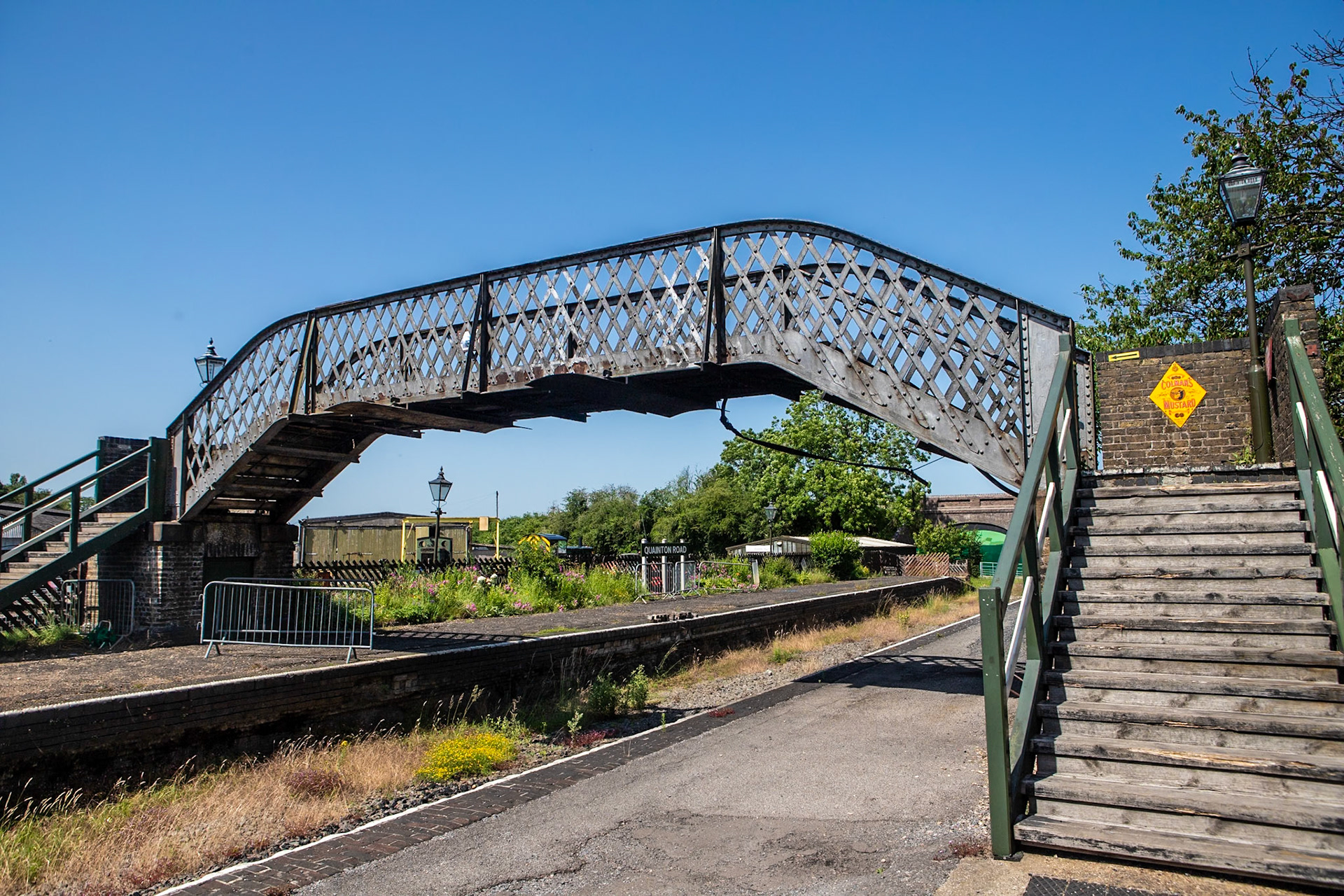
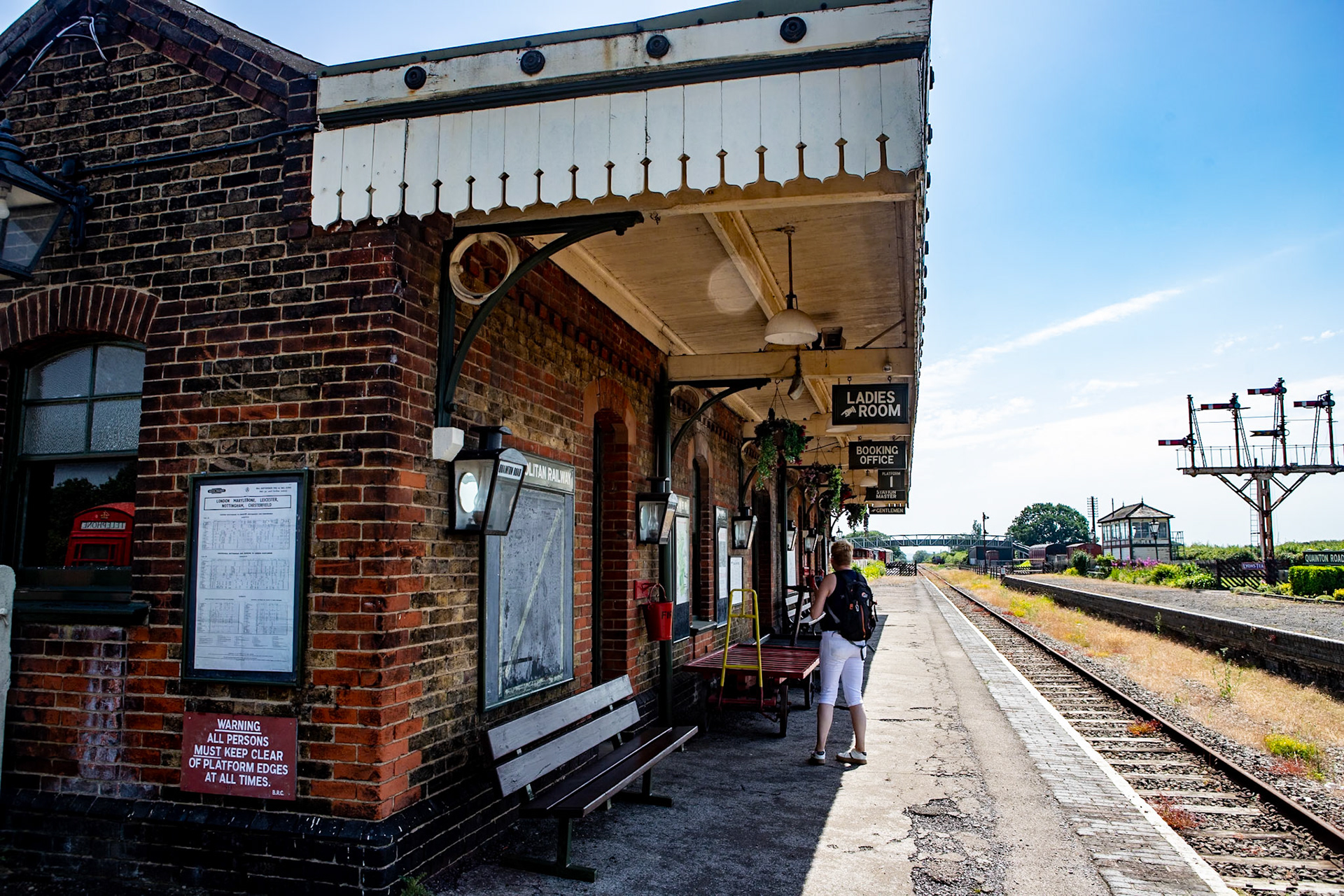
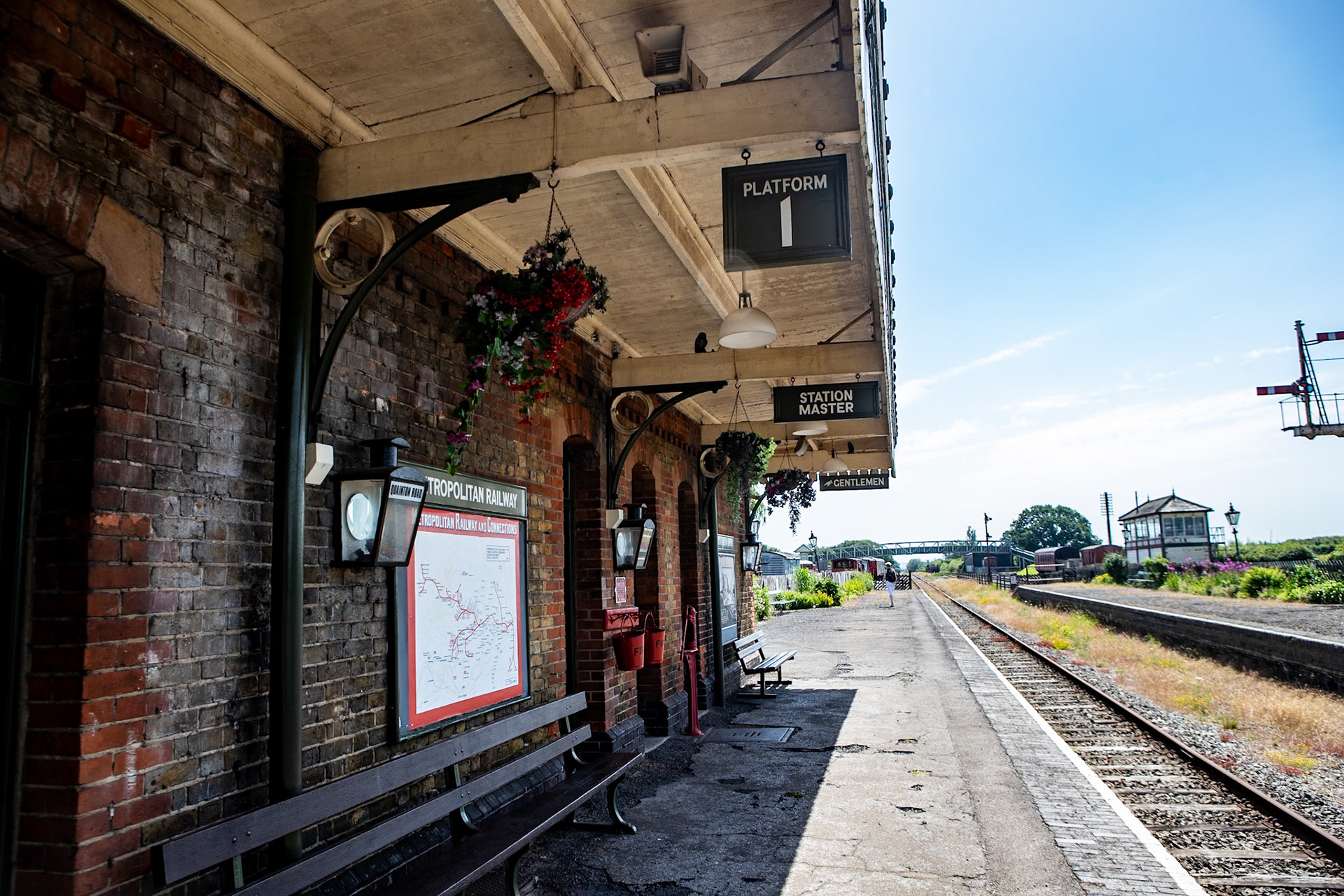
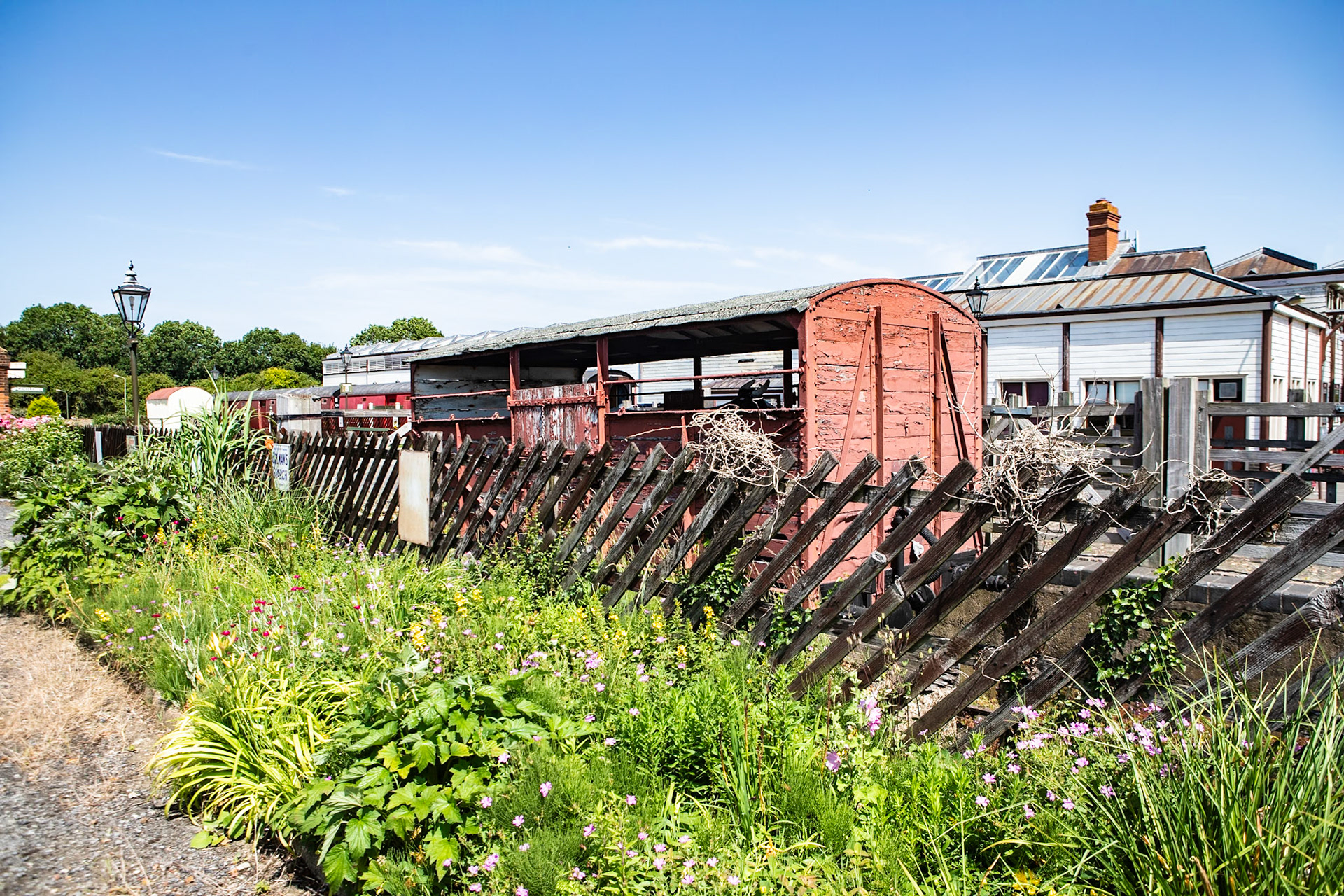
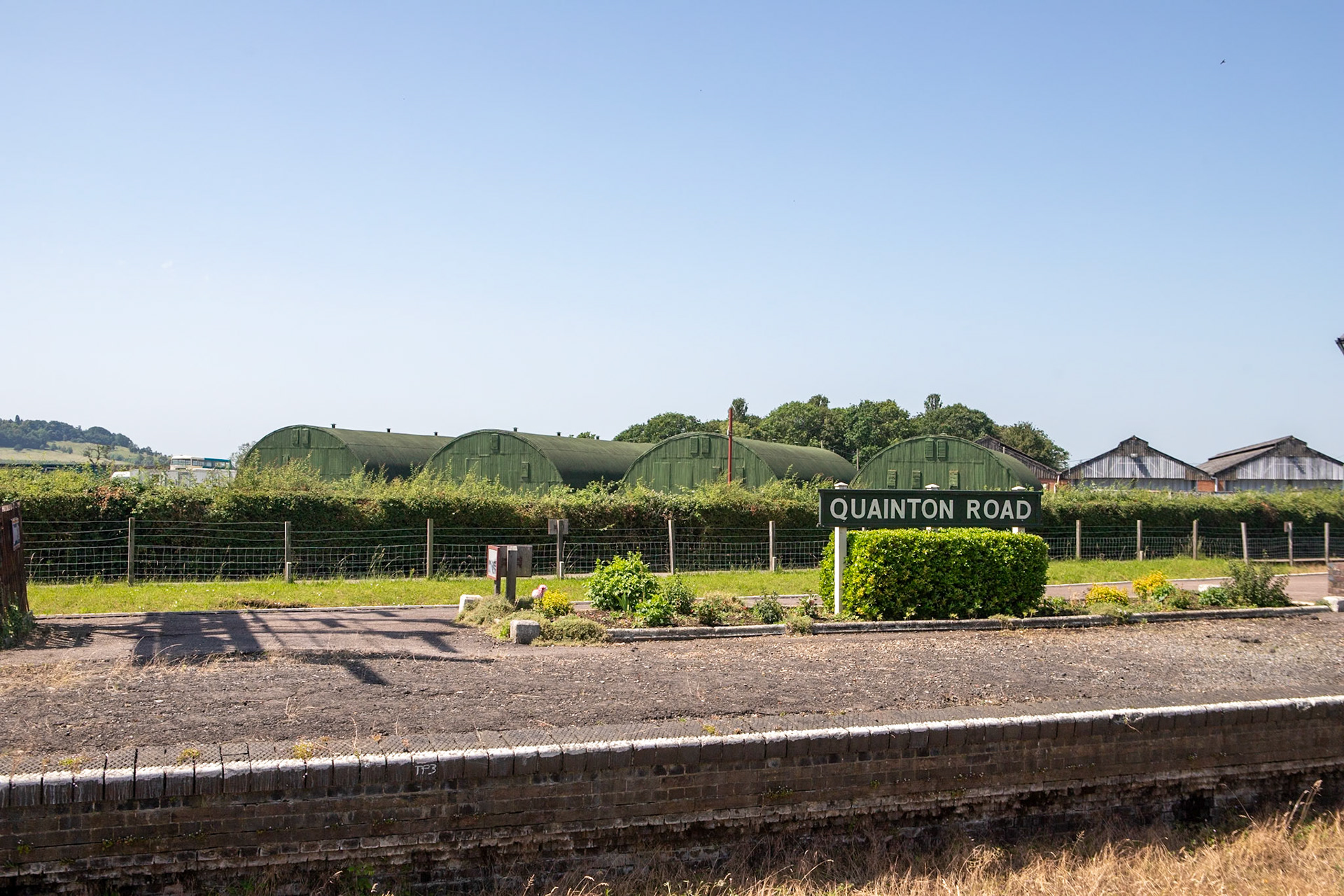
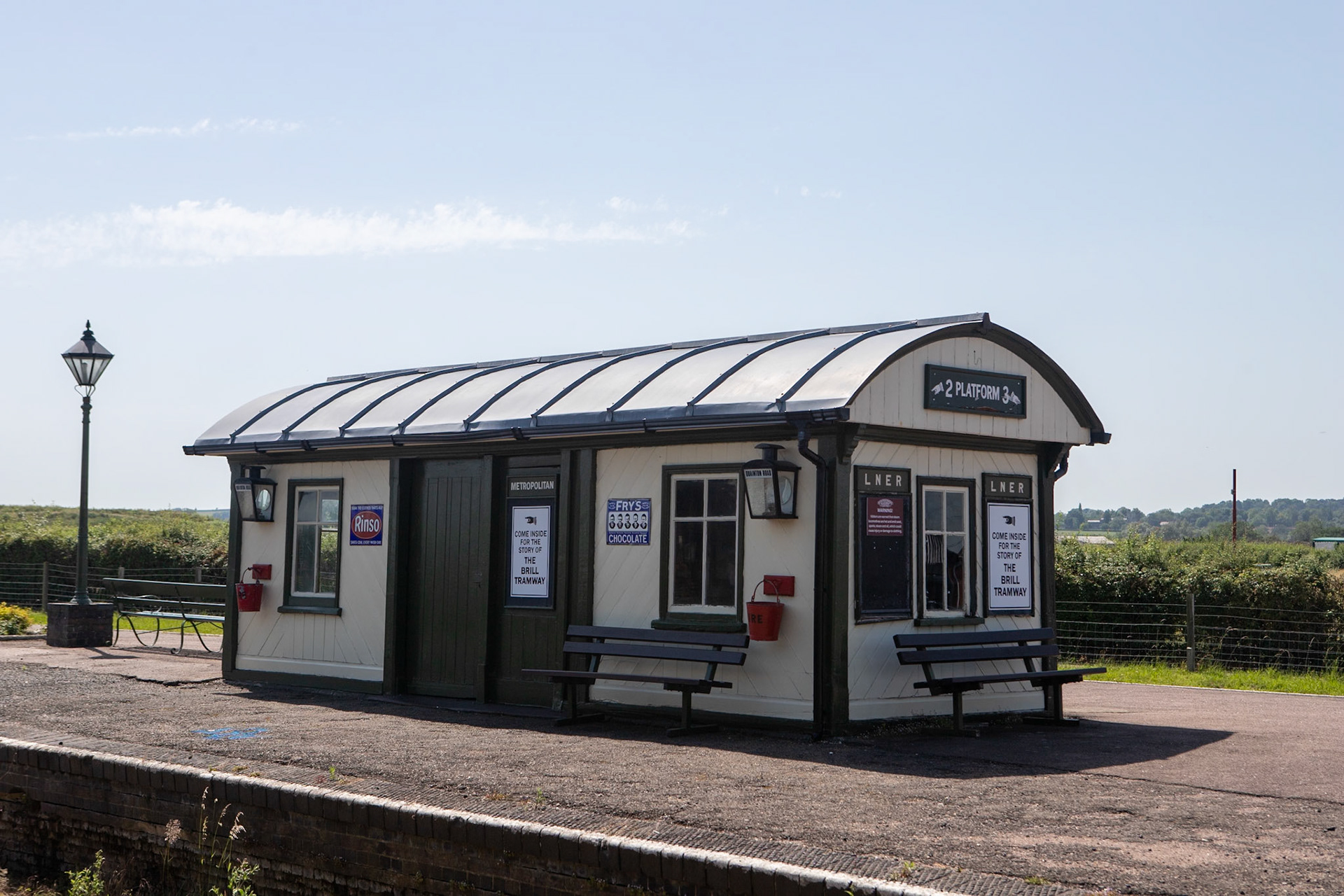
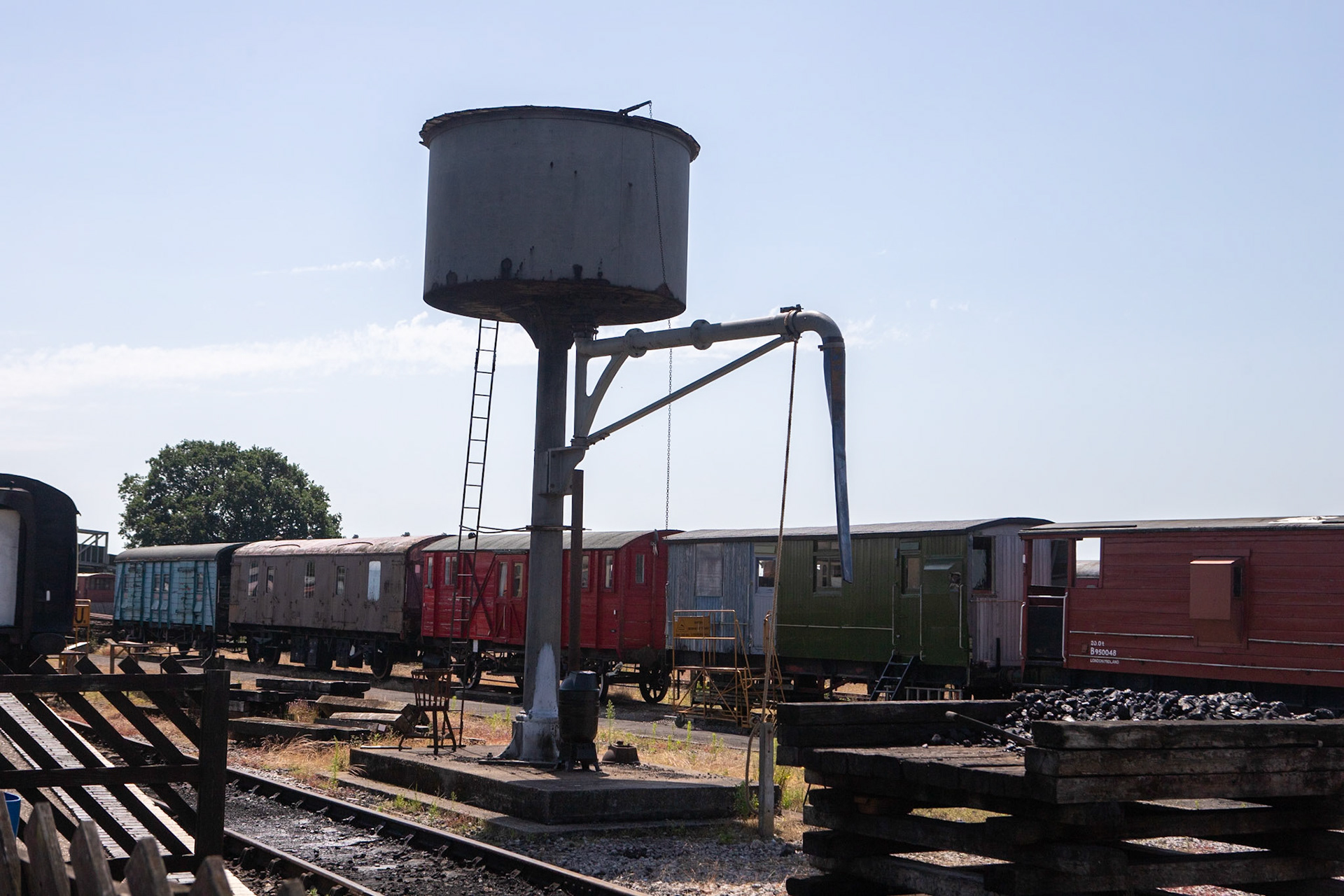
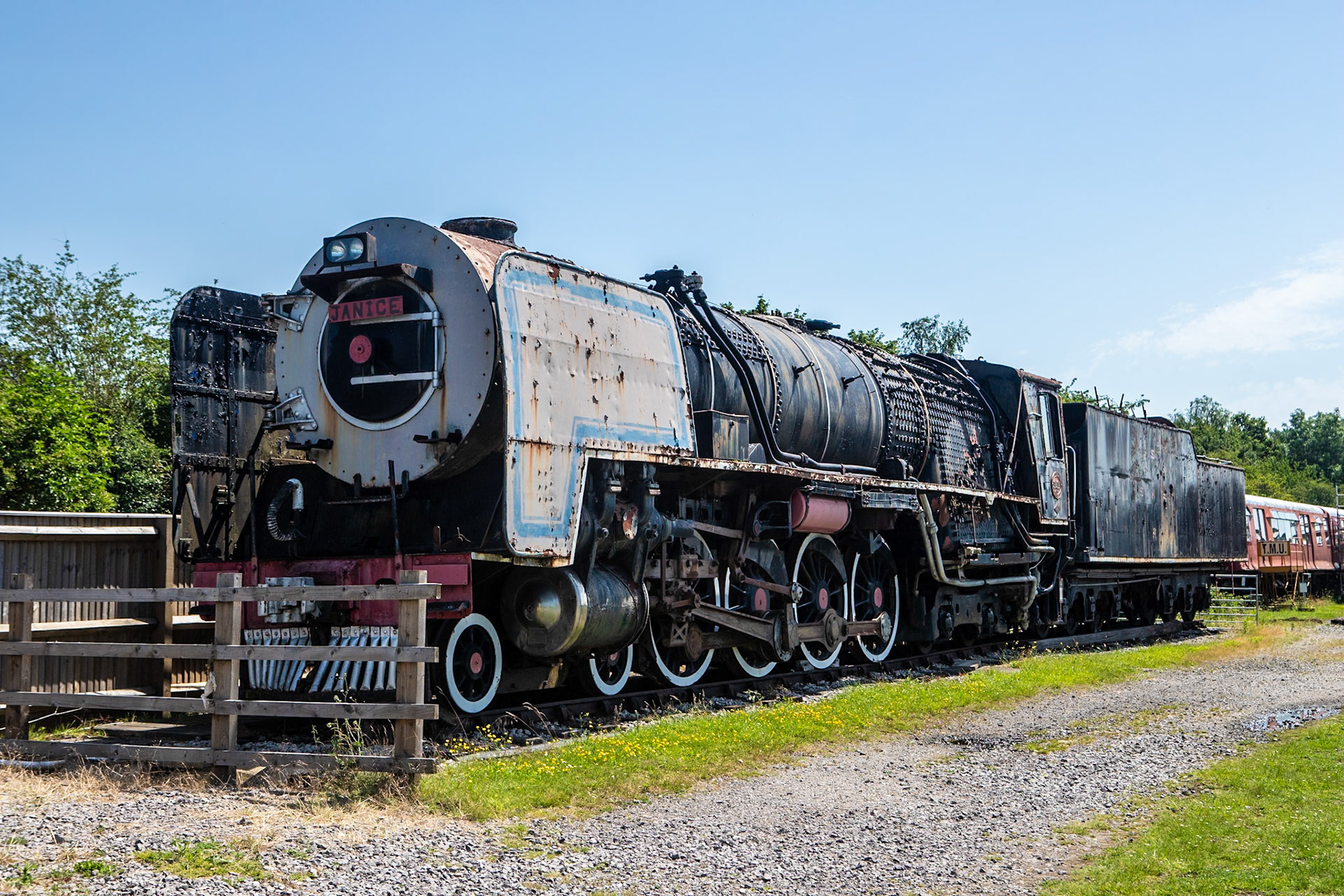
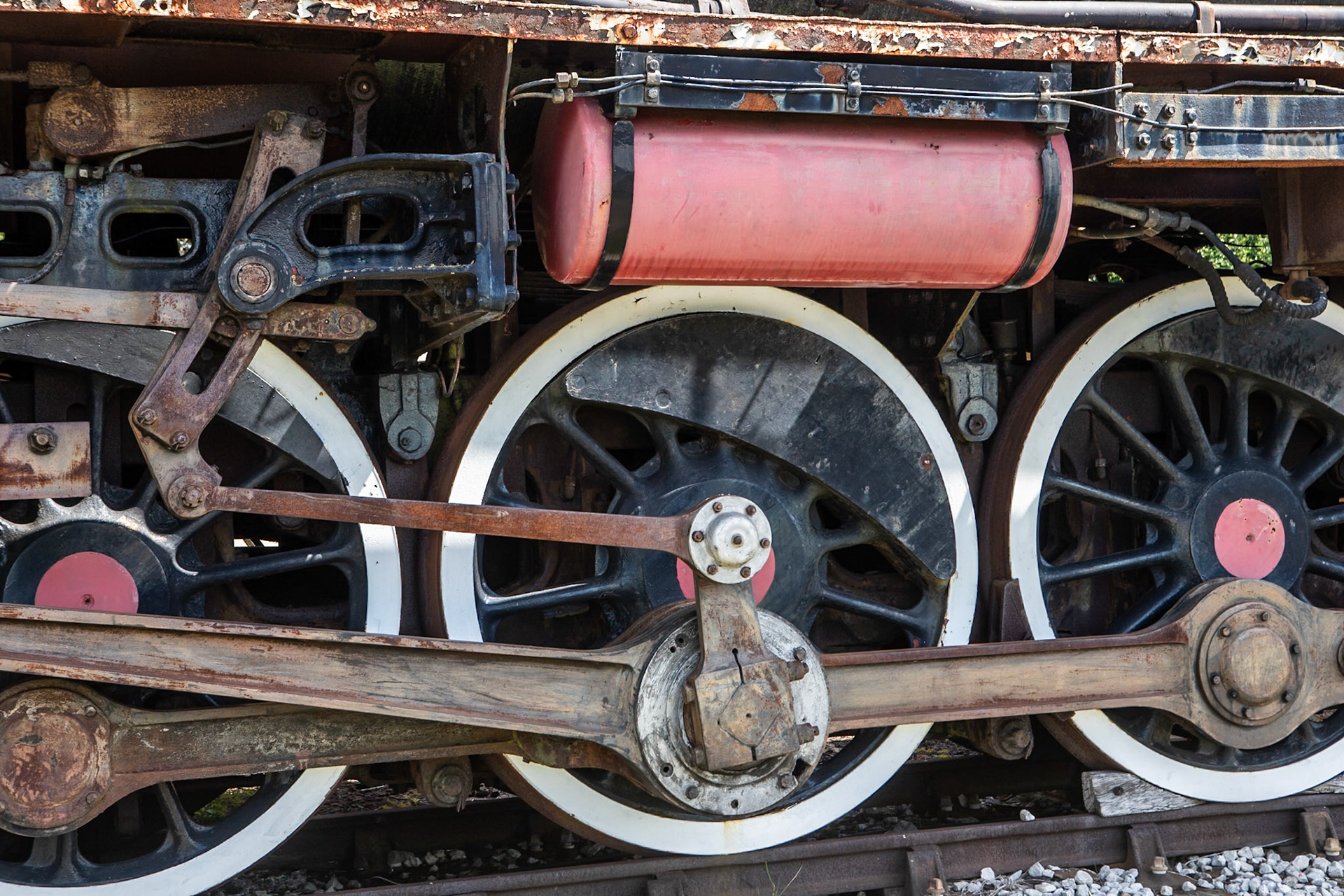
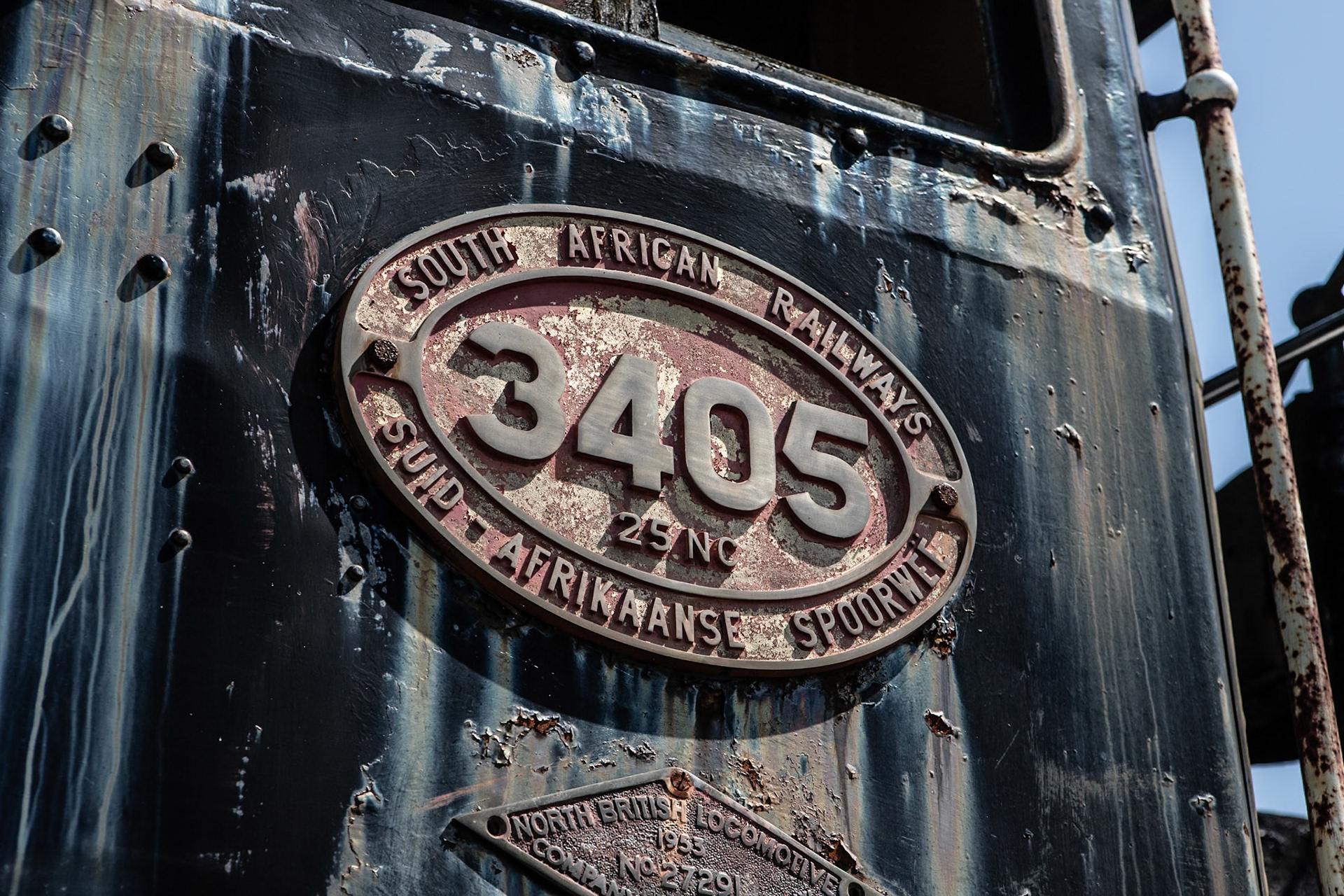
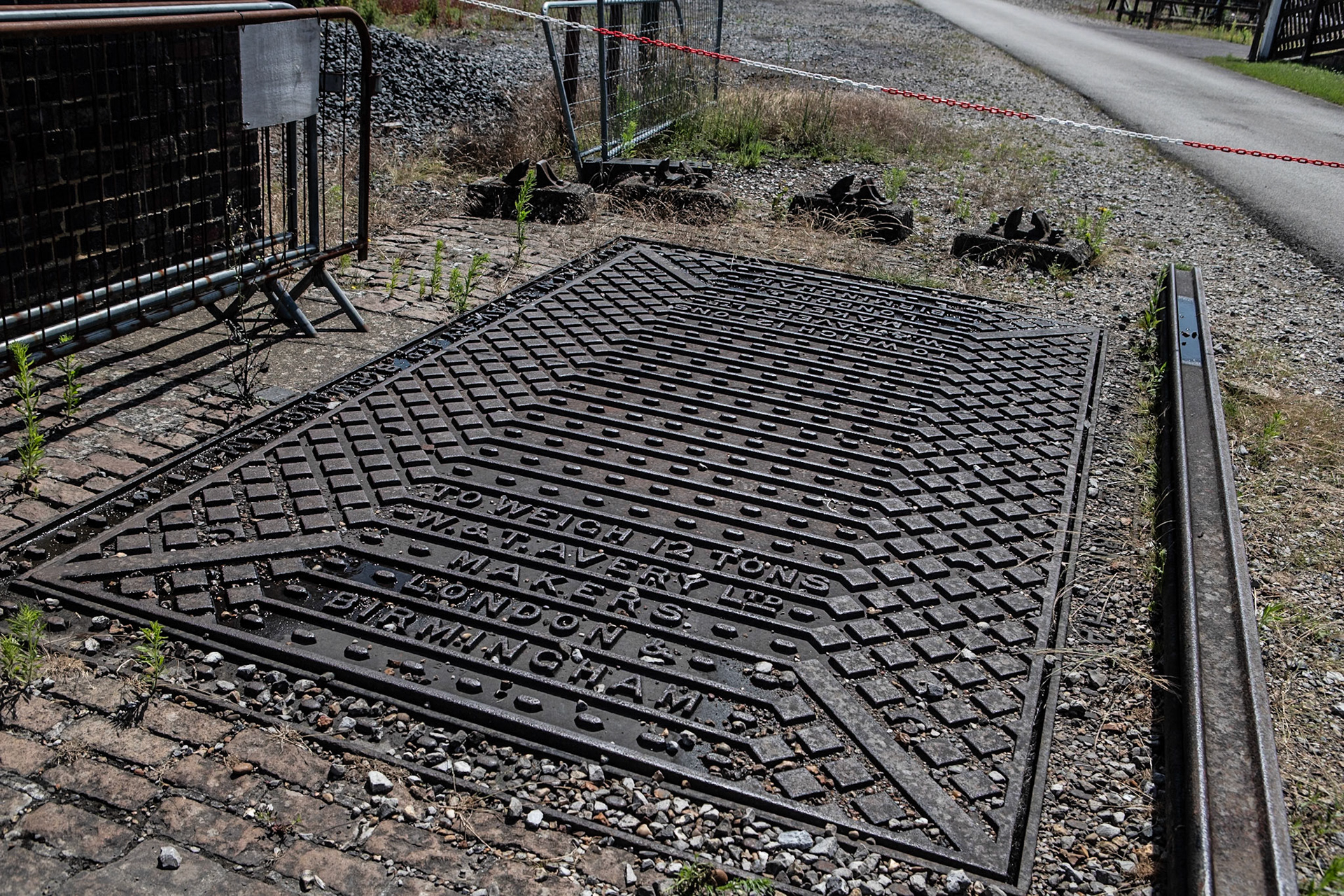
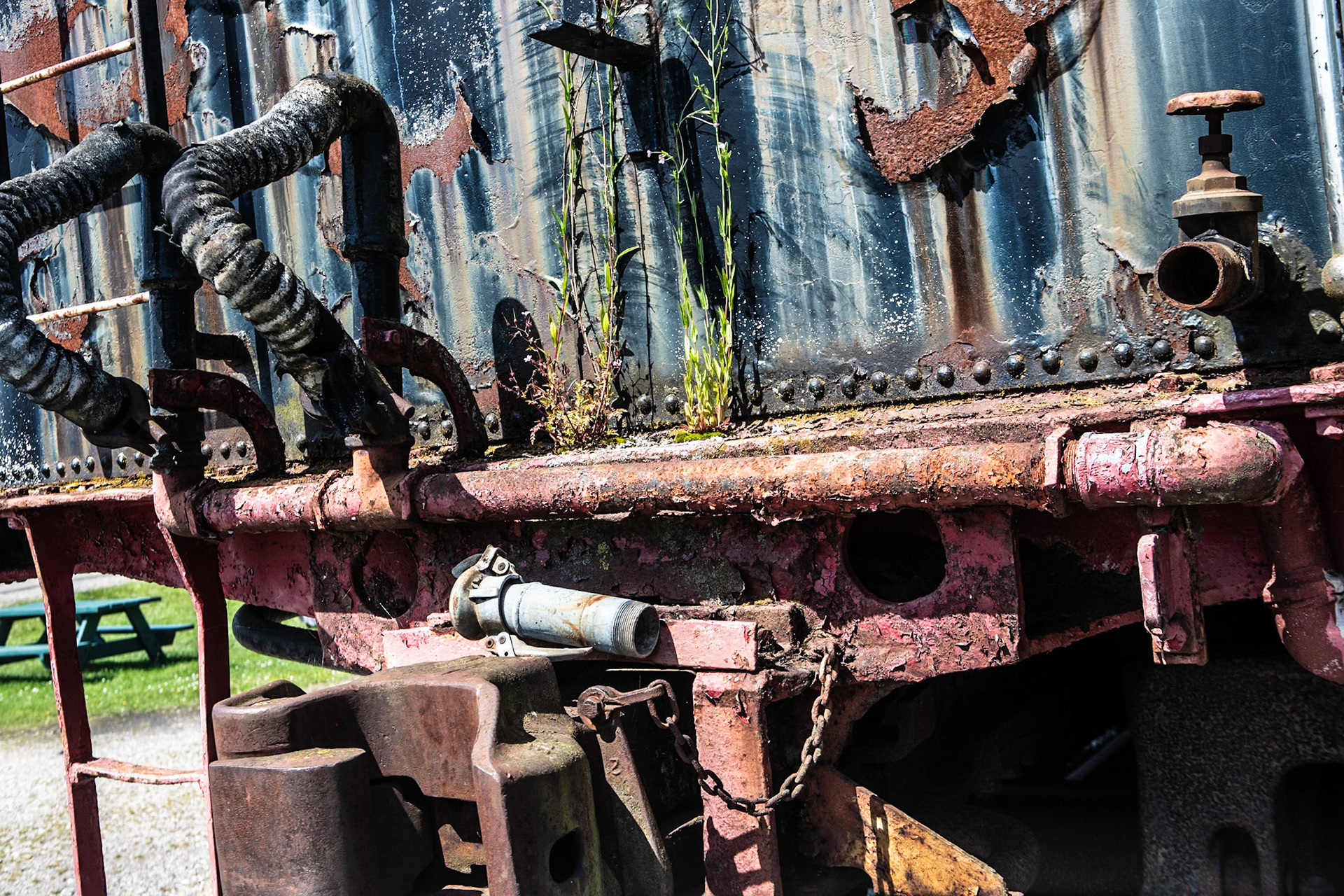
Quainton Road railway station served the area of Quainton, in Buckinghamshire, England; it is sited 44 miles (71 km) from London. Built by the Aylesbury and Buckingham Railway, it was the result of pressure from the 3rd Duke of Buckingham to route the railway near his home at Wotton House and to open a railway station at the nearest point to it. Serving a relatively underpopulated area, Quainton Road was a crude railway station, described as "extremely primitive".
Quainton Road railway station served the area of Quainton, in Buckinghamshire, England; it is sited 44 miles (71 km) from London. Built by the Aylesbury and Buckingham Railway, it was the result of pressure from the 3rd Duke of Buckingham to route the railway near his home at Wotton House and to open a railway station at the nearest point to it. Serving a relatively underpopulated area, Quainton Road was a crude railway station, described as "extremely primitive".
Quainton Road railway station served the area of Quainton, in Buckinghamshire, England; it is sited 44 miles (71 km) from London. Built by the Aylesbury and Buckingham Railway, it was the result of pressure from the 3rd Duke of Buckingham to route the railway near his home at Wotton House and to open a railway station at the nearest point to it. Serving a relatively underpopulated area, Quainton Road was a crude railway station, described as "extremely primitive".
Quainton Road railway station served the area of Quainton, in Buckinghamshire, England; it is sited 44 miles (71 km) from London. Built by the Aylesbury and Buckingham Railway, it was the result of pressure from the 3rd Duke of Buckingham to route the railway near his home at Wotton House and to open a railway station at the nearest point to it. Serving a relatively underpopulated area, Quainton Road was a crude railway station, described as "extremely primitive".
Quainton Road railway station served the area of Quainton, in Buckinghamshire, England; it is sited 44 miles (71 km) from London. Built by the Aylesbury and Buckingham Railway, it was the result of pressure from the 3rd Duke of Buckingham to route the railway near his home at Wotton House and to open a railway station at the nearest point to it. Serving a relatively underpopulated area, Quainton Road was a crude railway station, described as "extremely primitive".
Quainton Road railway station served the area of Quainton, in Buckinghamshire, England; it is sited 44 miles (71 km) from London. Built by the Aylesbury and Buckingham Railway, it was the result of pressure from the 3rd Duke of Buckingham to route the railway near his home at Wotton House and to open a railway station at the nearest point to it. Serving a relatively underpopulated area, Quainton Road was a crude railway station, described as "extremely primitive".
Quainton Road railway station served the area of Quainton, in Buckinghamshire, England; it is sited 44 miles (71 km) from London. Built by the Aylesbury and Buckingham Railway, it was the result of pressure from the 3rd Duke of Buckingham to route the railway near his home at Wotton House and to open a railway station at the nearest point to it. Serving a relatively underpopulated area, Quainton Road was a crude railway station, described as "extremely primitive".
Quainton Road railway station served the area of Quainton, in Buckinghamshire, England; it is sited 44 miles (71 km) from London. Built by the Aylesbury and Buckingham Railway, it was the result of pressure from the 3rd Duke of Buckingham to route the railway near his home at Wotton House and to open a railway station at the nearest point to it. Serving a relatively underpopulated area, Quainton Road was a crude railway station, described as "extremely primitive".
Quainton Road railway station served the area of Quainton, in Buckinghamshire, England; it is sited 44 miles (71 km) from London. Built by the Aylesbury and Buckingham Railway, it was the result of pressure from the 3rd Duke of Buckingham to route the railway near his home at Wotton House and to open a railway station at the nearest point to it. Serving a relatively underpopulated area, Quainton Road was a crude railway station, described as "extremely primitive".
Quainton Road railway station served the area of Quainton, in Buckinghamshire, England; it is sited 44 miles (71 km) from London. Built by the Aylesbury and Buckingham Railway, it was the result of pressure from the 3rd Duke of Buckingham to route the railway near his home at Wotton House and to open a railway station at the nearest point to it. Serving a relatively underpopulated area, Quainton Road was a crude railway station, described as "extremely primitive".
Quainton Road railway station served the area of Quainton, in Buckinghamshire, England; it is sited 44 miles (71 km) from London. Built by the Aylesbury and Buckingham Railway, it was the result of pressure from the 3rd Duke of Buckingham to route the railway near his home at Wotton House and to open a railway station at the nearest point to it. Serving a relatively underpopulated area, Quainton Road was a crude railway station, described as "extremely primitive".
Quainton Road railway station served the area of Quainton, in Buckinghamshire, England; it is sited 44 miles (71 km) from London. Built by the Aylesbury and Buckingham Railway, it was the result of pressure from the 3rd Duke of Buckingham to route the railway near his home at Wotton House and to open a railway station at the nearest point to it. Serving a relatively underpopulated area, Quainton Road was a crude railway station, described as "extremely primitive".
Quainton Road railway station served the area of Quainton, in Buckinghamshire, England; it is sited 44 miles (71 km) from London. Built by the Aylesbury and Buckingham Railway, it was the result of pressure from the 3rd Duke of Buckingham to route the railway near his home at Wotton House and to open a railway station at the nearest point to it. Serving a relatively underpopulated area, Quainton Road was a crude railway station, described as "extremely primitive".
Quainton Road railway station served the area of Quainton, in Buckinghamshire, England; it is sited 44 miles (71 km) from London. Built by the Aylesbury and Buckingham Railway, it was the result of pressure from the 3rd Duke of Buckingham to route the railway near his home at Wotton House and to open a railway station at the nearest point to it. Serving a relatively underpopulated area, Quainton Road was a crude railway station, described as "extremely primitive".
Quainton Road railway station served the area of Quainton, in Buckinghamshire, England; it is sited 44 miles (71 km) from London. Built by the Aylesbury and Buckingham Railway, it was the result of pressure from the 3rd Duke of Buckingham to route the railway near his home at Wotton House and to open a railway station at the nearest point to it. Serving a relatively underpopulated area, Quainton Road was a crude railway station, described as "extremely primitive".
Quainton Road railway station served the area of Quainton, in Buckinghamshire, England; it is sited 44 miles (71 km) from London. Built by the Aylesbury and Buckingham Railway, it was the result of pressure from the 3rd Duke of Buckingham to route the railway near his home at Wotton House and to open a railway station at the nearest point to it. Serving a relatively underpopulated area, Quainton Road was a crude railway station, described as "extremely primitive".
Quainton Road railway station served the area of Quainton, in Buckinghamshire, England; it is sited 44 miles (71 km) from London. Built by the Aylesbury and Buckingham Railway, it was the result of pressure from the 3rd Duke of Buckingham to route the railway near his home at Wotton House and to open a railway station at the nearest point to it. Serving a relatively underpopulated area, Quainton Road was a crude railway station, described as "extremely primitive".
Quainton Road railway station served the area of Quainton, in Buckinghamshire, England; it is sited 44 miles (71 km) from London. Built by the Aylesbury and Buckingham Railway, it was the result of pressure from the 3rd Duke of Buckingham to route the railway near his home at Wotton House and to open a railway station at the nearest point to it. Serving a relatively underpopulated area, Quainton Road was a crude railway station, described as "extremely primitive".
Quainton Road railway station served the area of Quainton, in Buckinghamshire, England; it is sited 44 miles (71 km) from London. Built by the Aylesbury and Buckingham Railway, it was the result of pressure from the 3rd Duke of Buckingham to route the railway near his home at Wotton House and to open a railway station at the nearest point to it. Serving a relatively underpopulated area, Quainton Road was a crude railway station, described as "extremely primitive".
Quainton Road railway station served the area of Quainton, in Buckinghamshire, England; it is sited 44 miles (71 km) from London. Built by the Aylesbury and Buckingham Railway, it was the result of pressure from the 3rd Duke of Buckingham to route the railway near his home at Wotton House and to open a railway station at the nearest point to it. Serving a relatively underpopulated area, Quainton Road was a crude railway station, described as "extremely primitive".
Quainton Road railway station served the area of Quainton, in Buckinghamshire, England; it is sited 44 miles (71 km) from London. Built by the Aylesbury and Buckingham Railway, it was the result of pressure from the 3rd Duke of Buckingham to route the railway near his home at Wotton House and to open a railway station at the nearest point to it. Serving a relatively underpopulated area, Quainton Road was a crude railway station, described as "extremely primitive".
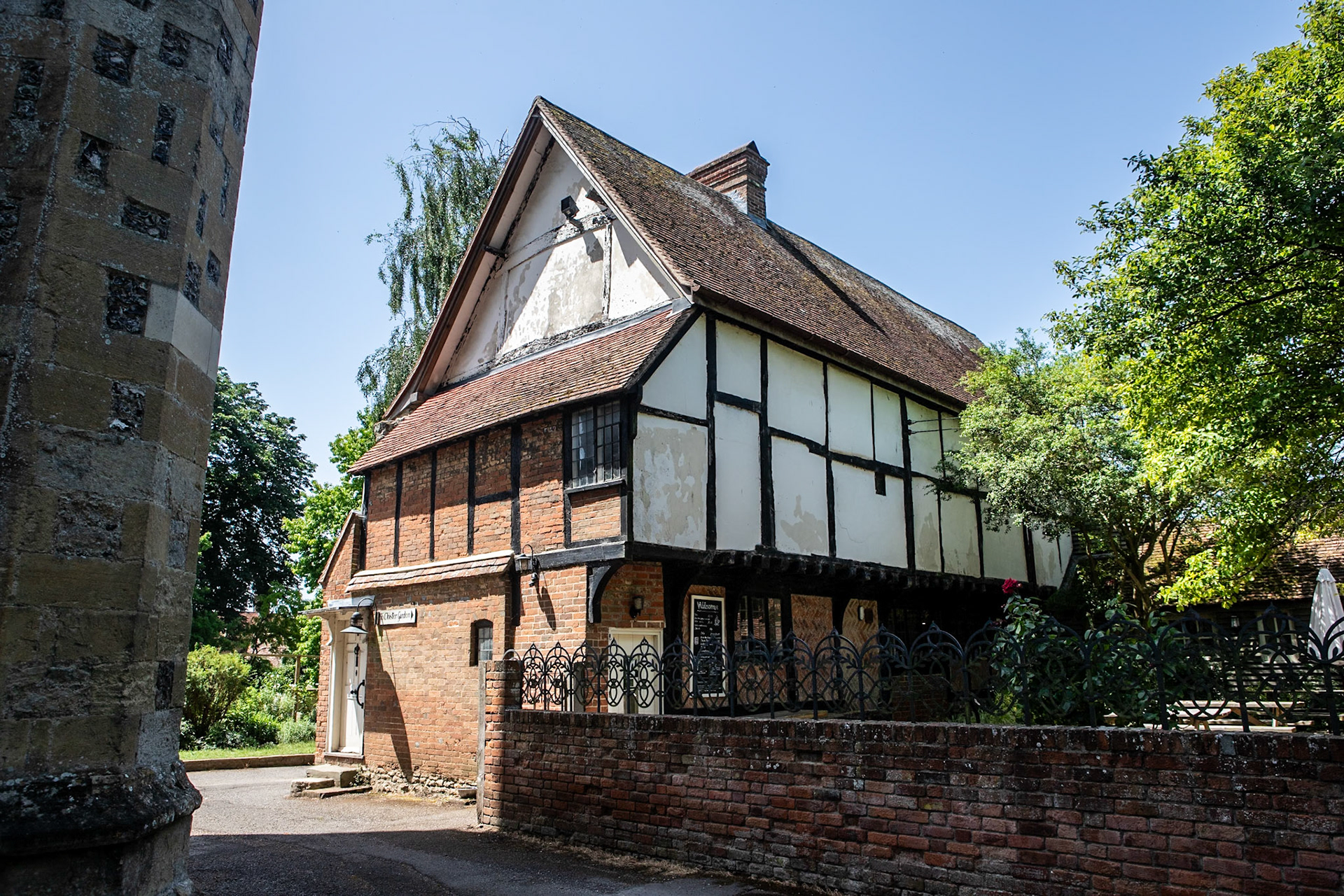
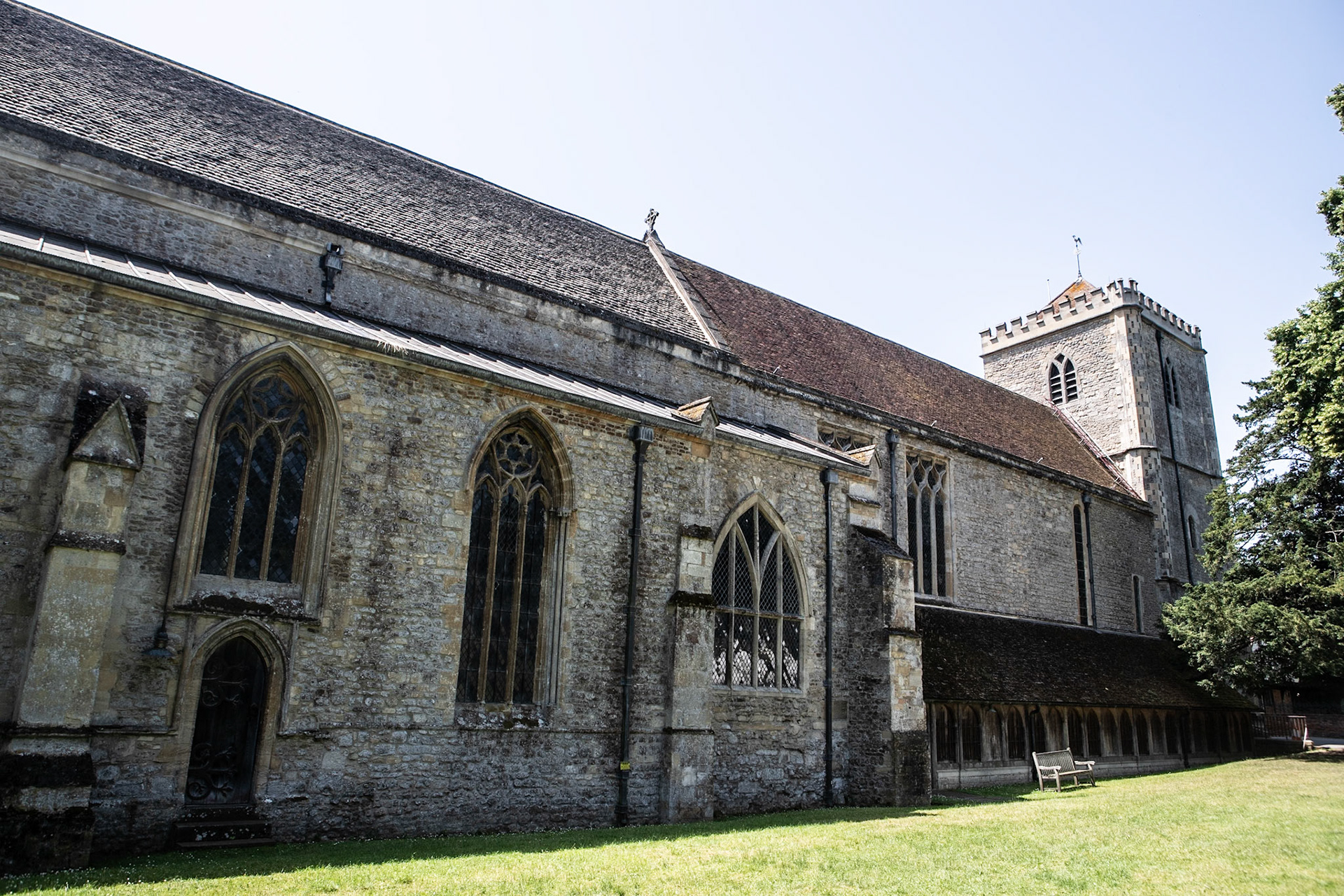
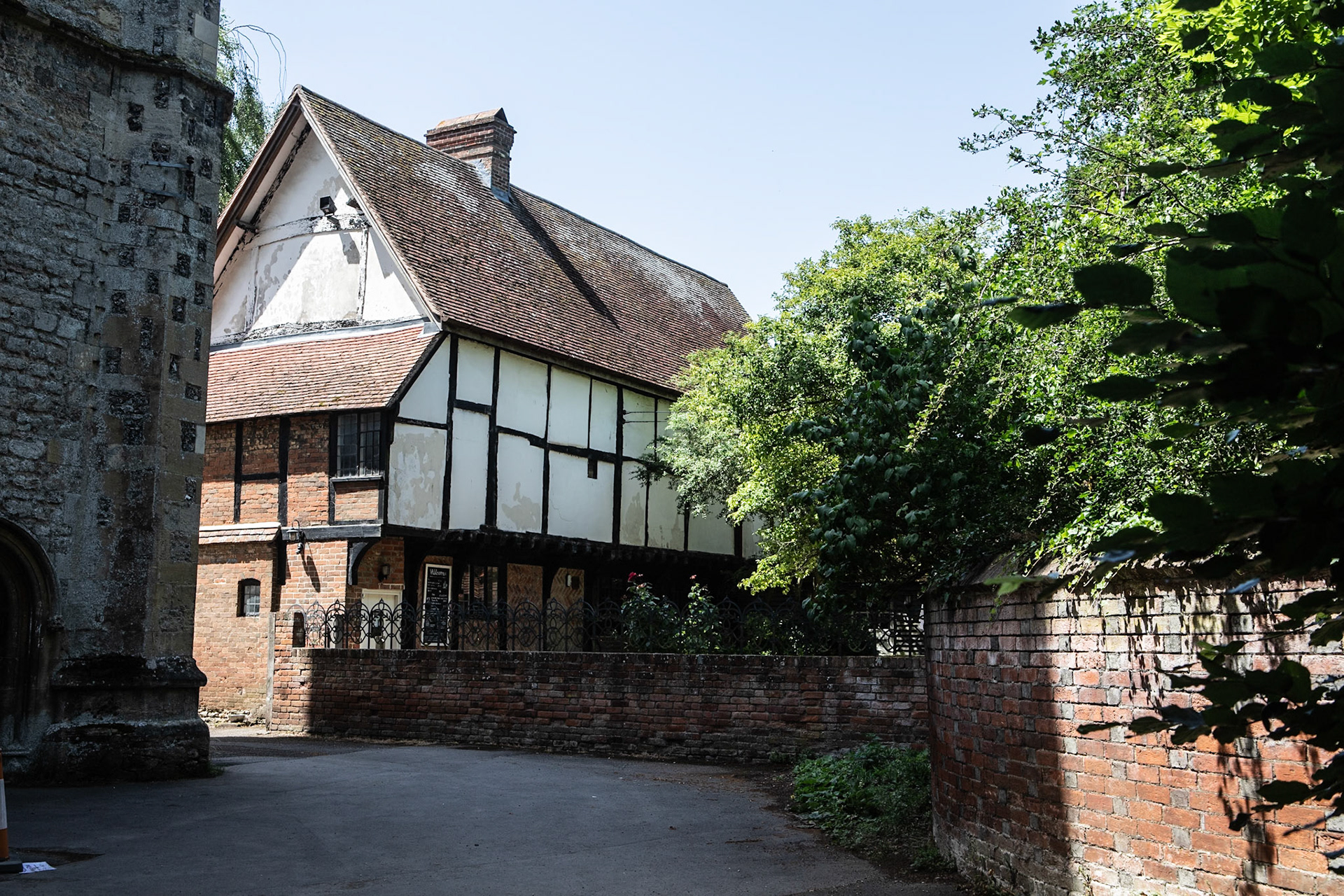
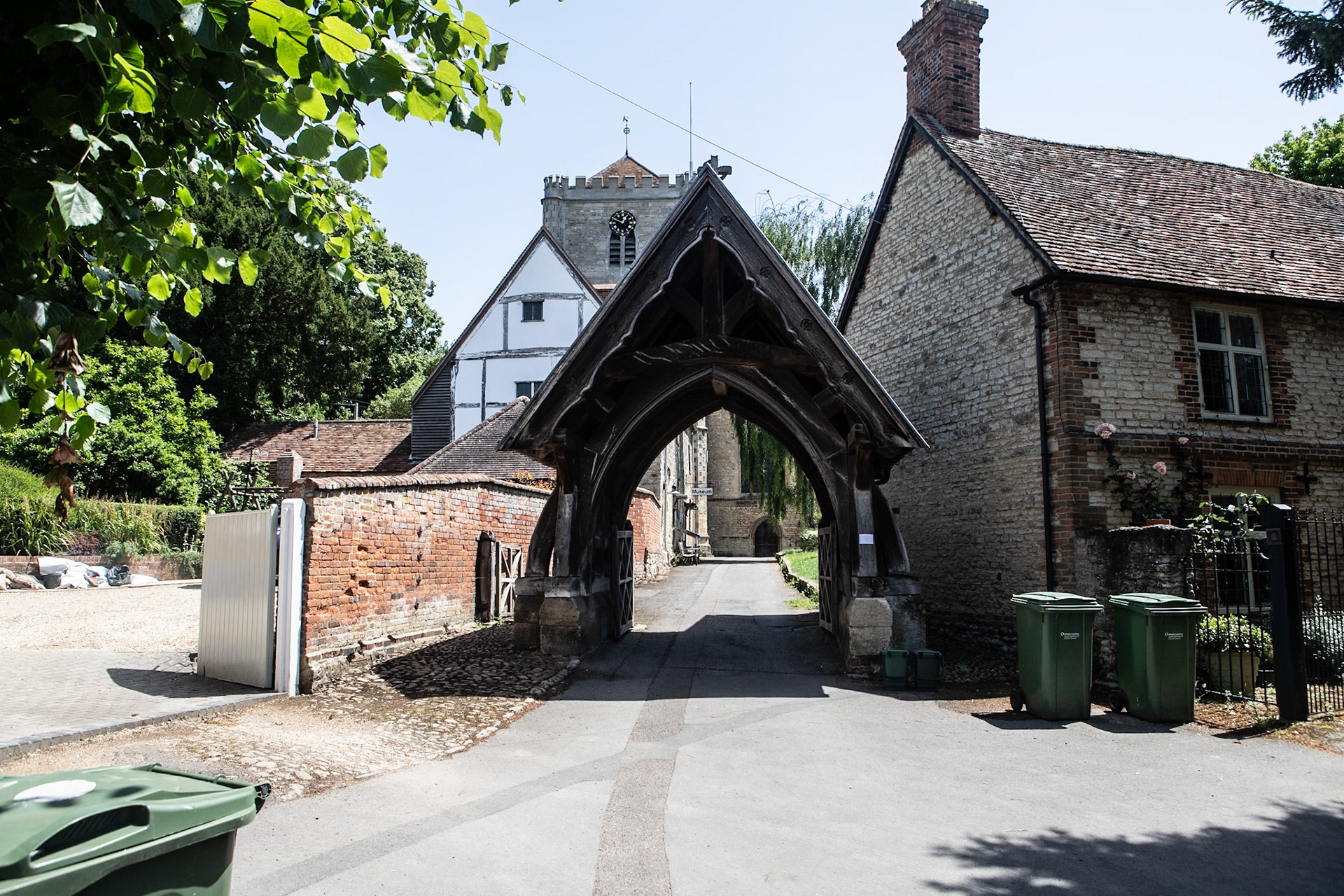
The Abbey Church of St Peter and St Paul, more usually called Dorchester Abbey, is a Church of England parish church in Dorchester on Thames, Oxfordshire, about 8 miles (13 km) southeast of Oxford. It was formerly a Norman abbey church and was built on the site of a Saxon cathedral.
The Abbey Church of St Peter and St Paul, more usually called Dorchester Abbey, is a Church of England parish church in Dorchester on Thames, Oxfordshire, about 8 miles (13 km) southeast of Oxford. It was formerly a Norman abbey church and was built on the site of a Saxon cathedral.
The Abbey Church of St Peter and St Paul, more usually called Dorchester Abbey, is a Church of England parish church in Dorchester on Thames, Oxfordshire, about 8 miles (13 km) southeast of Oxford. It was formerly a Norman abbey church and was built on the site of a Saxon cathedral.
The Abbey Church of St Peter and St Paul, more usually called Dorchester Abbey, is a Church of England parish church in Dorchester on Thames, Oxfordshire, about 8 miles (13 km) southeast of Oxford. It was formerly a Norman abbey church and was built on the site of a Saxon cathedral.
The Abbey Church of St Peter and St Paul, more usually called Dorchester Abbey, is a Church of England parish church in Dorchester on Thames, Oxfordshire, about 8 miles (13 km) southeast of Oxford. It was formerly a Norman abbey church and was built on the site of a Saxon cathedral.
The Abbey Church of St Peter and St Paul, more usually called Dorchester Abbey, is a Church of England parish church in Dorchester on Thames, Oxfordshire, about 8 miles (13 km) southeast of Oxford. It was formerly a Norman abbey church and was built on the site of a Saxon cathedral.
The Abbey Church of St Peter and St Paul, more usually called Dorchester Abbey, is a Church of England parish church in Dorchester on Thames, Oxfordshire, about 8 miles (13 km) southeast of Oxford. It was formerly a Norman abbey church and was built on the site of a Saxon cathedral.
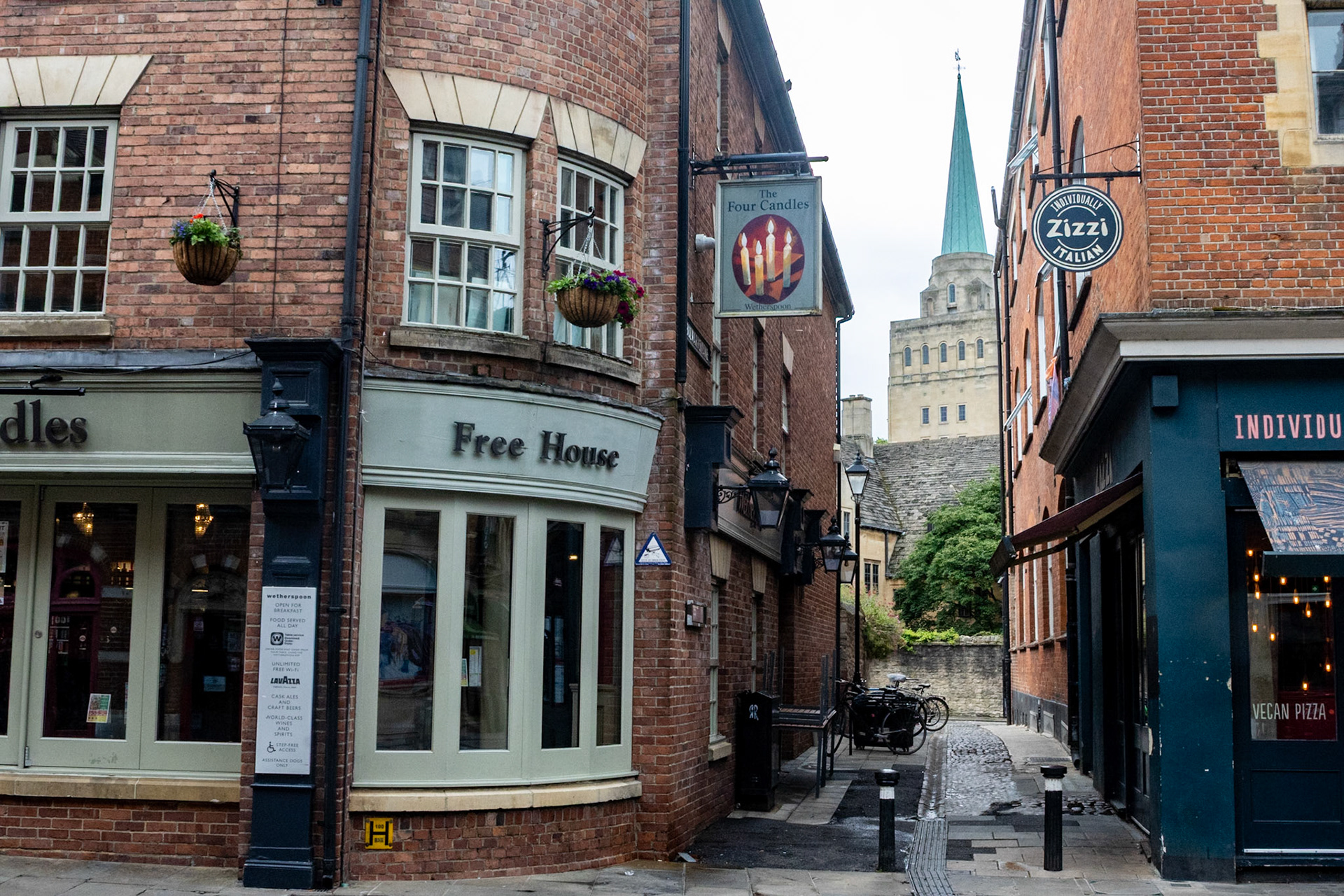
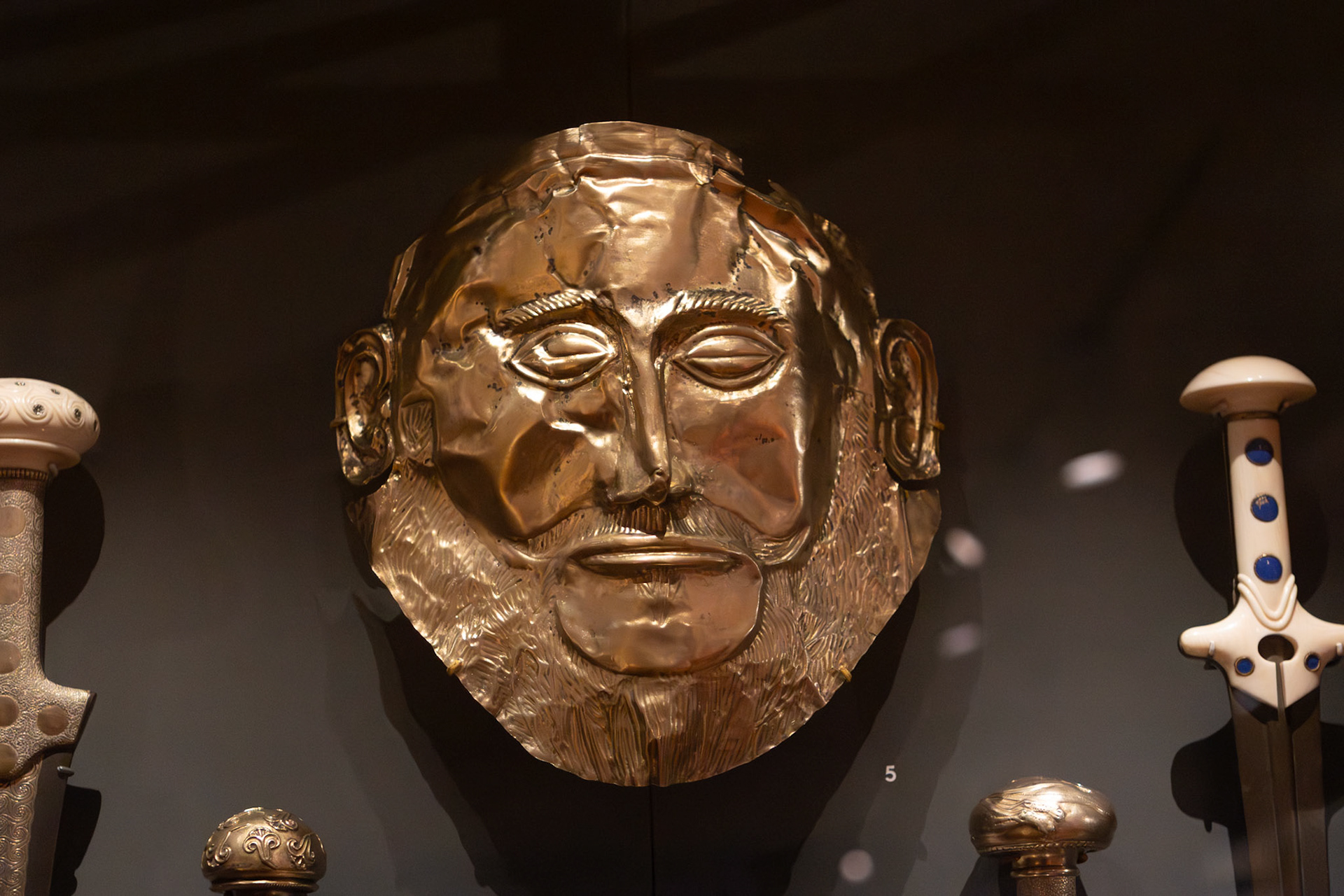
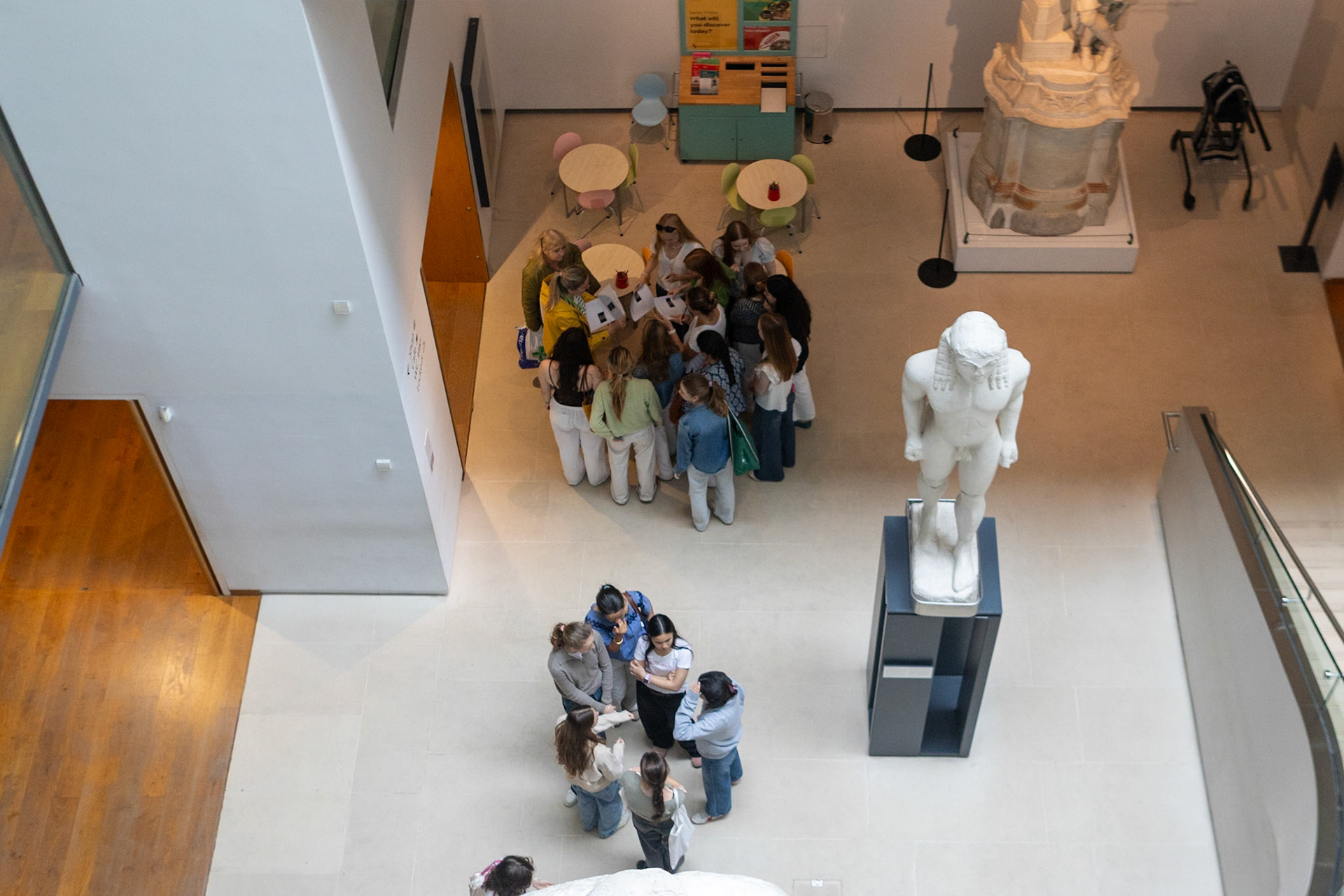
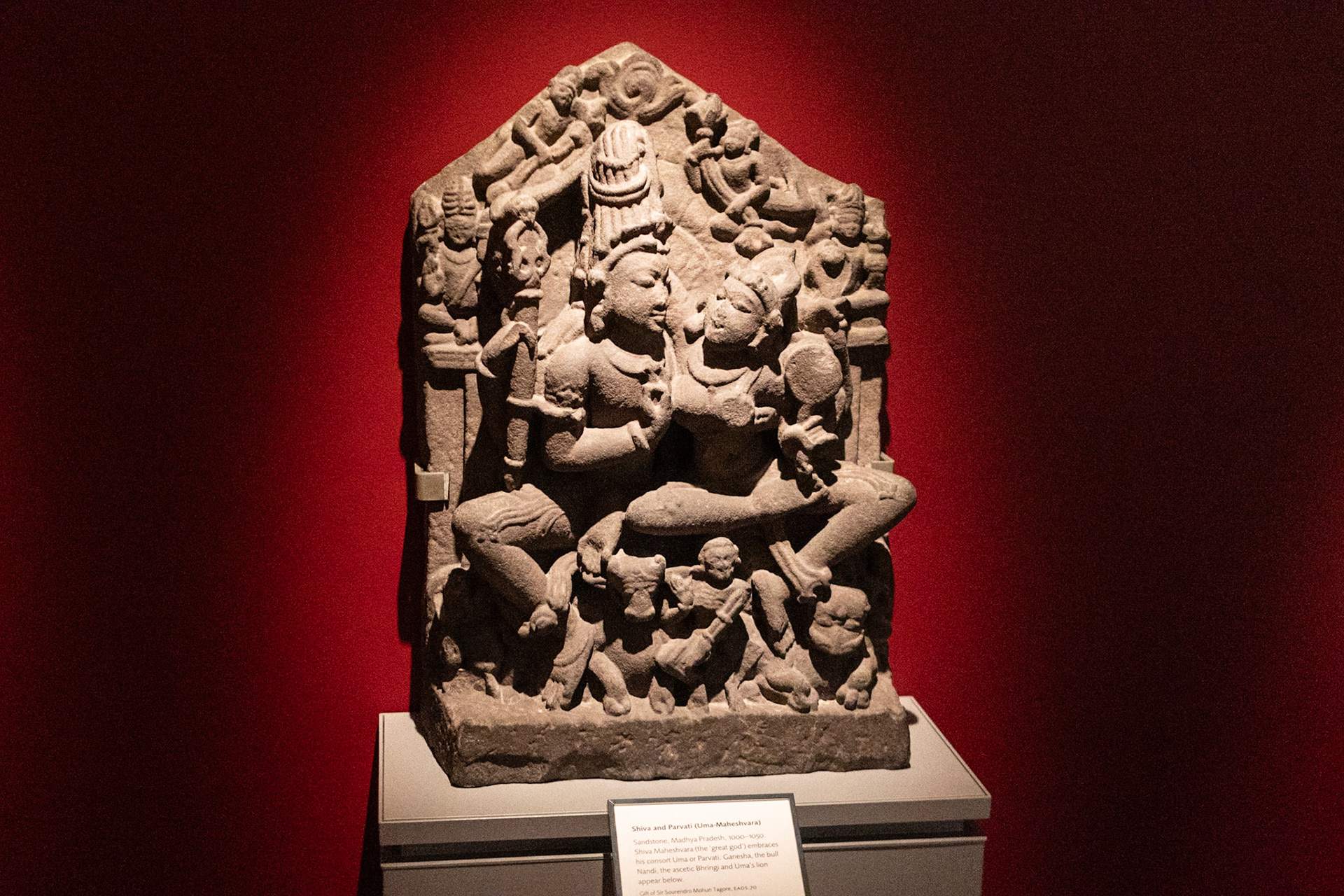
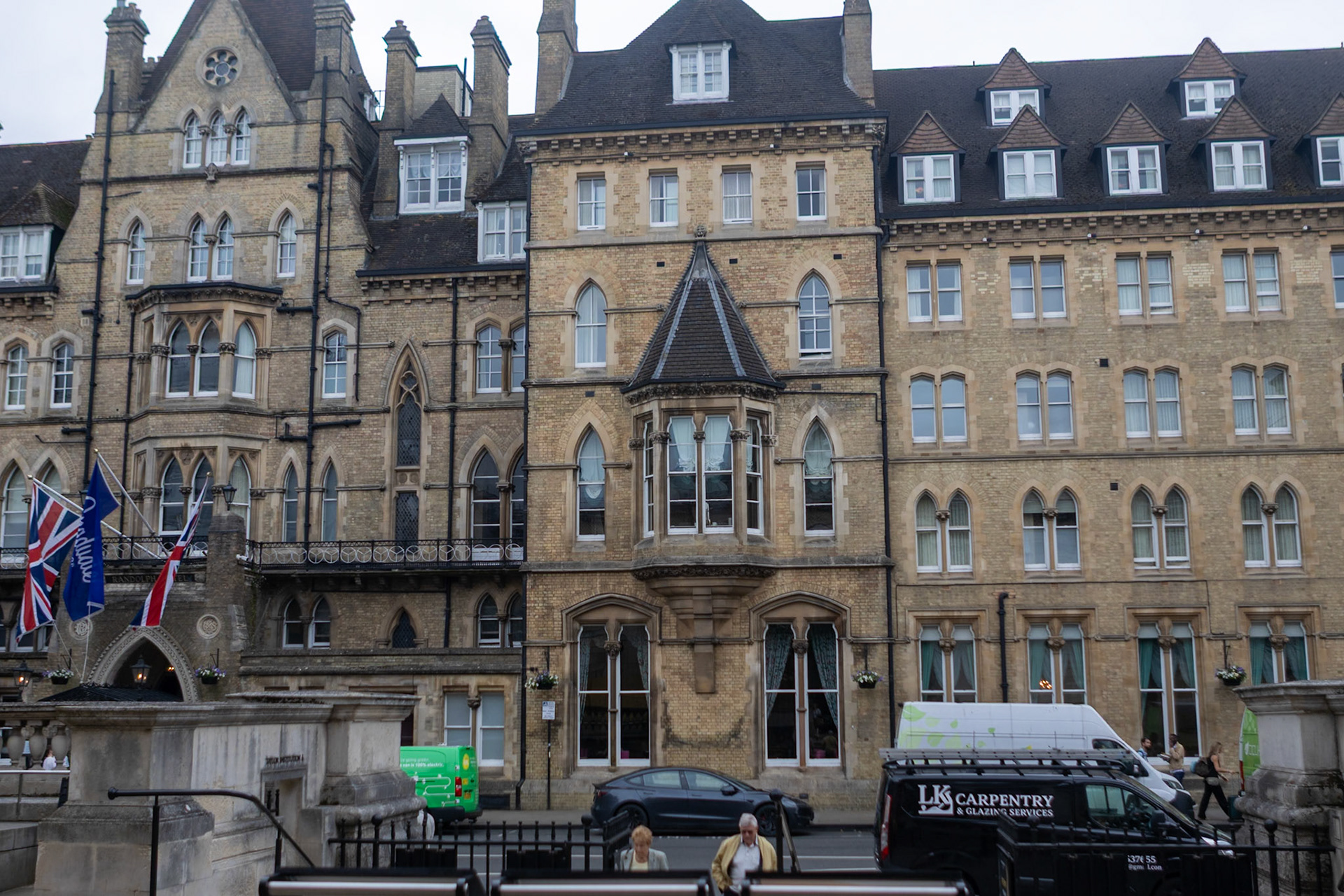
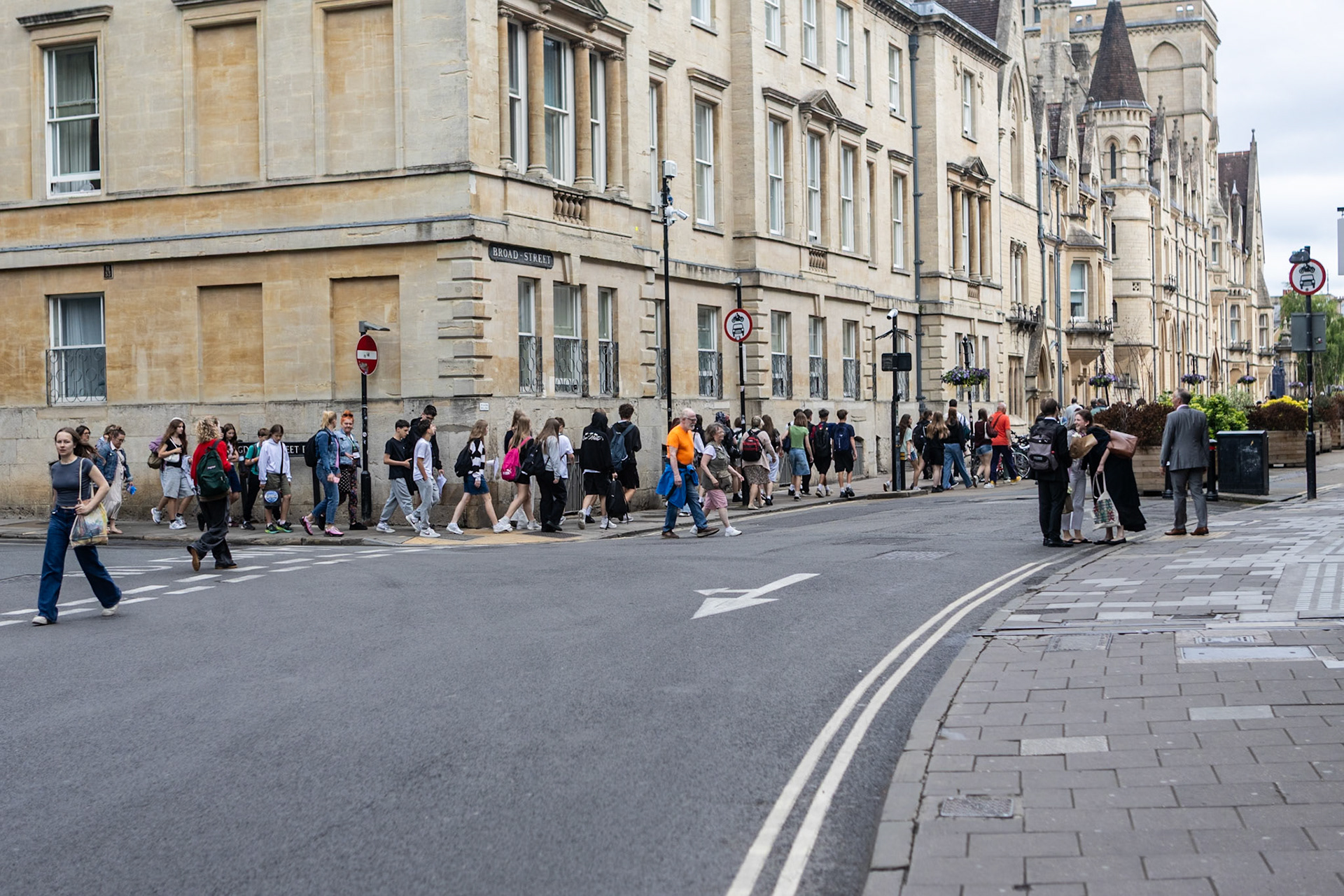
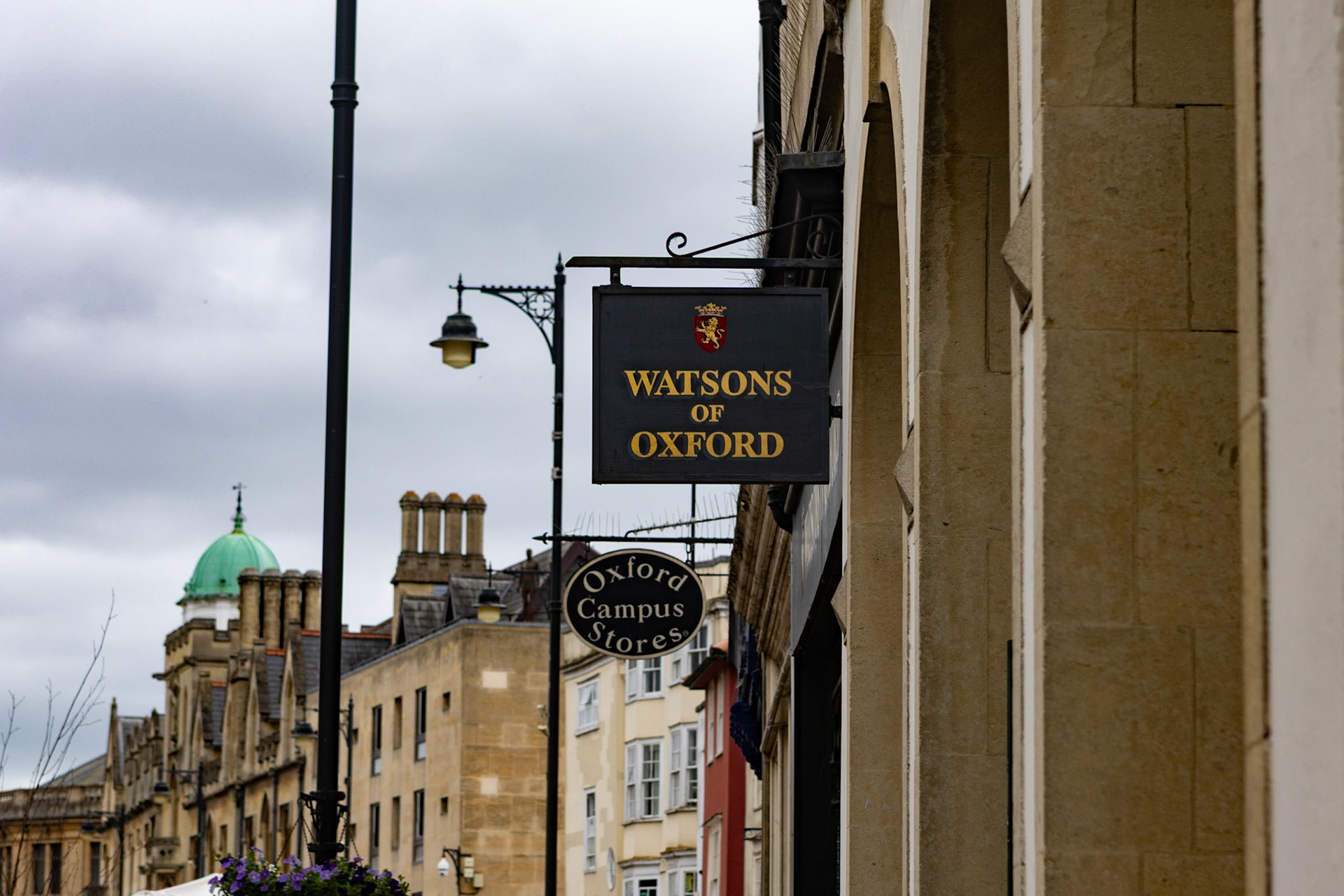
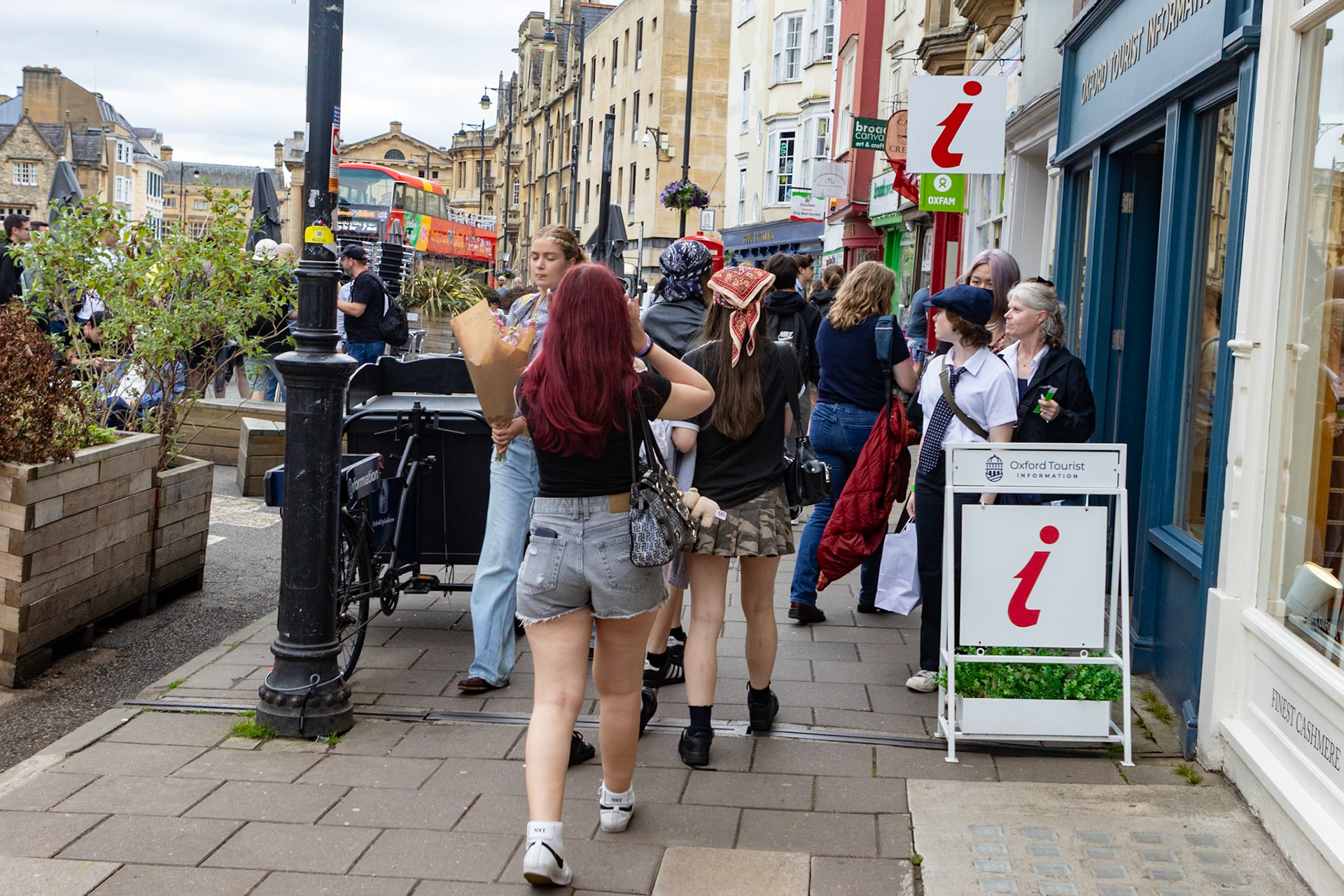
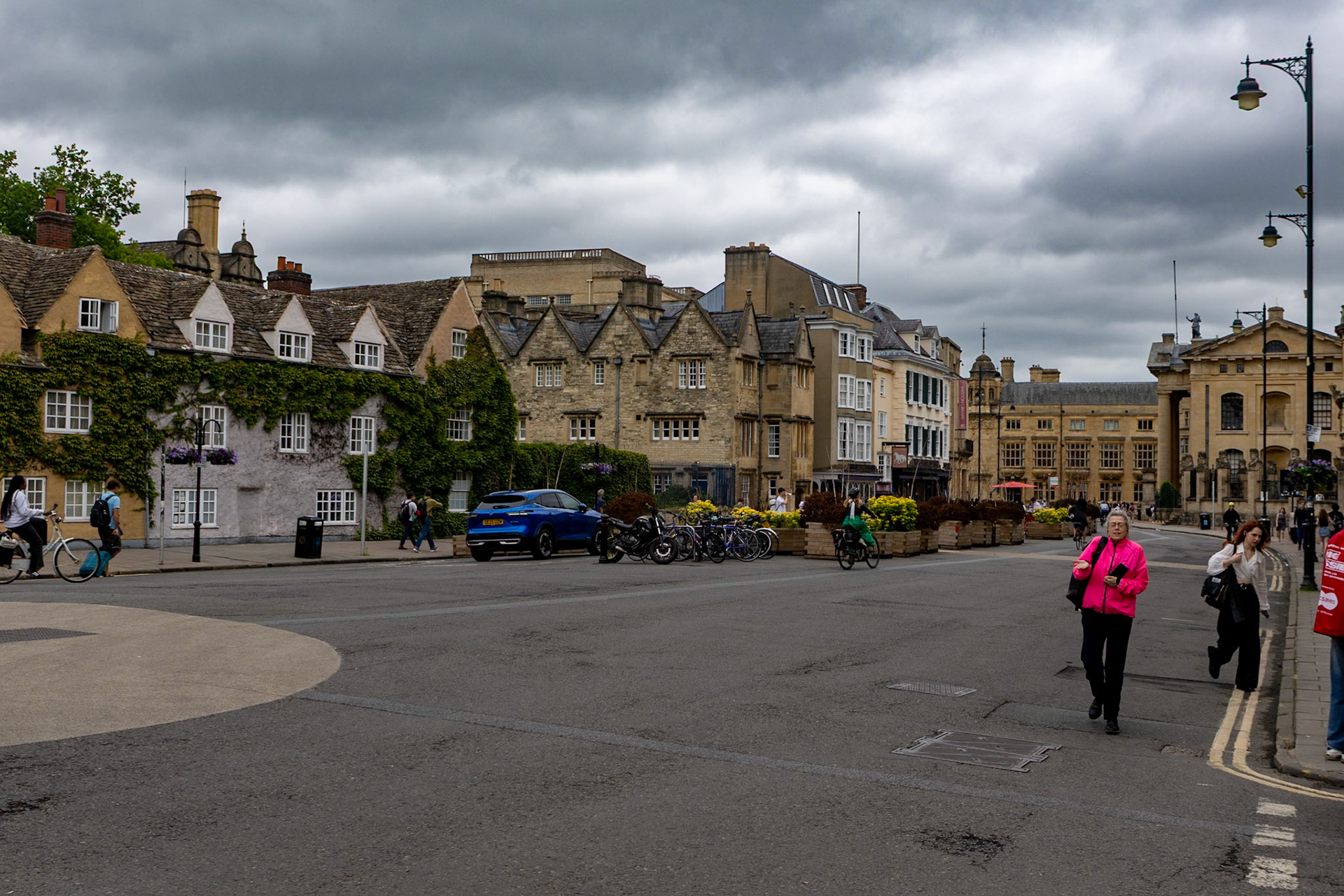
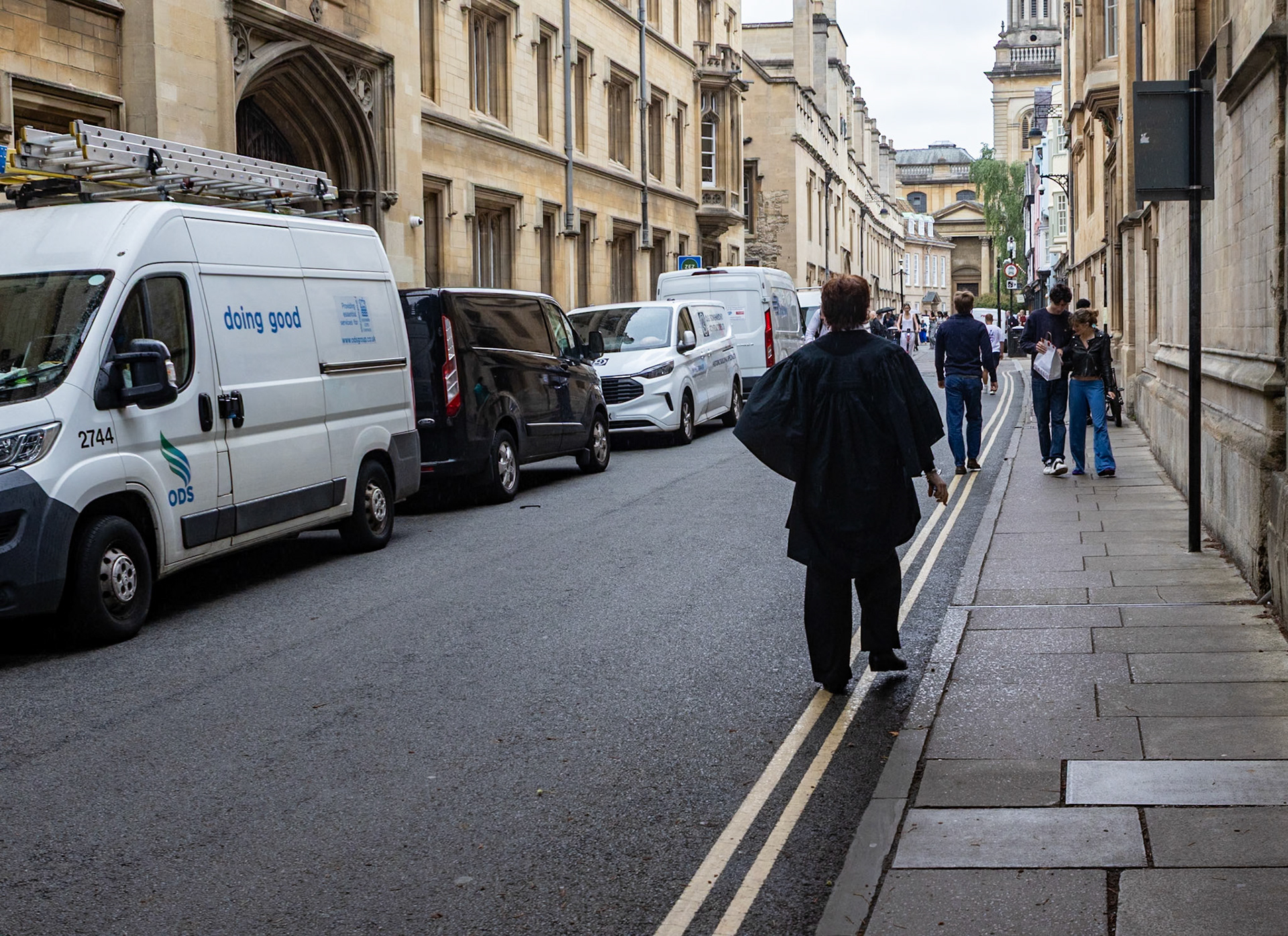
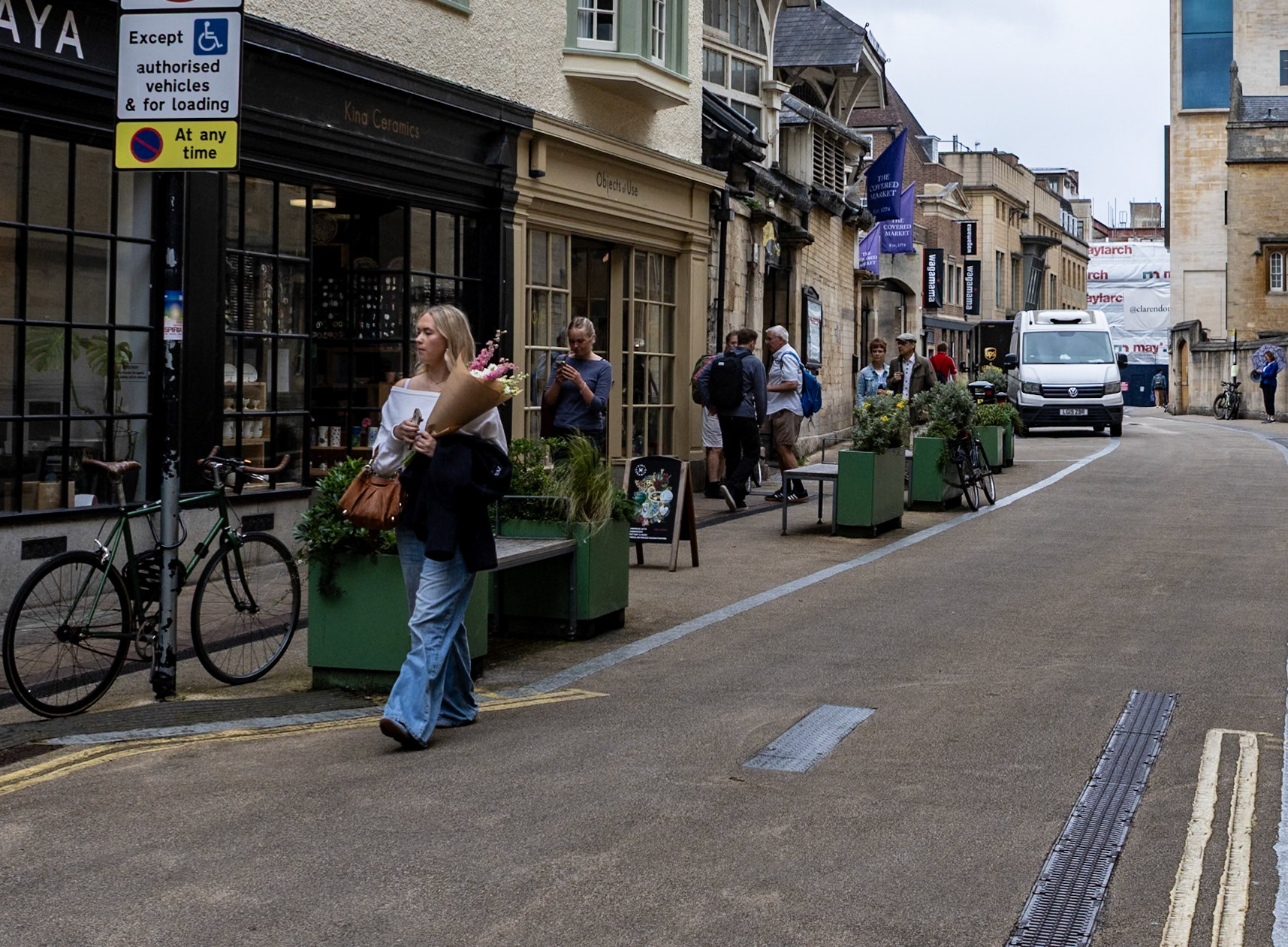
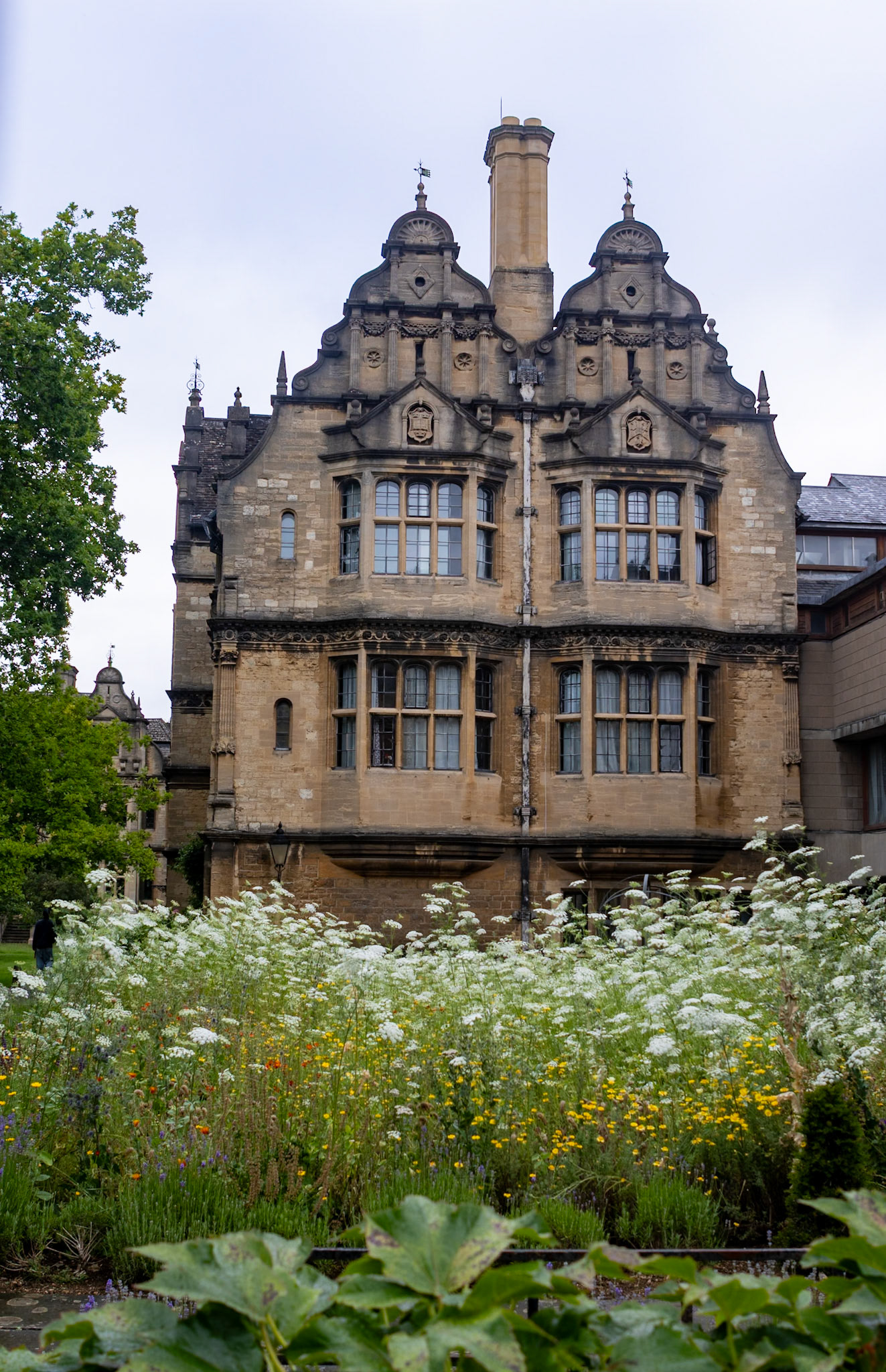
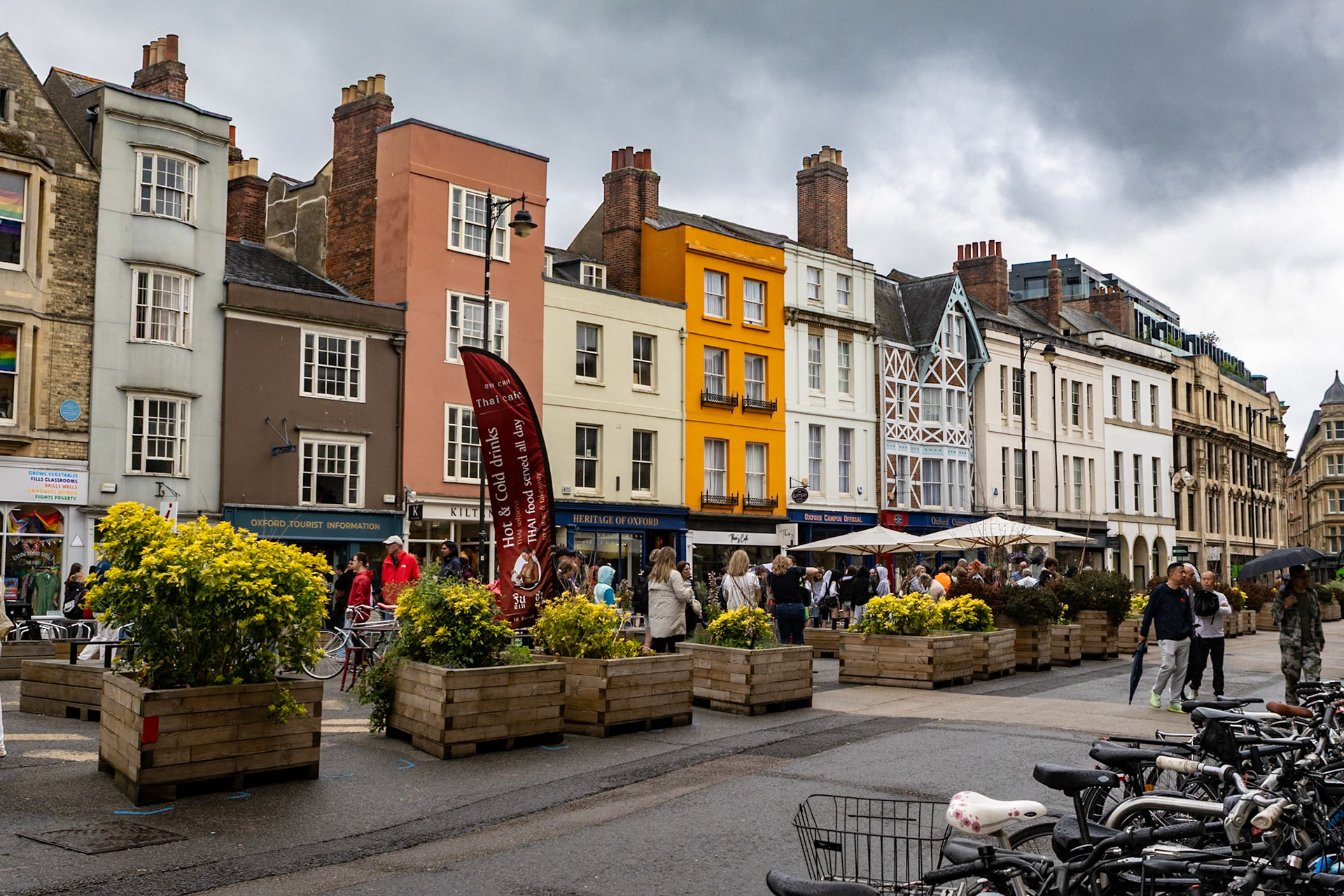
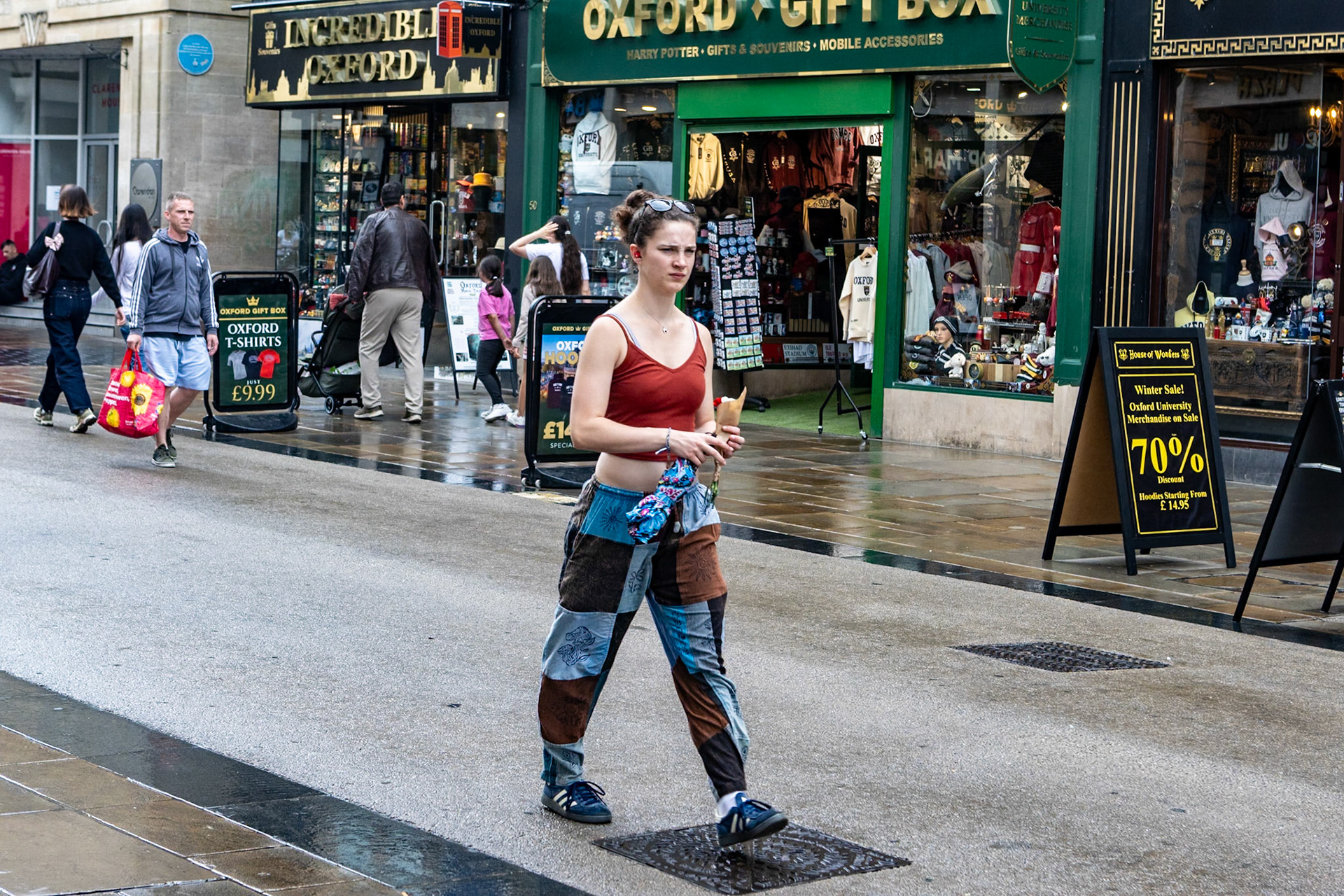
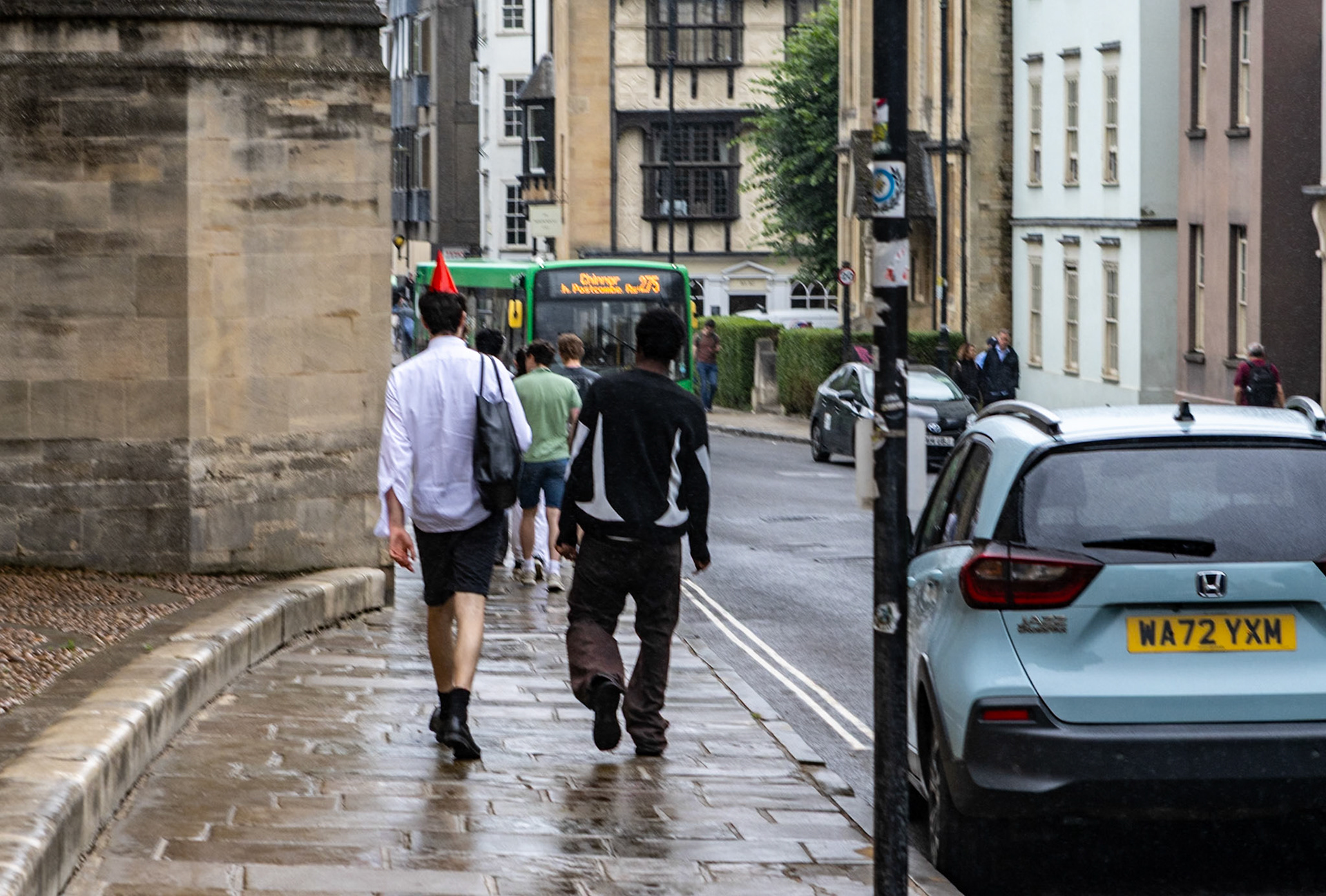
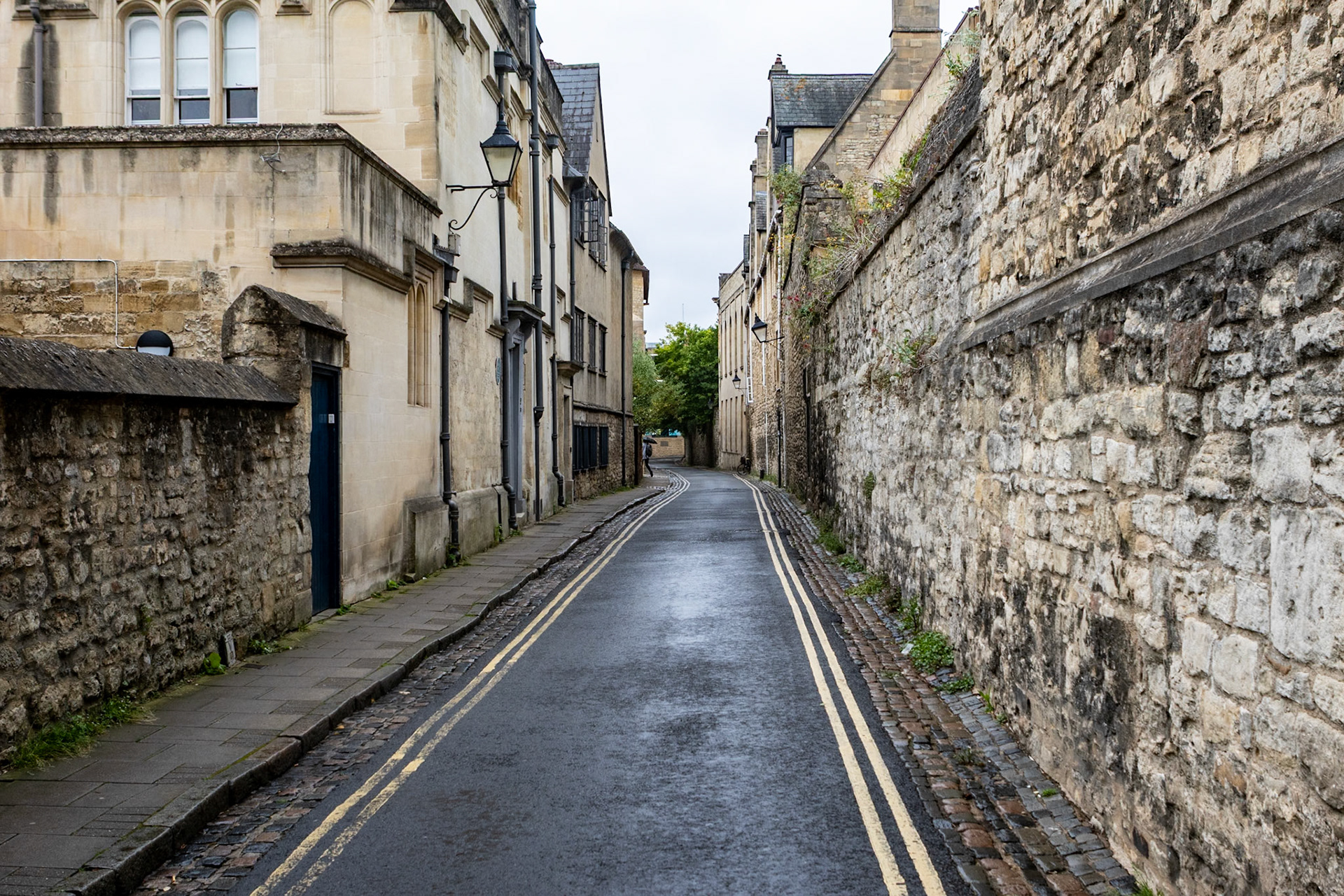
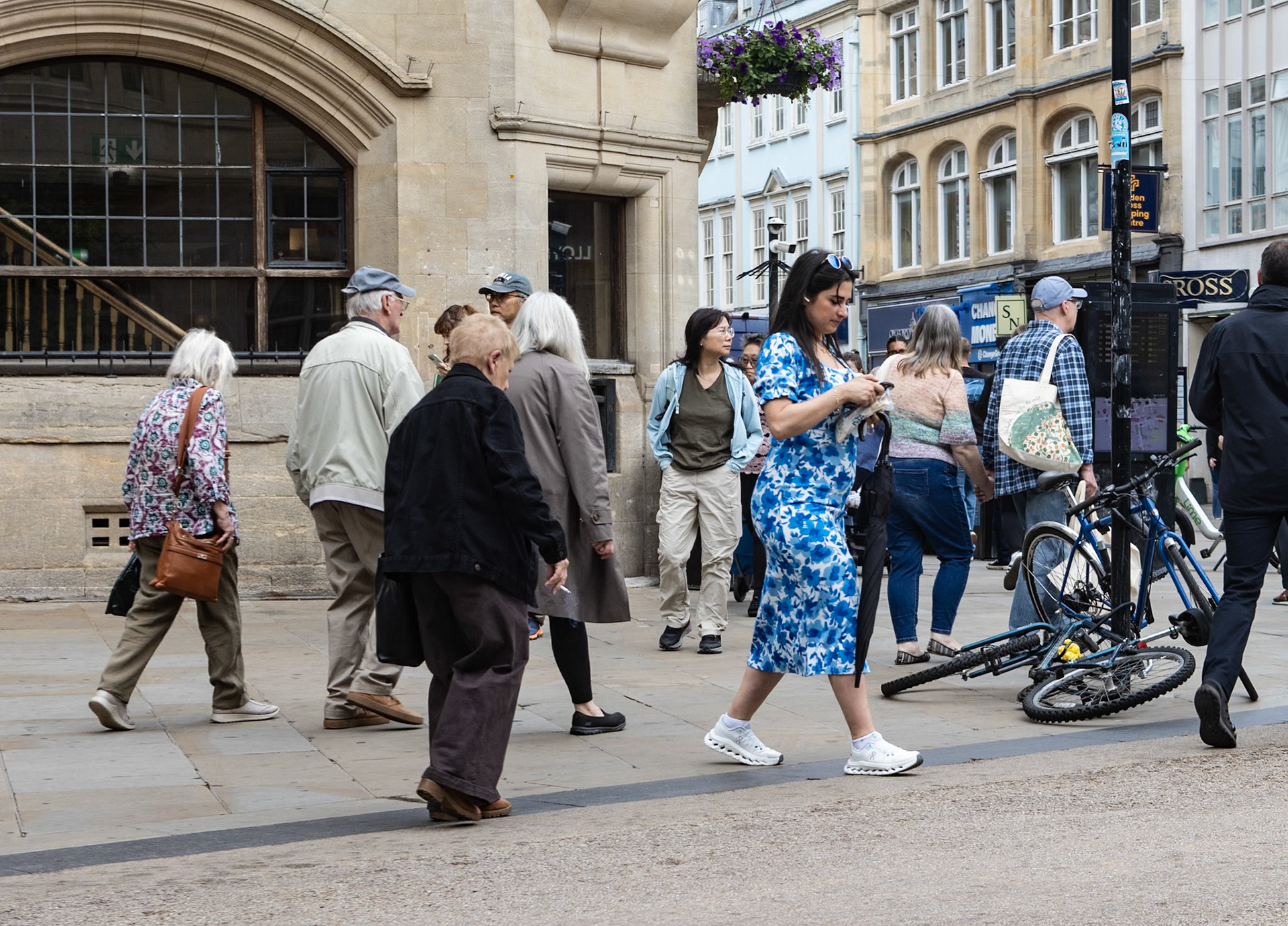


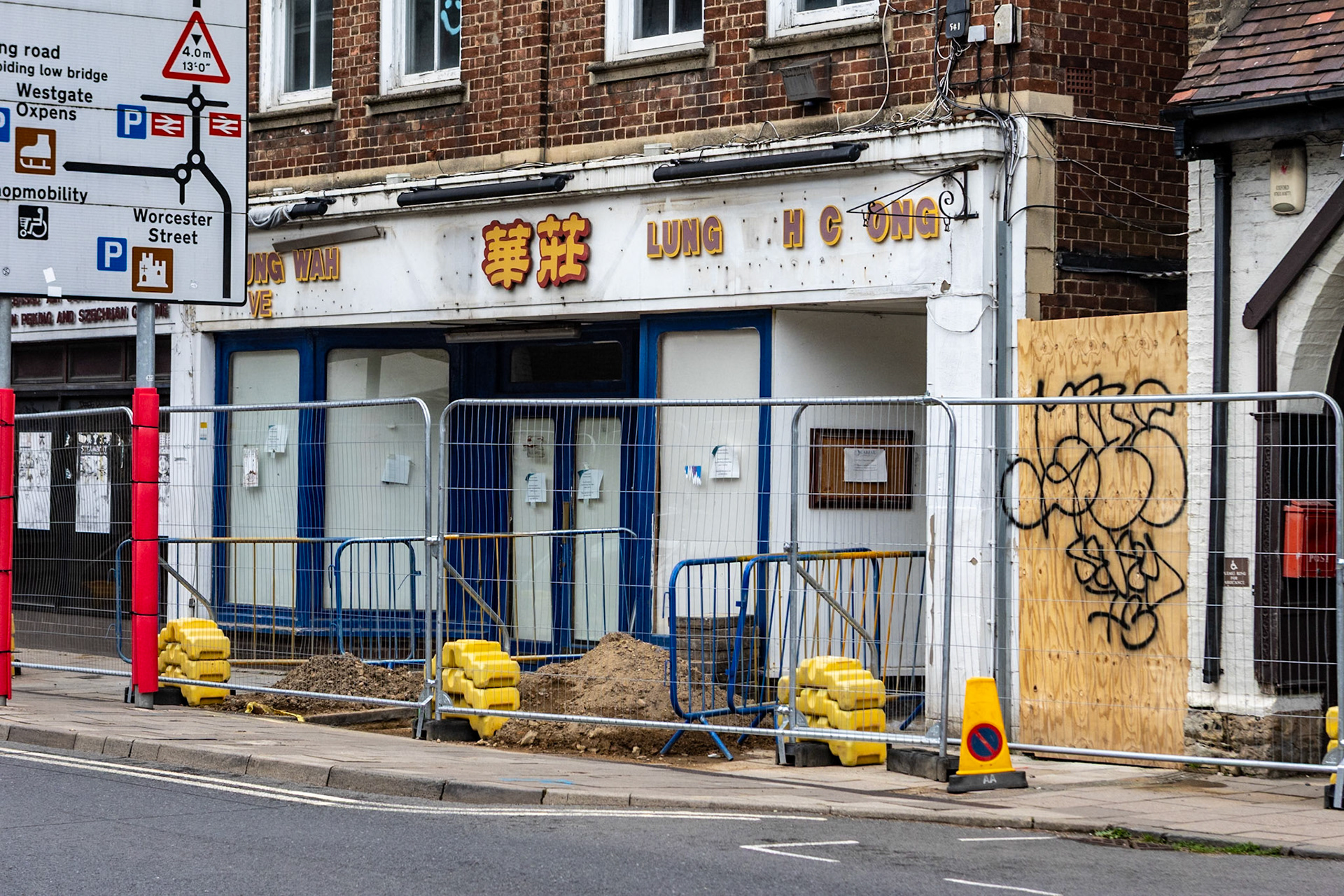
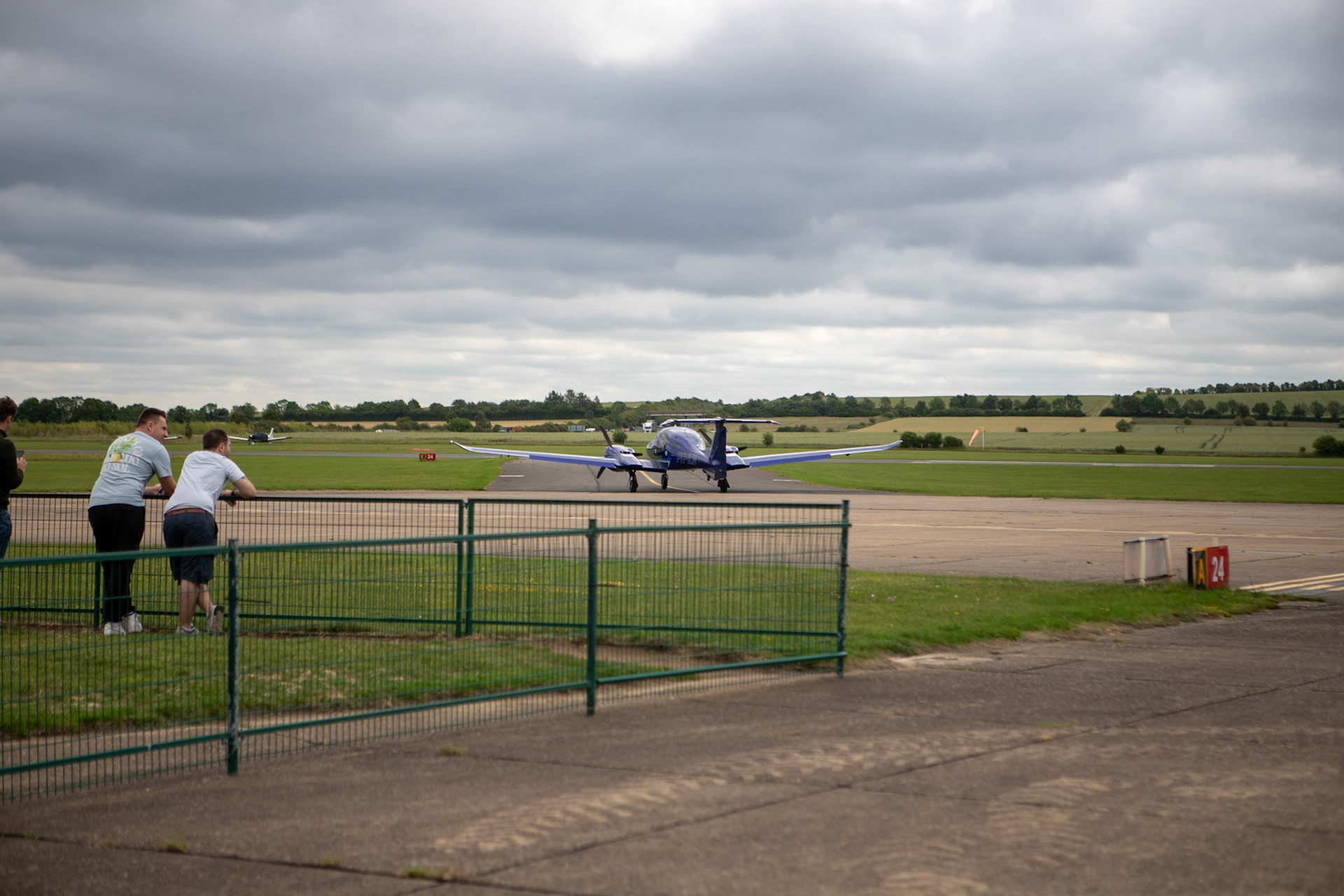
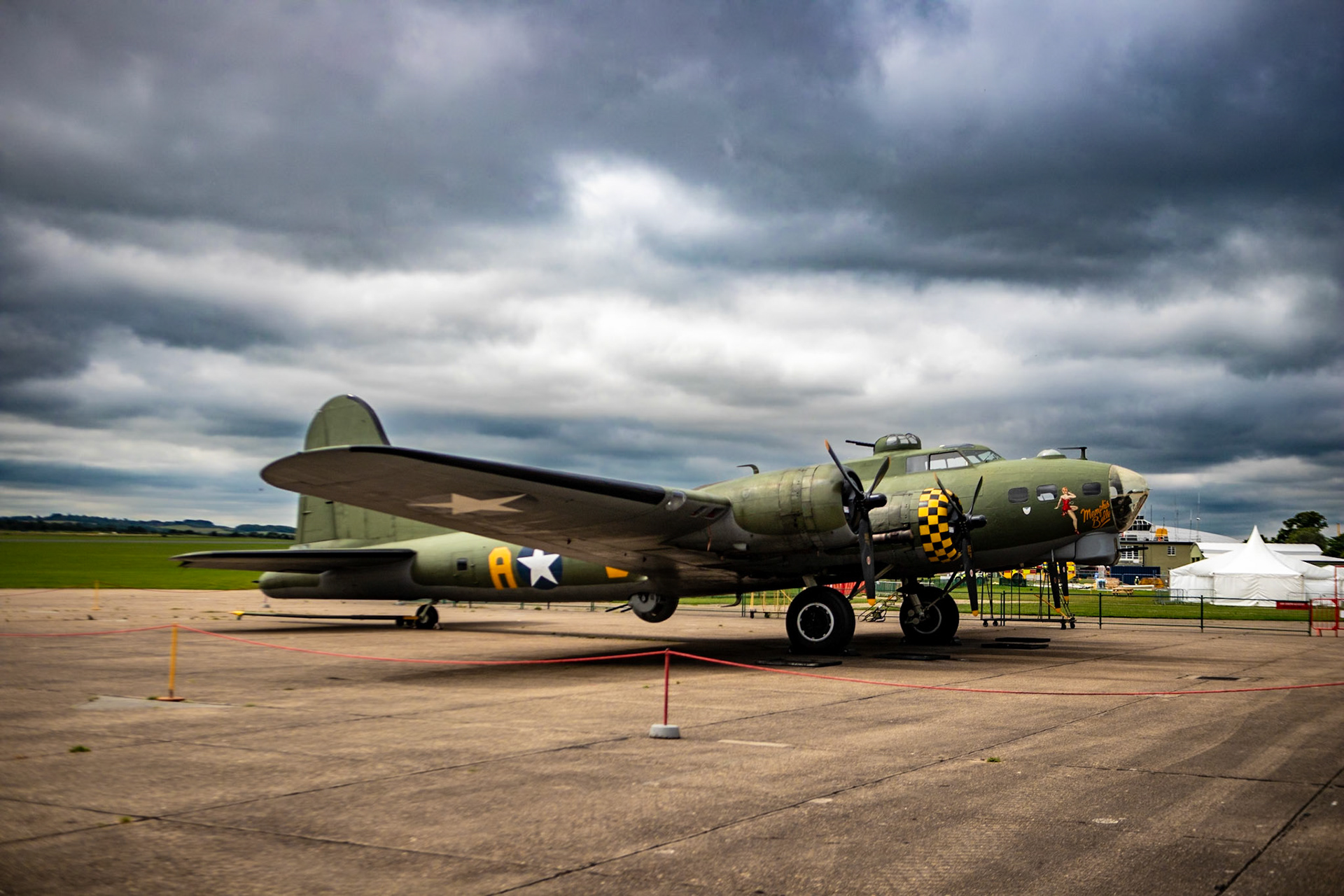
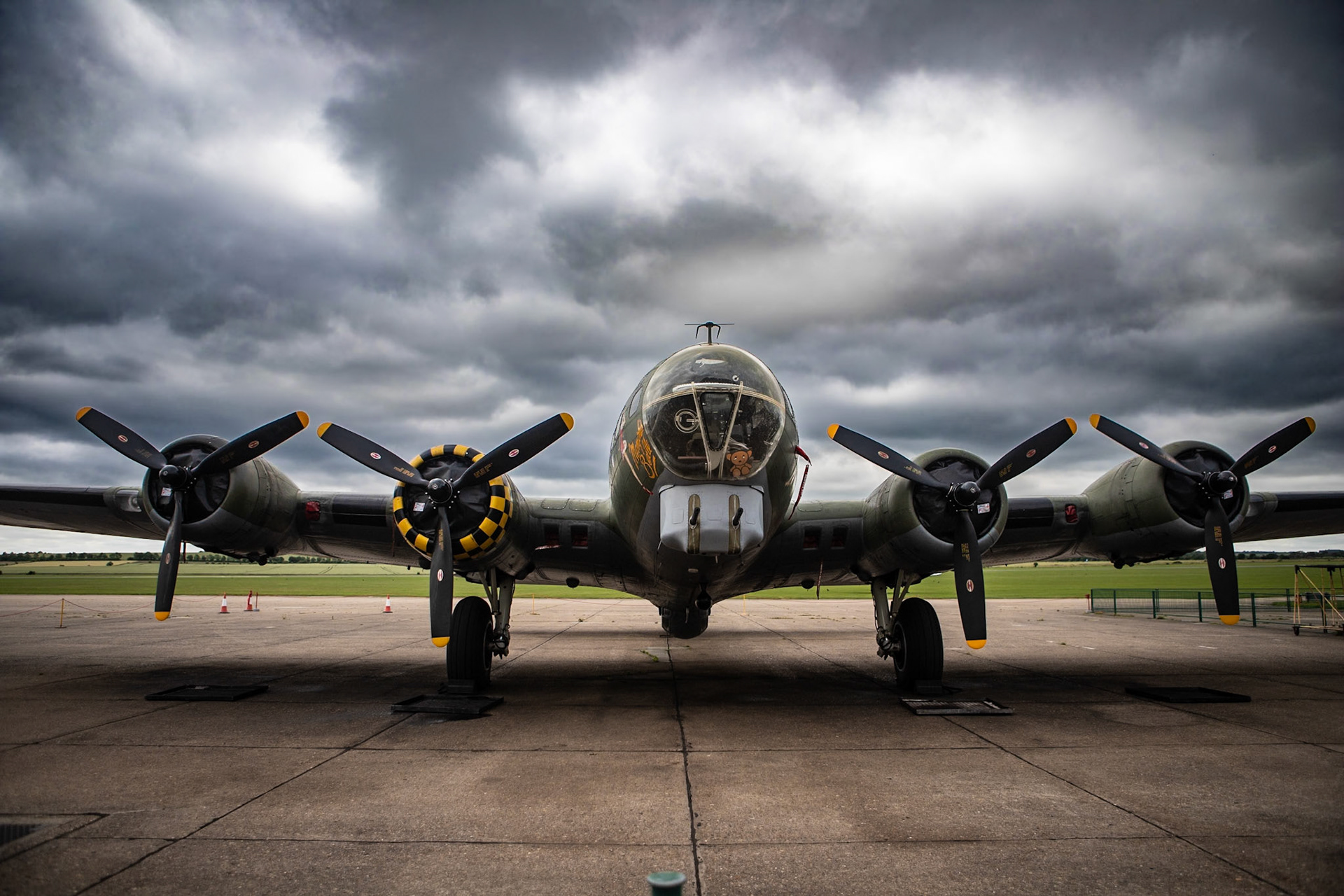
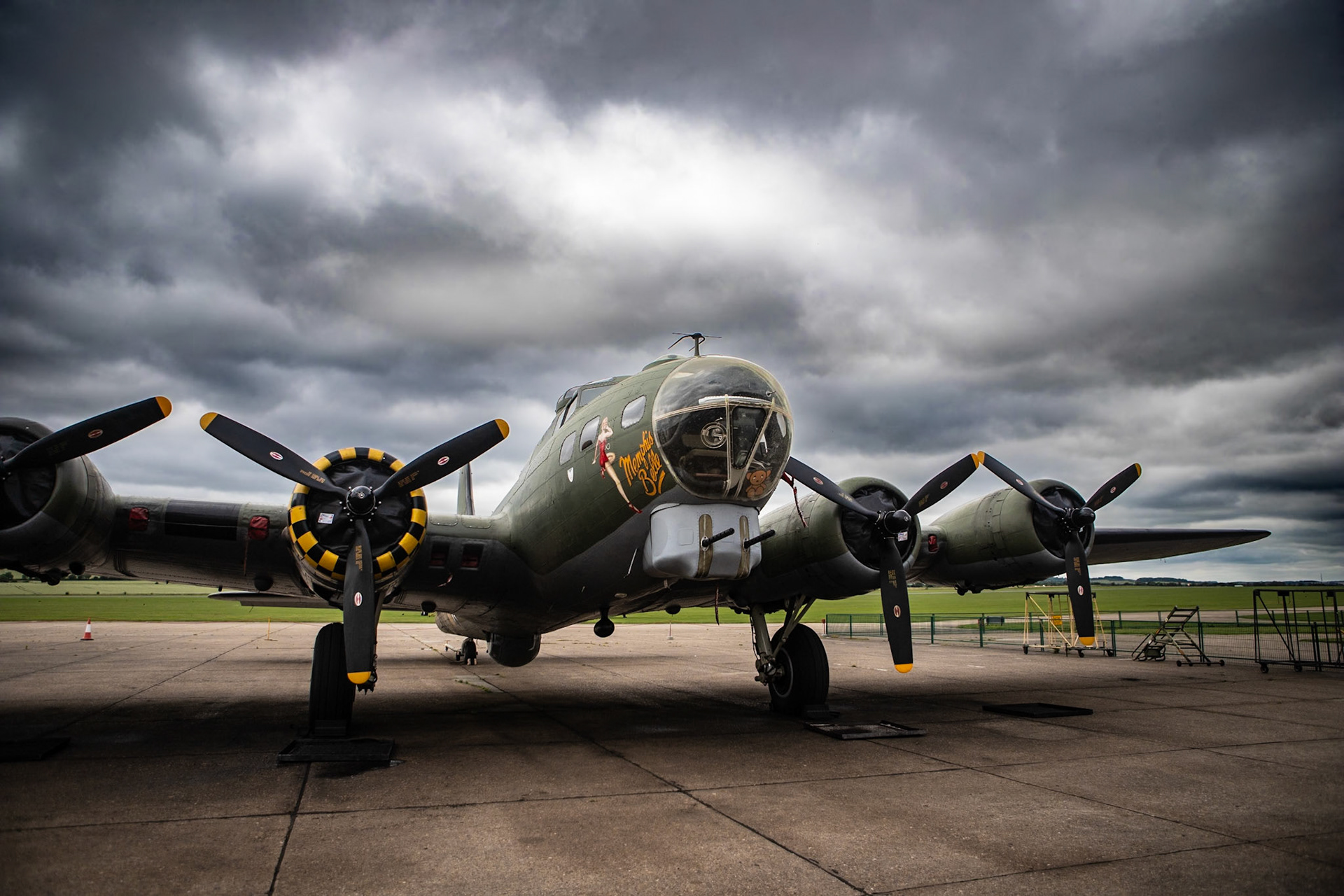
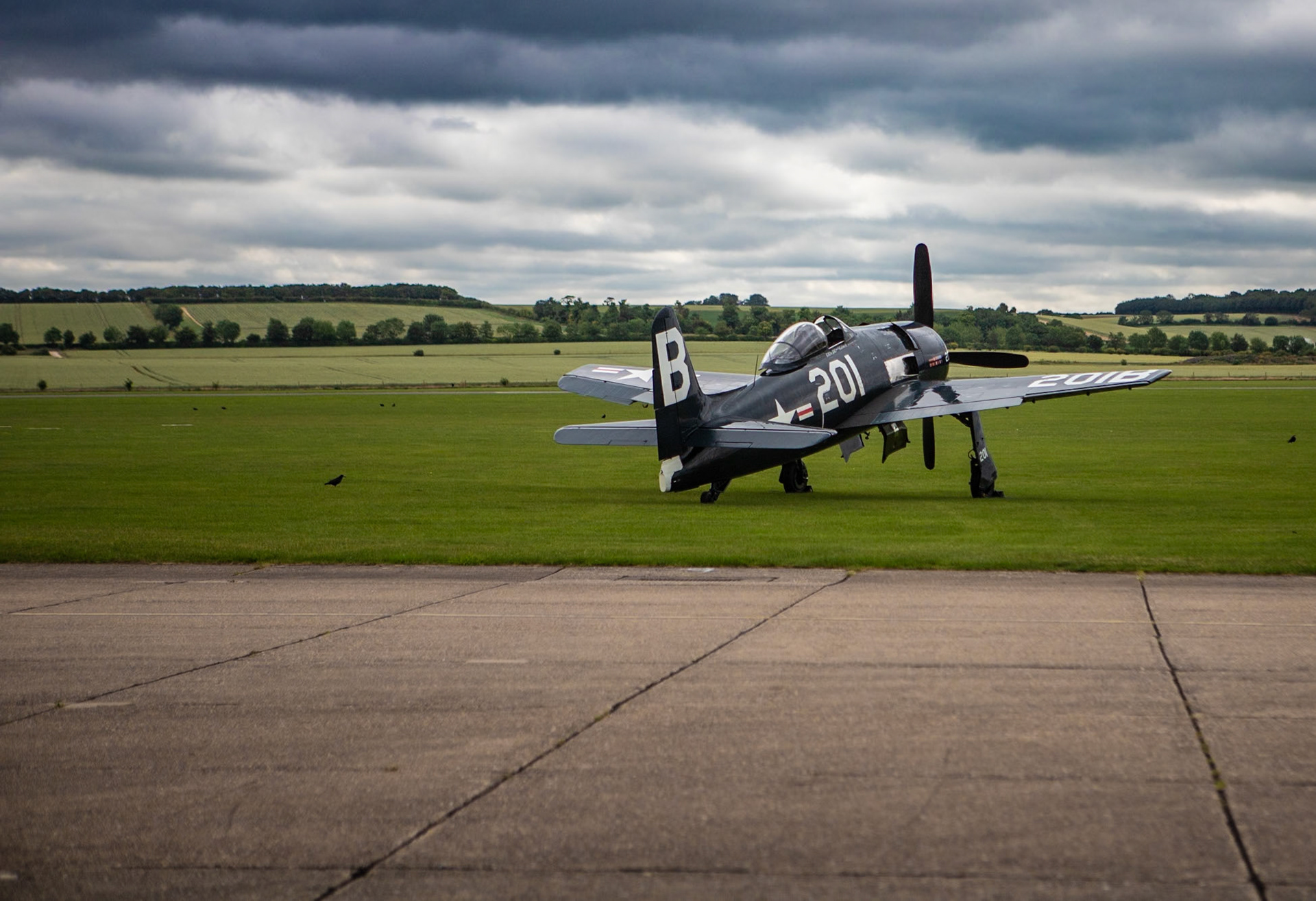
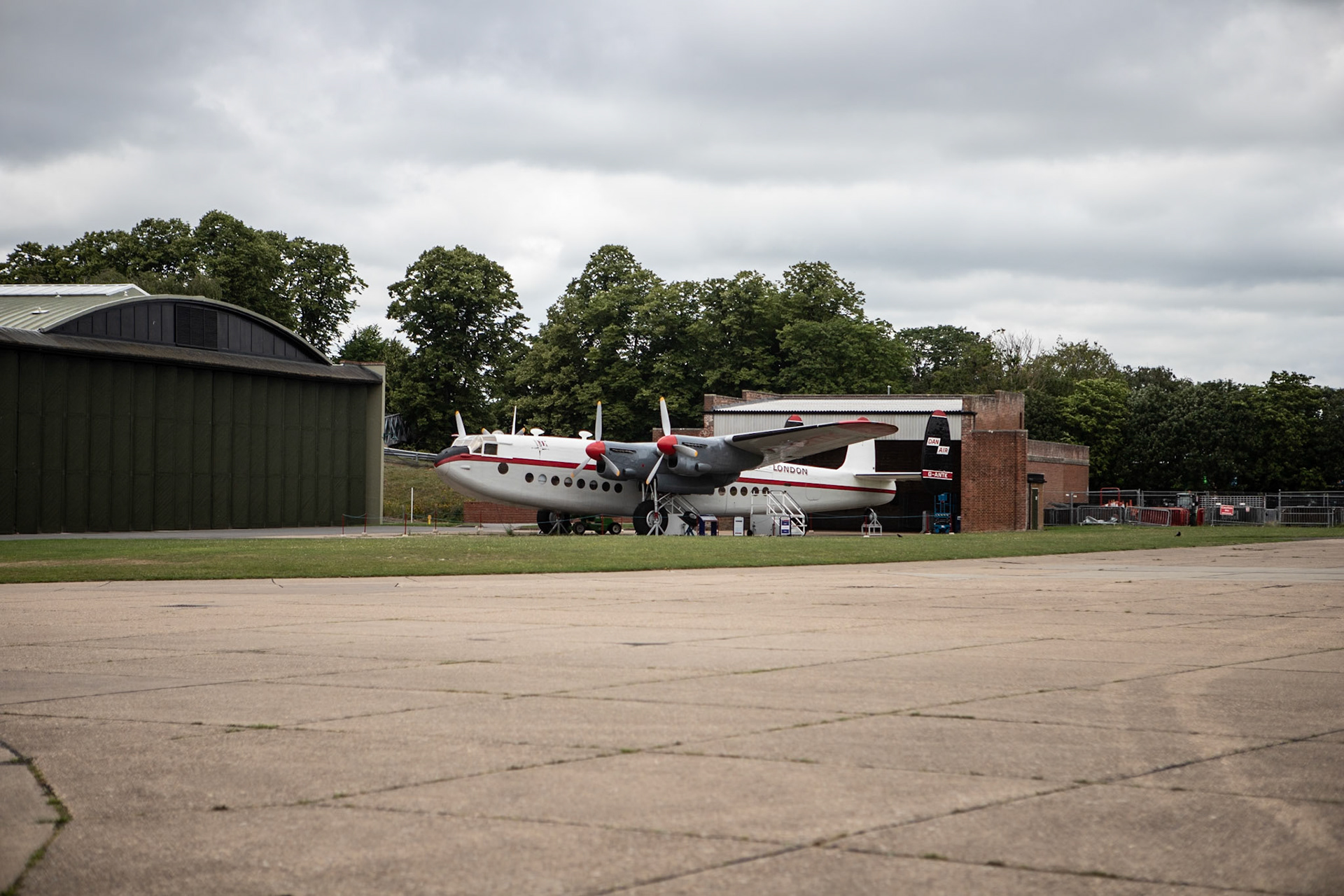
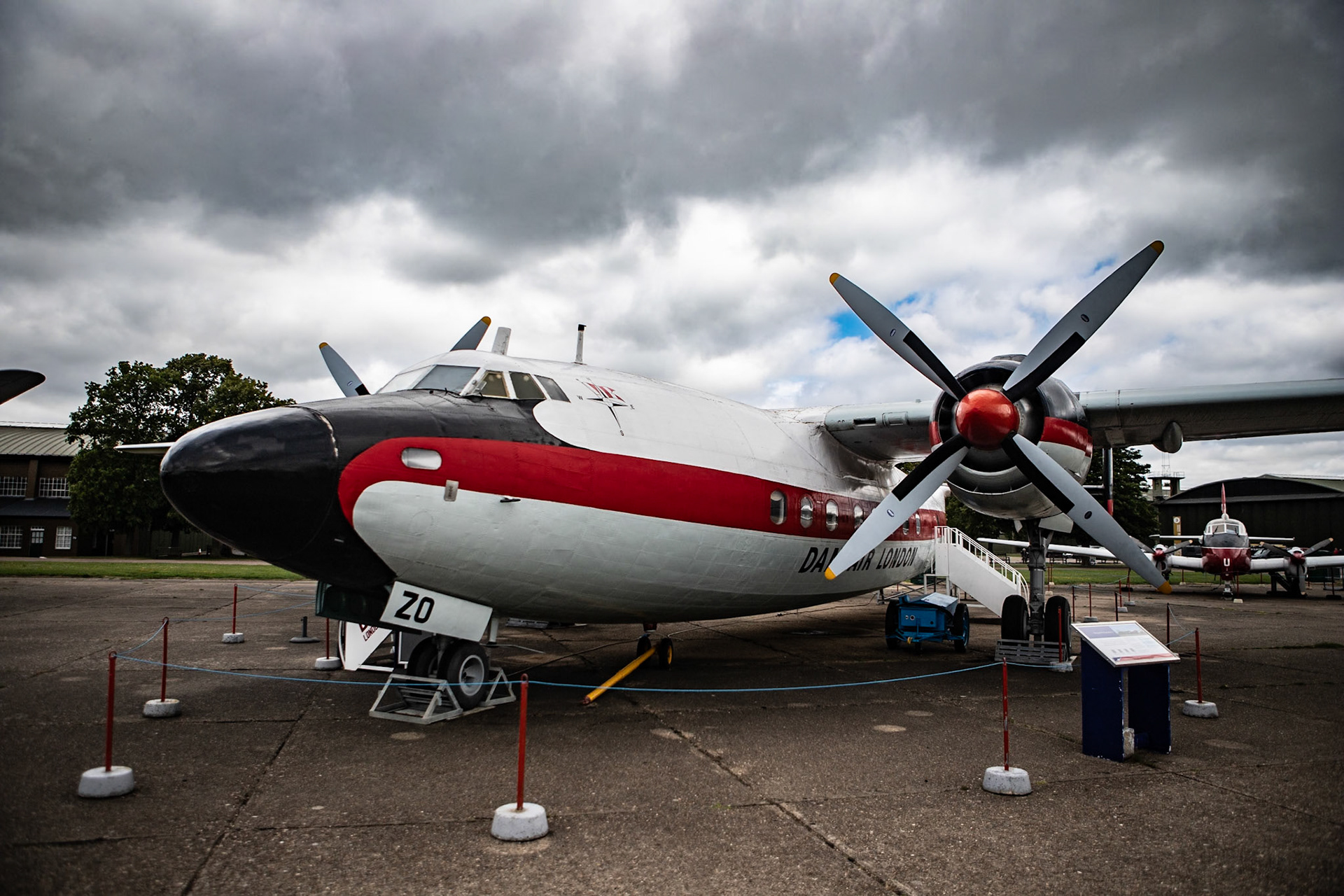
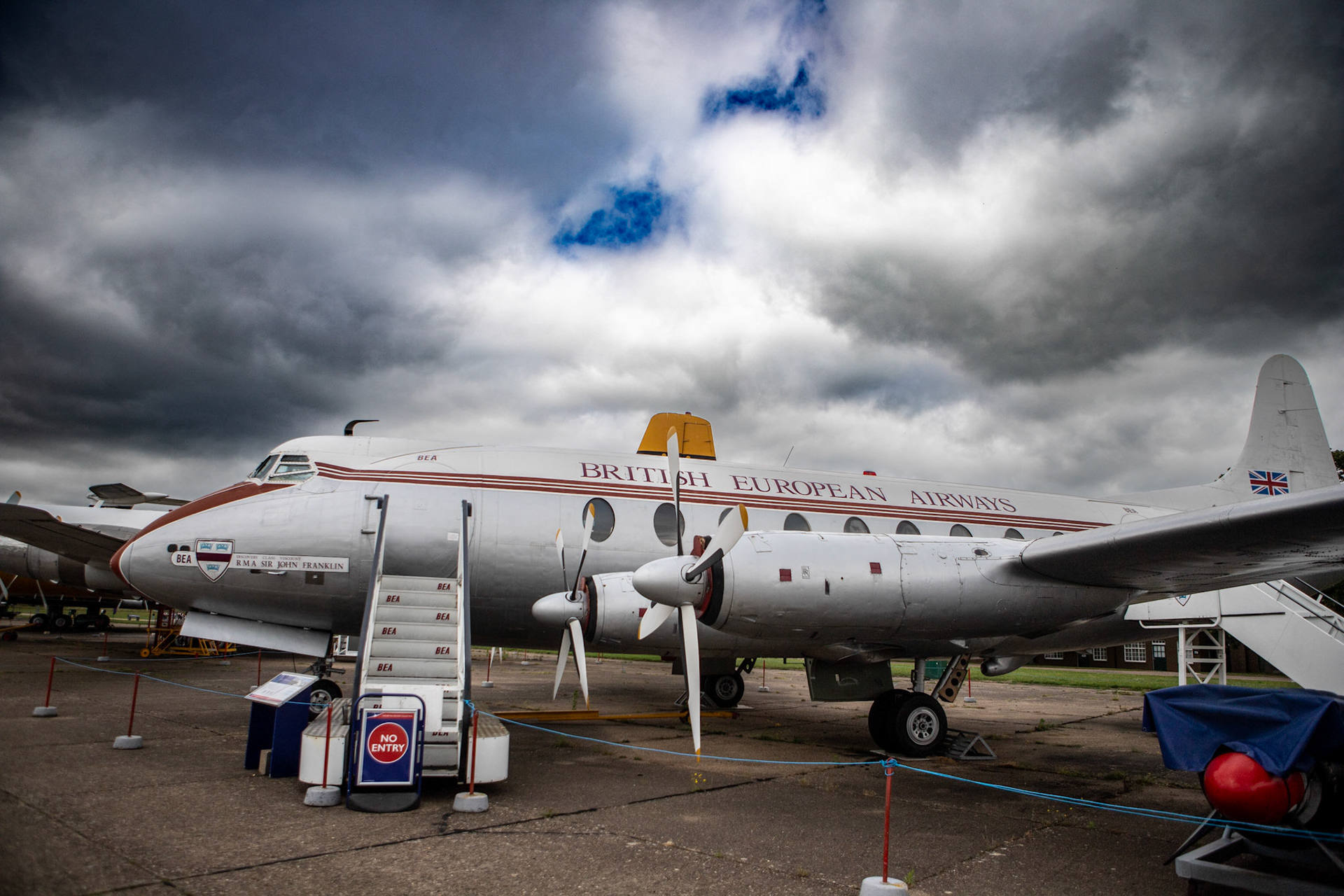
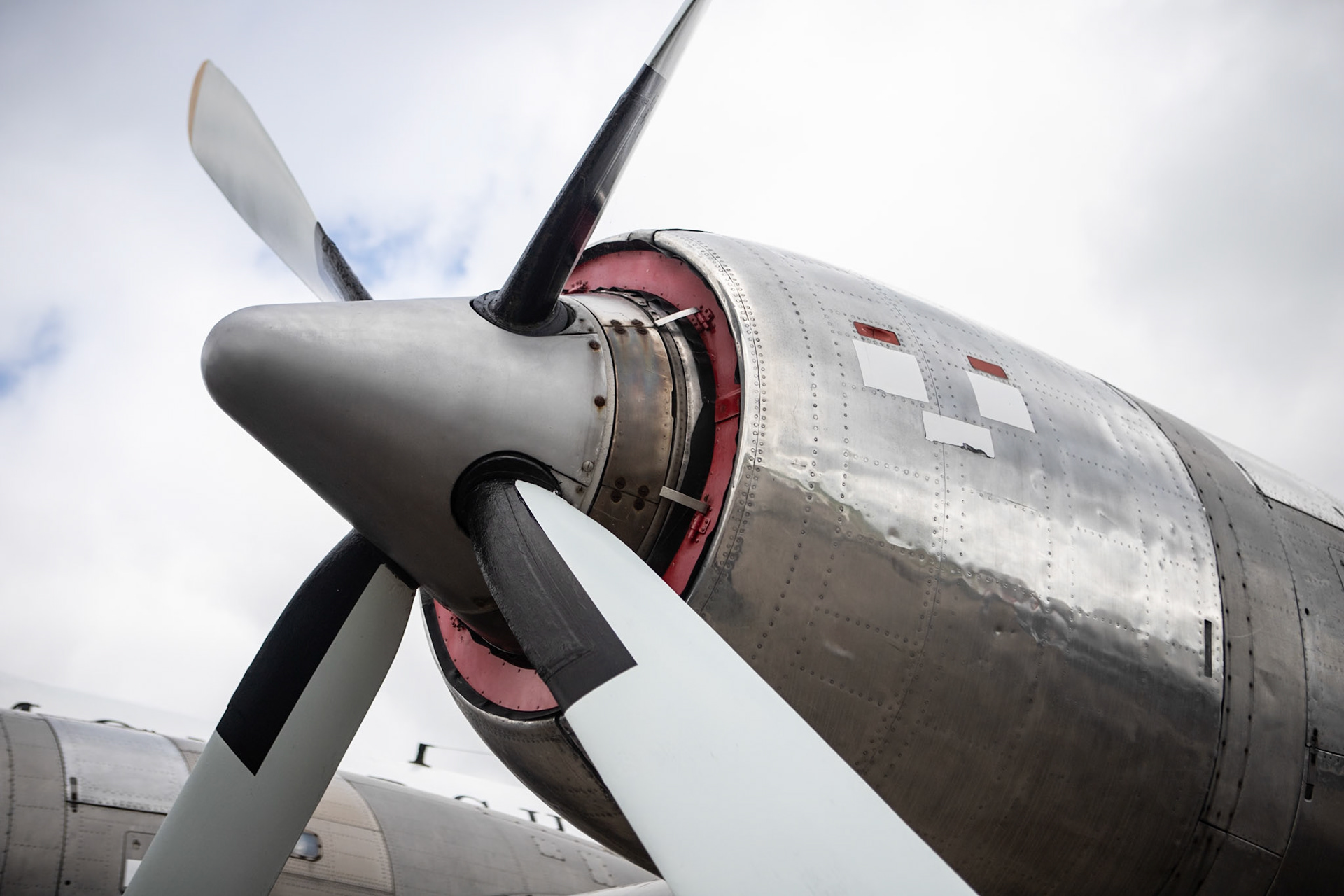
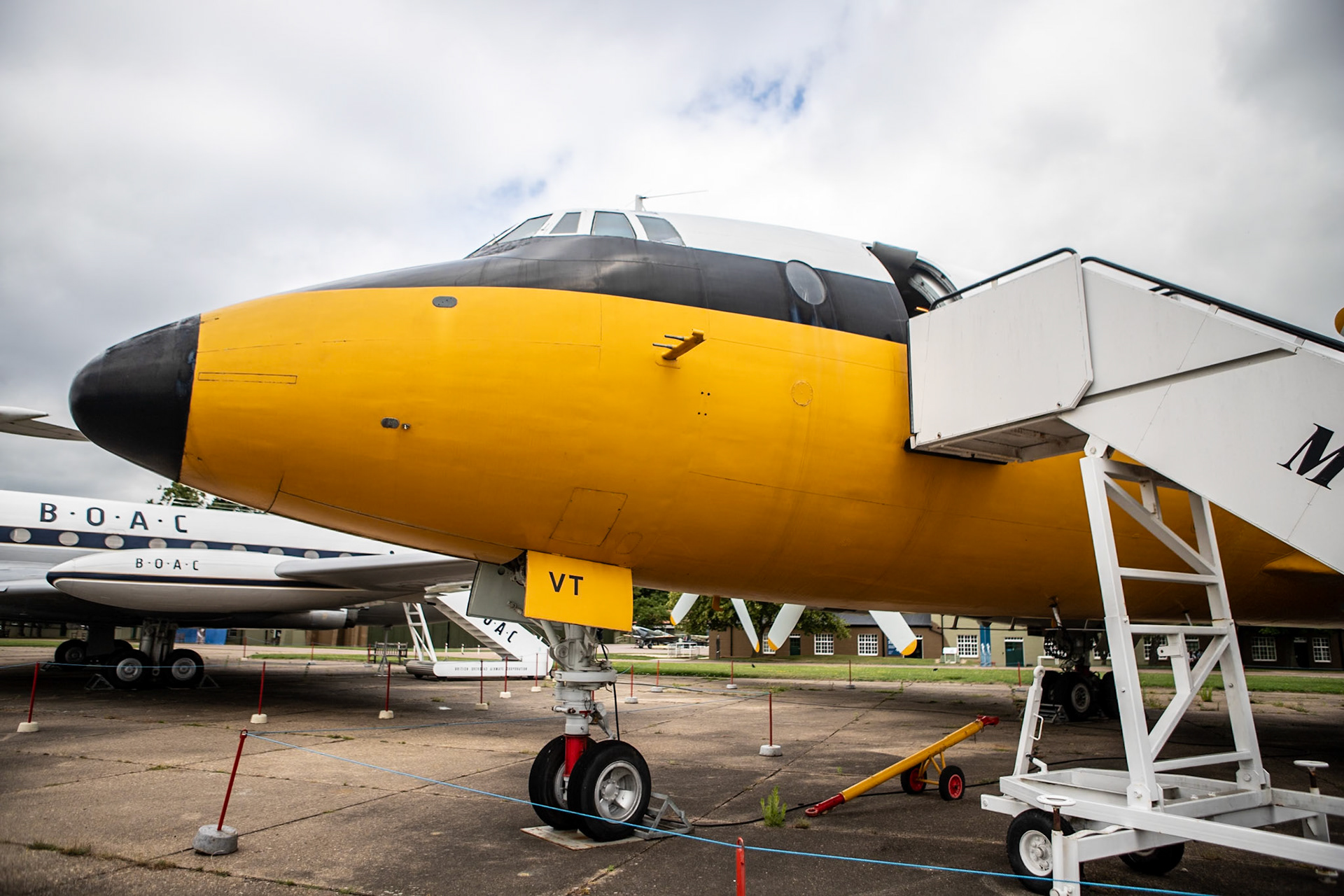
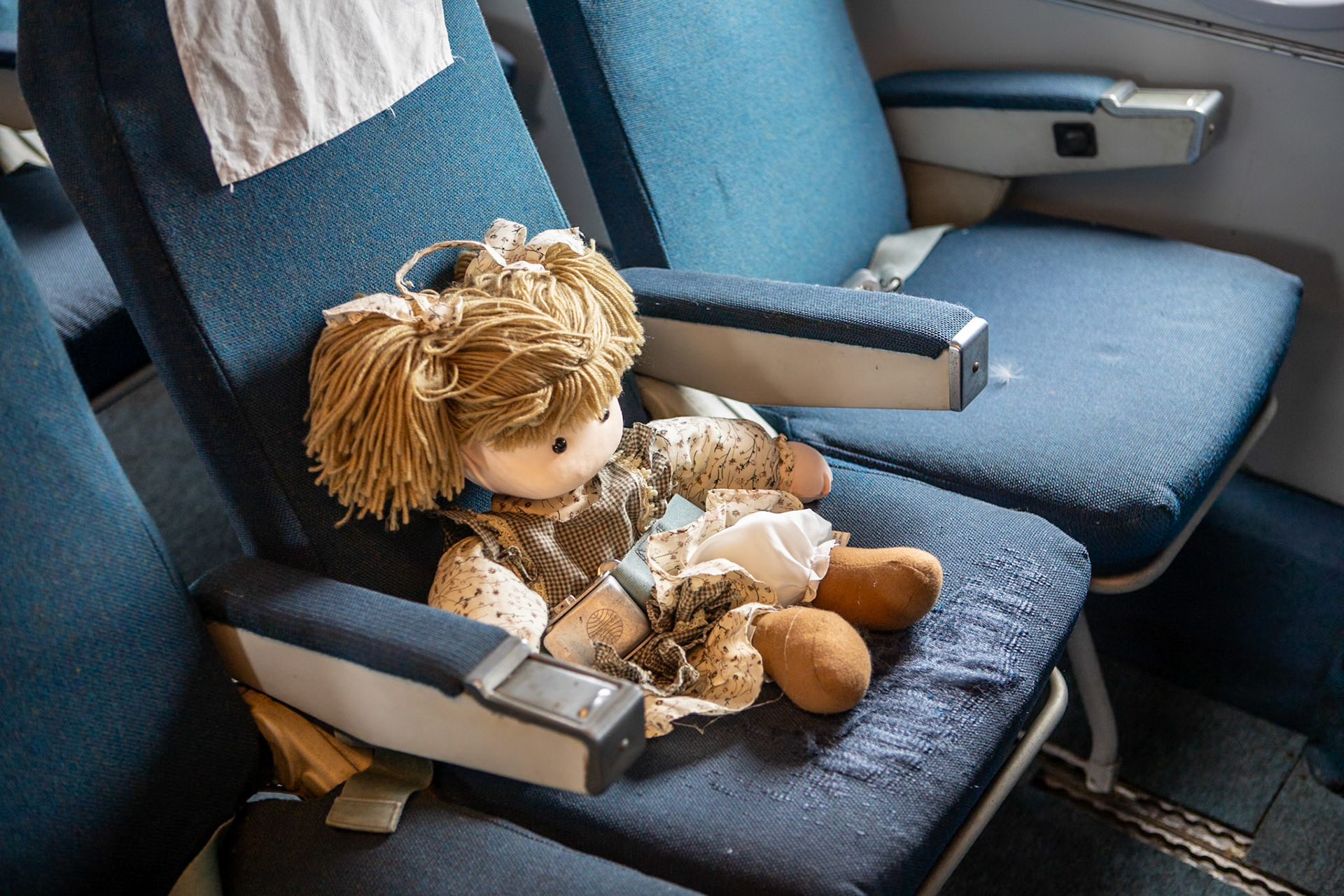
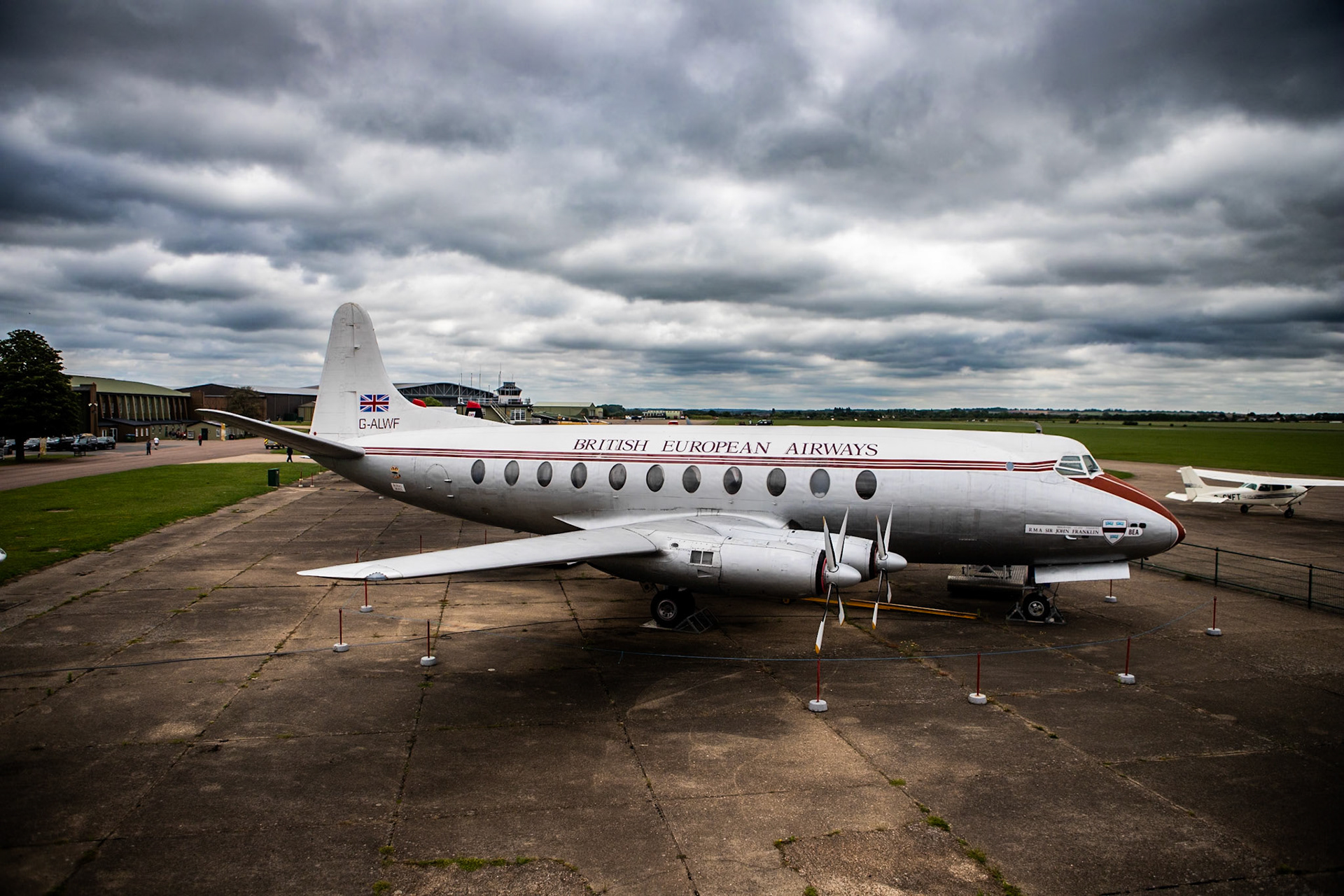
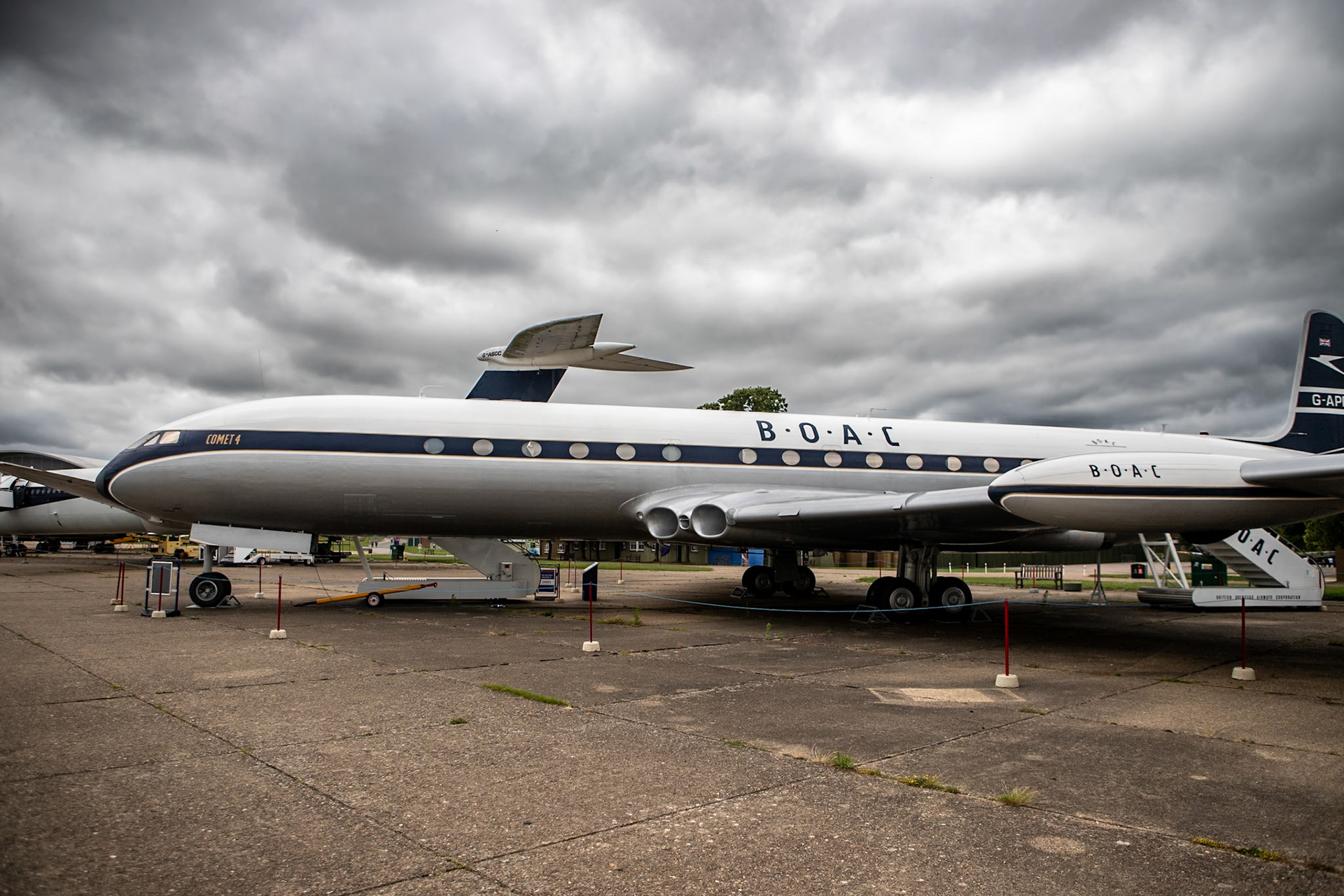
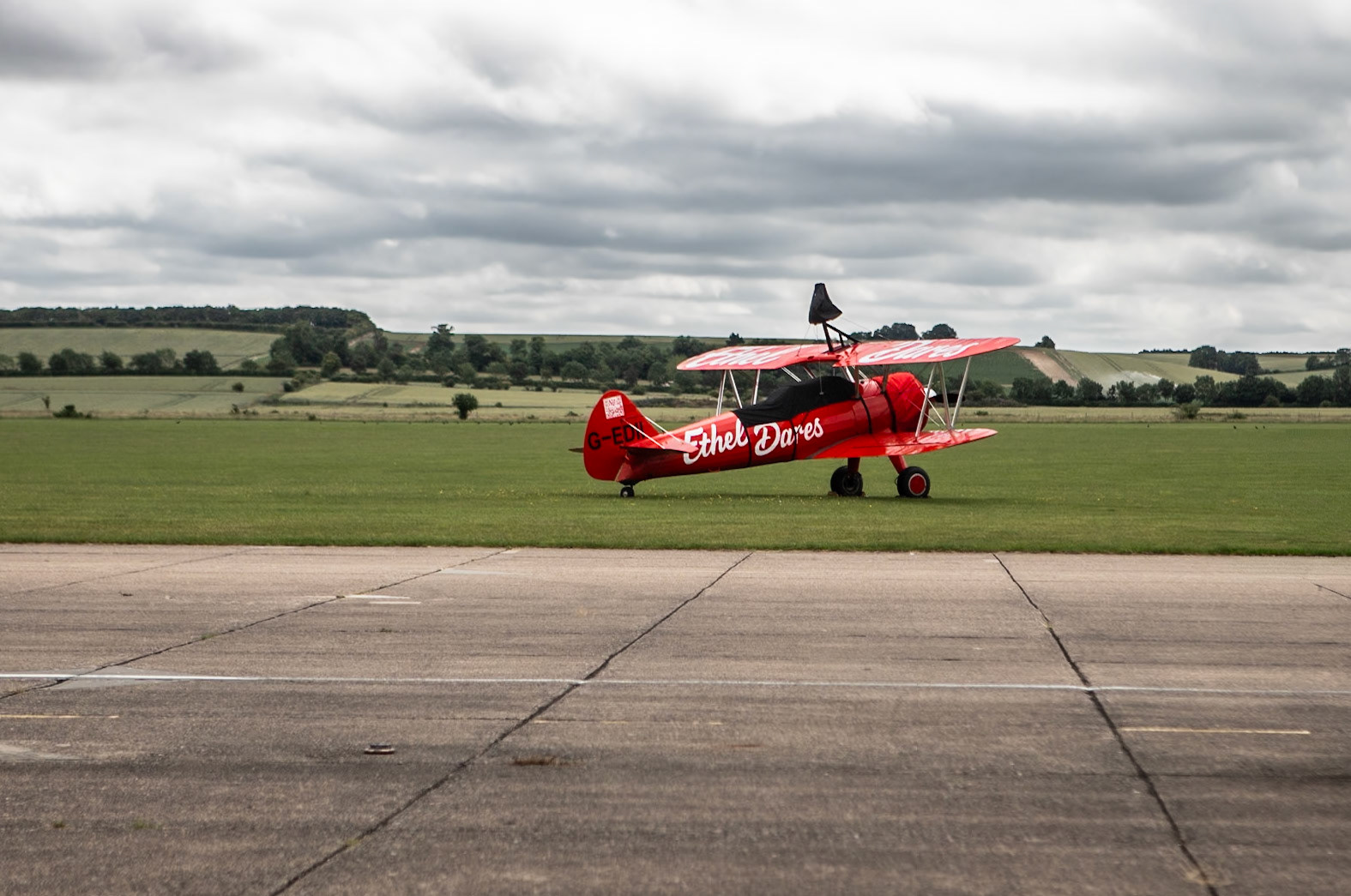
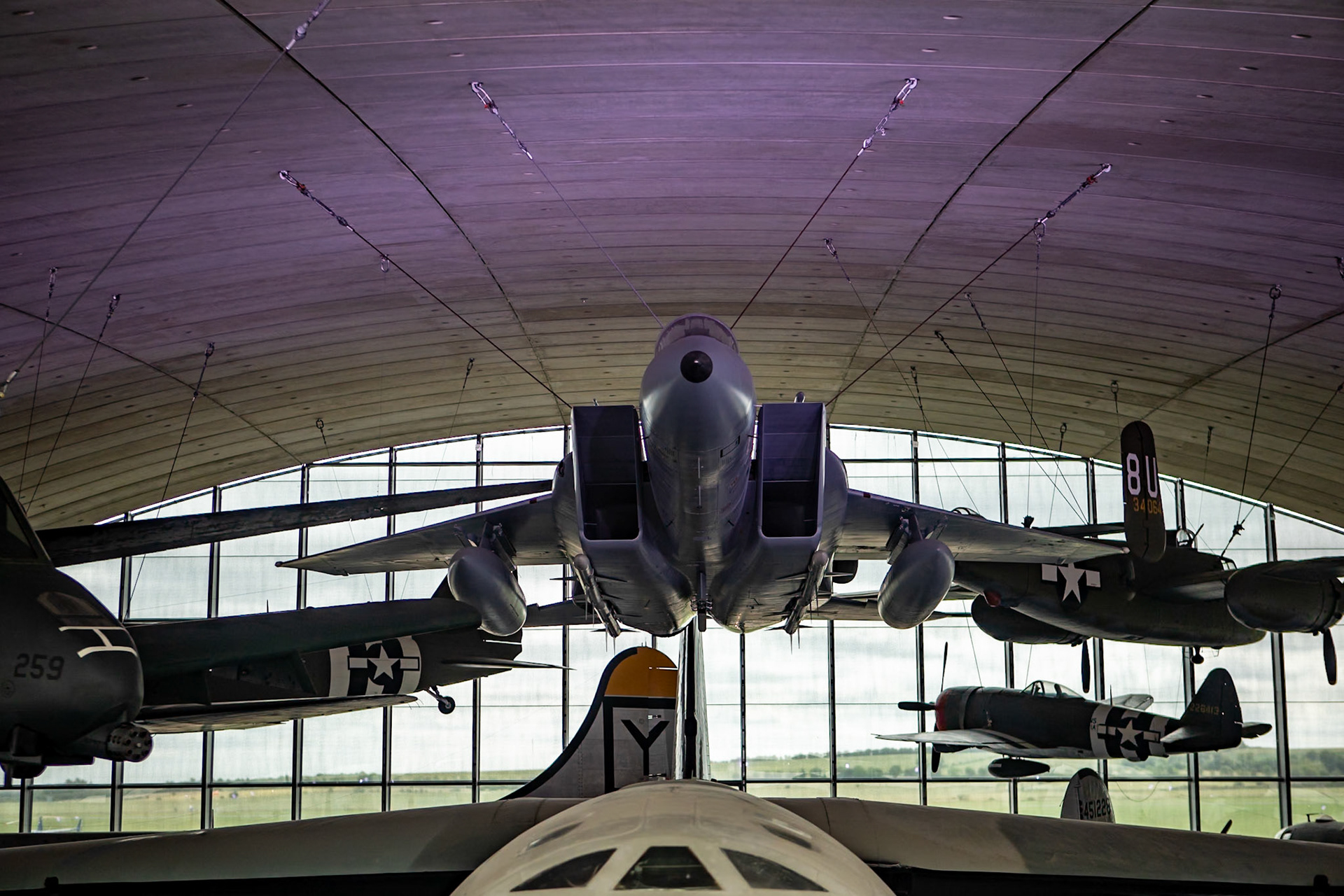
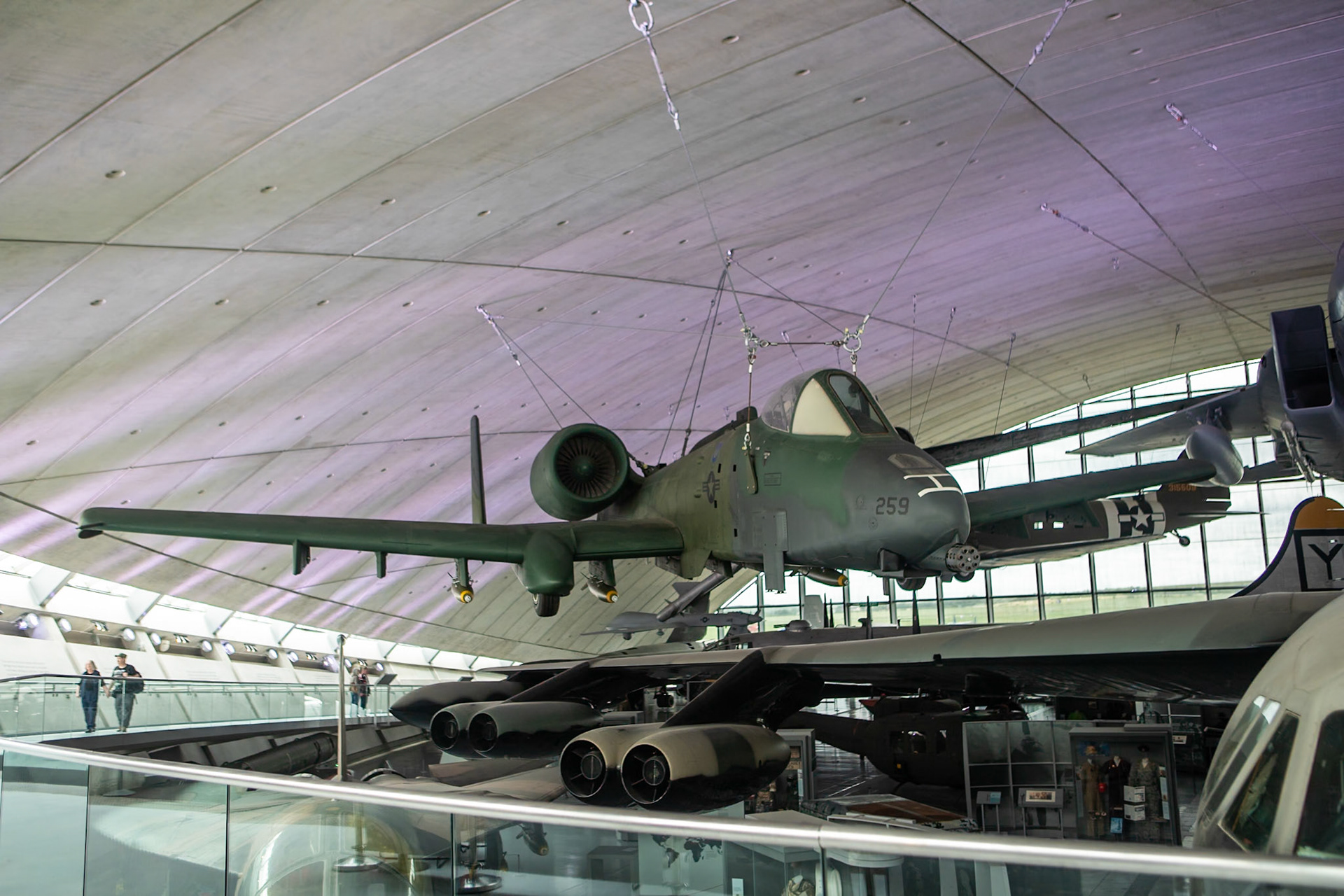
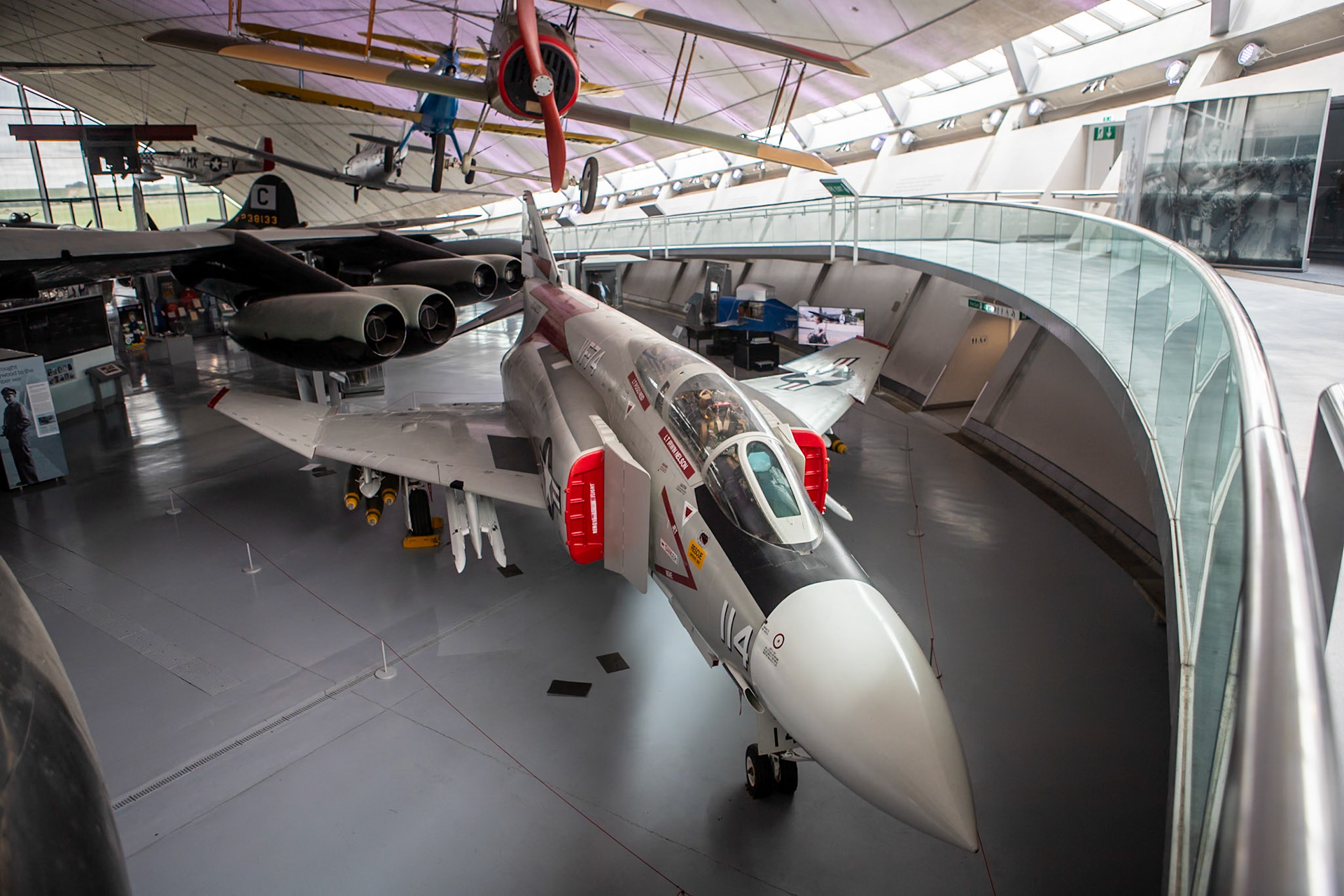
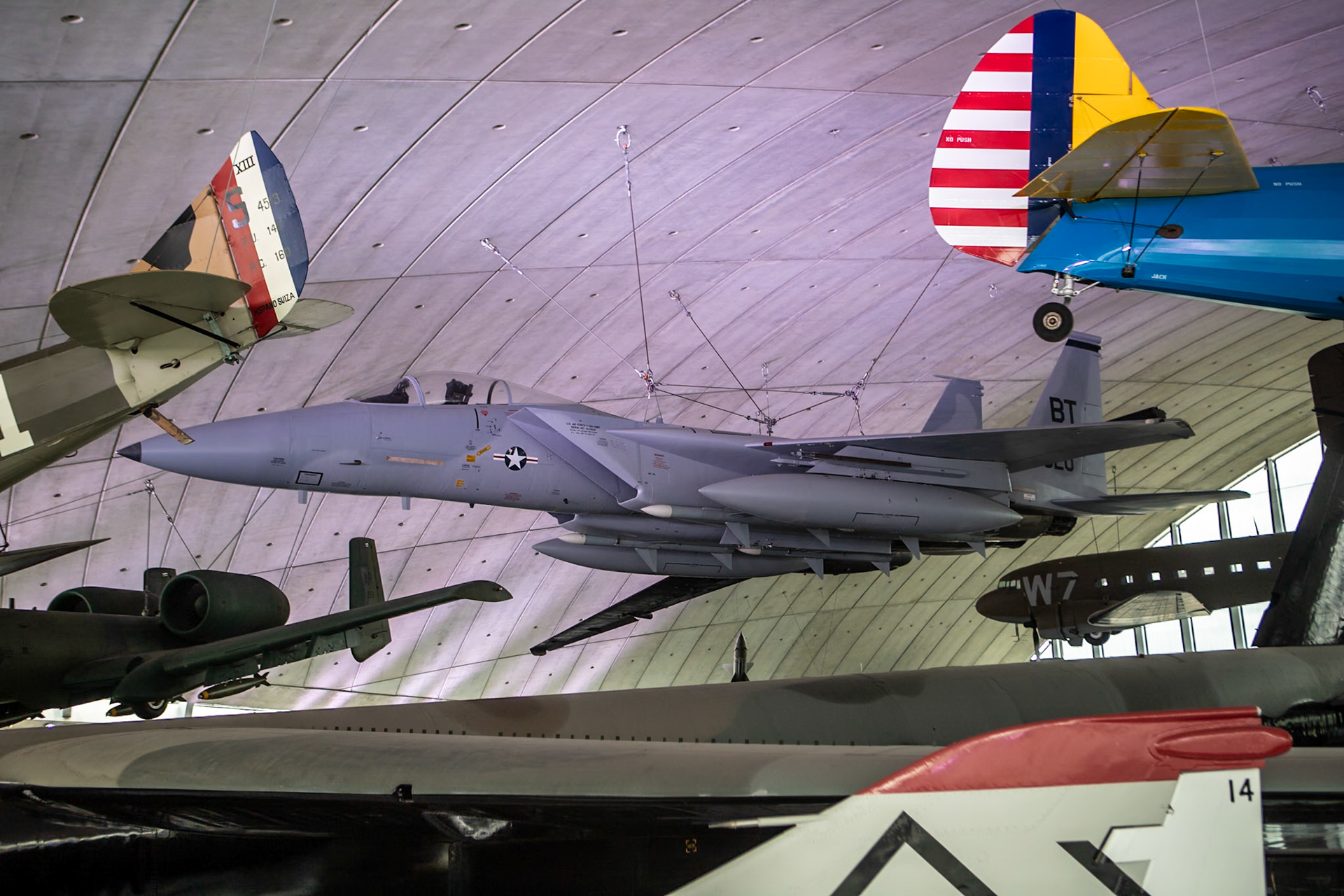
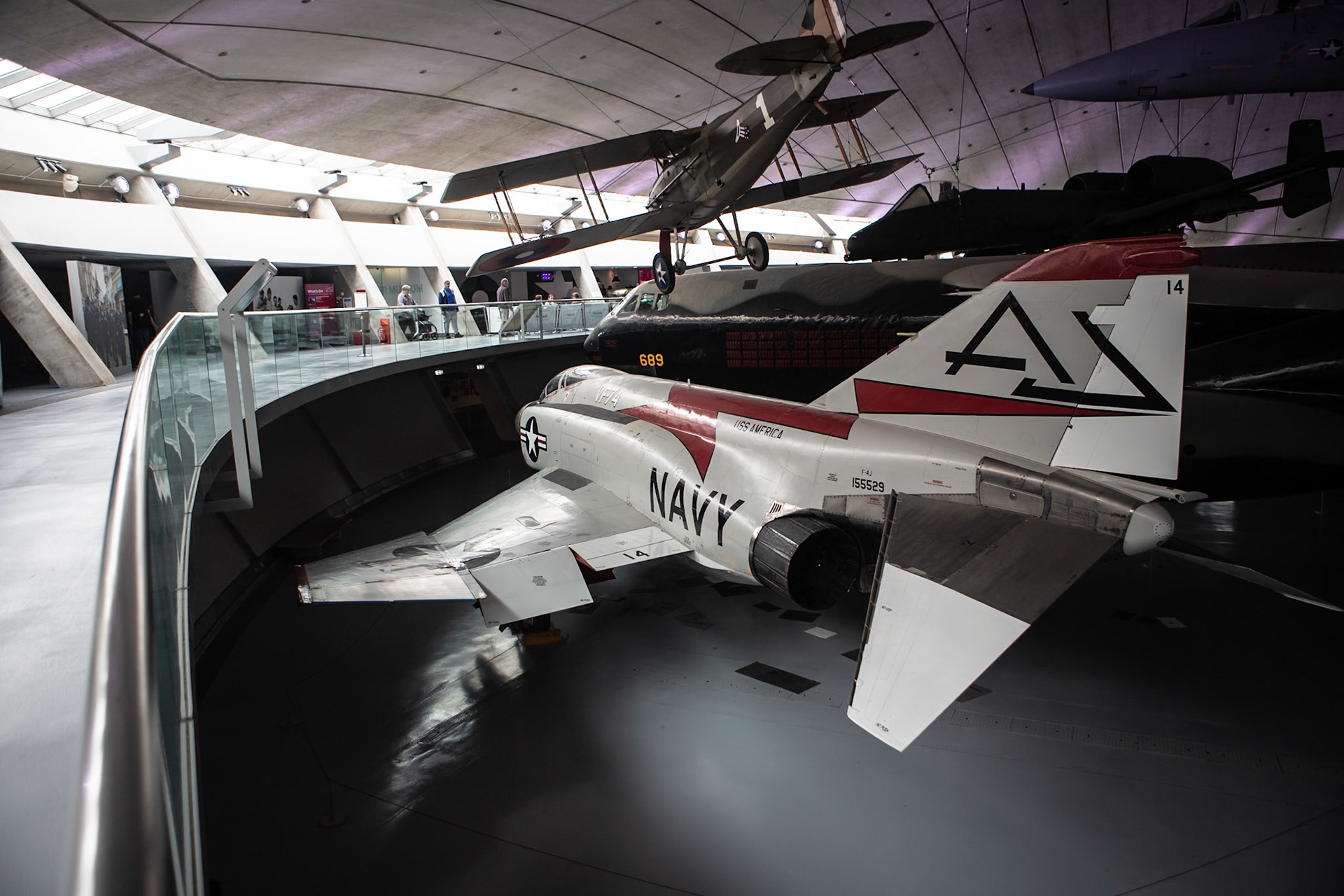
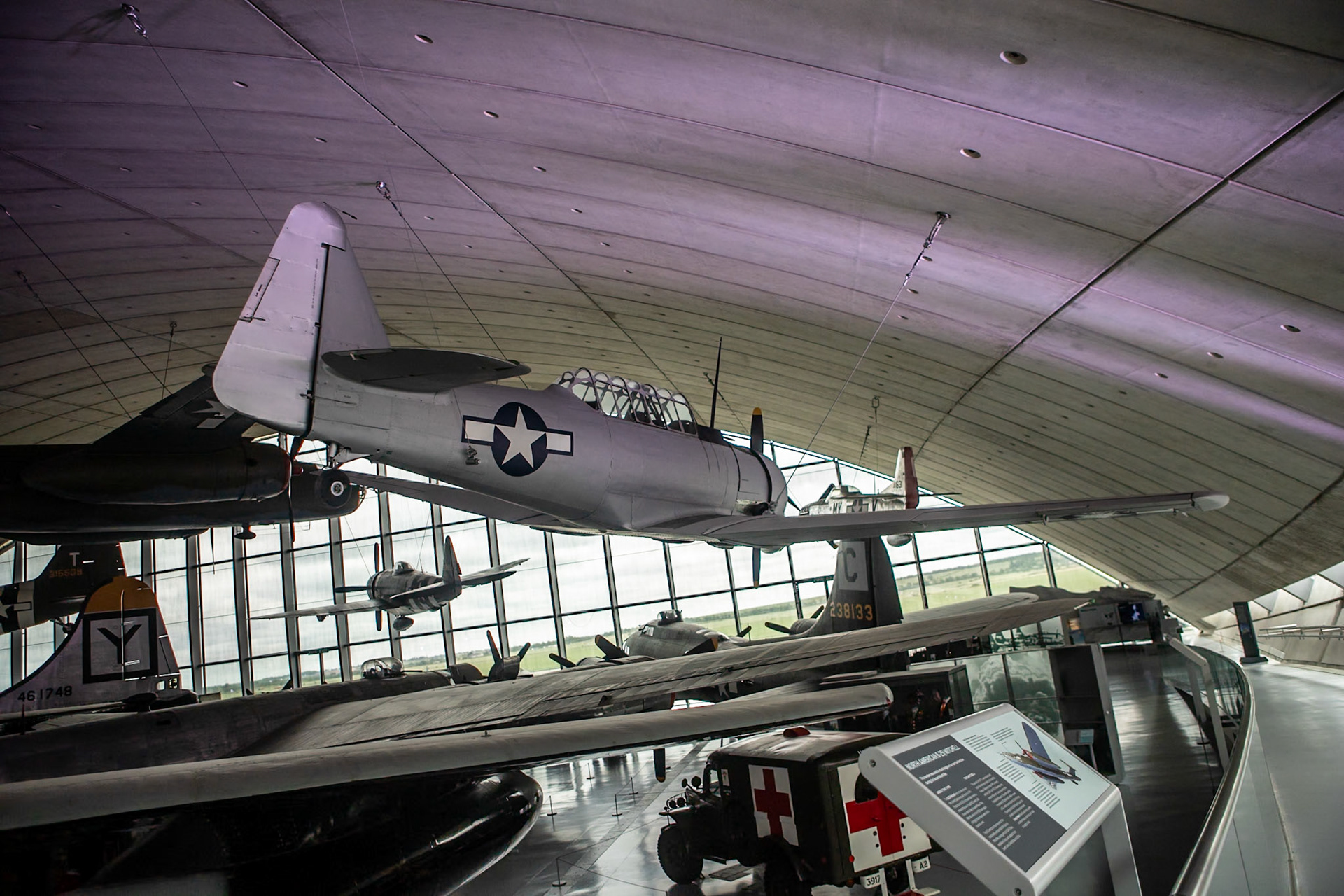
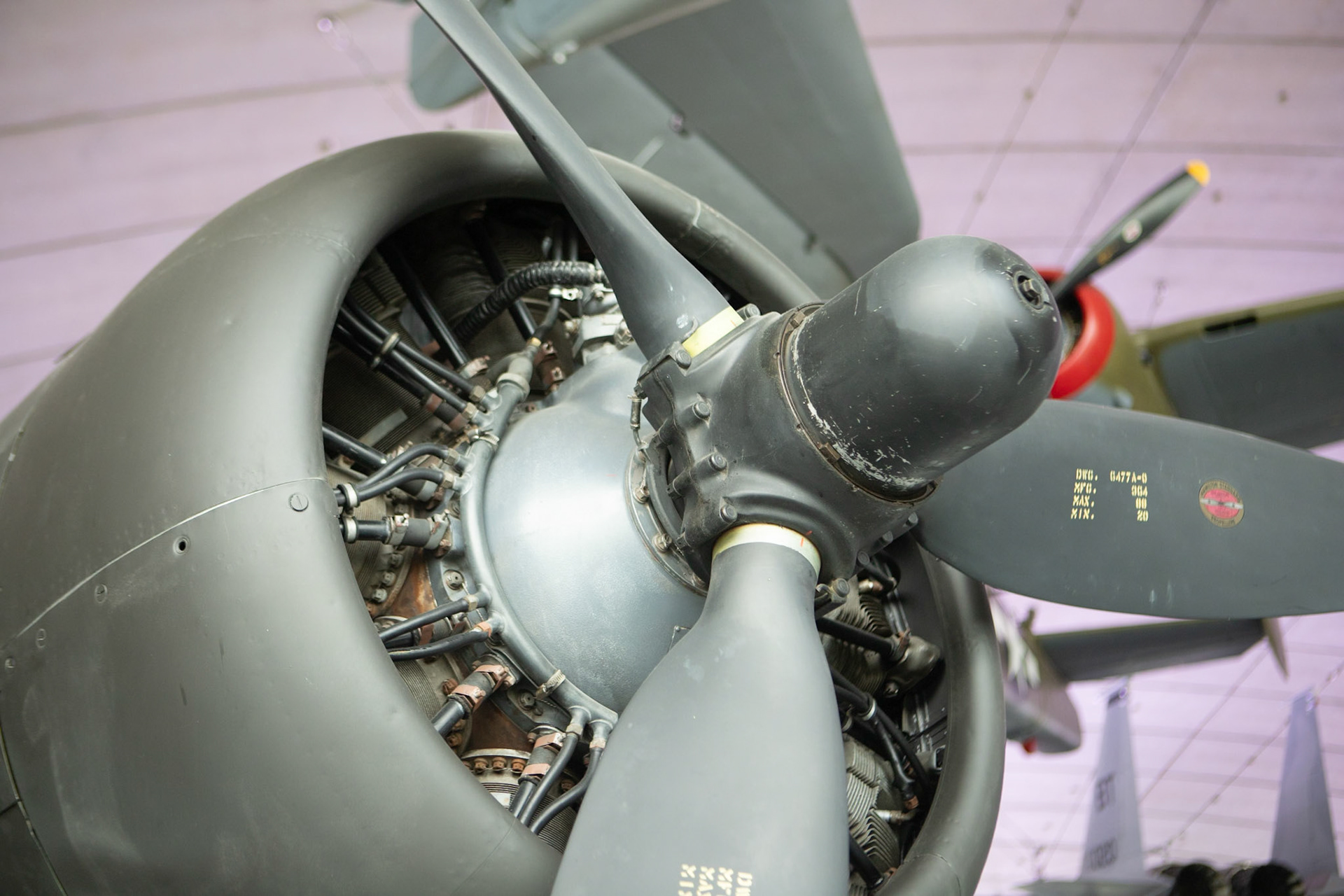
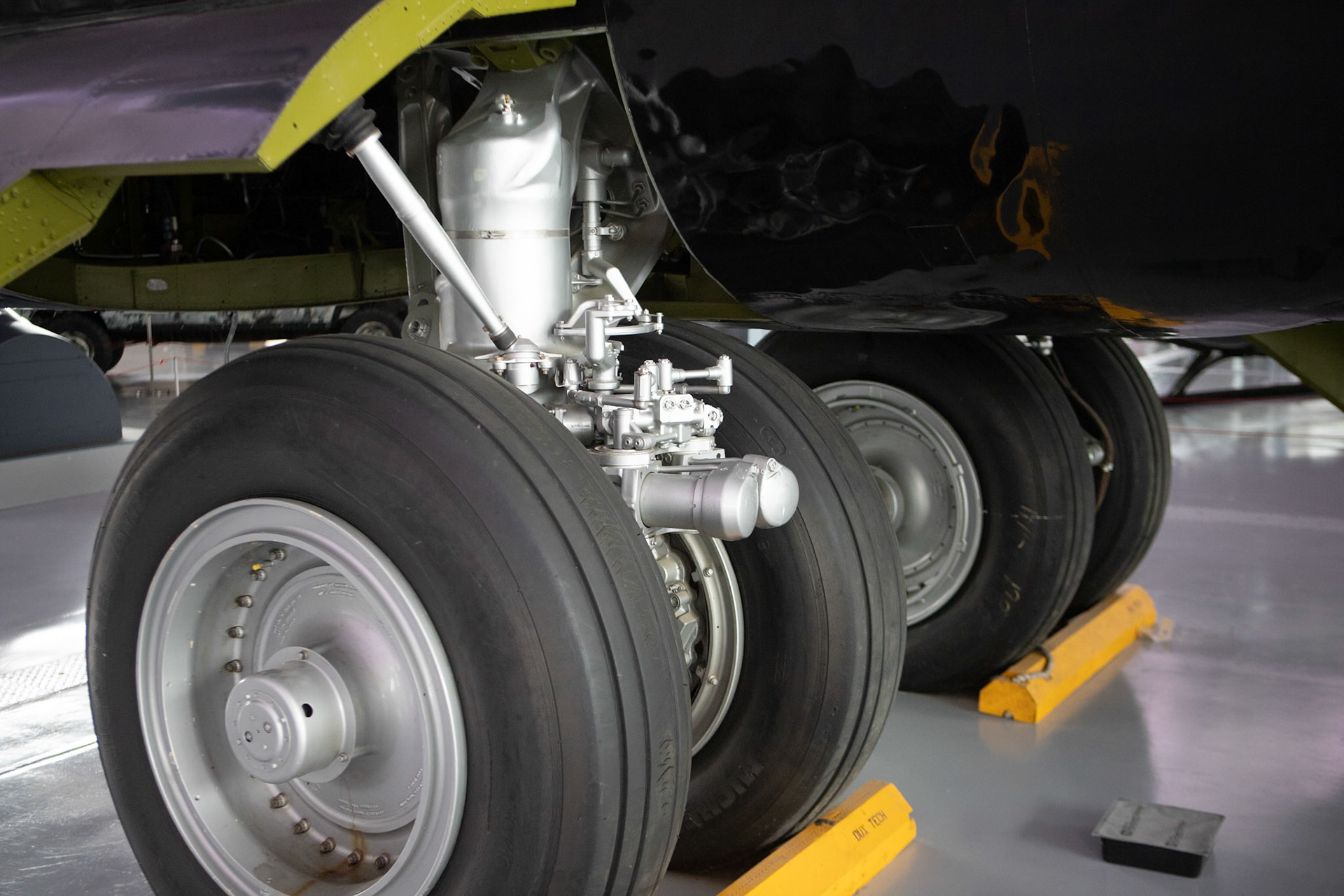
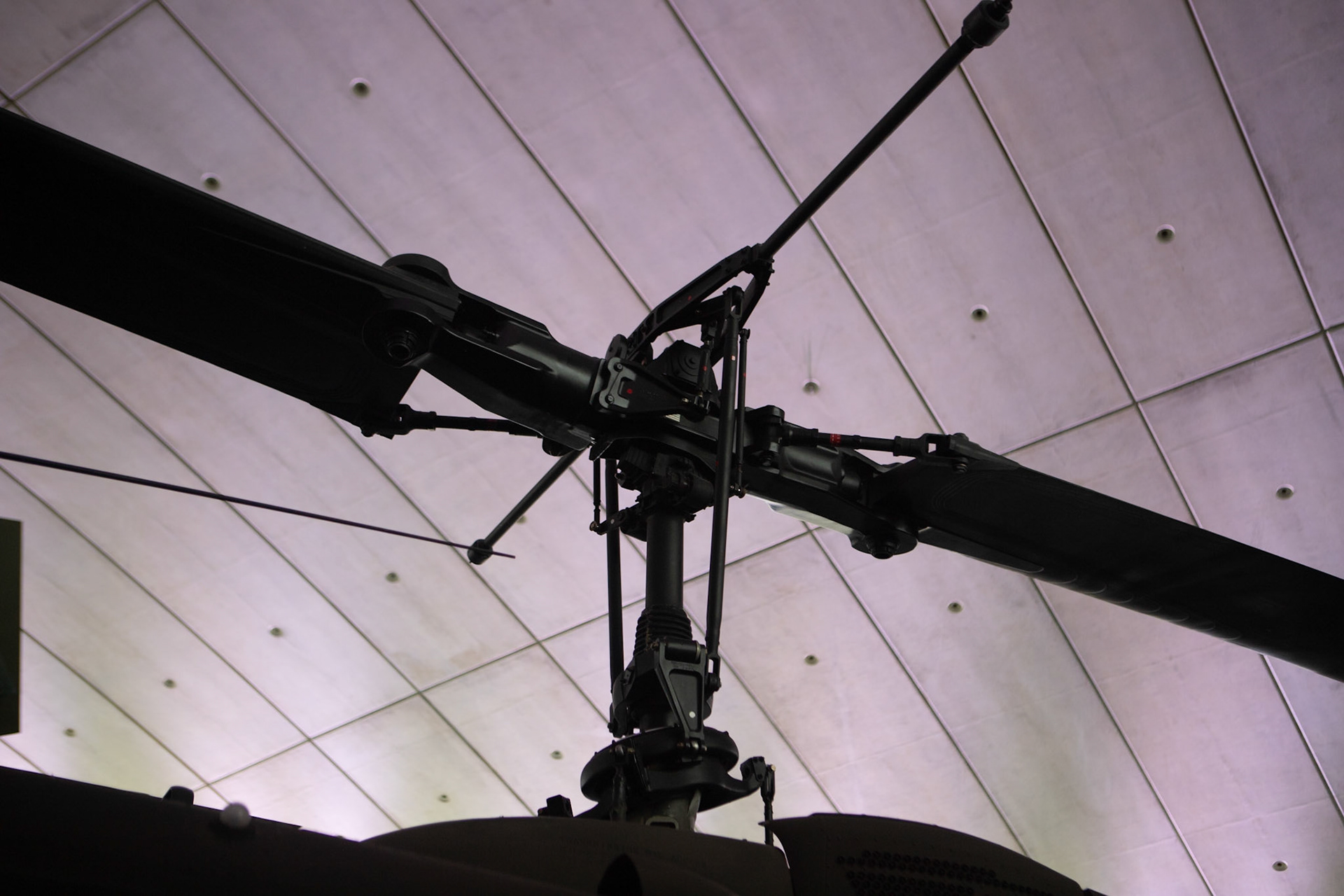
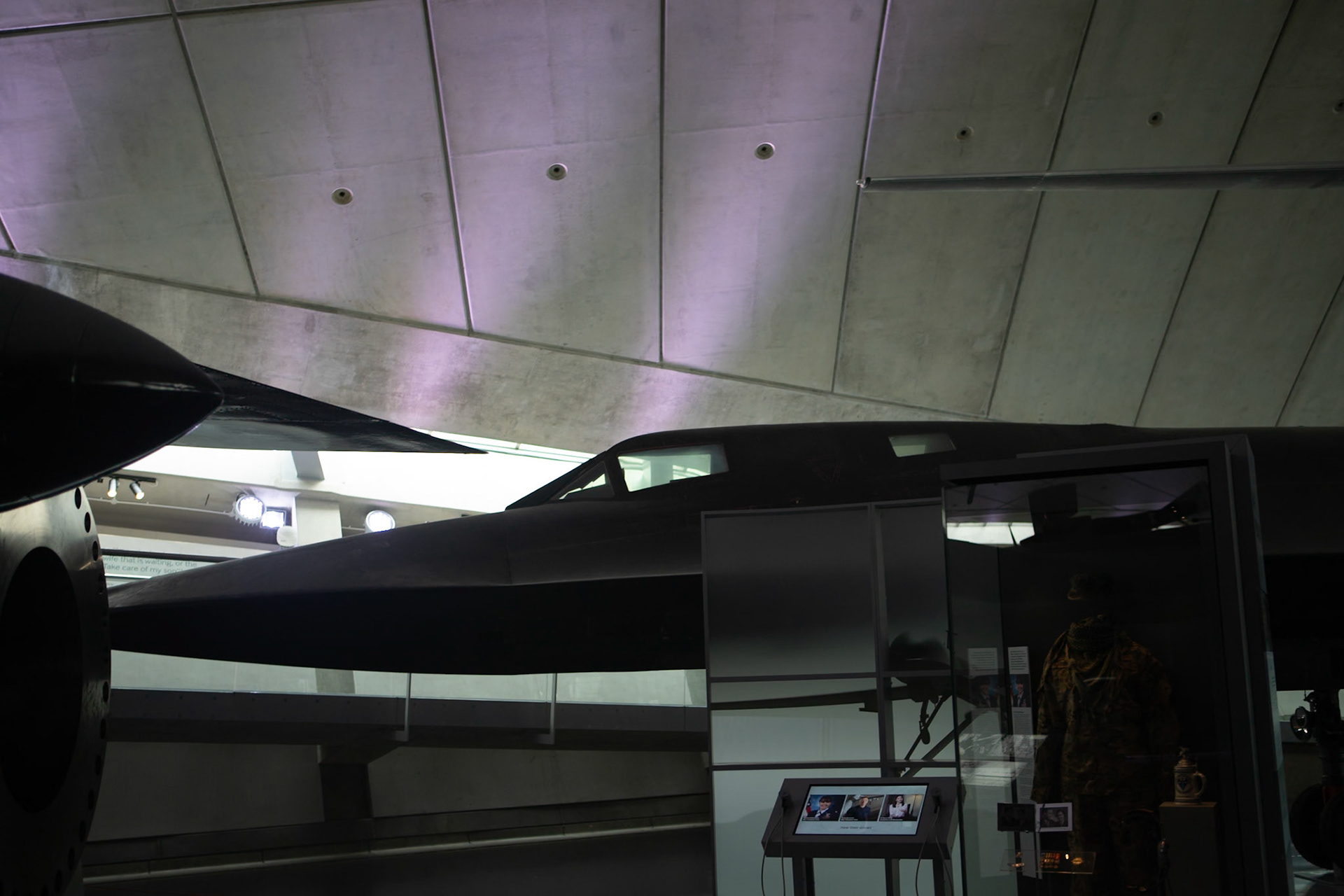
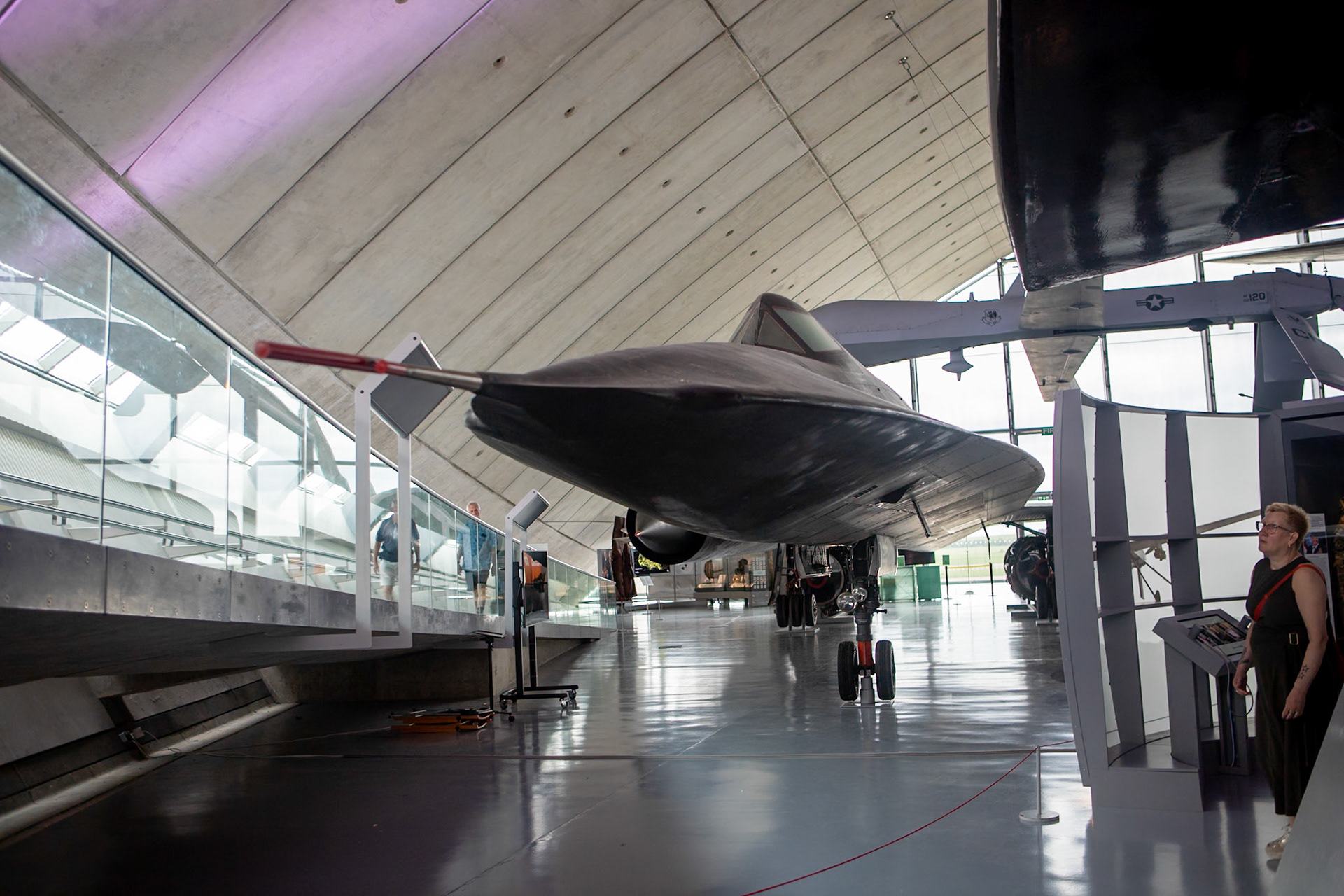
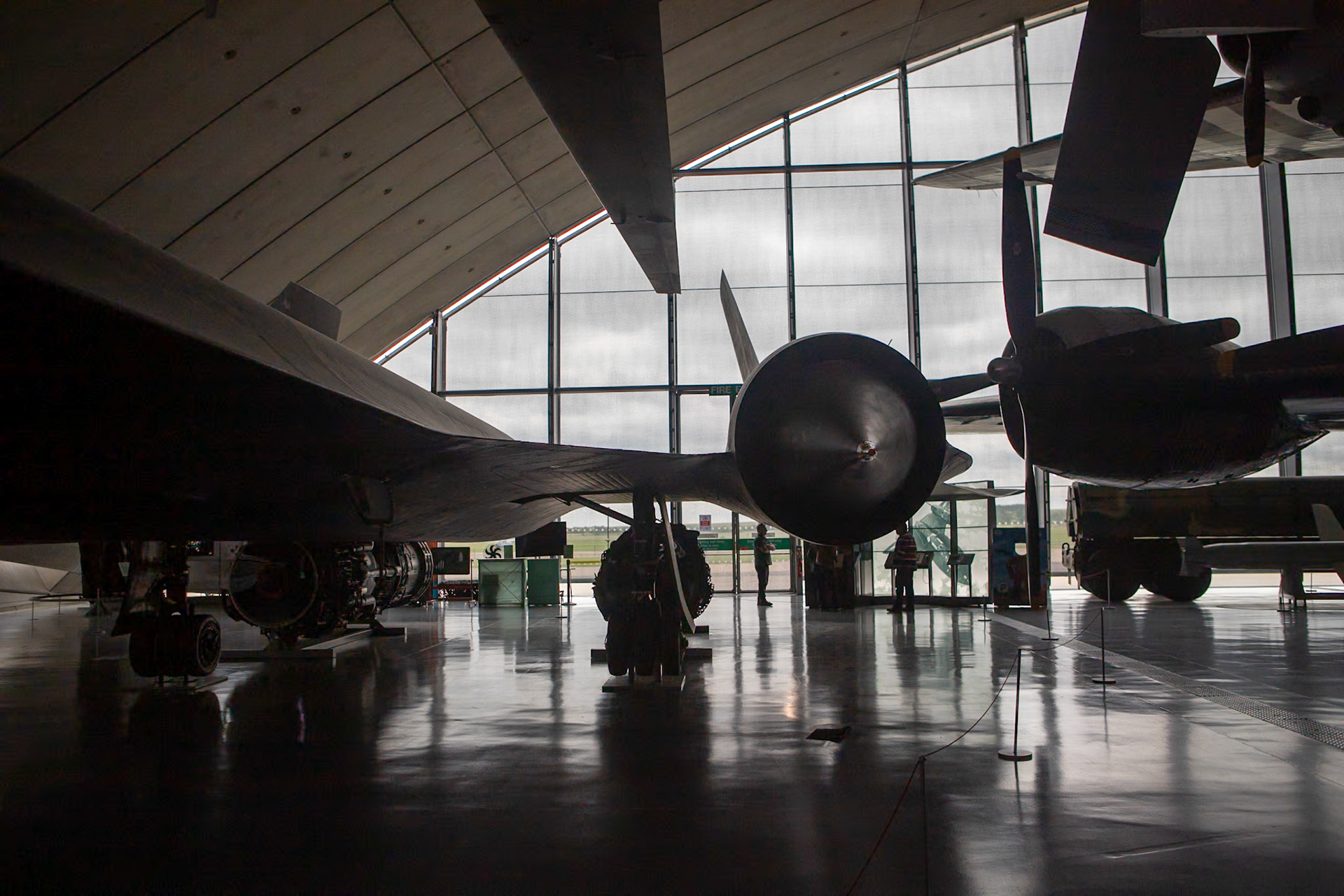
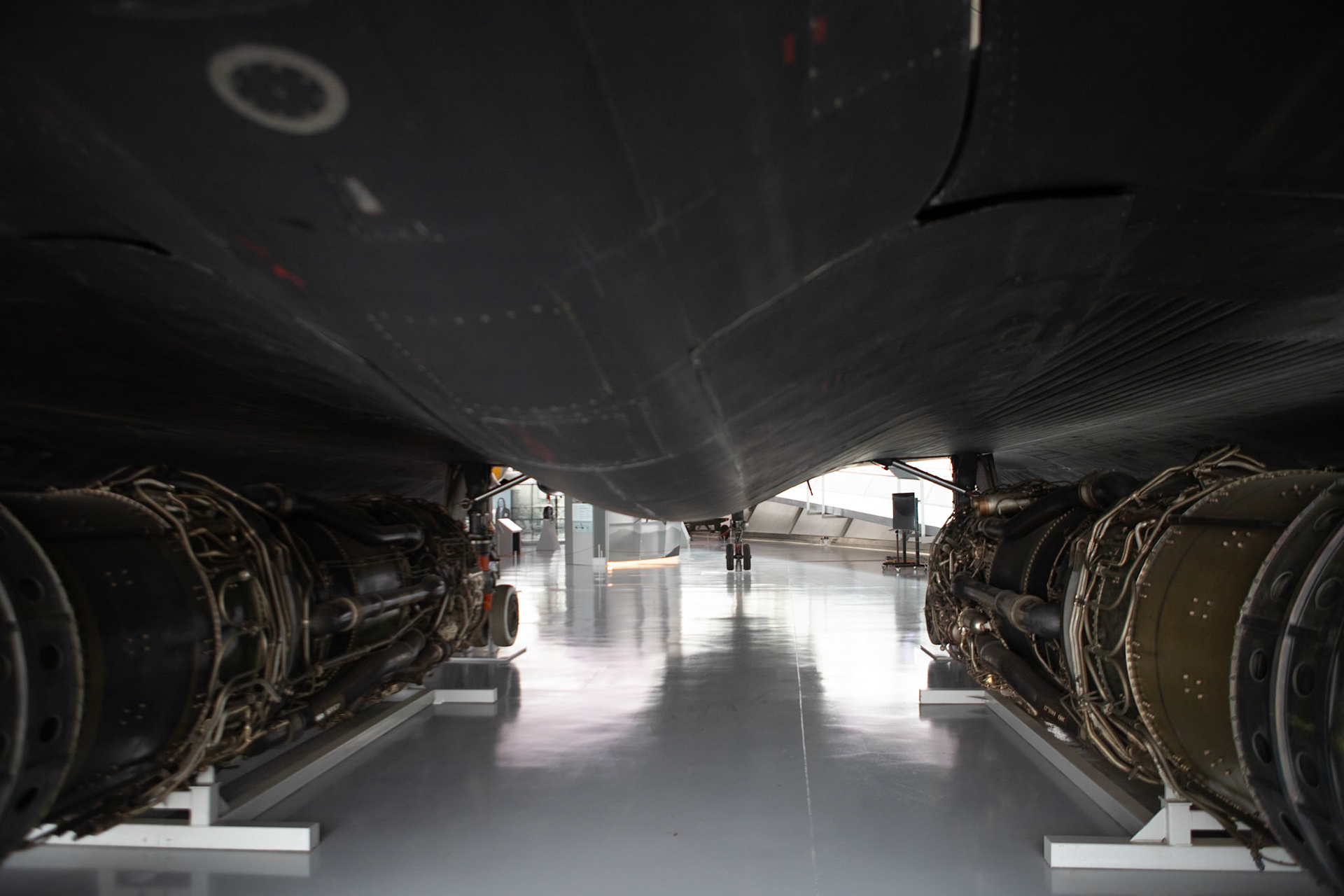
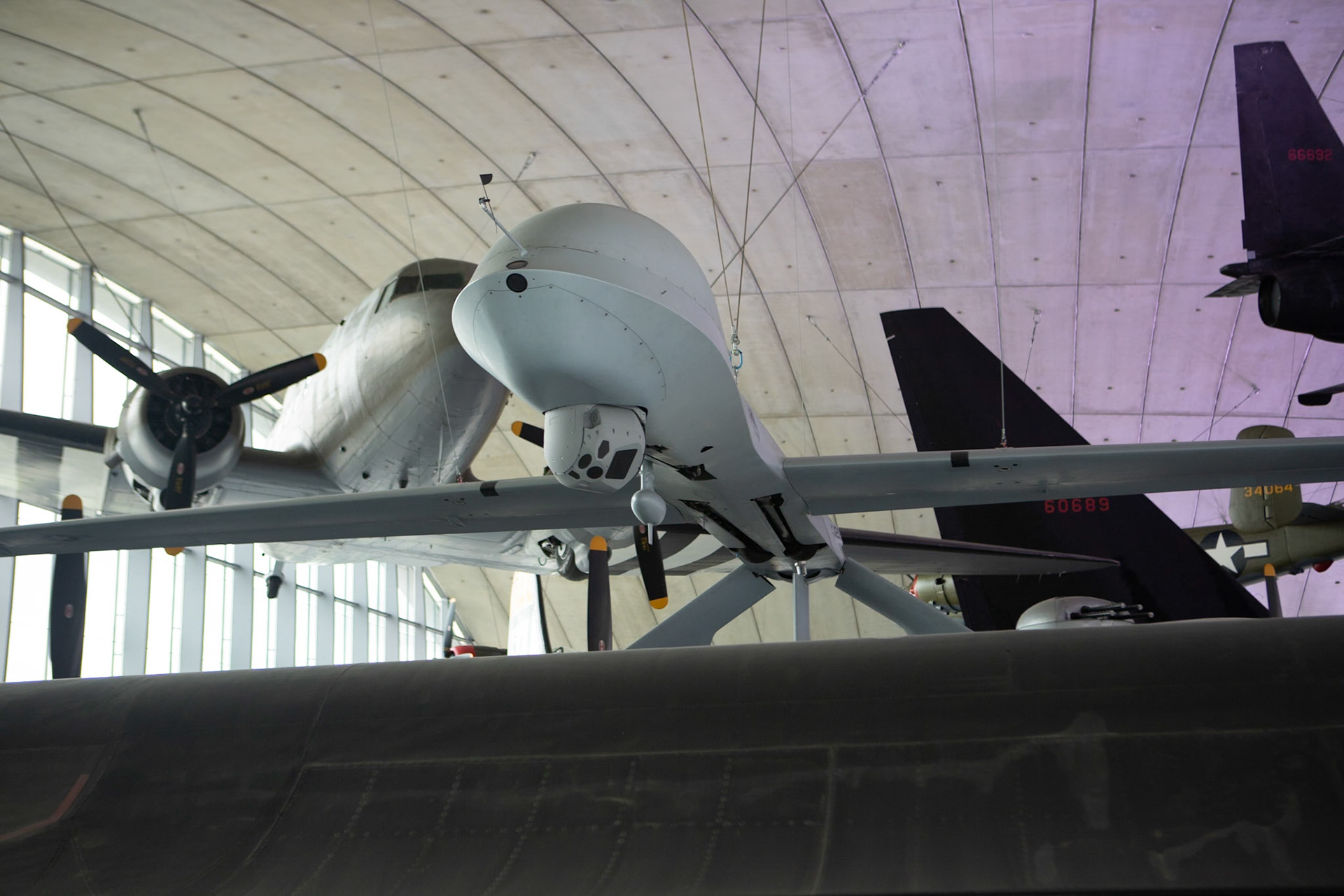
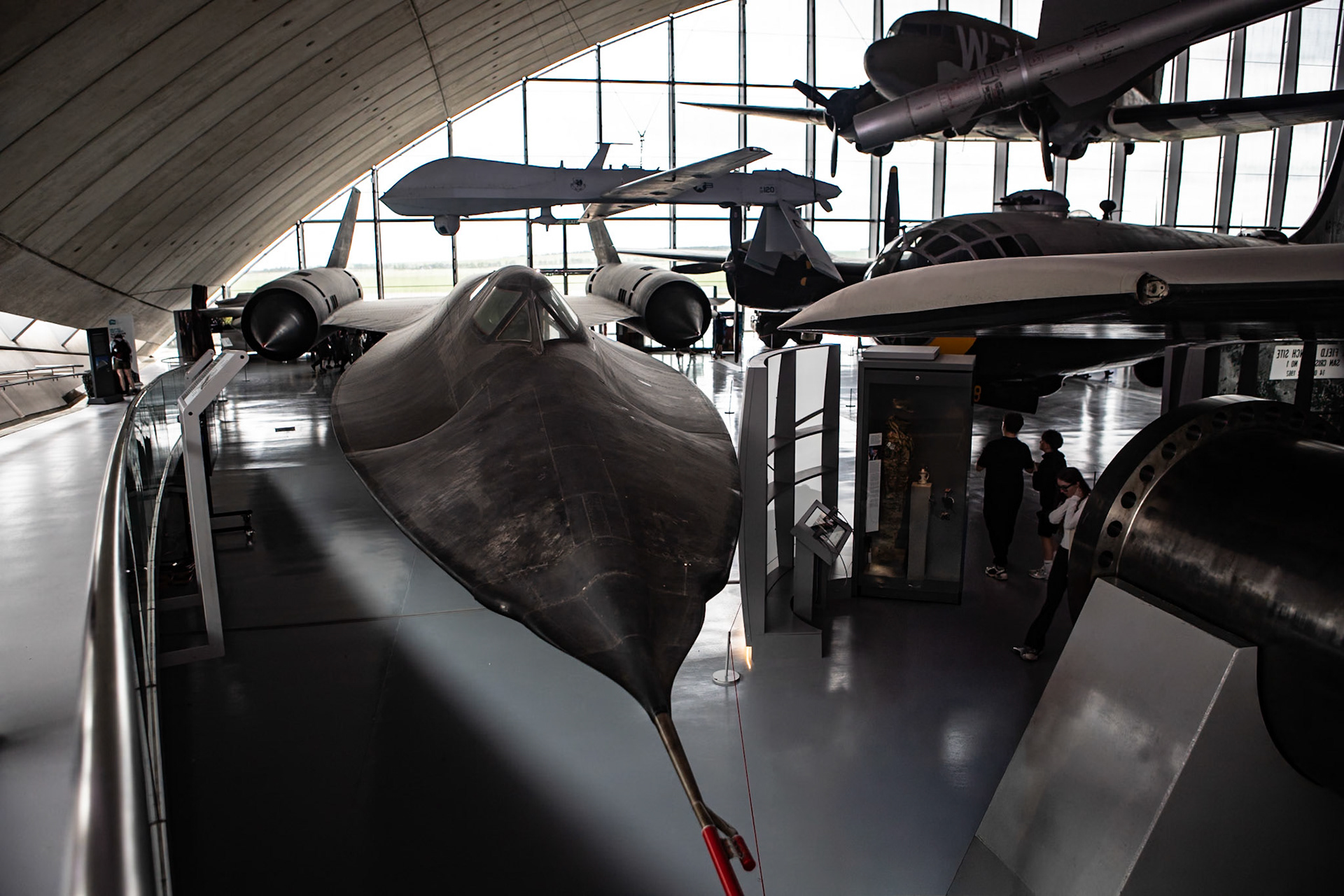
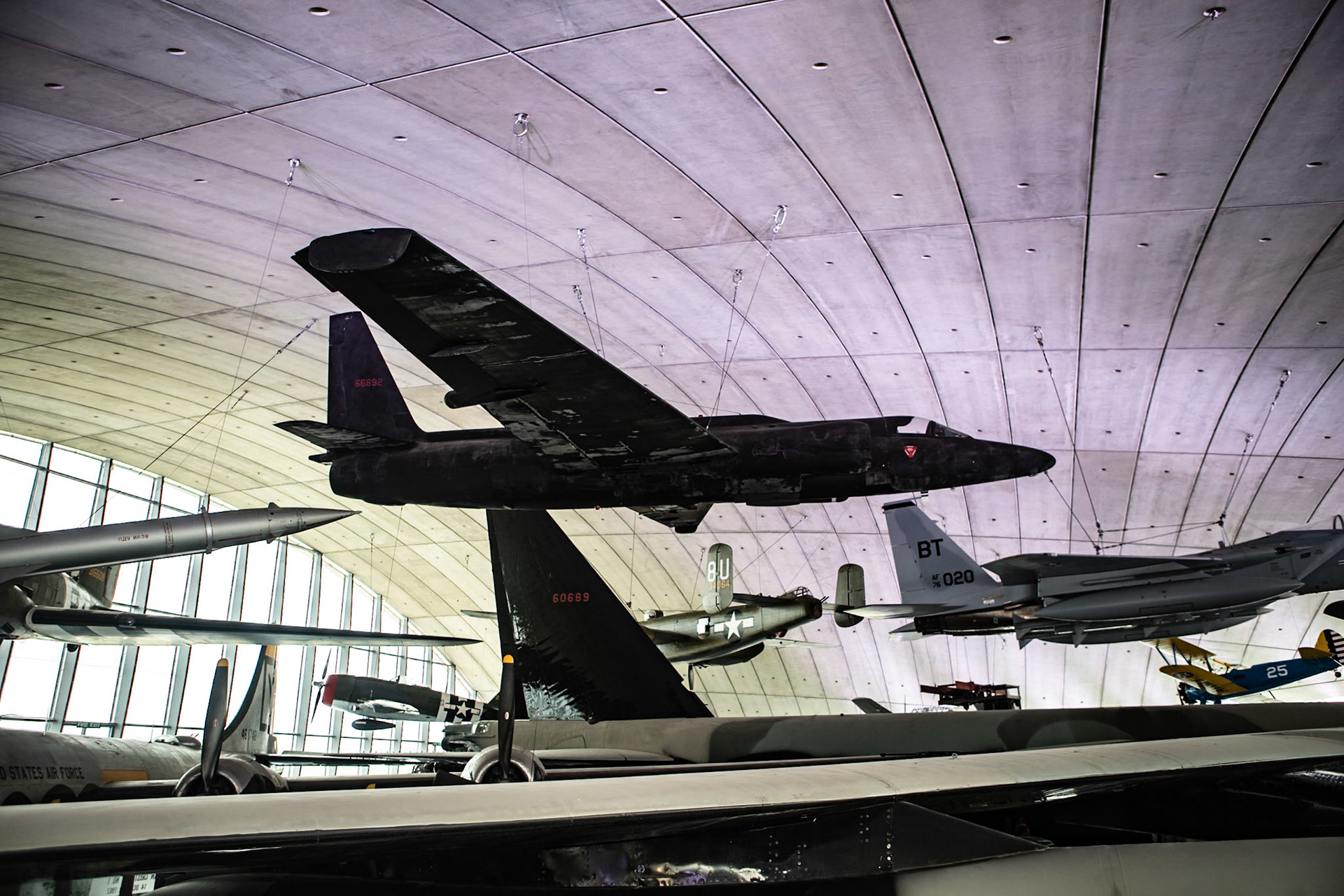
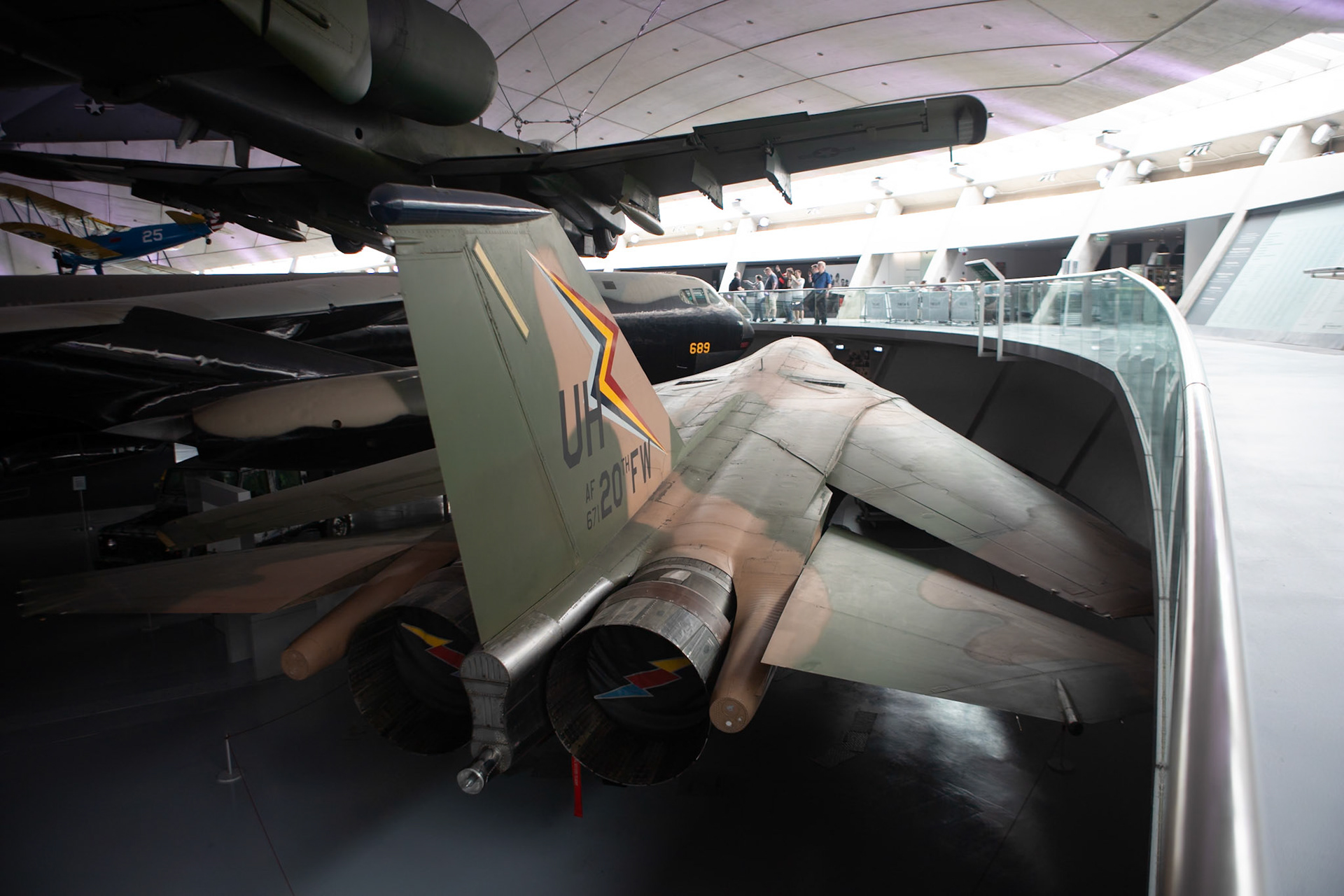
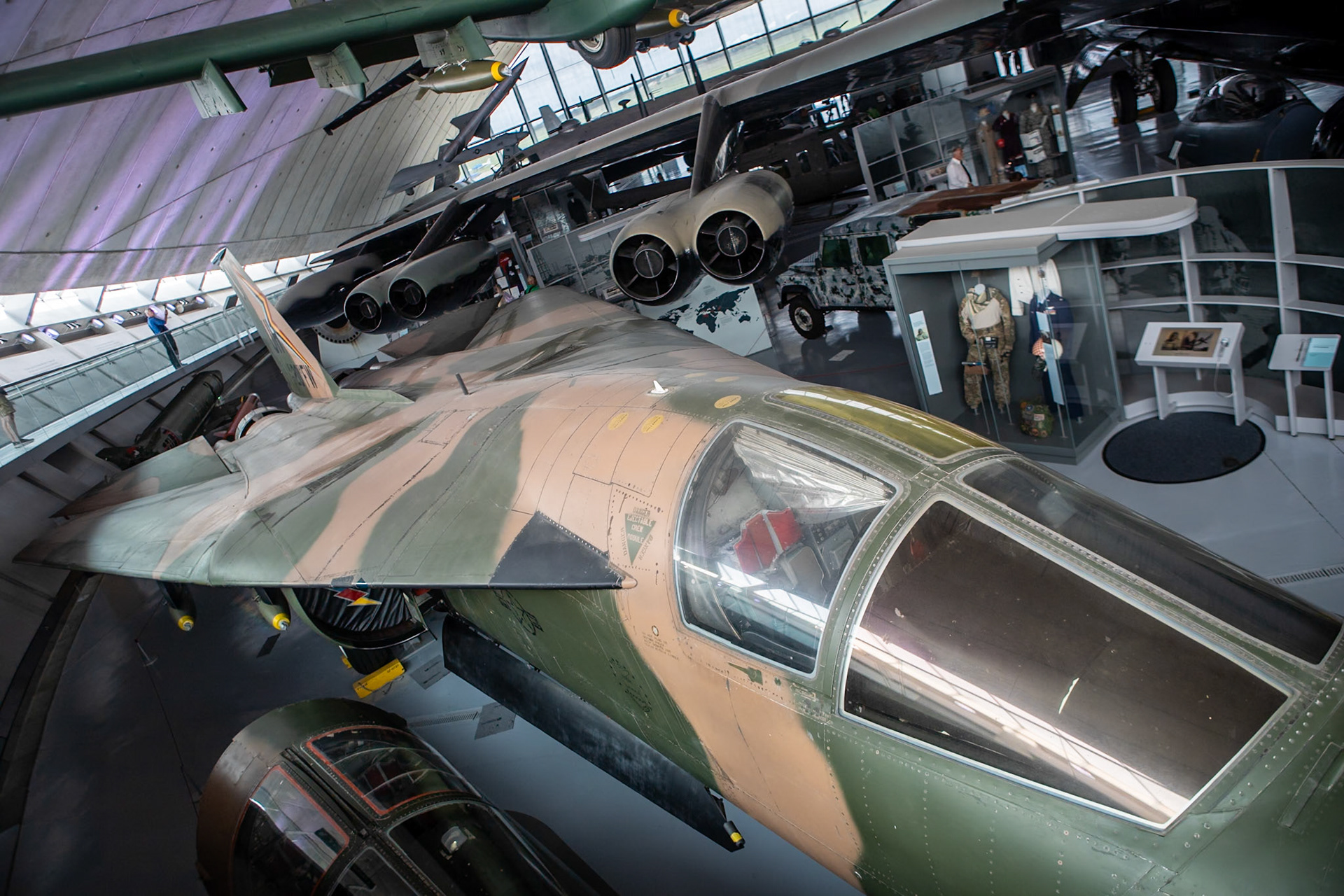
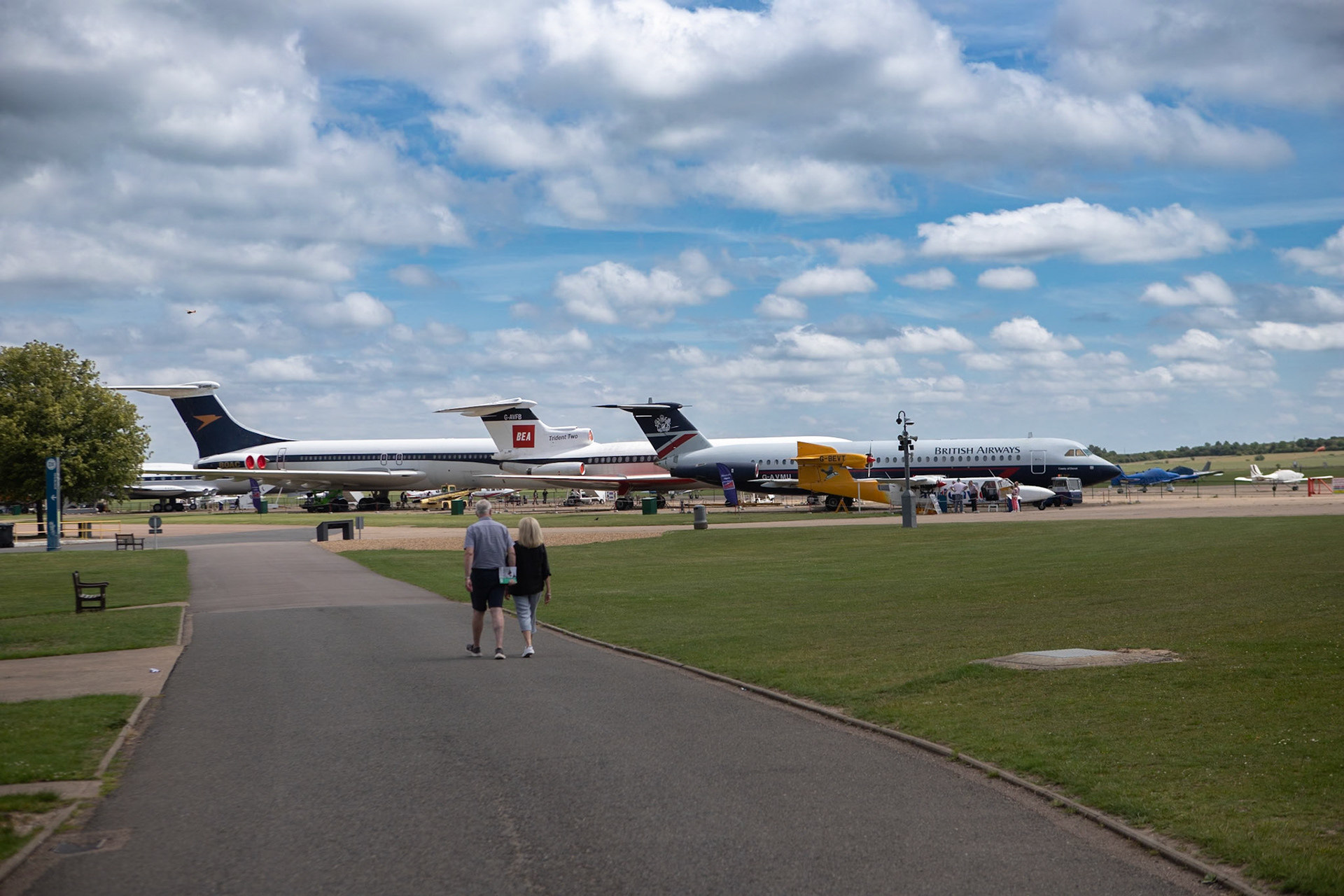
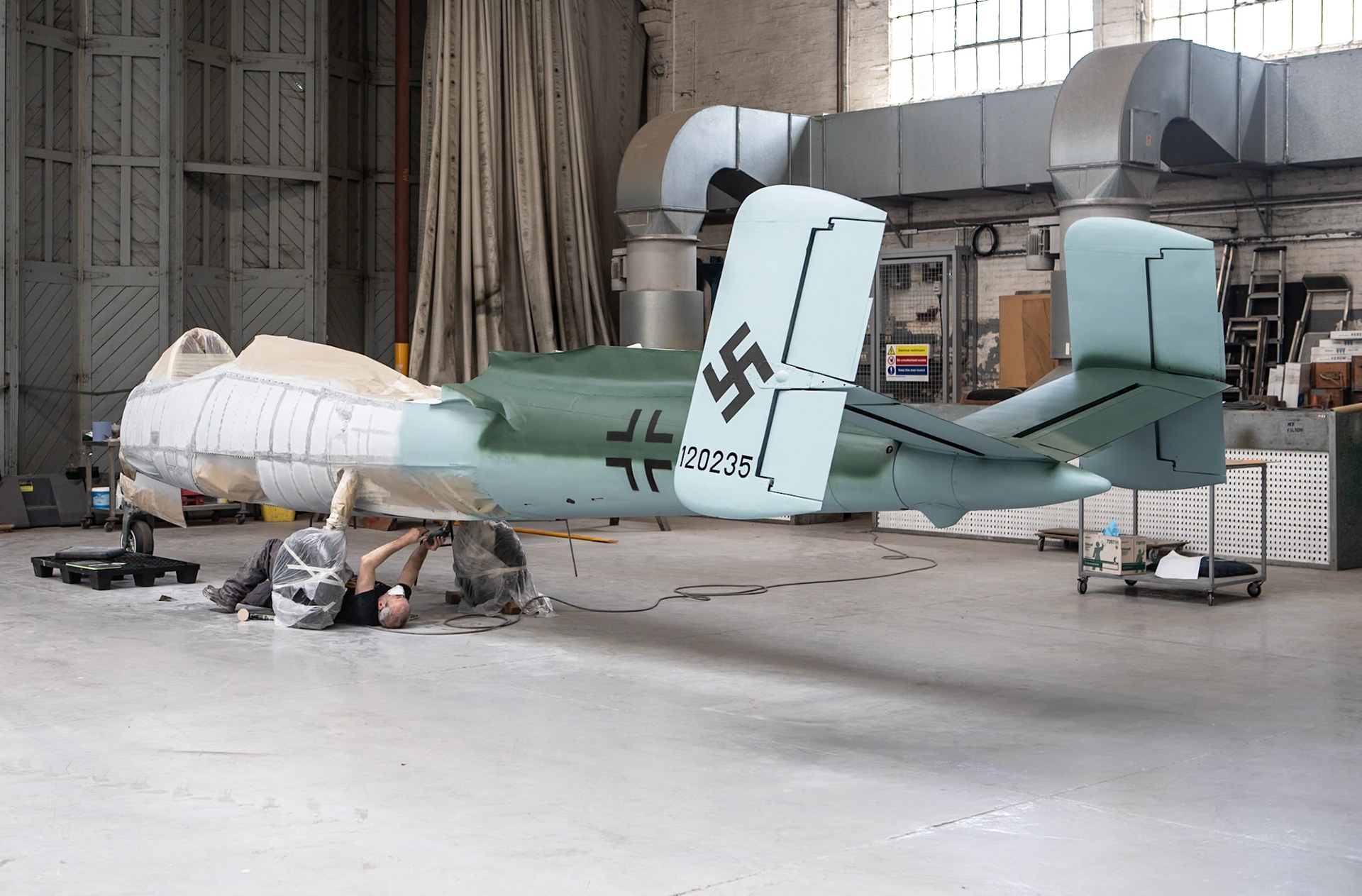
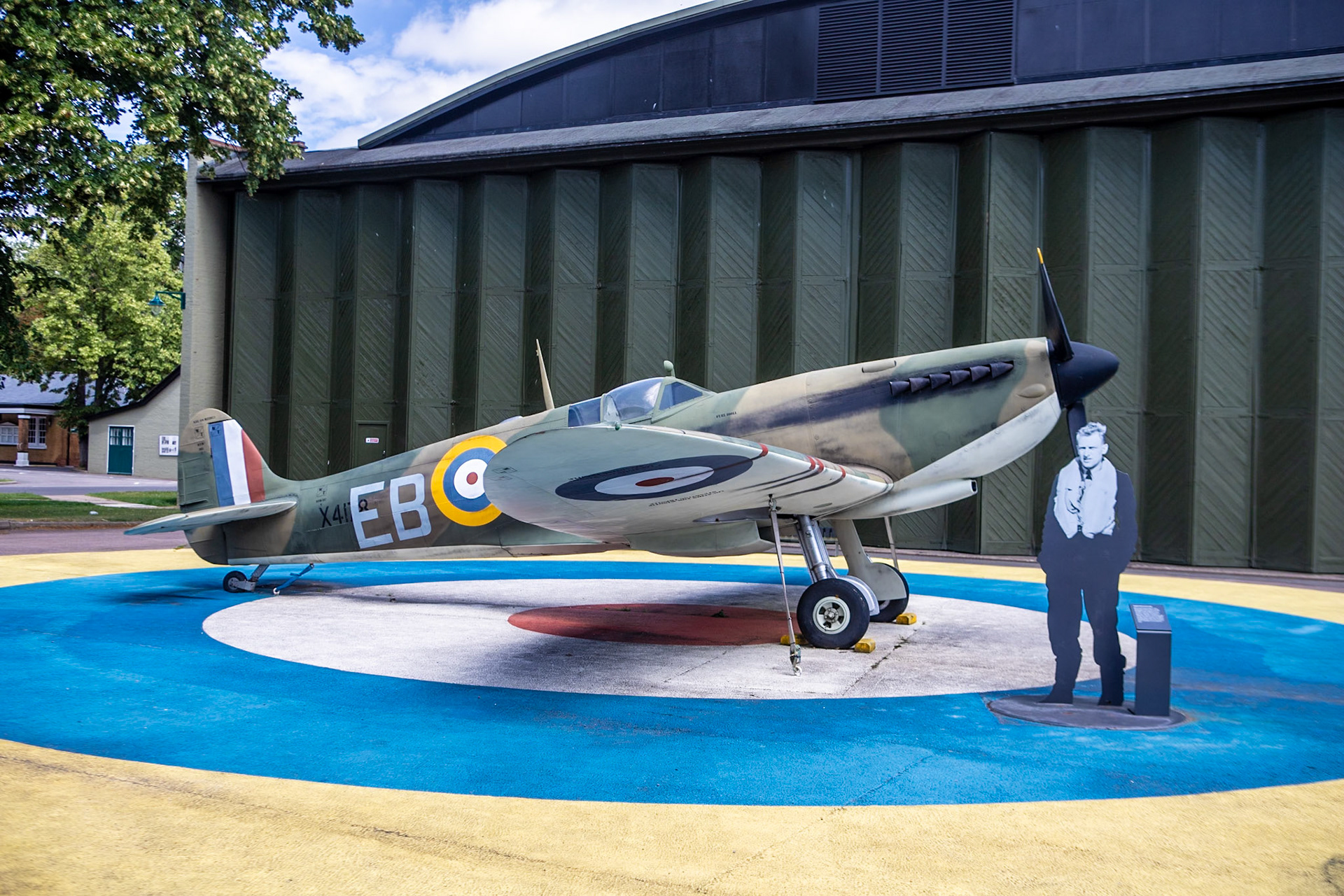
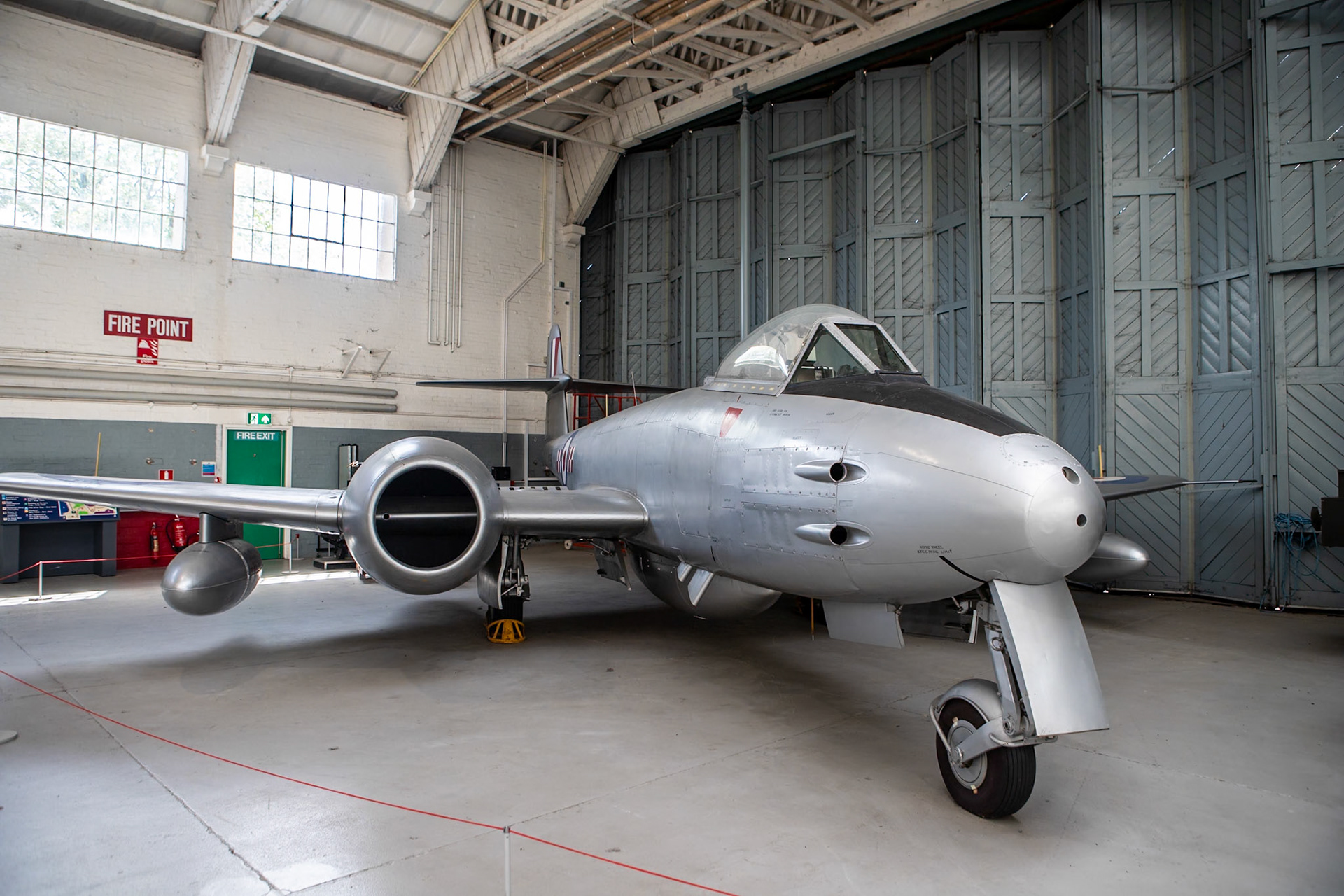
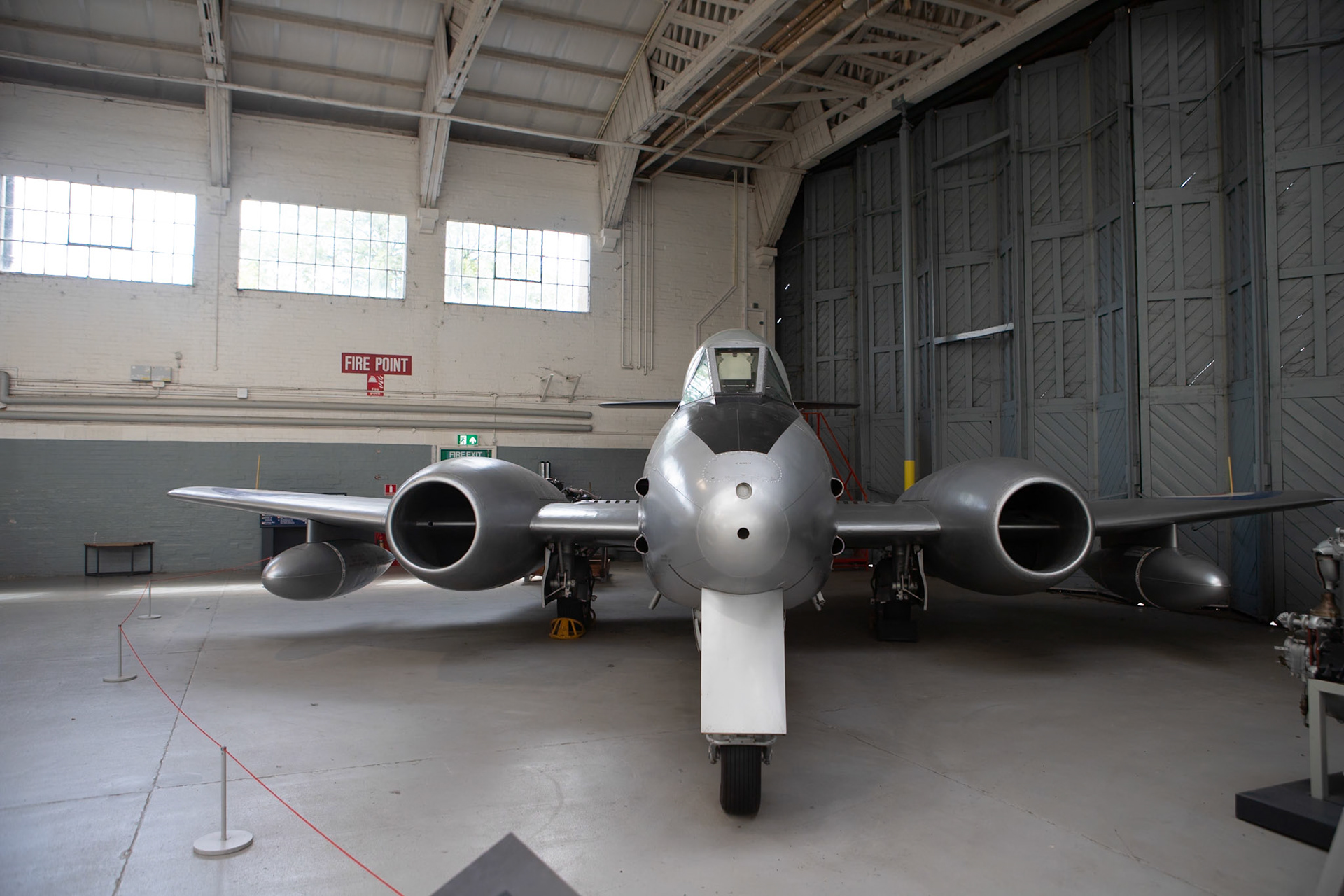
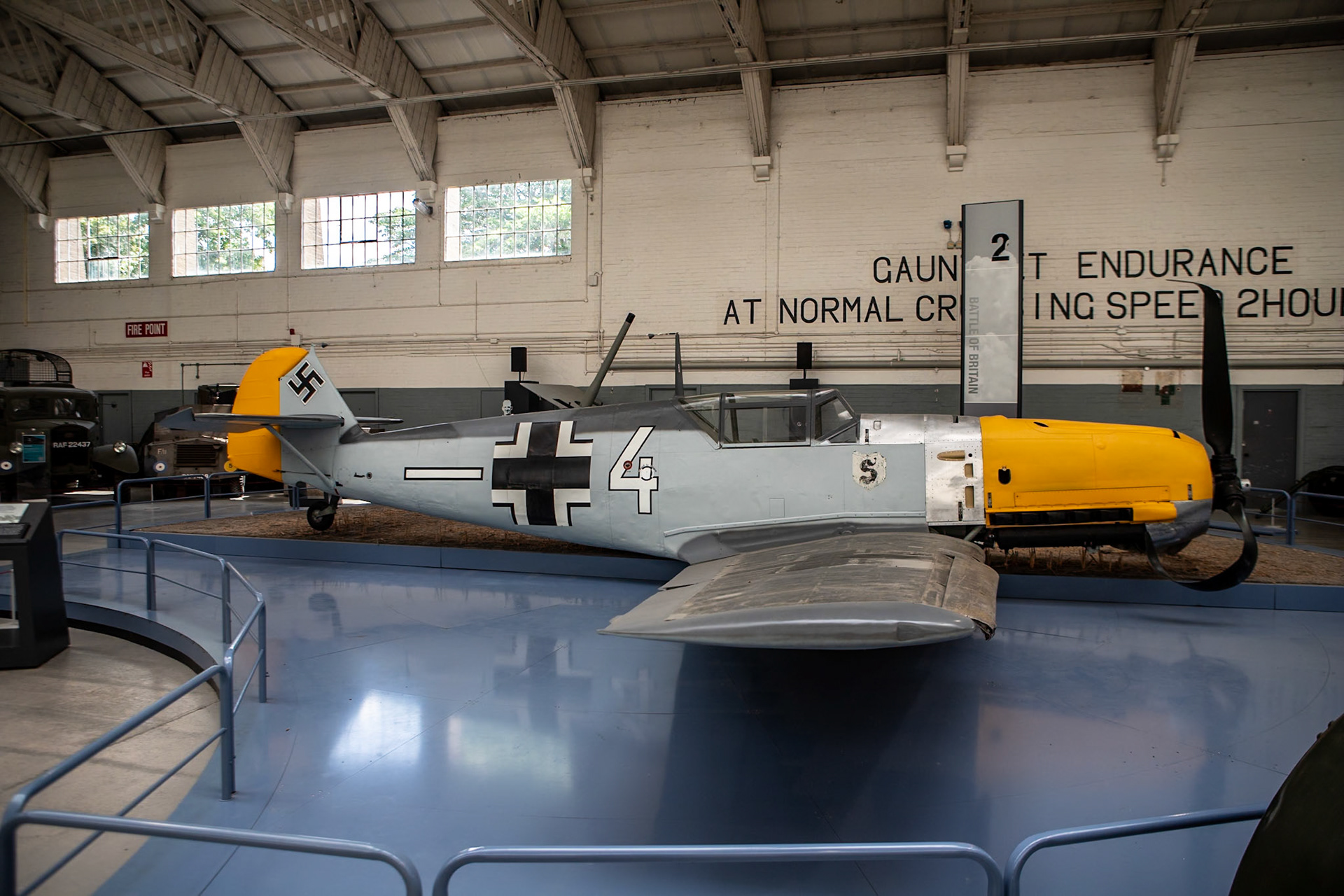
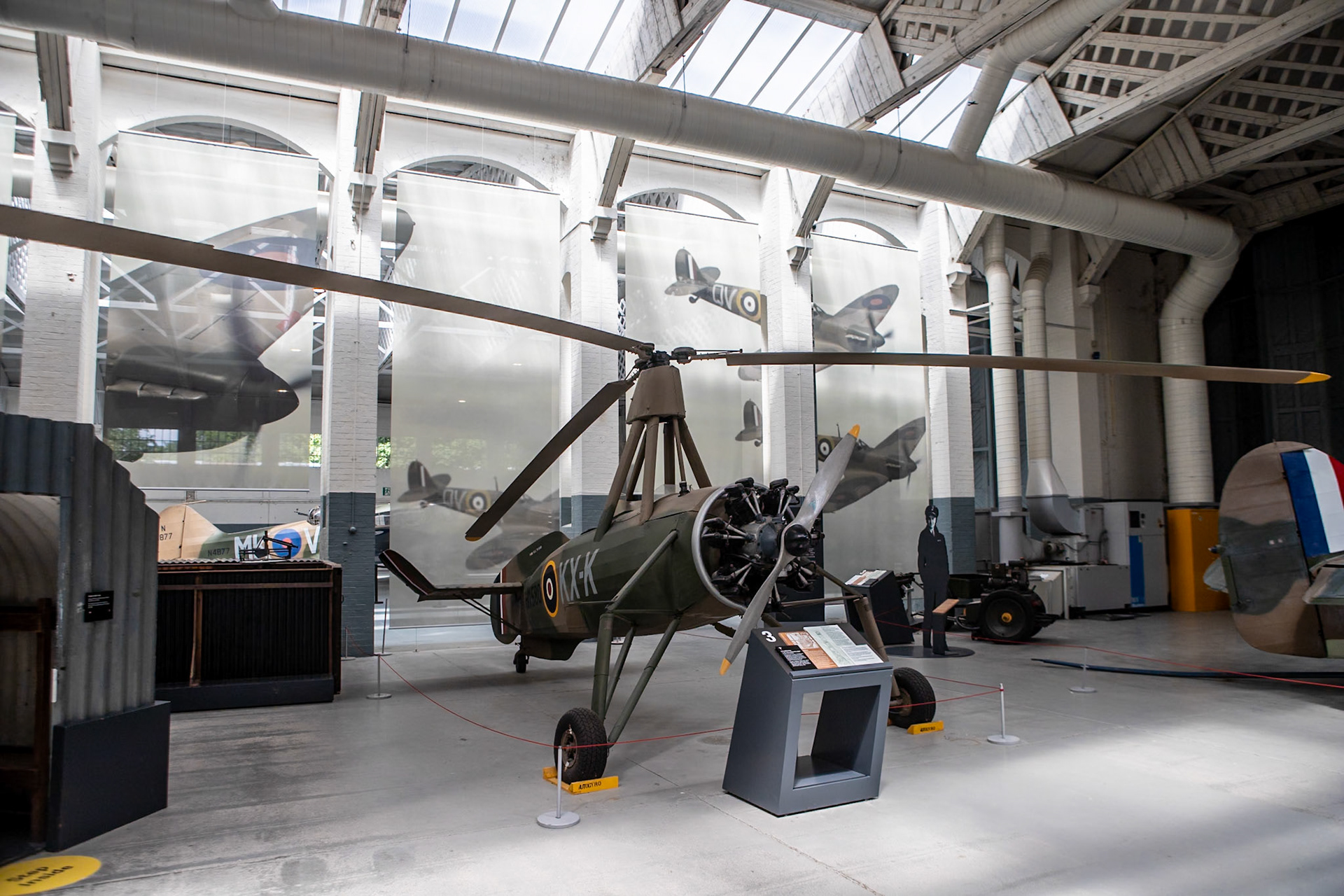
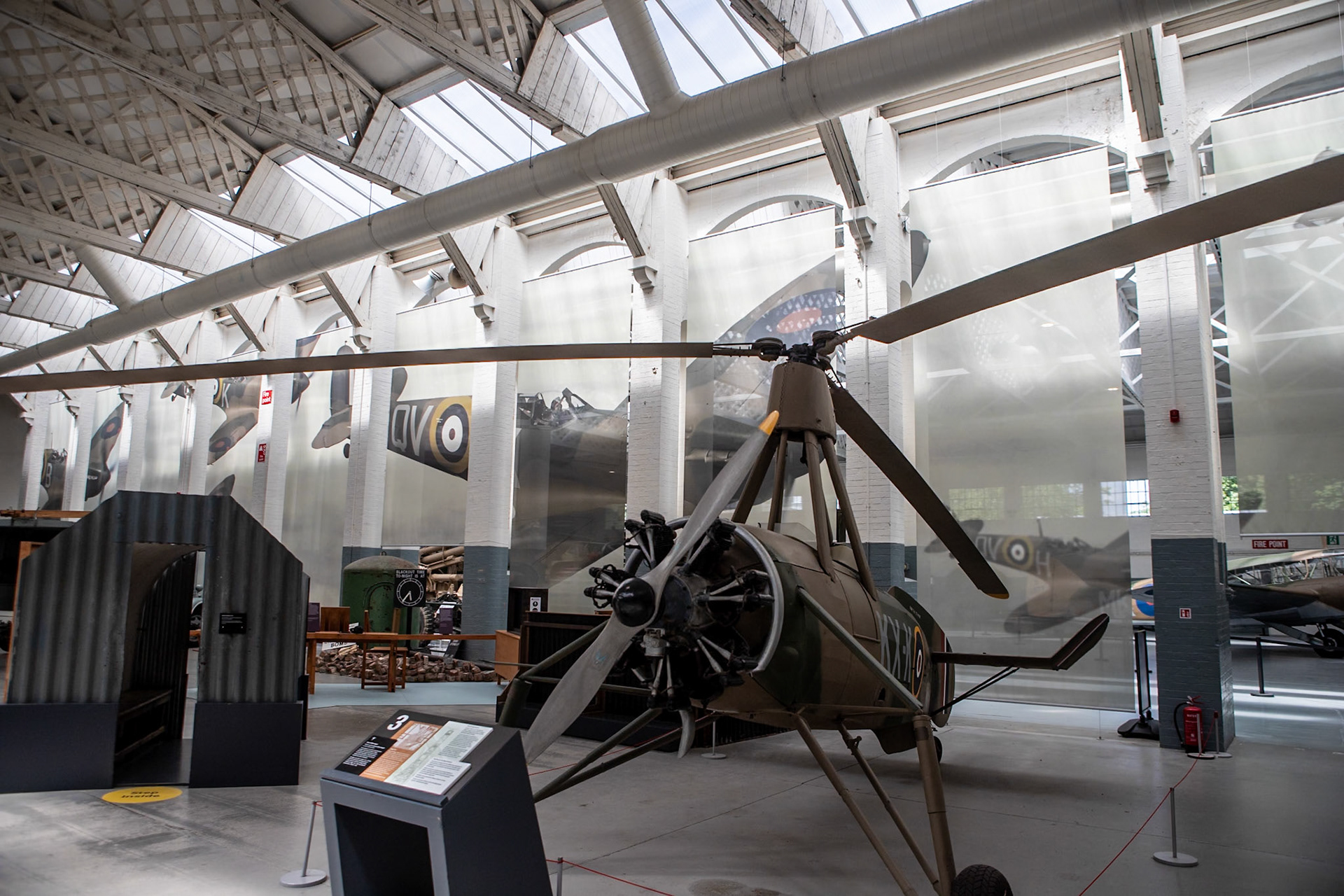
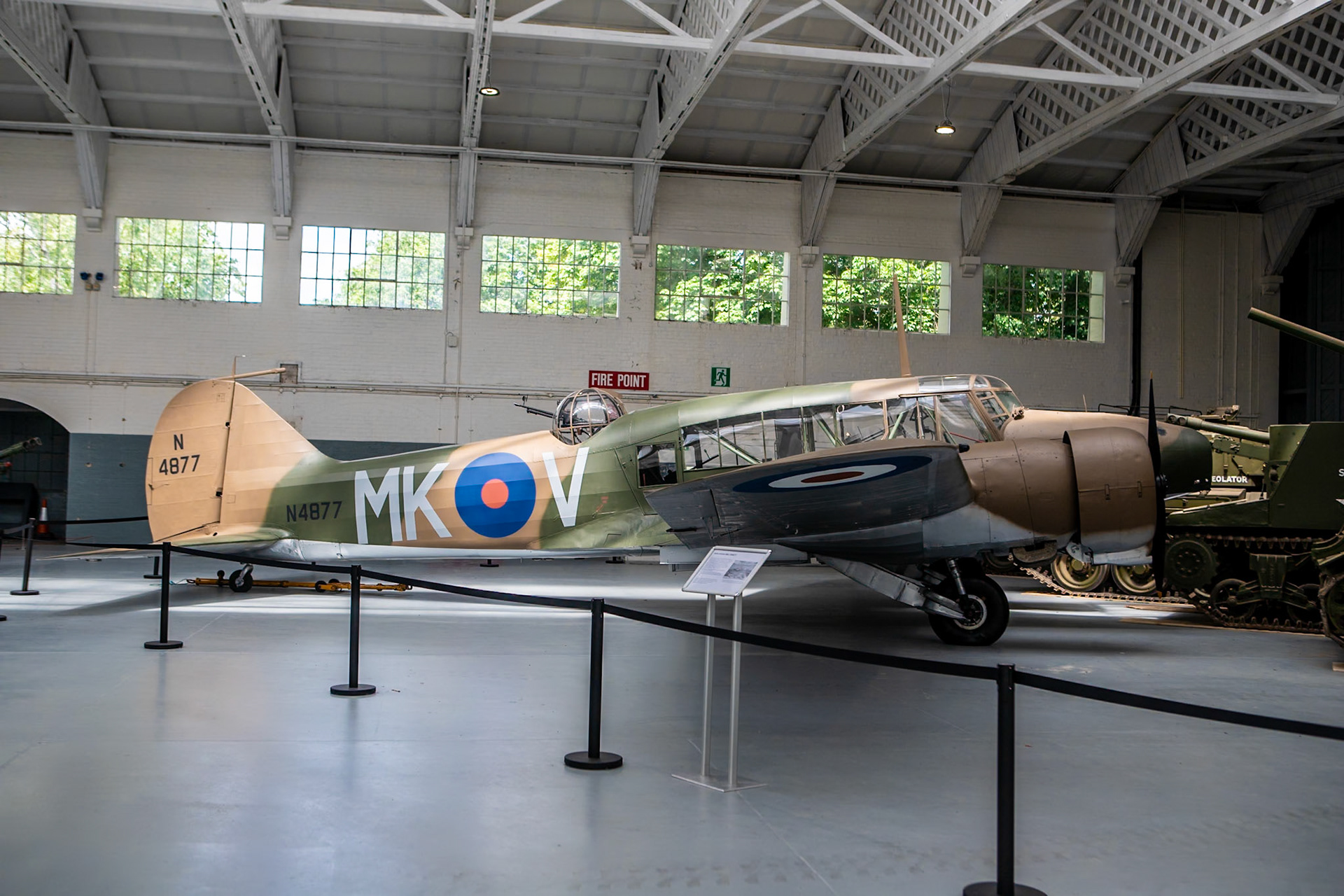
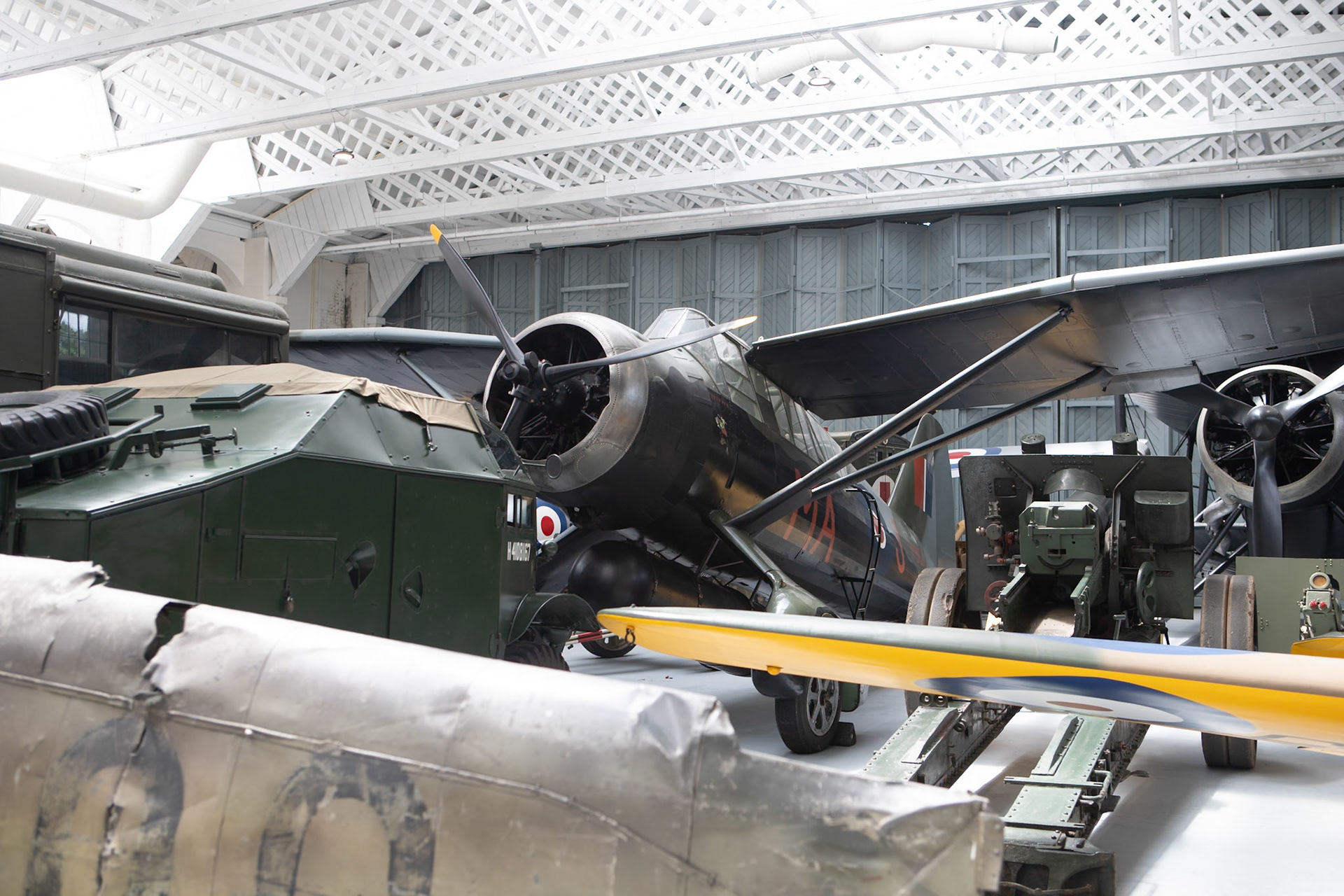
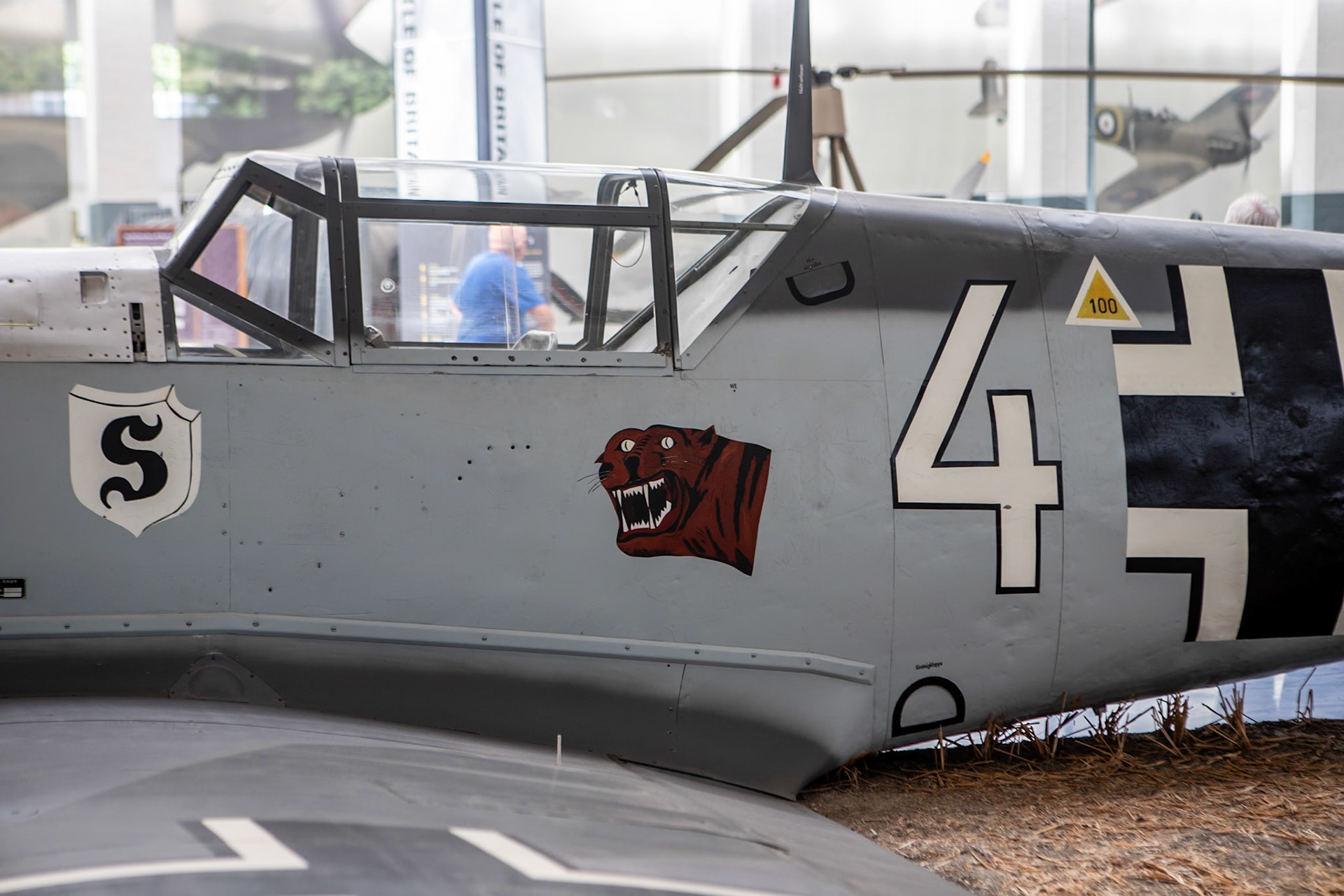
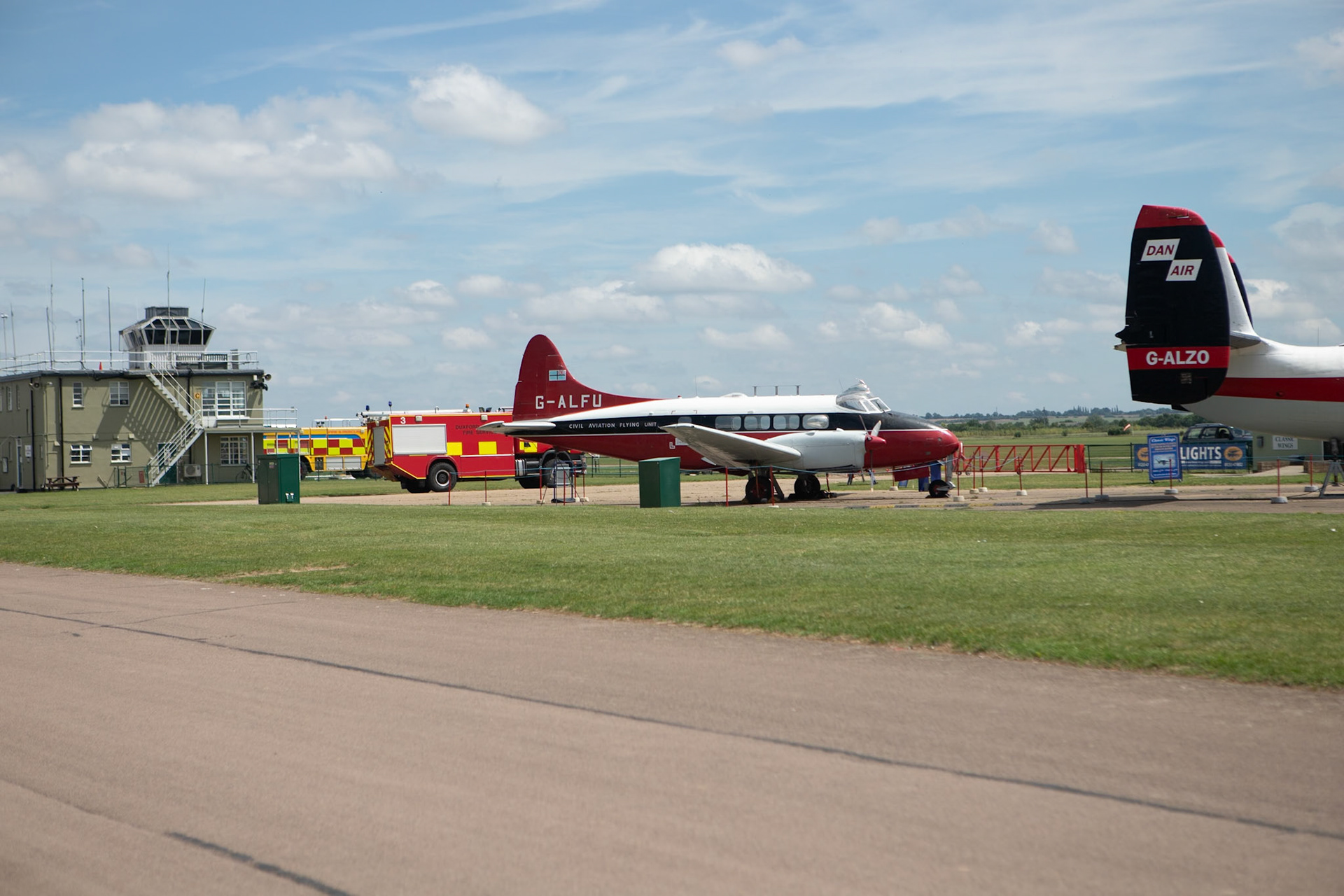
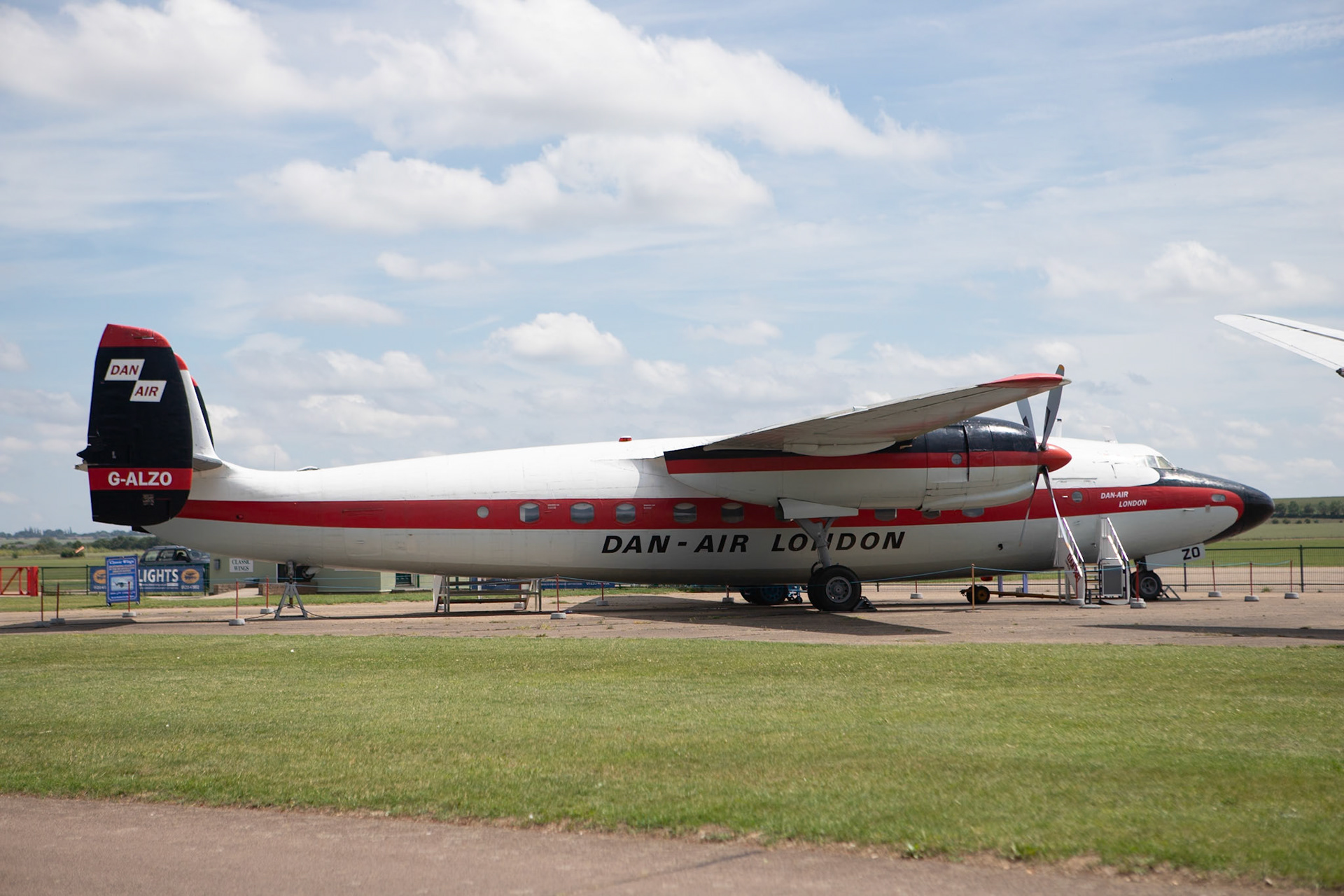
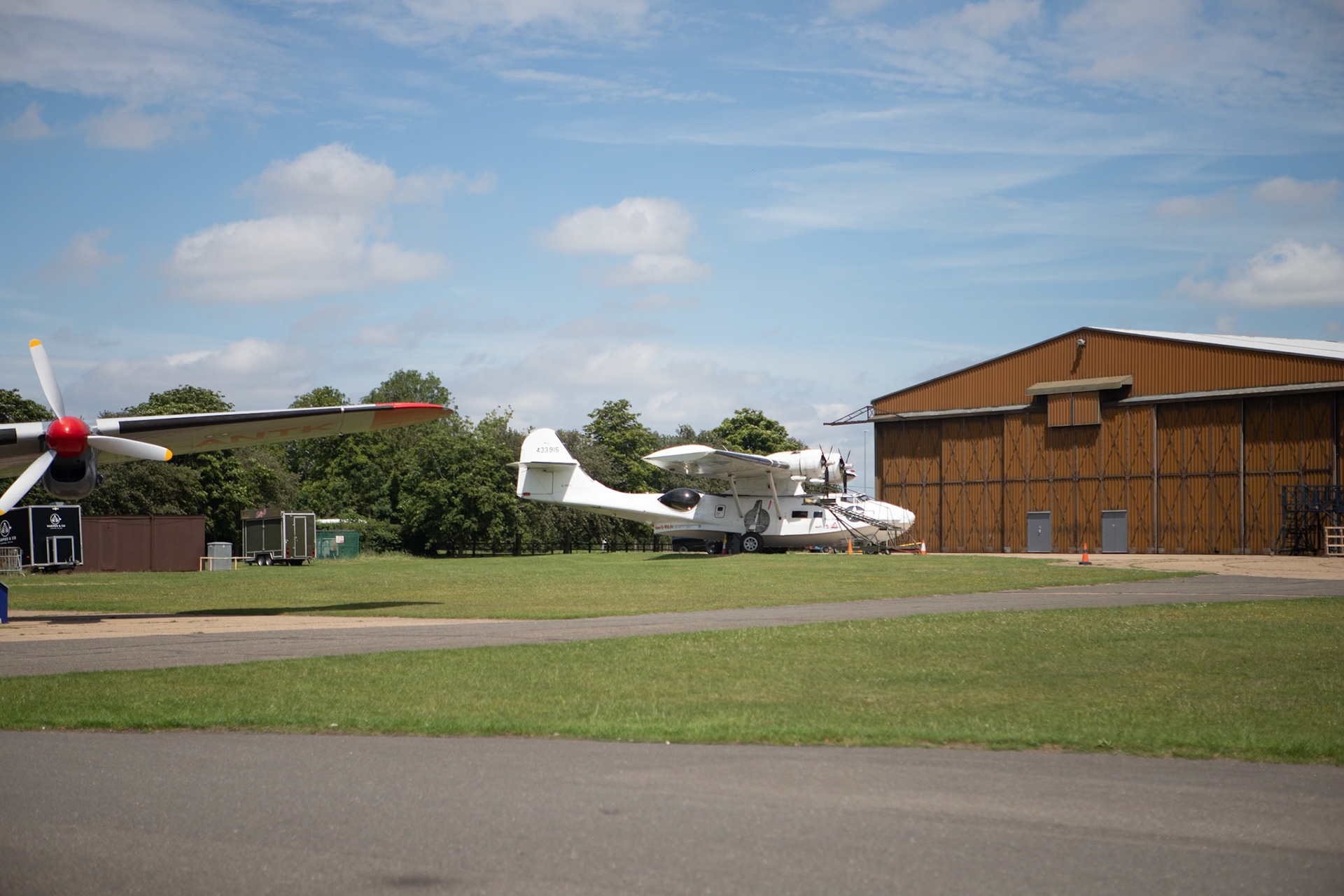
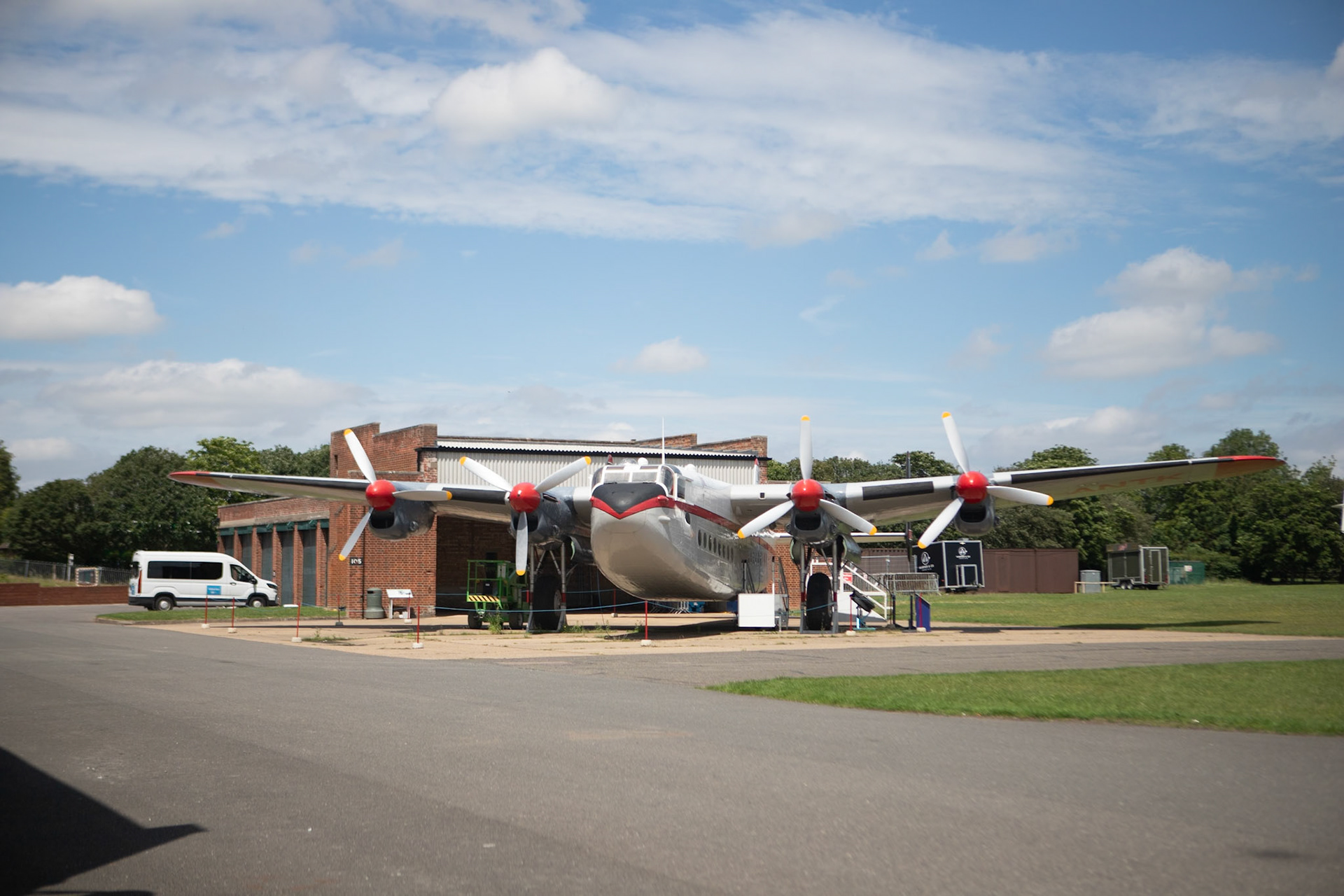
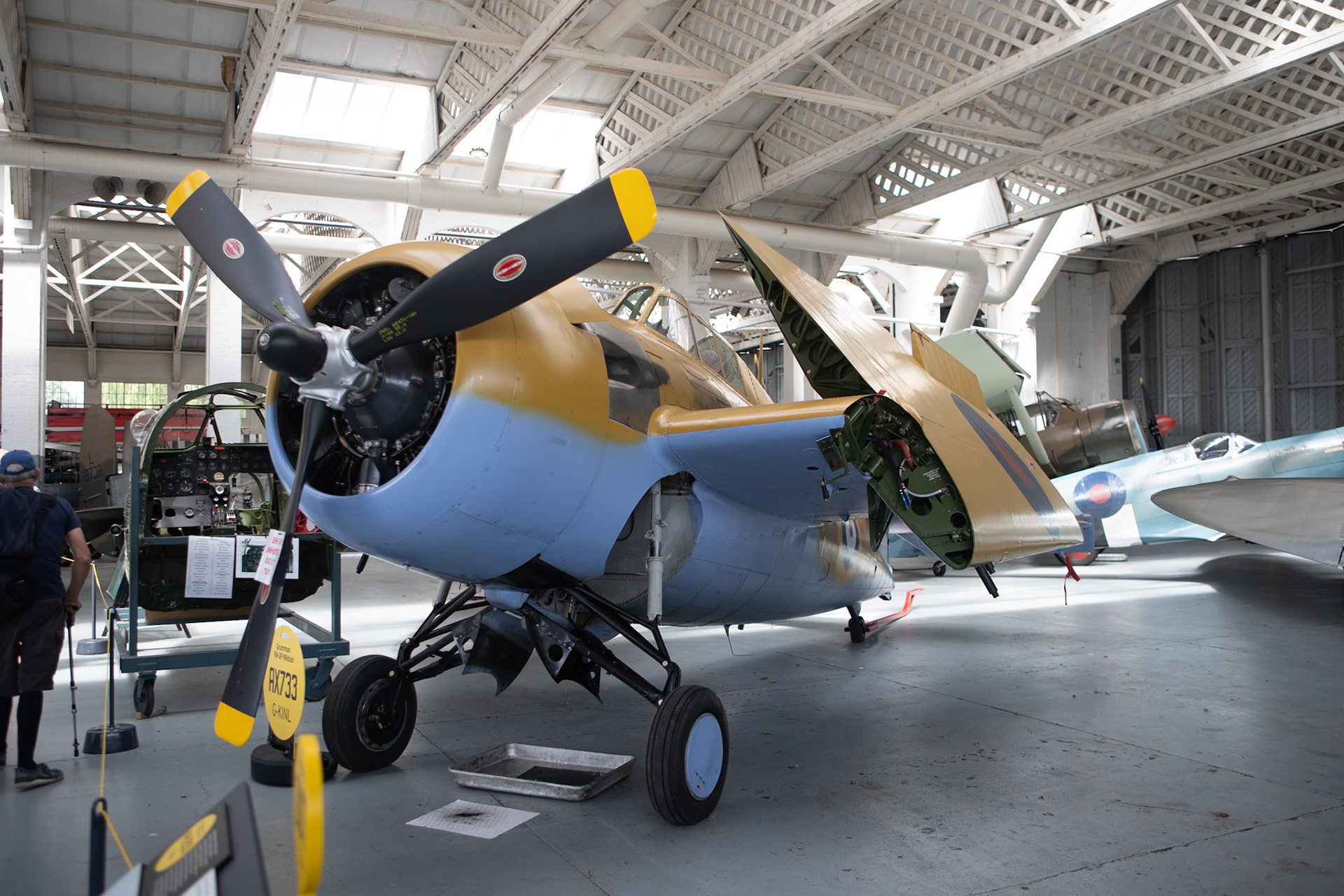
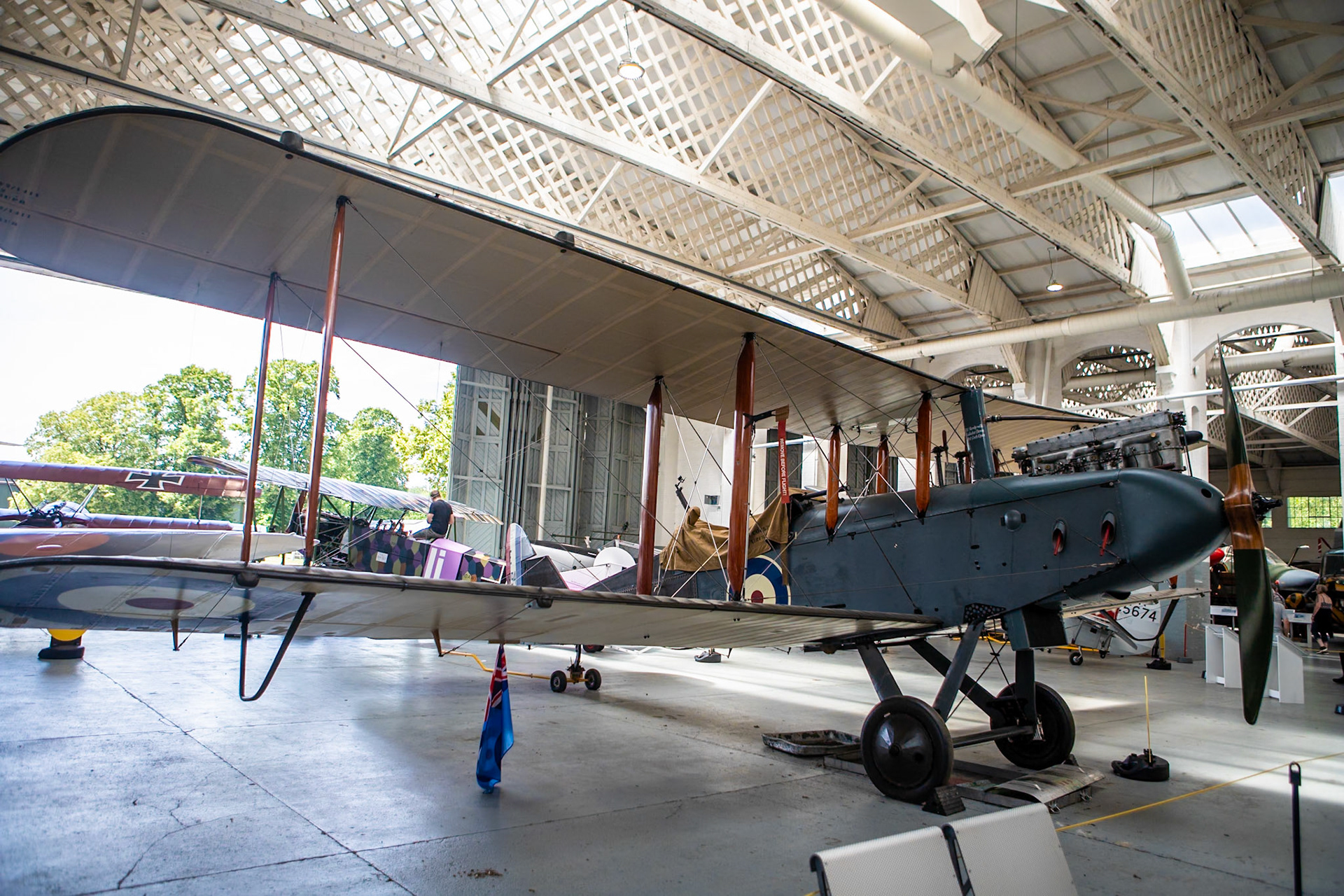
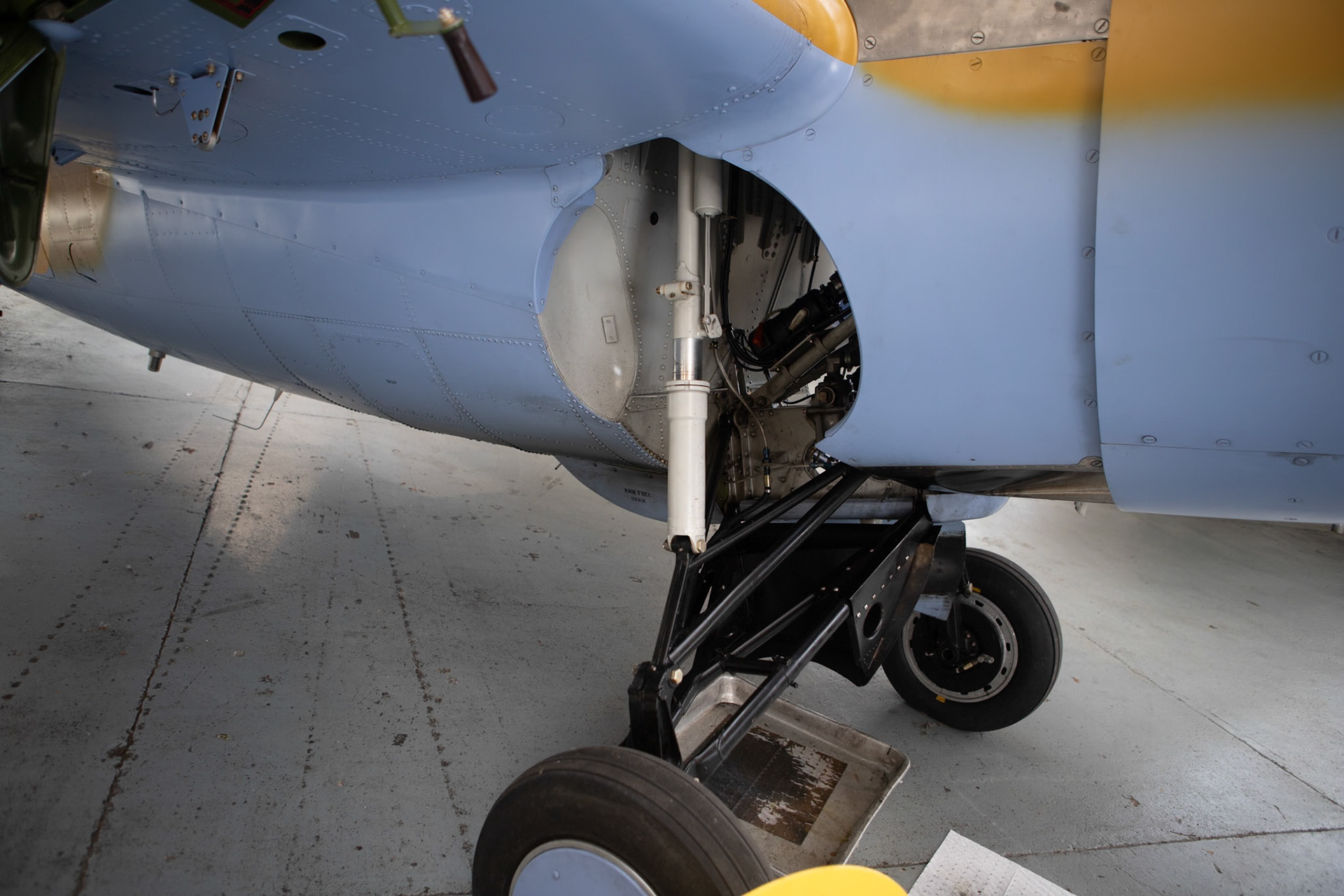
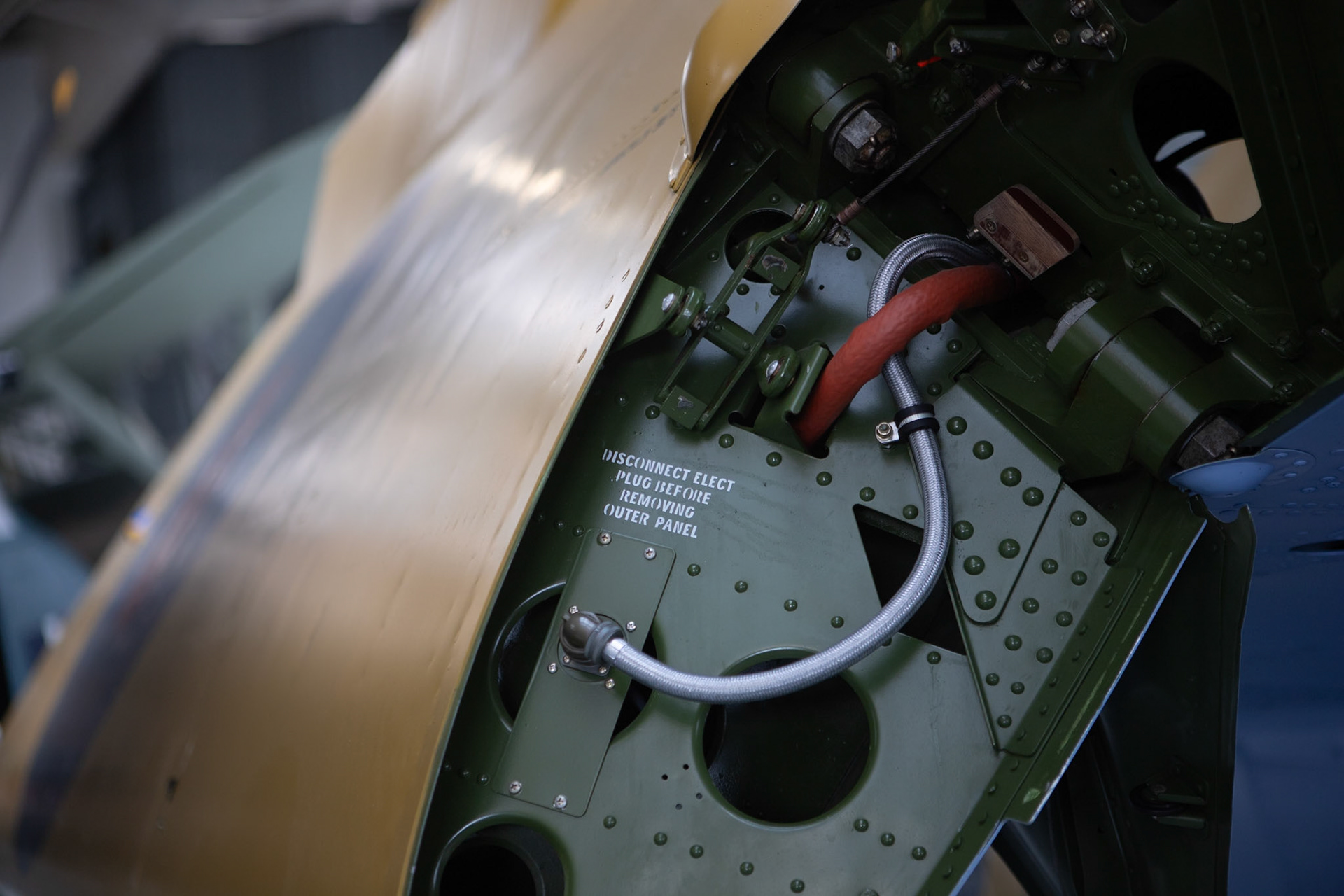
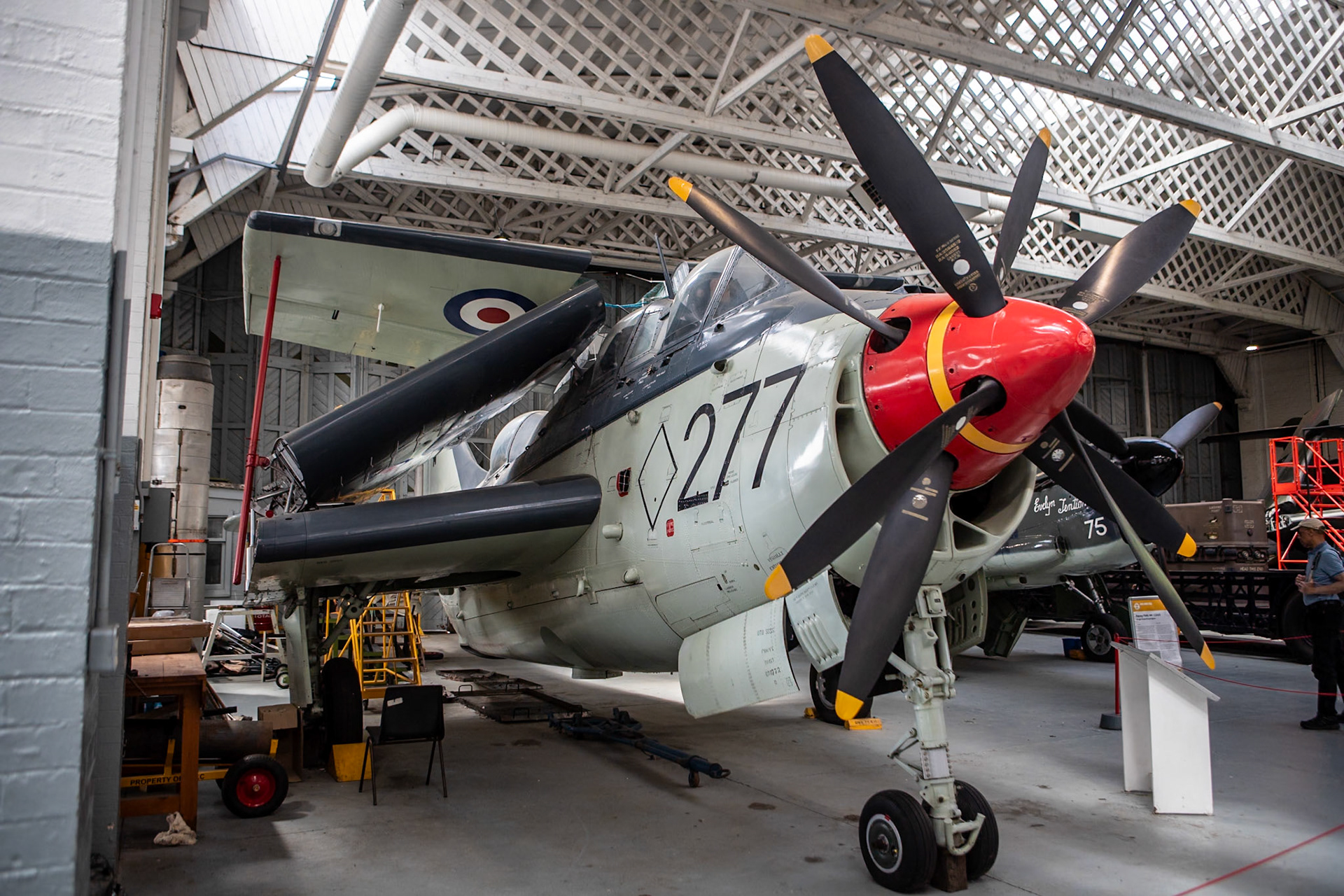
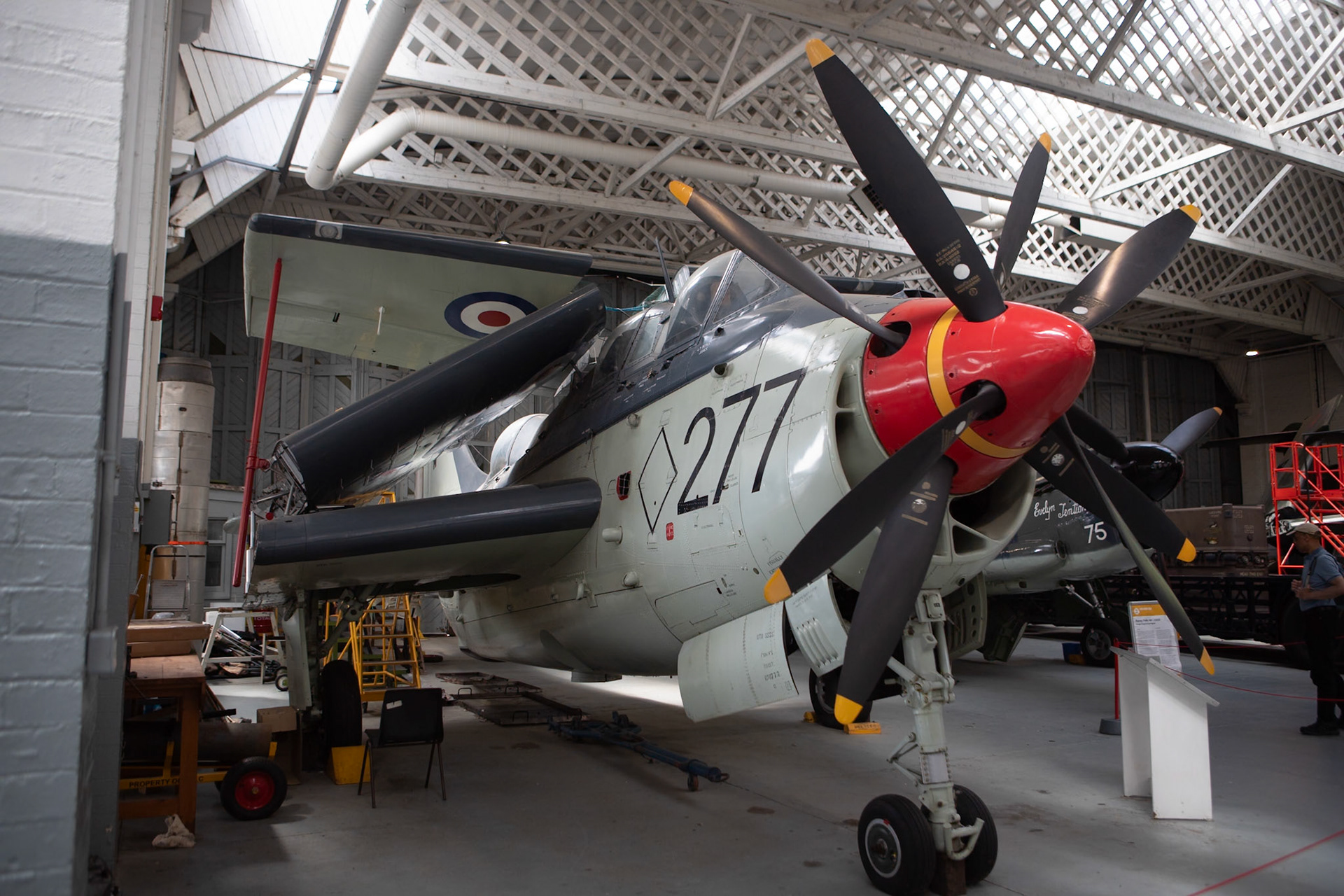
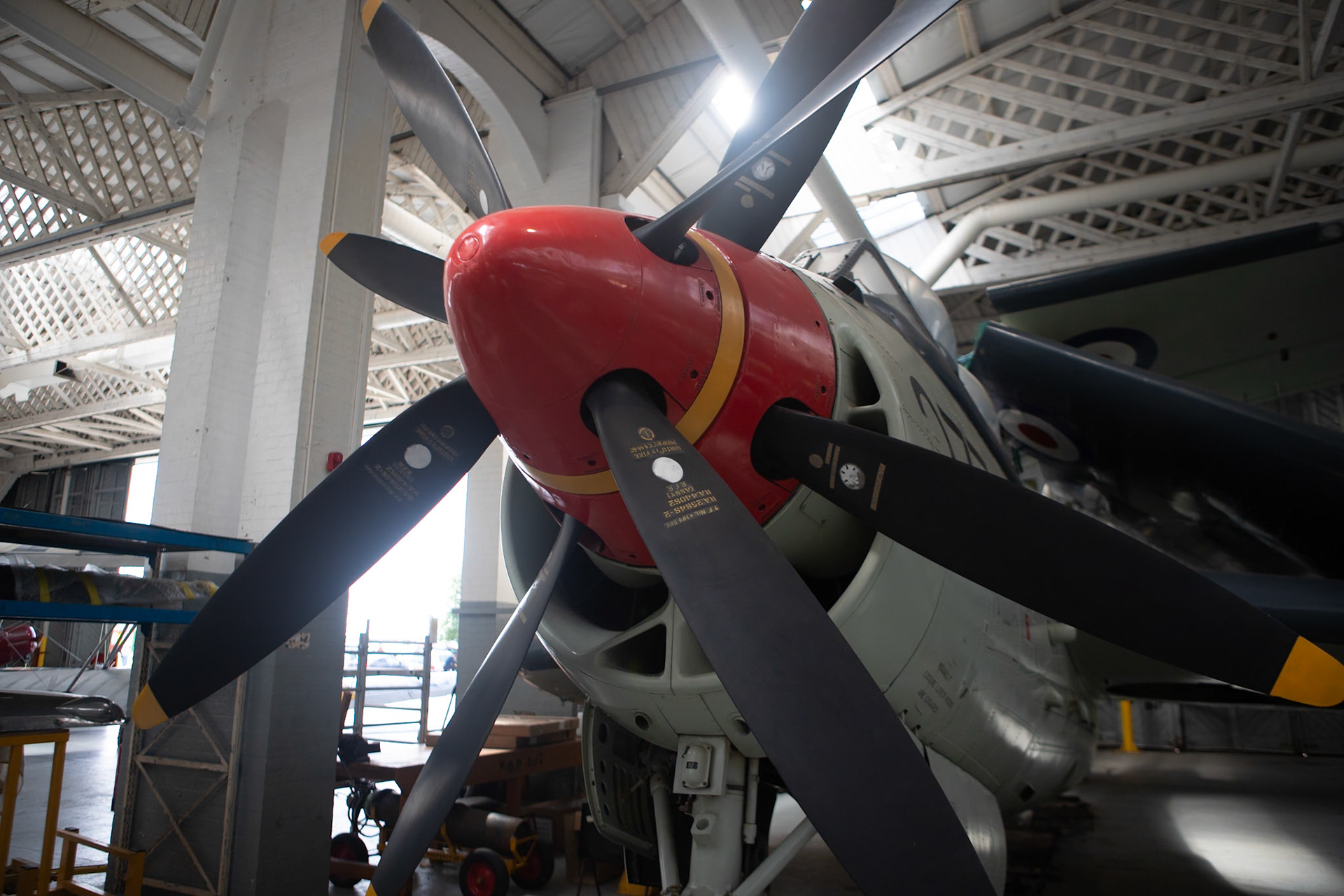
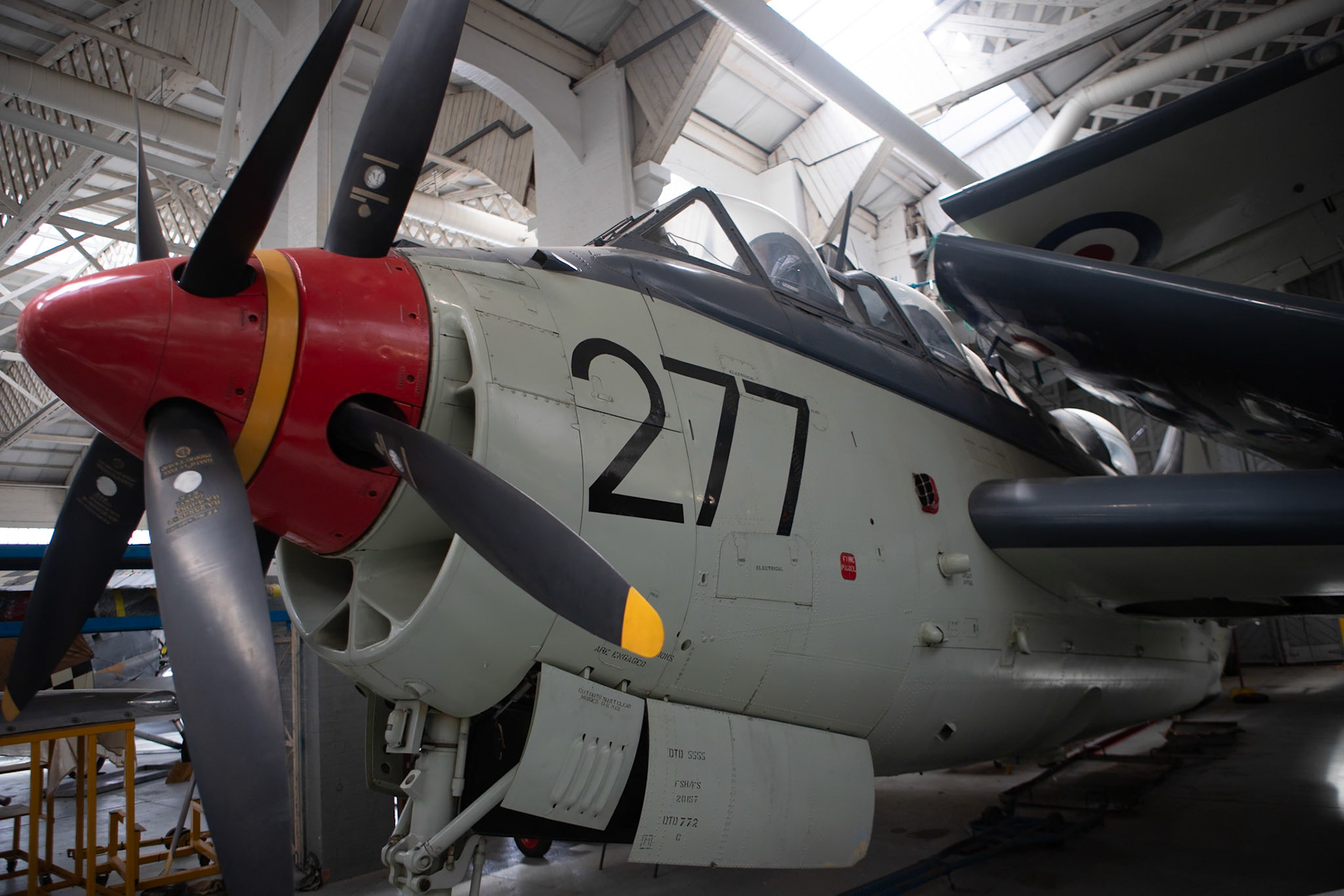
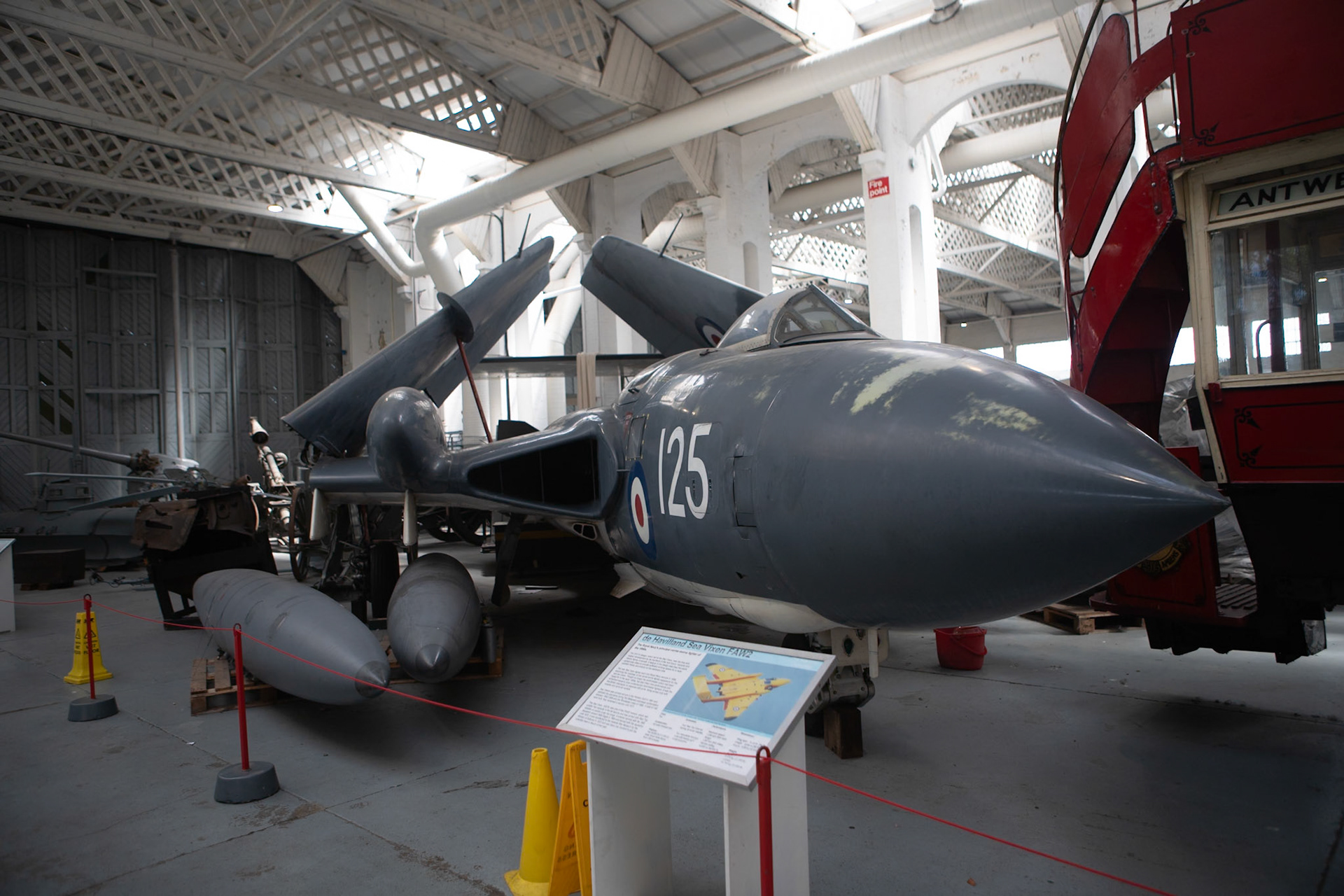
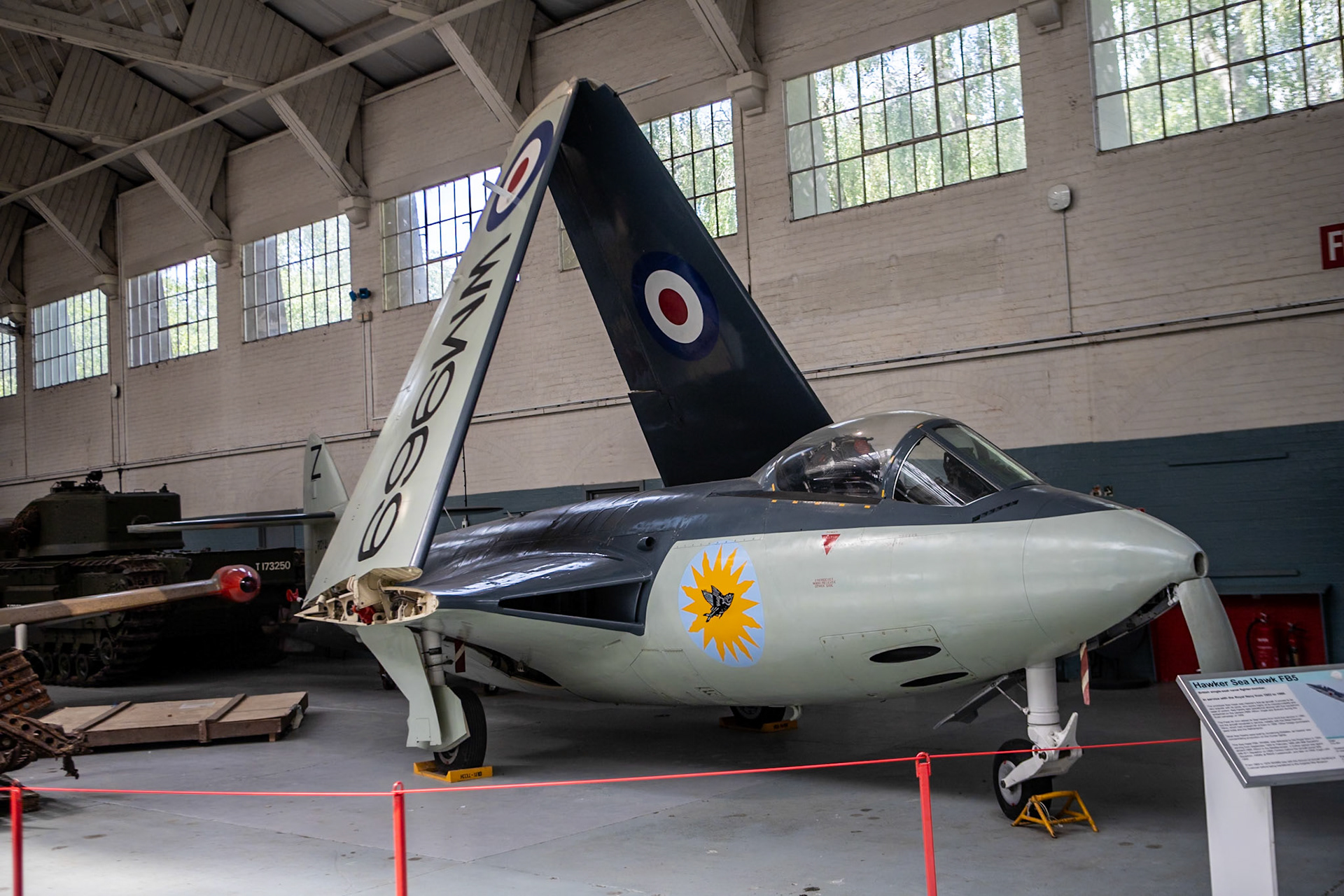
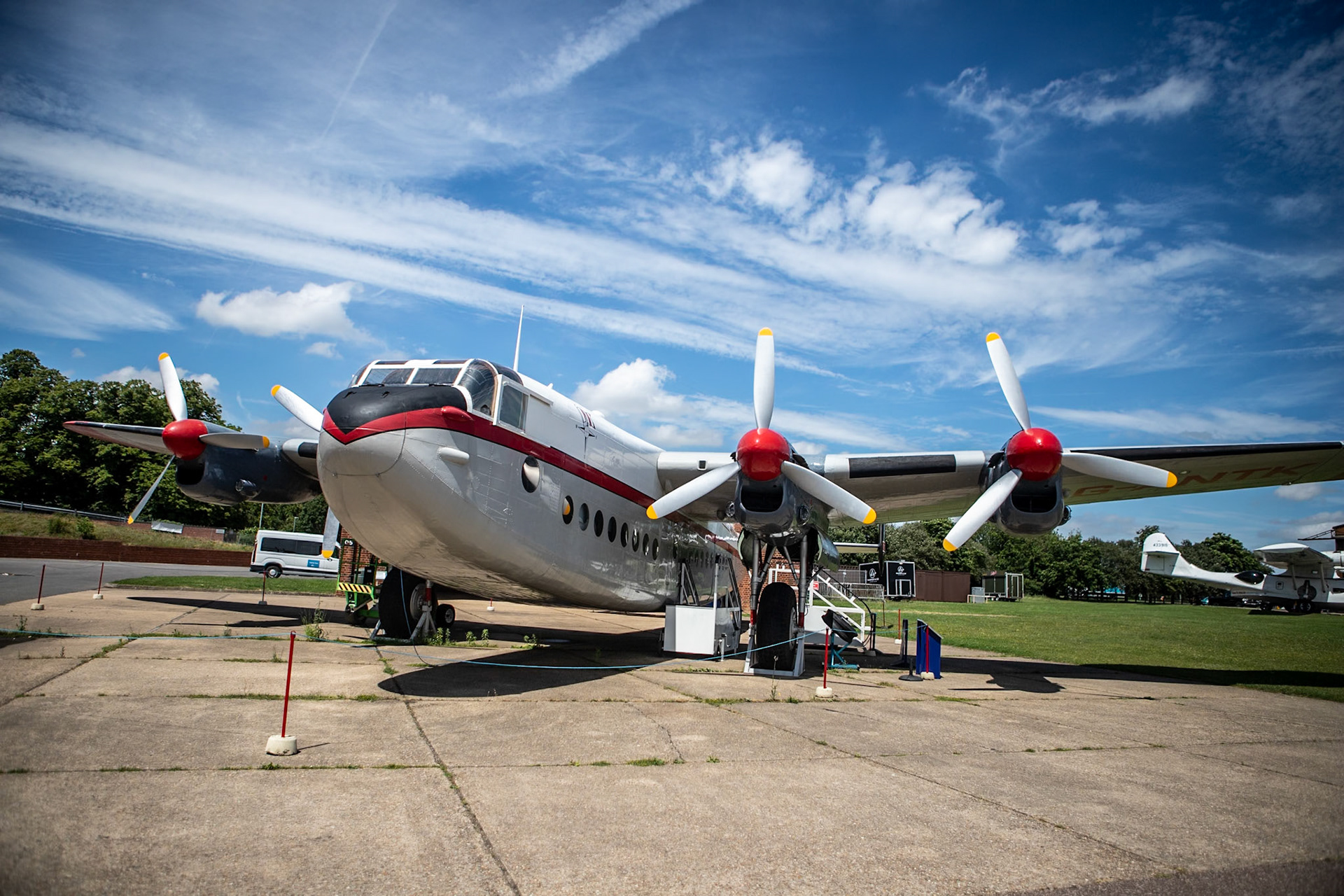
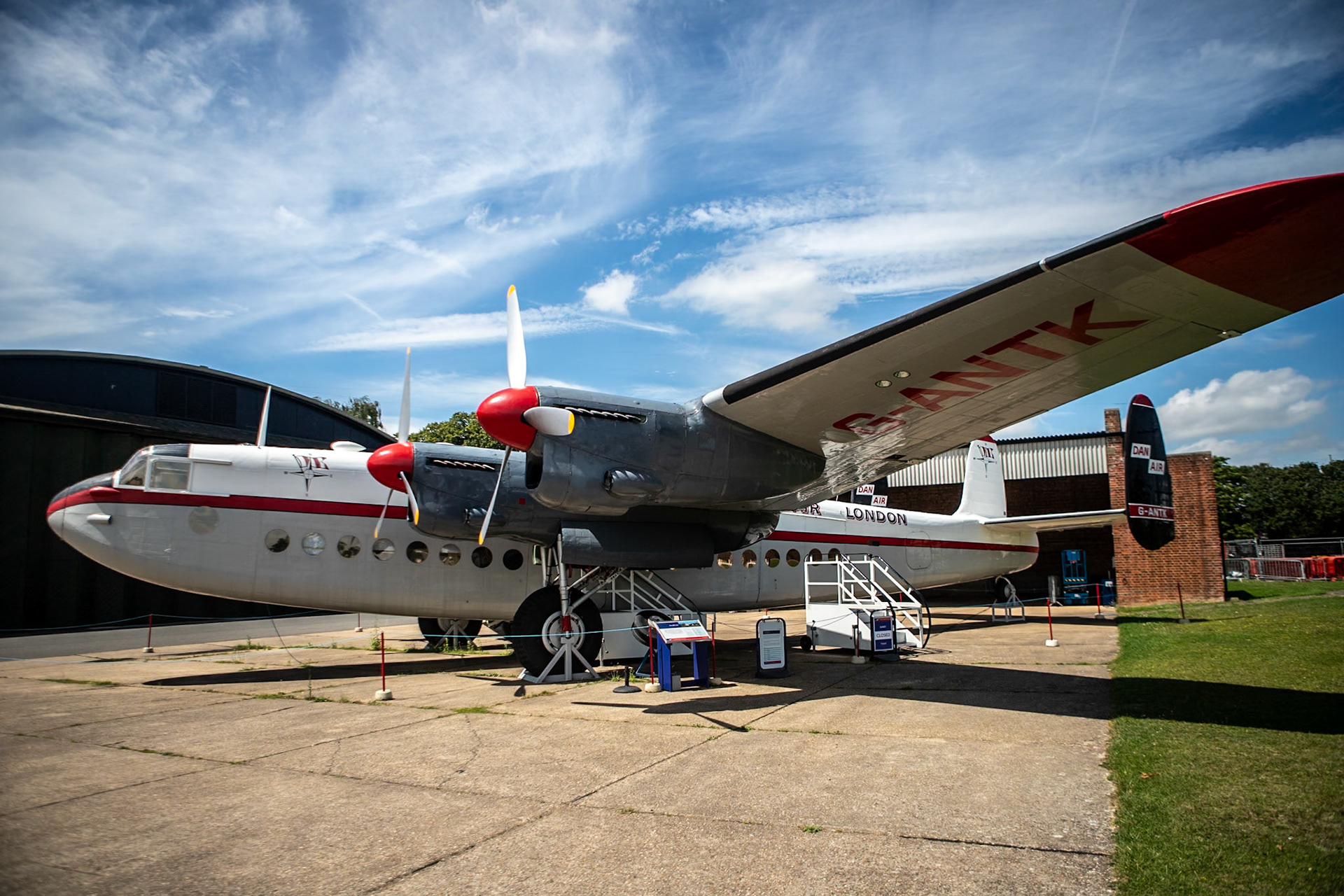
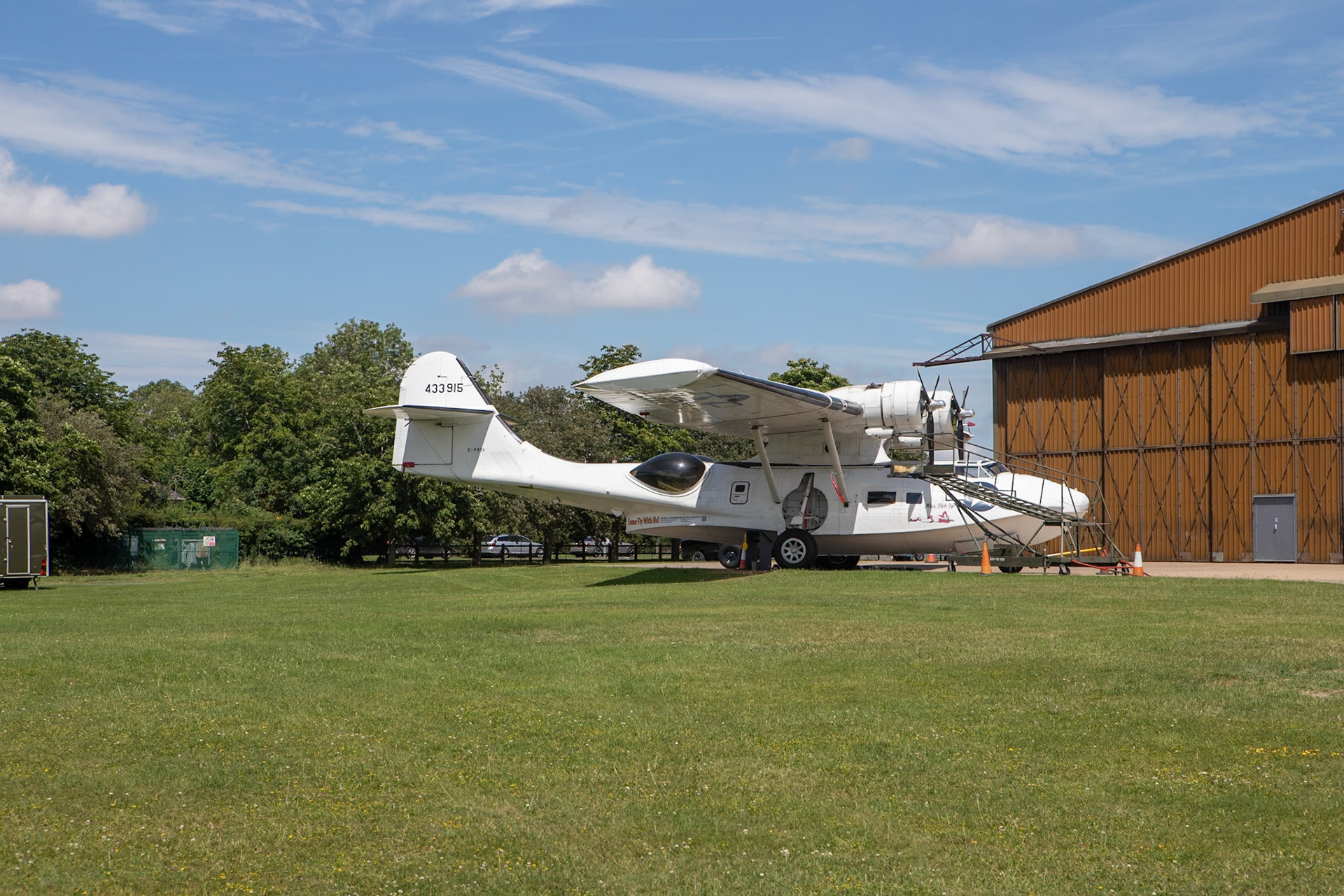
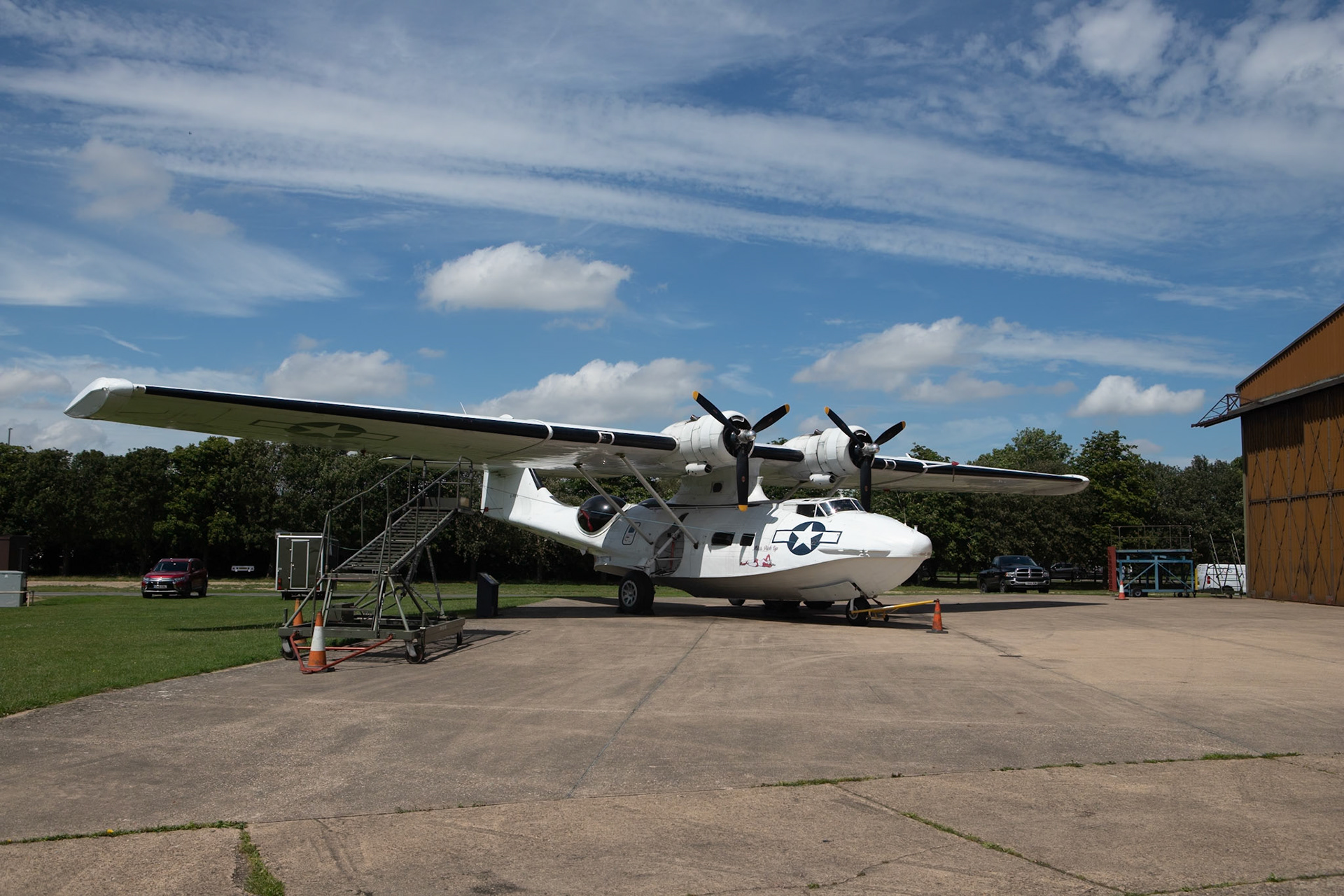
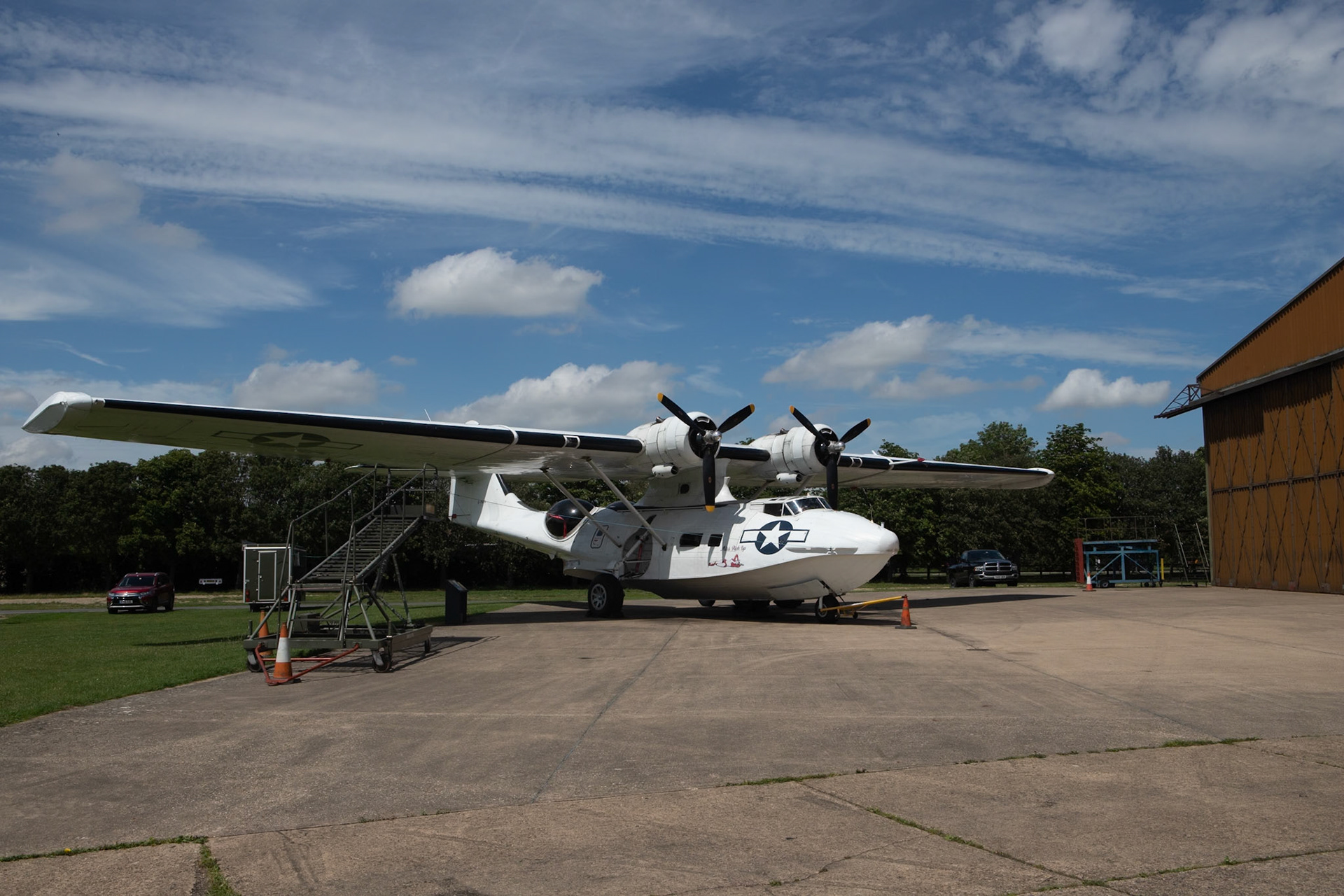
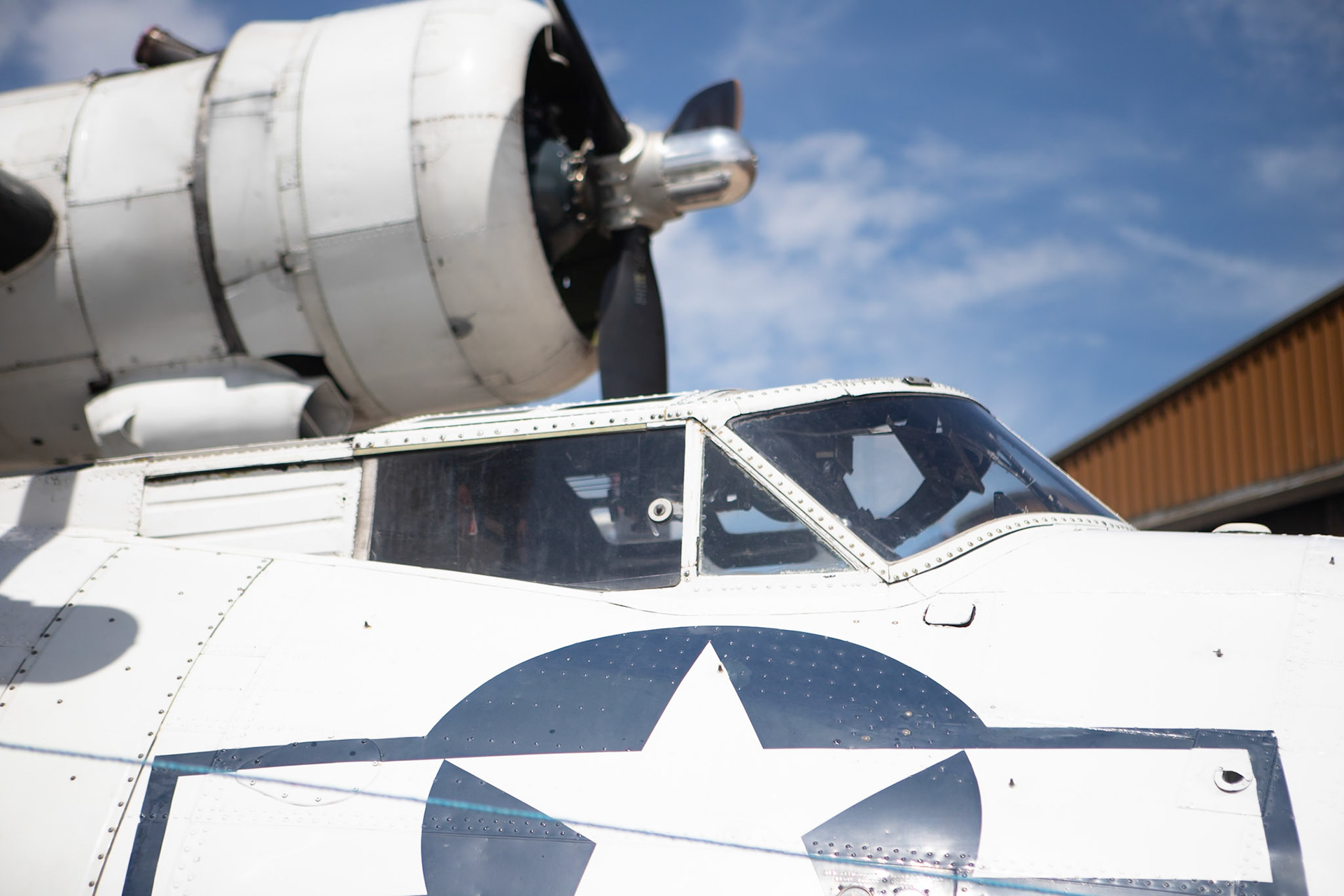
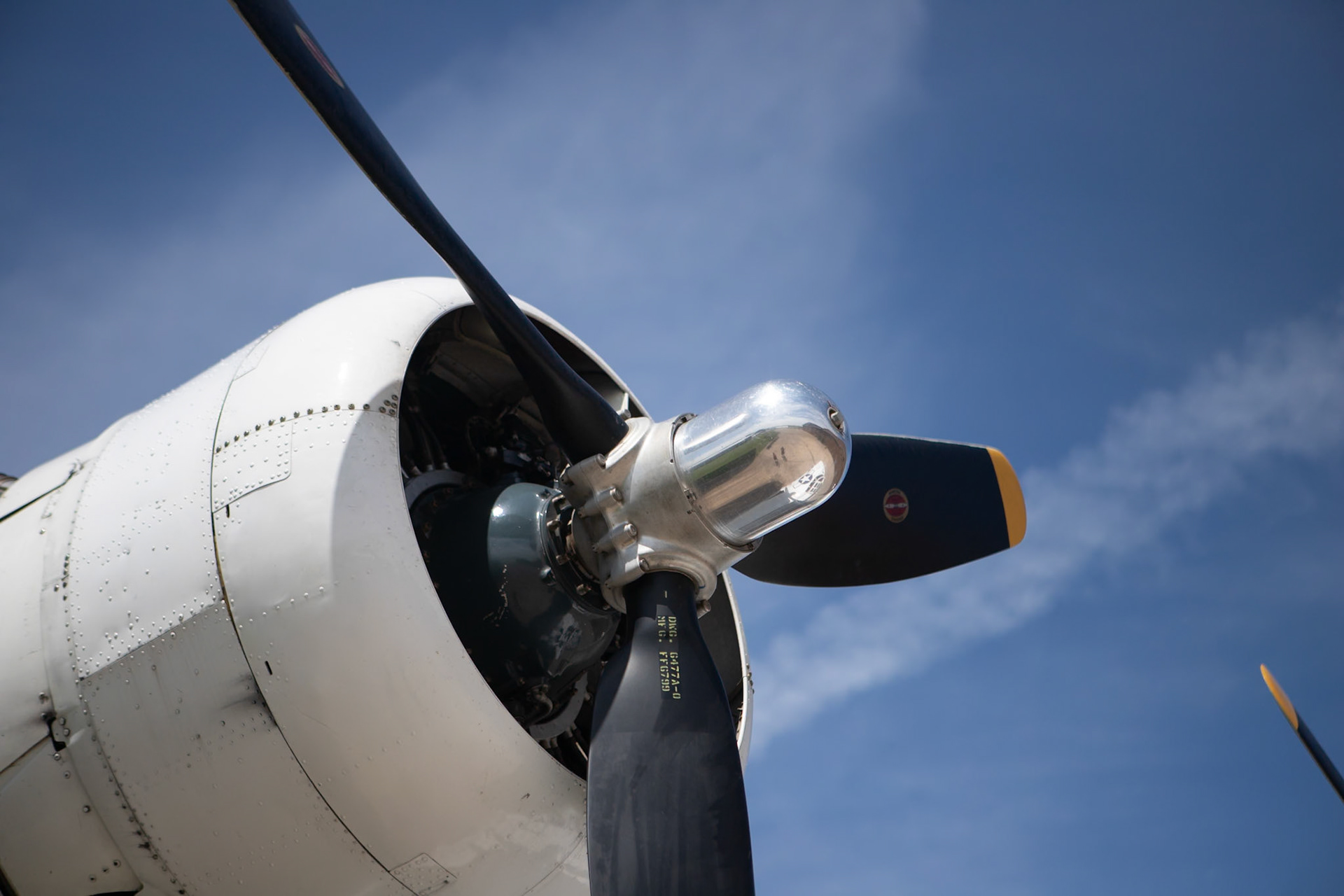
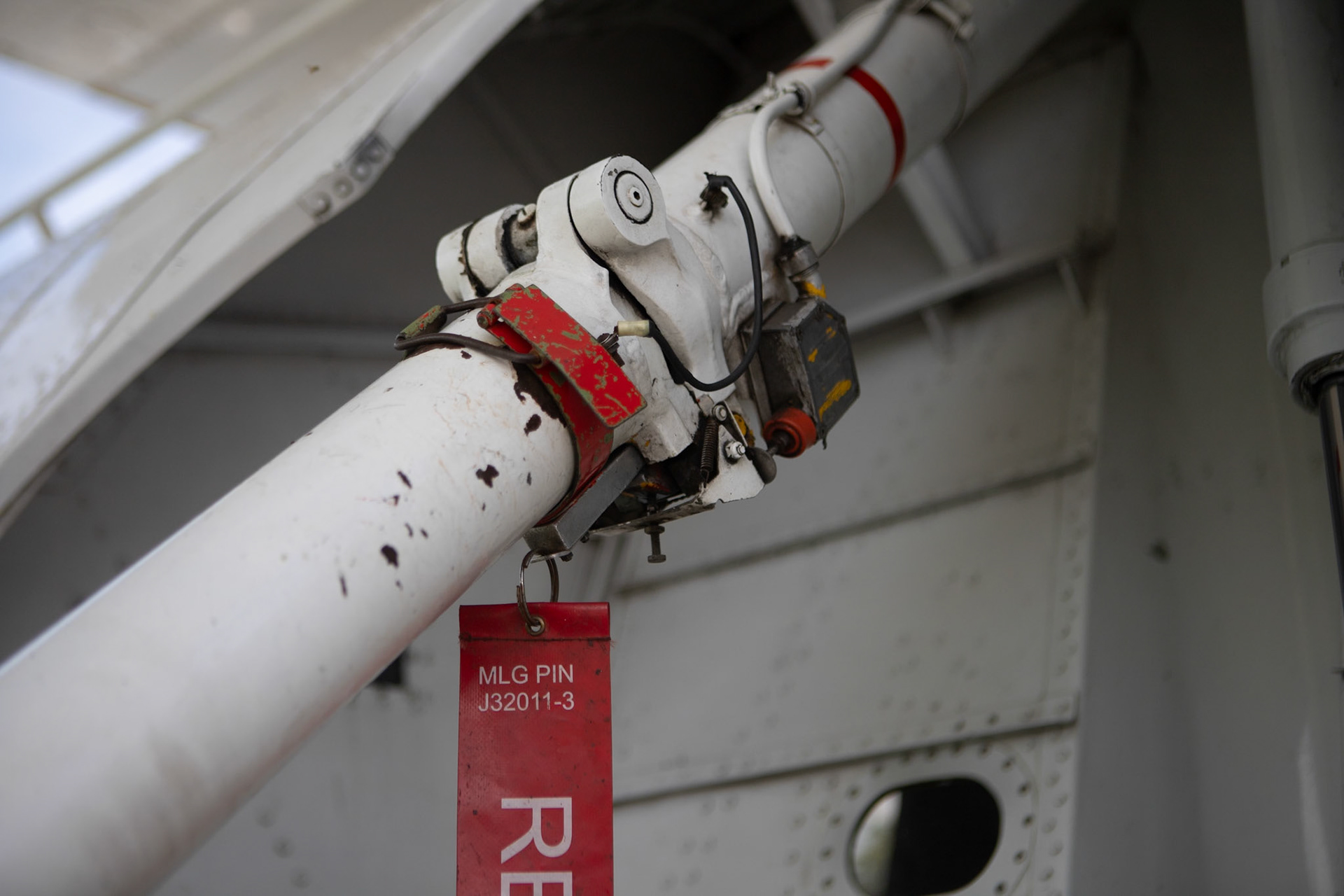
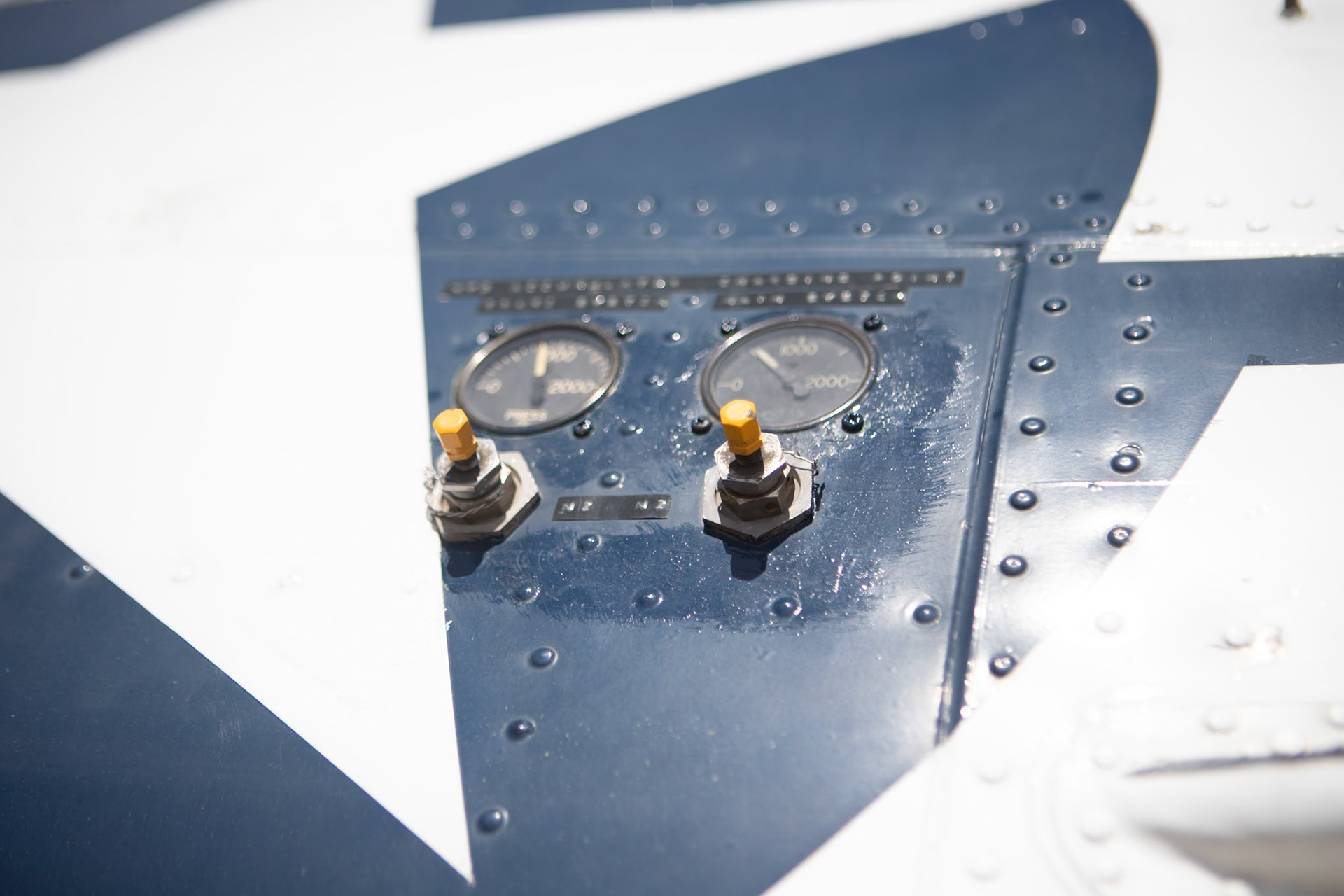
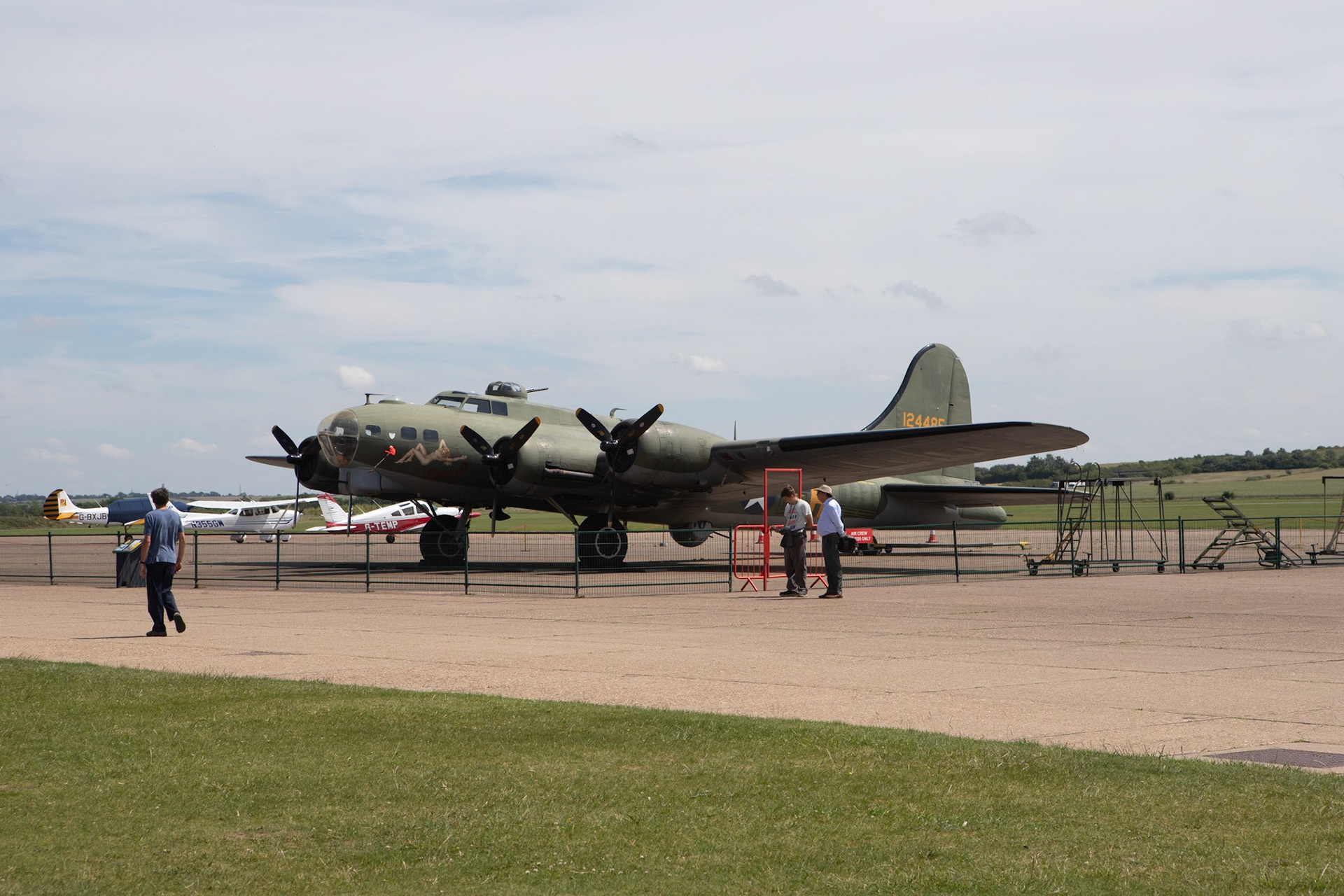
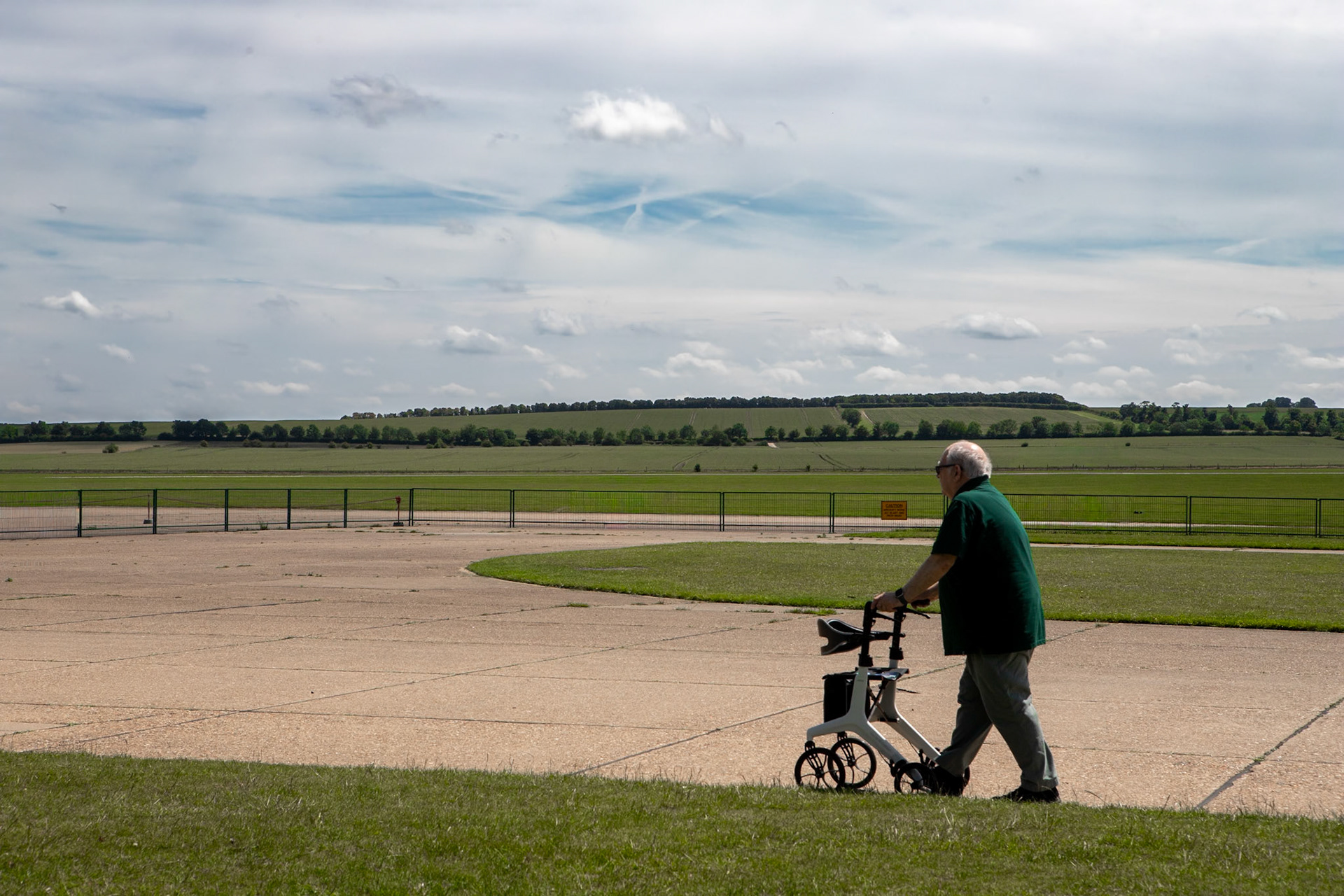
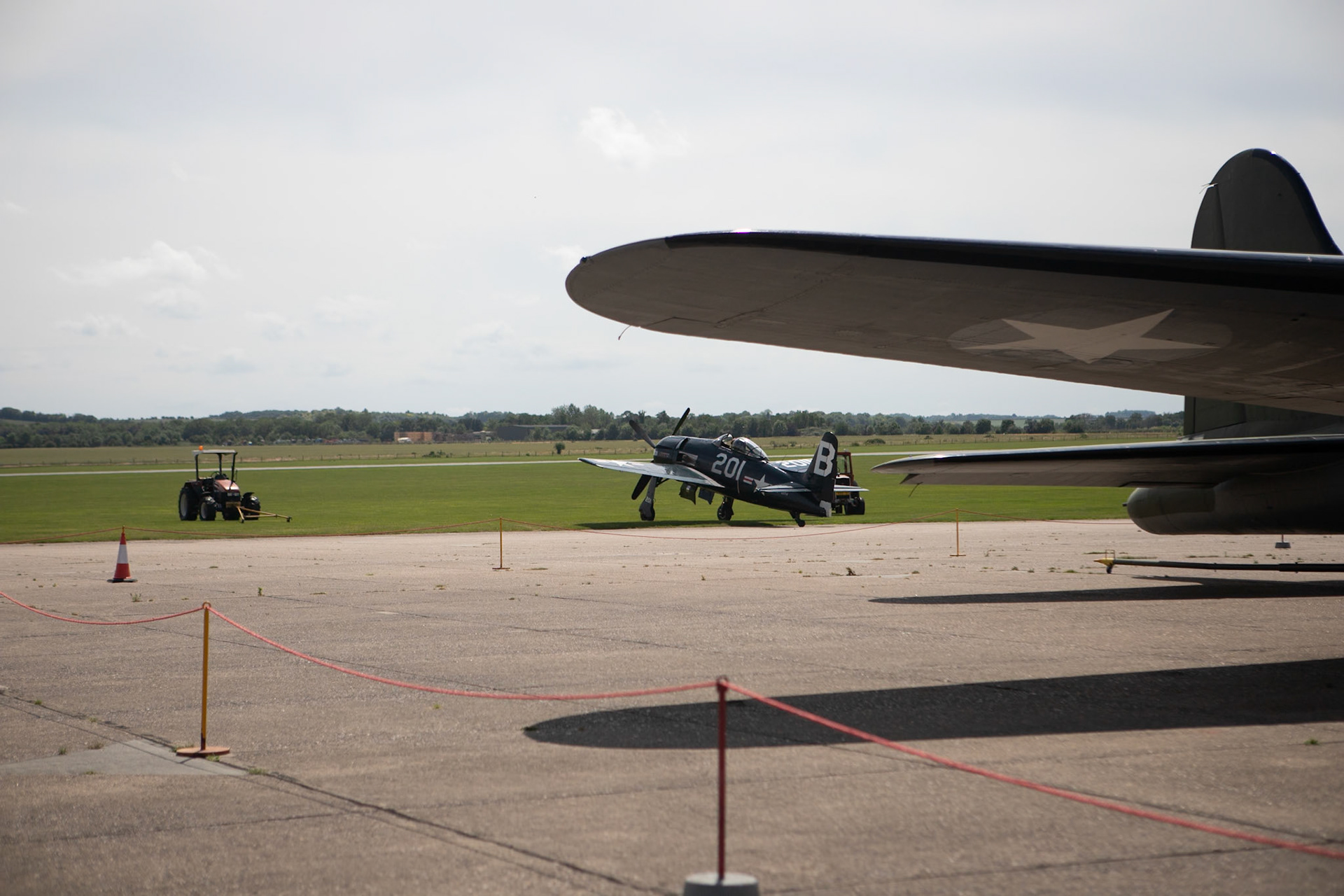
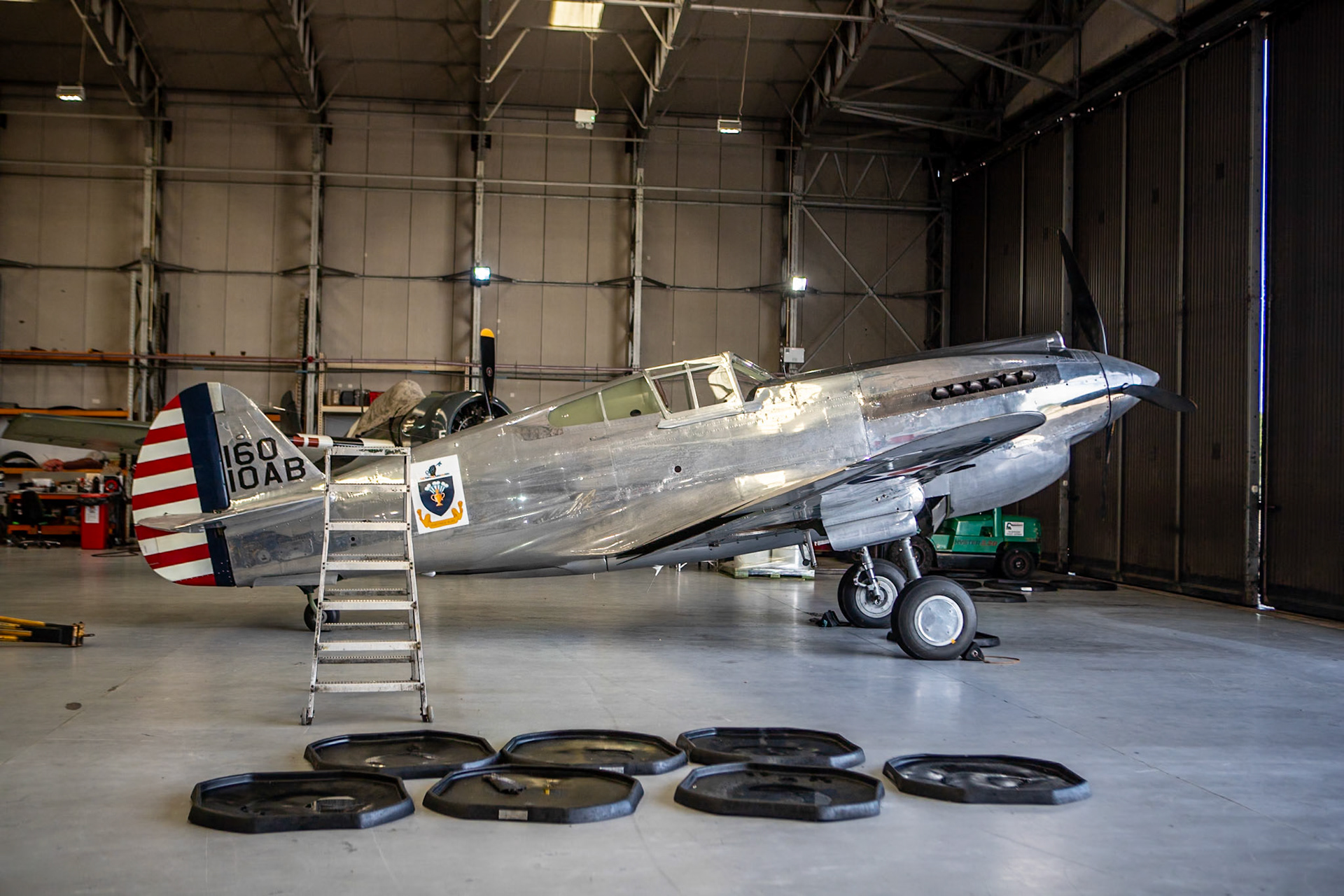
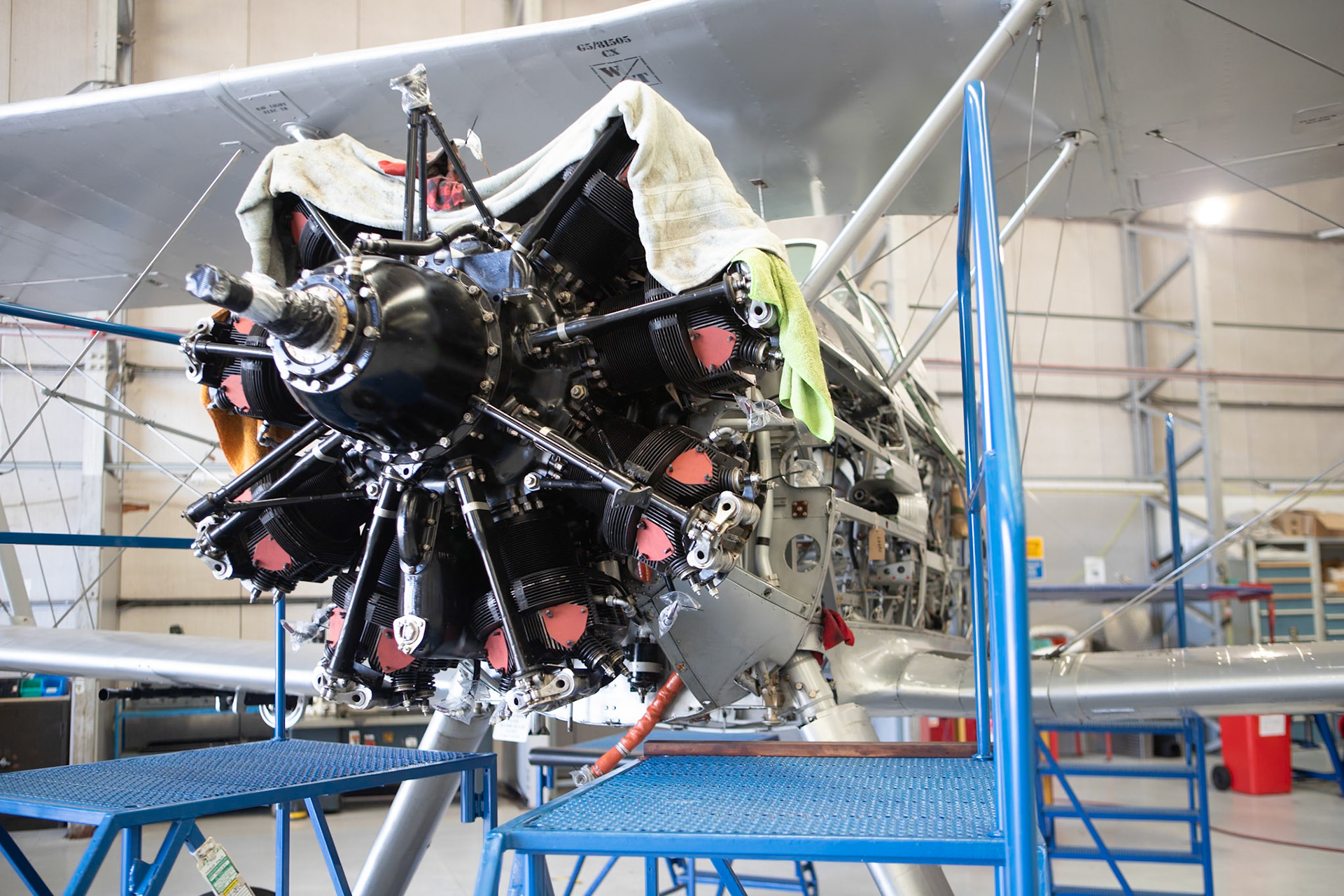
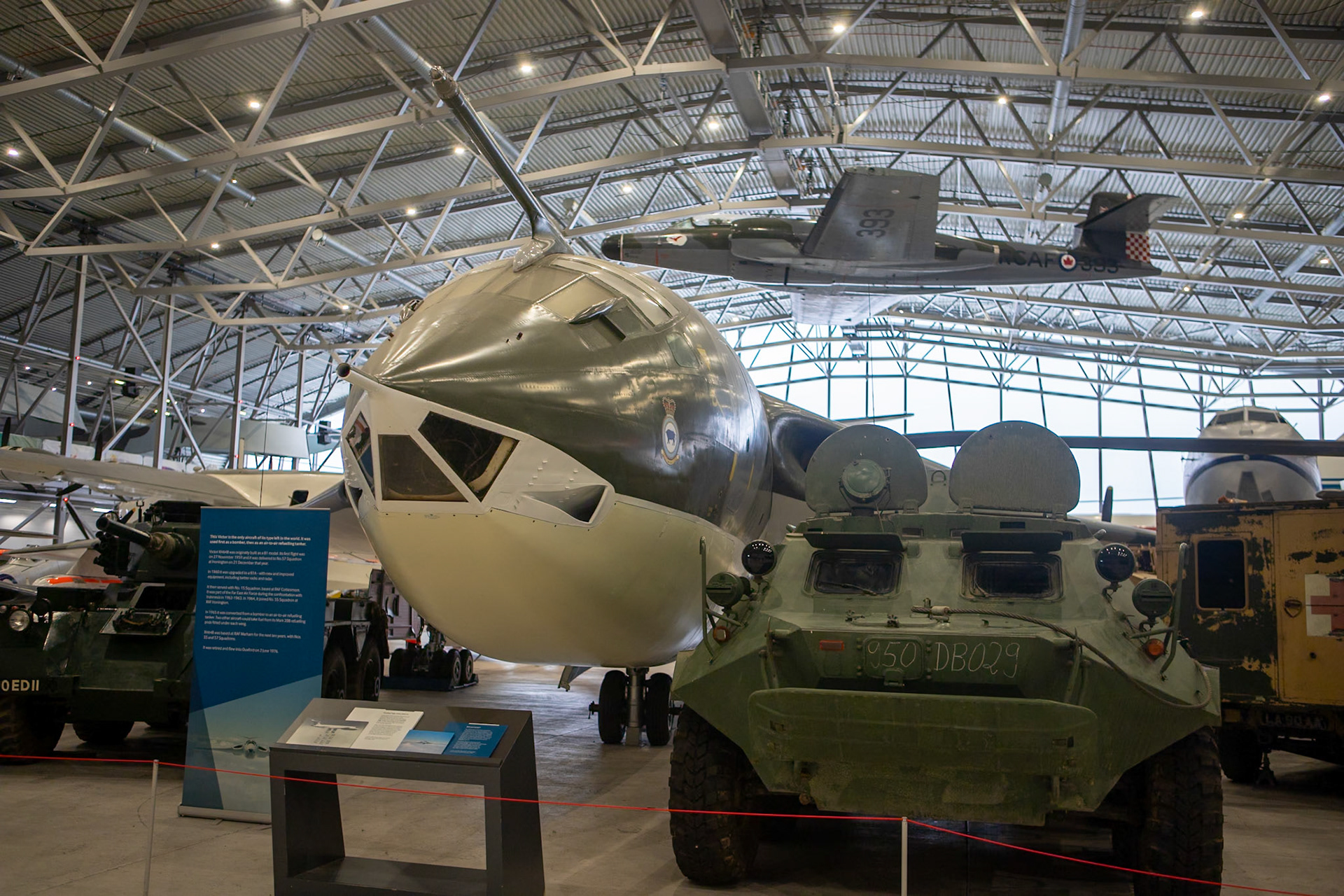
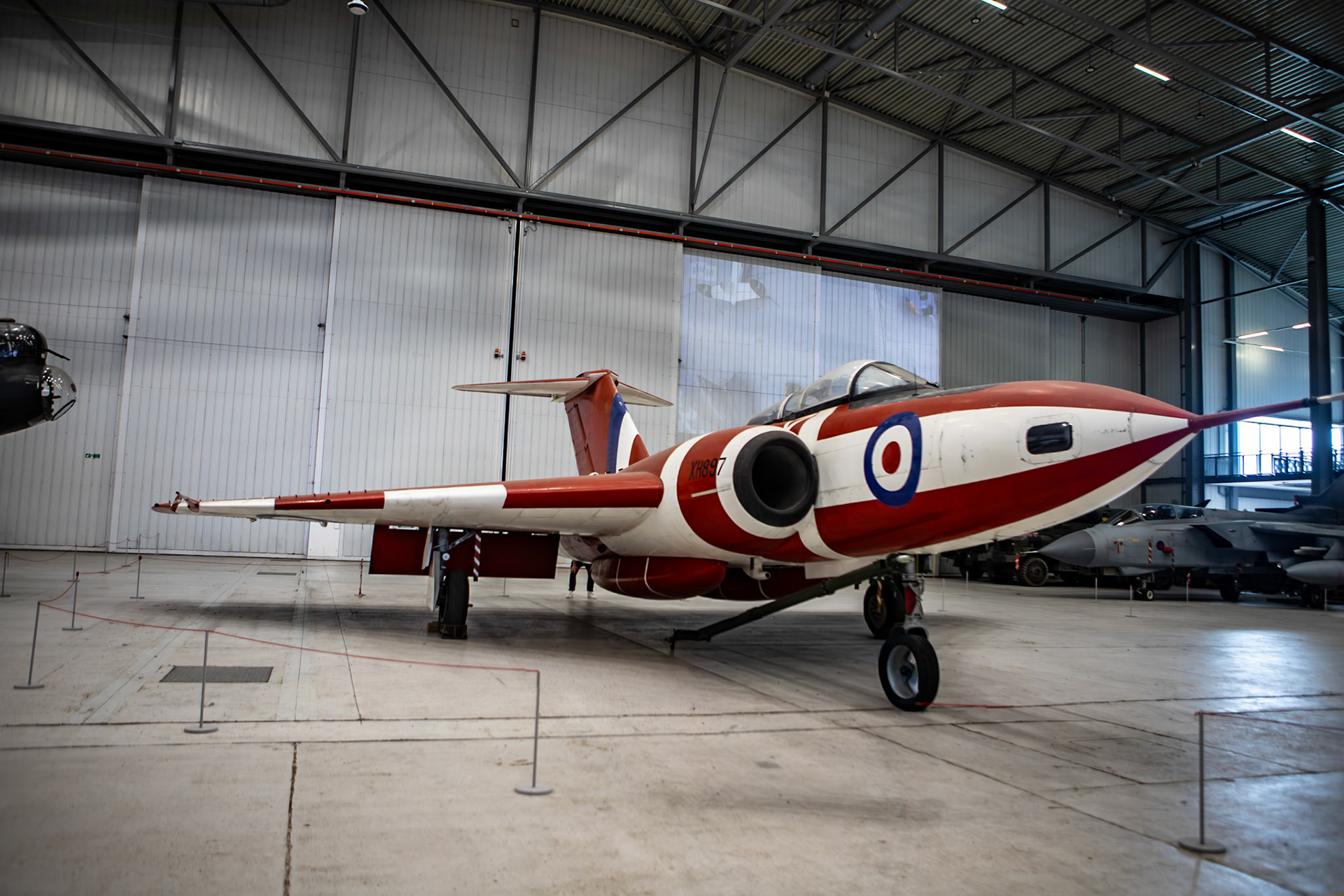
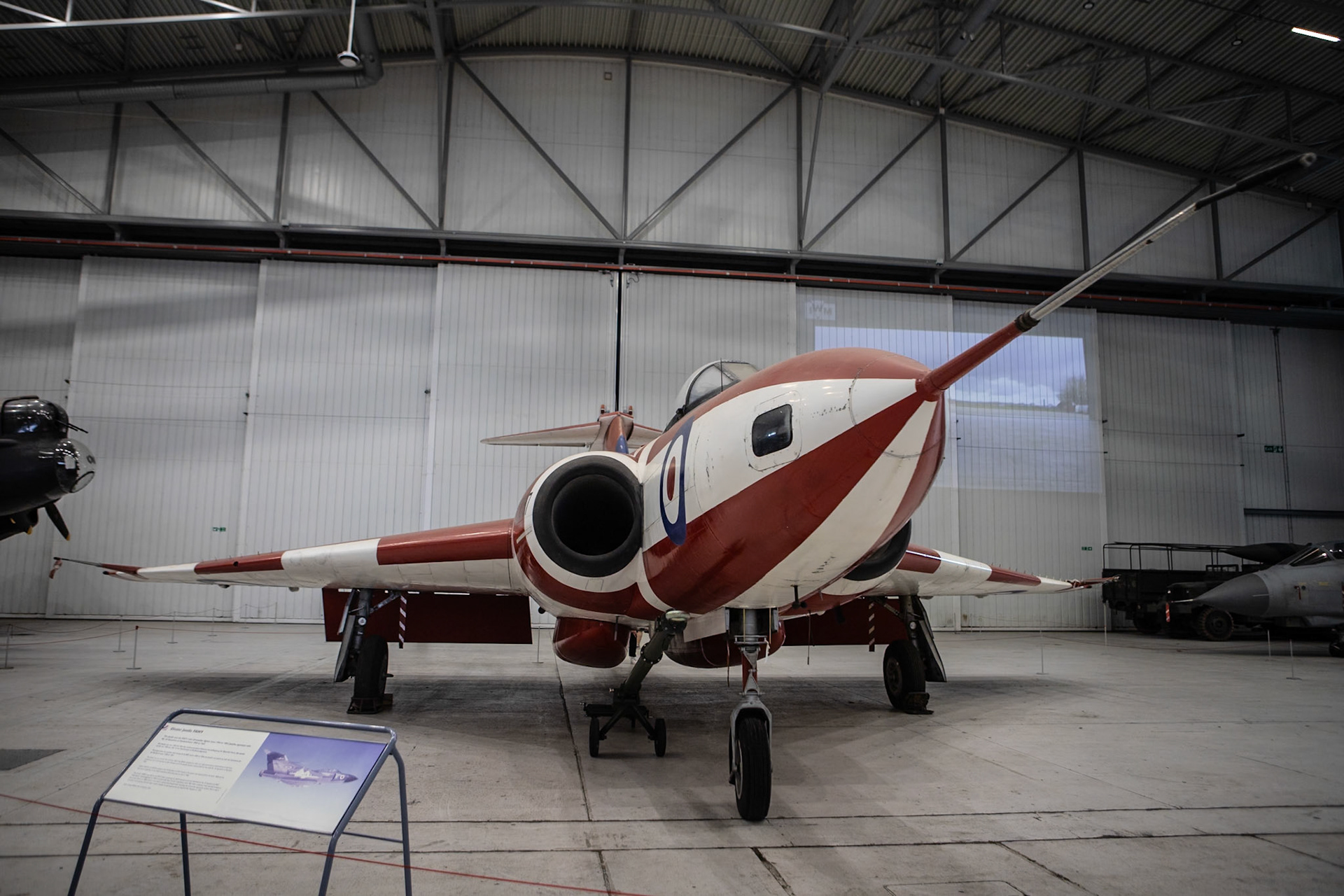
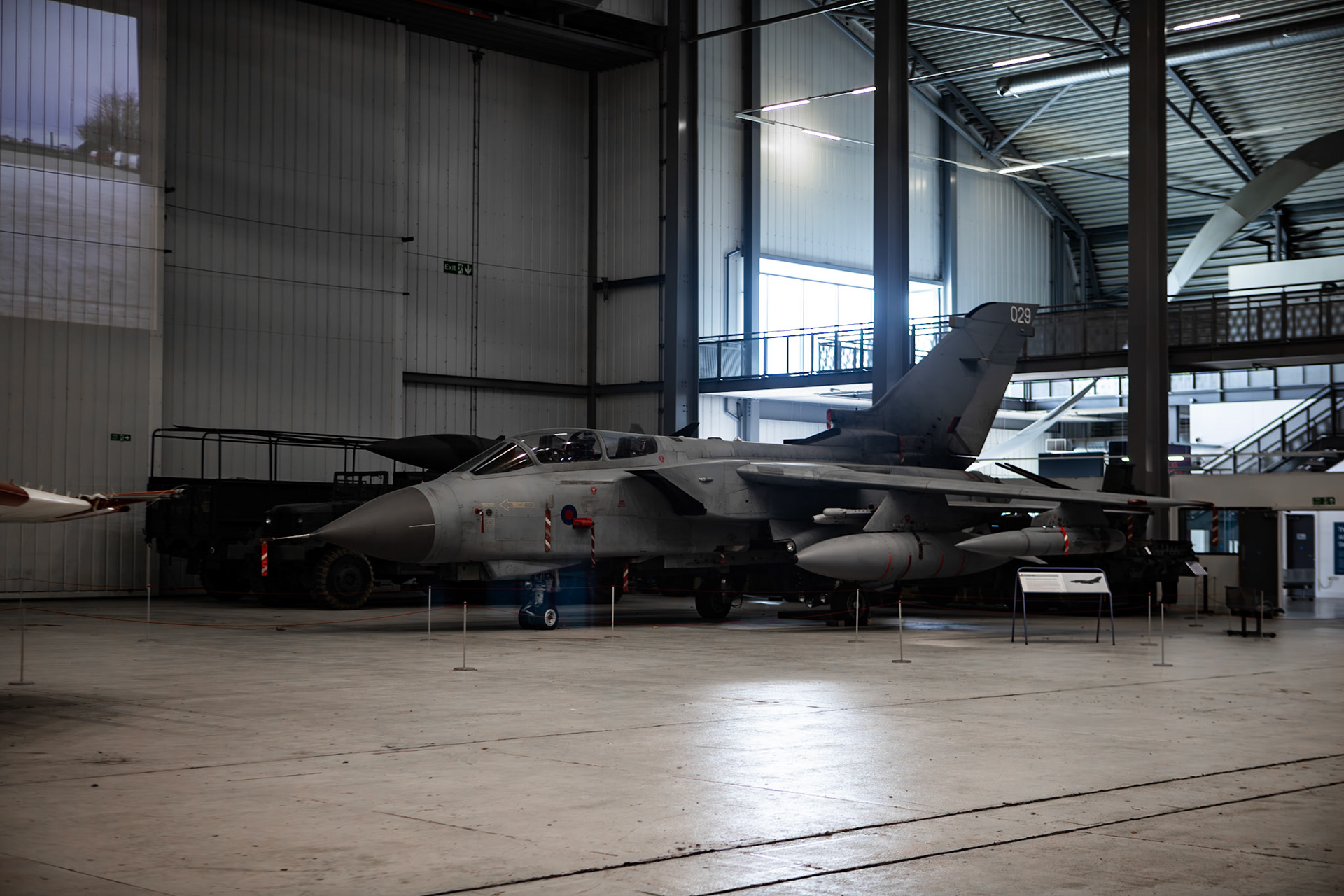
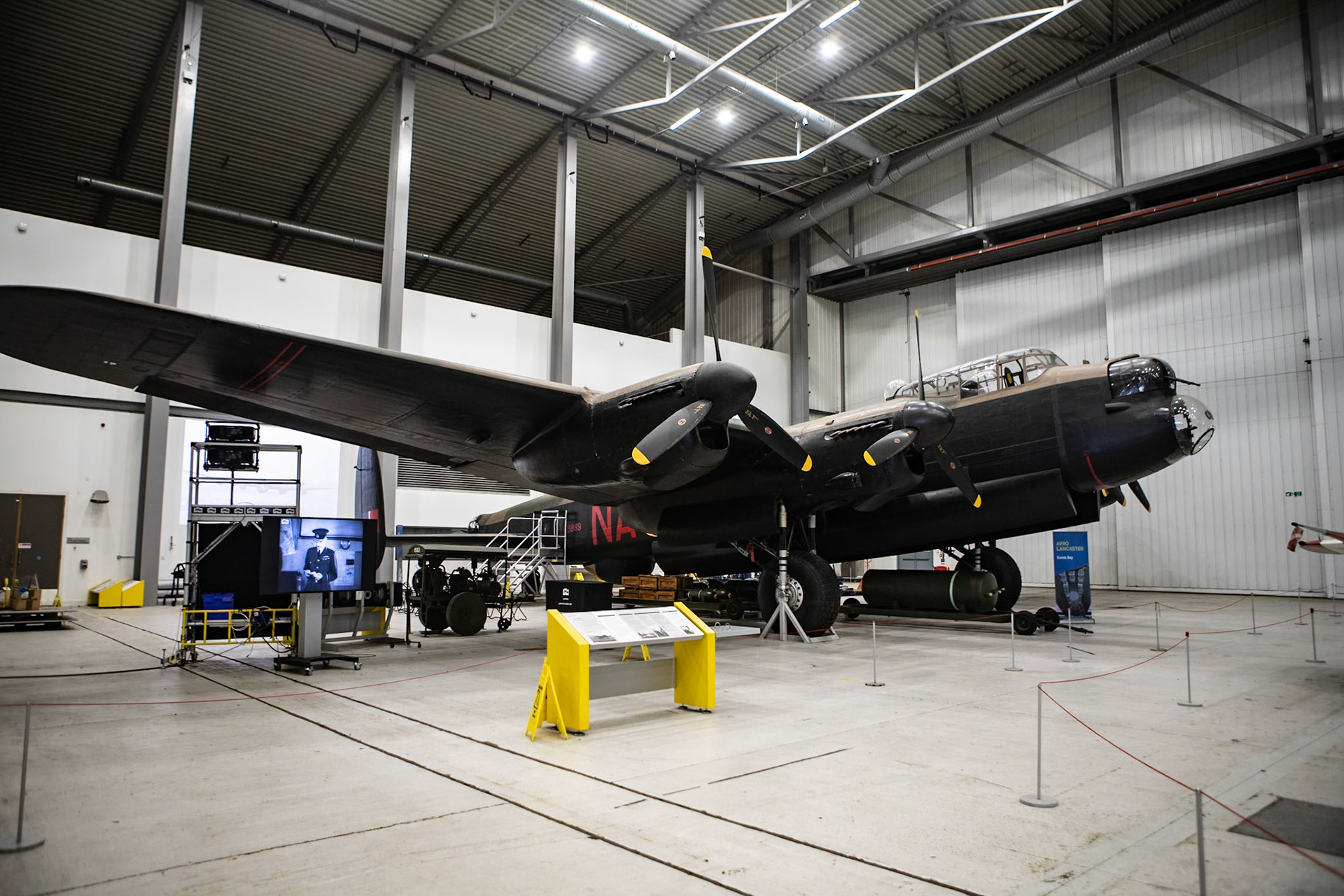
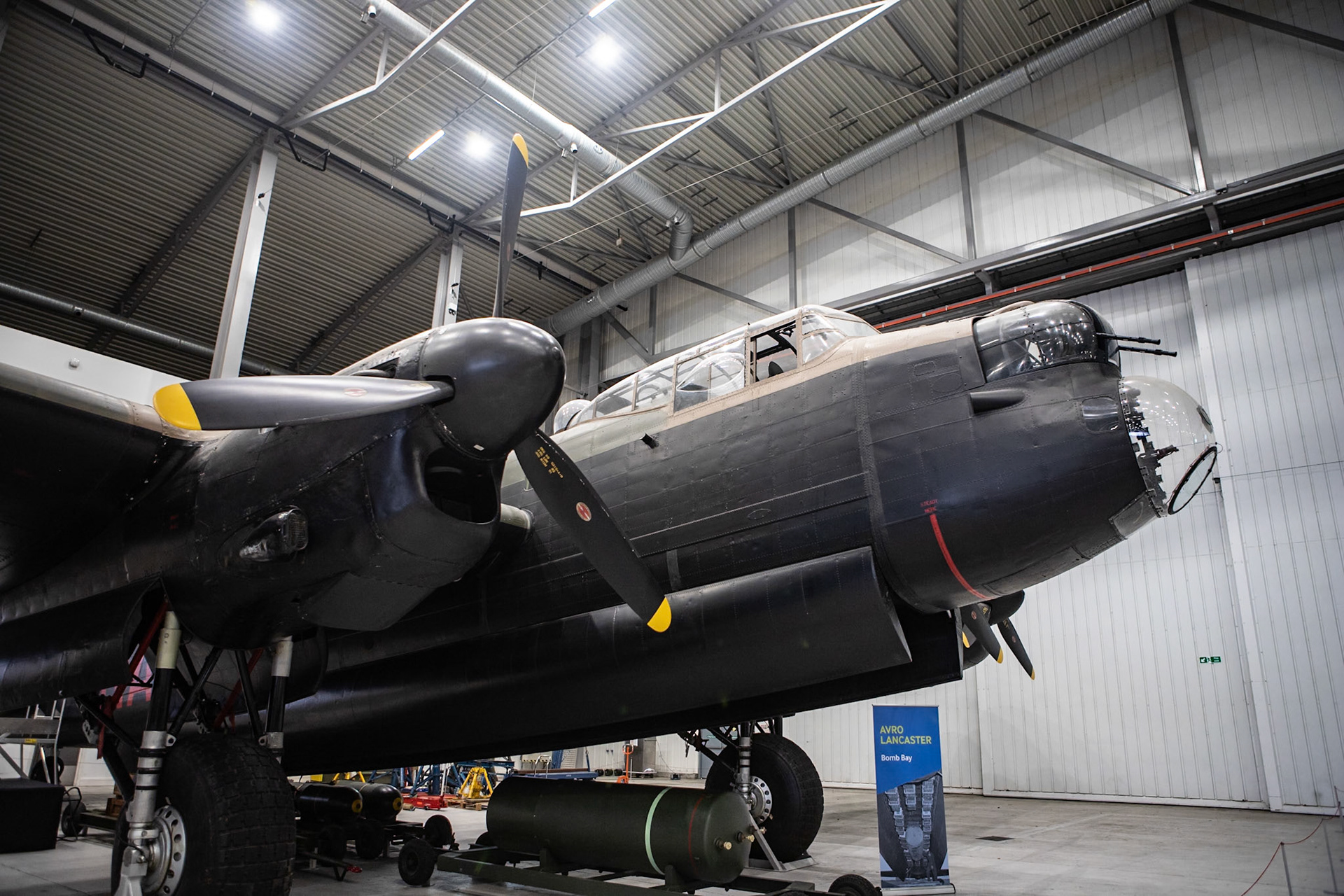
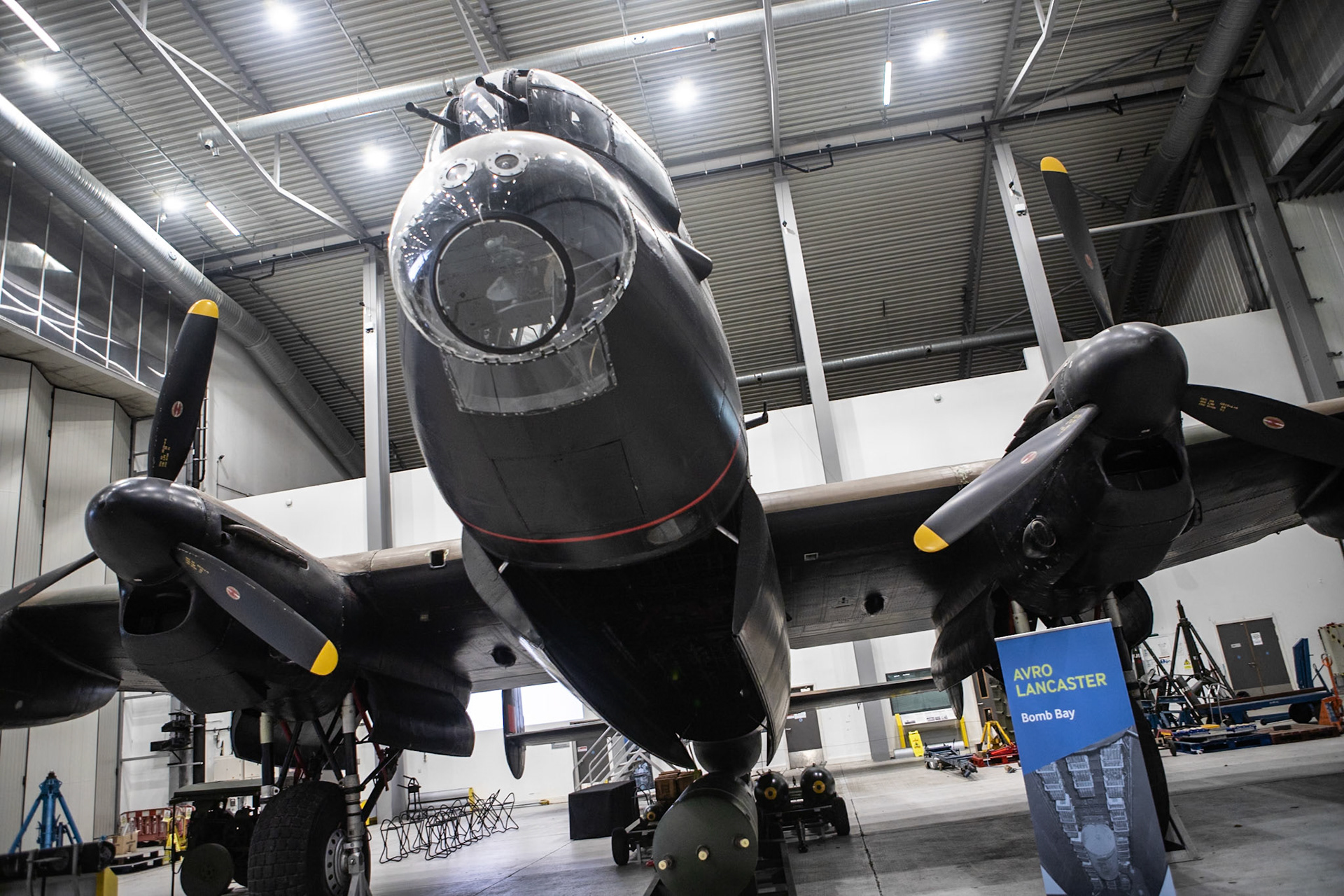
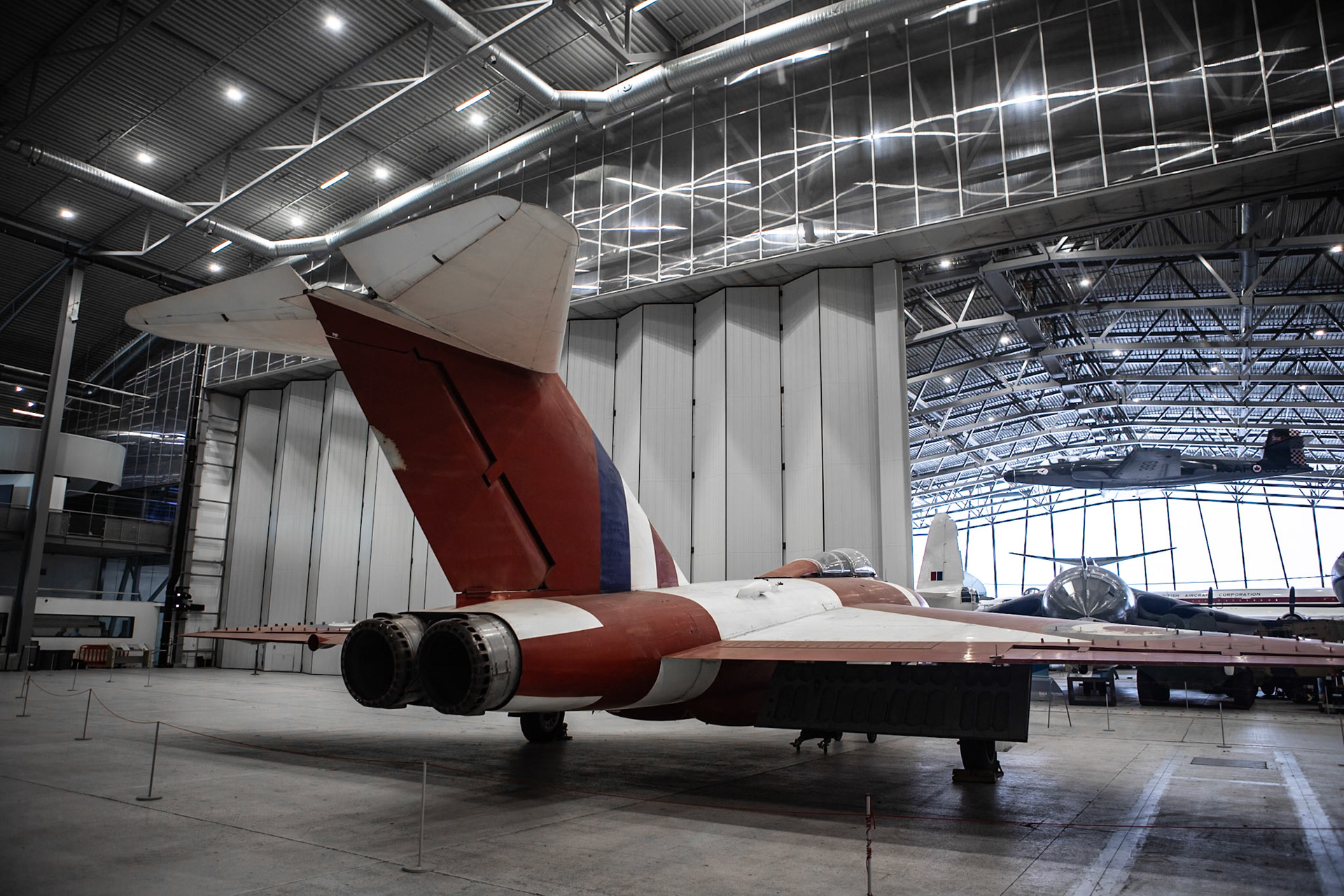
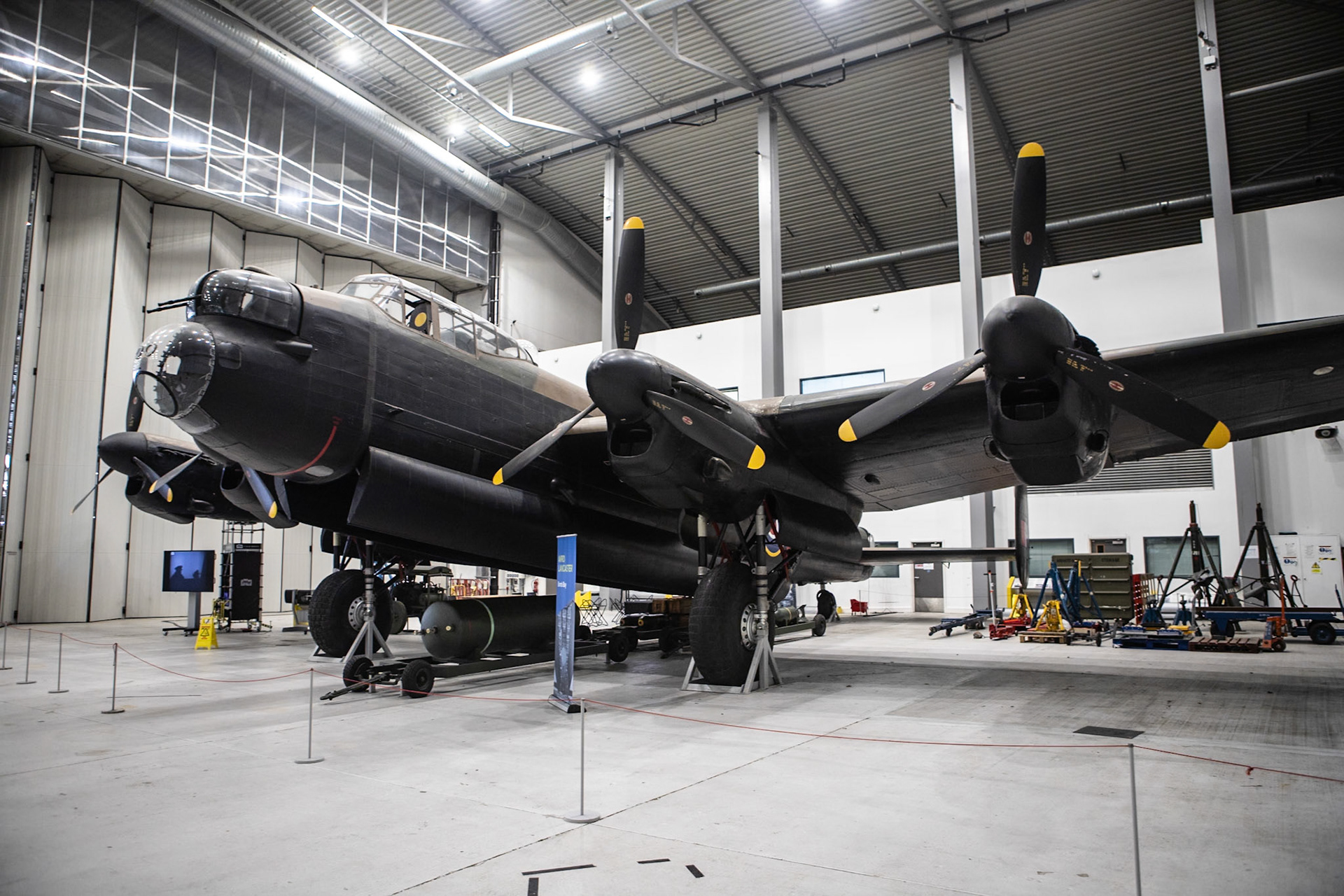
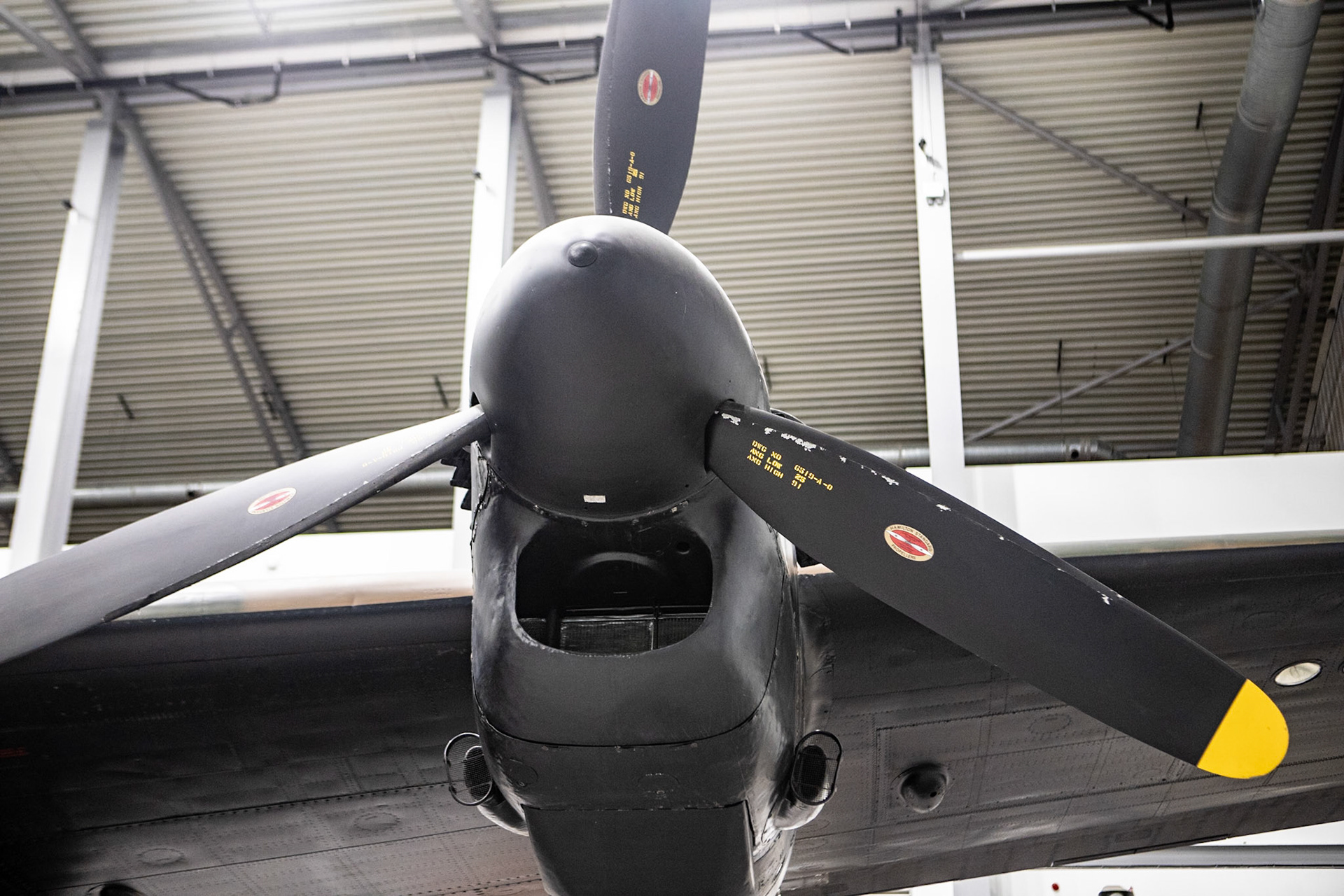

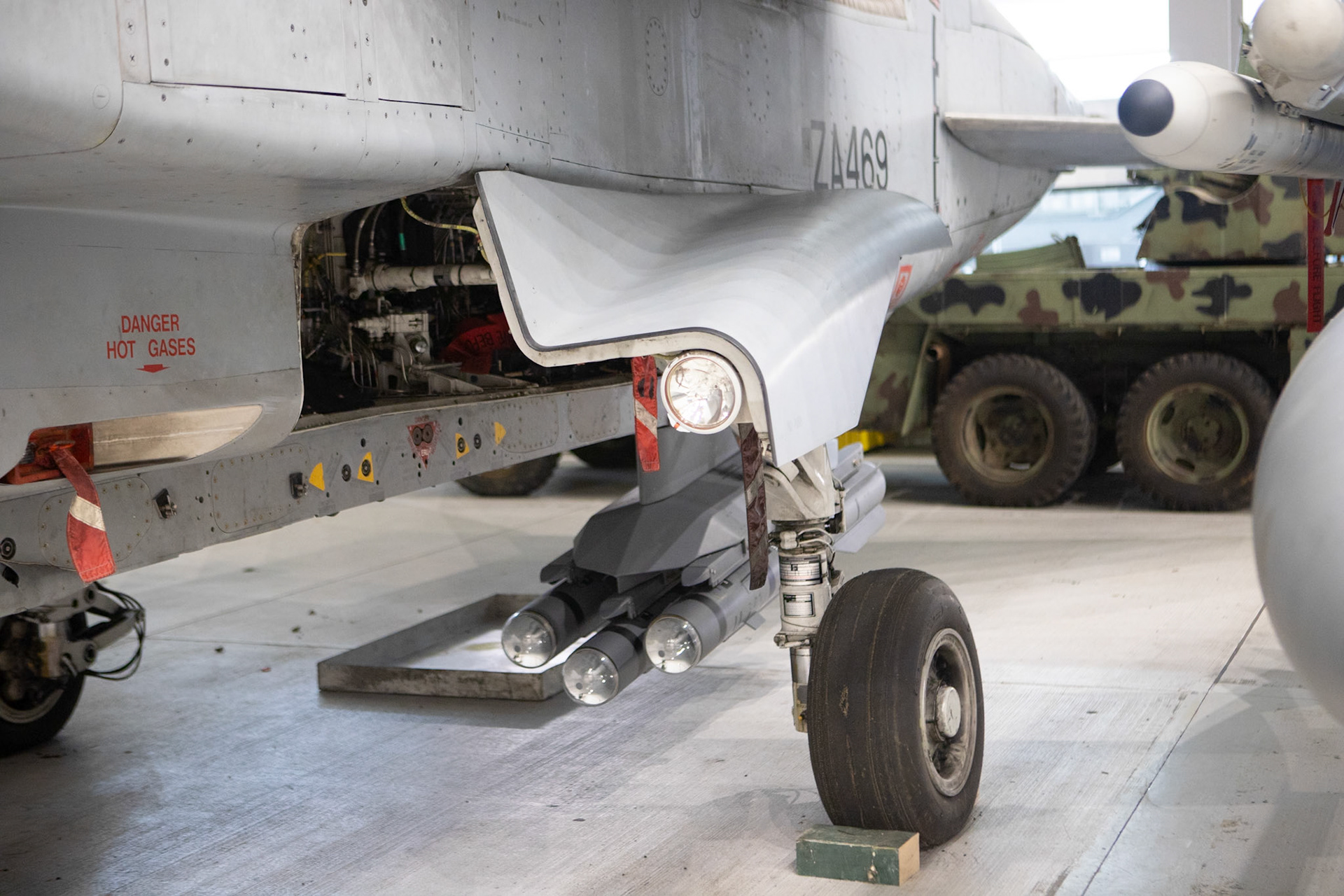
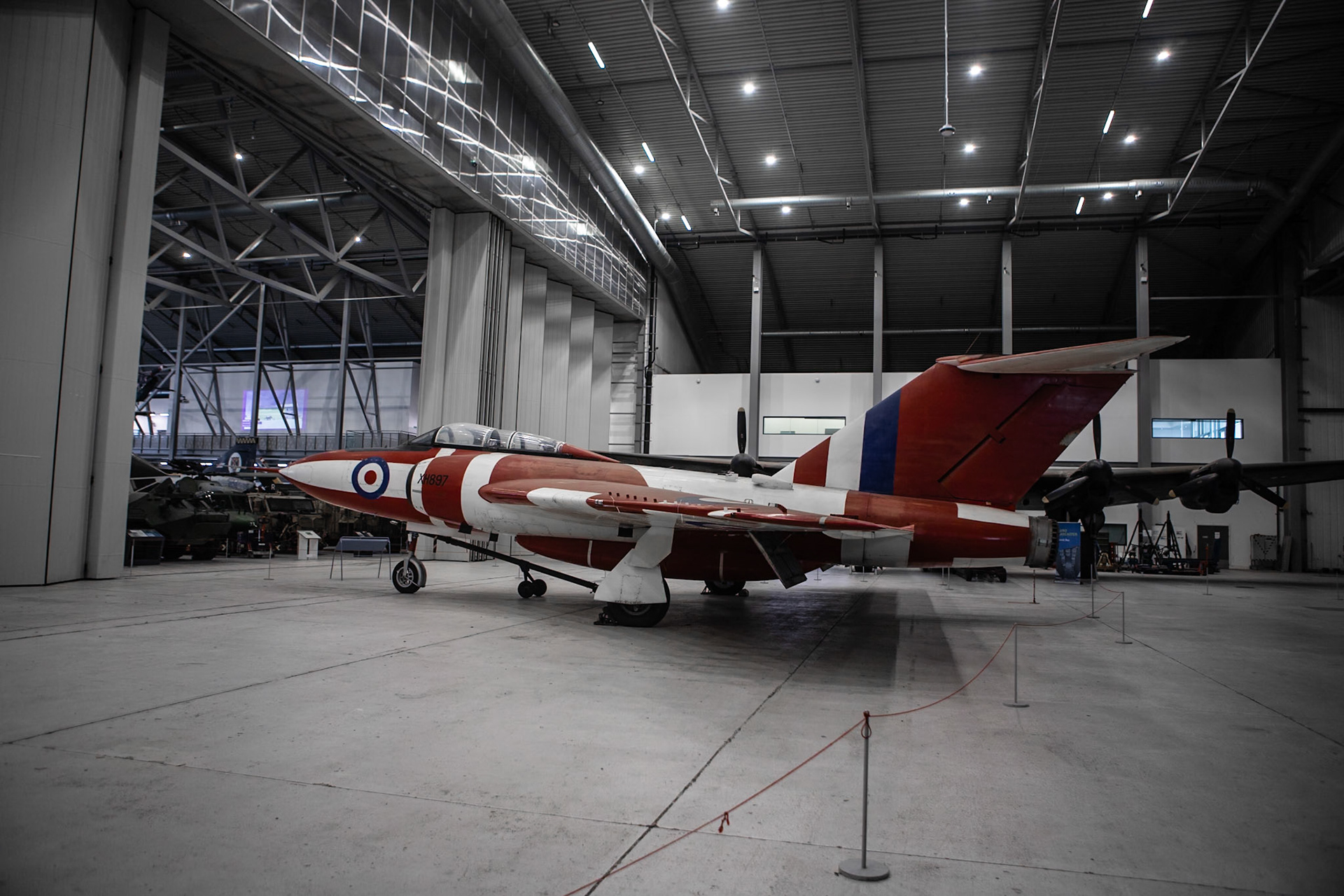
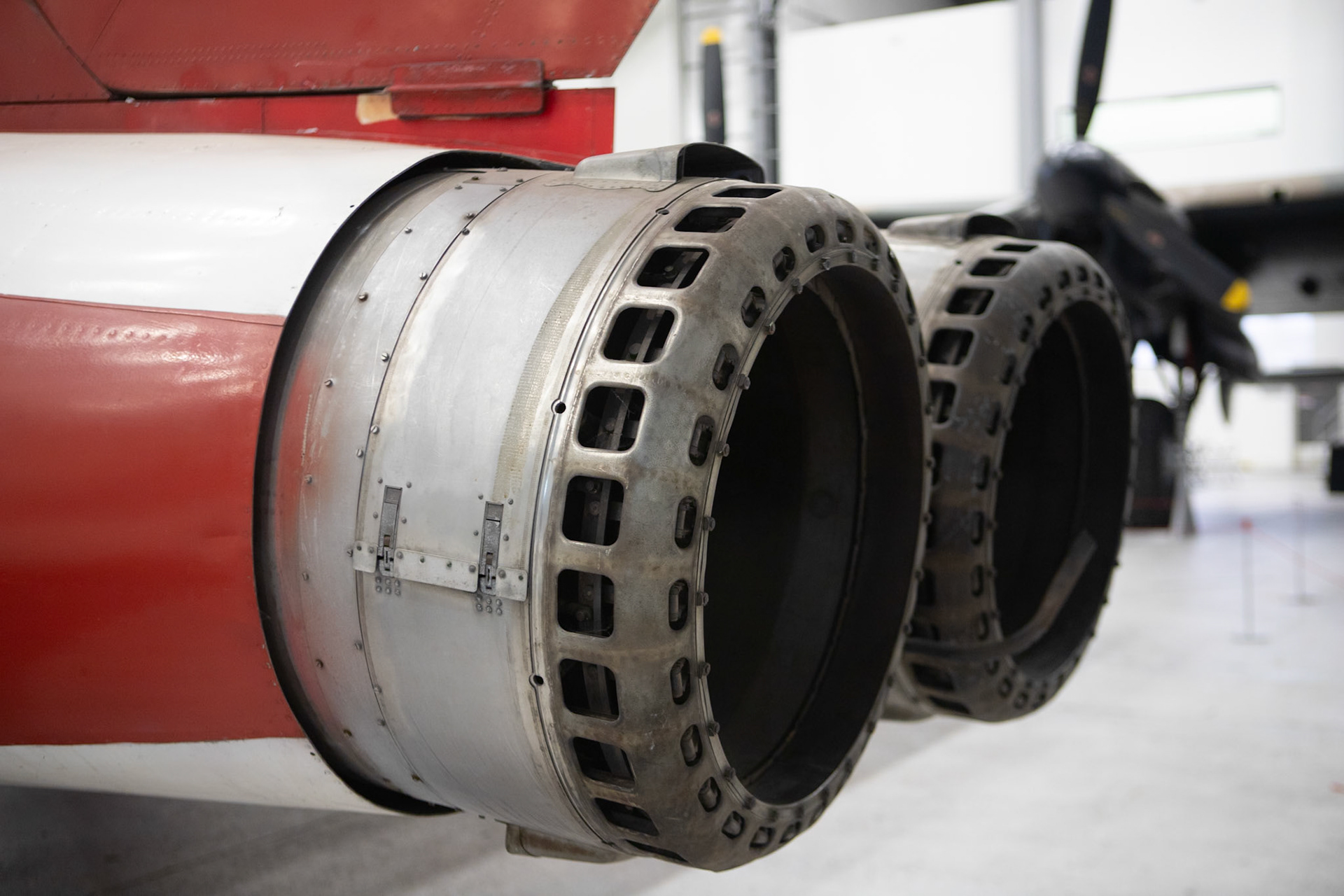
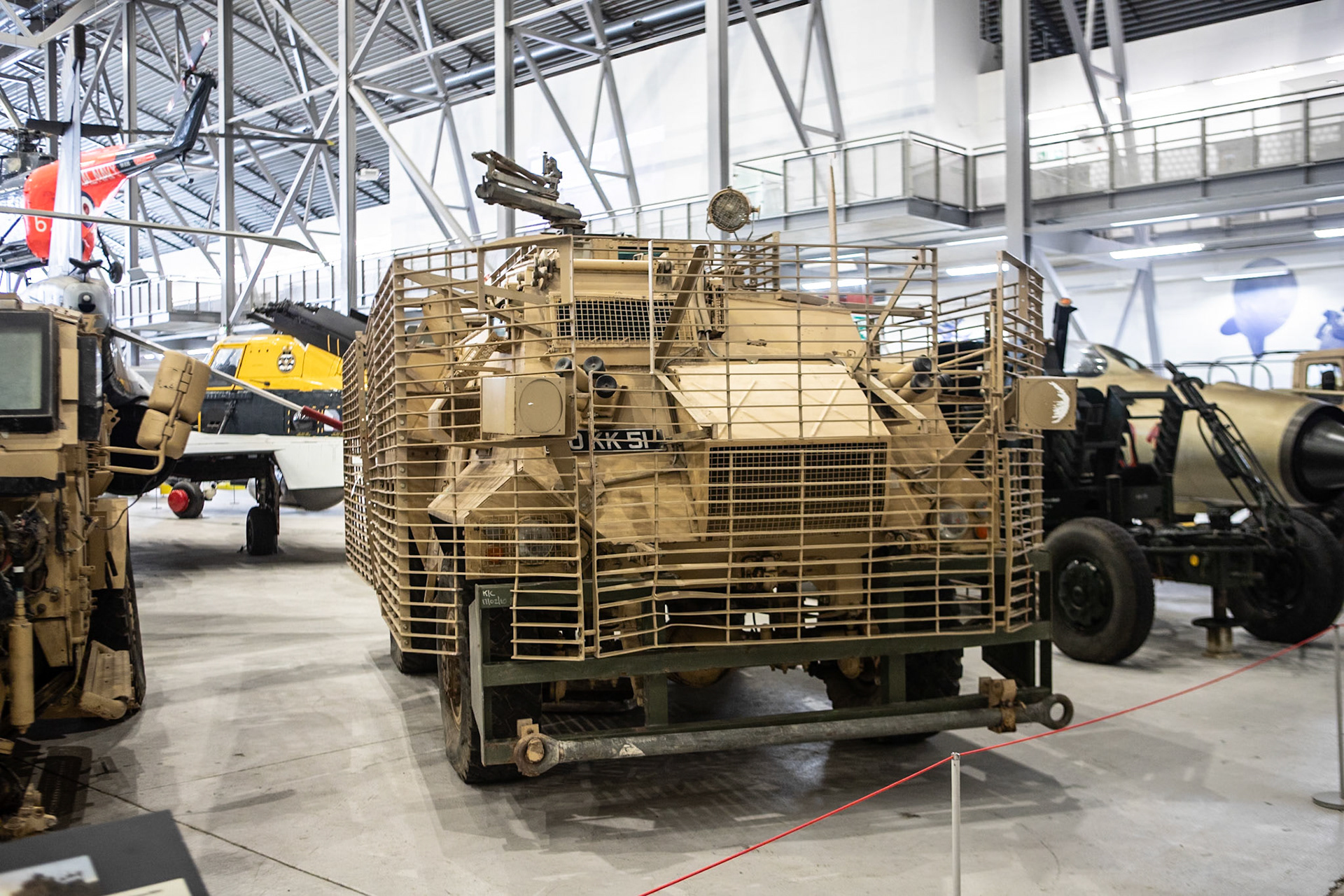
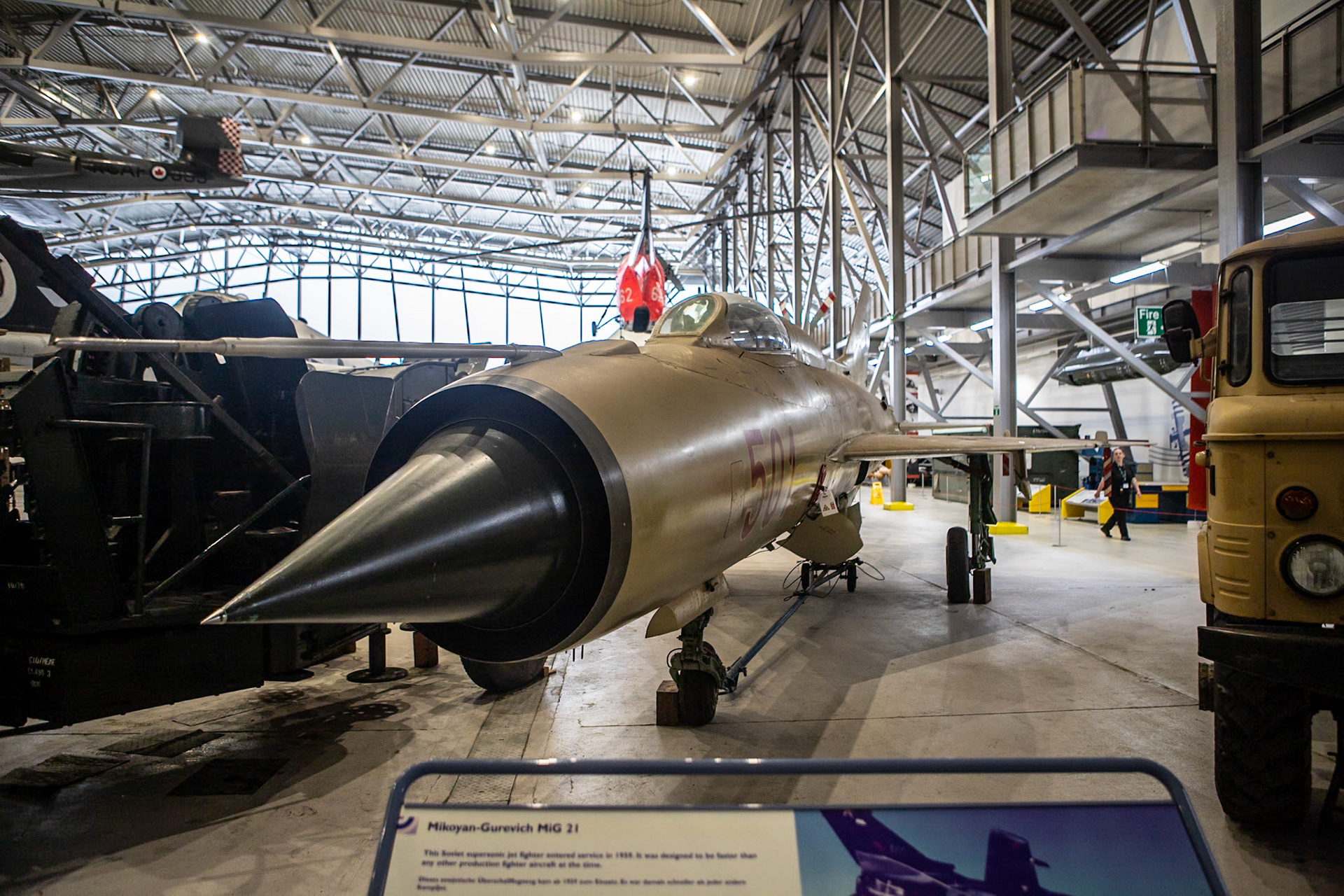
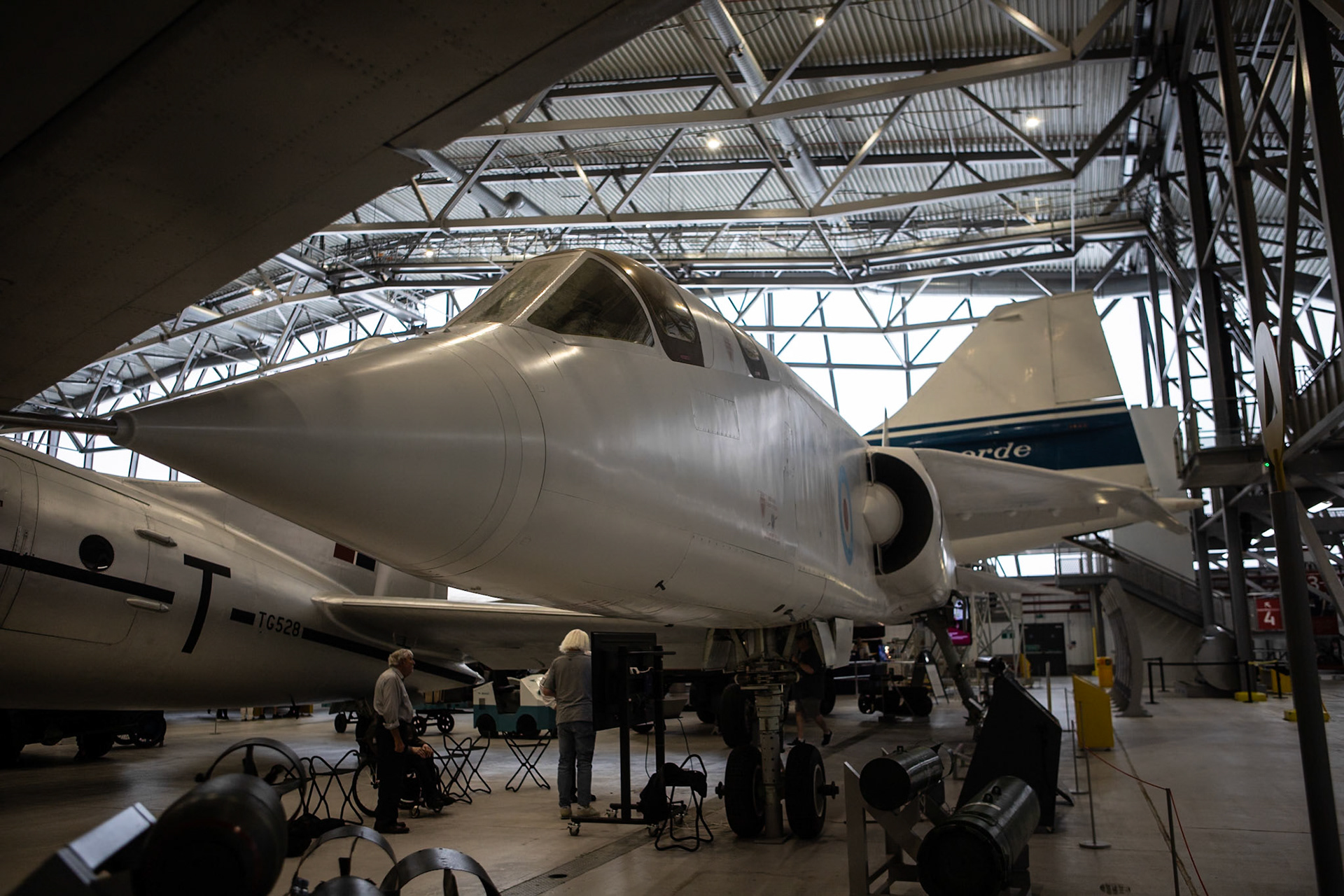
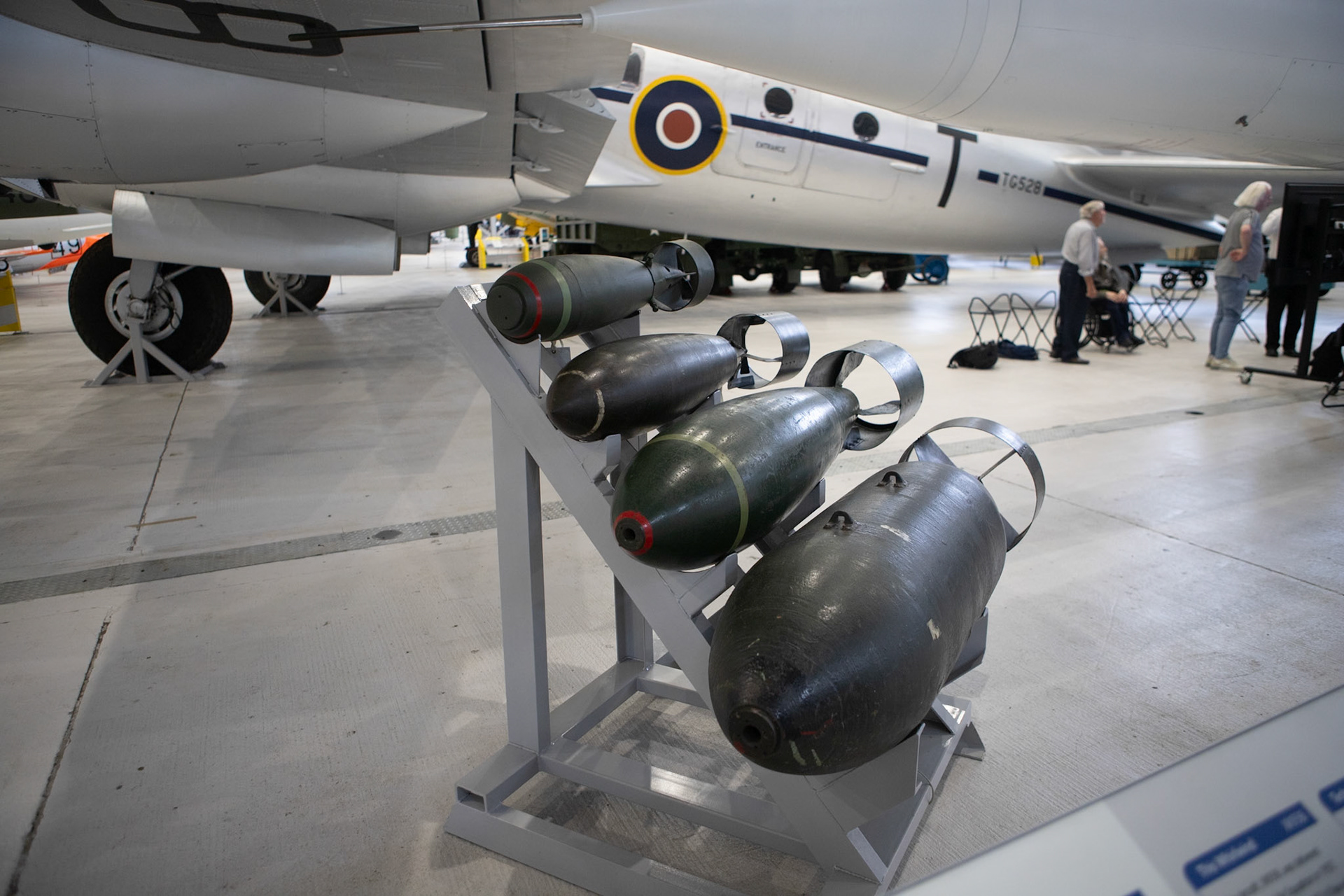
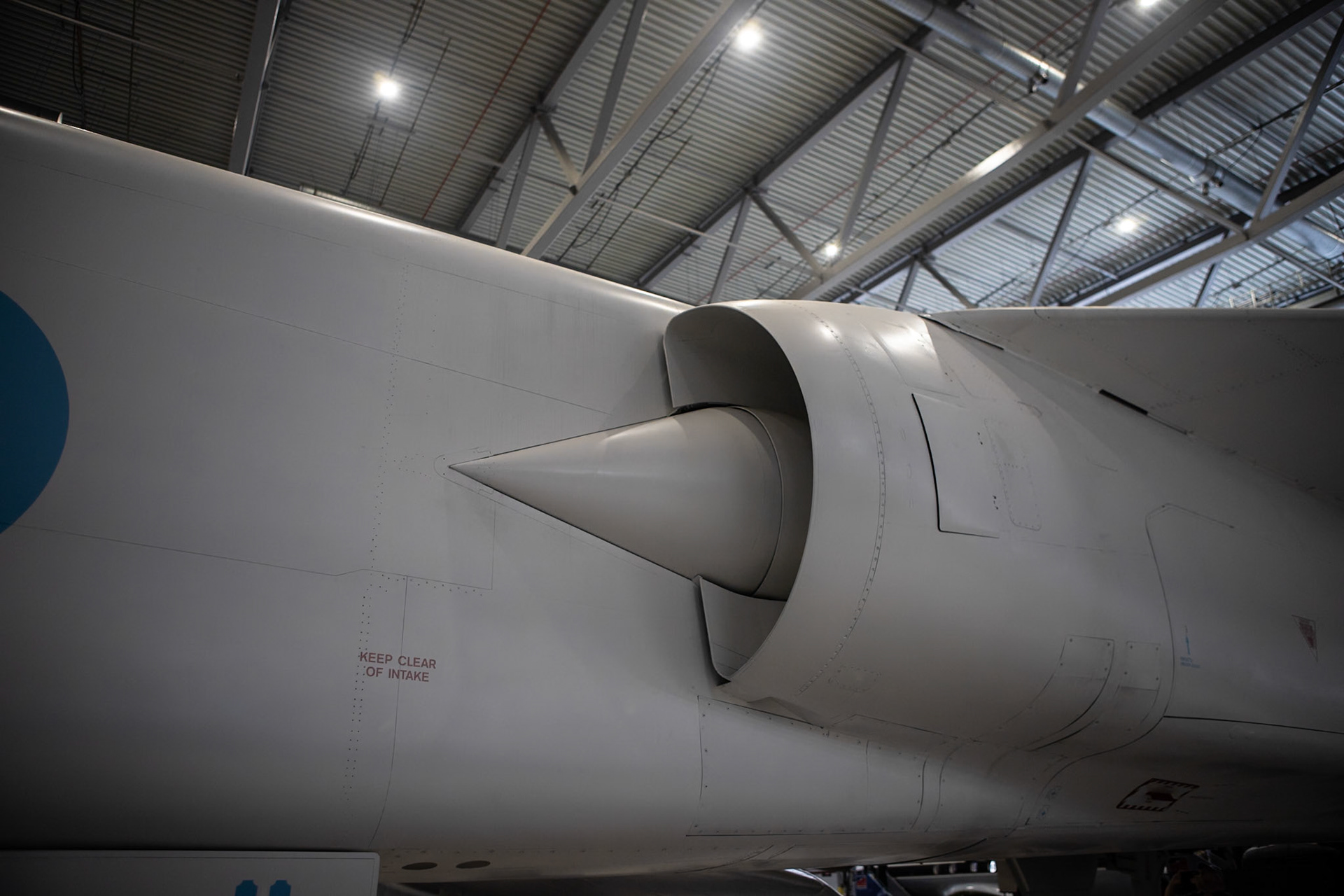
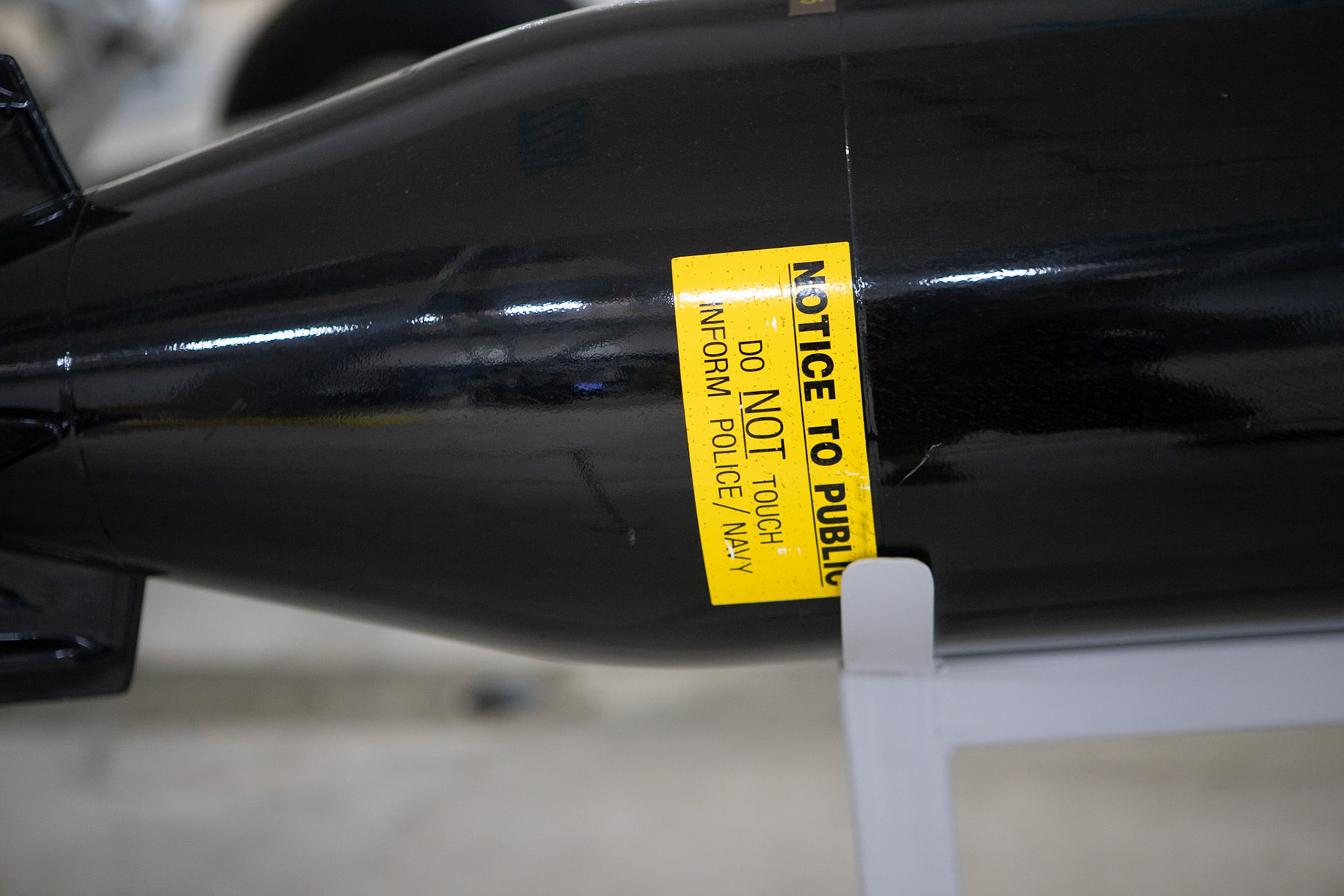
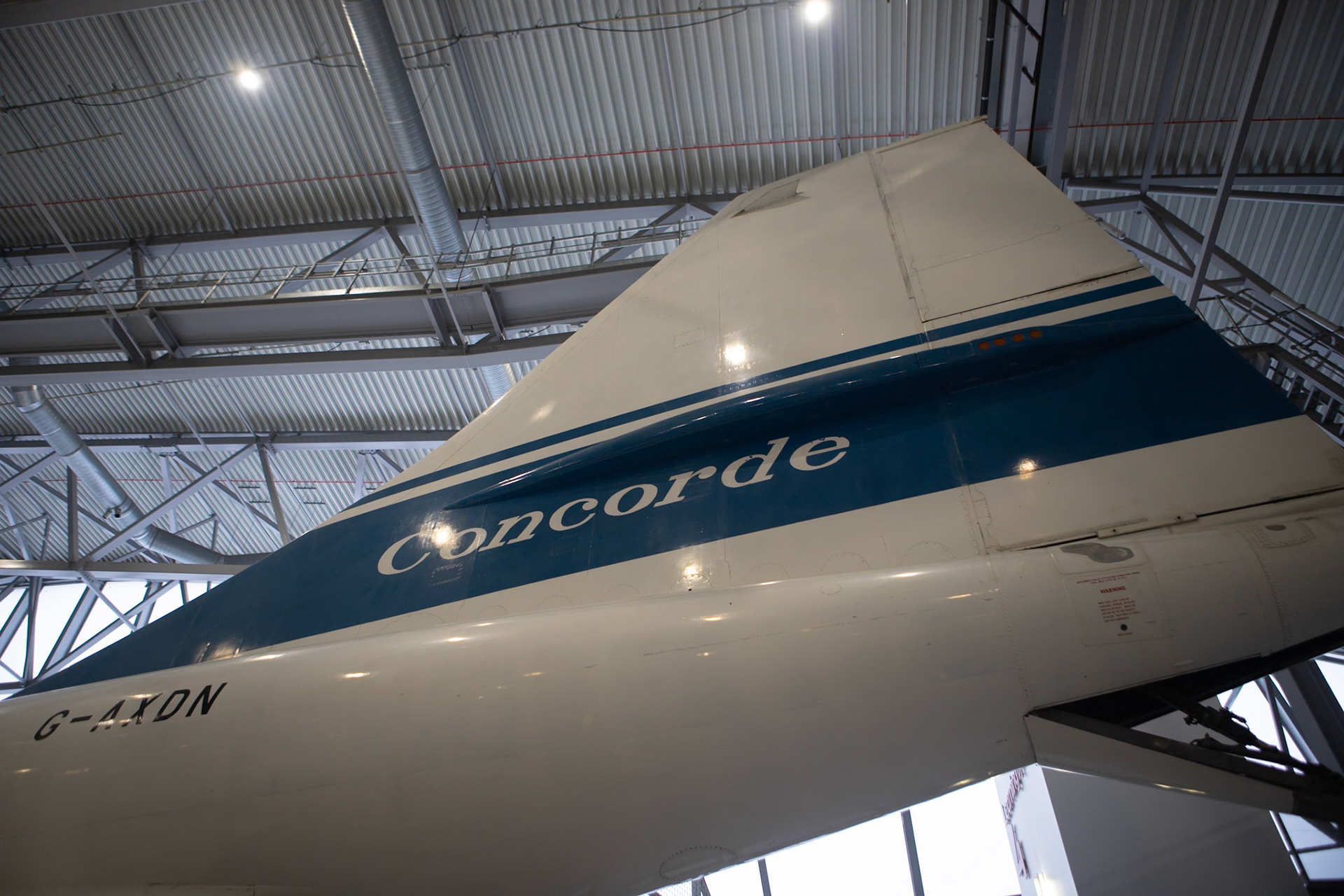
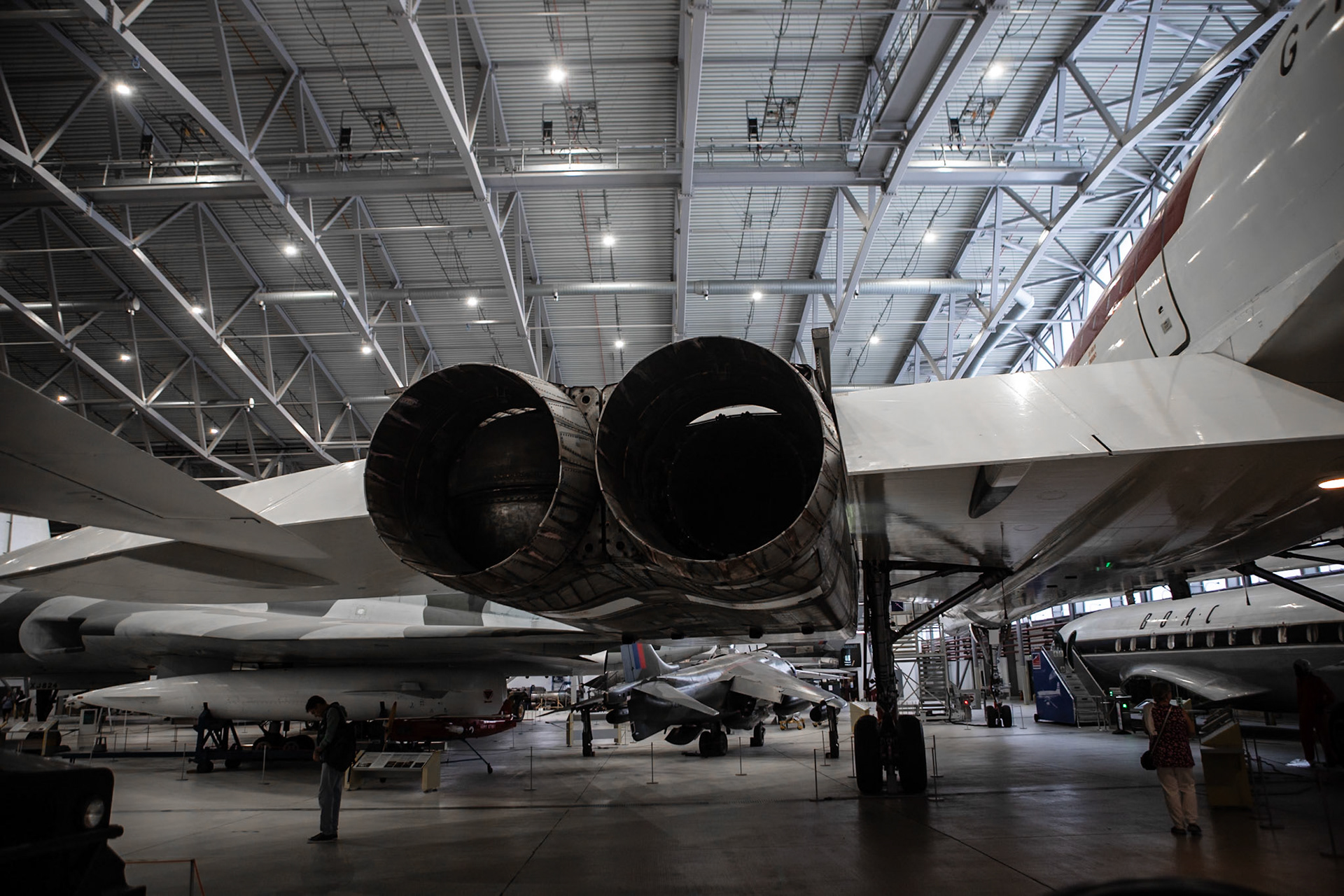
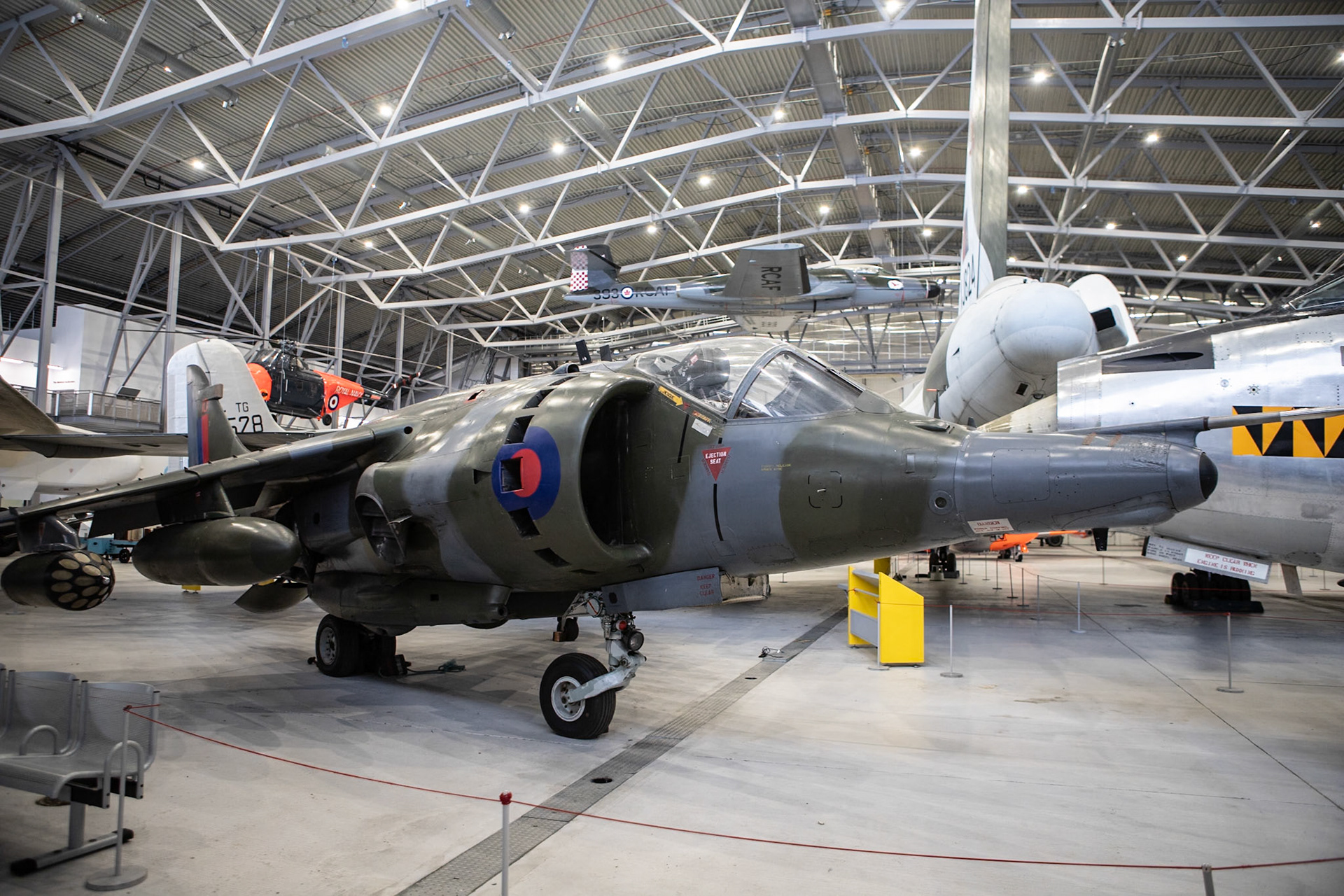
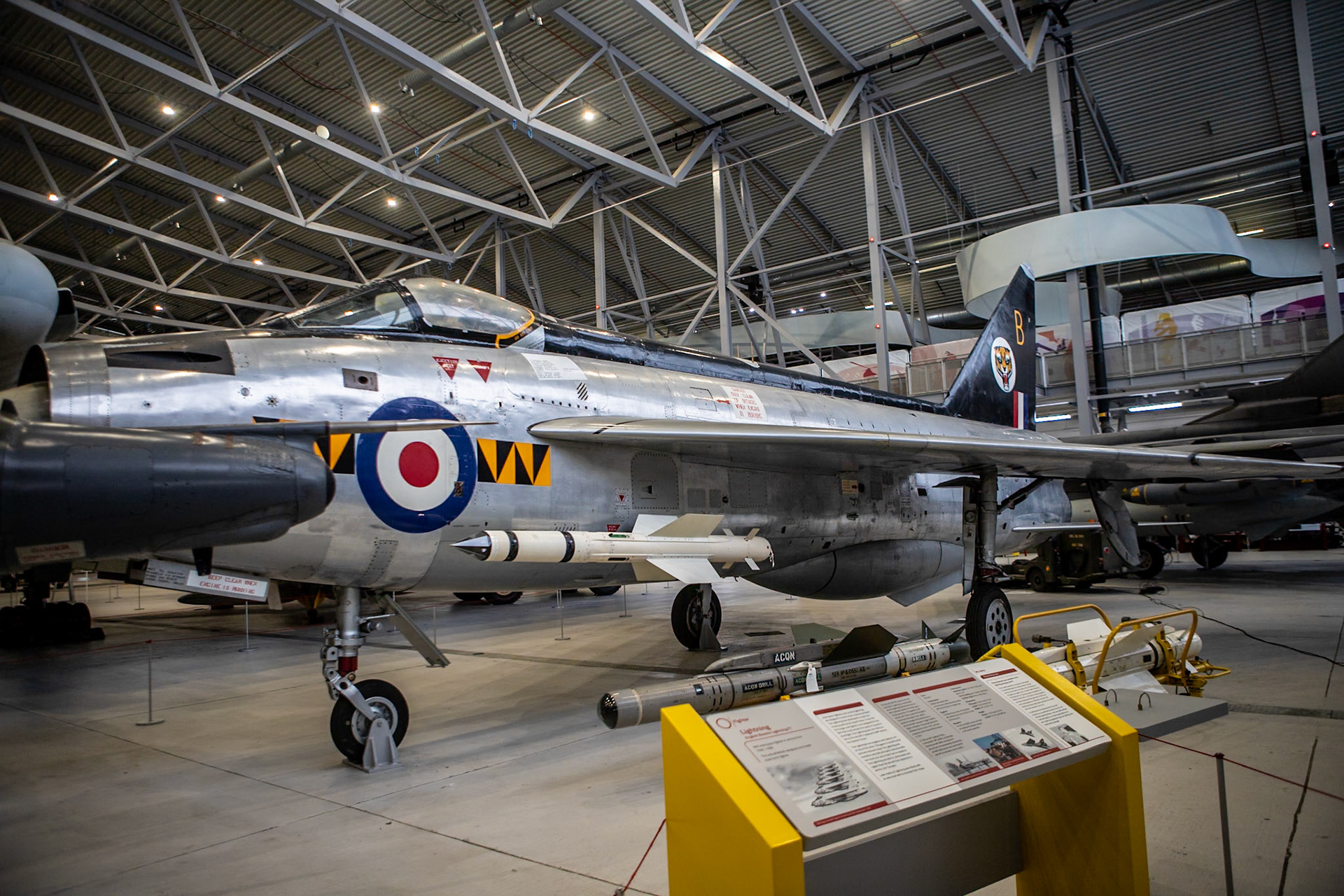
![The Avro Vulcan (later Hawker Siddeley Vulcan[1] from July 1963)[2] is a jet-powered, tailless, delta-wing, high-altitude strategic bomber, which was operated by the Royal Air Force (RAF) from 1956 until 1984.](https://cdn.myportfolio.com/01453194-c141-4d1d-ac78-ee5084ccd917/625cc18e-daa3-4303-8603-7eafd353c743_rw_1920.jpg?h=c4fee8b0cd7b3fb878c4b1df1b8a2e00)
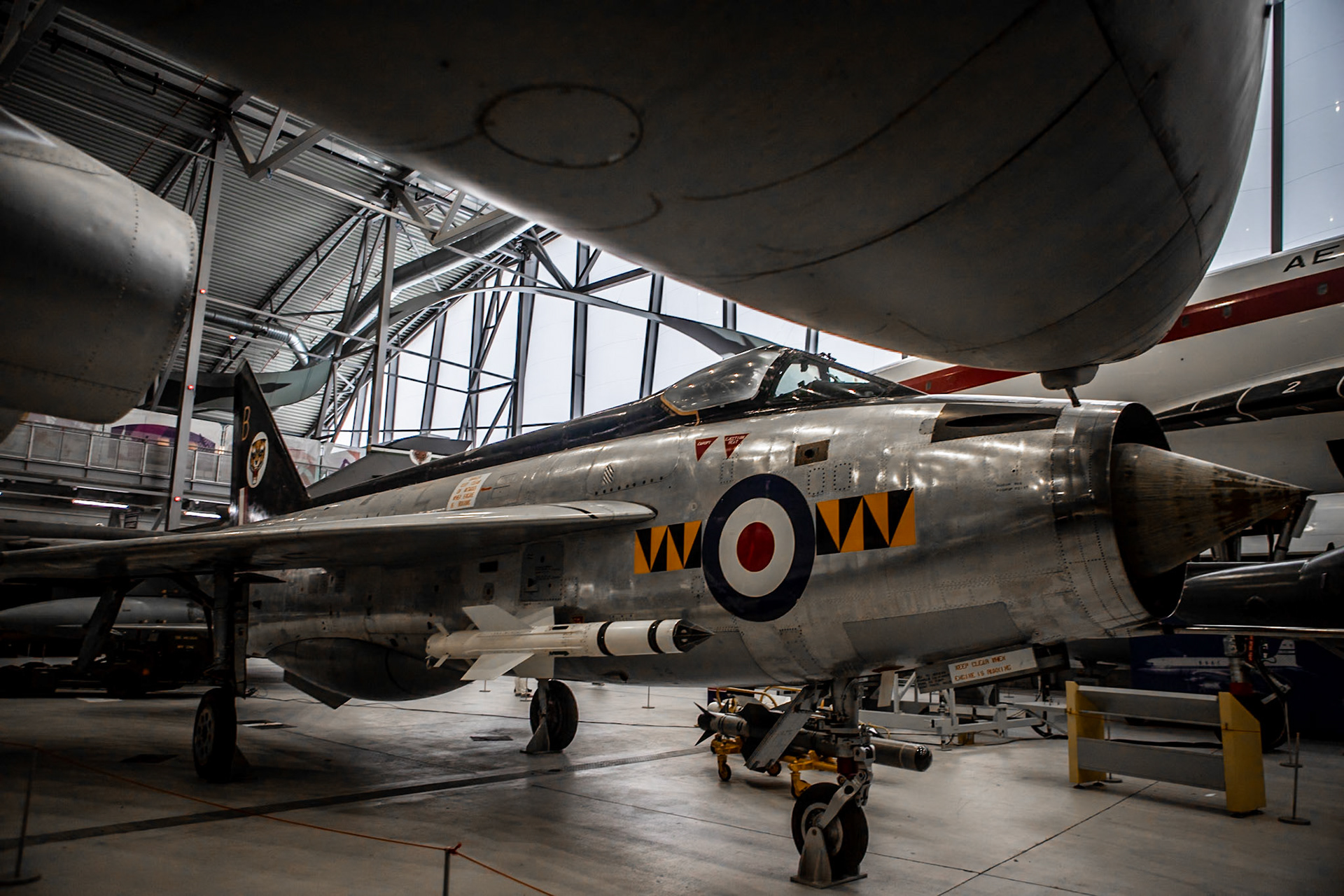
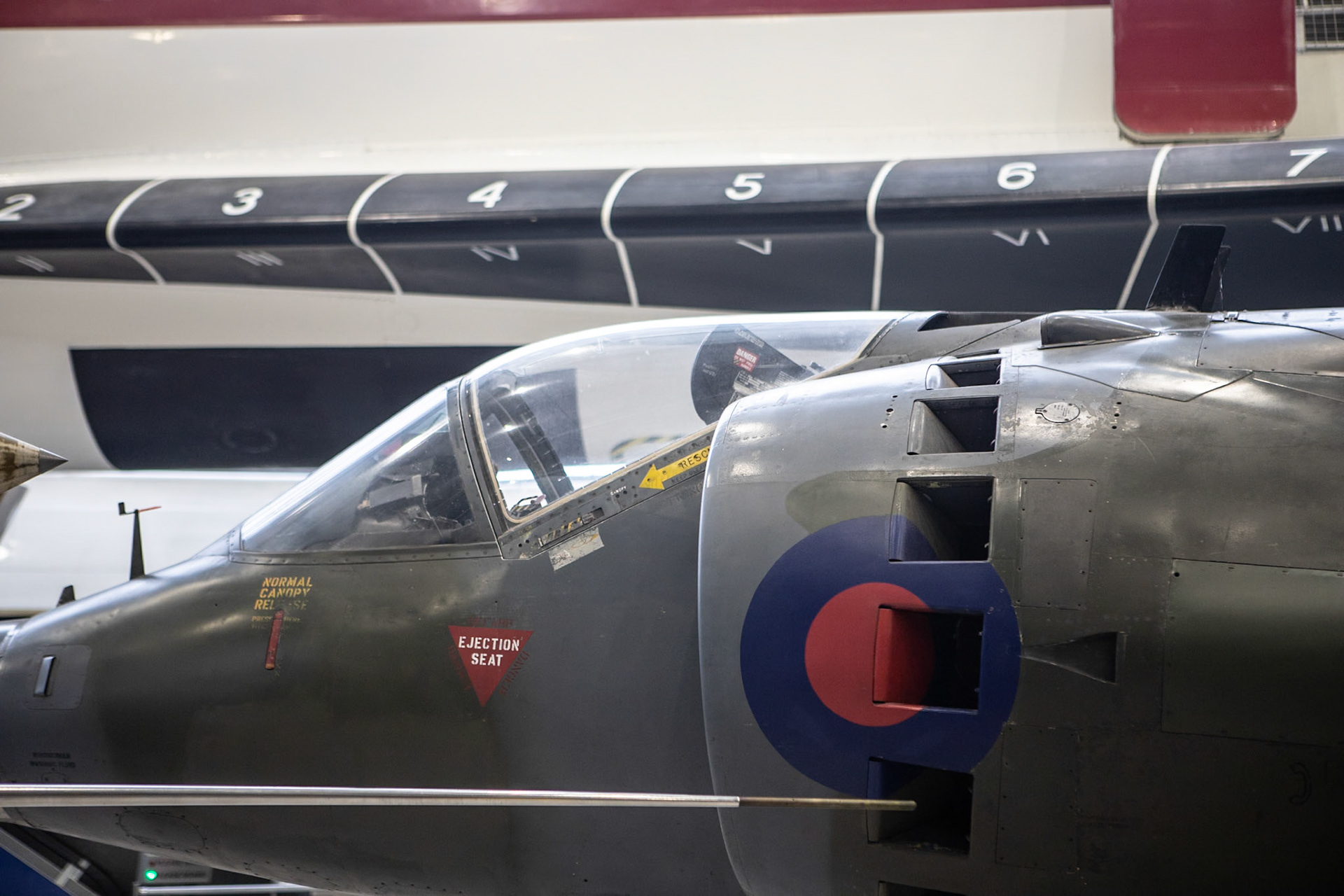
![The Avro Vulcan (later Hawker Siddeley Vulcan[1] from July 1963)[2] is a jet-powered, tailless, delta-wing, high-altitude strategic bomber, which was operated by the Royal Air Force (RAF) from 1956 until 1984.](https://cdn.myportfolio.com/01453194-c141-4d1d-ac78-ee5084ccd917/79341238-0b11-4f85-b5bb-2306d27f4daa_rw_1920.jpg?h=adf6ae9735fee86d96caa3caa5dd6cd4)
![The Avro Vulcan (later Hawker Siddeley Vulcan[1] from July 1963)[2] is a jet-powered, tailless, delta-wing, high-altitude strategic bomber, which was operated by the Royal Air Force (RAF) from 1956 until 1984.](https://cdn.myportfolio.com/01453194-c141-4d1d-ac78-ee5084ccd917/0a0ed7d0-3341-4268-baa5-6a43baabbdc2_rw_1920.jpg?h=34f663d4bf101d77a69e6e020a83c84e)
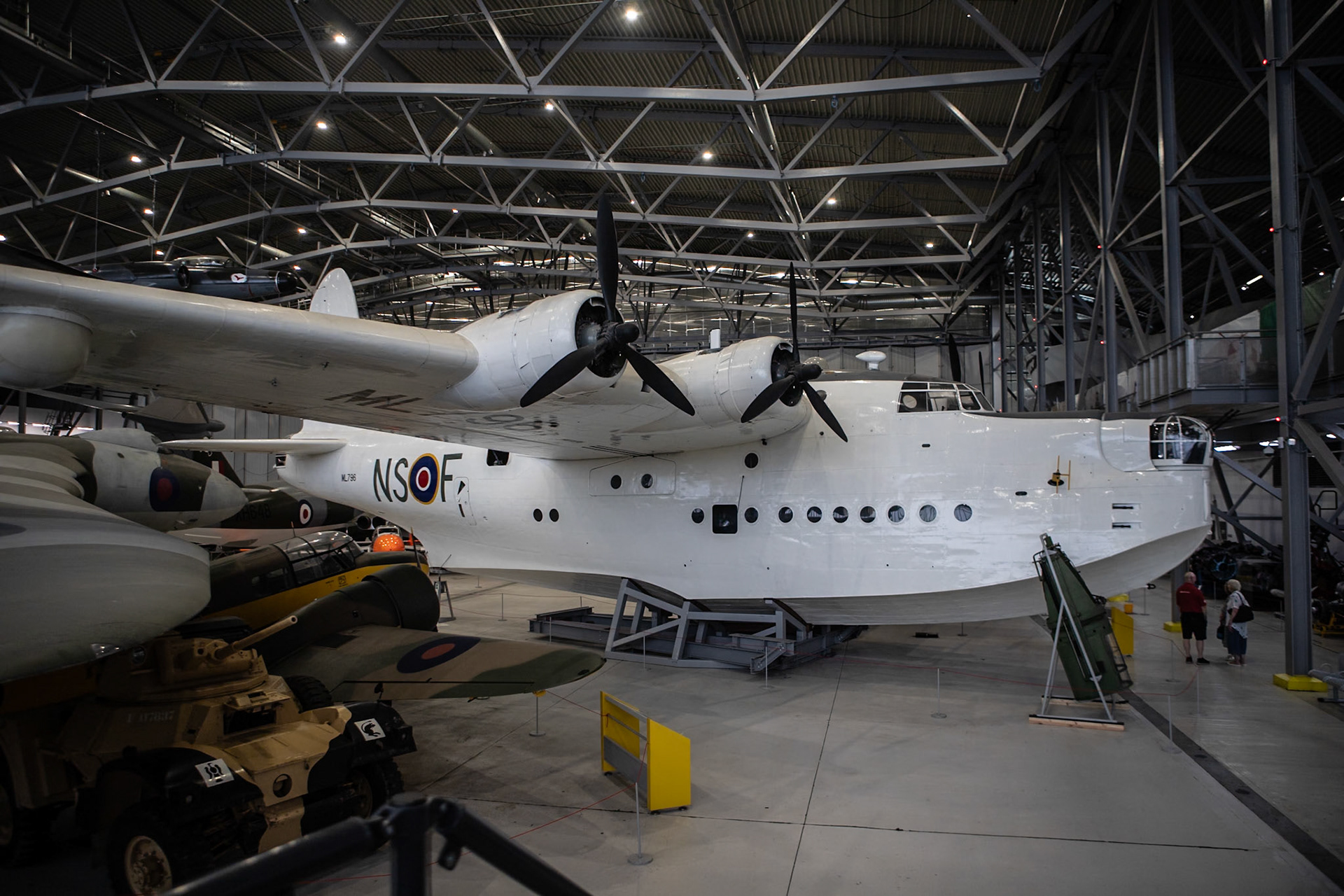
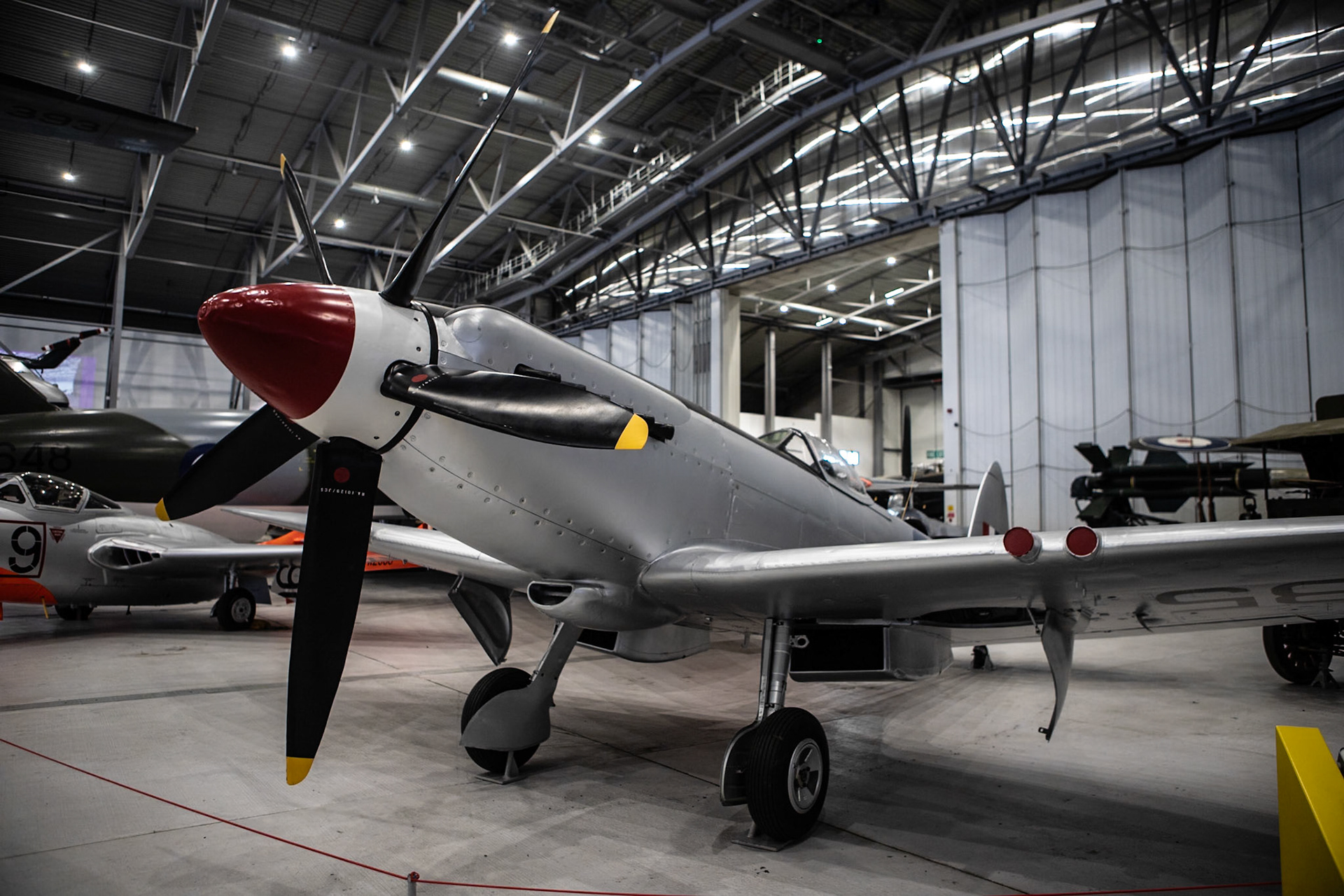
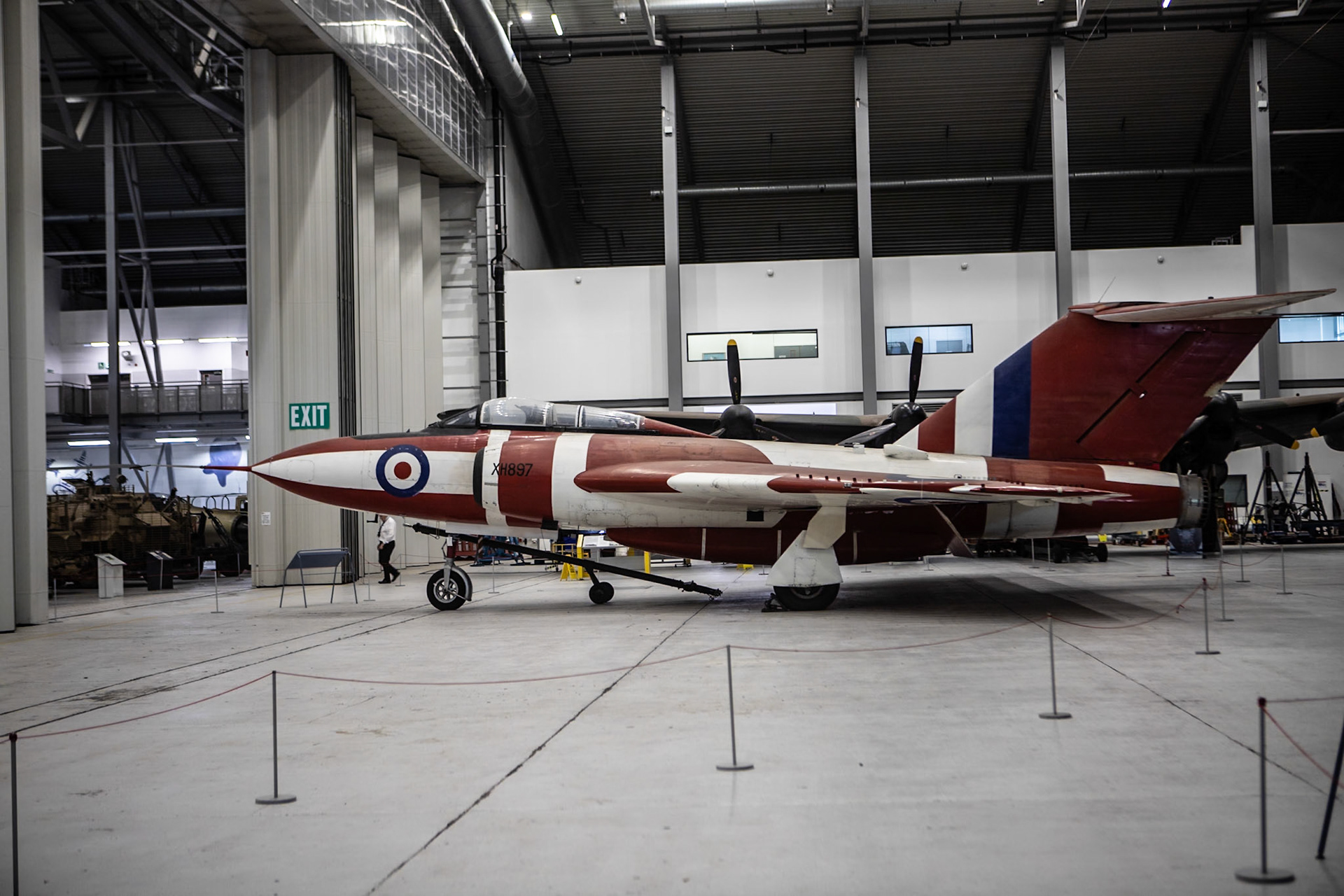
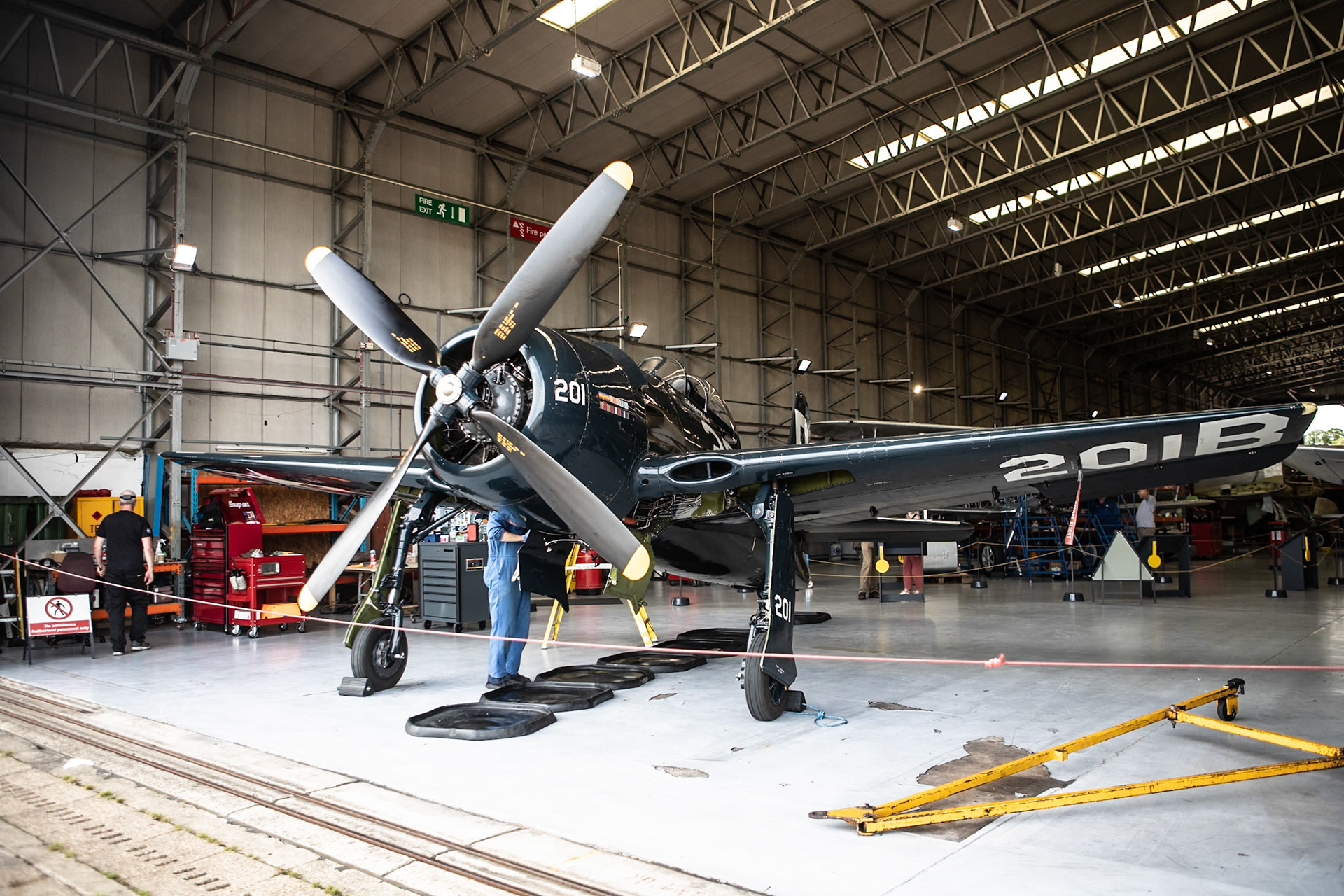
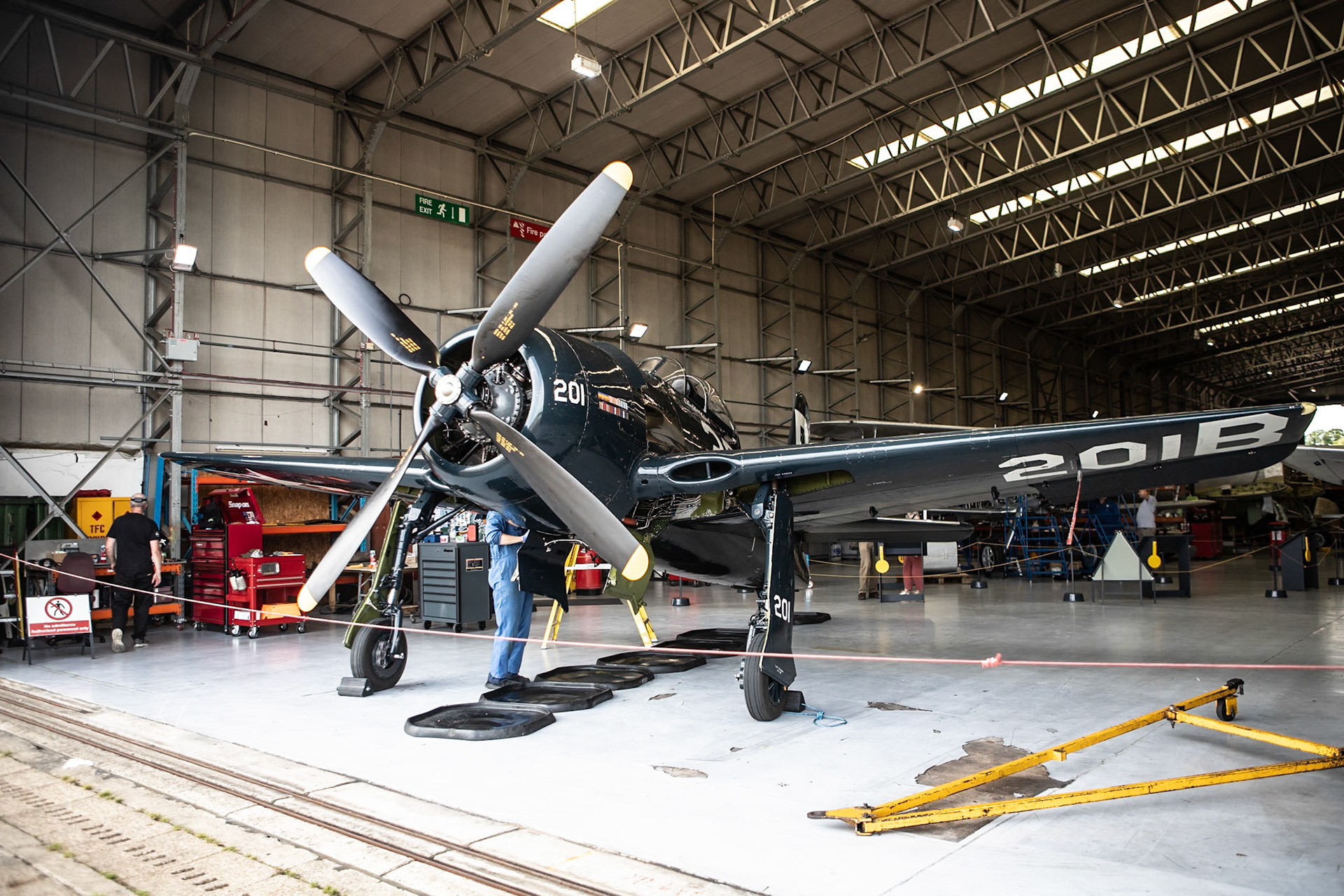
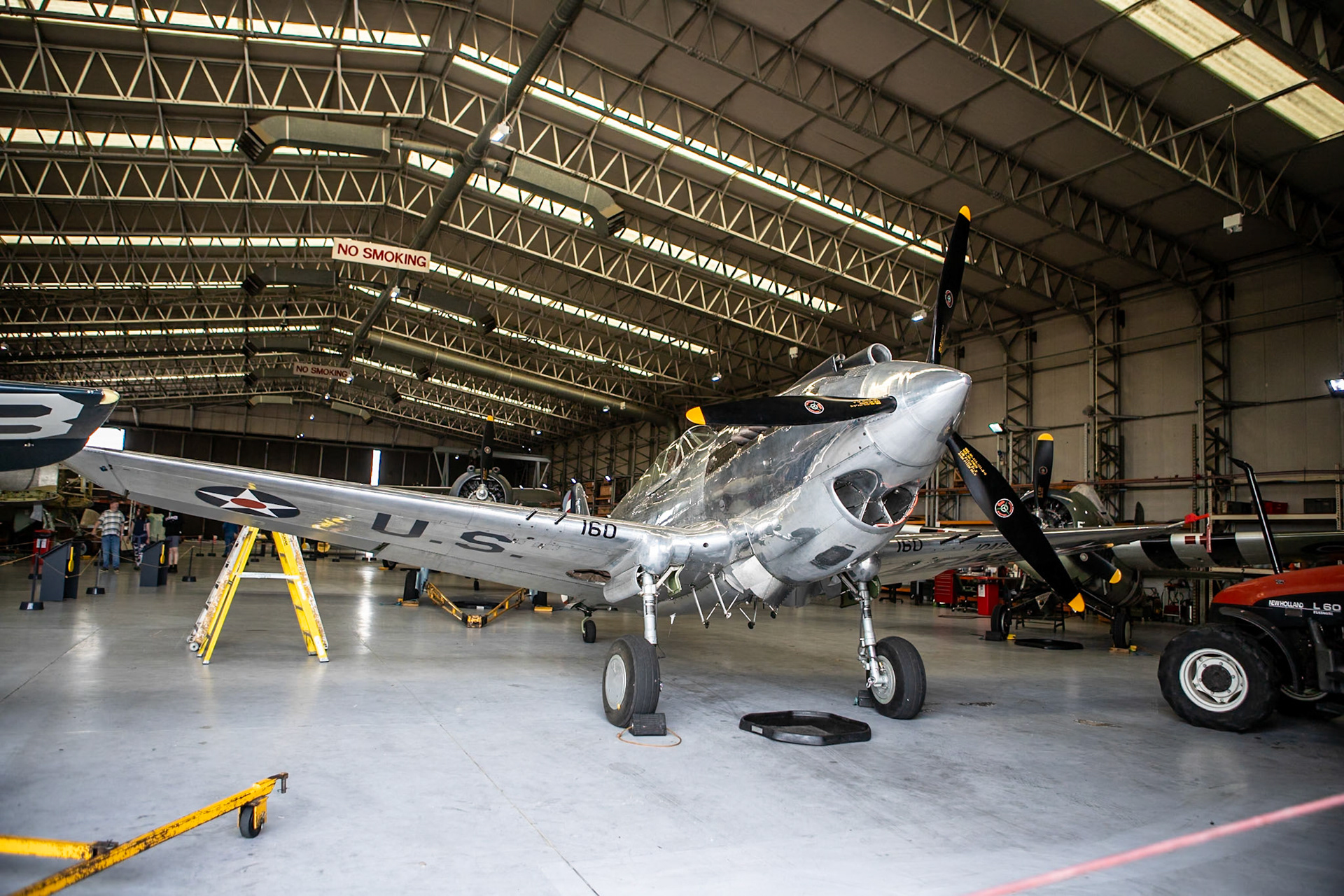
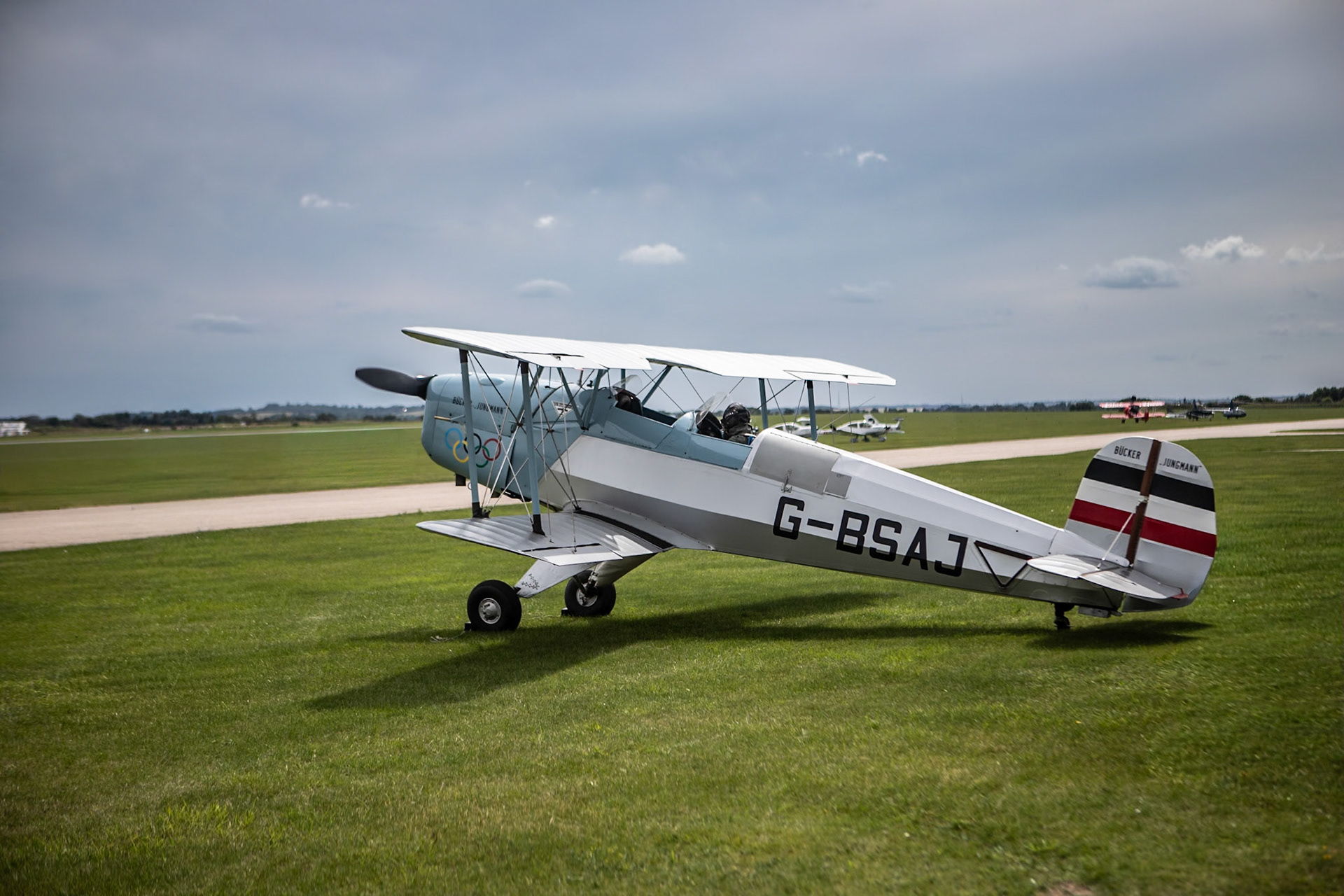
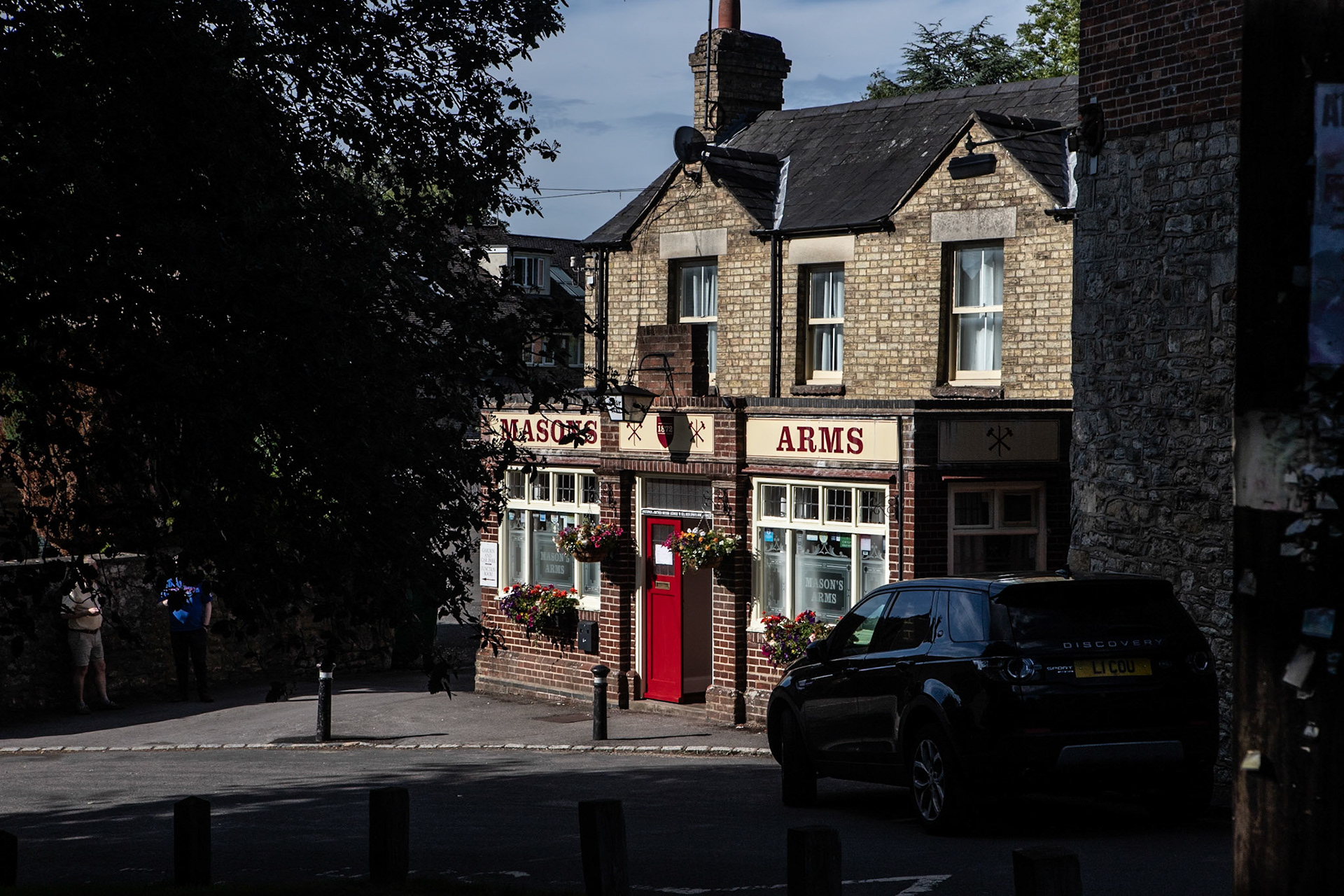
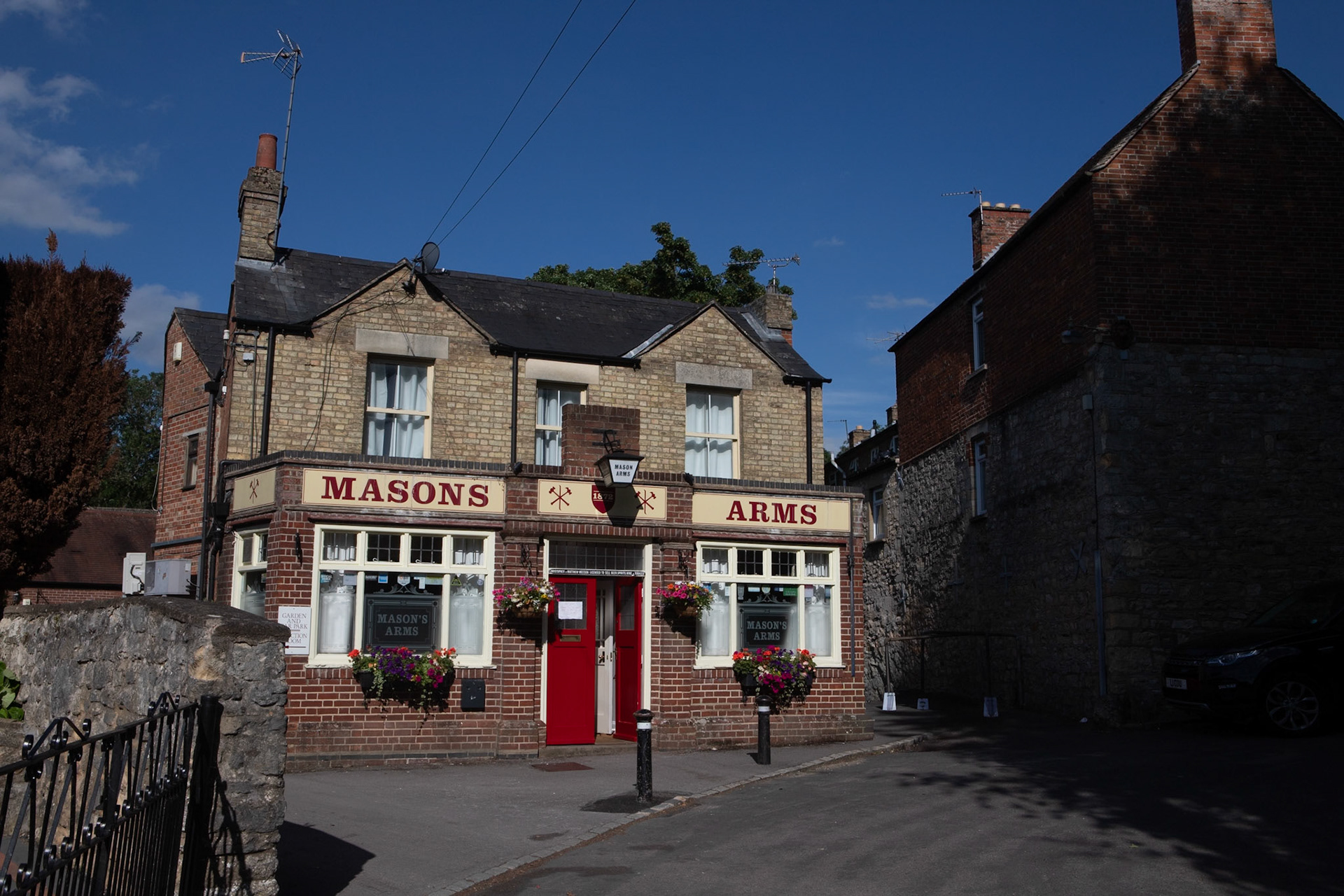
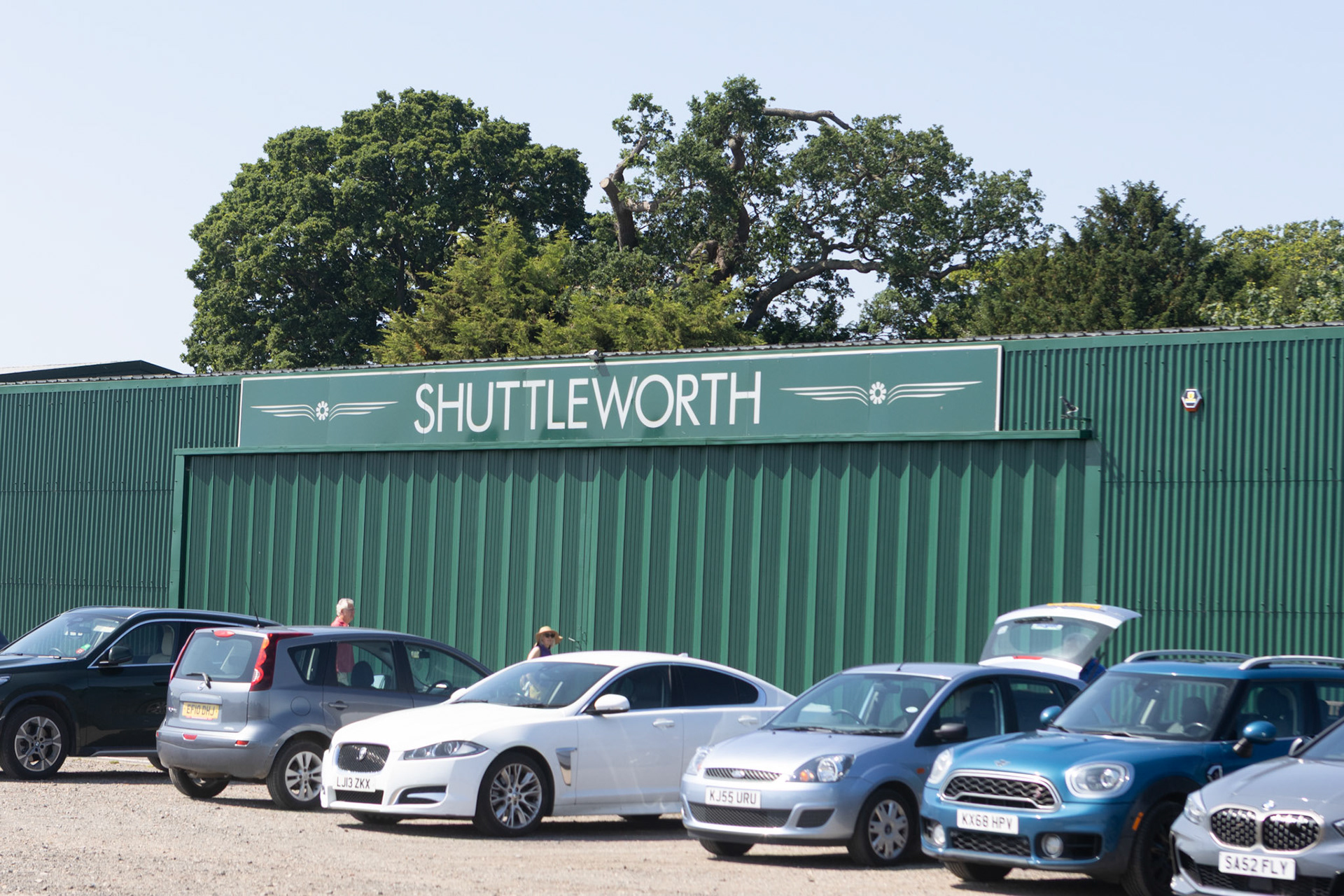
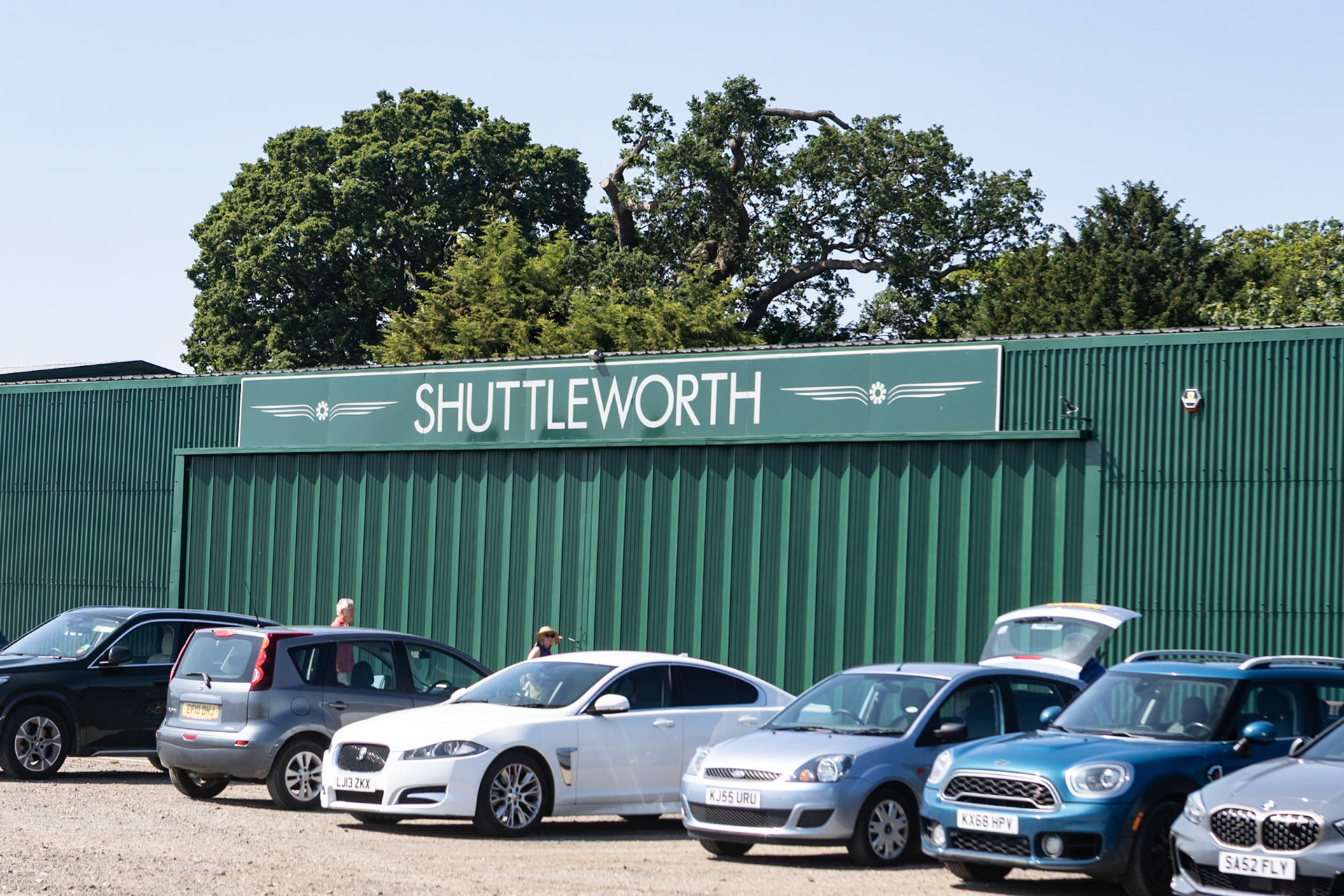
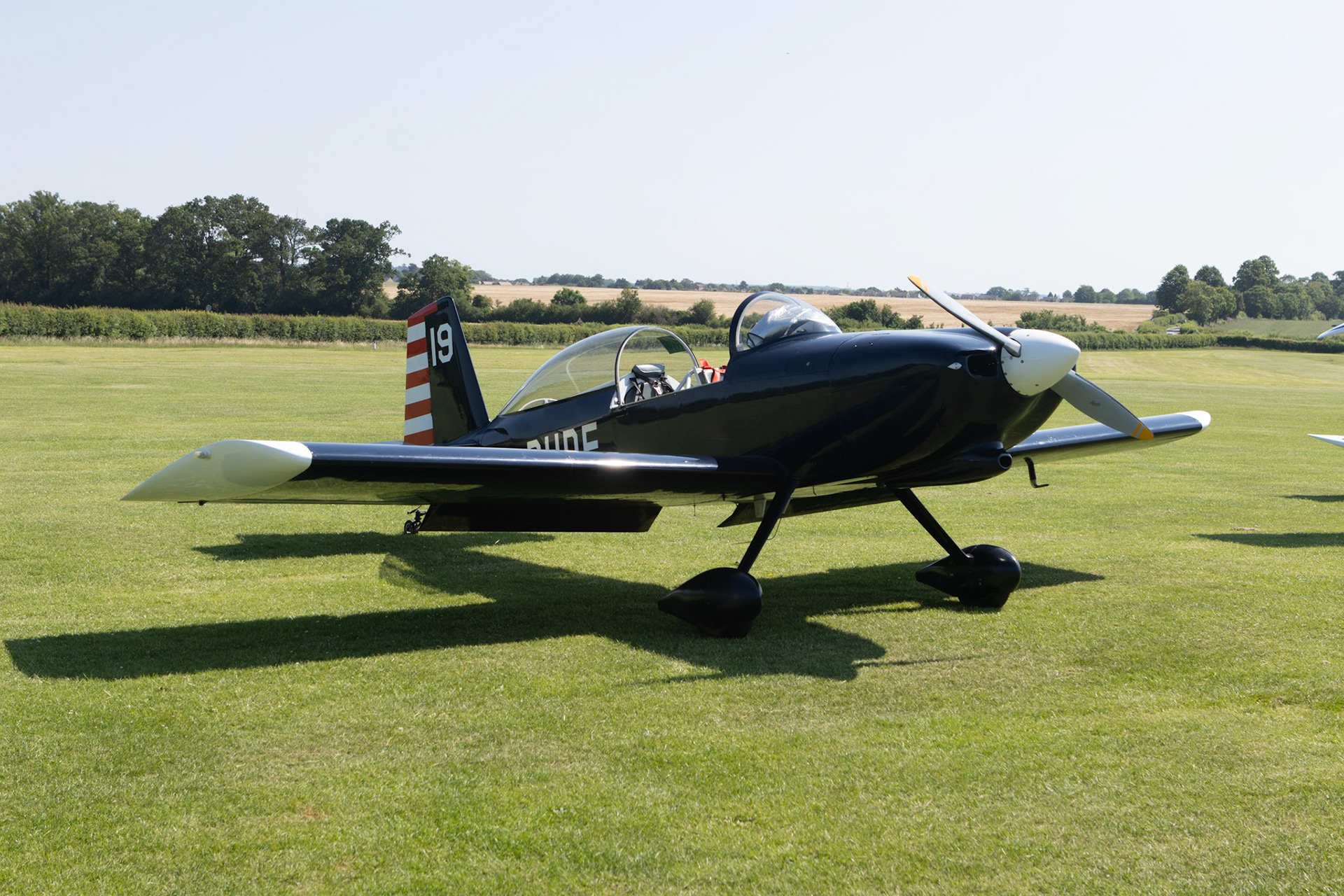
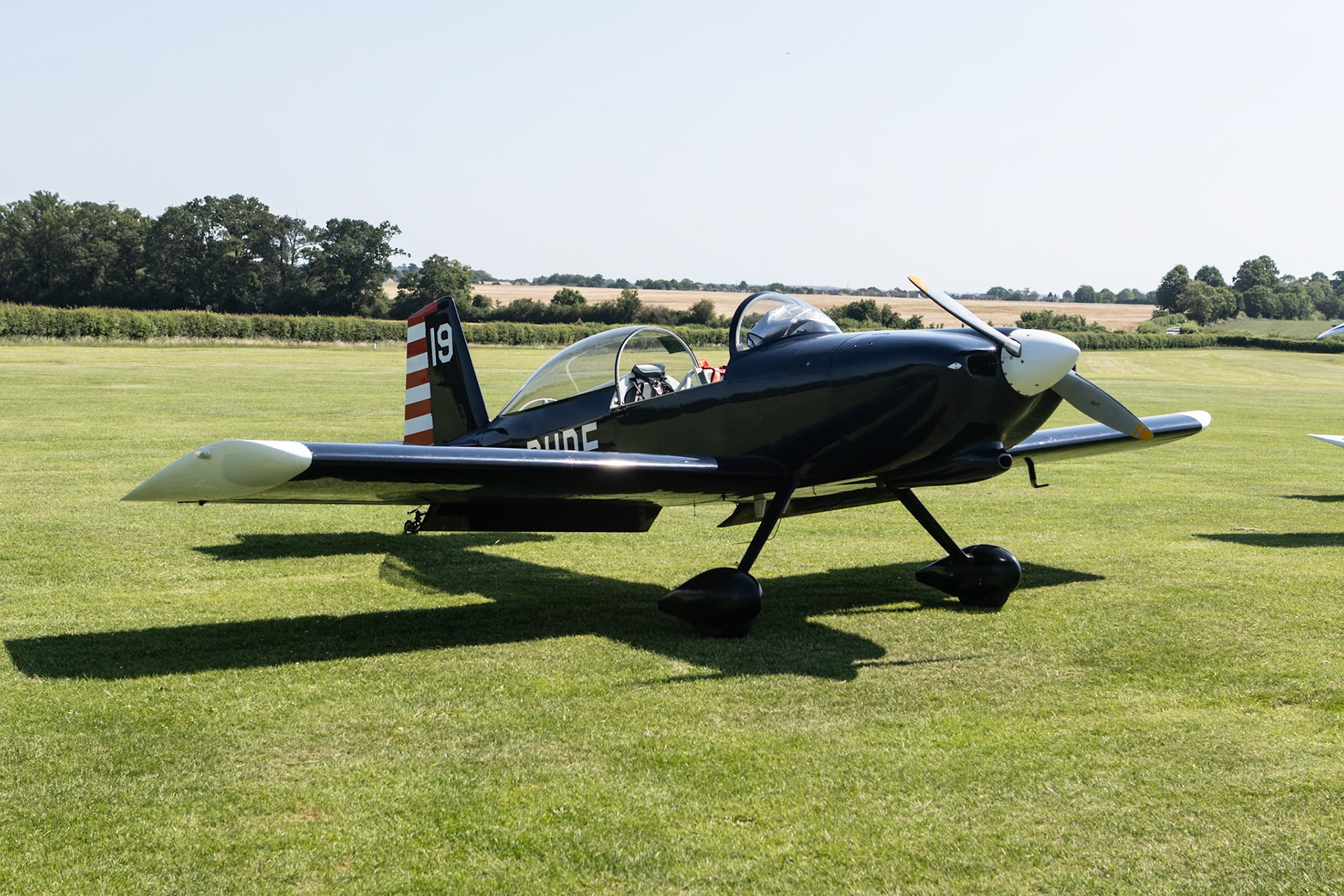
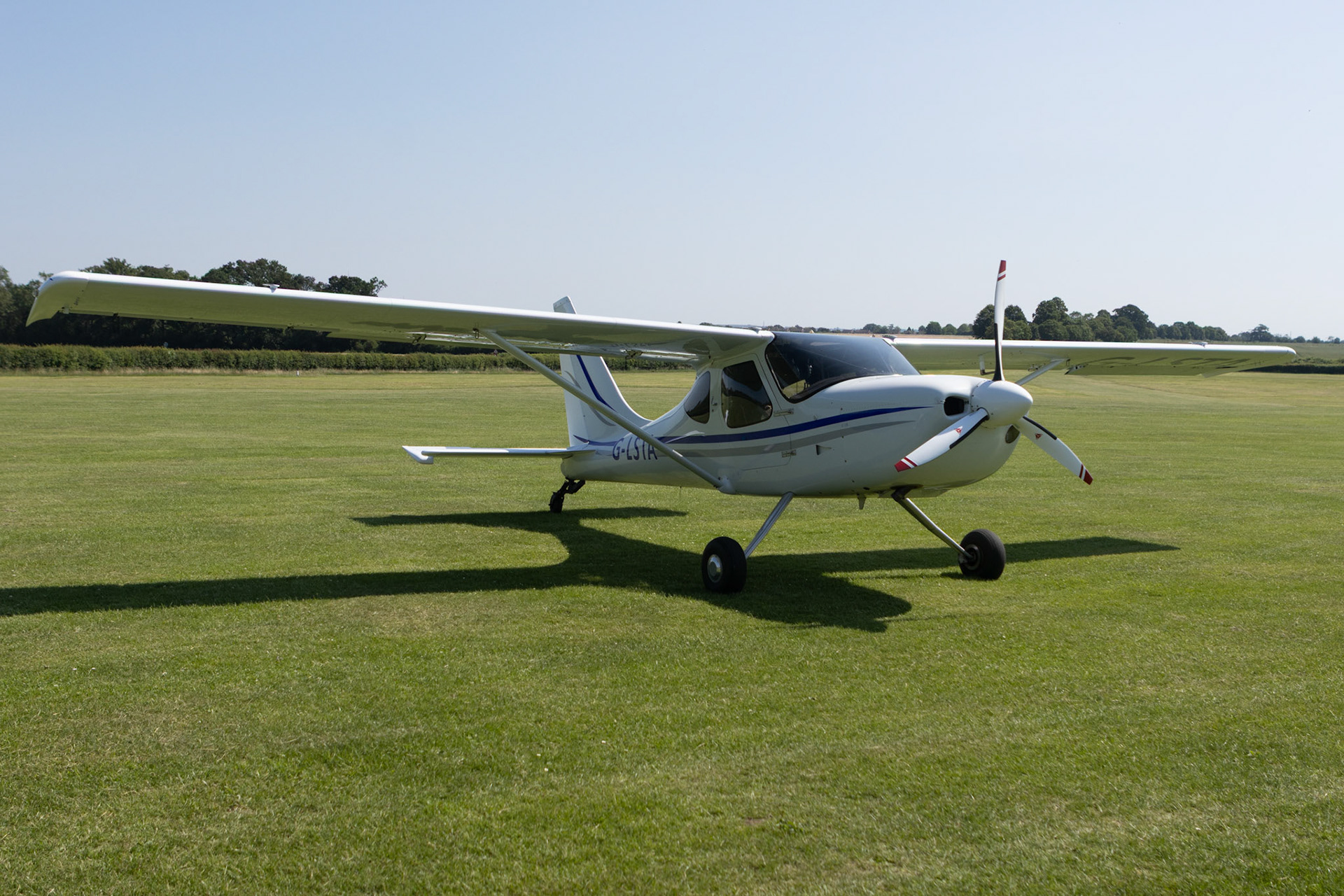
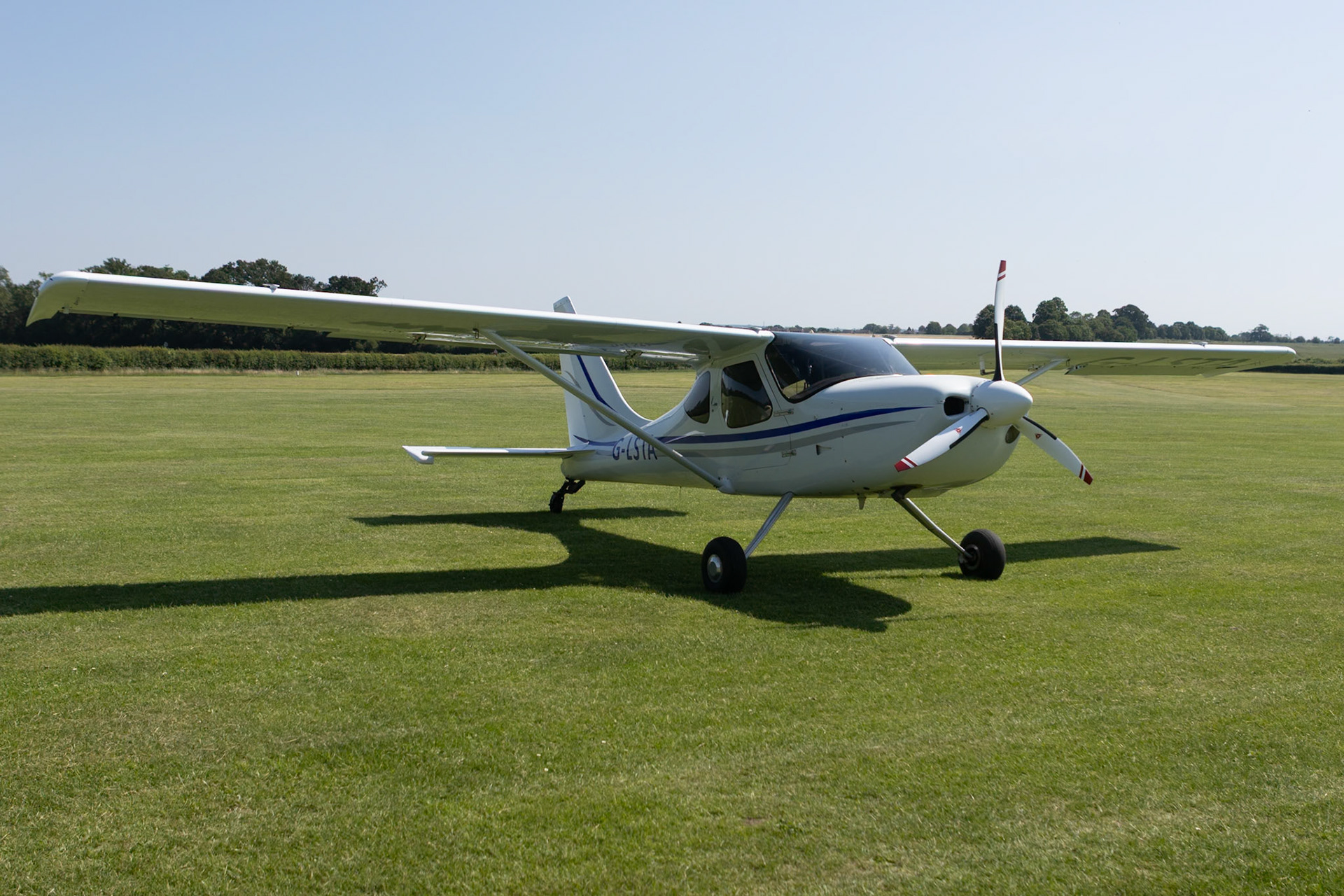
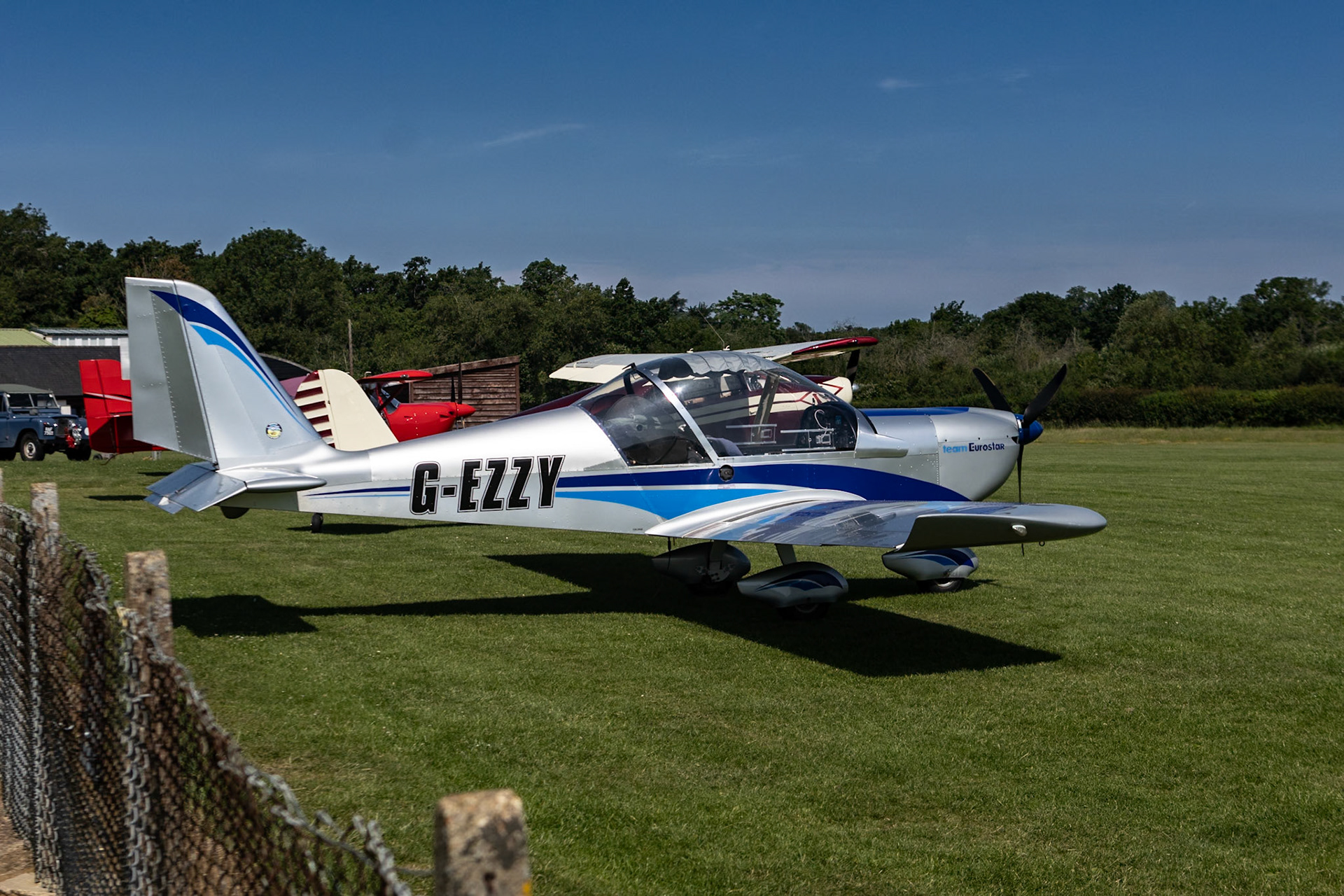
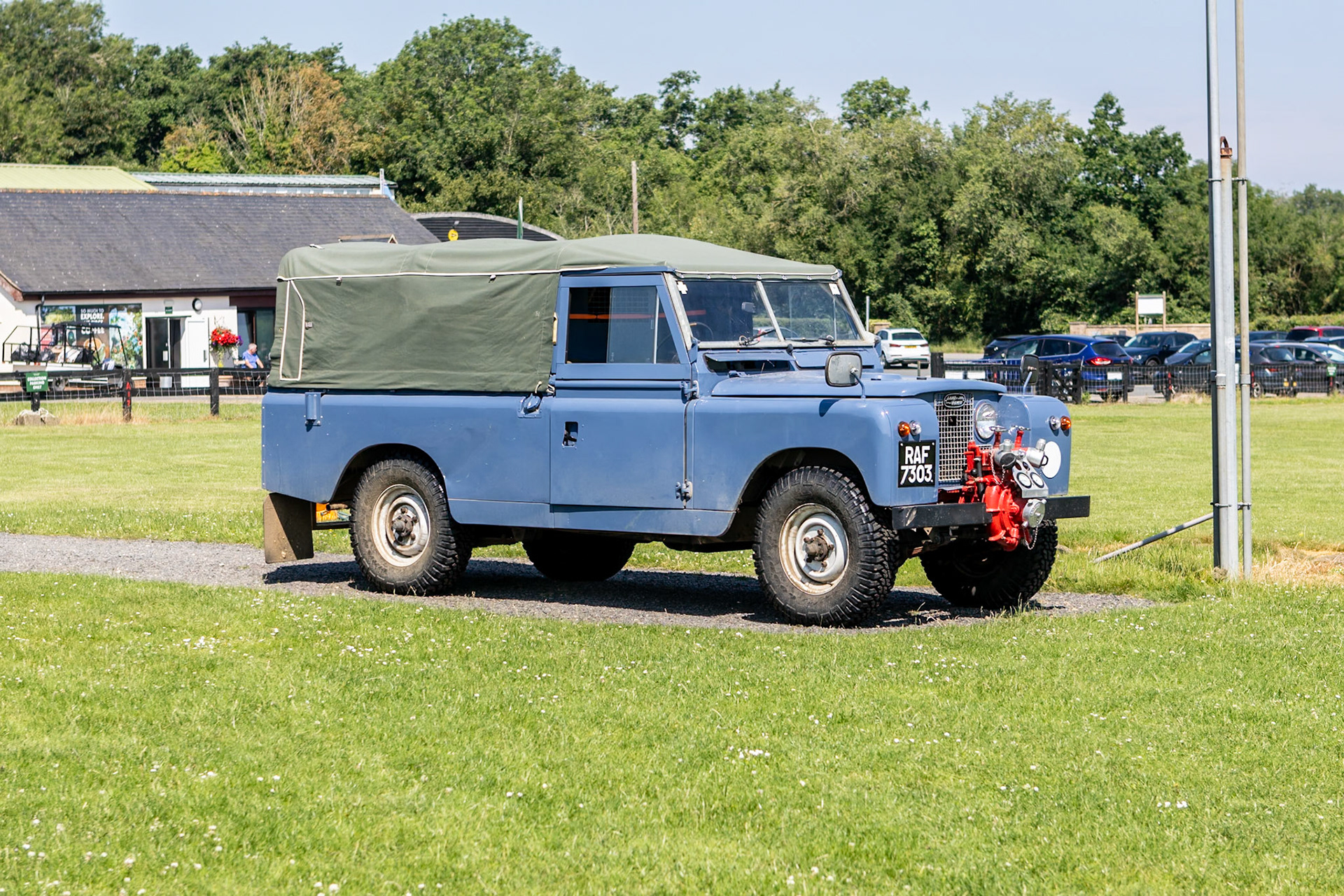
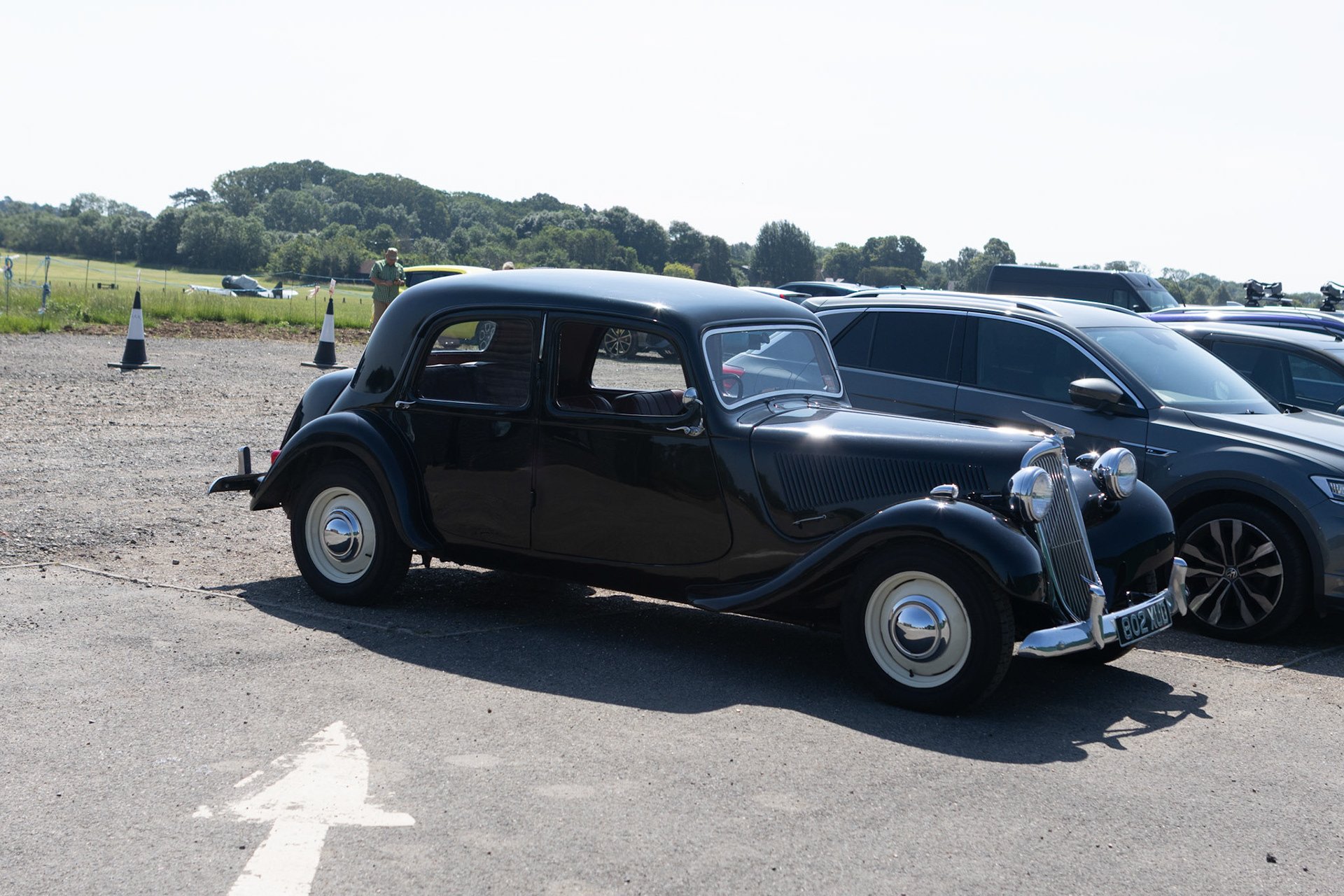
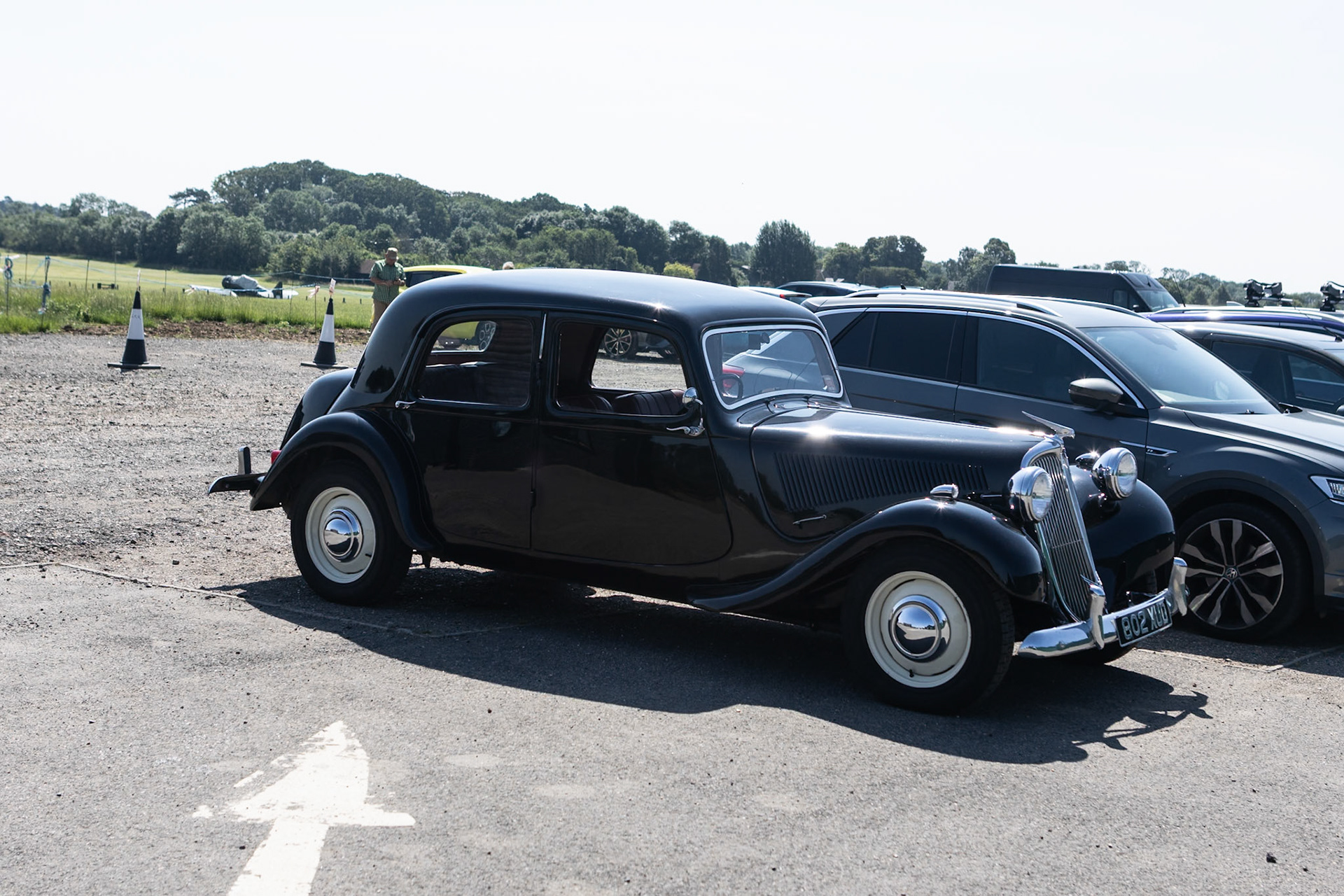
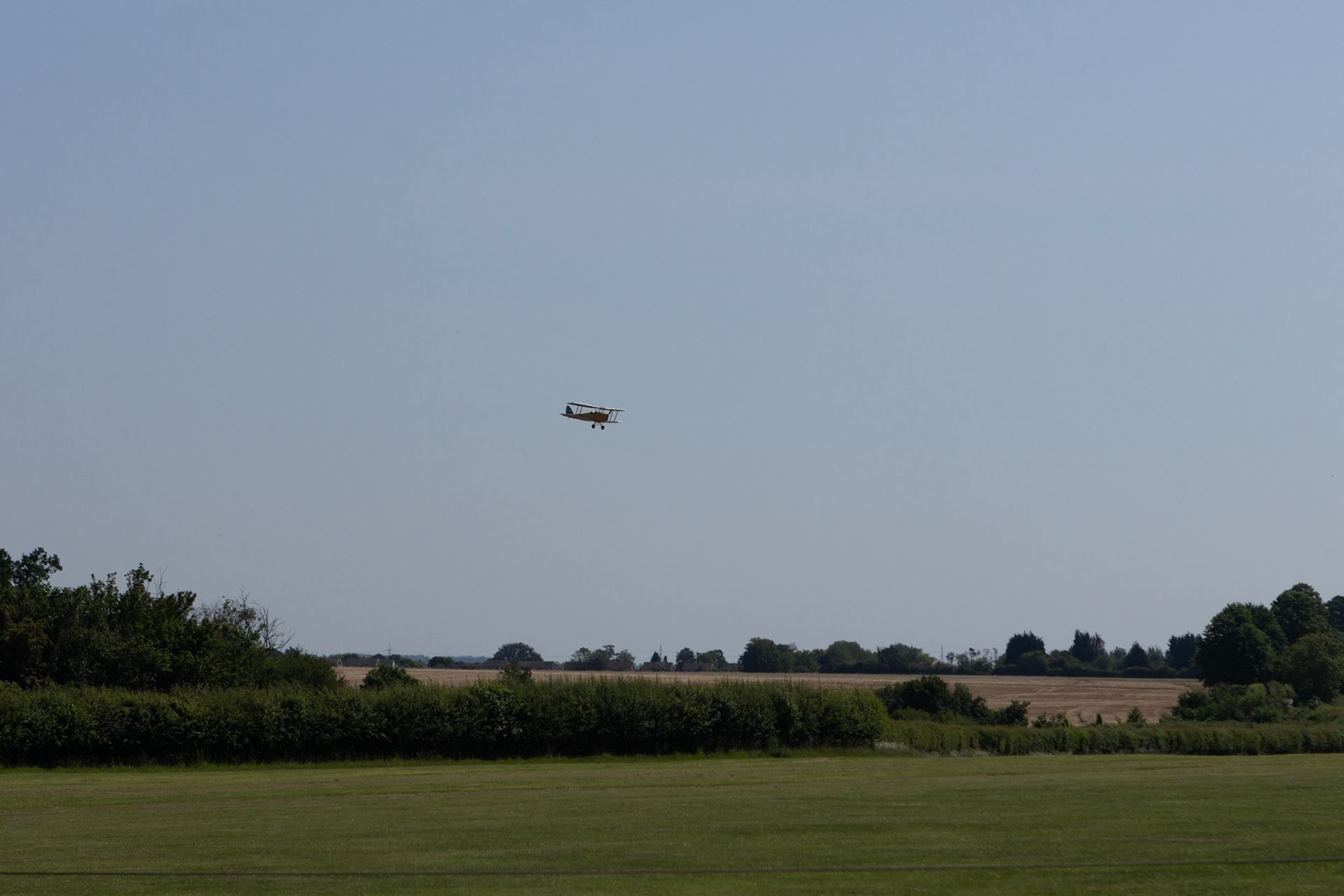
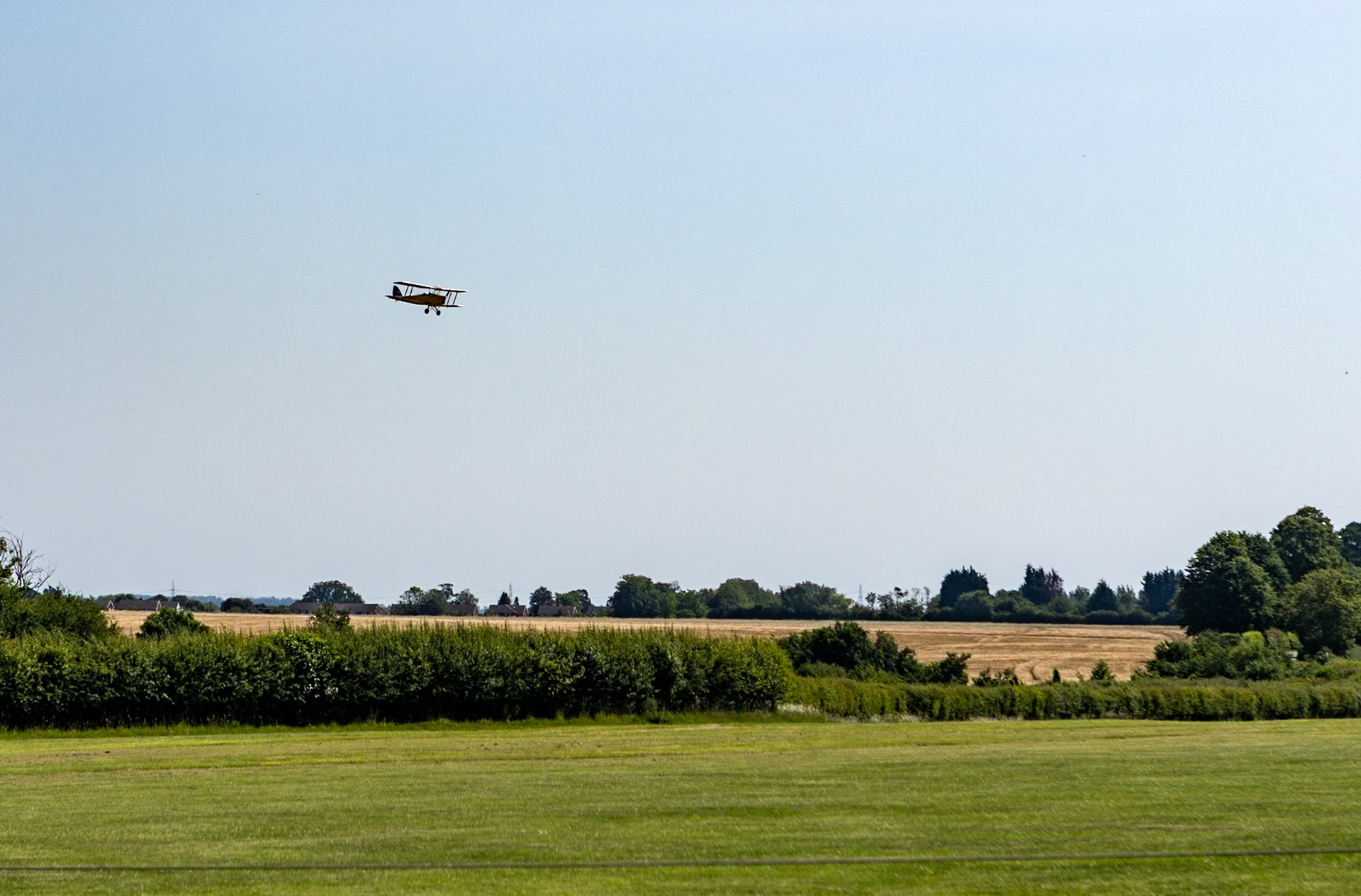
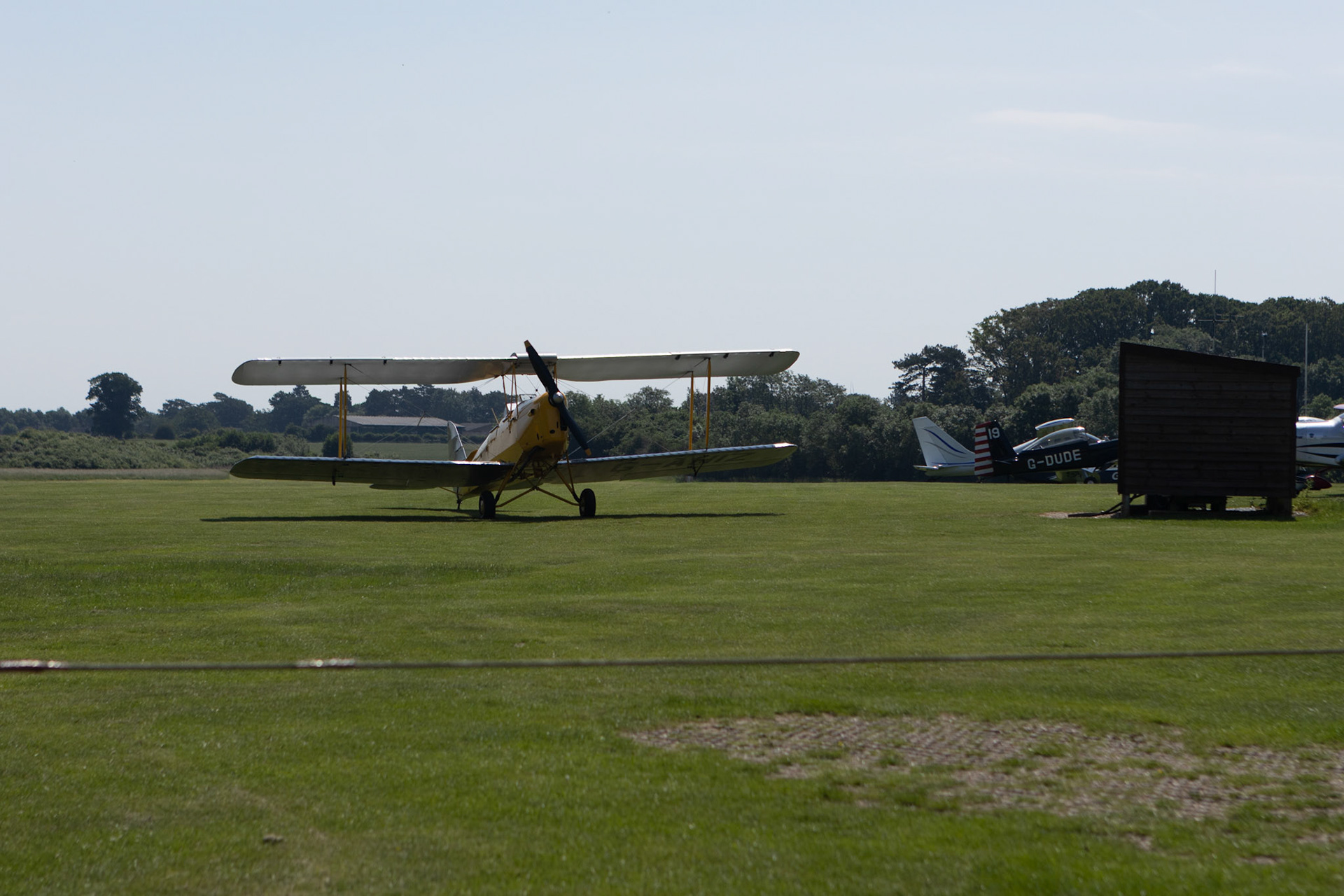
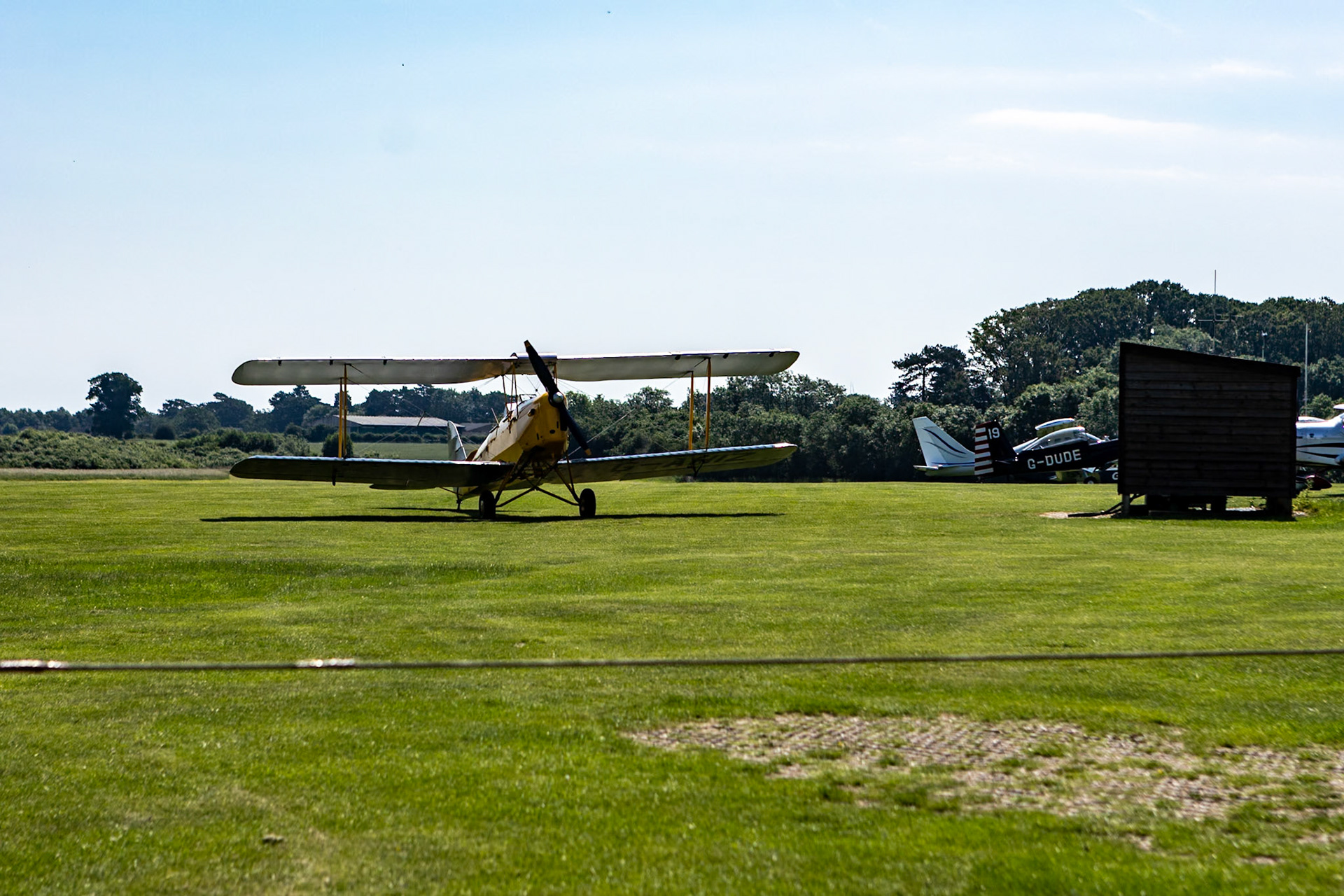
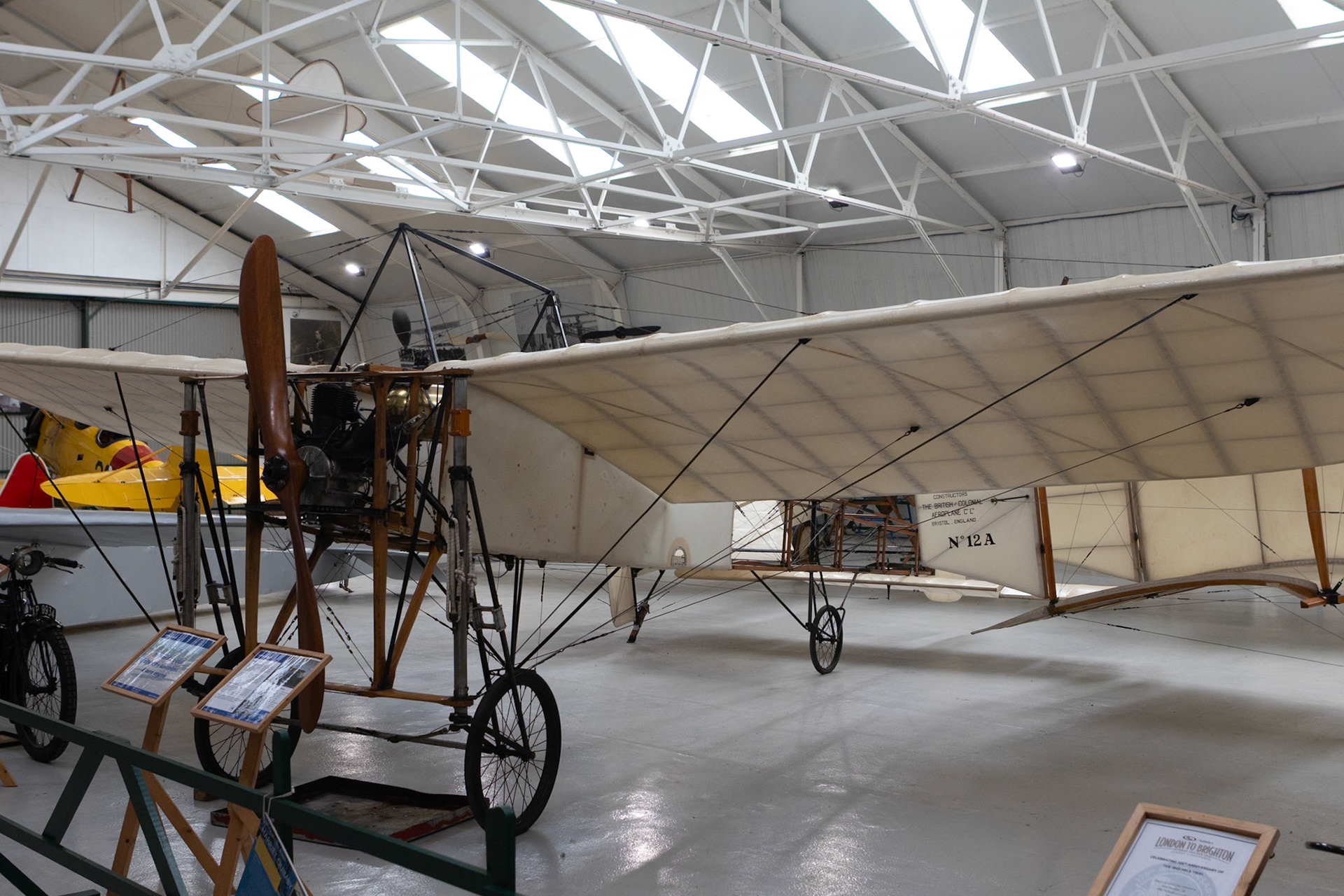
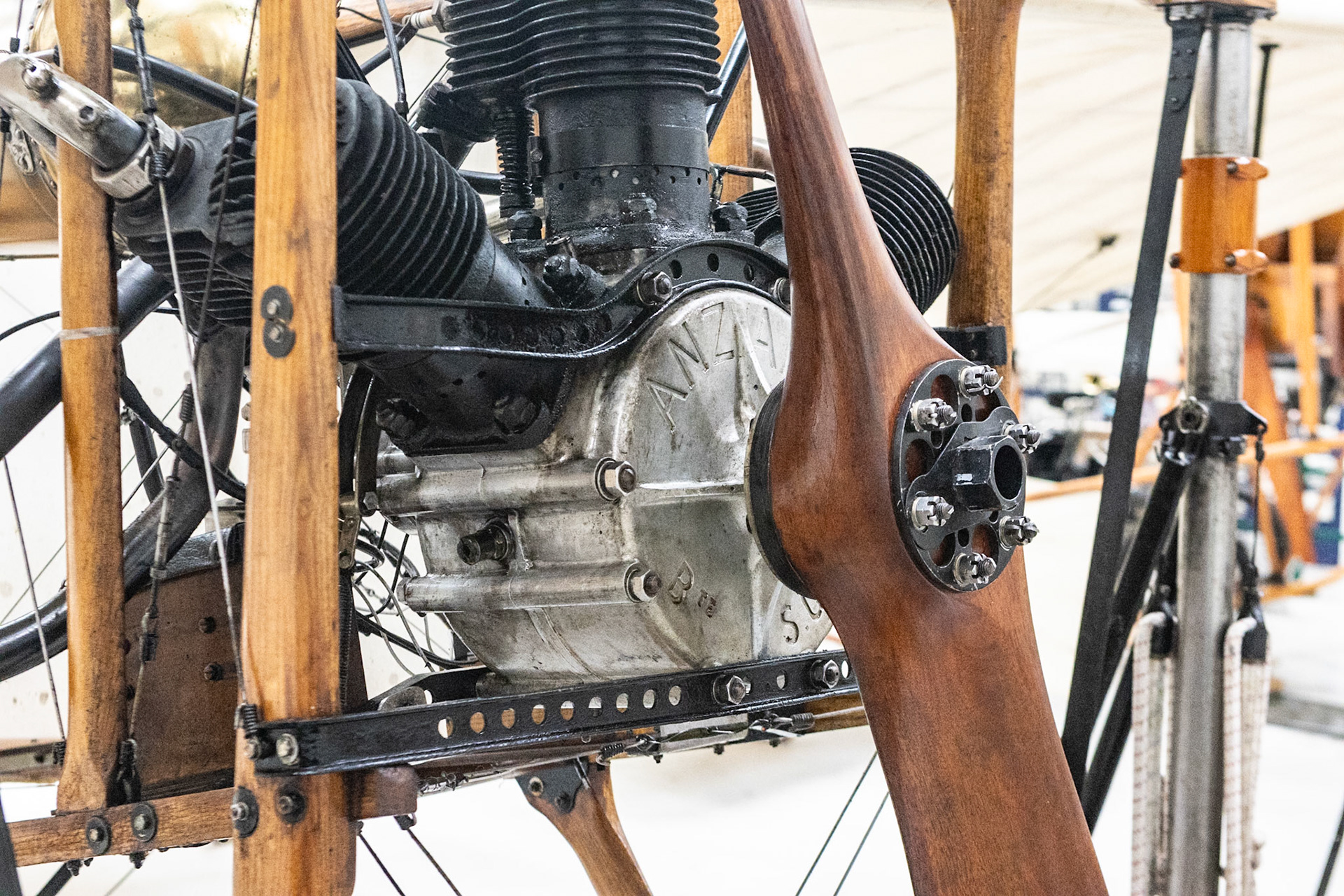
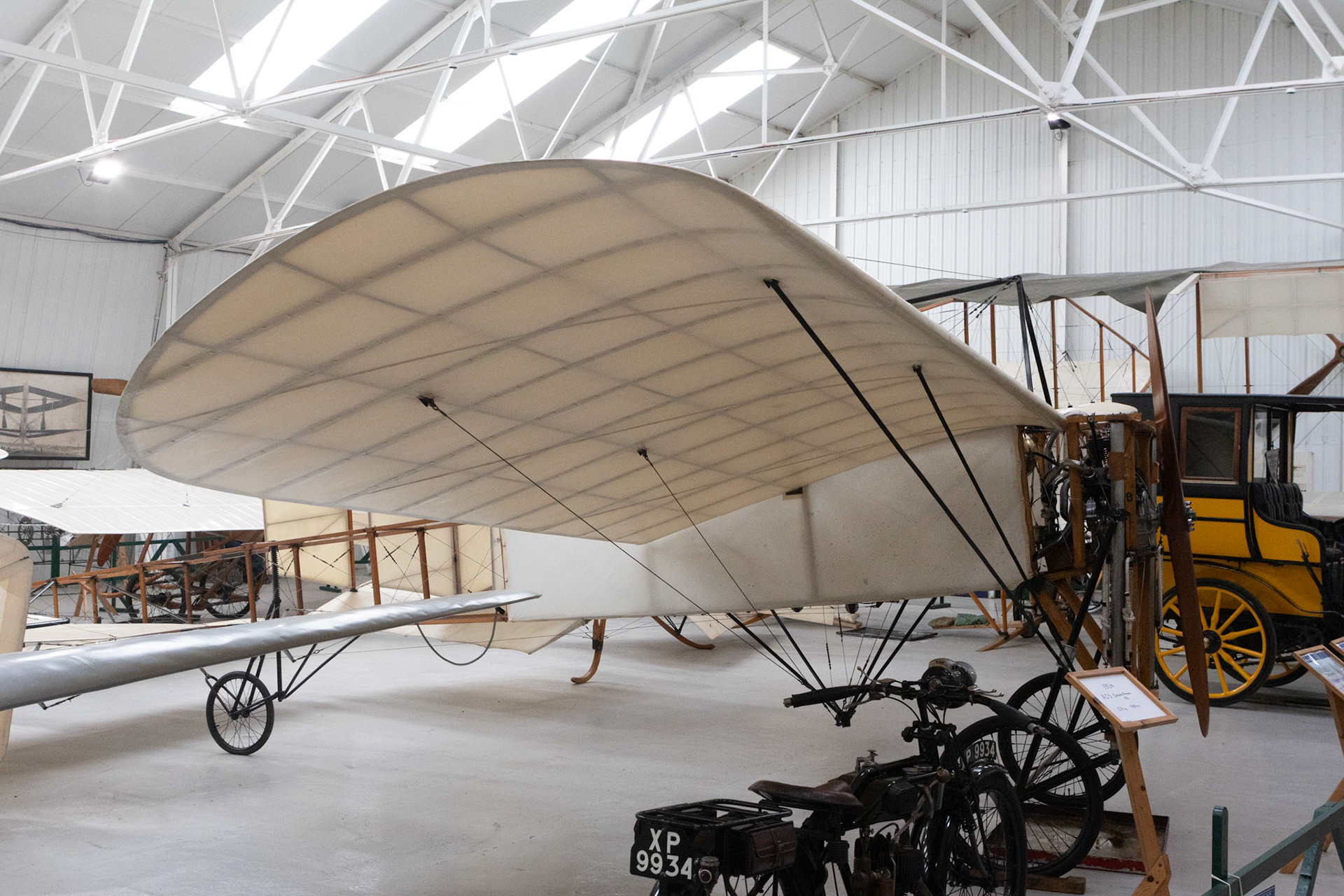
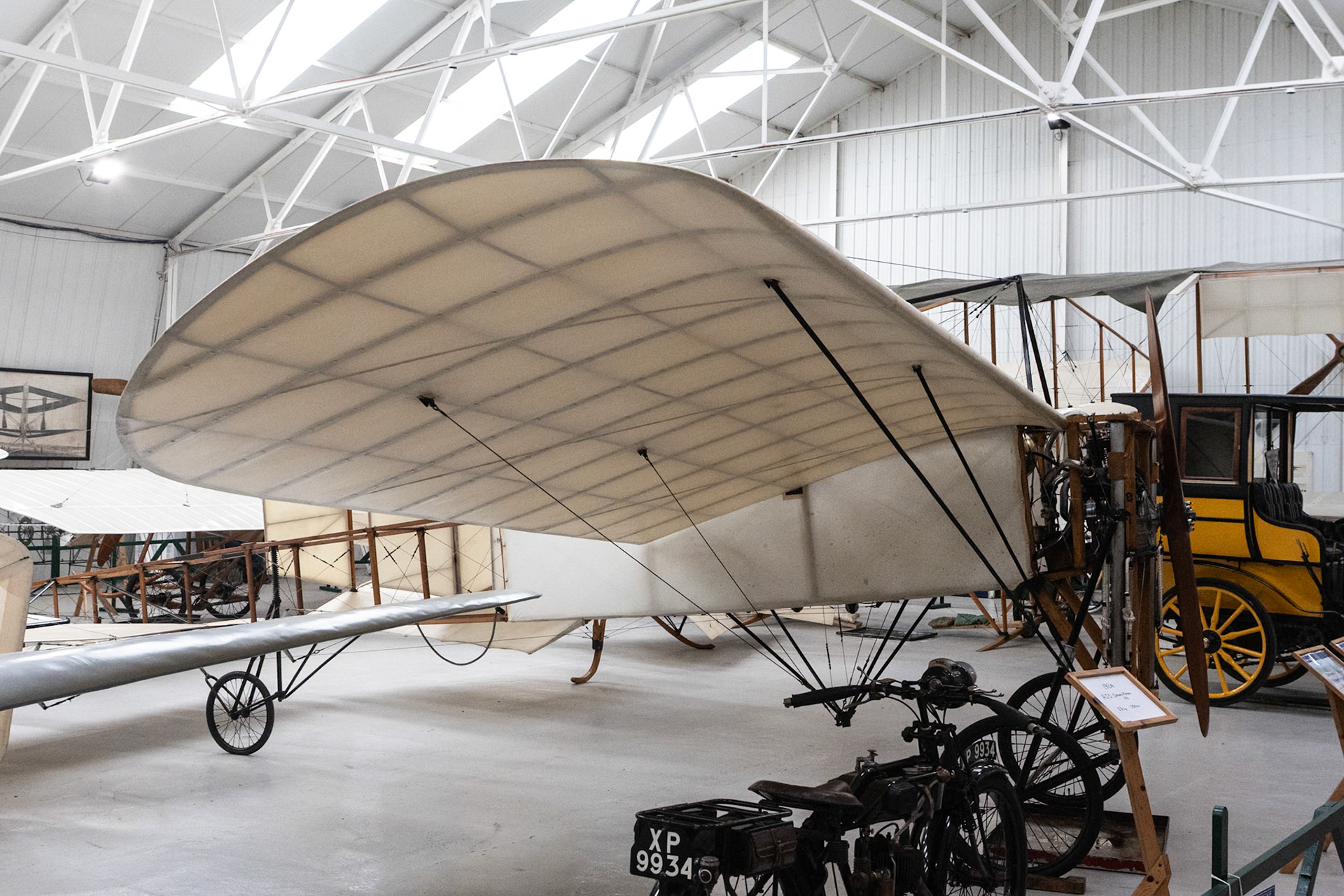
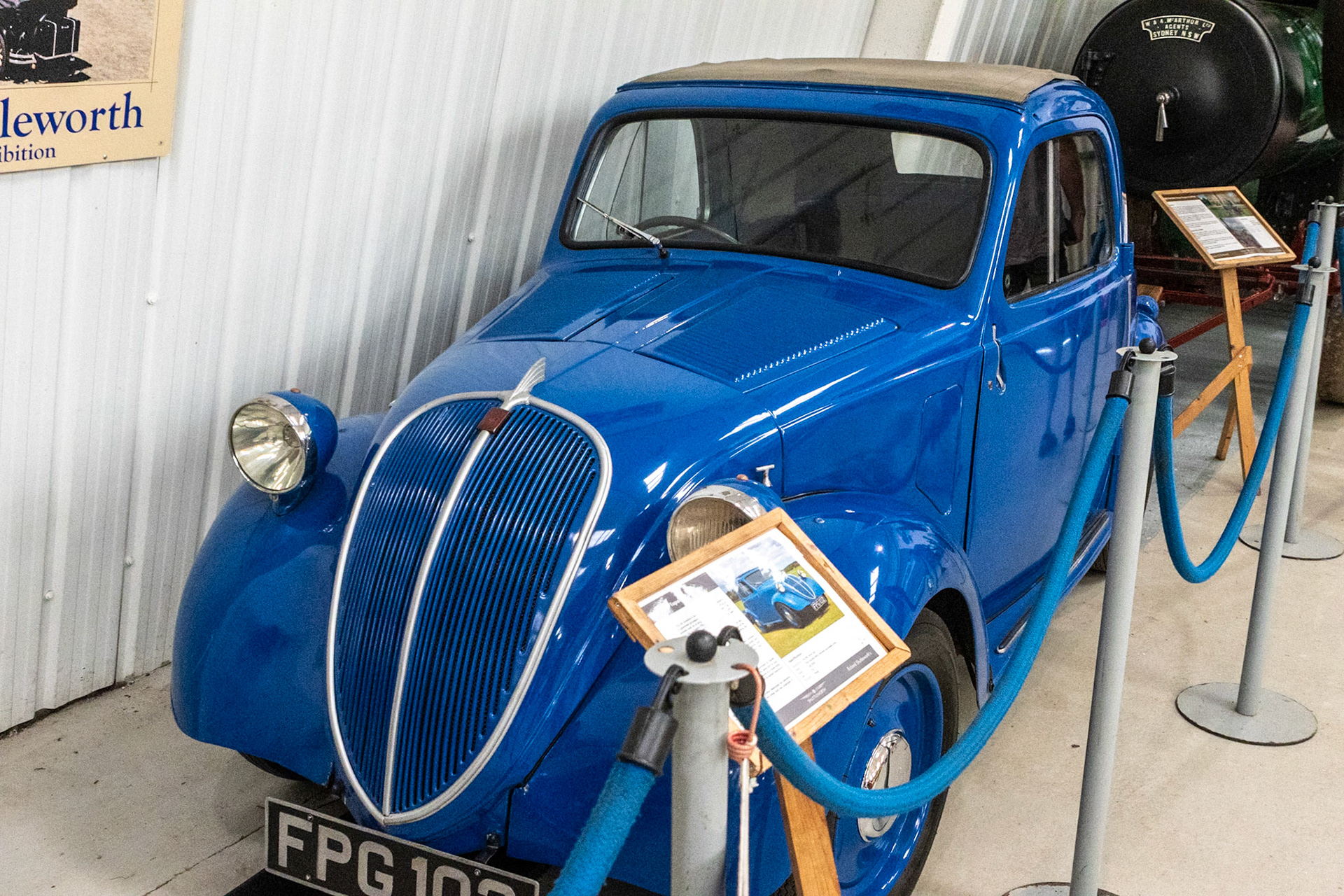
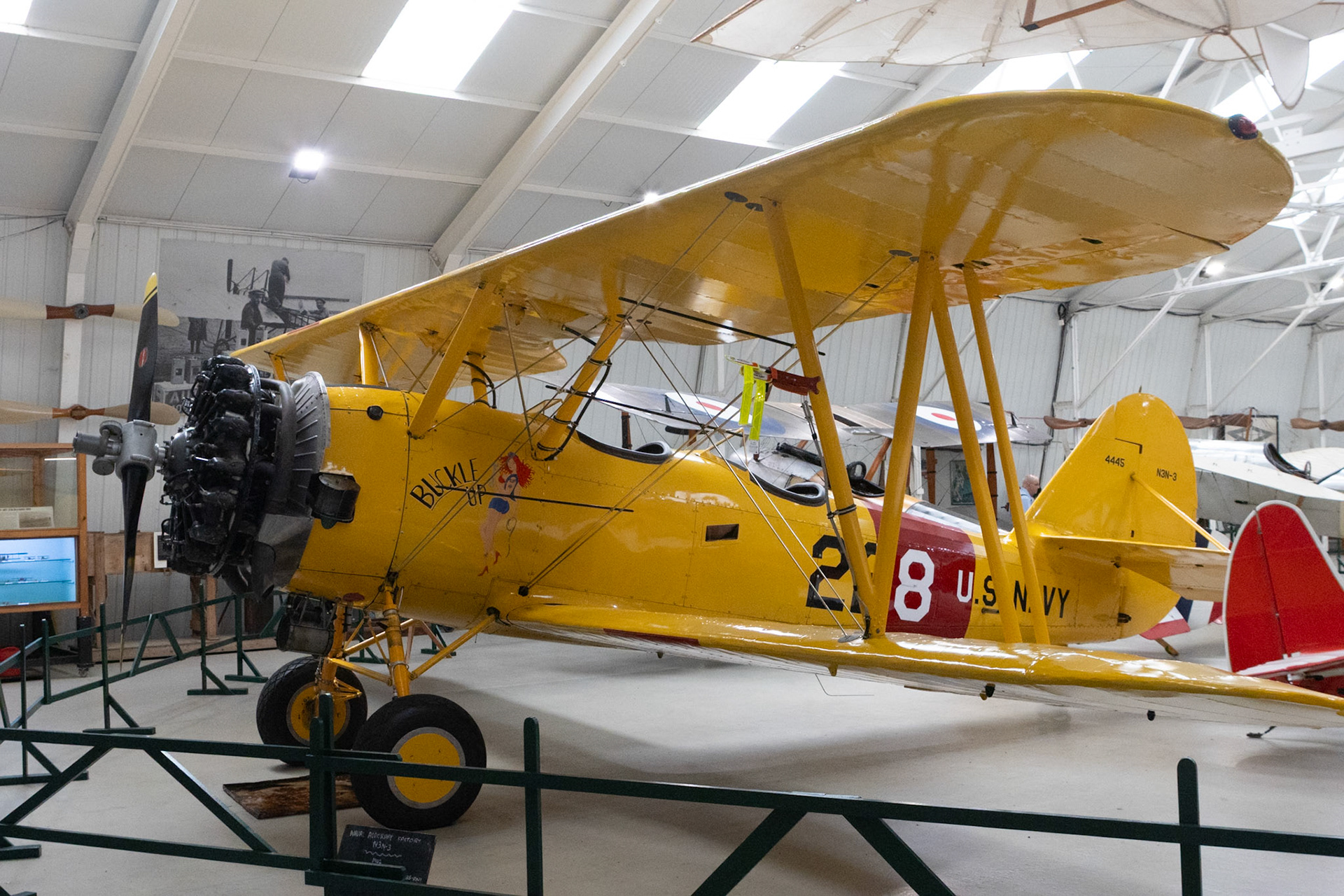
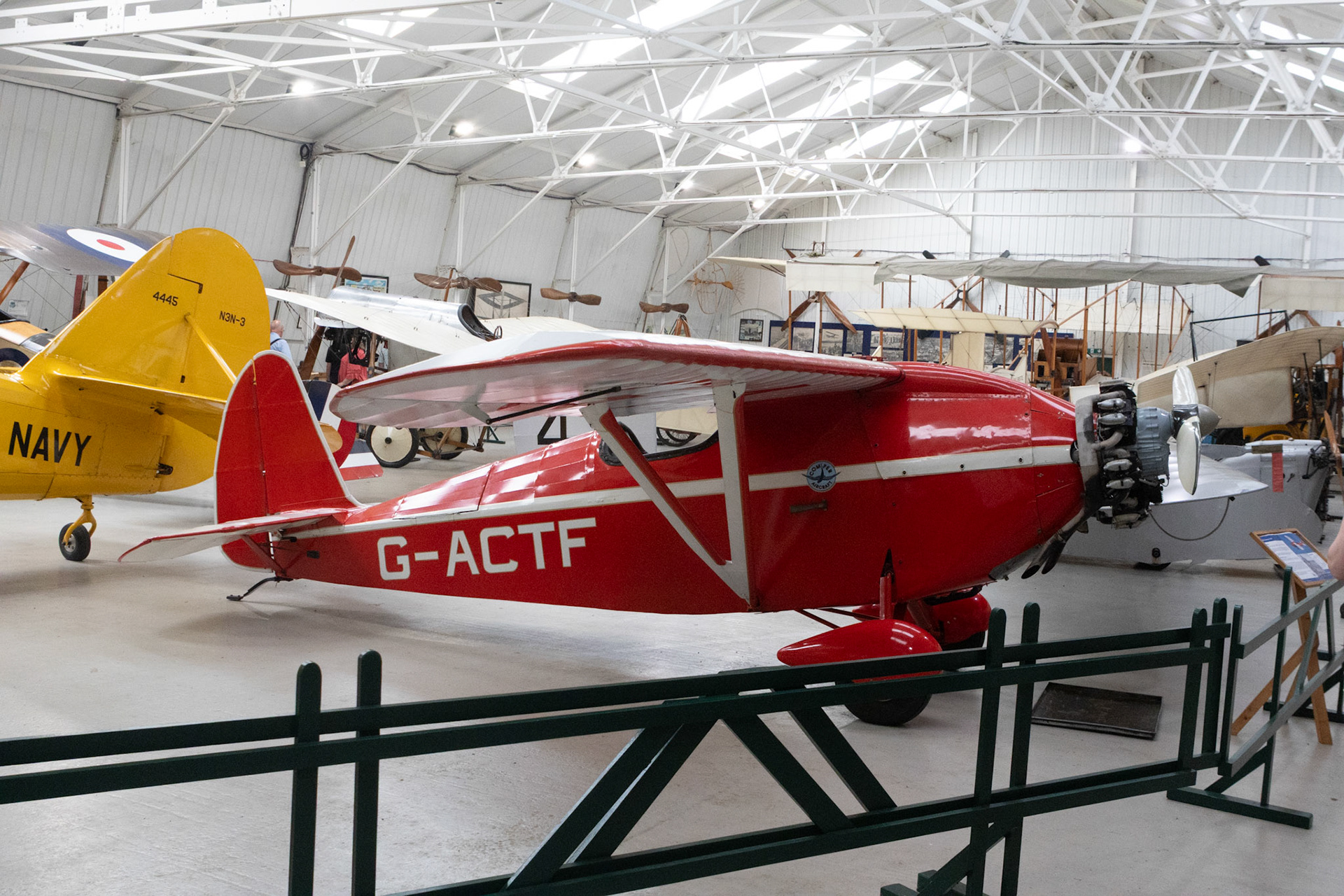
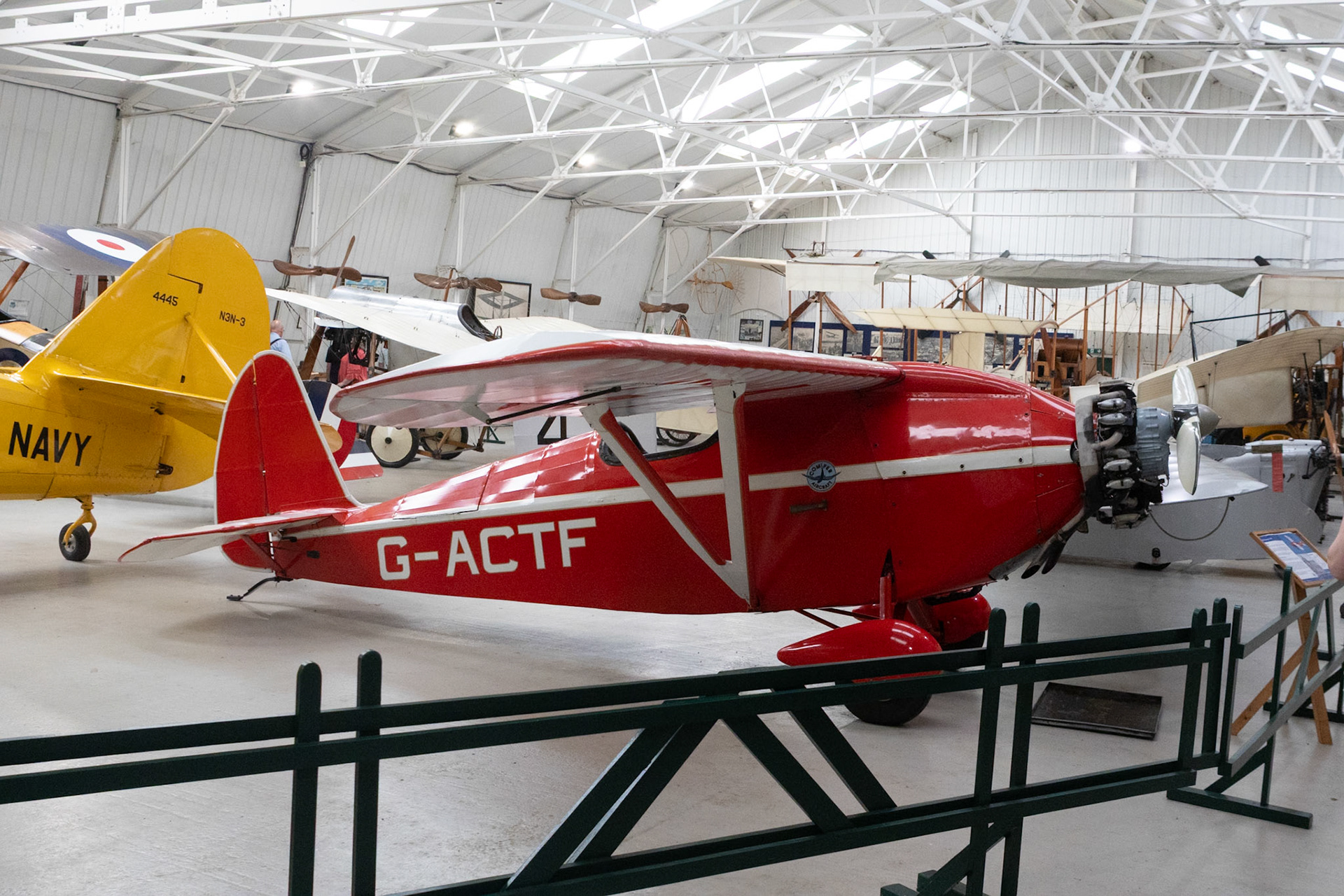
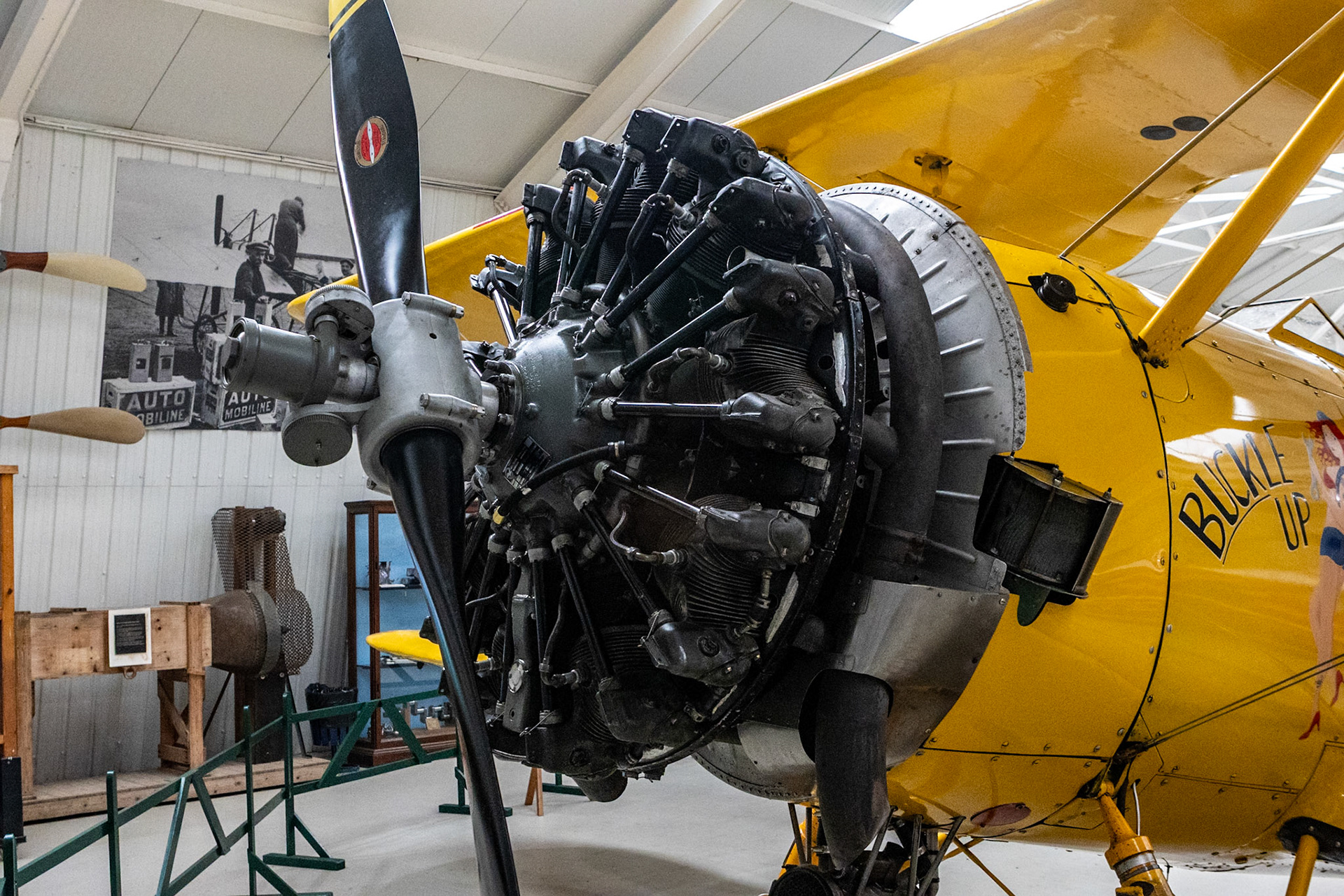
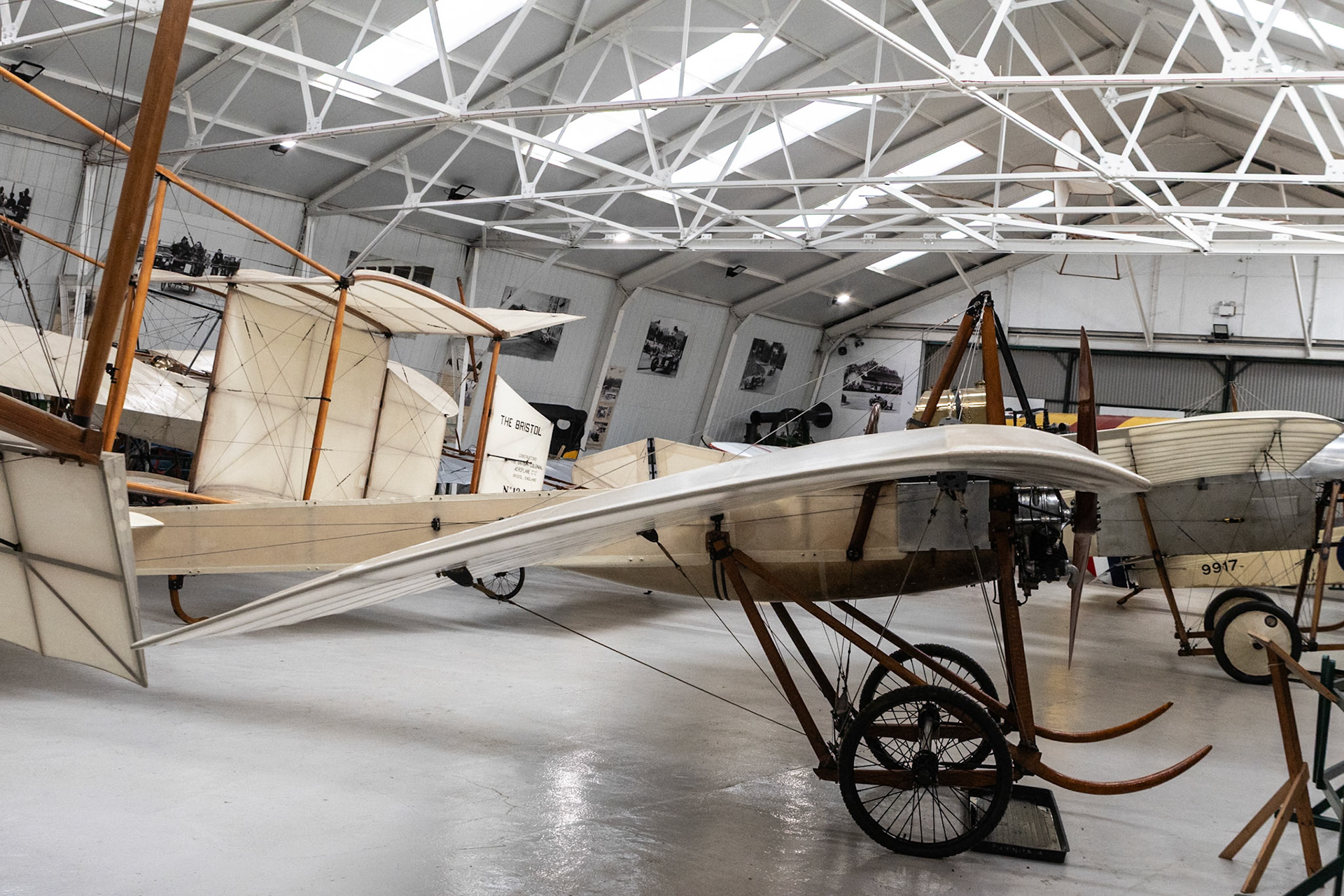
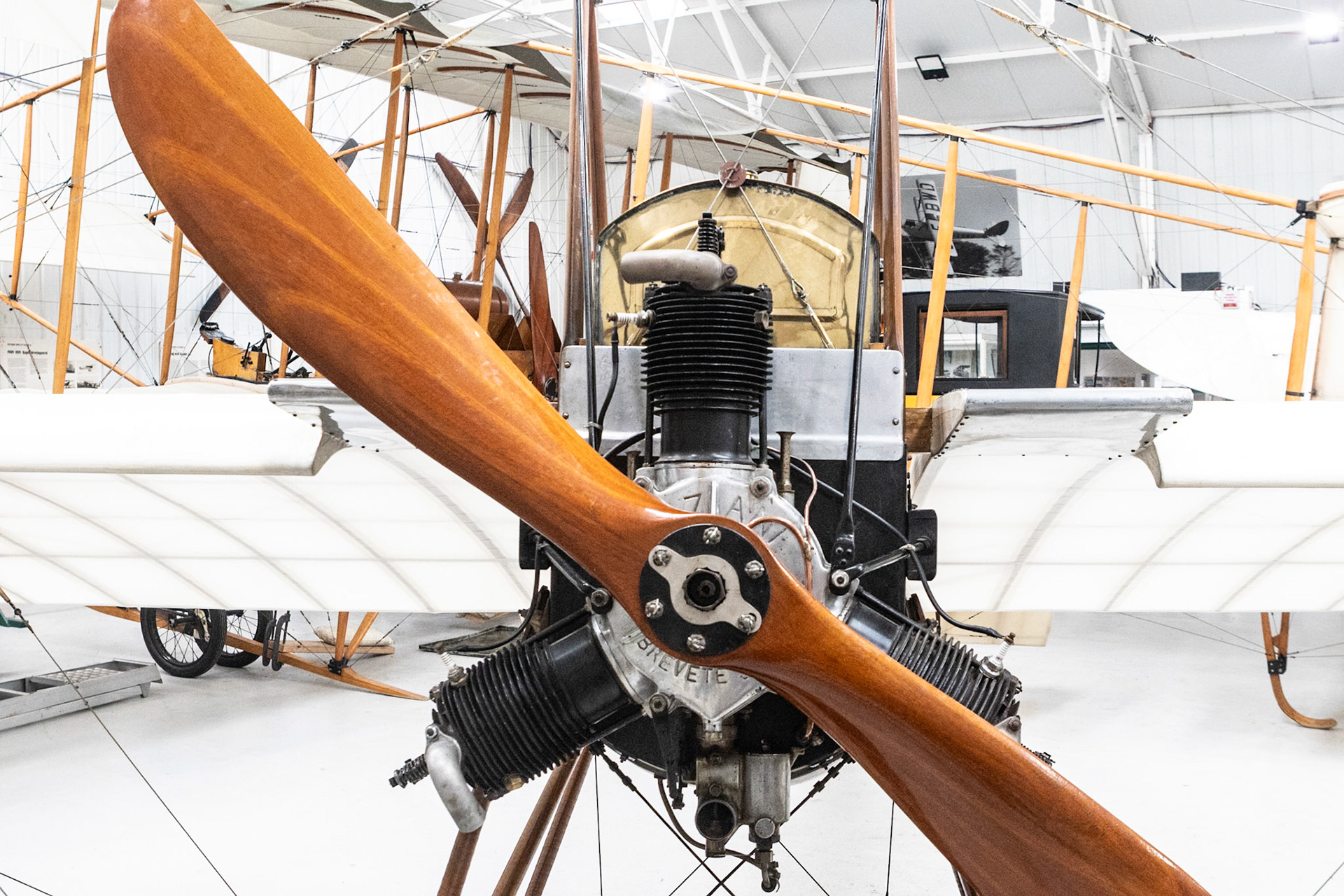
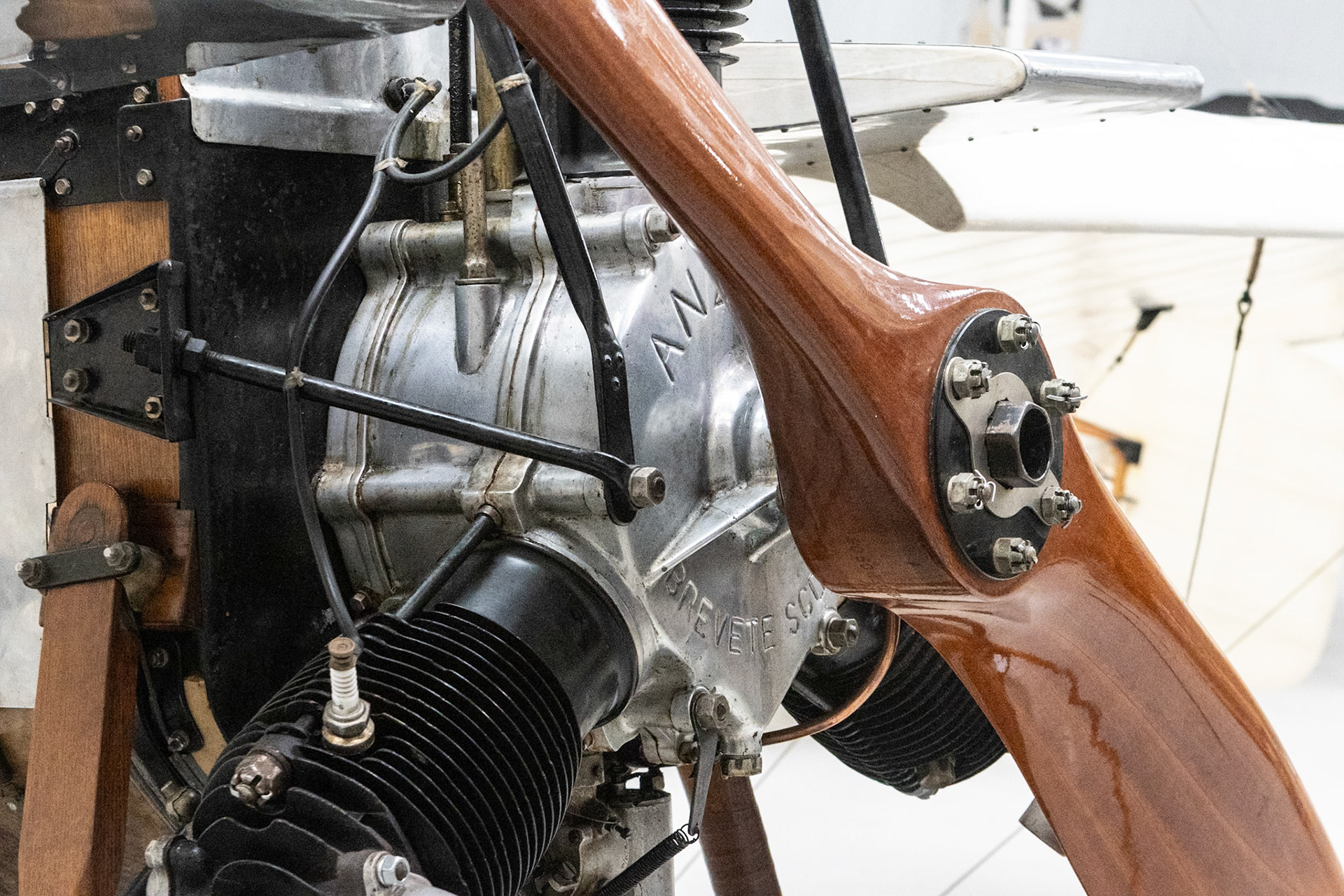
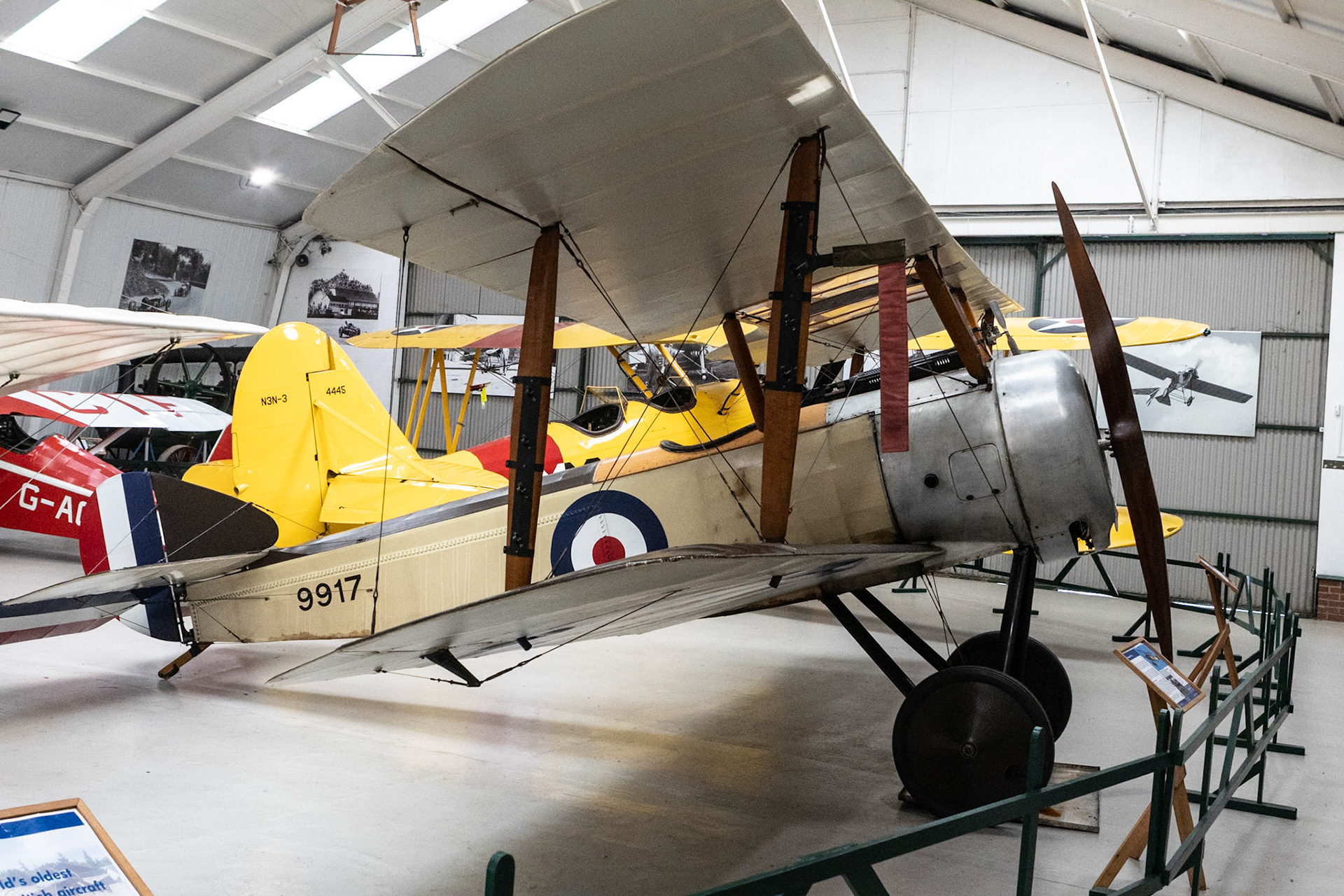
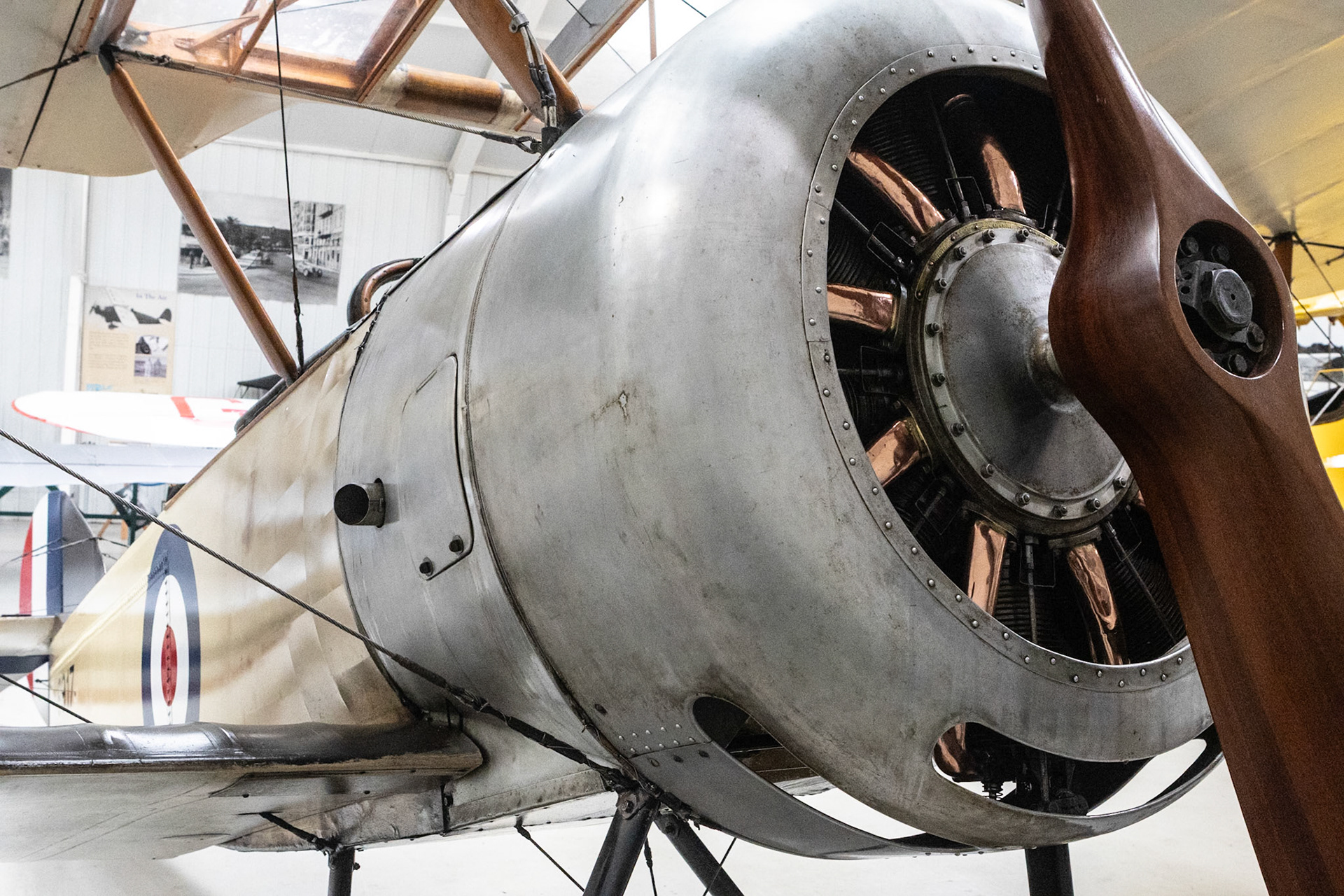
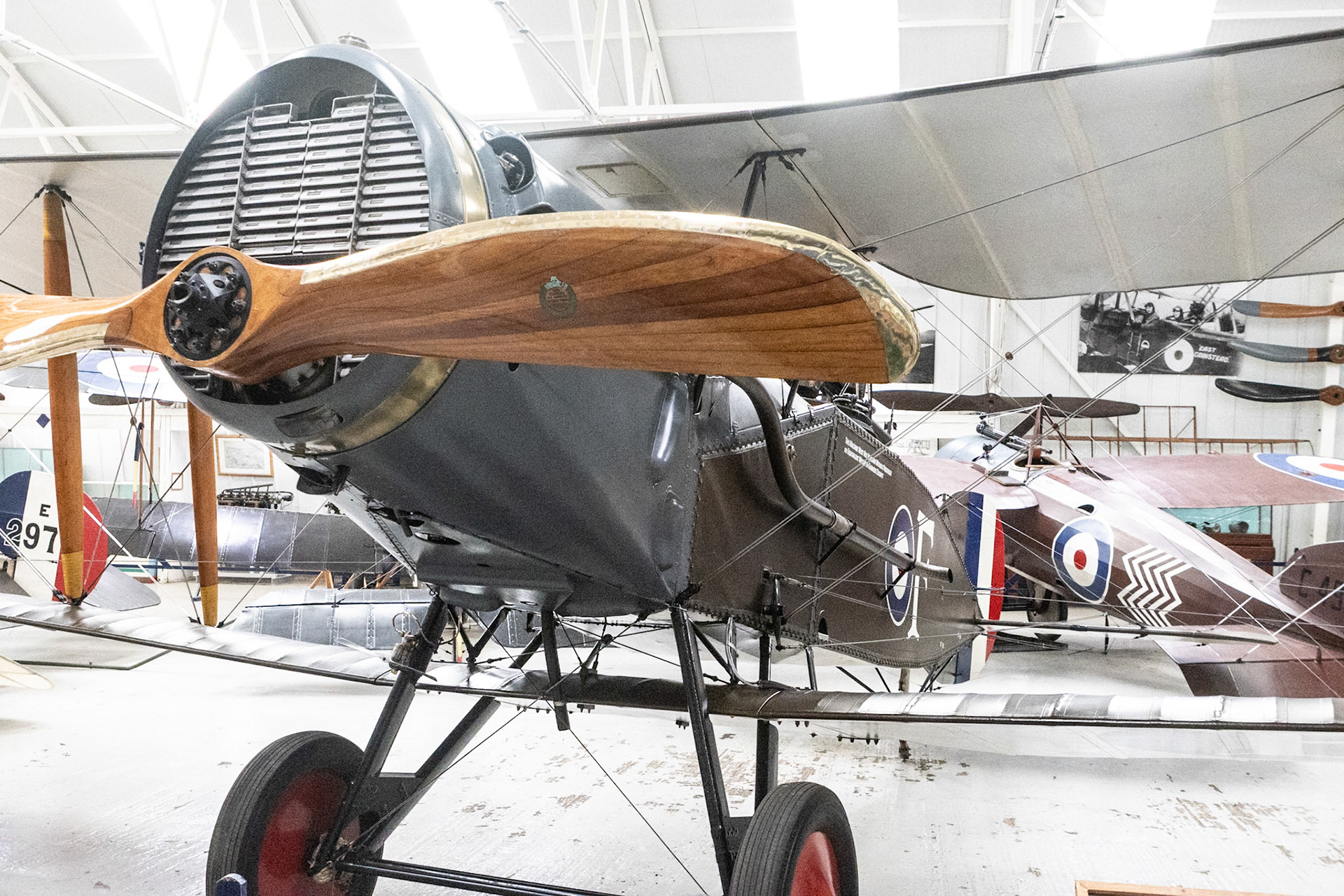
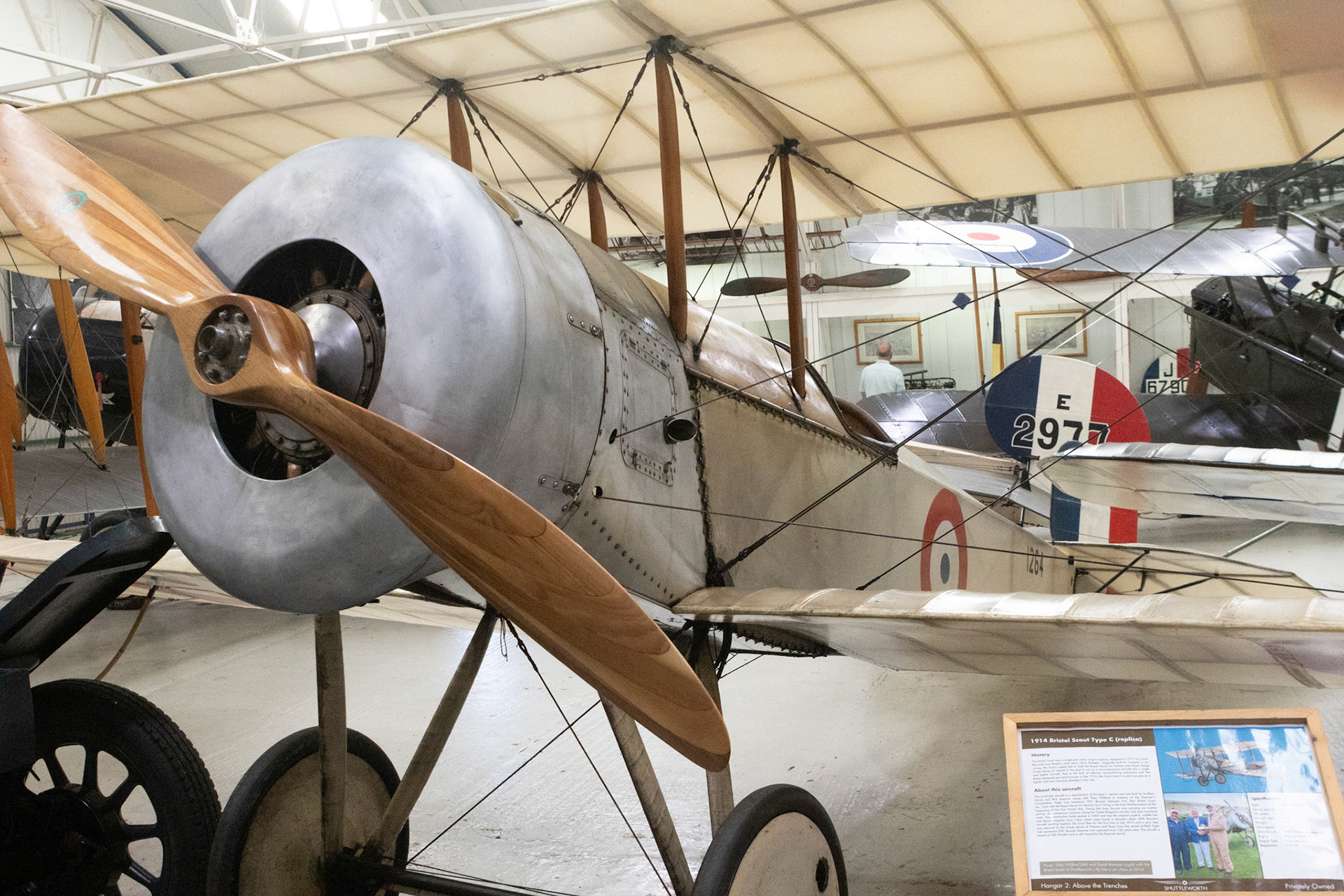
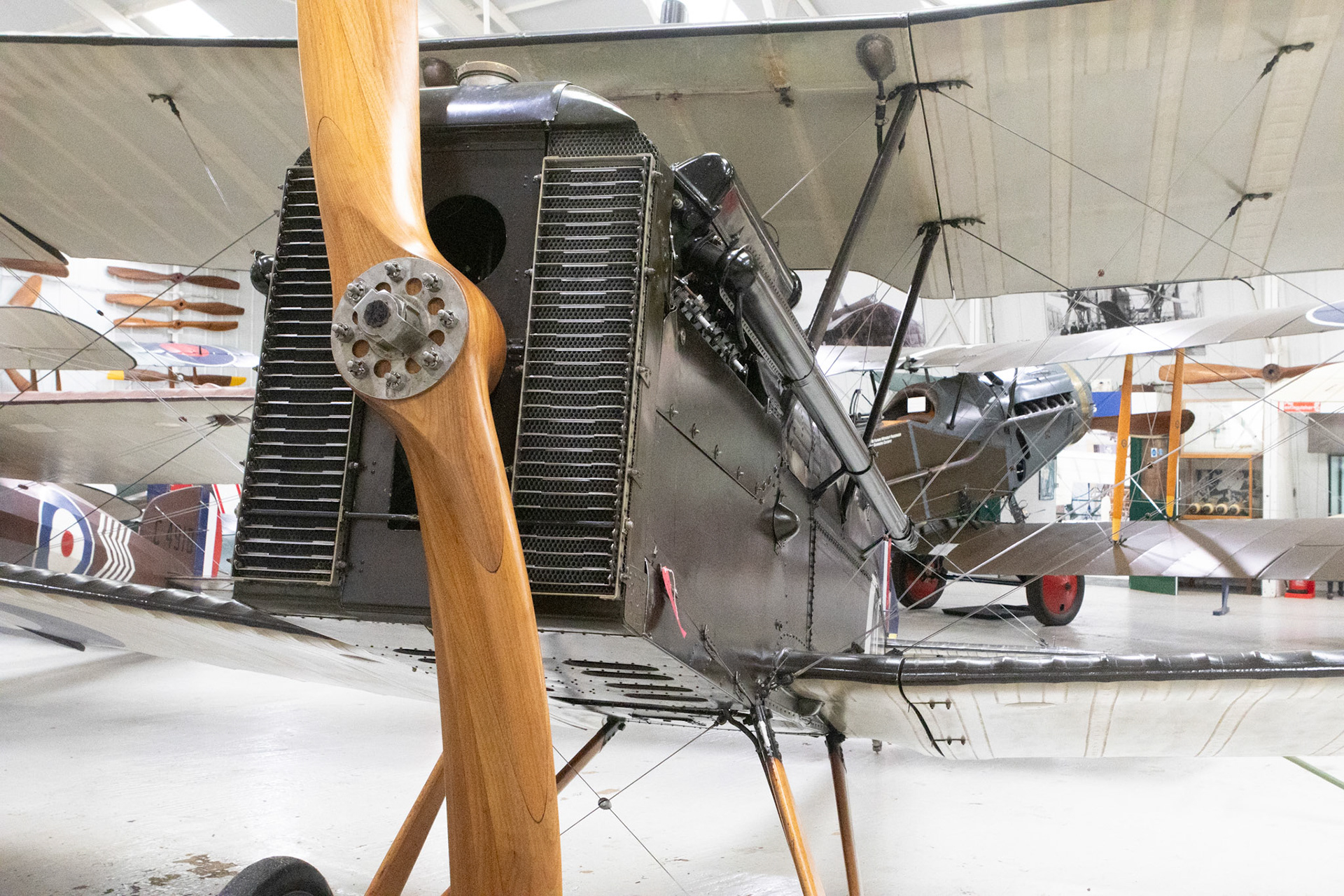
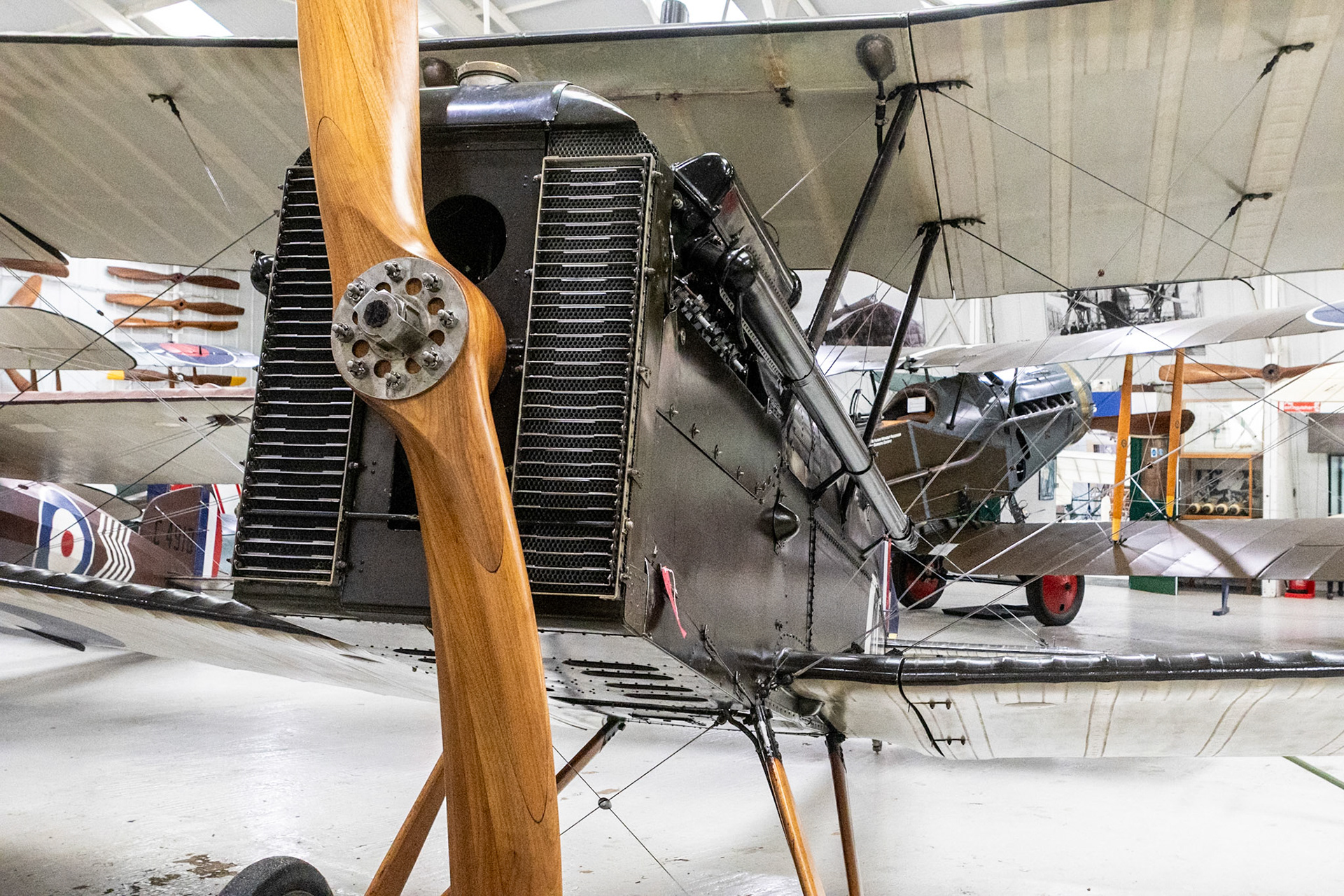
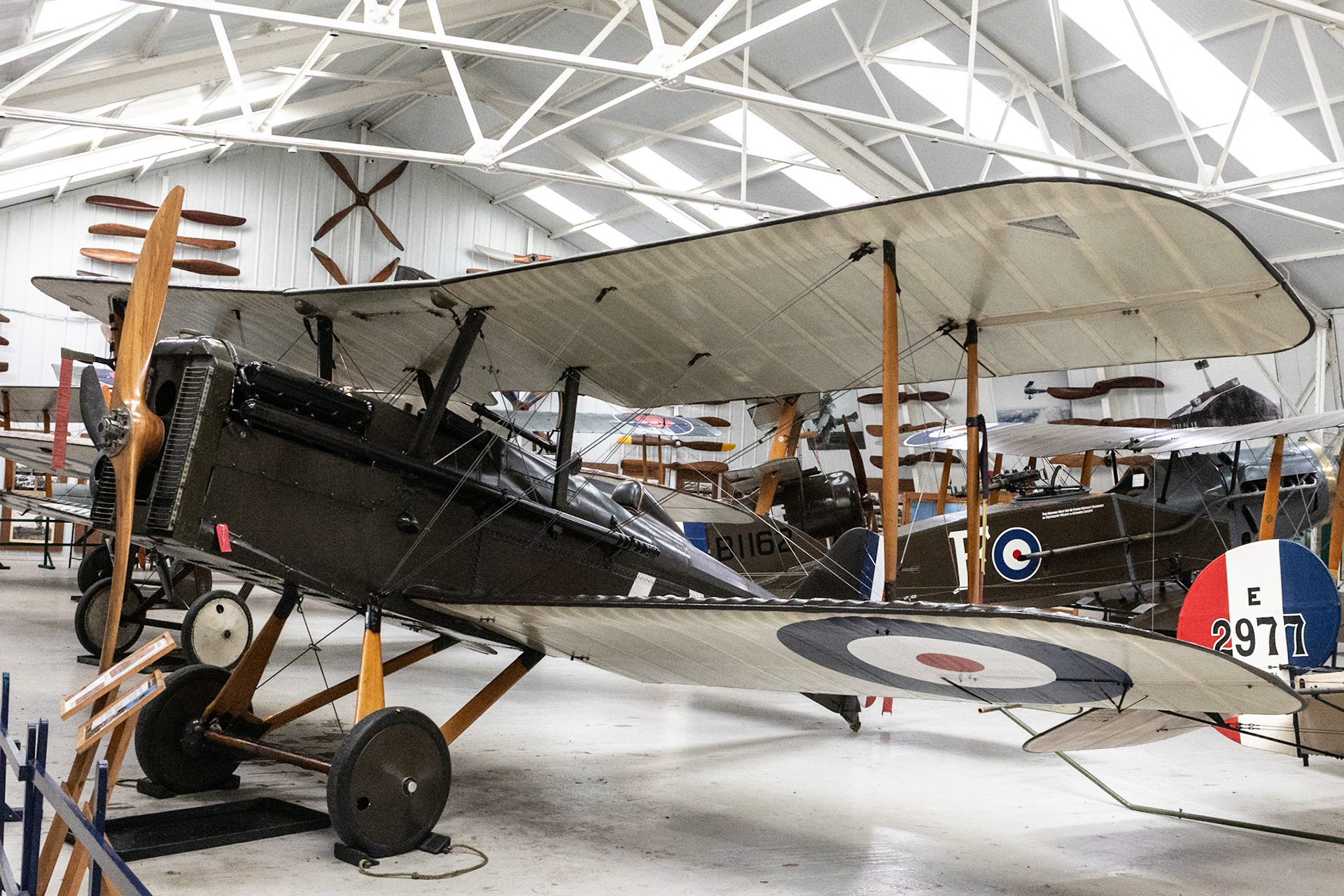
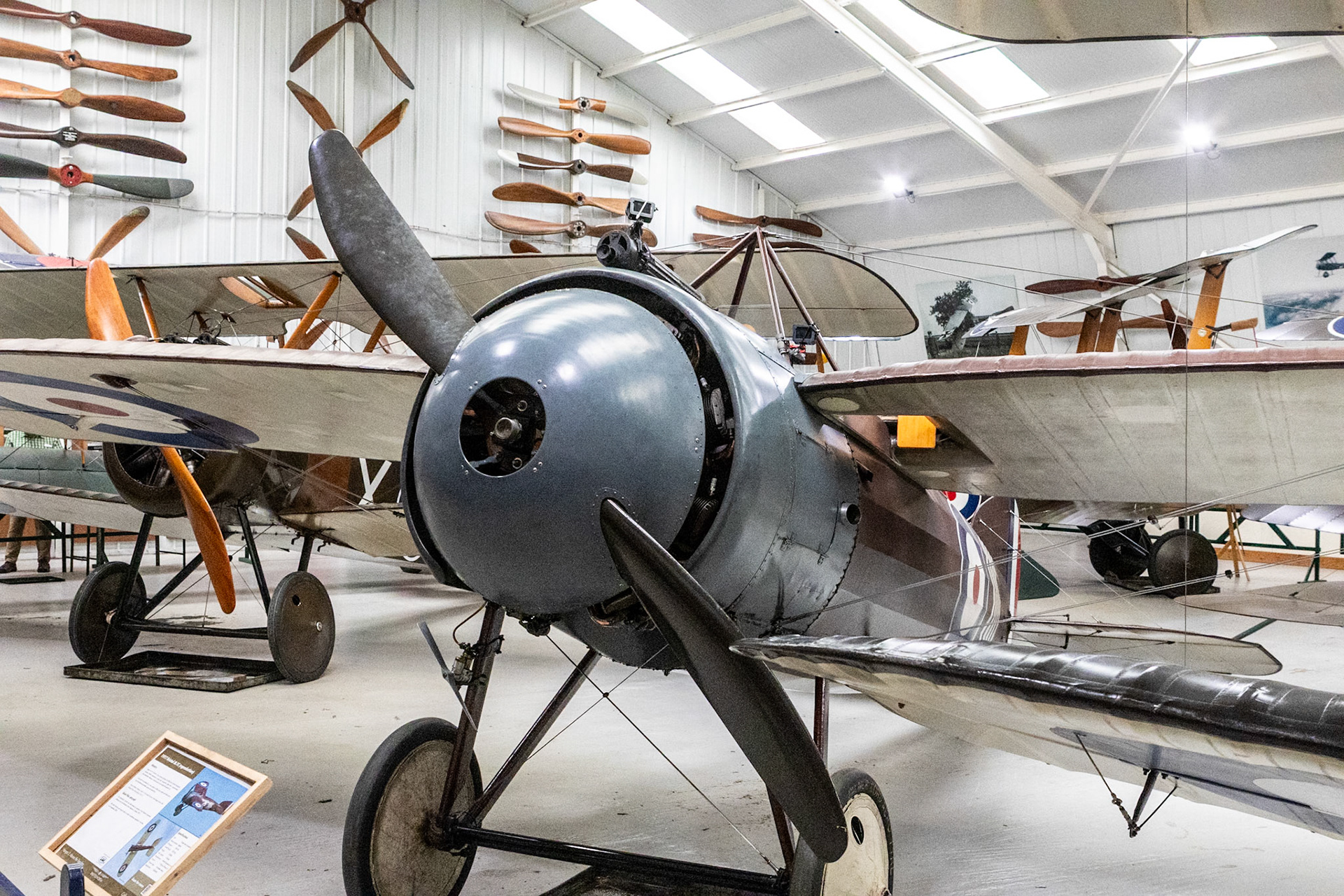
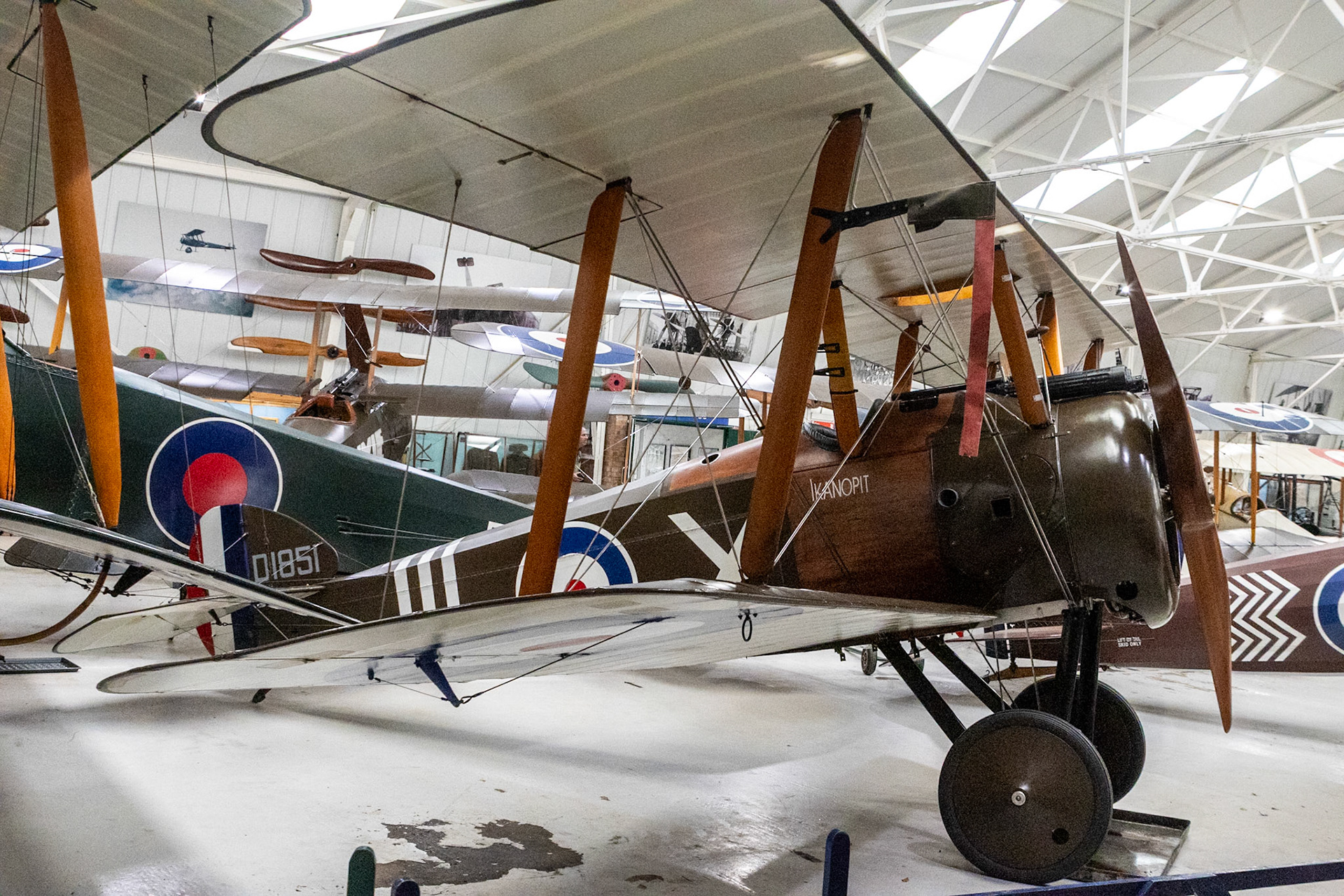
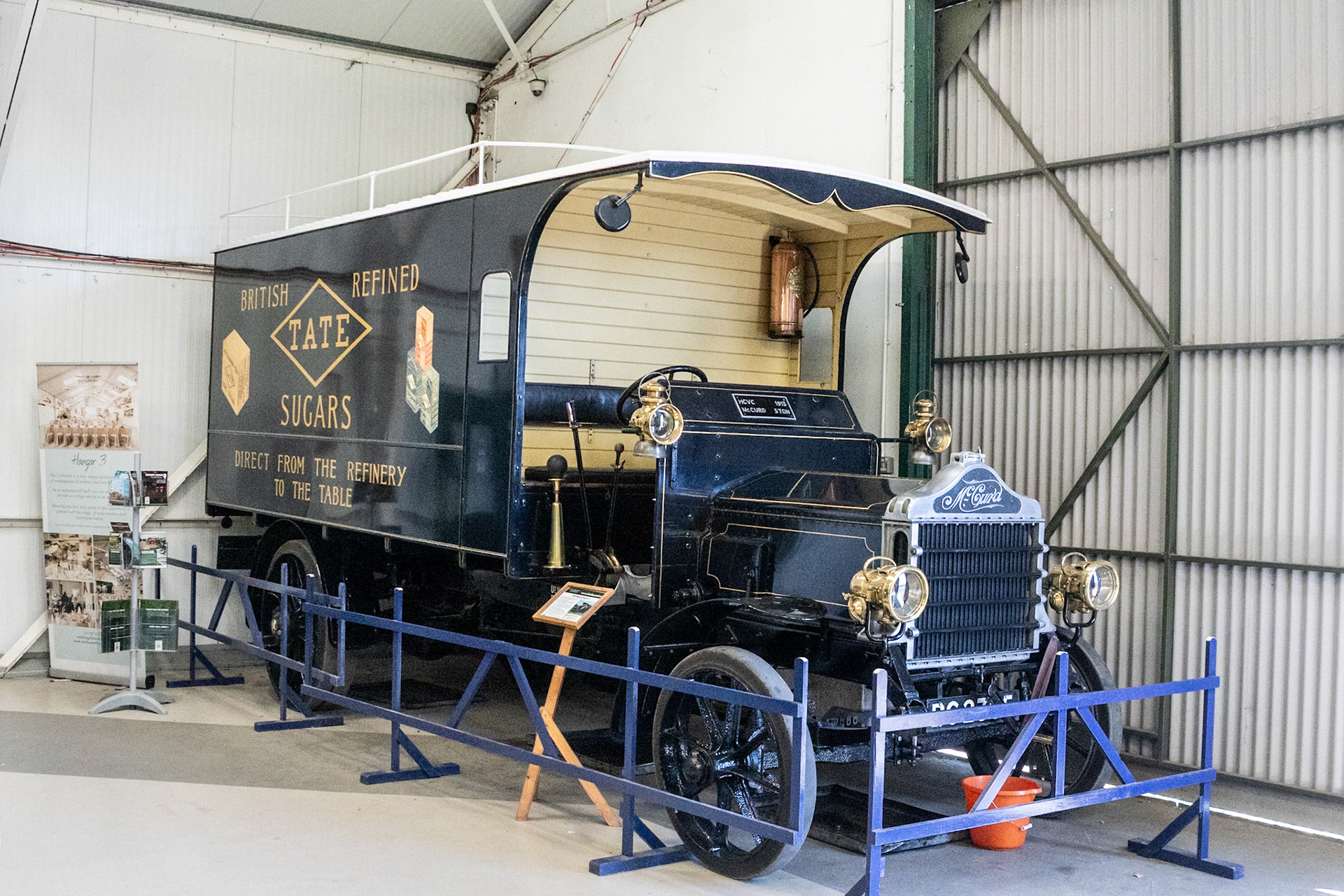
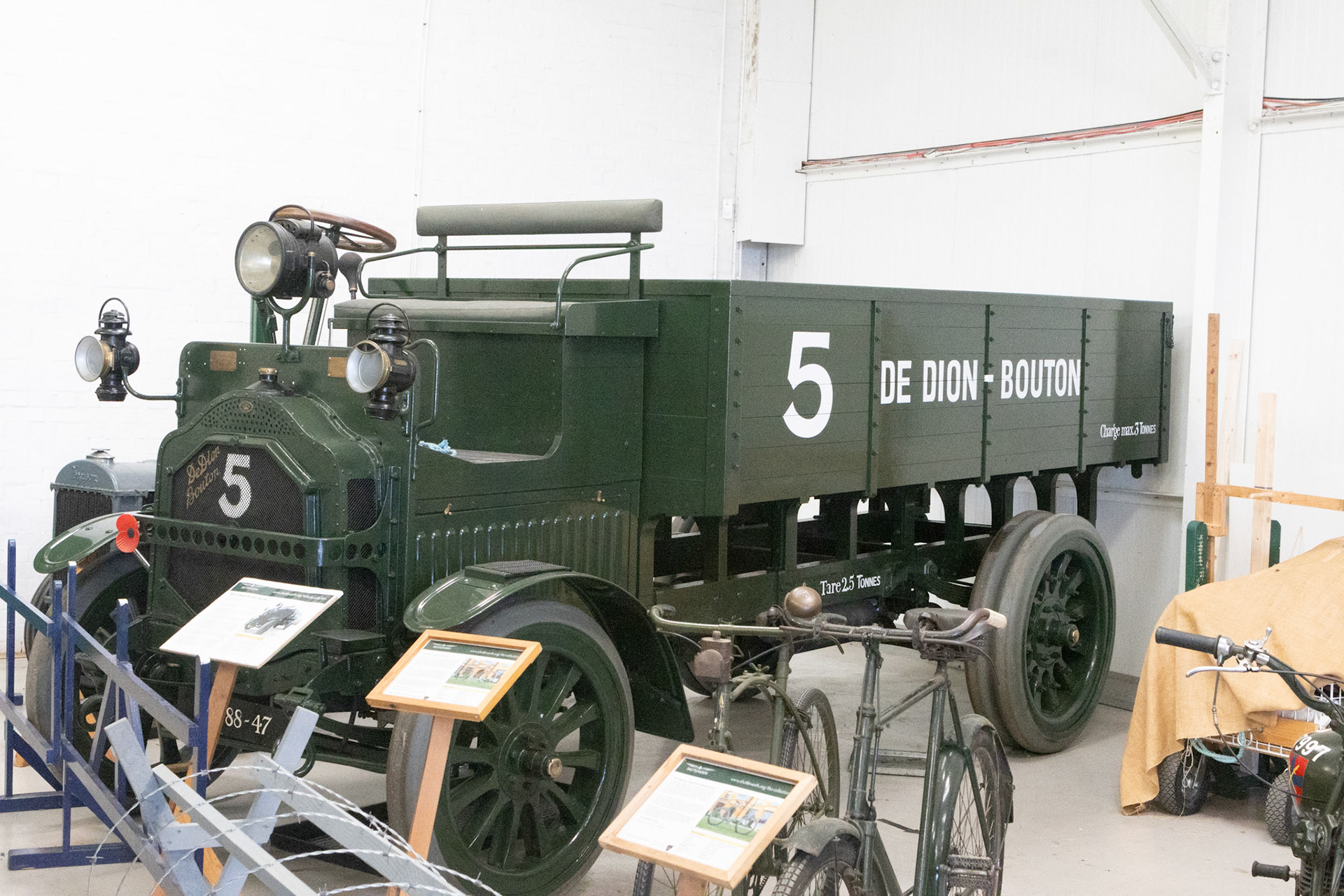
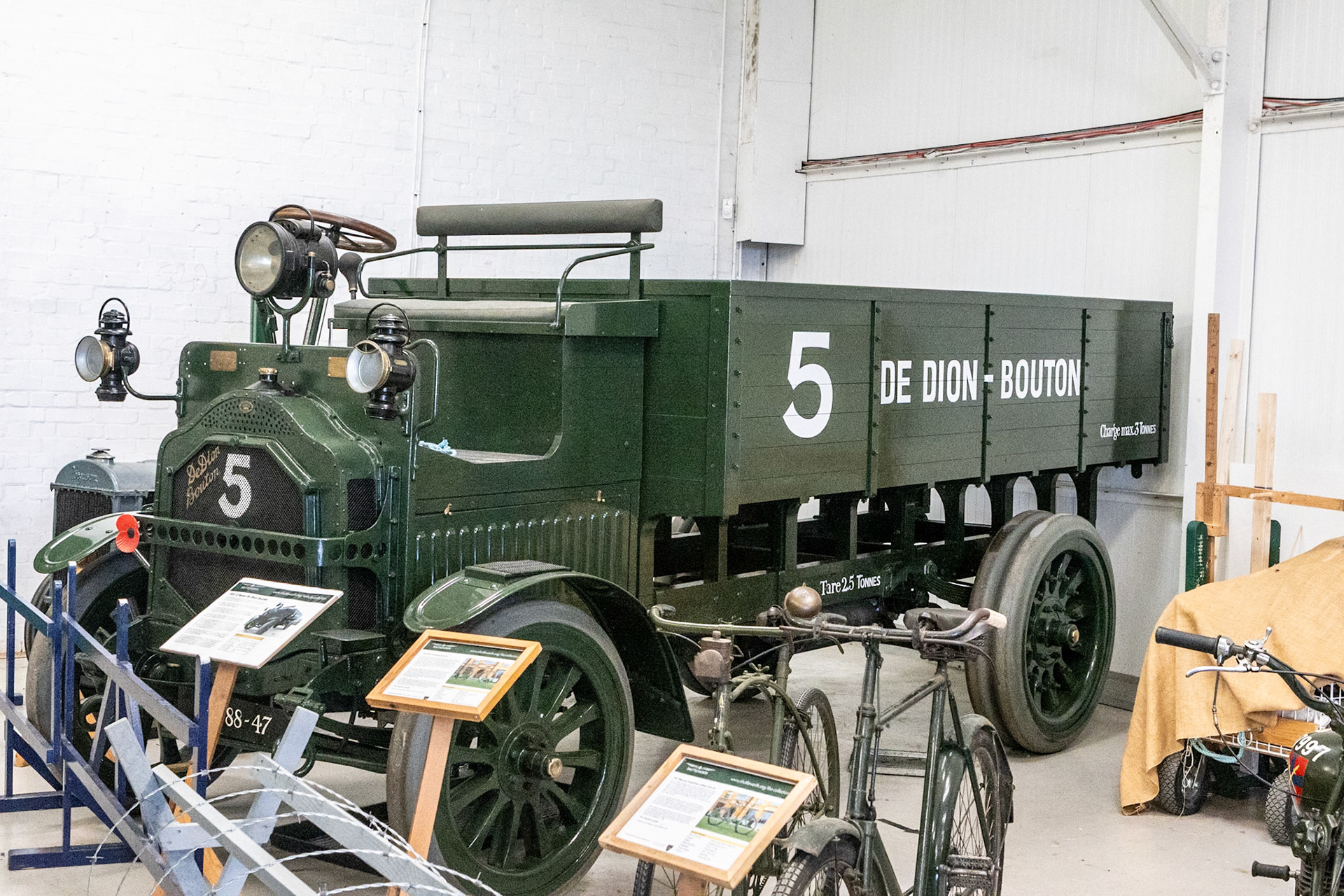
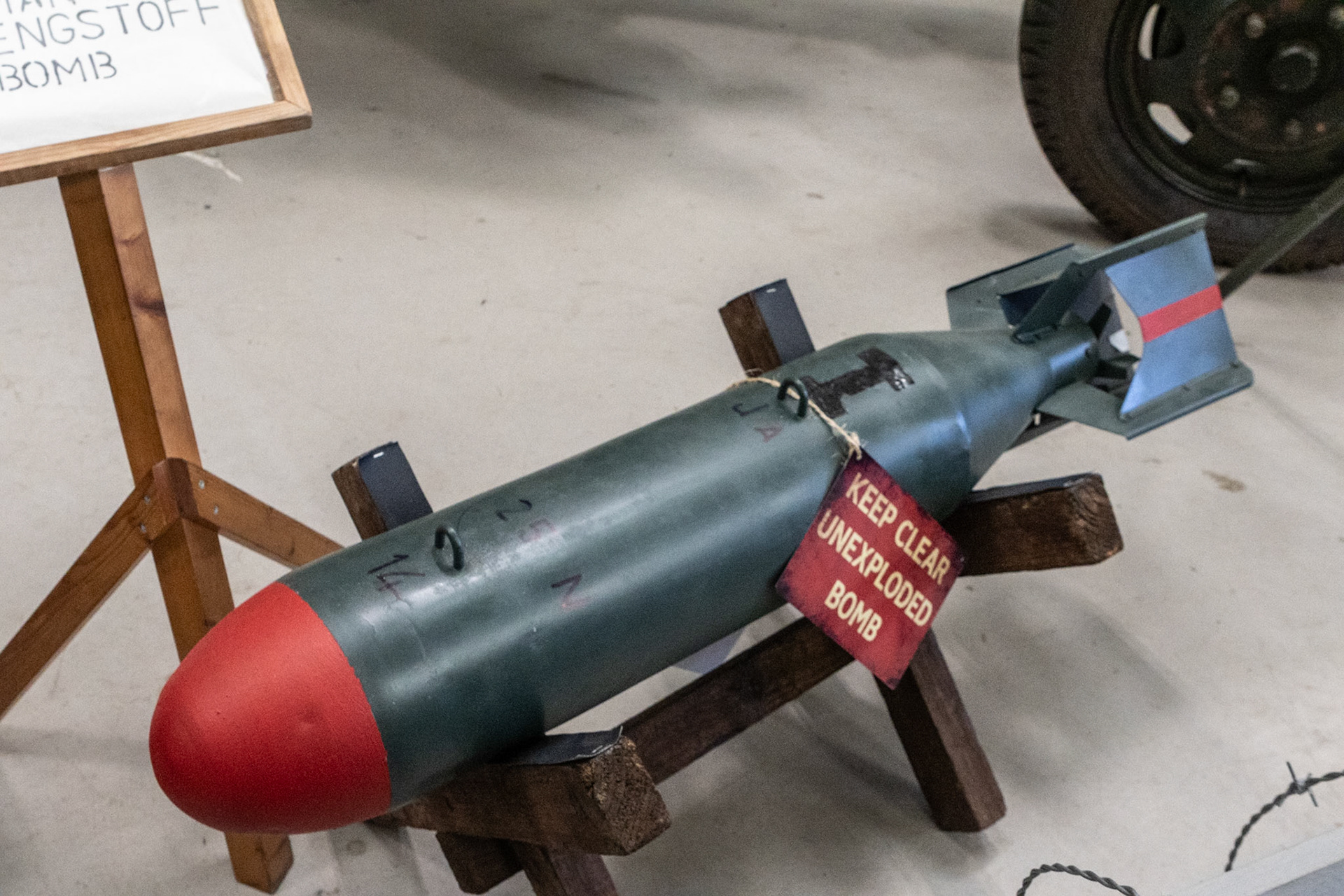
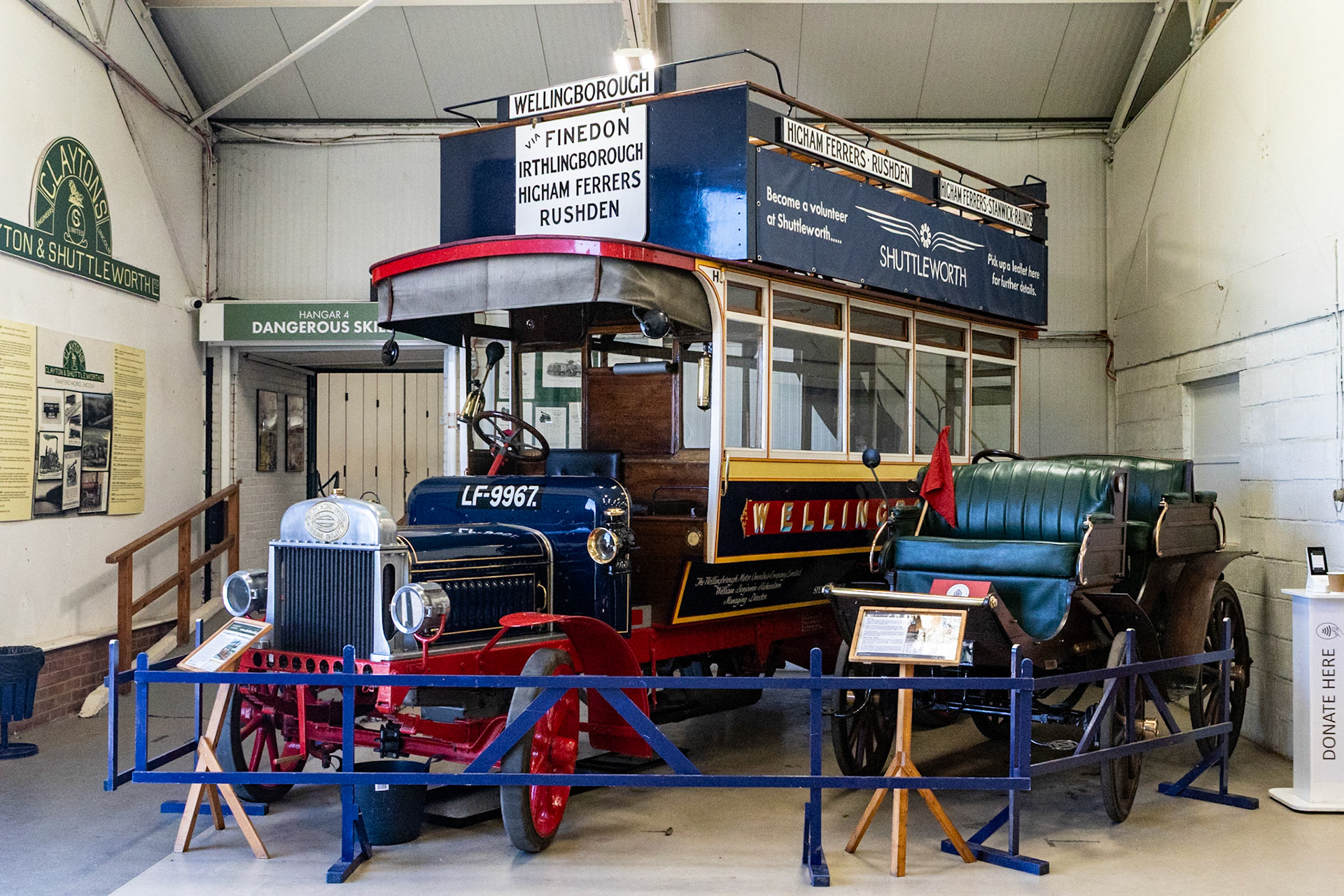
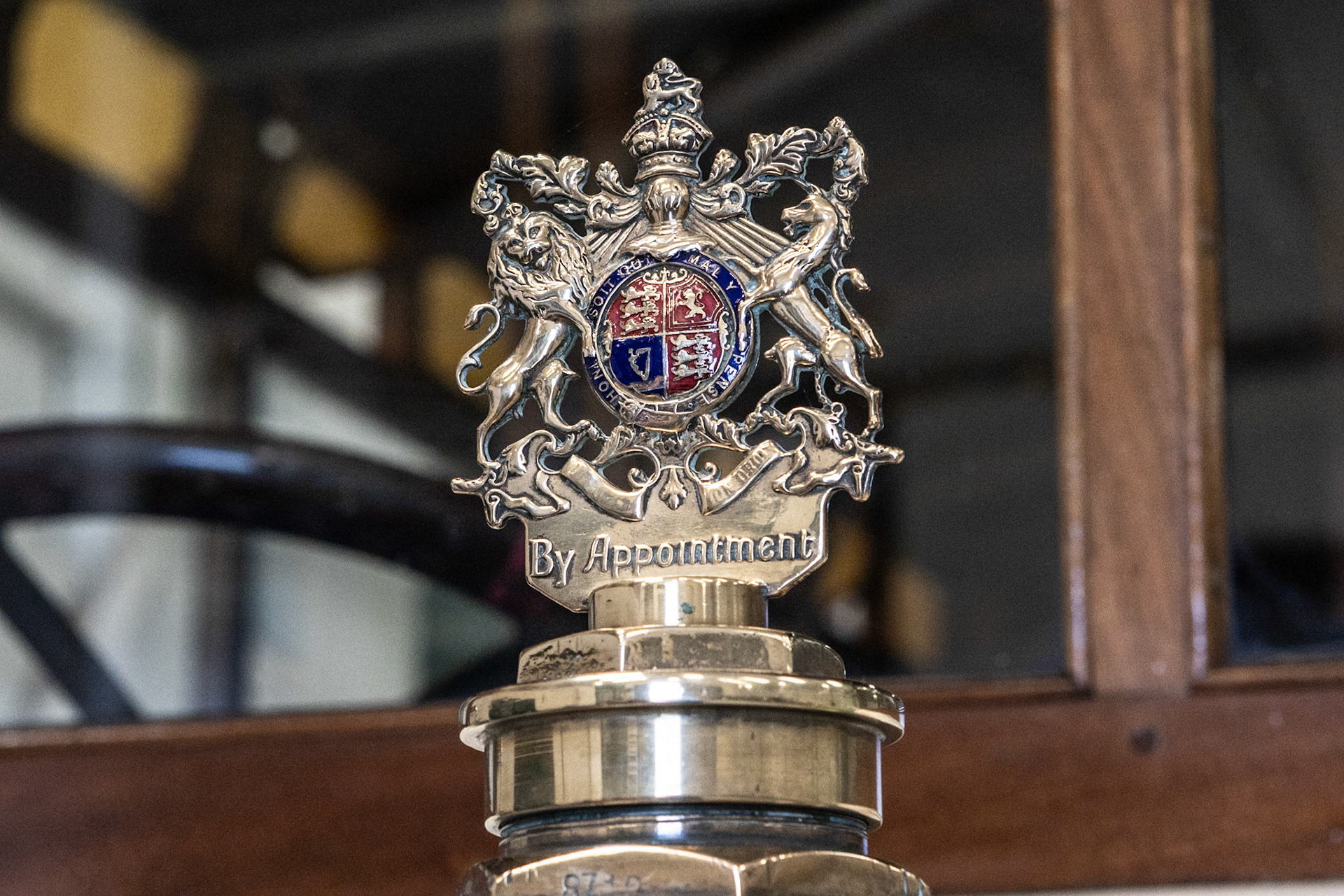
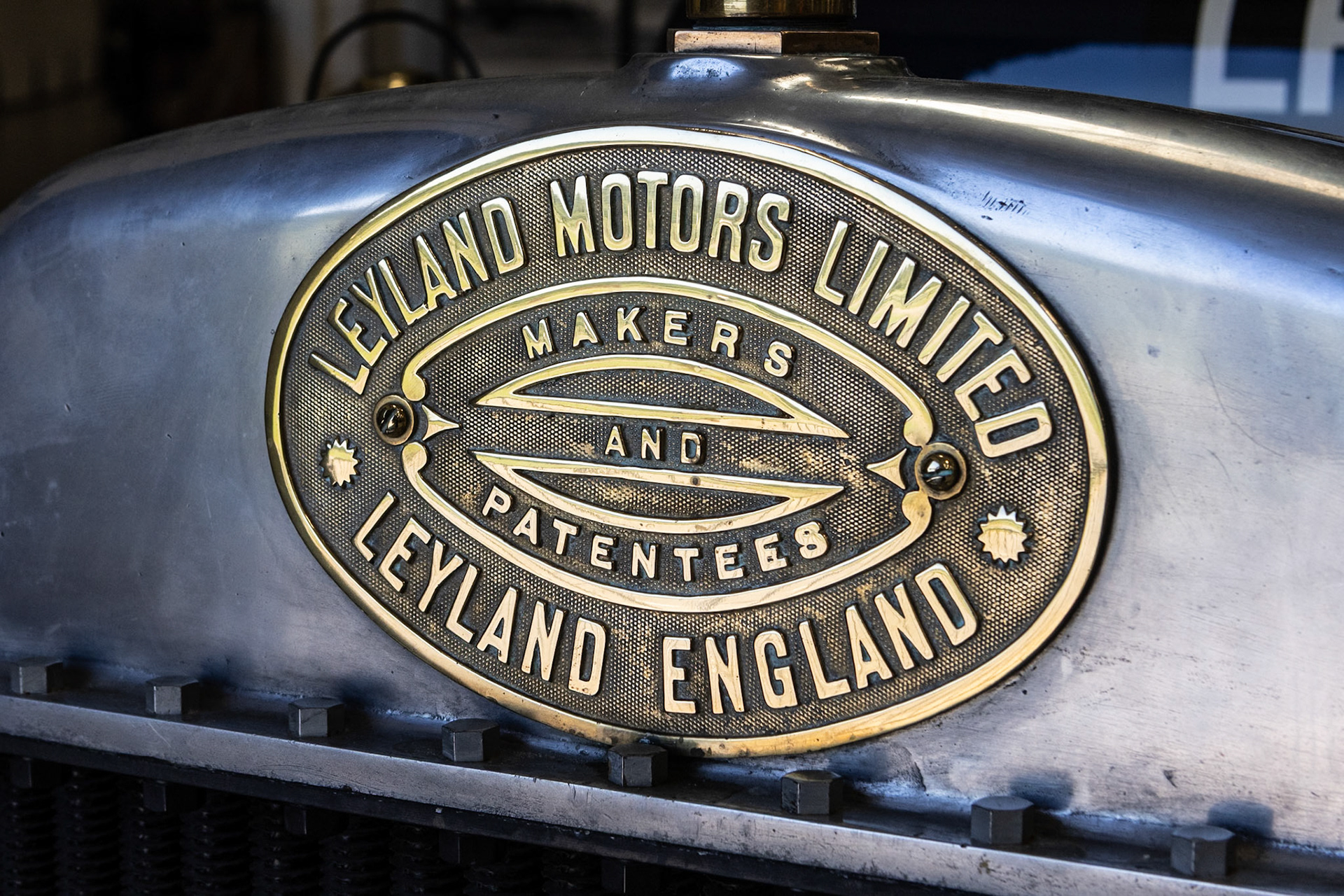
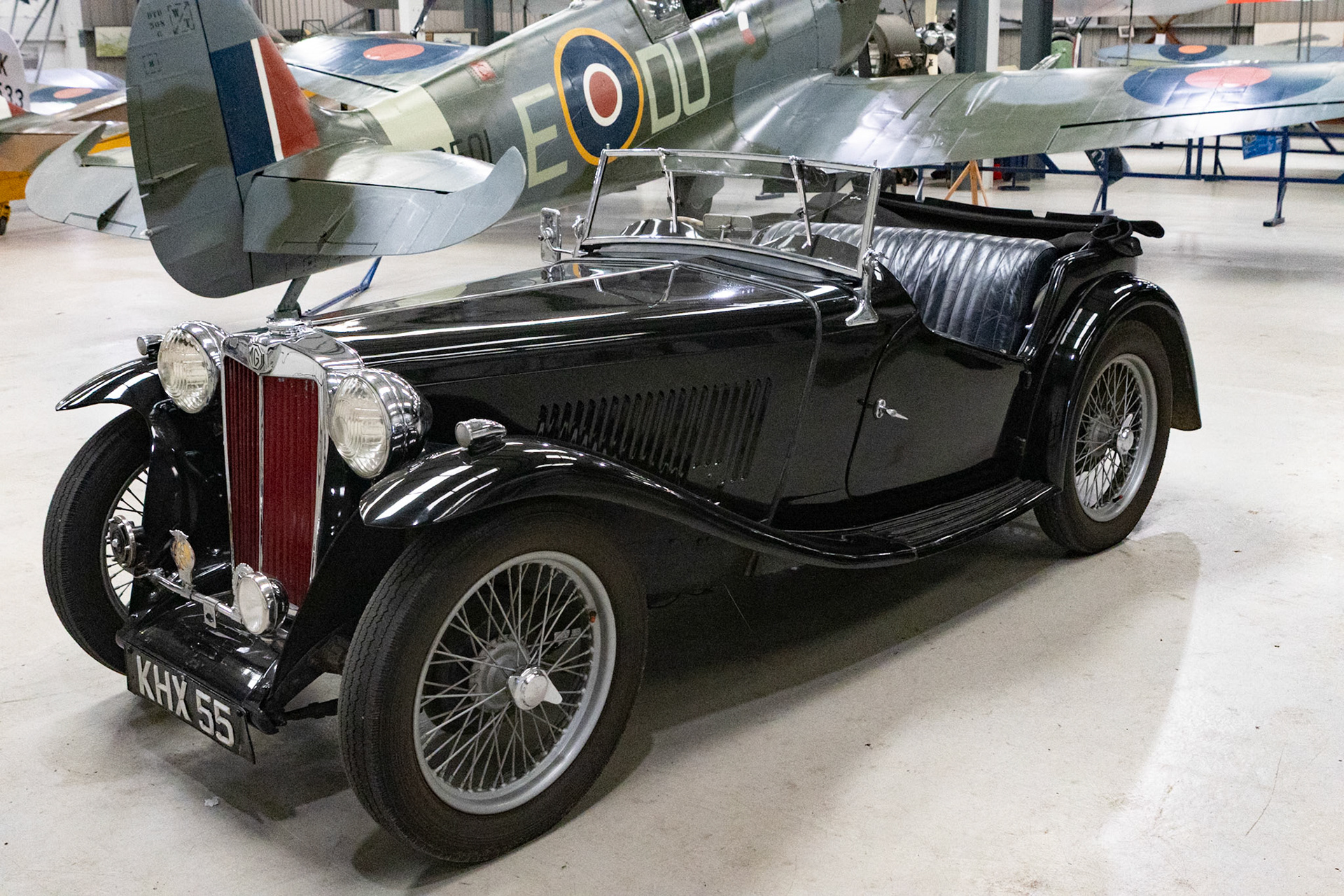
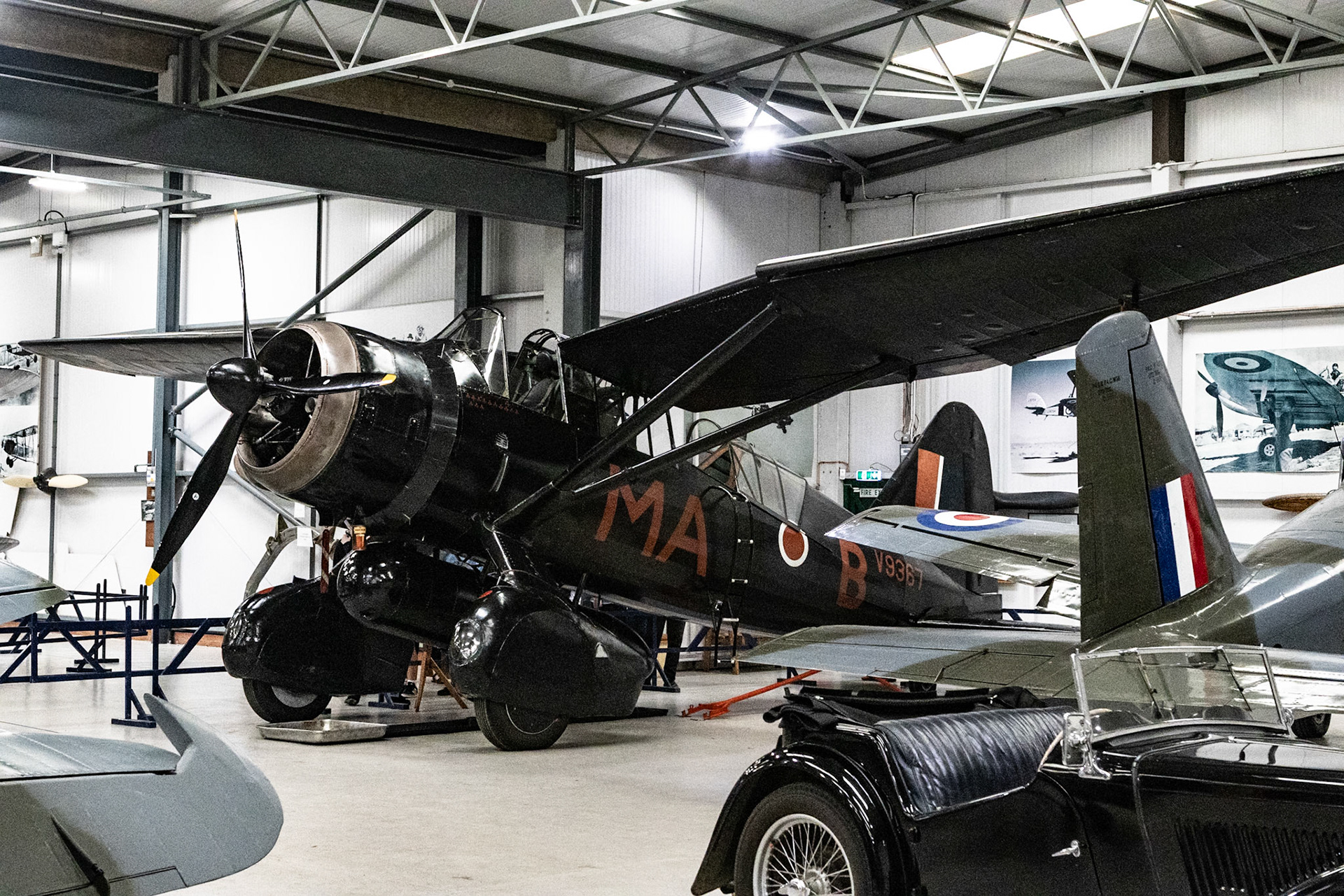
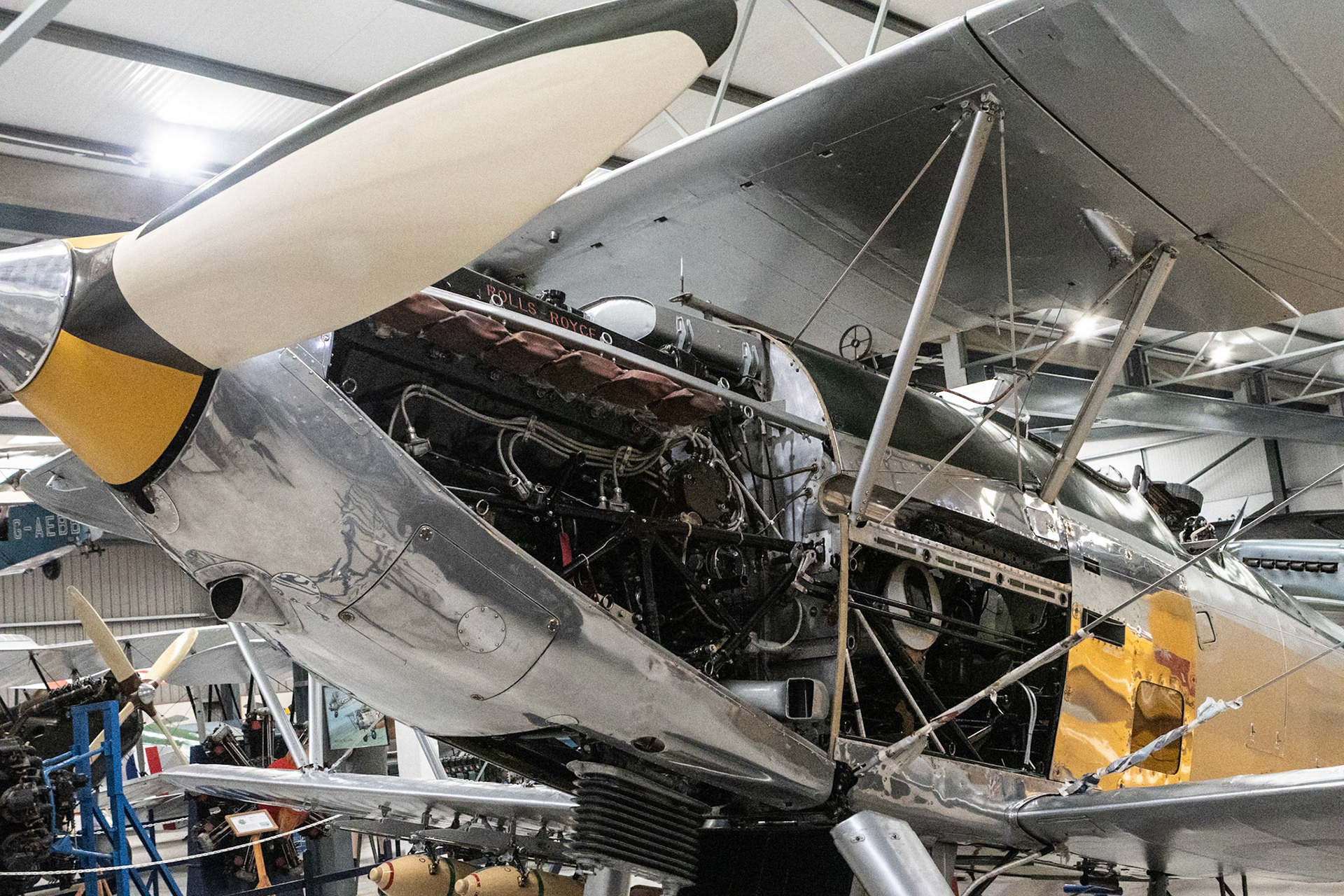
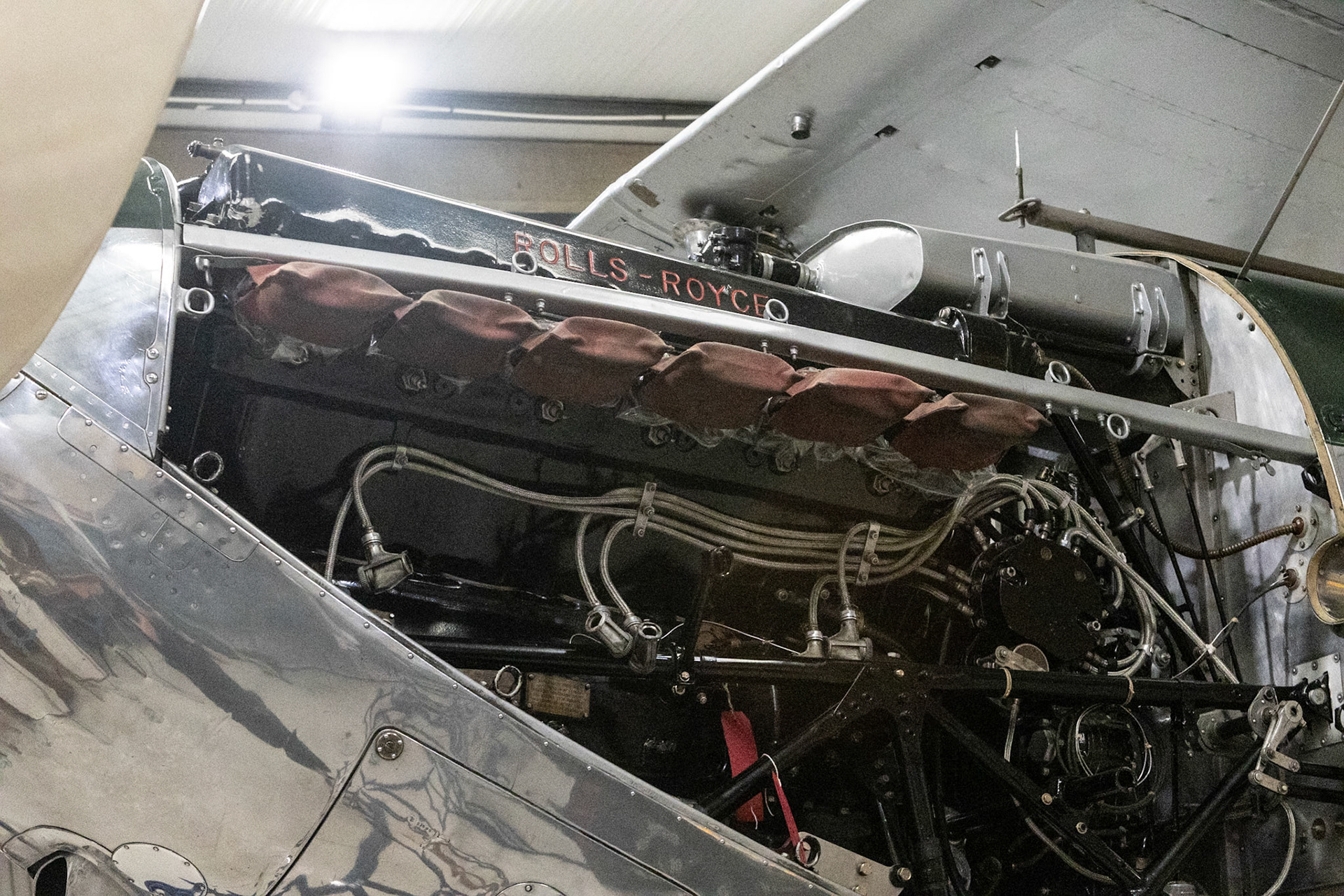
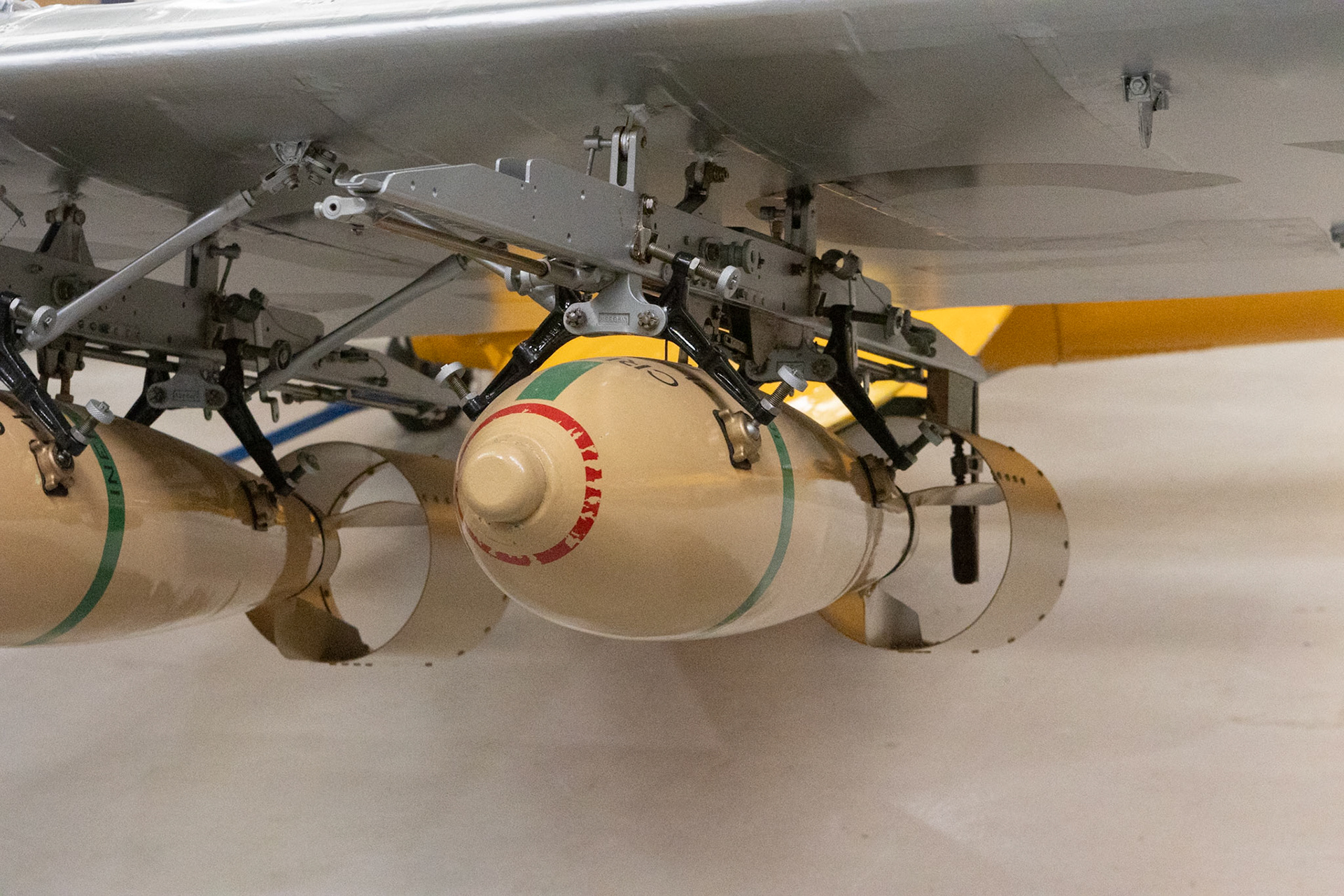
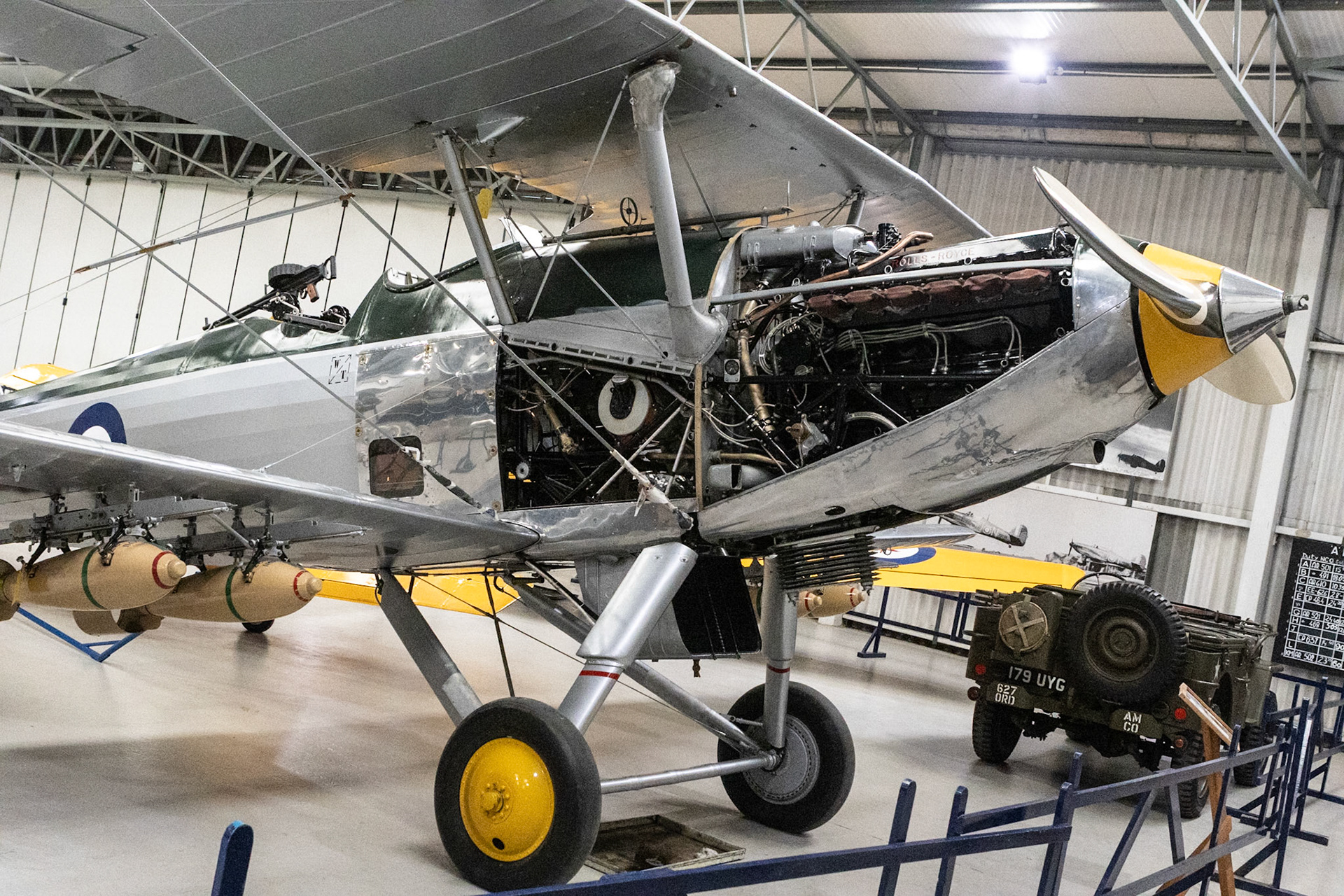
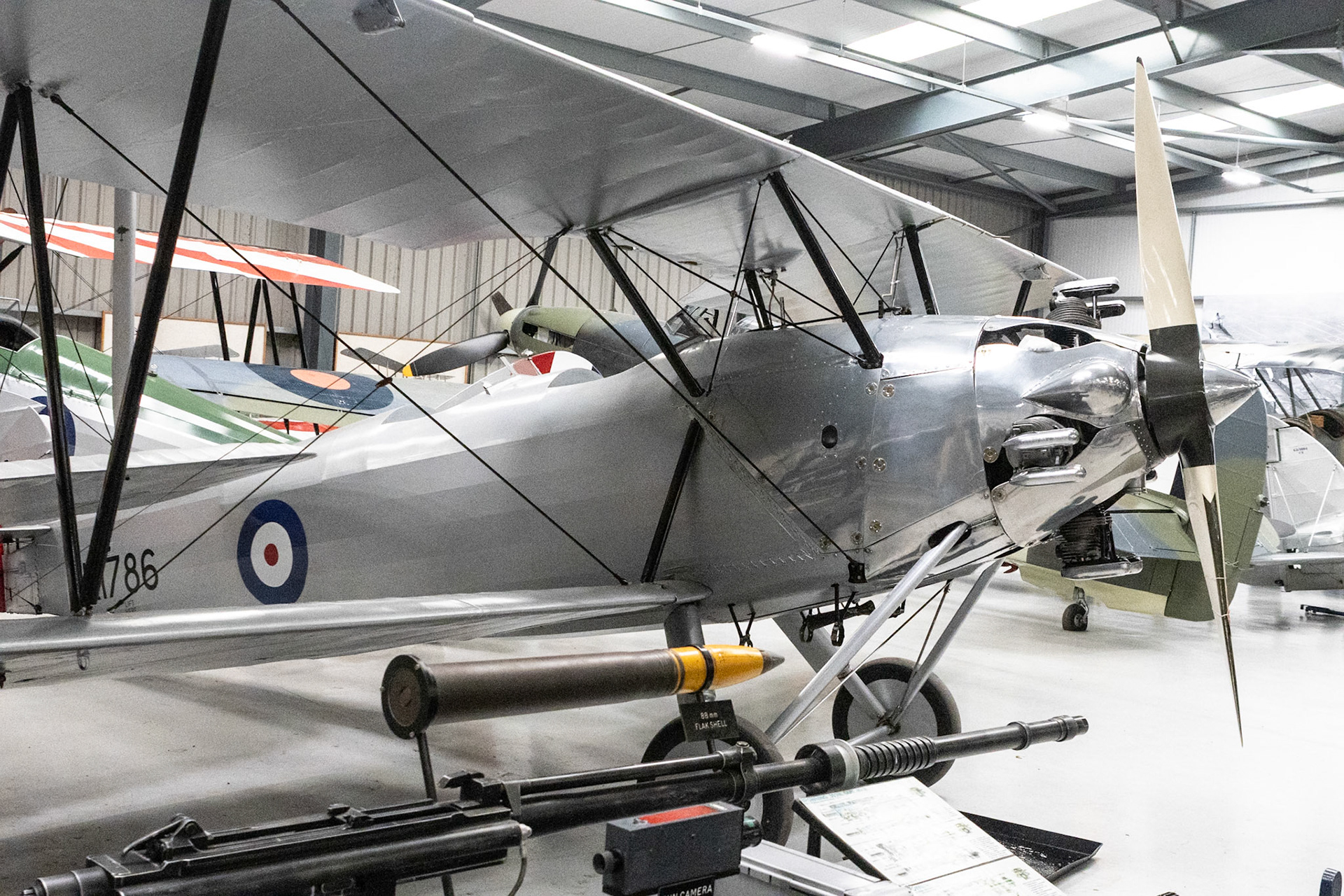
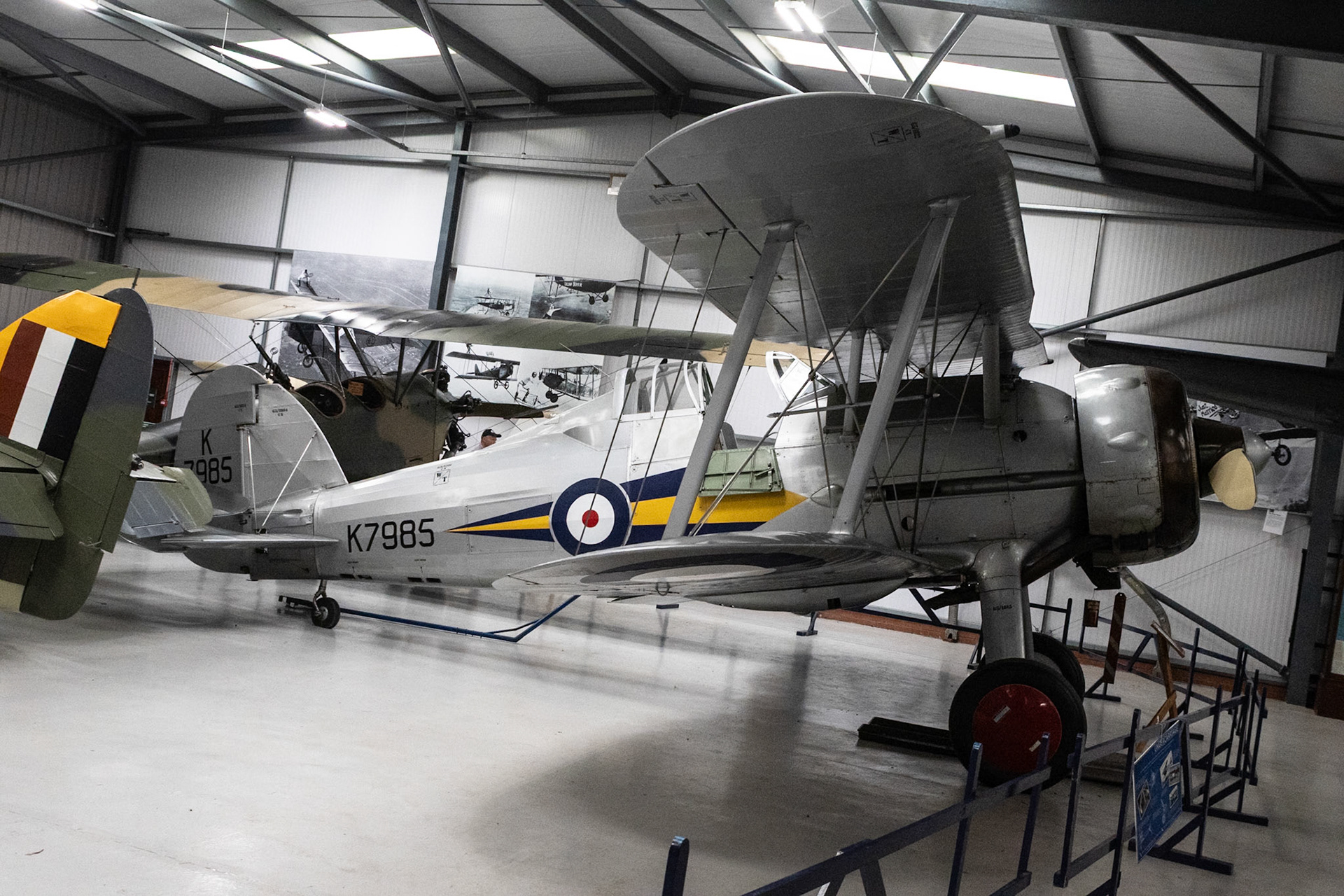
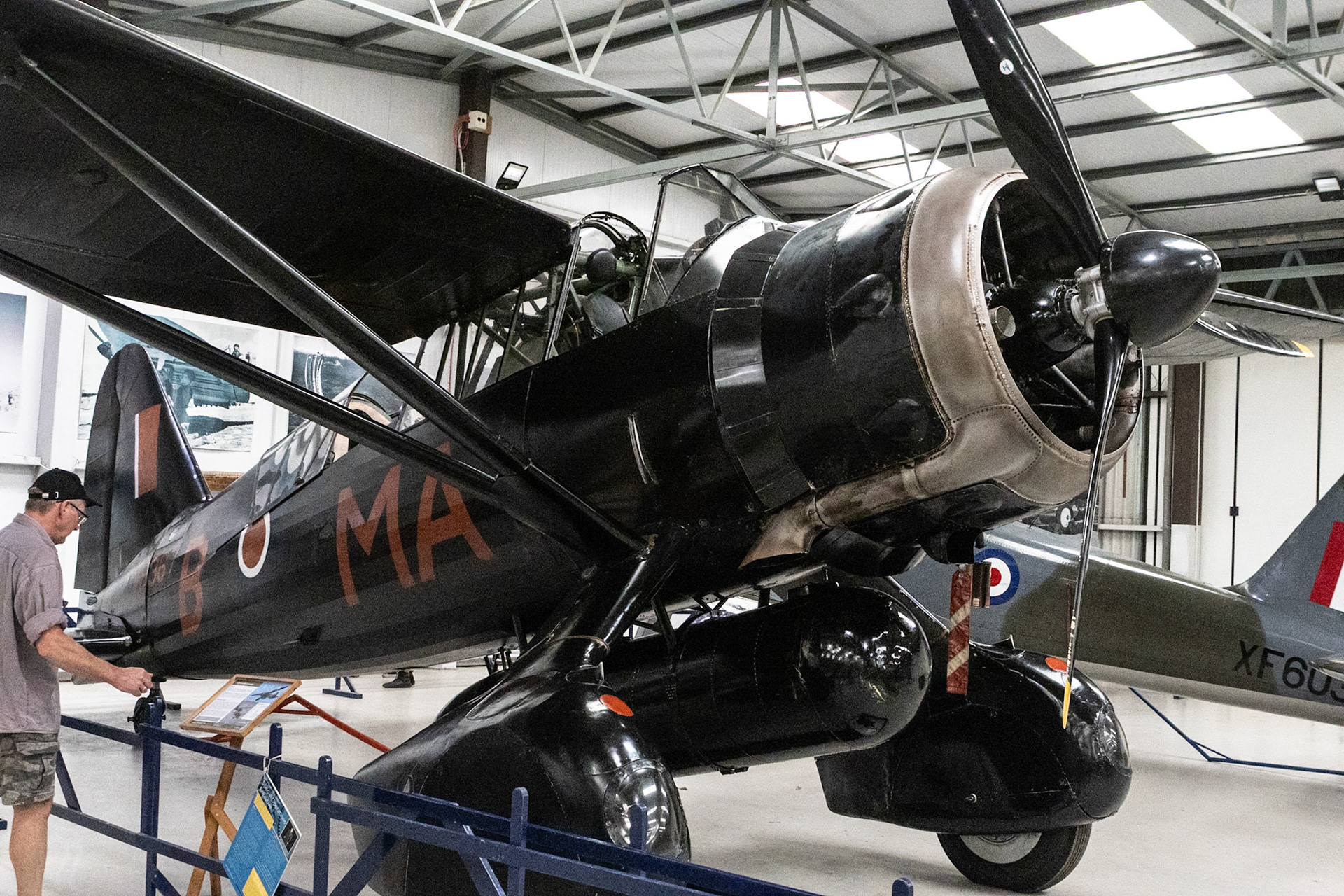
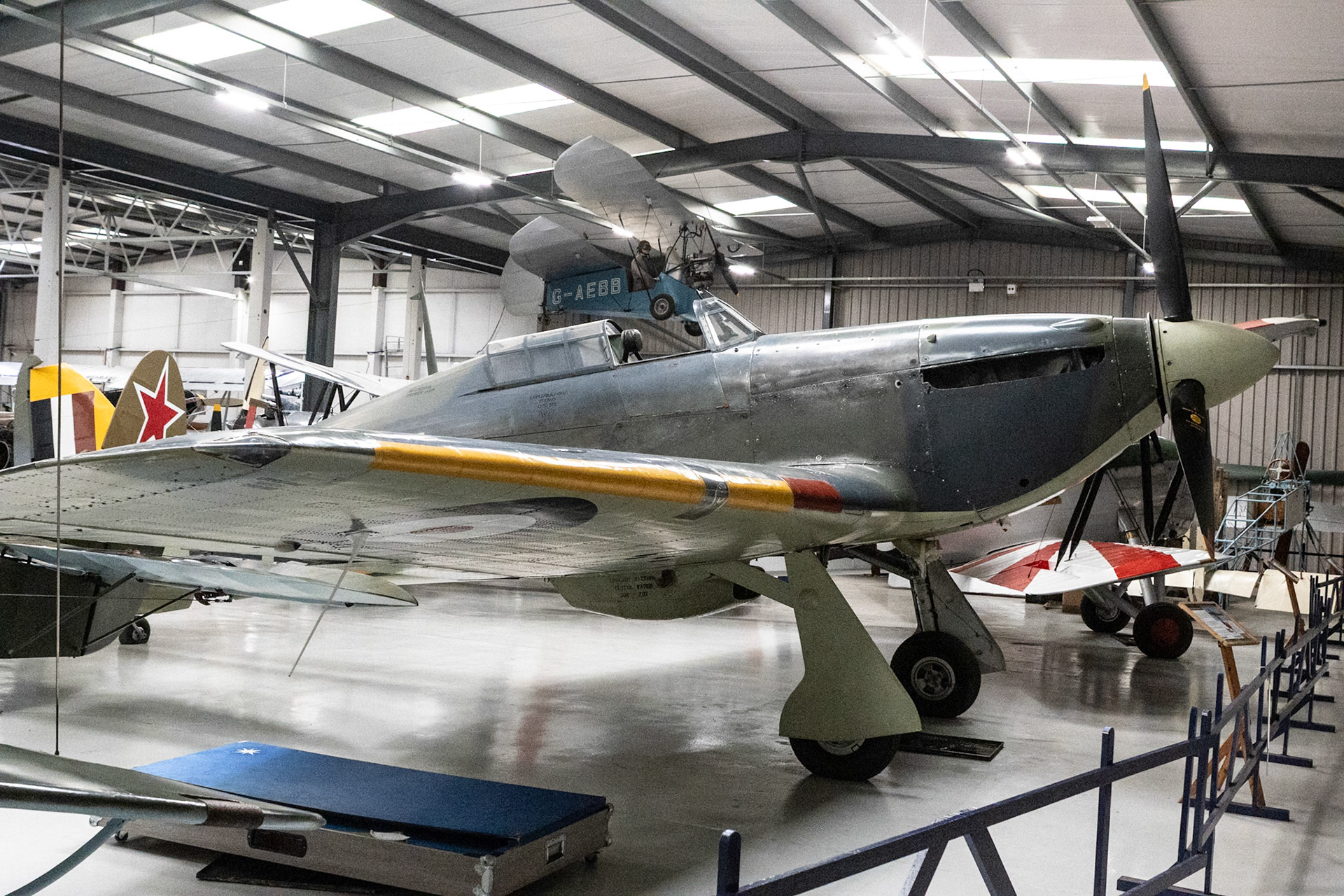
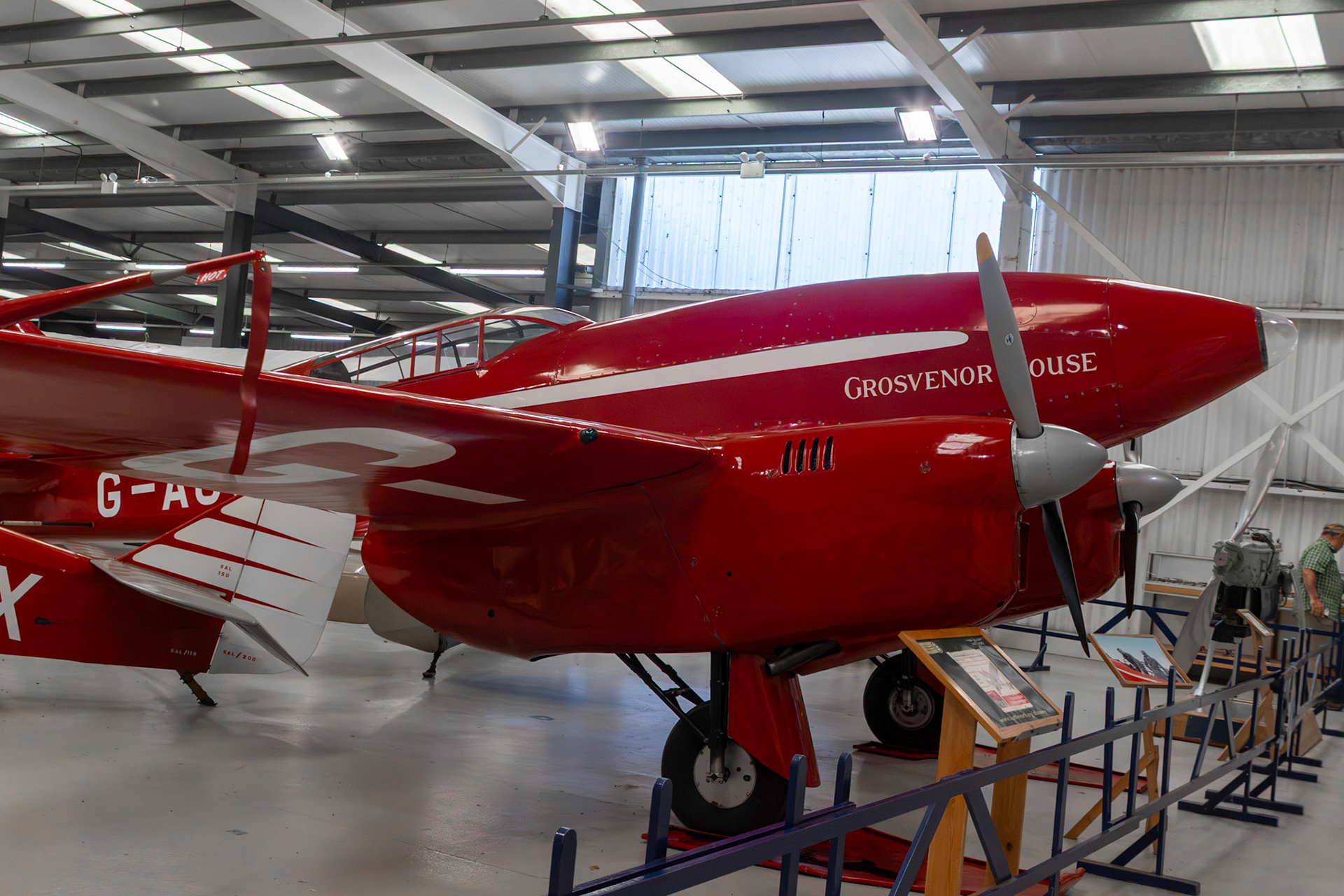
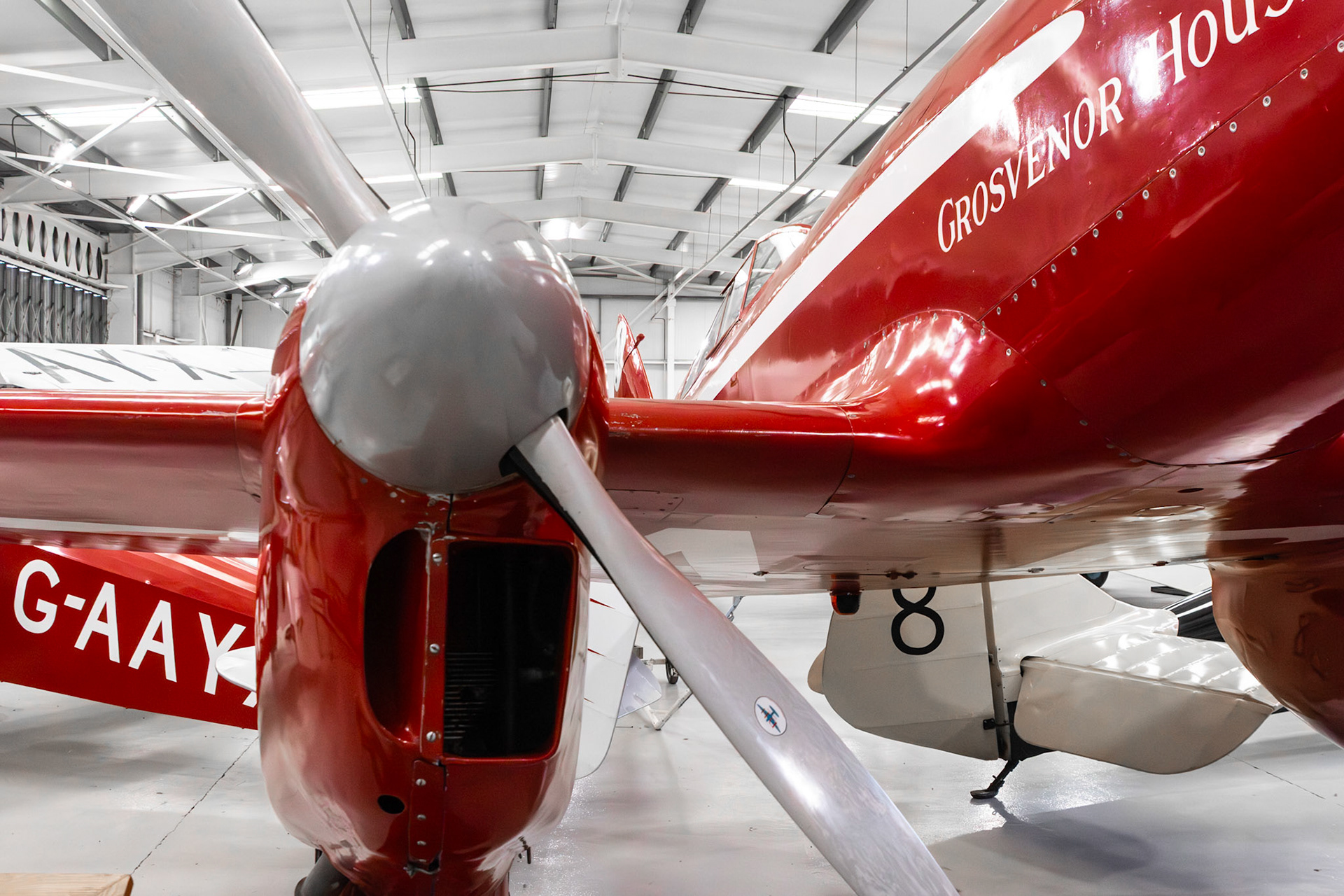
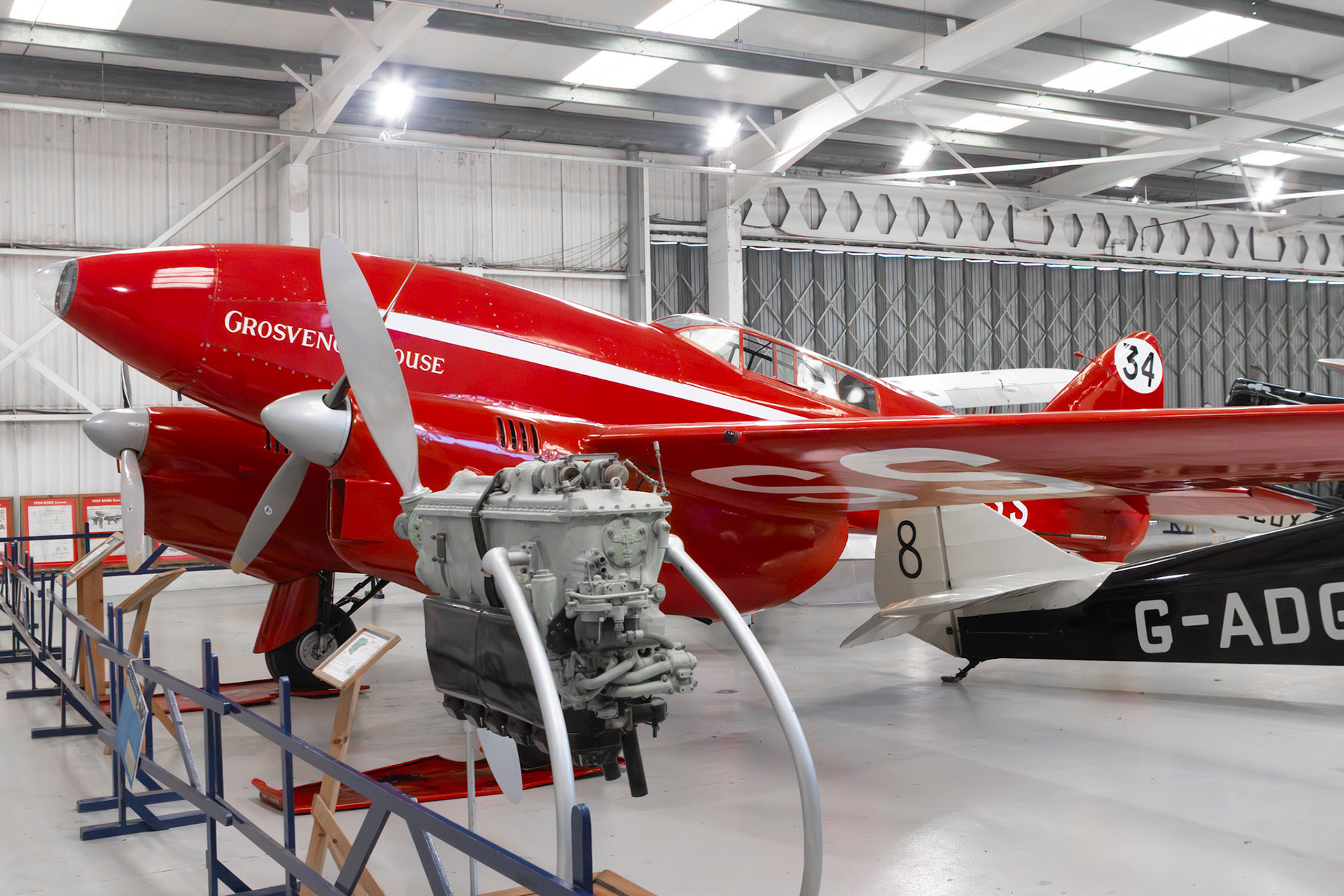
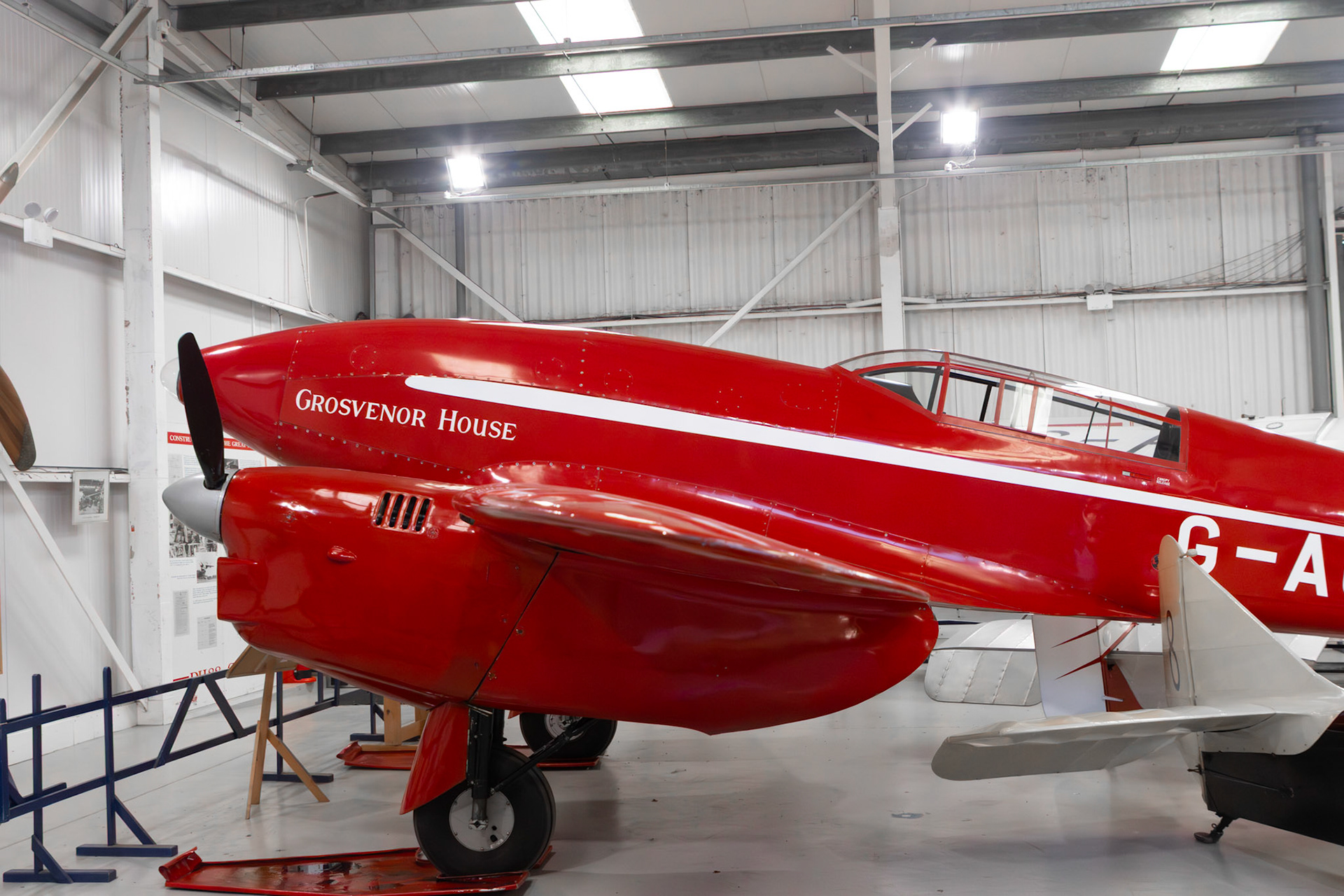
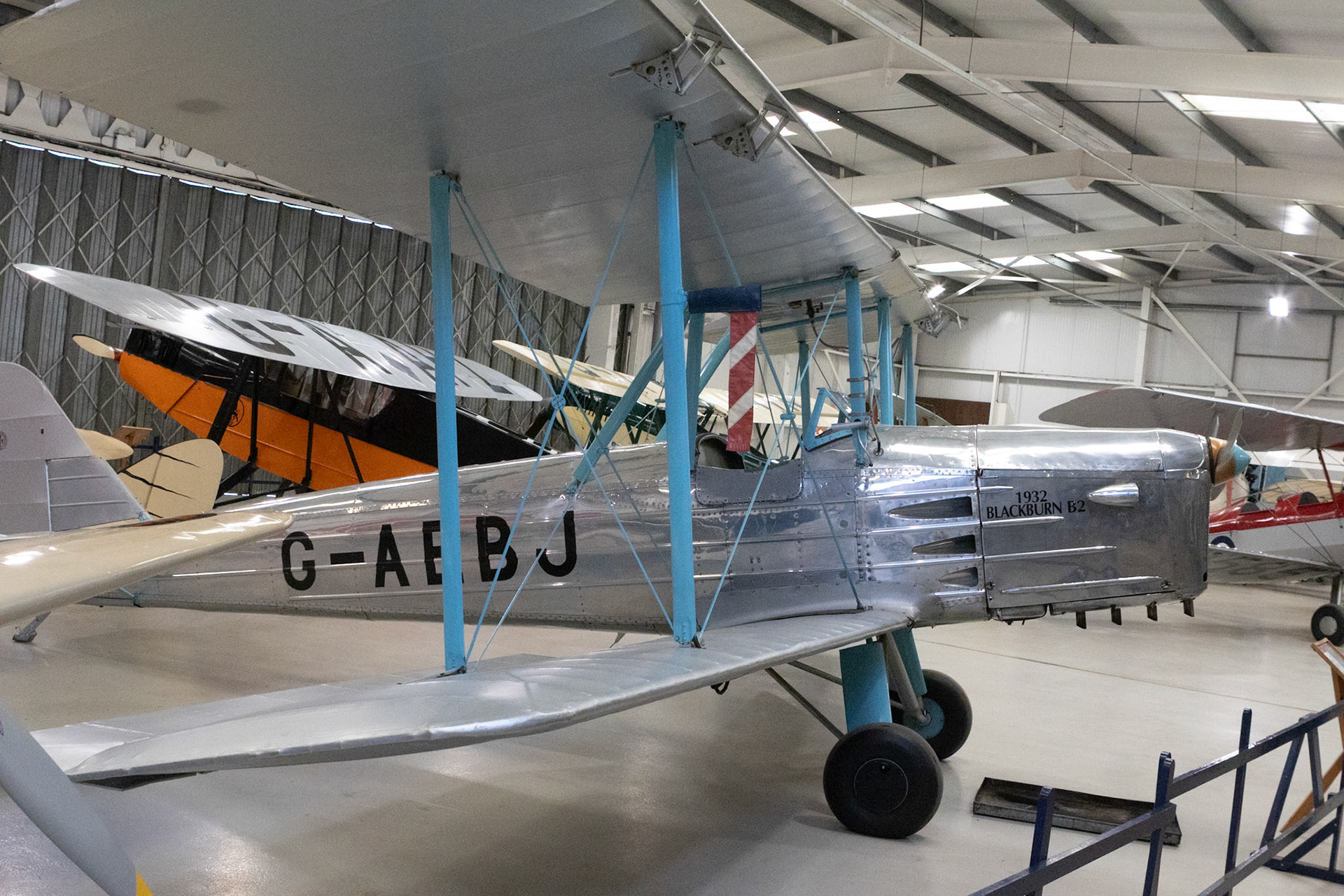
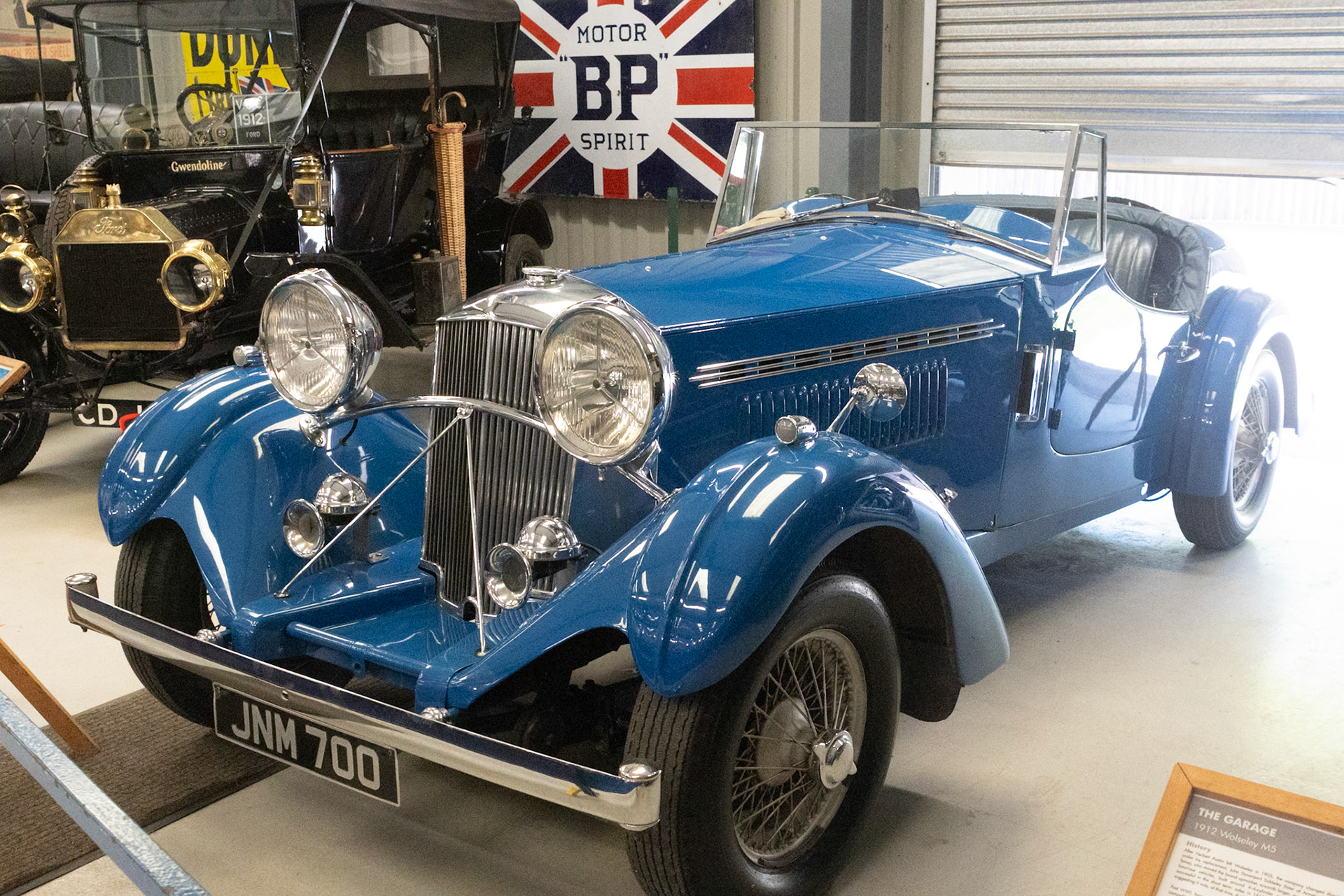
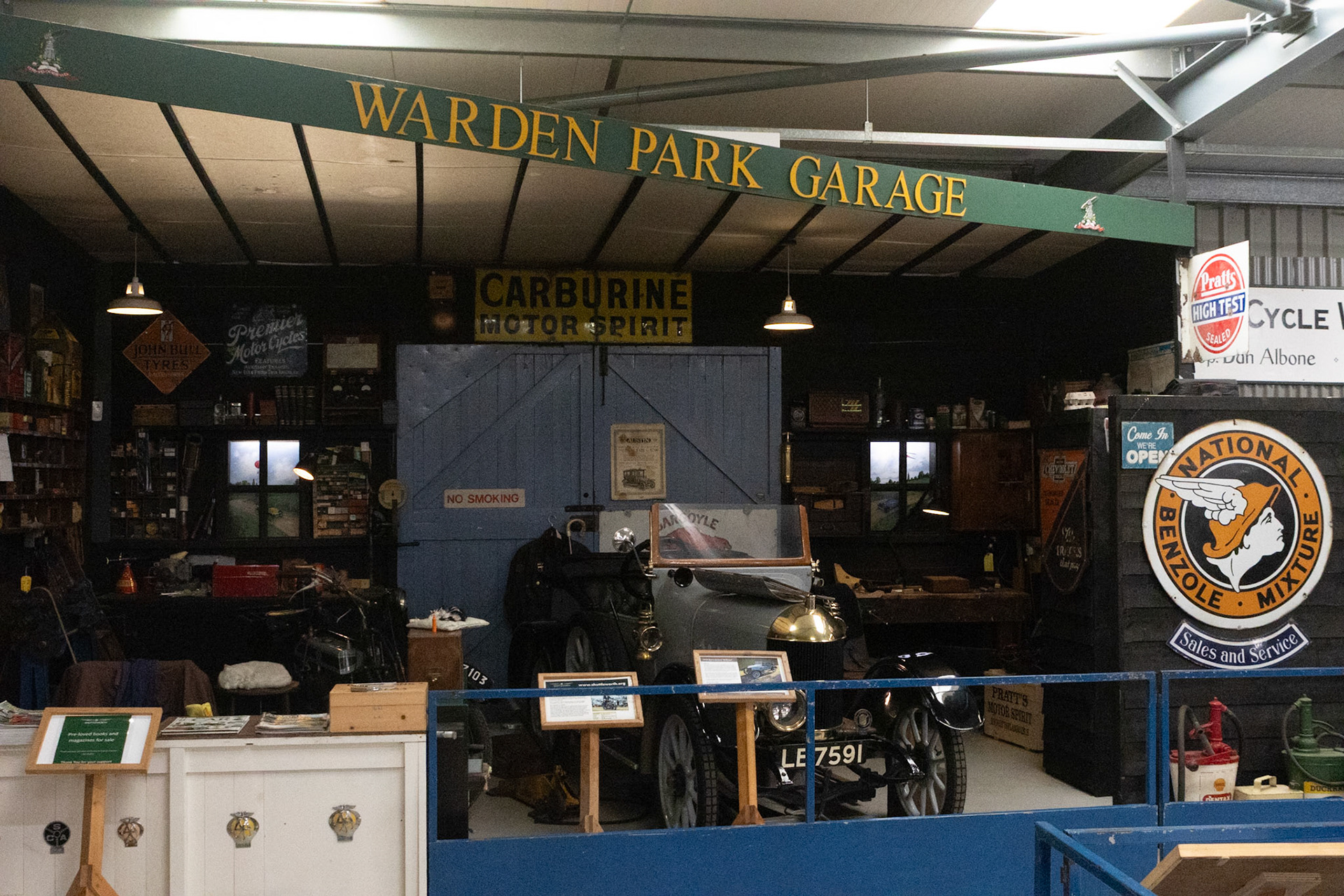
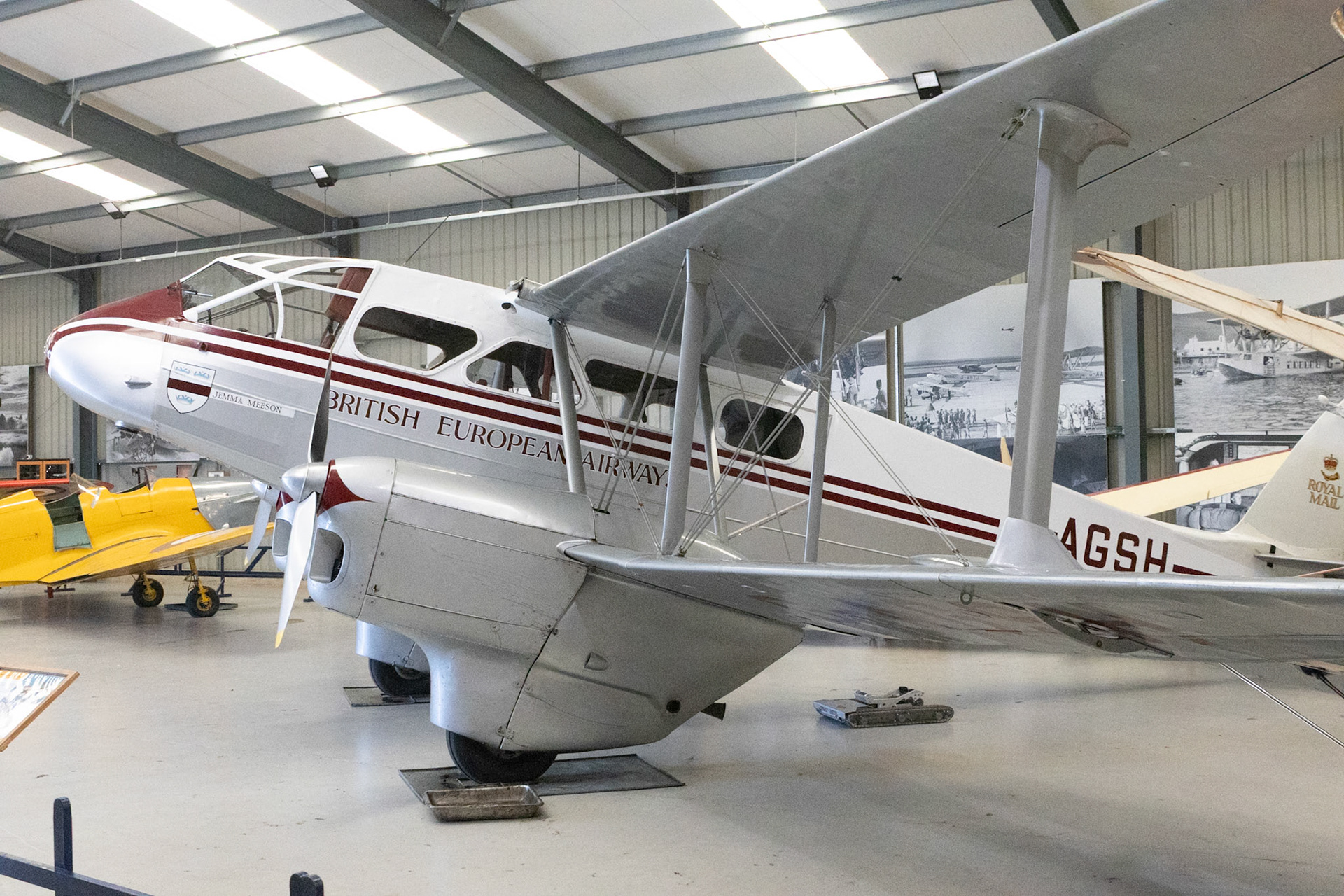
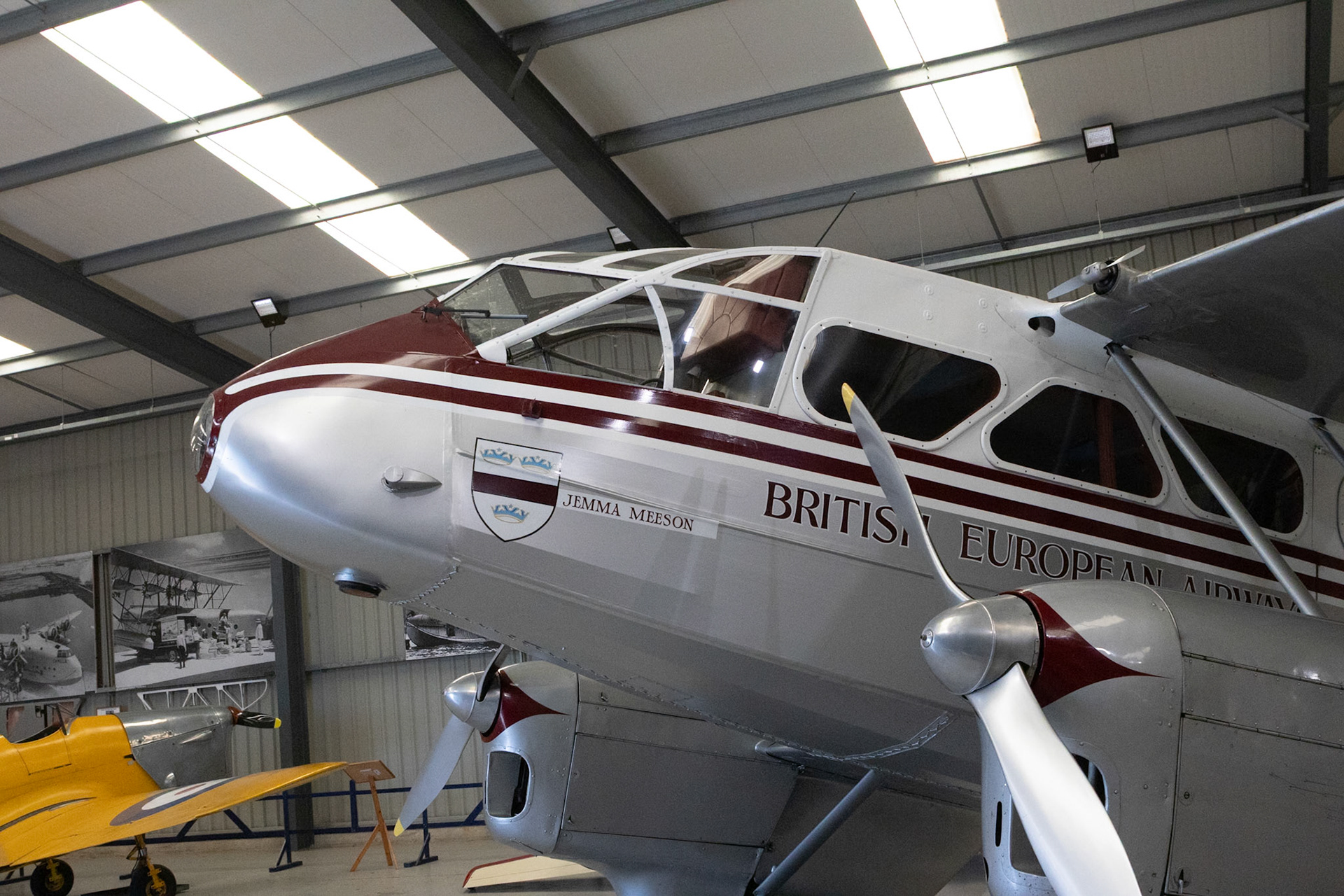
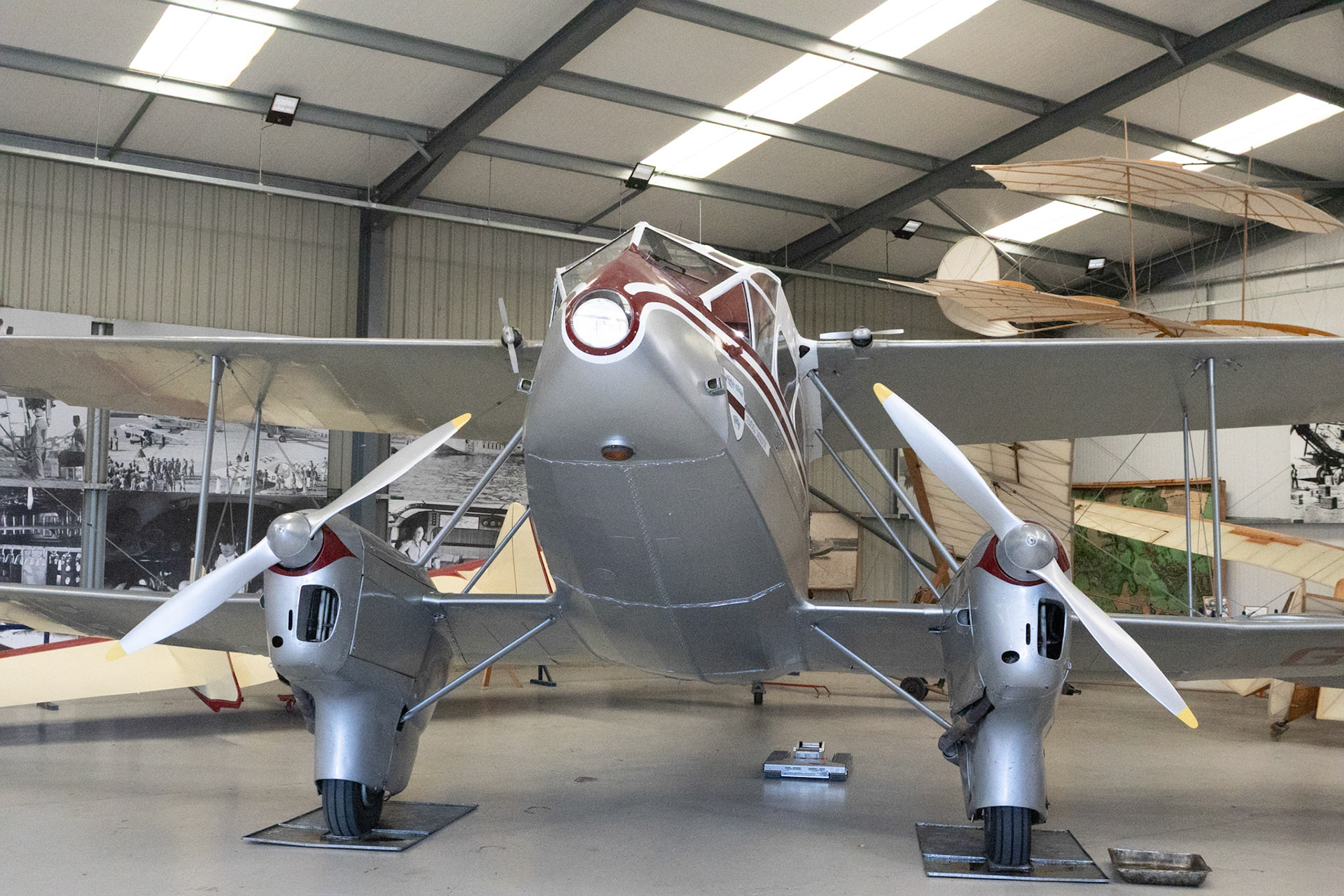
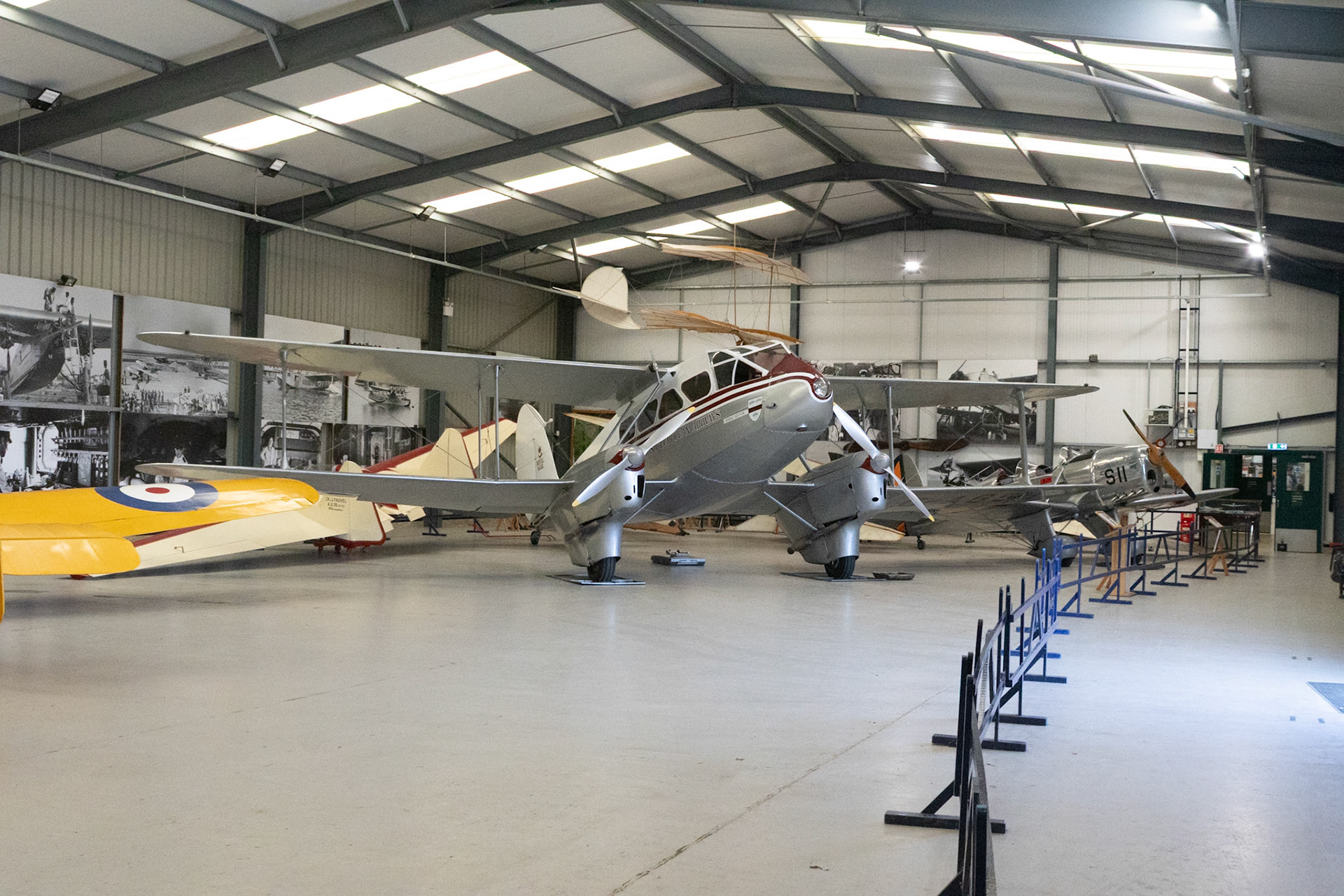
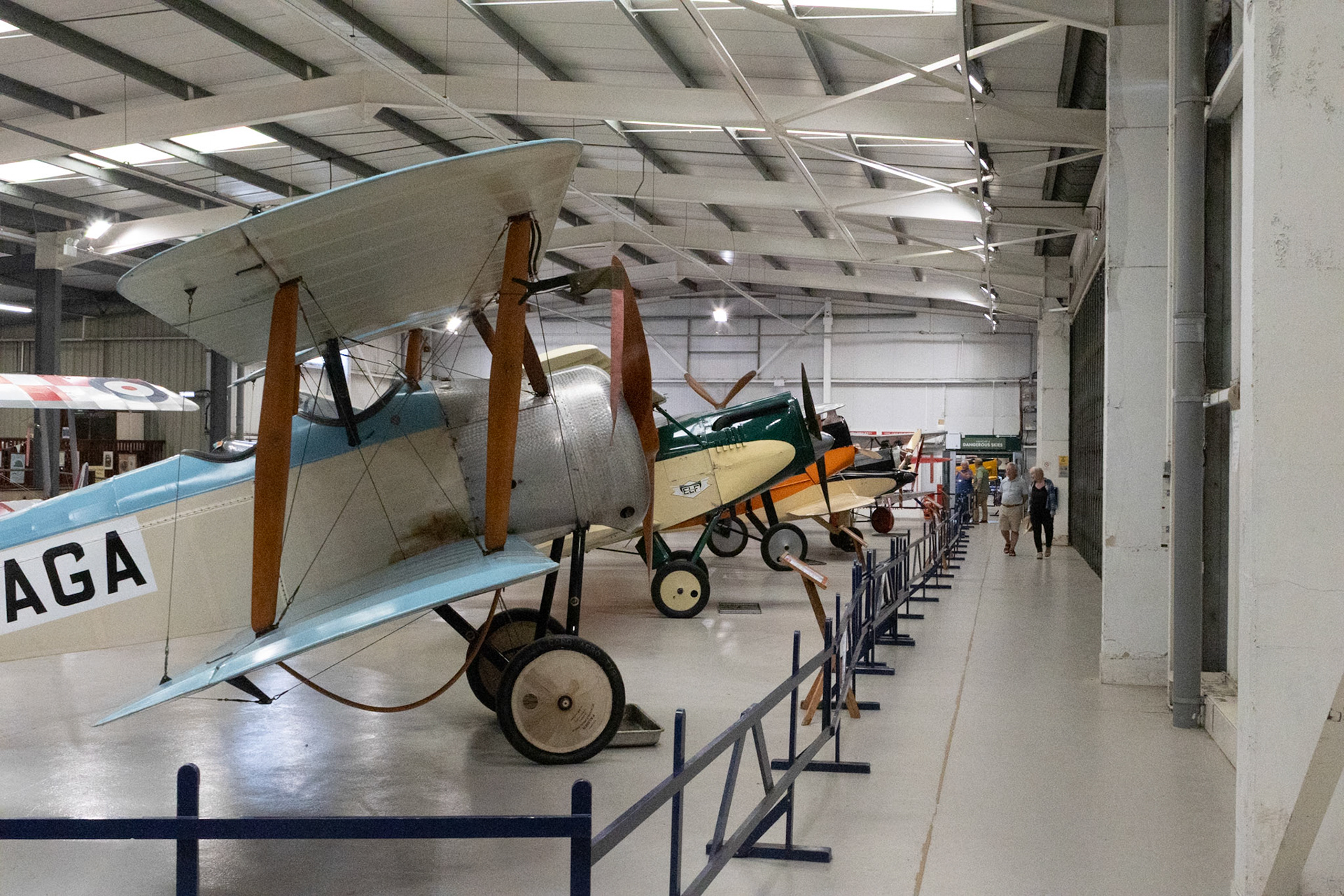
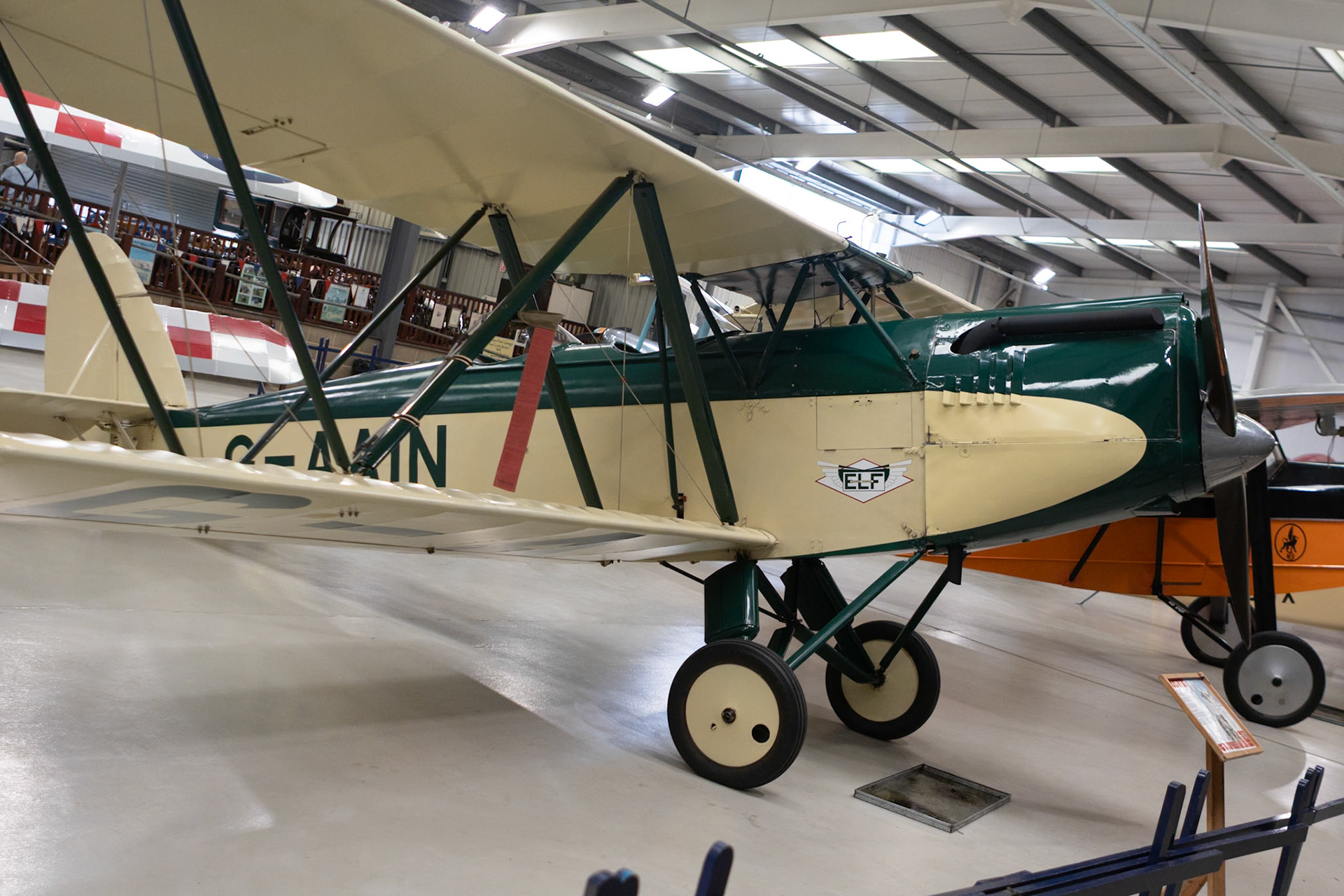
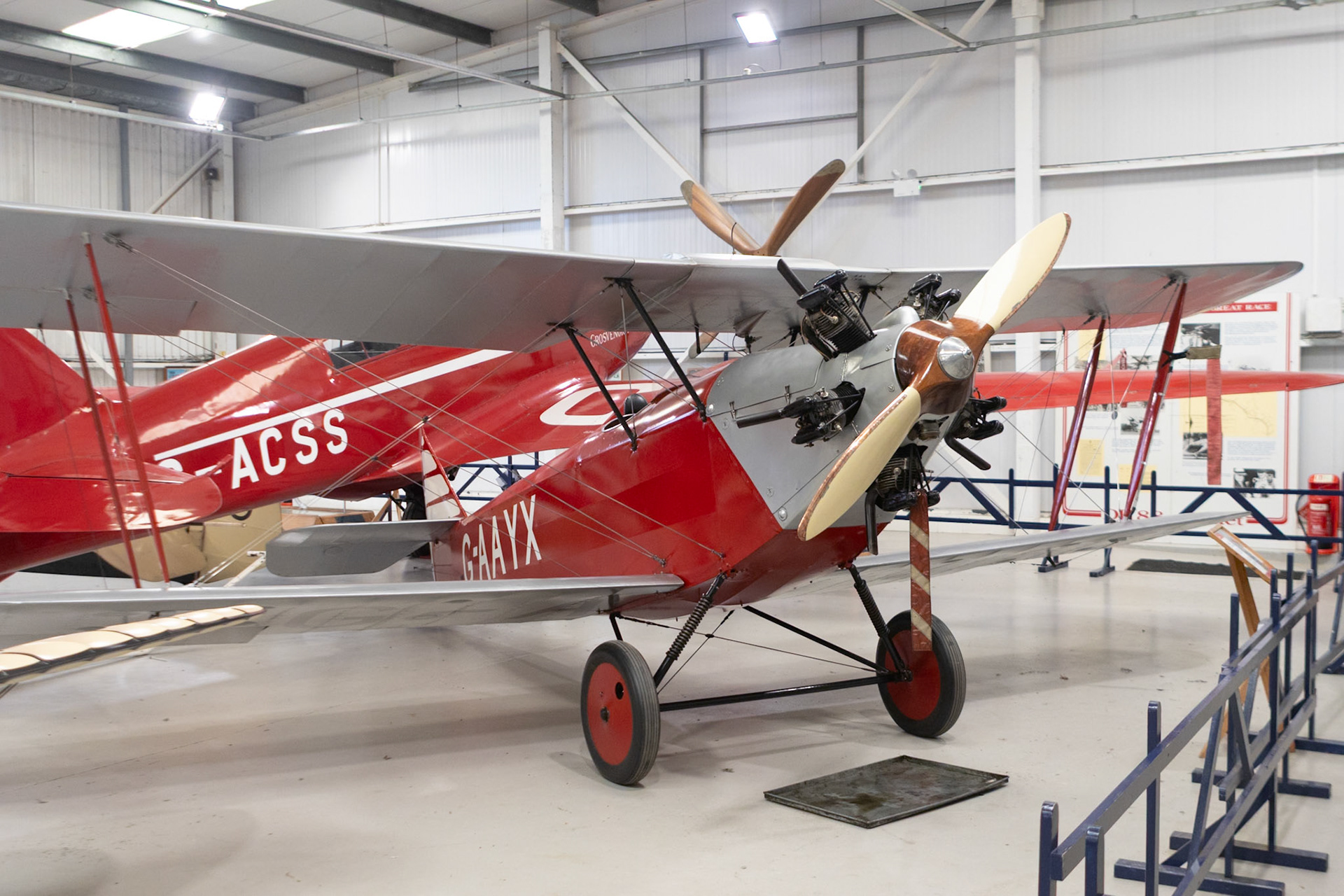
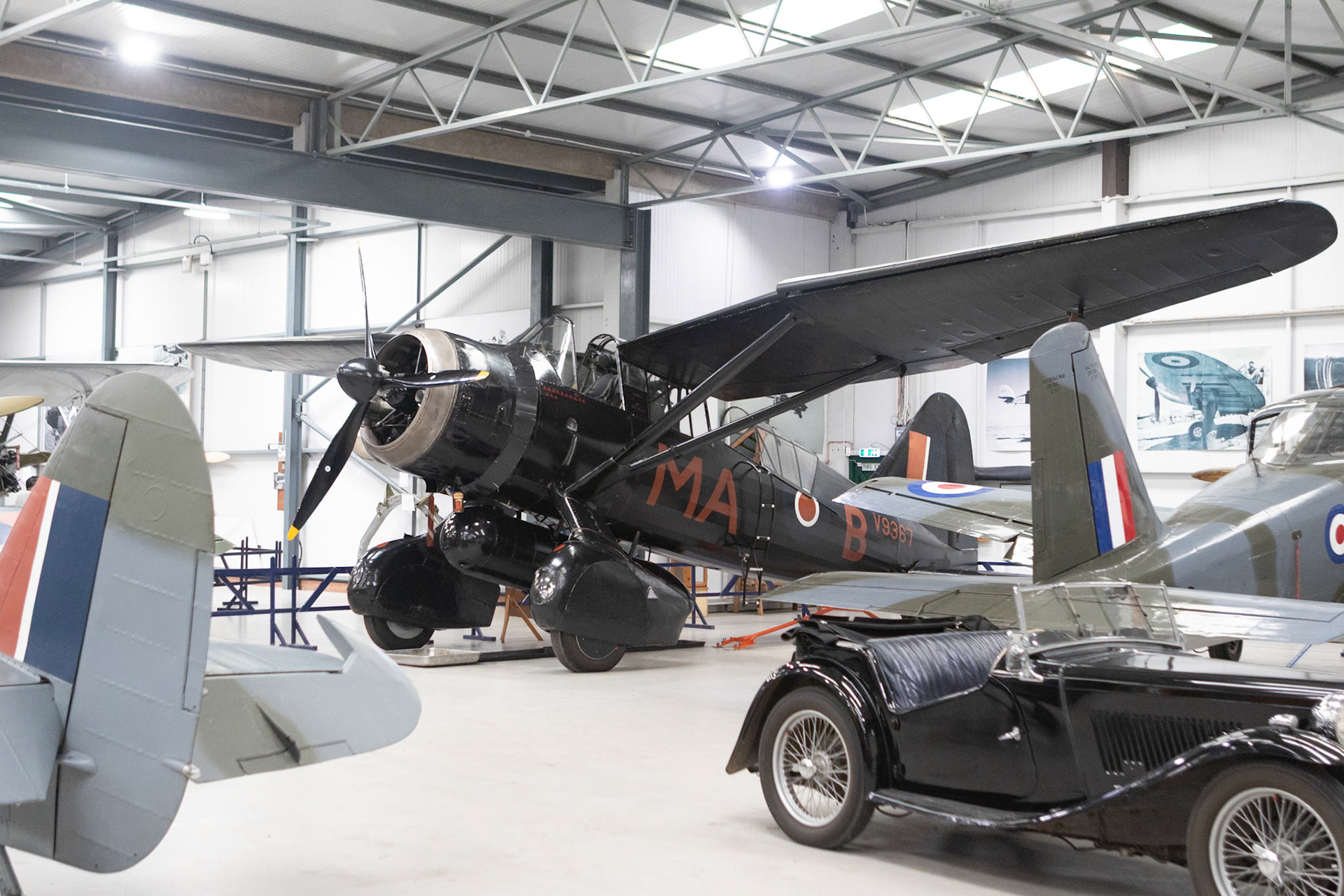


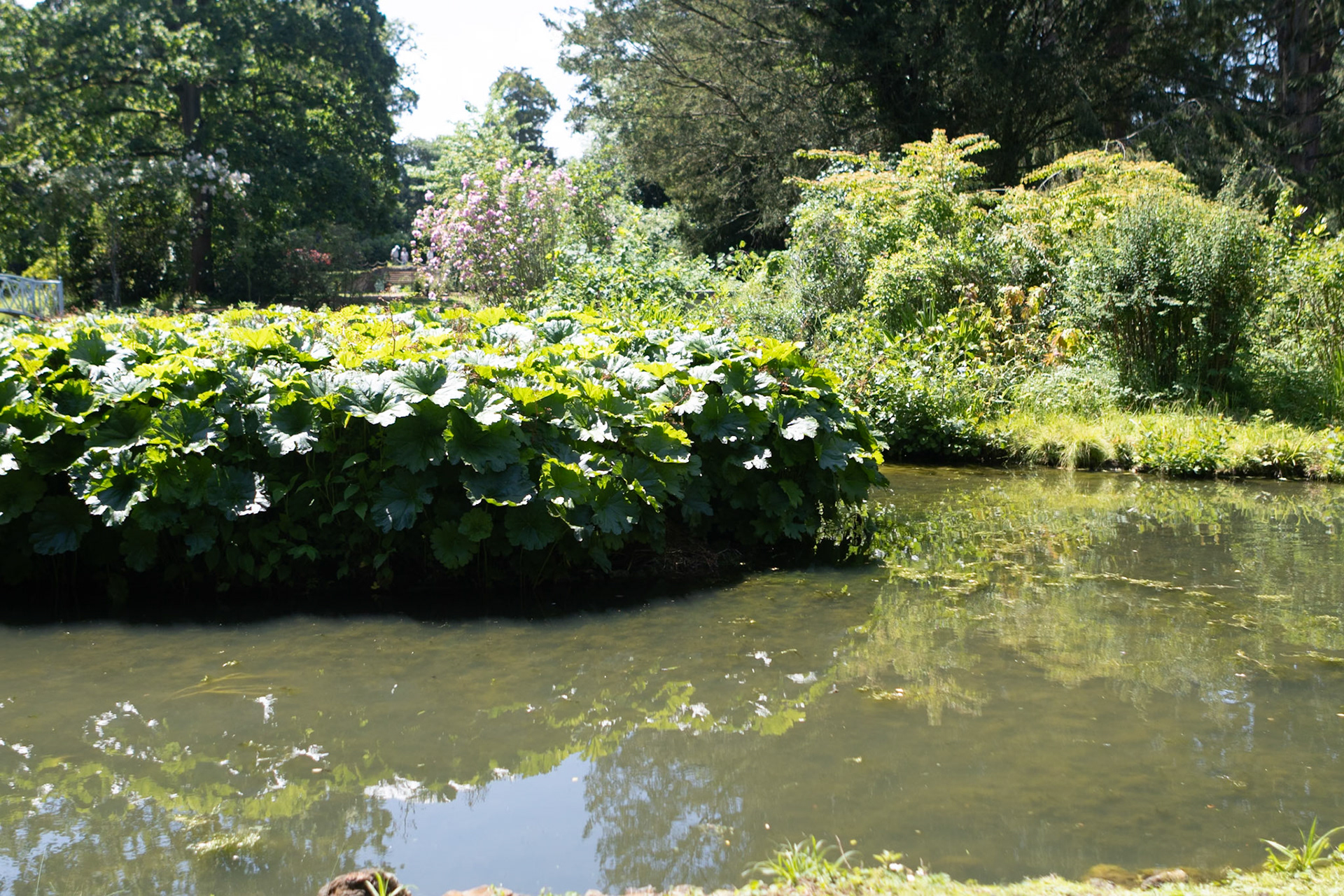
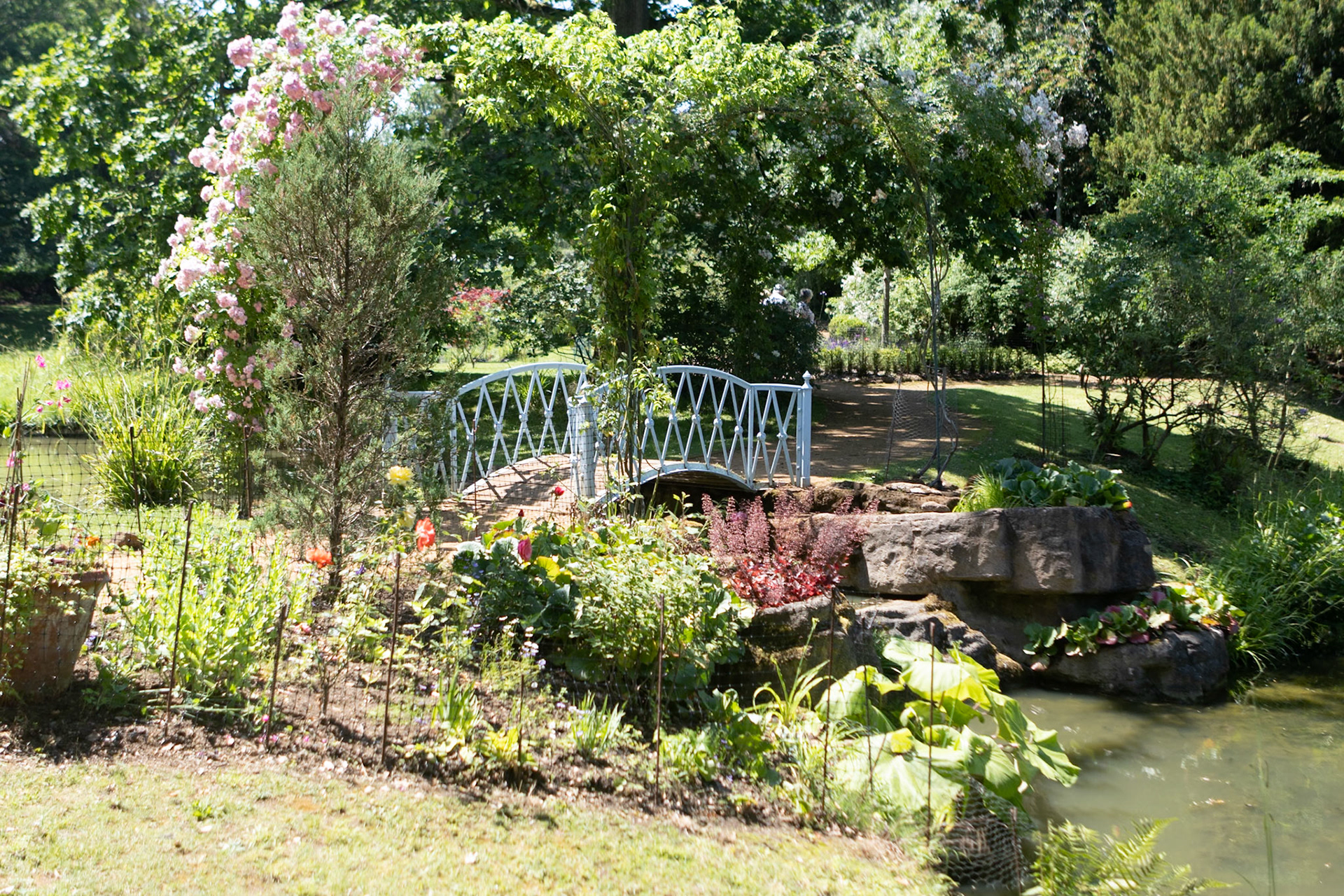
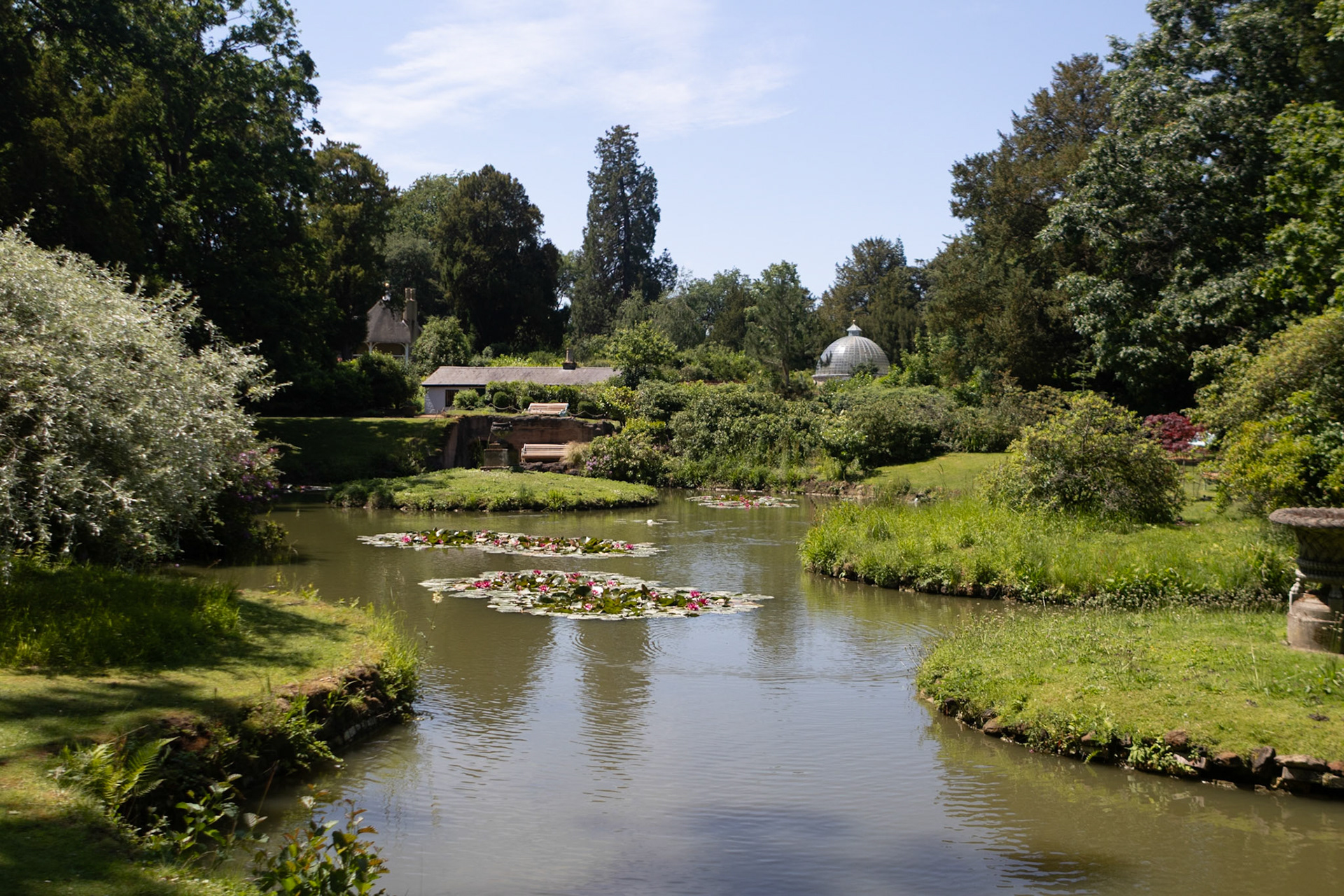
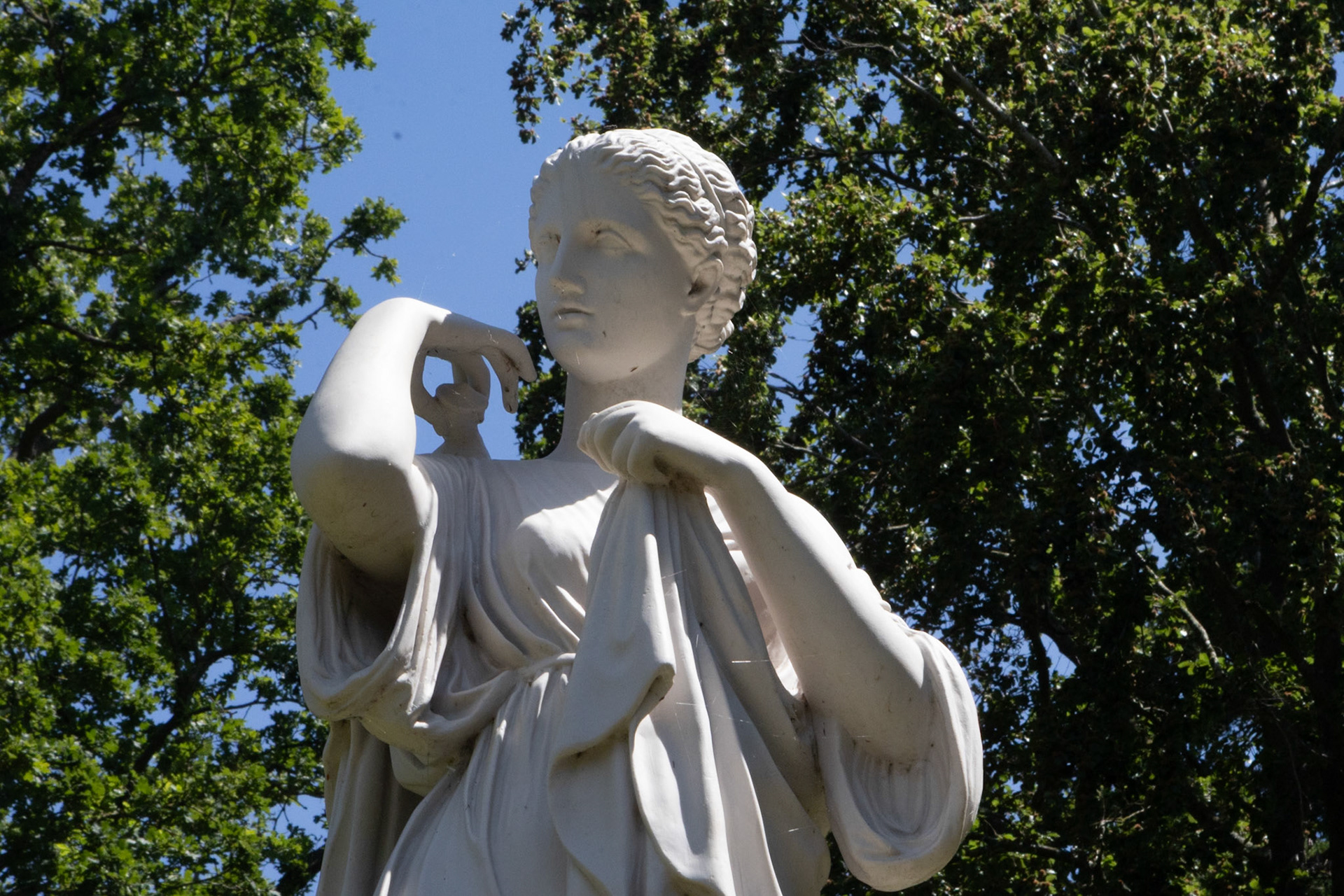
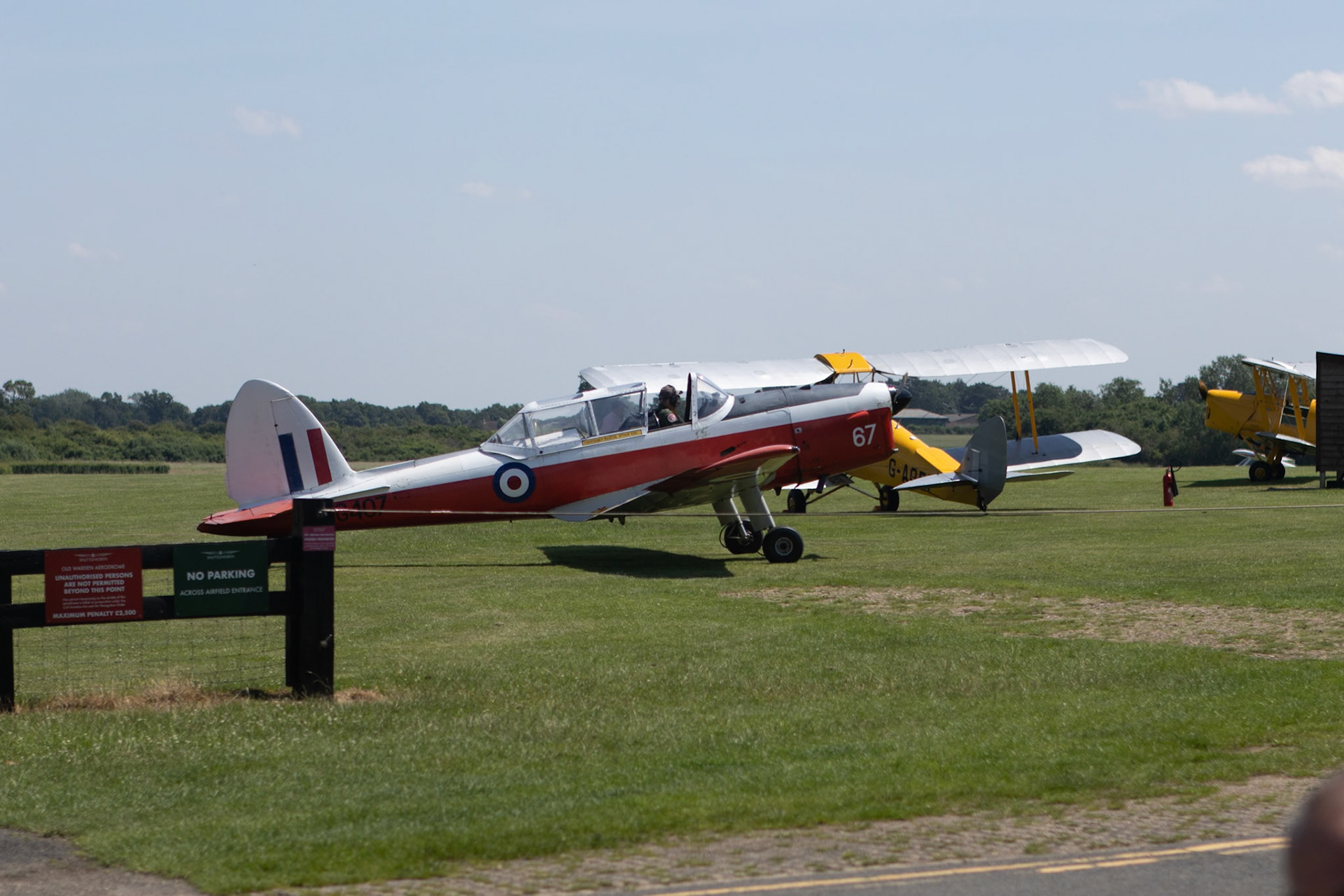
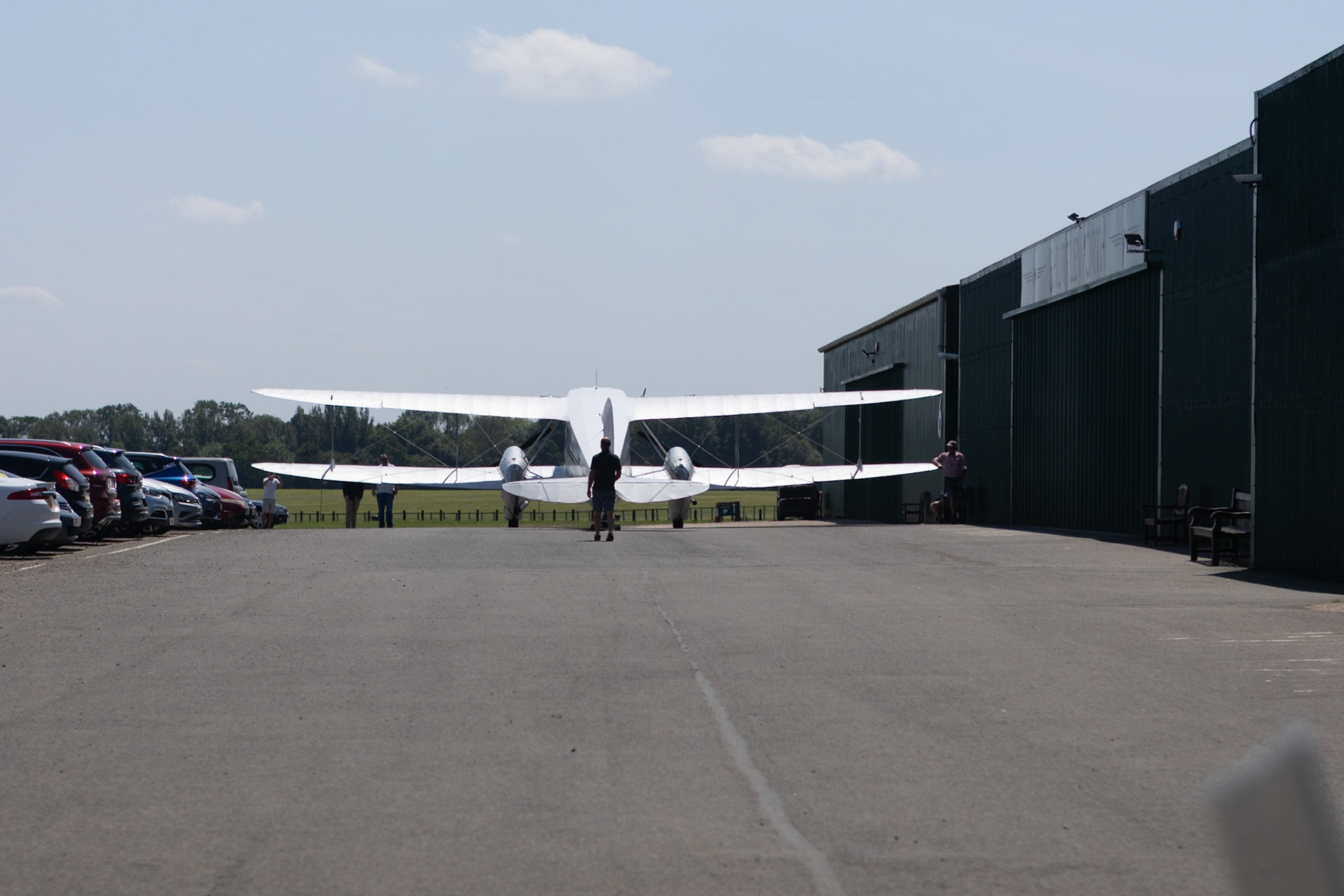
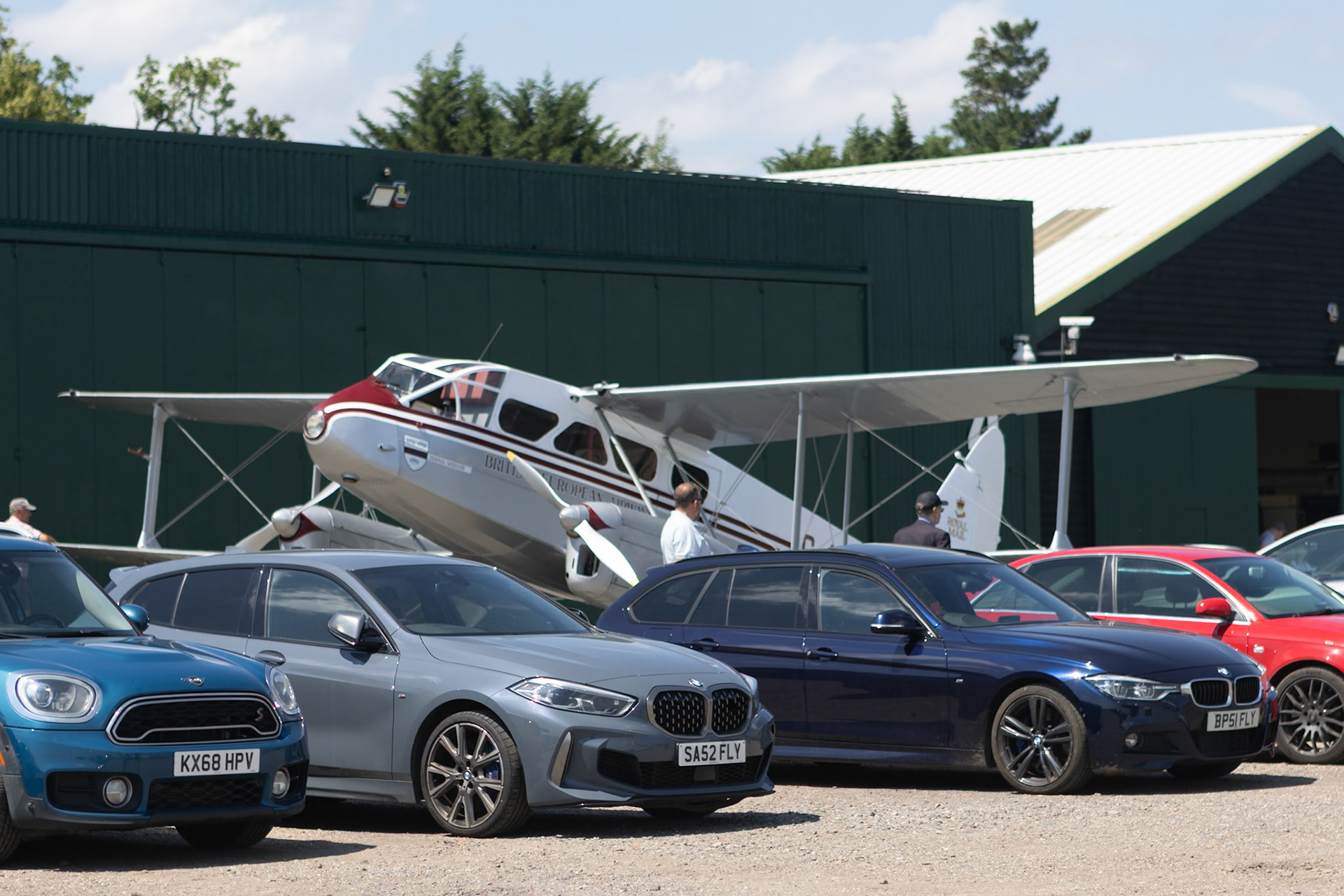
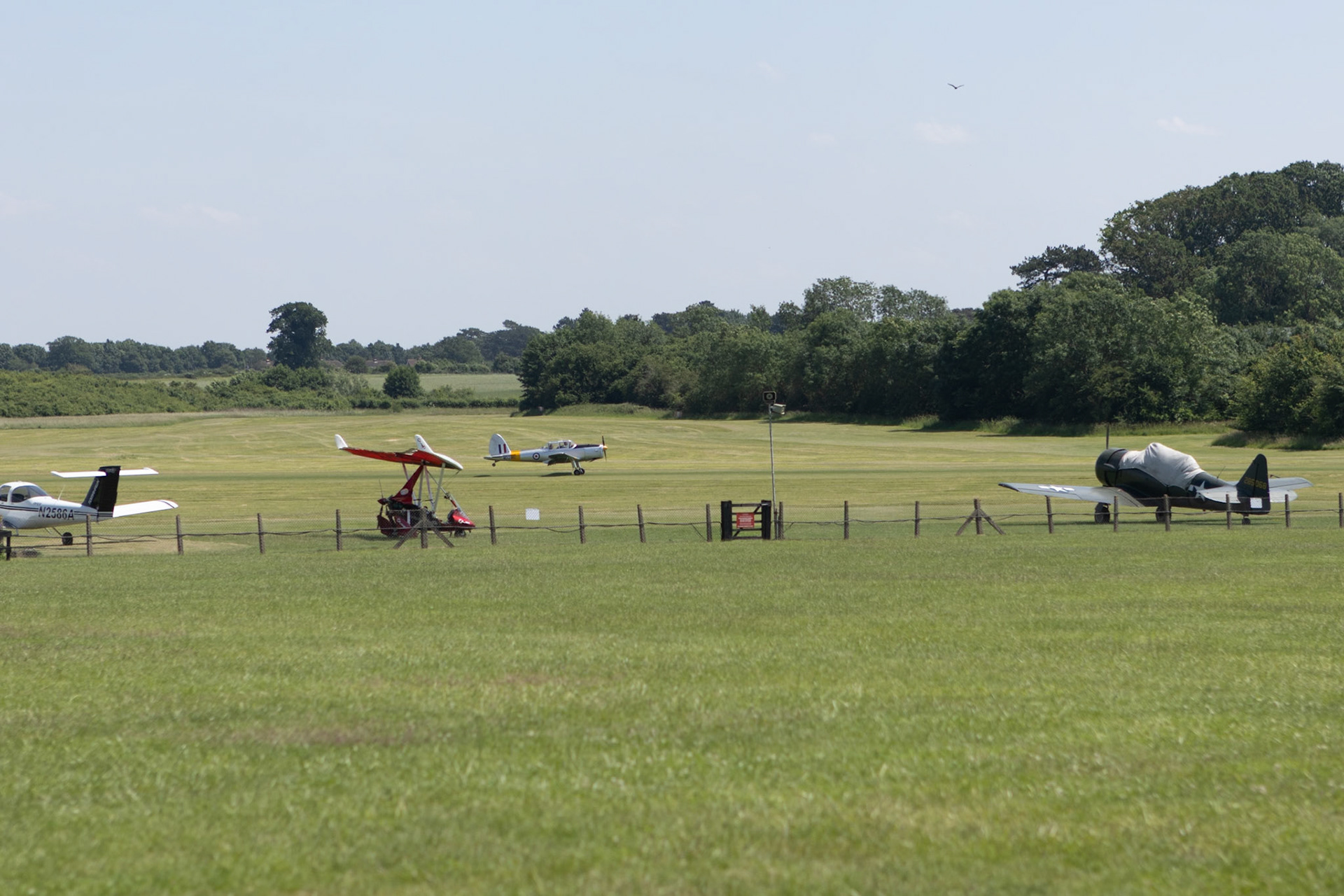
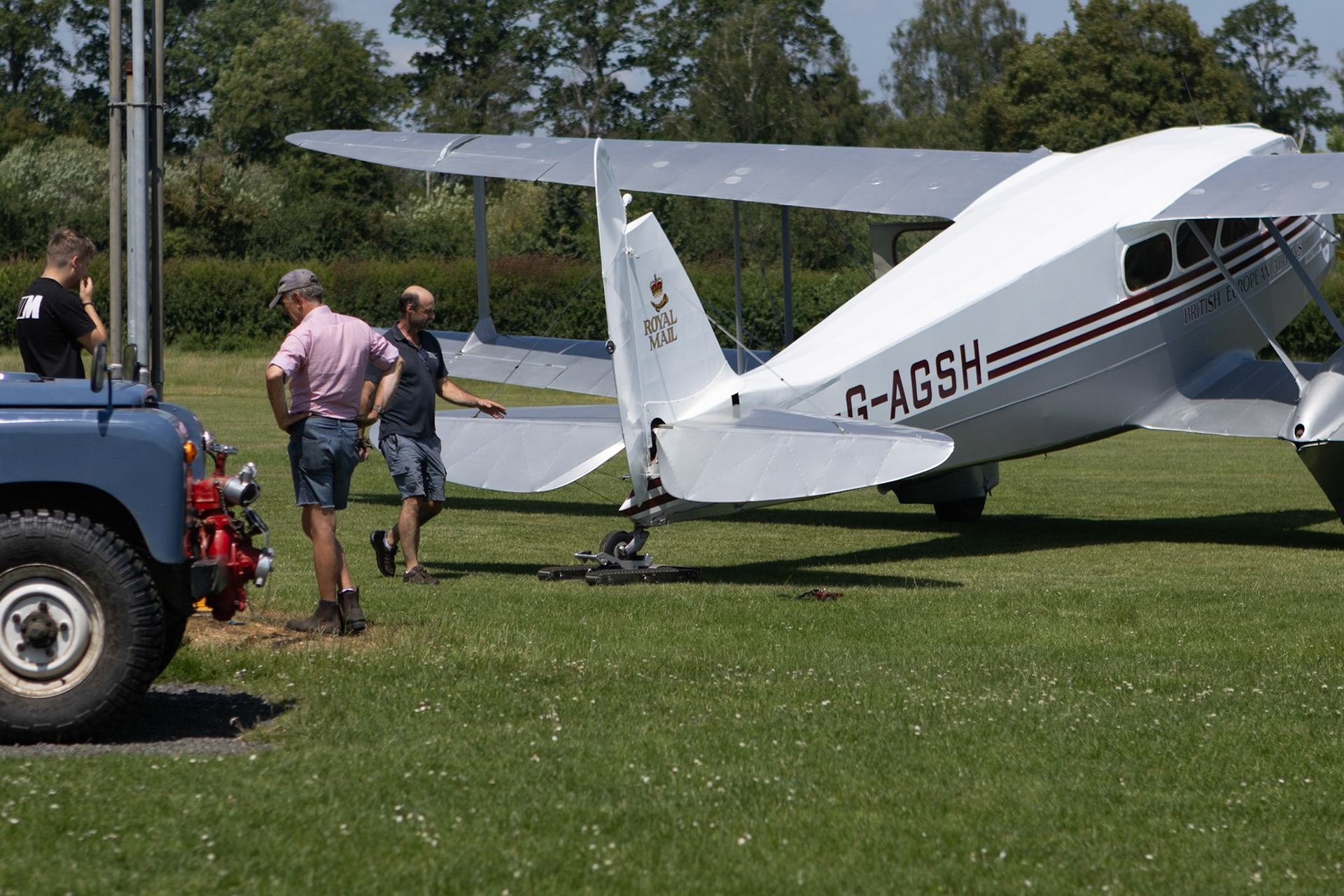
![Bletchley Park is an English country house and estate in Bletchley, Milton Keynes (Buckinghamshire), that became the principal centre of Allied code-breaking during the Second World War. During World War II, the estate housed the Government Code and Cypher School (GC&CS), which regularly penetrated the secret communications of the Axis powers – most importantly the German Enigma and Lorenz ciphers. The GC&CS team of codebreakers included John Tiltman, Dilwyn Knox, Alan Turing, Margaret Rock, Mavis Lever, Harry Golombek, Gordon Welchman, Hugh Alexander, Donald Michie, Bill Tutte and Stuart Milner-Barry.The team at Bletchley Park, 75% women, devised automatic machinery to help with decryption, culminating in the development of Colossus, the world's first programmable digital electronic computer.[a] Codebreaking operations at Bletchley Park ended in 1946 and all information about the wartime operations was classified until the mid-1970s. After the war it had various uses and now houses the Bletchley Park museum.](https://cdn.myportfolio.com/01453194-c141-4d1d-ac78-ee5084ccd917/848babed-3ef3-4663-a2ad-41a4c9f019c4_rw_1920.jpg?h=1f7461856fb708166845c9548bb52338)
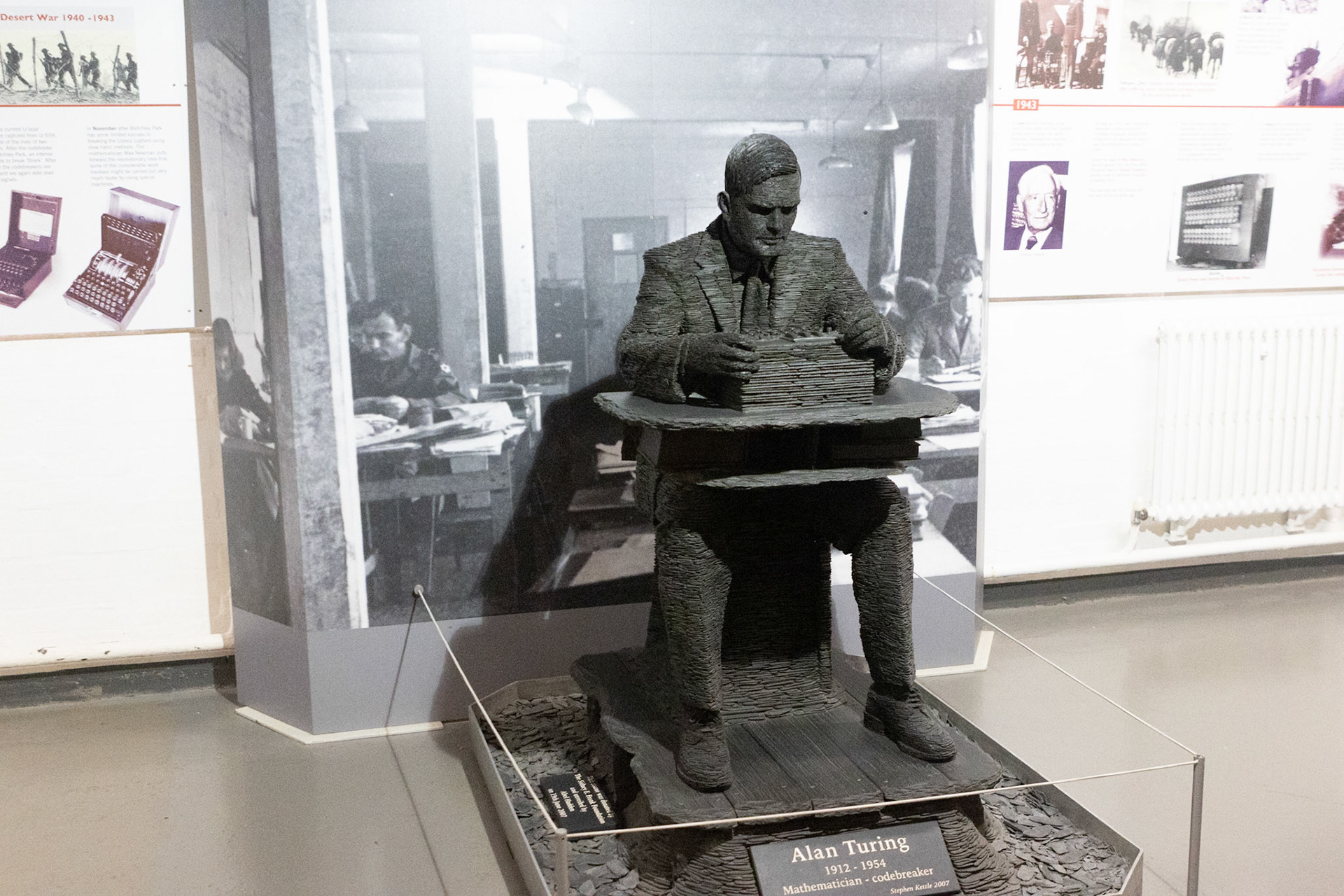
![Bletchley Park is an English country house and estate in Bletchley, Milton Keynes (Buckinghamshire), that became the principal centre of Allied code-breaking during the Second World War. During World War II, the estate housed the Government Code and Cypher School (GC&CS), which regularly penetrated the secret communications of the Axis powers – most importantly the German Enigma and Lorenz ciphers. The GC&CS team of codebreakers included John Tiltman, Dilwyn Knox, Alan Turing, Margaret Rock, Mavis Lever, Harry Golombek, Gordon Welchman, Hugh Alexander, Donald Michie, Bill Tutte and Stuart Milner-Barry.The team at Bletchley Park, 75% women, devised automatic machinery to help with decryption, culminating in the development of Colossus, the world's first programmable digital electronic computer.[a] Codebreaking operations at Bletchley Park ended in 1946 and all information about the wartime operations was classified until the mid-1970s. After the war it had various uses and now houses the Bletchley Park museum.](https://cdn.myportfolio.com/01453194-c141-4d1d-ac78-ee5084ccd917/0aecfc6b-4232-4bc9-8021-69c79b8253a4_rw_1920.jpg?h=fa6334367c9ba1d95d011457c42e15c4)
![Bletchley Park is an English country house and estate in Bletchley, Milton Keynes (Buckinghamshire), that became the principal centre of Allied code-breaking during the Second World War. During World War II, the estate housed the Government Code and Cypher School (GC&CS), which regularly penetrated the secret communications of the Axis powers – most importantly the German Enigma and Lorenz ciphers. The GC&CS team of codebreakers included John Tiltman, Dilwyn Knox, Alan Turing, Margaret Rock, Mavis Lever, Harry Golombek, Gordon Welchman, Hugh Alexander, Donald Michie, Bill Tutte and Stuart Milner-Barry.The team at Bletchley Park, 75% women, devised automatic machinery to help with decryption, culminating in the development of Colossus, the world's first programmable digital electronic computer.[a] Codebreaking operations at Bletchley Park ended in 1946 and all information about the wartime operations was classified until the mid-1970s. After the war it had various uses and now houses the Bletchley Park museum.](https://cdn.myportfolio.com/01453194-c141-4d1d-ac78-ee5084ccd917/68fa2331-7982-47d8-bcd6-bd146fabd8e9_rw_1920.jpg?h=c4a83bc27b1112e2fdc464eb0abf41fe)
![Bletchley Park is an English country house and estate in Bletchley, Milton Keynes (Buckinghamshire), that became the principal centre of Allied code-breaking during the Second World War. During World War II, the estate housed the Government Code and Cypher School (GC&CS), which regularly penetrated the secret communications of the Axis powers – most importantly the German Enigma and Lorenz ciphers. The GC&CS team of codebreakers included John Tiltman, Dilwyn Knox, Alan Turing, Margaret Rock, Mavis Lever, Harry Golombek, Gordon Welchman, Hugh Alexander, Donald Michie, Bill Tutte and Stuart Milner-Barry.The team at Bletchley Park, 75% women, devised automatic machinery to help with decryption, culminating in the development of Colossus, the world's first programmable digital electronic computer.[a] Codebreaking operations at Bletchley Park ended in 1946 and all information about the wartime operations was classified until the mid-1970s. After the war it had various uses and now houses the Bletchley Park museum.](https://cdn.myportfolio.com/01453194-c141-4d1d-ac78-ee5084ccd917/8ee0983f-c909-4232-91c6-1772d440a6f4_rw_1920.jpg?h=716fbccead5e346a151d9a31e1d5d660)
![Bletchley Park is an English country house and estate in Bletchley, Milton Keynes (Buckinghamshire), that became the principal centre of Allied code-breaking during the Second World War. During World War II, the estate housed the Government Code and Cypher School (GC&CS), which regularly penetrated the secret communications of the Axis powers – most importantly the German Enigma and Lorenz ciphers. The GC&CS team of codebreakers included John Tiltman, Dilwyn Knox, Alan Turing, Margaret Rock, Mavis Lever, Harry Golombek, Gordon Welchman, Hugh Alexander, Donald Michie, Bill Tutte and Stuart Milner-Barry.The team at Bletchley Park, 75% women, devised automatic machinery to help with decryption, culminating in the development of Colossus, the world's first programmable digital electronic computer.[a] Codebreaking operations at Bletchley Park ended in 1946 and all information about the wartime operations was classified until the mid-1970s. After the war it had various uses and now houses the Bletchley Park museum.](https://cdn.myportfolio.com/01453194-c141-4d1d-ac78-ee5084ccd917/645c9eb2-f581-4908-9217-23c55aa680d6_rw_1920.jpg?h=bb7ef50cf2436f76787f443ca4d47c38)
![Bletchley Park is an English country house and estate in Bletchley, Milton Keynes (Buckinghamshire), that became the principal centre of Allied code-breaking during the Second World War. During World War II, the estate housed the Government Code and Cypher School (GC&CS), which regularly penetrated the secret communications of the Axis powers – most importantly the German Enigma and Lorenz ciphers. The GC&CS team of codebreakers included John Tiltman, Dilwyn Knox, Alan Turing, Margaret Rock, Mavis Lever, Harry Golombek, Gordon Welchman, Hugh Alexander, Donald Michie, Bill Tutte and Stuart Milner-Barry.The team at Bletchley Park, 75% women, devised automatic machinery to help with decryption, culminating in the development of Colossus, the world's first programmable digital electronic computer.[a] Codebreaking operations at Bletchley Park ended in 1946 and all information about the wartime operations was classified until the mid-1970s. After the war it had various uses and now houses the Bletchley Park museum.](https://cdn.myportfolio.com/01453194-c141-4d1d-ac78-ee5084ccd917/d9ed85bb-b874-4cba-8a5c-7e7e8b685bdb_rw_1920.jpg?h=fd906a2a94af747537550d498dea2699)
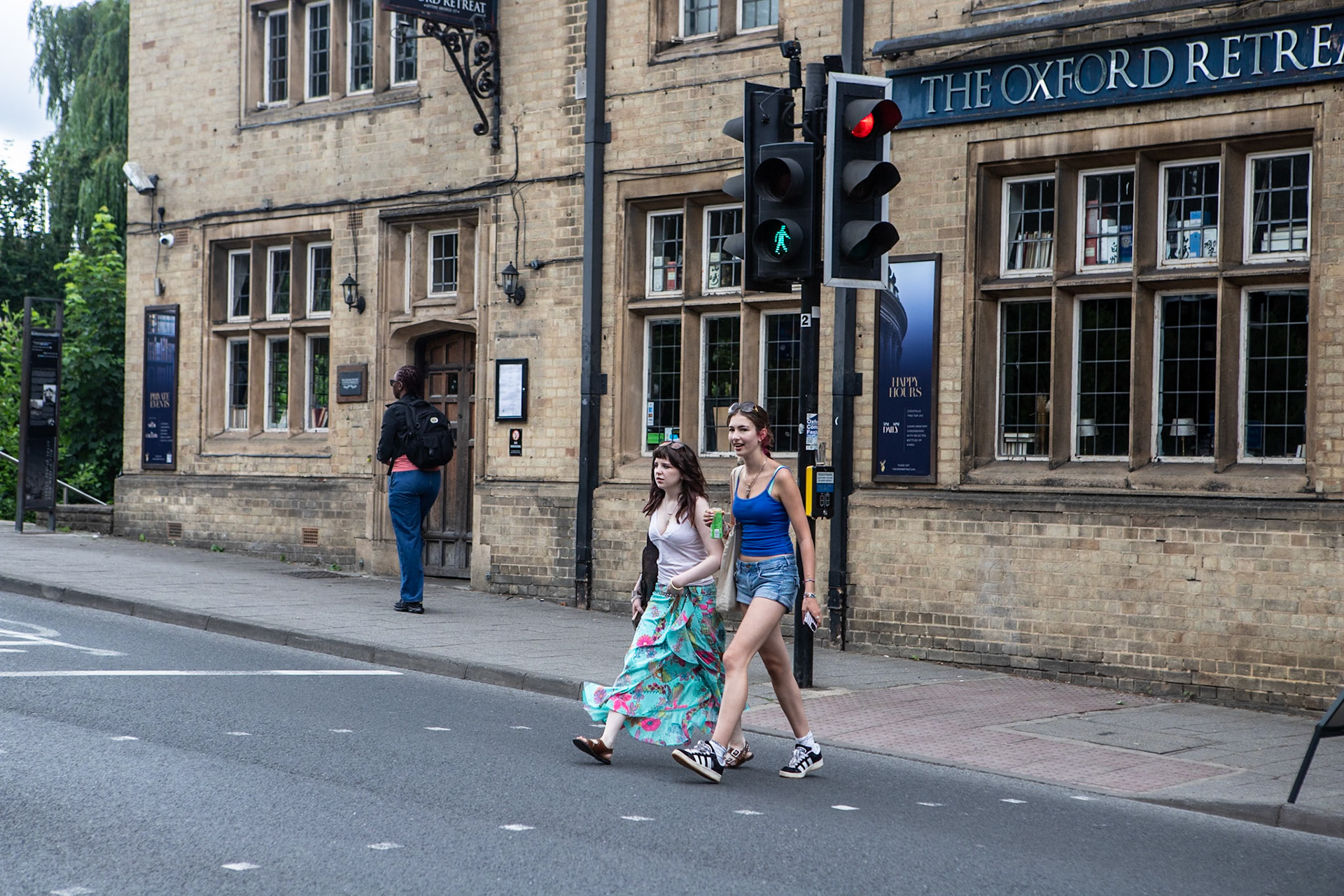
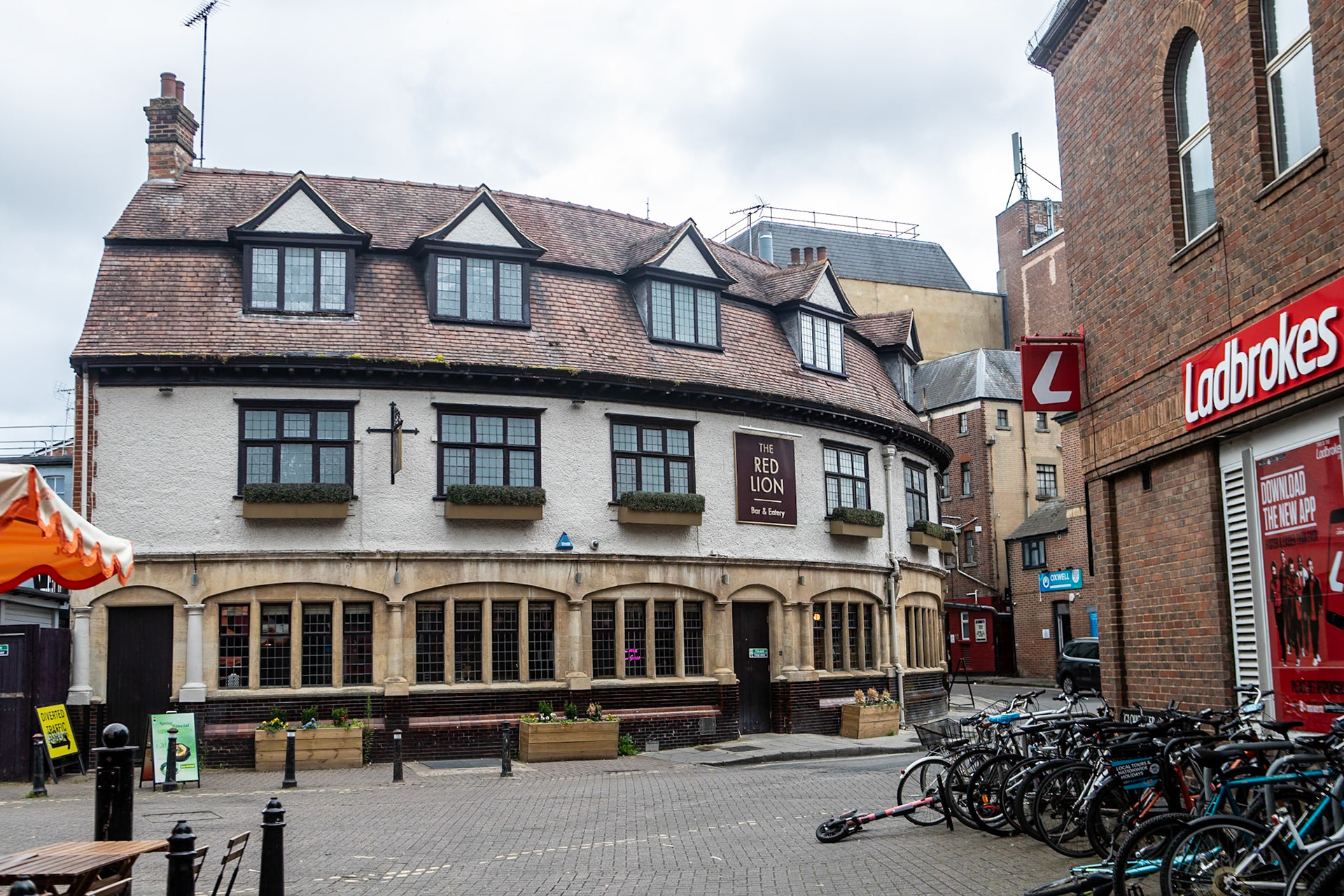
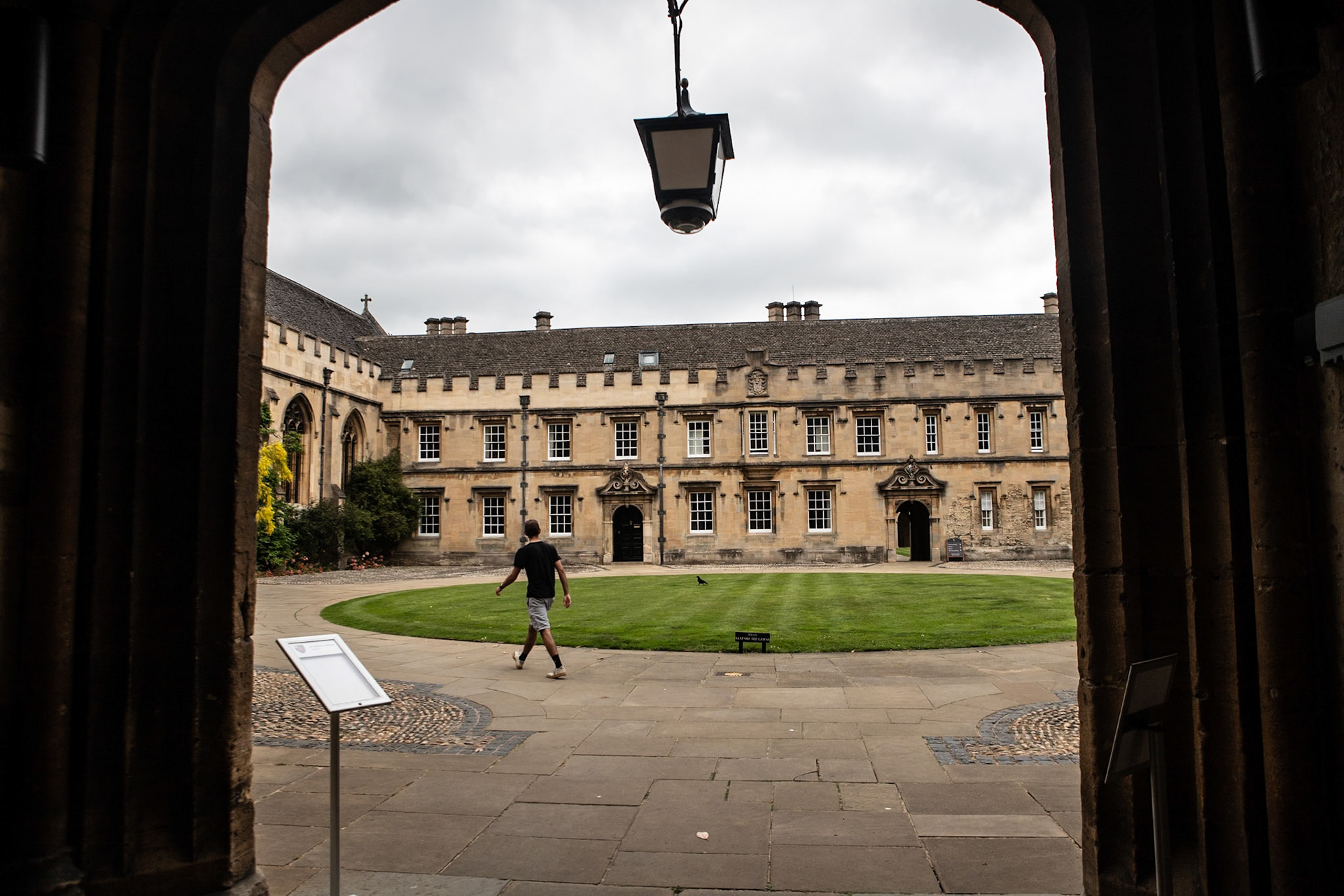
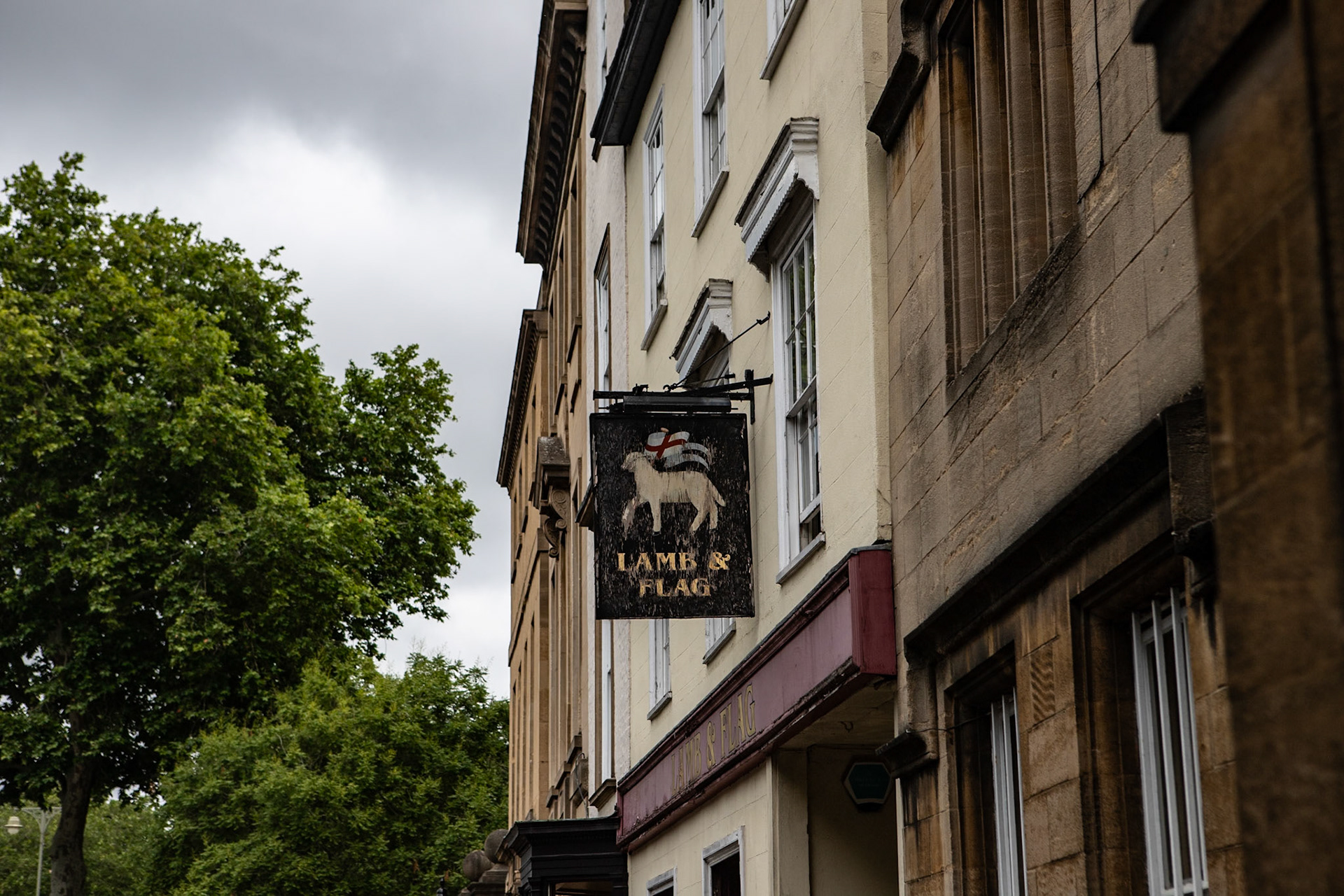
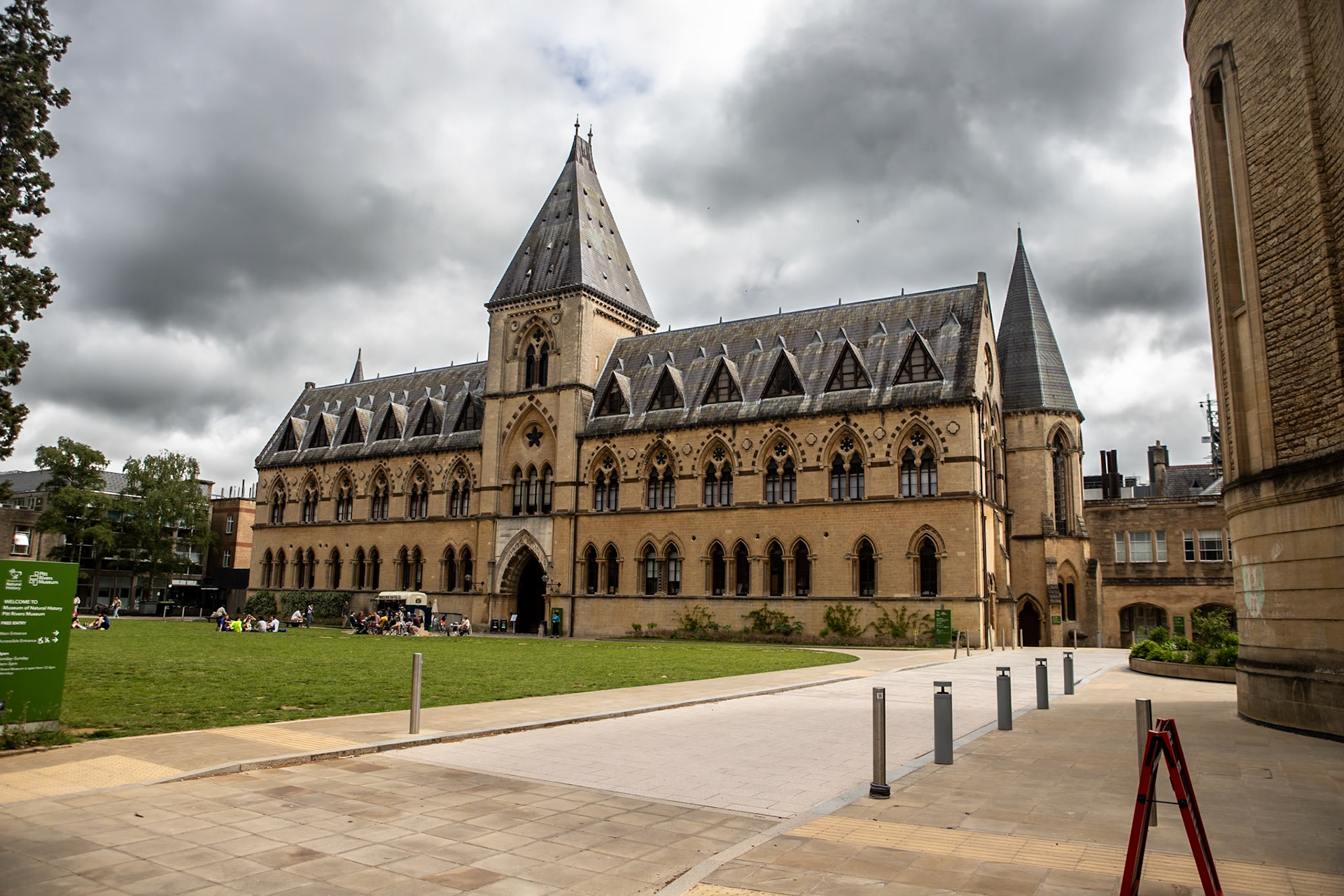
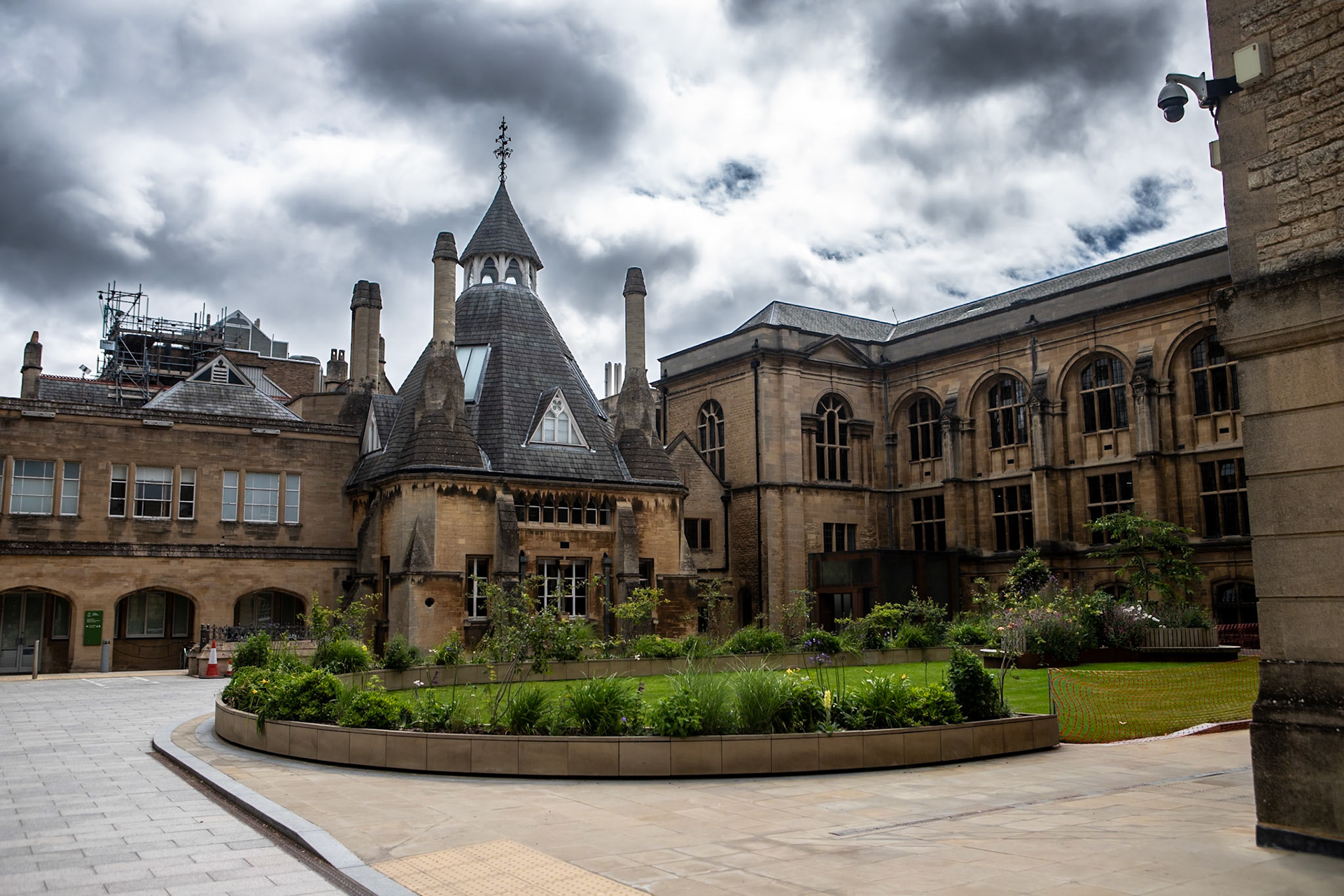
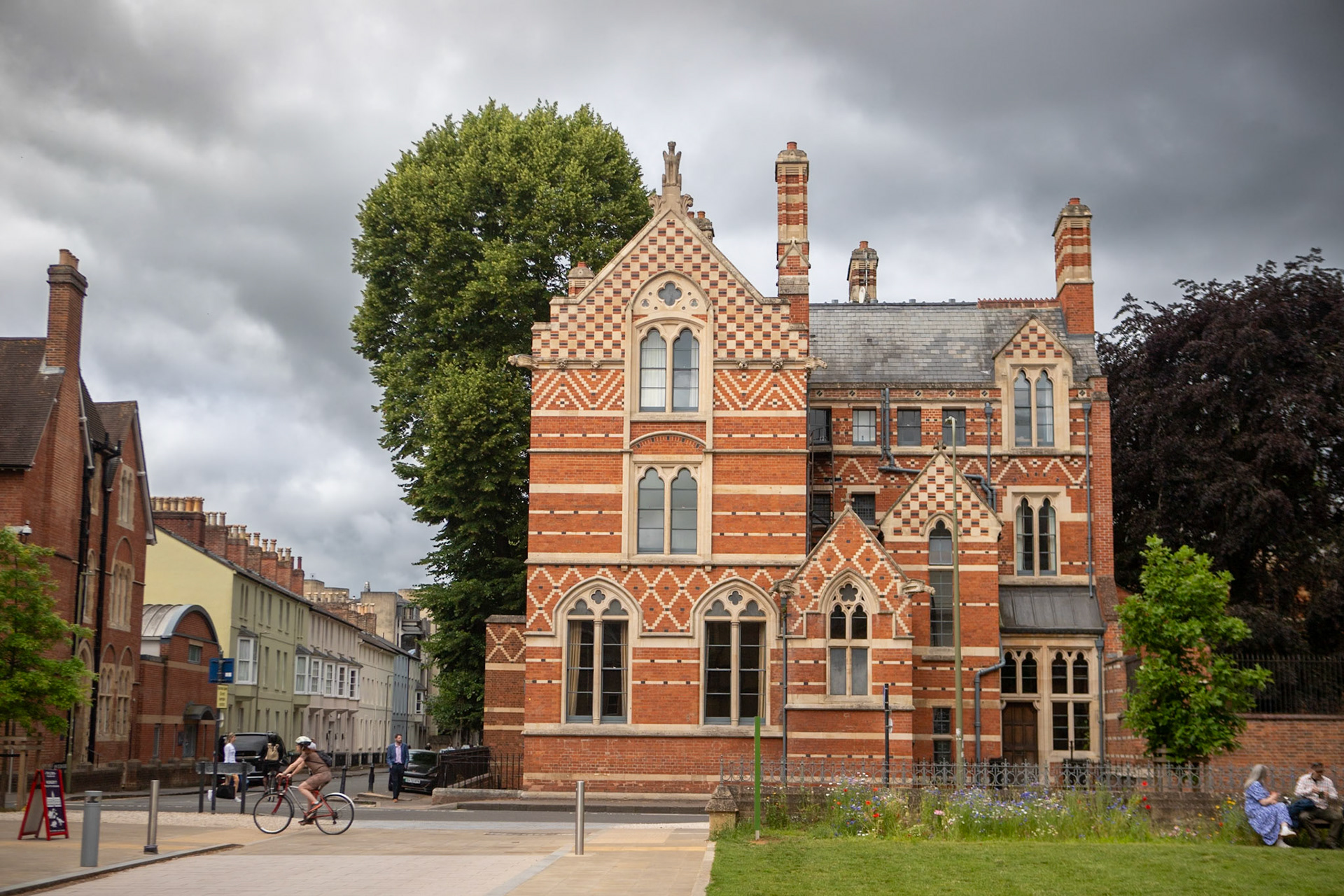
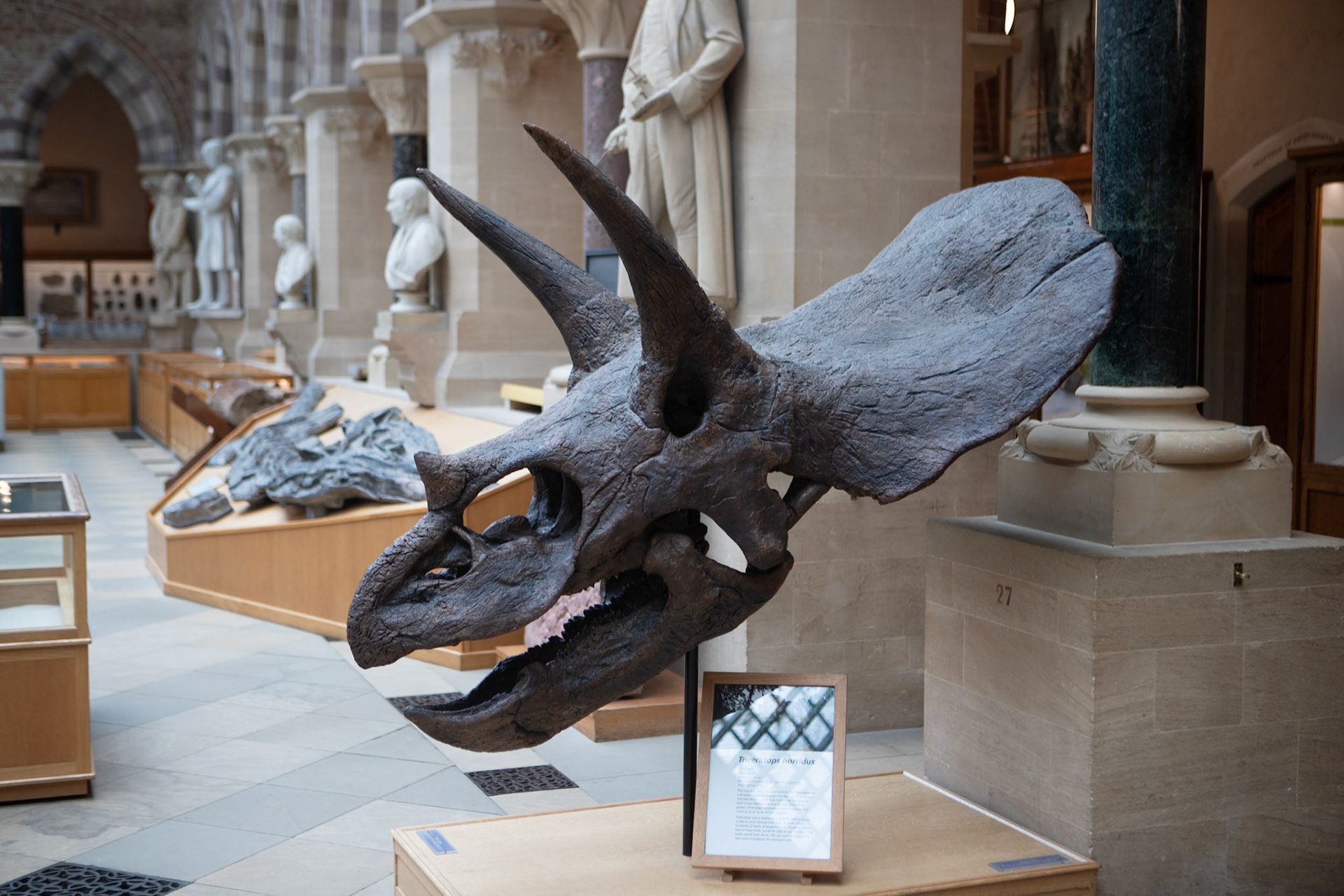
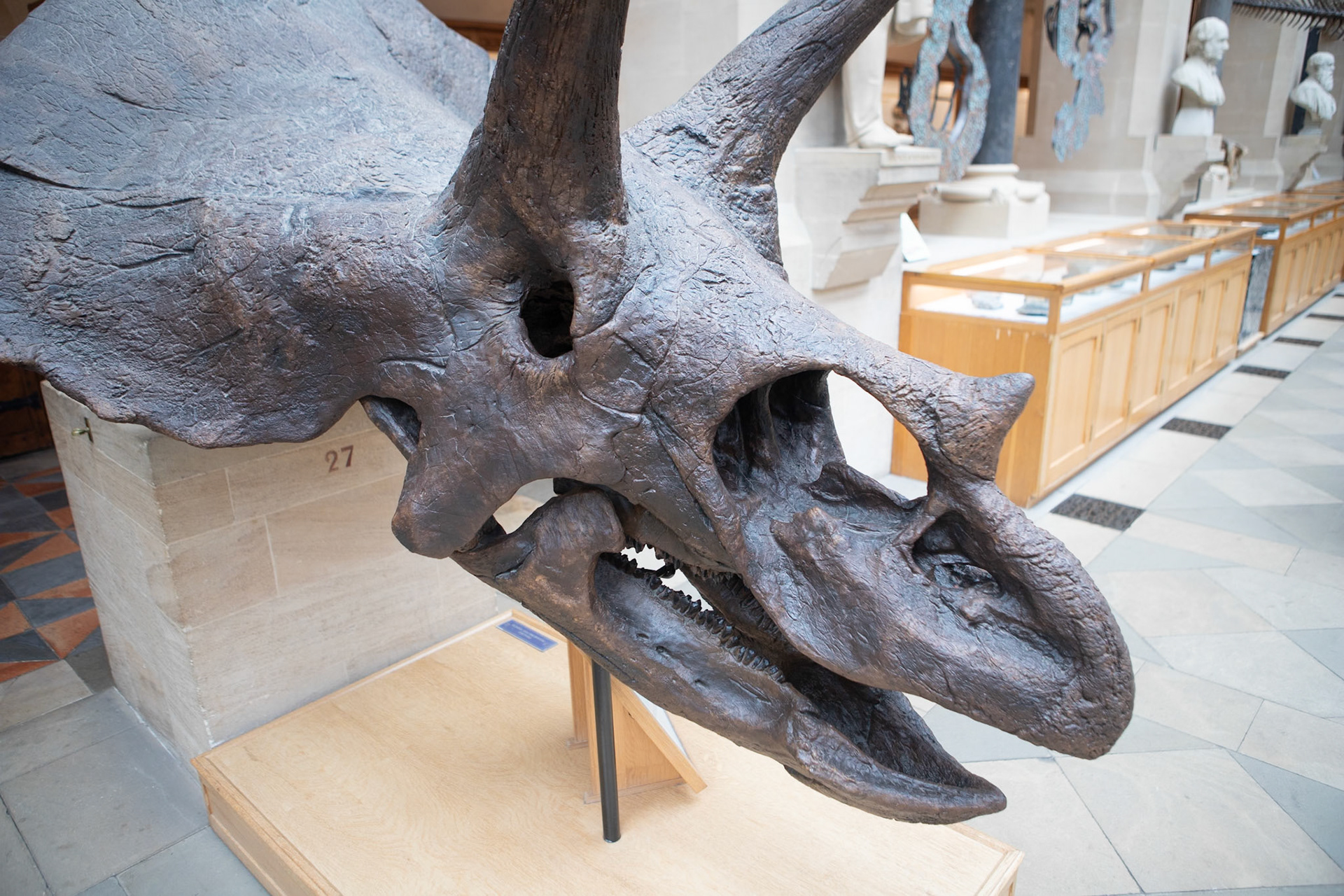
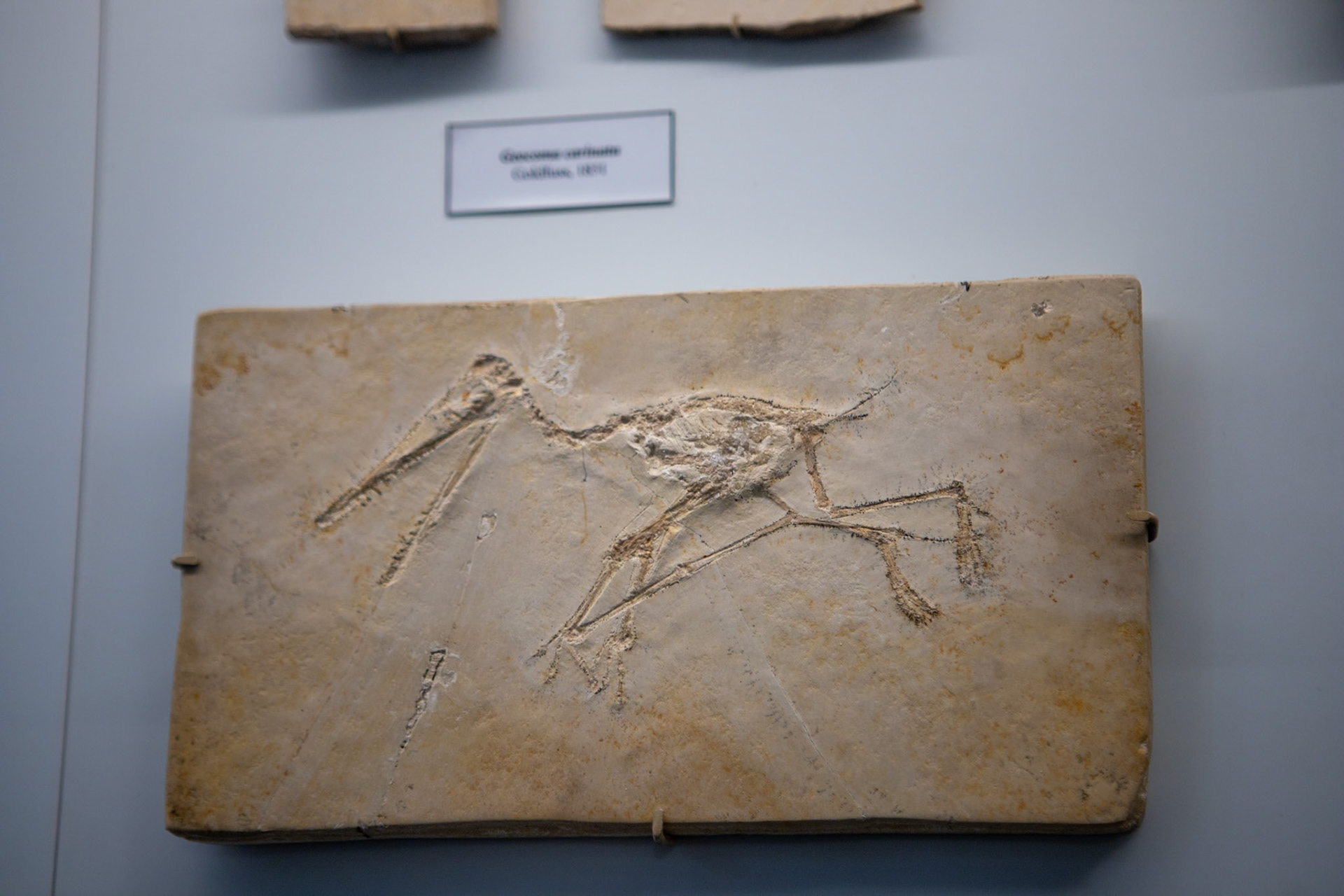
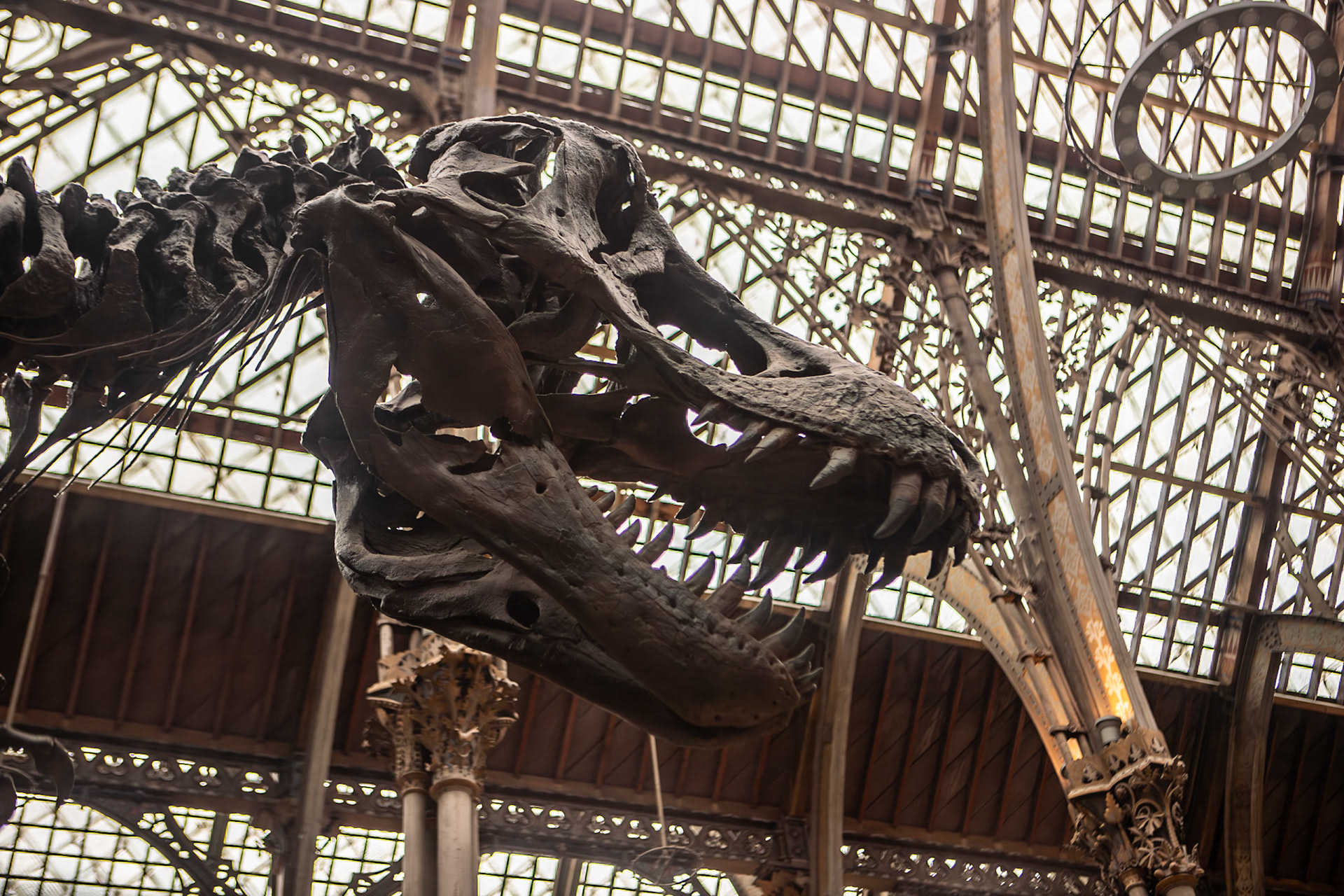
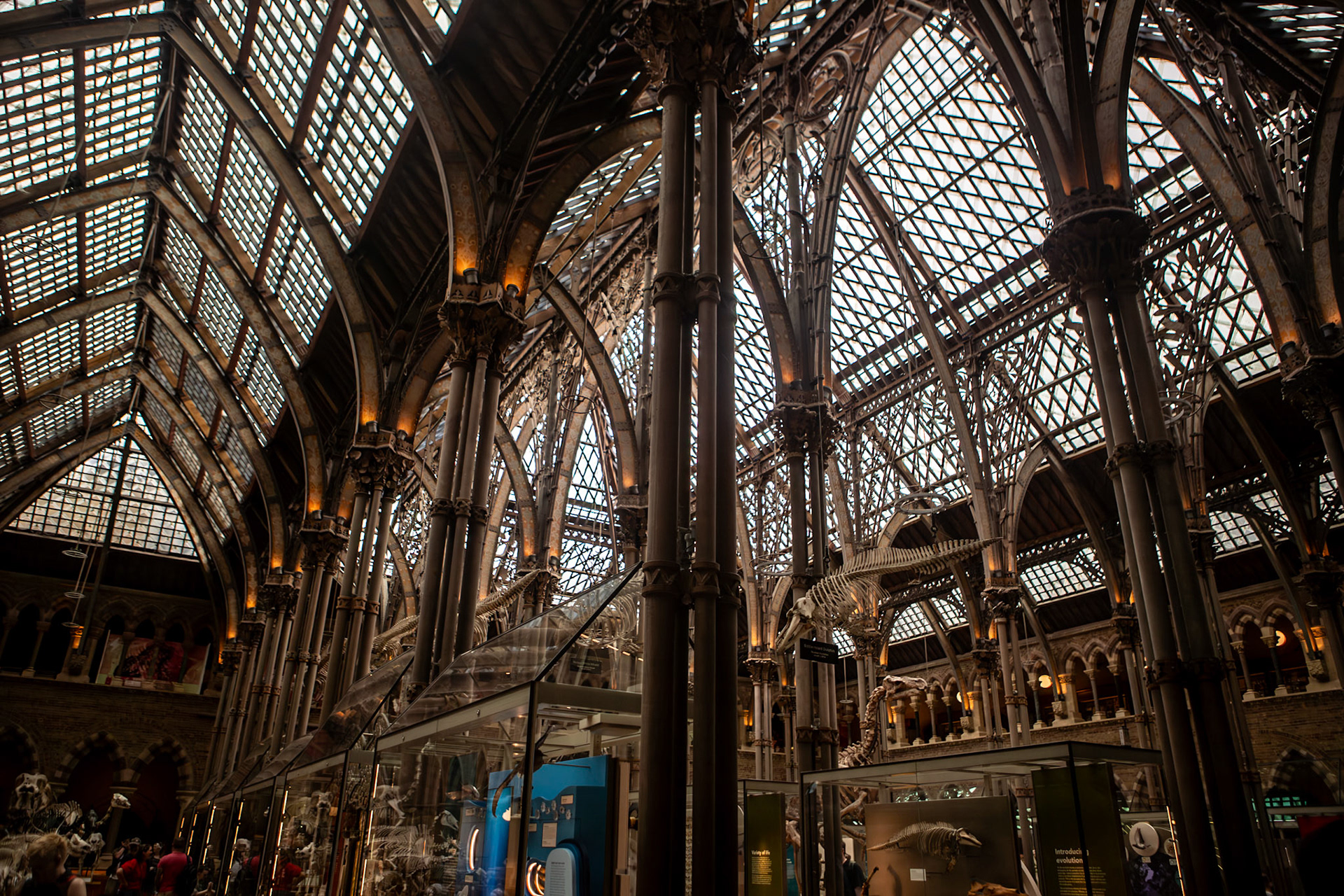
![Pitt Rivers Museum is a museum displaying the archaeological and anthropological collections of the University of Oxford in England.[2] The museum is located to the east of the Oxford University Museum of Natural History, and can only be accessed through that building.](https://cdn.myportfolio.com/01453194-c141-4d1d-ac78-ee5084ccd917/ffbc64b3-3fbe-4683-94d7-b6c605ee73fc_rw_1920.jpg?h=b00f87bc6f7265696603011d78ab2068)
![Pitt Rivers Museum is a museum displaying the archaeological and anthropological collections of the University of Oxford in England.[2] The museum is located to the east of the Oxford University Museum of Natural History, and can only be accessed through that building.](https://cdn.myportfolio.com/01453194-c141-4d1d-ac78-ee5084ccd917/d24d8b93-cdb7-4e32-a6c0-278b26ddedeb_rw_1920.jpg?h=30270d81395af7d1990986c4d669f74c)
![Pitt Rivers Museum is a museum displaying the archaeological and anthropological collections of the University of Oxford in England.[2] The museum is located to the east of the Oxford University Museum of Natural History, and can only be accessed through that building.](https://cdn.myportfolio.com/01453194-c141-4d1d-ac78-ee5084ccd917/cf99817d-27f8-4c0f-a14b-b93c7fbde7e1_rw_1920.jpg?h=8254b34ec5600762def2b173fd10321e)